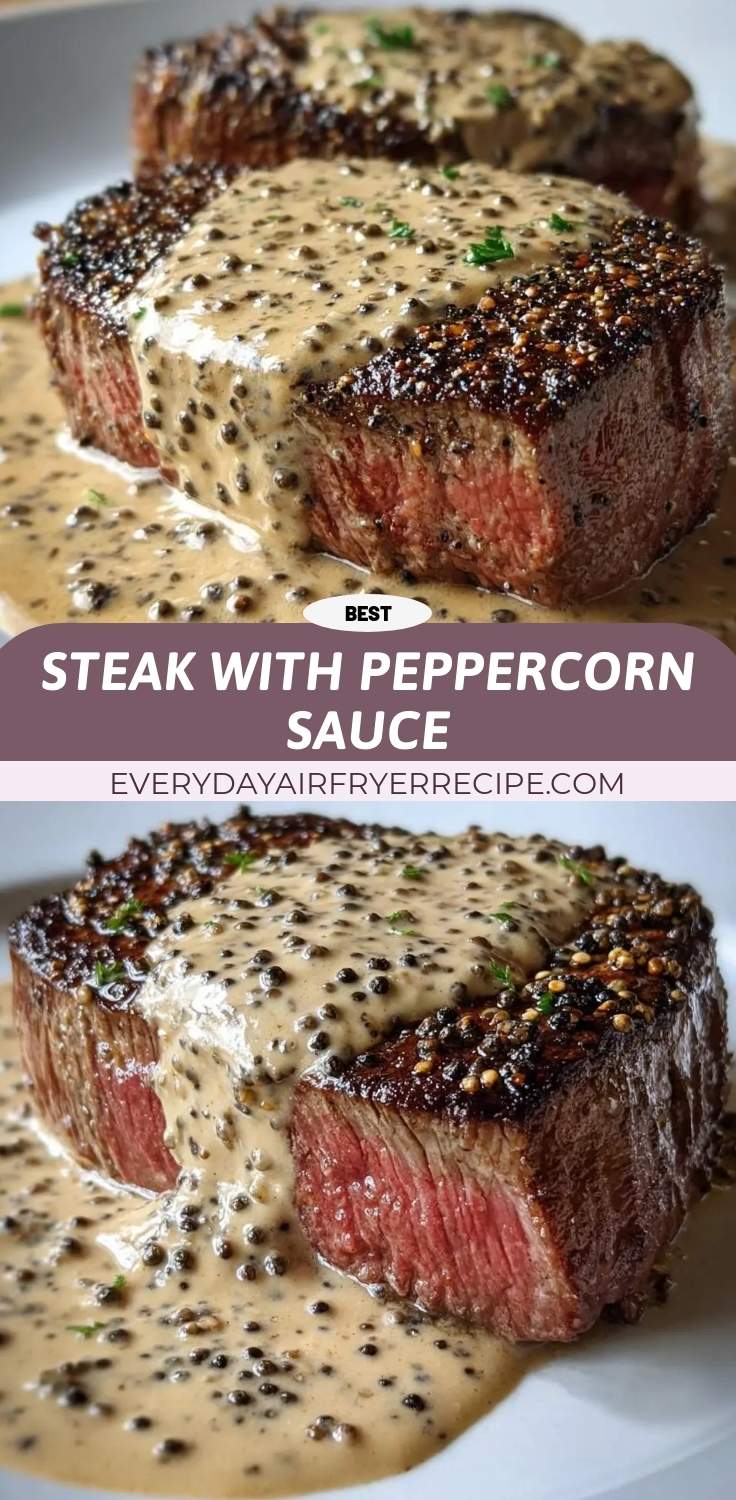
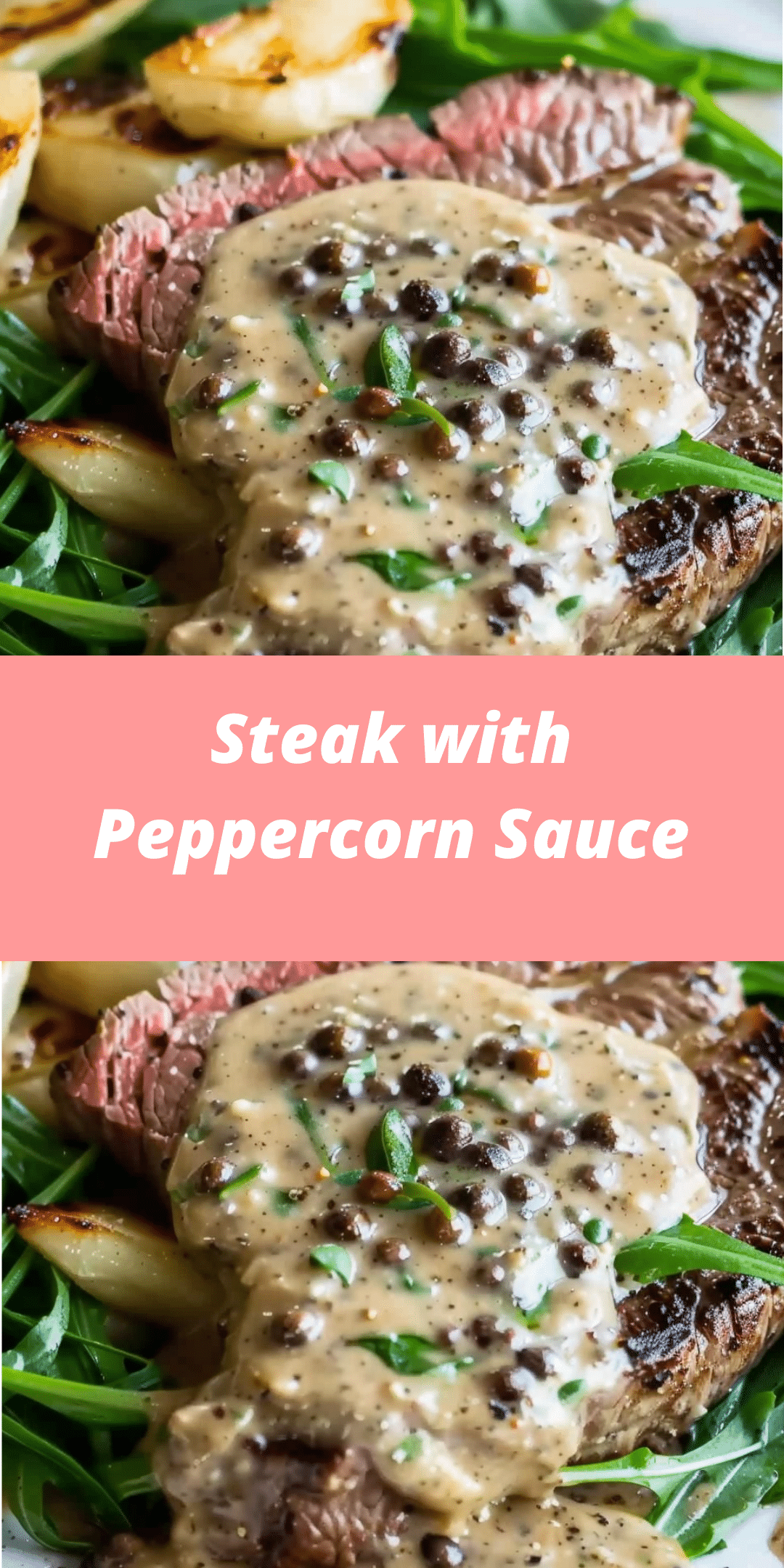
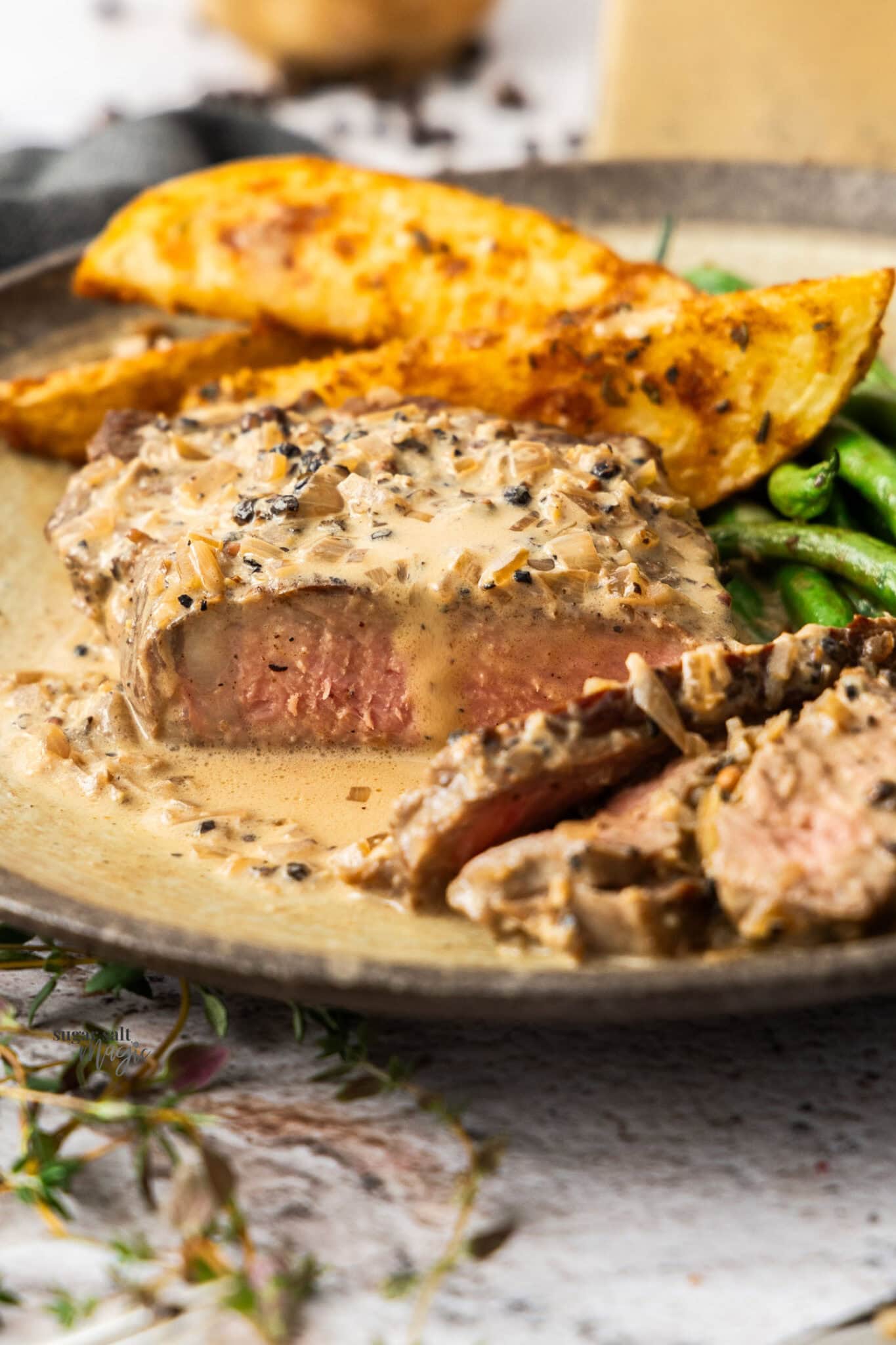
A peppercorn marinade for steak combines crushed black pepper, olive oil, garlic, soy sauce, and a little vinegar to add bold flavor before cooking. Marinate most steaks for 30 minutes to 4 hours in the refrigerator, then pat them dry before grilling or pan-searing.
In American home kitchens, steak is a popular pick for summer cookouts, weekend dinners, and quick meals on the grill. A peppercorn marinade gives beef a sharp, savory taste without the need for a long list of ingredients. It pairs well with sirloin, ribeye, strip steak, and flank steak.
The key is to use crushed peppercorns, not just ground pepper, when you want a more vivid pepper taste. Oil helps coat the meat, garlic adds depth, and a small amount of vinegar or lemon juice brings a mild tang. Salt and soy sauce can season the surface, but too much acid or too much time in the marinade may affect the meat’s texture.
This guide covers a simple peppercorn steak marinade, the right marinating time, safe storage, and the best ways to cook the beef. You will also learn how to adjust the recipe for a mild pepper taste or a stronger bite. The same basic mix works for a weeknight skillet steak or a steak cooked outdoors on a charcoal or gas grill.
A peppercorn marinade is a seasoned liquid used to coat steak before cooking. It usually contains crushed peppercorns, oil, salt, garlic, and one or more ingredients that add savory or tangy flavor. The mixture seasons the outer part of the beef and can help it brown well when prepared correctly.
Peppercorn marinade is different from peppercorn sauce. A marinade goes on raw steak before cooking, while a sauce is usually made separately and served with cooked beef. A creamy peppercorn sauce may contain cream, stock, butter, and cracked pepper, but those ingredients are not needed for this simple marinade.
The pepper gives the steak its main flavor. Oil spreads the seasonings over the surface, while salt helps season the meat. A little vinegar or lemon juice adds brightness, though it does not tenderize a thick steak all the way through.
Source: thefamilycooking.com
Black peppercorns
They give the marinade a warm, sharp flavor. Freshly cracked pepper has a more noticeable texture than fine ground pepper.
Green peppercorns
These have a milder, fresher flavor and can work in a less intense marinade. Brined green peppercorns may add extra salt and moisture.
Mixed peppercorns
A mix of black, white, green, and pink peppercorns can add different flavor notes. Pink peppercorns are not true peppercorns, but they can still add a fruity, mild spice.
Marinade Versus Dry Rub
A marinade contains liquid, while a dry rub is a blend of dry seasonings applied directly to the steak. A marinade spreads oil and flavorings over the meat and may include salt and acid. A dry rub is often easier when you want a dry surface for a fast, dark crust.
Choose a marinade when you enjoy garlic, herbs, and a hint of tang along with pepper. Choose a dry rub when you want the beef’s natural flavor and the pepper taste to stand out with fewer ingredients.
Best for a marinade
Steaks that will rest in the refrigerator for a short time before grilling or pan-searing.
Best for a dry rub
Thin steaks or quick meals when you do not have time to marinate.
Ingredients for Peppercorn Steak Marinade
This recipe makes enough marinade for about 1.5 to 2 pounds of steak. It uses common ingredients found in many American grocery stores. The result is a savory, pepper-forward mixture that works with several beef cuts.
Measure the ingredients before adding the steak. Mixing them in a bowl first helps spread the pepper and garlic evenly. Taste the mixture before it touches raw meat, then adjust the salt, pepper, or herbs as needed.
Source: vecteezy.com
2 tablespoons olive oil
Olive oil helps coat the meat and carries the garlic and pepper across the surface. A neutral oil such as canola oil also works.
1 tablespoon soy sauce
Soy sauce adds savory depth and salt. Use a reduced-sodium version if you want more control over the salt level.
1 tablespoon red wine vinegar
Vinegar adds a light tang that balances the rich taste of beef. Red wine vinegar is a good fit, but apple cider vinegar can work too.
1 tablespoon Worcestershire sauce
This sauce adds a deep, savory taste. Check the label if you need to avoid fish or other specific ingredients.
1 to 1 1/2 tablespoons cracked black peppercorns
Crack the peppercorns with a mortar and pestle, pepper mill, or the flat side of a sturdy pan. Use less for a mild marinade.
2 to 3 garlic cloves, minced
Fresh garlic adds a strong savory note. Mince it finely so it spreads across the steak instead of forming large pieces.
1 teaspoon Dijon mustard
Dijon adds a mild tang and helps the oil and liquid mix more evenly. It is optional if you prefer a simpler flavor.
1 teaspoon chopped fresh rosemary or thyme
Fresh herbs add a woodsy note that pairs well with beef. Use about one-third as much dried herb if fresh herbs are unavailable.
Salt to taste
Add salt carefully because soy sauce and Worcestershire sauce already contain sodium. You can also season the steak lightly just before cooking.
How to Choose the Right Peppercorns
Whole black peppercorns are the easiest choice for this recipe. Crush them shortly before mixing the marinade to preserve their aroma and create small pieces that cling to the beef. A coarse texture also makes the pepper flavor easier to notice in the finished steak.
Fine ground pepper can be used if that is what you have. Start with about 1 to 2 teaspoons, then adjust to taste. Fine pepper spreads more evenly but can create a stronger, more uniform pepper coating.
Mild flavor
Use 1 to 2 teaspoons of coarsely ground black pepper and skip extra pepper at the end.
Use about 1 tablespoon of cracked black peppercorns.
Very peppery steak
Use up to 1 1/2 tablespoons of cracked peppercorns if you enjoy a strong bite. Keep the other seasonings balanced.
How to Make the Marinade
Making this peppercorn marinade takes only a few minutes. You do not need a blender or special kitchen tools. A small bowl, spoon, knife, and pepper mill are enough.
Source: sugarsaltmagic.com
Step 1: Crush the Peppercorns
Place the peppercorns in a mortar and crush them with a pestle. If you do not have one, put the peppercorns in a sturdy sealed bag and gently press them with a rolling pin or the bottom of a heavy pan. Aim for coarse pieces rather than a fine powder.
Avoid crushing the peppercorns into dust unless you prefer a uniform pepper coating. Coarse pieces create little bursts of pepper flavor, while finer pepper spreads more evenly over the steak.
Step 2: Mix the Liquid Ingredients
Add the olive oil, soy sauce, red wine vinegar, Worcestershire sauce, and Dijon mustard to a bowl. Whisk until the mixture looks fairly even. The oil may separate later, so give the marinade another quick stir before using it.
Step 3: Add Garlic, Pepper, and Herbs
Stir in the minced garlic, cracked peppercorns, and chopped herbs. Taste a small amount with a clean spoon and adjust the seasoning. Keep in mind that the mix should taste a little more intense than a finished bite of steak because it will only season the meat’s surface.
Step 4: Coat the Steak
Place the steak in a food-safe dish or a sealable food bag. Pour the marinade over the beef and turn the steak so both sides are coated. Press out excess air from the bag, or cover the dish with a lid or food-safe wrap.
Place the steak in the refrigerator at 40°F or below. Turn the steak once during marinating if the liquid does not cover both sides. Keep the raw meat and its juices away from ready-to-eat foods.
How Long Should Steak Marinate?
For this peppercorn marinade, about 30 minutes to 4 hours is a useful starting range. The best time depends on the thickness of the steak, the cut, and how strong you want the flavor to be. Keep the steak chilled throughout the process.
Marinade flavor does not move through a thick steak as quickly as it moves across the surface. A longer soak may season the outside more deeply, but it will not make every part of a thick steak taste exactly the same. The acid in this recipe is mild, yet a very long soak can still change the surface texture.
Source: shop.chefswear.co.uk
Thin steaks, about 1/2 inch thick
Start with 30 minutes to 1 hour. Thin cuts take less time to pick up surface flavor.
Steaks about 1 inch thick
Allow around 1 to 2 hours for a balanced pepper and garlic taste.
Thick steaks, about 1 1/2 inches thick
Try 2 to 4 hours. Keep expectations realistic because the marinade mainly seasons the outer part.
Overnight marinating
It is usually unnecessary for this recipe. The long soak may make the surface overly seasoned or alter its texture, especially if the steak is thin.
Can You Marinate Steak for 24 Hours?
You can keep raw steak in a refrigerator while it marinates, but 24 hours is longer than this recipe needs for a good result. Salt and acidic ingredients continue to affect the surface, and the garlic and pepper may become more intense than you want. For a bold pepper taste, a shorter soak followed by fresh pepper at cooking time is often more useful.
If you need to prep dinner the day before, mix the marinade in advance and store it separately in a clean, covered container in the refrigerator. Add it to the steak closer to cooking time instead of assuming that a longer soak will always improve flavor.
Which Steak Cuts Work Best?
This marinade works with many common beef cuts, but each cut has a different texture and fat level. Tender cuts need less help with texture, while lean or fibrous cuts benefit from careful slicing and cooking. Choose your cut based on your budget, preferred flavor, and cooking method.
Source: breannarecipes.com
Ribeye
Ribeye has rich marbling and a beefy flavor. The pepper and garlic complement its fat, so keep the marinade balanced rather than adding too much acid.
New York strip
Strip steak has a firm bite and a good balance of fat and lean meat. It works well in a skillet or on a hot grill.
Sirloin
Sirloin is often a practical choice for a weeknight meal. The marinade adds savory flavor, but avoid overcooking lean sirloin because it can become dry.
Flank steak
Flank steak has long muscle fibers and a strong beef flavor. Marinate it for a few hours, cook it carefully, and slice thinly against the grain.
Flat iron steak
Flat iron is a tender, flavorful cut that works well with pepper and herbs. A short marinade is usually enough.
Skirt steak
Skirt steak has a pronounced beef flavor and long fibers. Keep the marinating time moderate and slice across the grain after cooking.
Should You Use This Marinade for Filet Mignon?
Yes, but use a light hand. Filet mignon is naturally tender and has a mild flavor, so a strong mix with lots of garlic, soy sauce, and pepper may cover the beef’s delicate taste. A short marinade with olive oil, cracked pepper, and a little salt can be enough.
For a thick filet, focus on cooking temperature and resting time rather than trying to tenderize it with a marinade. The marinade seasons the outside, while proper cooking helps preserve the center’s texture.
How to Cook Marinated Peppercorn Steak
A hot cooking surface and a dry steak help create a rich brown crust. The marinade adds flavor, but excess liquid can slow browning and cause the steak to steam. Remove the steak from the refrigerator when you are ready to prepare it, then get your cooking area ready.
Source: artofit.org
Pan-Searing on the Stove
Take the steak out of the marinade and let excess liquid drip away. Pat the surface dry with paper towels, taking care not to rub off every piece of pepper. Discard the used marinade or reserve it only if it has been kept separate from the raw beef.
Heat a heavy skillet over medium-high to high heat, depending on the stove and pan. Add a small amount of high-heat cooking oil if needed. Place the steak in the pan once it is hot enough to sear, leaving space around the meat.
Cook until a brown crust forms, then turn the steak and continue cooking. The time depends on thickness, starting temperature, pan heat, and the doneness you want. Use a thermometer rather than relying only on a timer.
Use a heavy pan
Cast iron or a heavy stainless steel skillet can hold heat well and help brown the surface.
Avoid crowding
Cook steaks in batches if needed. Crowding the pan lowers its temperature and can leave the meat pale.
Watch the garlic
Minced garlic can burn at high heat. Remove large garlic pieces from the surface before searing if they begin to darken too fast.
Grilling Outdoors
Preheat a gas or charcoal grill and clean the grates. Remove the steak from the marinade, pat it dry, and lightly oil the grates if needed. Place the meat over direct heat to develop grill marks, then move it to a cooler area if the outside browns before the center reaches the desired temperature.
Peppercorns and herbs may darken on the grill, especially over open flames. That is not automatically a problem, but burnt garlic can taste bitter. Shake off loose pieces before cooking and keep a close eye on flare-ups caused by dripping oil.
Cooking in a Cast-Iron Skillet
A cast-iron skillet is useful for steak because it can hold a steady temperature. Preheat it carefully, add a thin layer of suitable cooking oil, and sear the dry steak. Avoid pouring the full marinade into the pan, since the liquid can prevent the surface from browning.
After cooking, you can add a small knob of butter and a fresh sprig of rosemary to the pan for extra aroma. This step is optional and should happen near the end so the butter and herbs do not burn.
Safe Steak Temperatures and Handling
Safe handling matters from the moment you open the meat package until you serve dinner. Keep raw steak and its juices away from cooked food, clean work surfaces, and fresh produce. Wash your hands with soap and water after handling raw beef, and clean any tools that touch it.
For whole cuts of beef, the USDA recommends cooking steak to a minimum internal temperature of 145°F, followed by a rest of at least 3 minutes. Insert a food thermometer into the thickest part of the steak, away from bone or large pockets of fat. Color alone cannot confirm that the meat has reached a safe temperature.
Source: everydayairfryerrecipe.com
Refrigerate promptly
Marinate steak at 40°F or below. Do not leave raw beef on the counter while it soaks.
Limit time at room temperature
Perishable food should not sit at room temperature for more than 2 hours, or more than 1 hour when the air temperature is above 90°F.
Prevent cross-contamination
Use a separate clean plate for cooked steak. Never place cooked meat on a plate that held raw beef unless the plate has been washed.
Handle marinade with care
Marinade that touched raw steak must be discarded or brought to a full boil before it is used as a sauce. Making a fresh sauce is often simpler.
Can You Reuse Peppercorn Marinade?
Do not reuse marinade from raw steak as a finishing sauce unless you boil it thoroughly first. Raw meat juices may contain harmful germs, and simply warming the liquid is not enough to ensure safe handling. The safer, easier choice is to set aside a clean portion of marinade before adding the beef.
If you want a sauce, use the clean reserved mixture as a flavor base and cook it in a saucepan. Adjust the seasoning after cooking, and add fresh stock or another suitable liquid if you want a thinner consistency. Do not use the reserved marinade as a substitute for checking the steak’s internal temperature.
How to Adjust the Marinade to Your Taste
The basic recipe is easy to change without losing its peppery character. Small adjustments can make the mix more savory, tangy, herbal, or spicy. Change one or two ingredients at a time so you can tell which flavors work best for your steak.
Source: shop.chefswear.co.uk
For a stronger pepper taste
Add more coarsely cracked black pepper. Freshly grind a little extra over the cooked steak if you want a sharp pepper aroma at the table.
For a more savory flavor
Use Worcestershire sauce and garlic, or add a small amount of onion powder. Keep the soy sauce measured to avoid making the mixture too salty.
For a brighter taste
Use a little lemon juice or red wine vinegar. Do not add large amounts of acid or extend the marinating time just to make the steak tender.
For a smoky flavor
Add a small amount of smoked paprika. It pairs well with grilled steak but should not overwhelm the pepper.
For a fresh herb flavor
Try rosemary, thyme, or finely chopped parsley. Rosemary has a stronger, woodsy flavor, while parsley is milder.
For a lower-sodium version
Choose reduced-sodium soy sauce, use less Worcestershire sauce, and measure added salt carefully. The final sodium level will depend on the products used.
Can You Make the Marinade Without Soy Sauce?
Yes. Replace the soy sauce with a small amount of salt and a splash of water or unsalted beef stock. The flavor will be less deep and savory, but the garlic, pepper, herbs, and oil will still season the steak.
If you avoid soy because of an allergy, check every packaged ingredient, including Worcestershire sauce and mustard, for suitable labeling. A product’s ingredient list matters more than assumptions about its name.
Common Peppercorn Marinade Problems and Fixes
Most marinade problems come from too much salt, excess liquid, burnt garlic, or an unsuitable marinating time. The fix is usually simple. Adjust the next batch based on what happened rather than adding more ingredients at random.
Source: thefamilycooking.com
The steak tastes too salty
Use less soy sauce and Worcestershire sauce next time. Avoid adding extra salt until you have tasted the cooked steak.
The steak has little pepper flavor
Crack the peppercorns more recently and use a slightly larger amount. A fresh pepper finish after cooking can also help.
The outside will not brown
Pat the steak dry and make sure the pan or grill is hot before cooking. Excess marinade can create steam and slow browning.
The garlic tastes bitter
Remove large pieces of minced garlic before cooking at very high heat. You can add a small amount of fresh garlic to a cooked sauce instead.
The steak feels tough
Check the cut, doneness, and slicing direction. A lean steak cooked too long may be dry, while flank and skirt steak benefit from thin slices cut against the grain.
The marinade separates
Whisk it again before coating the meat. Oil and watery ingredients can separate naturally, and the mixture does not need to remain perfectly blended.
Does Peppercorn Marinade Tenderize Steak?
A peppercorn marinade mainly adds surface flavor. Oil does not deeply tenderize beef, and a modest amount of vinegar cannot break down the center of a thick steak. Salt may help season the surface and affect the meat’s water retention, but the result depends on the amount used and the time involved.
For a naturally tender cut, focus on proper cooking and resting. For a fibrous cut such as flank steak, marinating can add flavor, but slicing thinly across the grain is still a key step. If the goal is tenderness, choosing the right cut and avoiding overcooking matter more than extending the soak indefinitely.
What to Serve With Peppercorn Steak
Peppercorn steak has a bold, savory taste, so sides with a mild or fresh flavor make a good match. A simple vegetable, potato dish, or crisp salad can round out the meal without competing with the beef. Choose sides that fit the cooking method and the time you have available.
Source: vecteezy.com
Roasted potatoes
Crisp potatoes pair well with pepper and garlic. Add rosemary for a flavor that echoes the marinade.
Mashed potatoes
Creamy potatoes balance the sharp pepper taste and work well with a separate peppercorn sauce.
Grilled asparagus
Asparagus cooks quickly and adds a fresh, slightly grassy note to the plate.
Green salad
A salad with lettuce, cucumber, and a light vinaigrette helps balance the rich taste of beef.
Roasted carrots
Carrots add natural sweetness that works well with cracked black pepper and herbs.
Sautéed mushrooms
Mushrooms bring an earthy flavor that complements steak. Cook them separately so the pan stays hot enough for good browning.
Should You Add Peppercorn Sauce Too?
You can serve peppercorn sauce with marinated steak, but consider how strong the marinade is first. A heavily seasoned steak paired with a rich, peppery sauce can taste overly salty or intense. If you plan to make sauce, use a lighter marinade or reduce the amount of pepper in one of the two preparations.
A quick pan sauce made with clean stock, a little butter, and fresh cracked pepper can be enough. Add cream if you prefer a richer finish, and season gradually because the steak already carries salt and pepper.
Make-Ahead and Storage Tips
You can prepare the marinade ahead of time to make dinner easier. Mix the ingredients in a clean container, cover it, and store it in the refrigerator. For the best quality, use the prepared mixture within a few days and follow the storage directions for any packaged ingredients.
Keep the marinade separate from raw steak until you are ready to start marinating. Once raw beef has touched the mixture, treat the remaining liquid as raw-meat marinade. Do not save it for another batch of meat or return it to the clean container.
If you need to freeze steak, a food-safe freezer bag can hold the beef and marinade together. Leave room for expansion, seal the bag well, and freeze promptly. Thaw the steak in the refrigerator, not on the counter, and cook it after thawing. The texture and flavor may differ slightly after freezing.
Source: sugarsaltmagic.com
Prep ahead
Measure the dry seasonings and crush the peppercorns before dinner time. Add the wet ingredients when you are ready to mix the marinade.
Store raw steak safely
Keep it in a covered, leakproof container on the bottom shelf of the refrigerator so its juices cannot drip onto other foods.
Freeze only in suitable packaging
Use a freezer-safe bag or container, remove excess air, and label the package with the date.
Avoid repeated thawing
Thaw in the refrigerator and cook promptly. Follow official food safety guidance for any meat that has been held at unsafe temperatures.
Frequently Asked Questions
Q
Can I use ground black pepper instead of whole peppercorns?
Yes. Use about 1 to 2 teaspoons of ground black pepper to start, then adjust to taste. Whole peppercorns crushed just before use tend to give a more varied texture and a fresh aroma, while ground pepper creates a more even coating.
Q
Should I rinse steak after marinating it?
No. Rinsing raw beef is unnecessary and may spread raw meat juices around the sink. Remove the steak from the marinade, let excess liquid drip off, and pat it dry with paper towels before cooking. Discard the used paper towels and wash your hands afterward.
Q
Can I use this peppercorn marinade for chicken?
Yes, the flavor mix can also work with chicken, but use separate handling and cooking steps. Keep raw chicken refrigerated while marinating, never reuse its raw marinade as a sauce without boiling it, and cook chicken to an internal temperature of 165°F.
Q
Does steak need to reach room temperature before cooking?
No. Steak does not need to sit out until it reaches room temperature. You can prepare the pan or grill while the steak stays chilled, then cook it once the cooking surface is ready. Avoid leaving raw beef at room temperature for extended periods.
Q
Can I make a peppercorn marinade without vinegar?
Yes. Leave out the vinegar and use a small amount of extra oil or unsalted beef stock to adjust the consistency. The result will taste less tangy, but the pepper, garlic, herbs, and savory ingredients will still add flavor.
Q
What is the safest temperature for cooked steak?
For whole cuts of beef, the USDA recommends a minimum internal temperature of 145°F followed by a rest of at least 3 minutes. Check the thickest part with a food thermometer. Ground beef has a different recommendation and should reach 160°F.
✦ Wrapping Up
Conclusion
A peppercorn marinade for steak is a simple way to add bold flavor with ingredients you may already have at home. Crushed black pepper, garlic, olive oil, soy sauce, Worcestershire sauce, and a little vinegar create a savory mix that works with ribeye, sirloin, strip steak, flank steak, and more.
For a balanced result, marinate the steak in the refrigerator for about 30 minutes to 4 hours, based on its thickness and your taste. Pat it dry before cooking, use a hot skillet or grill, and check the center with a food thermometer. These small steps help you get a flavorful steak with a well-browned surface and a safe finish.
💡 Key Takeaway
Mix the marinade, coat 1.5 to 2 pounds of steak, and refrigerate for 1 to 2 hours as a starting point. Pat the beef dry, cook it to a safe internal temperature, and serve with roasted potatoes or fresh vegetables.