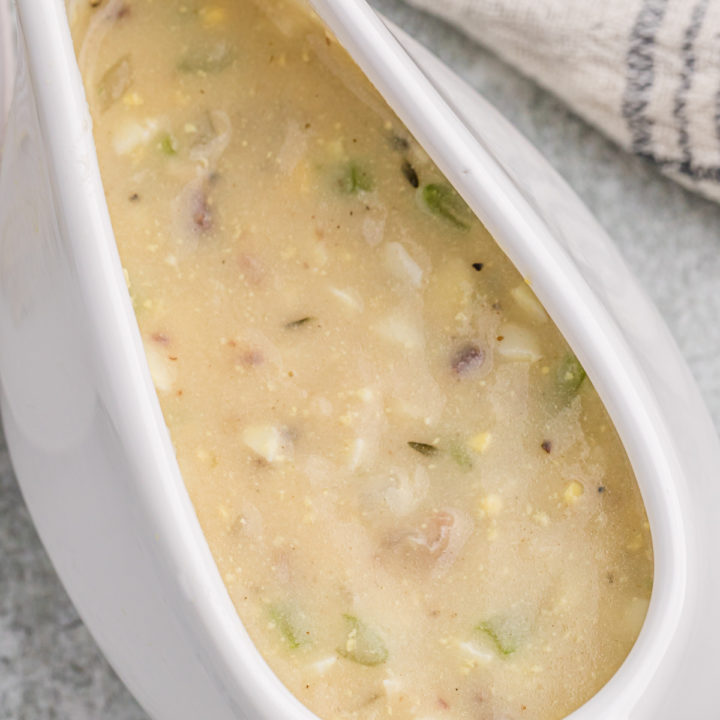
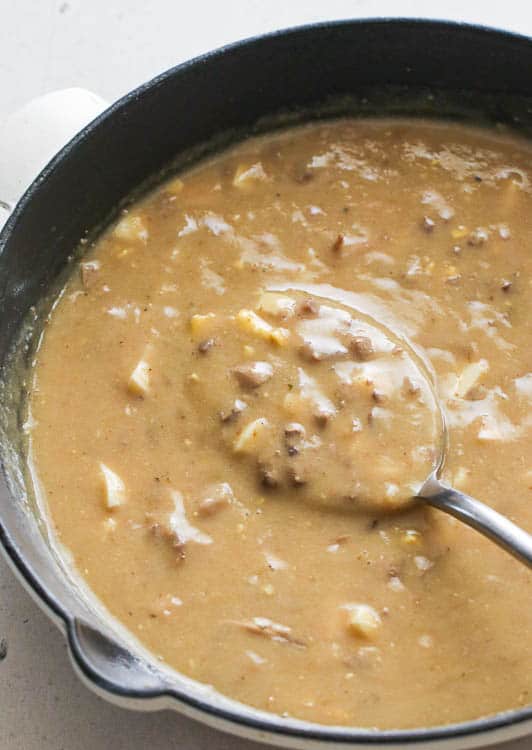
A traditional Southern giblet gravy combines tender turkey or chicken giblets, rich broth, chopped eggs, and a smooth flour-based gravy for a savory dish often served with cornbread dressing, mashed potatoes, and roast turkey.
Across the United States, Thanksgiving dinner often brings family and friends around a table filled with turkey, dressing, greens, sweet potatoes, and gravy. In many Black American households, Southern-style giblet gravy is a cherished part of that meal. Its deep, savory taste comes from slowly simmered giblets, well-seasoned broth, and a gravy base cooked until smooth.
This giblet gravy recipe black folks can make at home follows a classic soul food approach while allowing room for family traditions. You can use turkey or chicken giblets, add chopped hard-boiled eggs if you like, and adjust the seasonings to suit your table. The result is a warm, hearty gravy that pairs especially well with cornbread dressing and roasted poultry.
Southern giblet gravy stands apart from plain pan gravy because it includes chopped poultry organs that add a deep, meaty flavor and a hearty texture. The broth carries their savory taste, while the gravy thickener gives each spoonful a smooth body. Some cooks add finely chopped hard-boiled eggs for extra texture and a familiar home-cooked touch.
Black American food traditions vary across regions and families, so there is no single recipe that represents every household. Some cooks favor turkey drippings and homemade stock, while others use chicken broth and a little butter. Onion, celery, black pepper, and poultry seasoning are common choices, though the exact mix depends on family preference.
The gravy is often served with roasted turkey and dressing during Thanksgiving and Christmas meals. It also works with mashed potatoes, rice, biscuits, and roast chicken. Its main job is simple: add moisture, warmth, and savory flavor to foods that benefit from a generous spoonful of gravy.
Source: storage.googleapis.com
Rich poultry flavor
Giblets and broth create a deeper taste than broth alone.
A soft, hearty texture
Finely chopped giblets add small, tender pieces throughout the gravy.
Family-style flexibility
Eggs, herbs, vegetables, and seasonings can be adjusted to match your preferred Southern style.
What Are Turkey Giblets?
Giblets commonly include the heart, liver, and gizzard. A turkey package may also contain the neck, although the neck is technically a separate part rather than a giblet. These parts are often packed together inside the bird’s cavity, so check the packaging before cooking.
The heart and gizzard provide a firm, meaty texture, while the liver has a stronger flavor. Some cooks include all the giblets, and others use only the heart and gizzard because liver can taste intense. If the package includes a neck, simmering it with the giblets can help add flavor to the stock.
Heart
Adds a mild, savory taste and a firm texture.
Gizzard
Becomes tender with enough simmering time and gives the gravy a hearty bite.
Liver
Adds a stronger, earthy flavor, so use it according to your taste.
Ingredients for Black Folks’ Giblet Gravy
This recipe makes about six to eight servings, depending on portion size. It uses familiar pantry staples and poultry giblets to create a gravy that is rich without being overly thick. For the best result, gather and measure the ingredients before you begin cooking.
Use unsalted or low-sodium broth when possible. This gives you more control over the final seasoning, especially if you plan to add turkey drippings. If your drippings are already salty, you may need little or no extra salt.
Source: storage.googleapis.com
Poultry giblets
One set of turkey giblets, including the heart, gizzard, and liver, or chicken giblets from about one pound of poultry.
Broth or stock
Four cups of chicken or turkey broth, with additional liquid available if needed.
Aromatics
Half a medium onion, finely chopped, and one celery stalk, finely chopped.
Gravy base
Four tablespoons of unsalted butter or poultry fat and one-quarter cup of all-purpose flour.
Seasonings
Half a teaspoon of black pepper, one-quarter teaspoon of poultry seasoning, and salt to taste.
Optional additions
Two chopped hard-boiled eggs, one bay leaf for the simmering liquid, and one or two tablespoons of turkey drippings.
How to Prepare the Giblets
Remove the giblets from their package and check for any plastic wrapping. Keep raw poultry and giblets separate from ready-to-eat foods. Do not wash raw giblets in the sink, since splashing water can spread germs to nearby surfaces.
Pat the giblets dry with paper towels if needed, then place them in a clean pot with the broth, onion, celery, and bay leaf if using. Bring the liquid to a gentle boil, reduce the heat, and simmer until the pieces are cooked through and tender. The gizzard may need more time than the heart or liver, so remove individual pieces as they finish if necessary.
Check the package
Make sure you have removed all wrapping before the giblets enter the pot.
Cook until safe
Use a food thermometer to confirm poultry organs reach at least 165 degrees Fahrenheit.
Save the broth
Strain the cooking liquid and reserve it for the gravy base.
How to Make Giblet Gravy Step by Step
The key to good giblet gravy is building flavor in stages. Cook the giblets until tender, make a smooth gravy base, and add the broth slowly while stirring. This method gives you better control over the thickness and helps prevent lumps.
Allow about 45 to 75 minutes for preparation and cooking, depending on the size and tenderness of the giblets. Gizzards can take longer than hearts or livers, so use tenderness rather than the clock alone to judge when they are ready.
Source: juicycooking.com
Step 1: Simmer the giblets
Place the giblets in a saucepan with four cups of broth, onion, celery, and the optional bay leaf. Simmer gently until the pieces are cooked through and tender. Remove the giblets and strain the broth.
Step 2: Chop the cooked meat
Let the giblets cool enough to handle safely. Remove any tough connective tissue and chop the heart and gizzard into small pieces. Chop the liver separately if you want a milder flavor or plan to use only part of it.
Step 3: Cook the flour base
Melt the butter or poultry fat in a clean saucepan over medium-low heat. Whisk in the flour and cook for about two to four minutes, stirring often, until the mixture smells lightly toasted and looks smooth. Do not let it burn.
Step 4: Add the broth slowly
Pour in the warm reserved broth a little at a time while whisking. Keep stirring until each addition blends into the flour mixture. Continue until the gravy is smooth and begins to thicken.
Step 5: Add giblets and seasonings
Stir in the chopped giblets, black pepper, and poultry seasoning. Add turkey drippings if you have them, then simmer gently for five to ten minutes. Stir often so the gravy does not stick to the pan.
Step 6: Finish and taste
Fold in chopped hard-boiled eggs if desired. Taste the gravy and adjust the salt, pepper, and broth as needed. Remove the bay leaf before serving.
How to Know When the Gravy Is Ready
Finished giblet gravy should coat the back of a spoon without becoming stiff or pasty. The broth and flour should blend into a smooth sauce, and the chopped giblets should feel tender rather than rubbery. A gentle simmer helps the flavors come together without scorching the bottom.
Keep in mind that gravy thickens as it cools. If it looks slightly thinner than you want while hot, let it simmer for another minute or two before adding more flour. If it becomes too thick, stir in warm broth one tablespoon at a time until it reaches the texture you prefer.
Too thin
Simmer briefly to reduce the liquid, or whisk a small amount of flour with cool water and add it gradually.
Too thick
Add warm broth in small amounts while stirring until the gravy loosens.
Lumpy
Whisk firmly or strain the gravy before returning the chopped giblets to the pan.
Southern Seasoning Tips for Deep Flavor
Good seasoning should support the flavor of the giblets and broth rather than hide them. Onion, celery, black pepper, and poultry seasoning make a reliable base, while turkey drippings can add roasted flavor. Taste as you cook because broth brands and drippings vary in salt content.
Some cooks like a little garlic, thyme, sage, or a pinch of cayenne. These additions can work well, but add small amounts at first. You can always add more seasoning, while correcting an overly salty or heavily spiced gravy is much harder.
Source: storage.googleapis.com
For a classic flavor
Use onion, celery, black pepper, and a modest amount of poultry seasoning.
For a richer taste
Add a spoonful of turkey drippings or use part homemade poultry stock.
For a mild gravy
Use less liver or leave it out and rely on the heart, gizzard, and broth.
For more herbal flavor
Add a small amount of sage or thyme, then taste before adding more.
Should You Add Hard-Boiled Eggs?
Hard-boiled eggs are optional, but they appear in many family-style giblet gravy recipes. The chopped whites add texture, while the yolks can make the gravy feel a little richer. Other households prefer gravy without eggs because they want a smoother sauce.
If you use eggs, cook them separately, peel them, and chop them into small pieces. Stir them in near the end so they hold their shape. For a smoother result, leave them out rather than trying to blend them into the gravy.
Add eggs for texture
Stir in two chopped hard-boiled eggs just before serving.
Skip eggs for a smooth finish
Keep the gravy focused on the broth, chopped giblets, and seasonings.
How to Serve Giblet Gravy
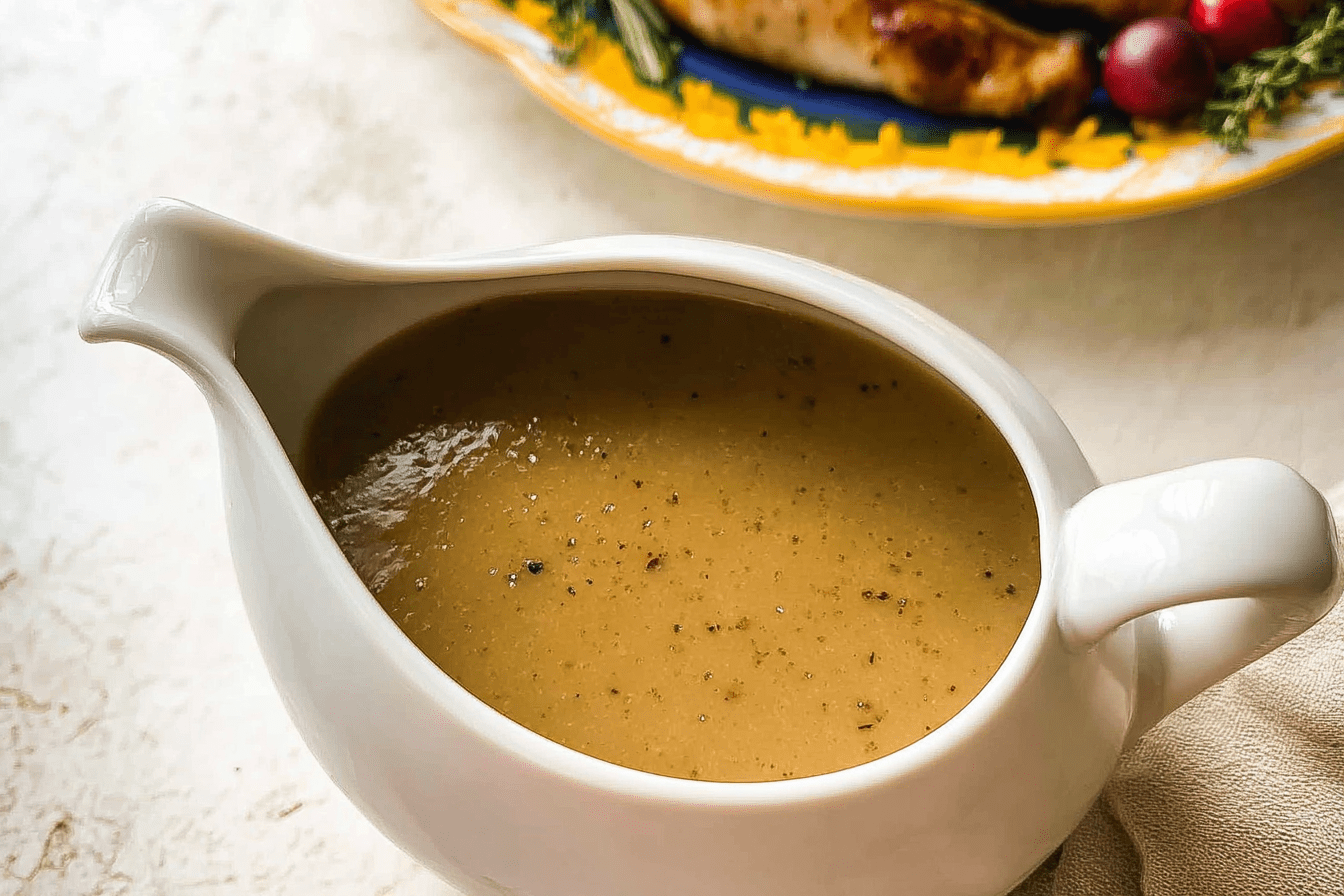
Serve giblet gravy warm in a gravy boat or small serving bowl, with a ladle for easy portions. It pairs especially well with roasted turkey and cornbread dressing because the savory sauce adds moisture to the bread-based side. It is also a natural match for mashed potatoes, rice, and roast chicken.
For a Southern-inspired holiday plate, serve the gravy with turkey, dressing, collard greens, candied sweet potatoes, and a dinner roll. Each side brings a different texture and flavor, so the gravy helps tie the plate together without needing to cover every dish.
Source: www.pinterest.com
Cornbread dressing
Spoon gravy over a portion of dressing just before serving so the top stays appealing and the inside gains moisture.
Roast turkey
Serve gravy on the side or drizzle it over sliced turkey to add savory flavor.
Mashed potatoes
Pour a small amount into a well in the potatoes for a hearty side.
White rice
Use the gravy as a warm topping when you want a simple, filling meal.
Giblet Gravy for Cornbread Dressing
Cornbread dressing and giblet gravy are a familiar pairing on many Southern holiday tables. The dressing absorbs some of the gravy, which adds moisture and a savory note. Start with a small amount and add more as needed, since pouring on too much at once can make the dressing soggy.
If you are serving a crowd, keep extra gravy warm in a covered saucepan over low heat and stir it now and then. You can also serve it separately so guests can choose how much they want. If the gravy thickens while waiting, loosen it with a little warm broth.
Serve it separately
Let guests add gravy to their own dressing portions.
Keep the texture balanced
Add gravy gradually instead of soaking the dressing before it reaches the table.
Common Giblet Gravy Problems and Fixes
Most gravy problems come from the thickener, the heat, or the seasoning. The good news is that many issues can be fixed before serving. Make small adjustments, stir well, and give the gravy a minute to respond before changing anything else.
The best approach is to correct the cause rather than add lots of ingredients at once. A little warm broth can loosen thick gravy, while gentle simmering can reduce excess liquid. If the flavor is too strong, a small amount of unsalted broth can soften it.
Source: grandbaby-cakes.com
The gravy tastes too salty
Add unsalted broth a little at a time. If it becomes too thin, thicken it gently with a small flour slurry.
The gravy tastes bland
Add black pepper, poultry seasoning, or a little more broth with stronger flavor. Taste before adding salt.
The gravy tastes bitter
Check whether the flour base burned or the liver flavor is too strong. A burned roux cannot be fully repaired, so start a fresh base if the bitterness is severe.
The gravy has a pasty texture
Whisk in warm broth gradually and let it simmer briefly to blend the flour into the sauce.
The gravy has large giblet pieces
Chop the cooked giblets into smaller pieces before adding them back to the pan.
How to Make Giblet Gravy Without Drippings
Turkey drippings are helpful, but they are not required. Butter or poultry fat can form the base, while chicken broth or turkey stock provides the liquid. Simmering the giblets in broth adds extra flavor, so the gravy can still taste rich without liquid from a roasting pan.
For added depth, cook the onion and celery in the butter before stirring in the flour. Let the vegetables soften without browning too much, then continue with the recipe. This small step builds flavor from ingredients you already have.
Use butter
Four tablespoons of unsalted butter can replace the fat from the roasting pan.
Choose flavorful stock
Use chicken or turkey broth and taste it before adding extra salt.
Storage, Reheating, and Food Safety
Because giblet gravy contains cooked poultry parts and broth, handle it like other perishable cooked foods. Do not leave it at room temperature for more than two hours, or more than one hour when the temperature is above 90 degrees Fahrenheit. Transfer leftovers to shallow containers so they cool more quickly.
Refrigerate leftover gravy at 40 degrees Fahrenheit or below and use it within three to four days. For longer storage, freeze it in suitable airtight containers, leaving a little room for expansion. Frozen gravy is best used within a few months for quality, though freezer safety depends on keeping it continuously frozen.
Reheat gravy on the stove over medium-low heat, stirring often until it is steaming hot throughout. Add a splash of broth if the texture has become too thick. For food safety, reheat leftovers to 165 degrees Fahrenheit, measured with a food thermometer.
Source: fetafeast.com
Refrigerator
Store in covered, shallow containers at 40 degrees Fahrenheit or below and use within three to four days.
Freezer
Freeze in airtight, freezer-safe containers and label each container with the date.
Reheating
Heat to 165 degrees Fahrenheit, stir frequently, and add broth as needed.
Serving at a gathering
Keep hot gravy at 140 degrees Fahrenheit or above, or serve it in small batches and replace them as needed.
Can You Make Giblet Gravy Ahead of Time?
Yes. You can cook the giblets and prepare the broth a day ahead, then refrigerate them promptly in covered containers. You can also make the full gravy ahead, cool it quickly, and refrigerate it. Reheat it thoroughly before serving and adjust the texture with warm broth.
If you plan to add hard-boiled eggs, consider adding them during the final reheating step. This helps preserve their texture. Do not leave the gravy cooling on the counter for several hours while preparing the rest of the holiday meal.
Prep the day before
Cook the giblets, strain the broth, and refrigerate both promptly.
Finish on serving day
Prepare or reheat the gravy, adjust the seasoning, and add optional eggs near the end.
Frequently Asked Questions
Q
Can I make giblet gravy with chicken giblets instead of turkey giblets?
Yes. Chicken giblets work well in this recipe and are a good option for a smaller meal. Use chicken broth and simmer the giblets until cooked through and tender. Since the pieces may be smaller than turkey giblets, check them as they cook rather than relying on a fixed time.
Q
Do I have to use the liver in giblet gravy?
No. You can leave out the liver if you prefer a milder flavor. Use the heart and gizzard, and build flavor with broth, onion, celery, and seasonings. If you enjoy liver but find its flavor strong, use only a small amount.
Q
How do I thicken giblet gravy without flour?
Cornstarch is a useful alternative. Mix one tablespoon of cornstarch with one tablespoon of cold water for each cup of gravy you need to thicken, adjusting as needed. Whisk the slurry into gently simmering gravy in small amounts until it reaches the desired texture. Avoid adding dry cornstarch directly to hot gravy because it can form lumps.
Q
Can I make giblet gravy without hard-boiled eggs?
Yes. Hard-boiled eggs are optional, and leaving them out will not prevent the gravy from thickening or developing a savory taste. The giblets, broth, flour base, and seasonings provide the main flavor and texture.
Q
Why is my giblet gravy bitter?
A bitter taste can come from burned flour or fat, or from using more liver than you enjoy. Cook the flour base over moderate heat and stir it often. If the liver flavor is too strong, use less next time. If the flour base has burned badly, making a fresh batch is usually the best fix.
Q
How long does homemade giblet gravy last in the refrigerator?
Refrigerate cooked giblet gravy within two hours in a covered, shallow container and use it within three to four days. Keep the refrigerator at 40 degrees Fahrenheit or below. Reheat leftovers to 165 degrees Fahrenheit before serving, and discard gravy that has been held too long at unsafe temperatures.
✦ Wrapping Up
Conclusion
This giblet gravy recipe black folks can prepare at home brings the rich, savory flavor of Southern-style cooking to a holiday meal or Sunday dinner. Tender giblets, a smooth flour base, well-seasoned broth, and optional chopped eggs create a hearty gravy that pairs beautifully with turkey, cornbread dressing, and mashed potatoes.
The best results come from cooking the giblets until tender, adding broth slowly, and seasoning in small steps. You do not need turkey drippings or a long list of ingredients to make a satisfying batch. Start with the basic recipe, taste as you go, and adjust the flavor to suit your family’s preferences.
💡 Key Takeaway
Gather your giblets, broth, onion, celery, butter, flour, and seasonings before you start. Simmer the giblets until tender, whisk the broth into the flour base, and let the gravy gently thicken. Serve it warm over cornbread dressing or roasted turkey, and refrigerate leftovers promptly.