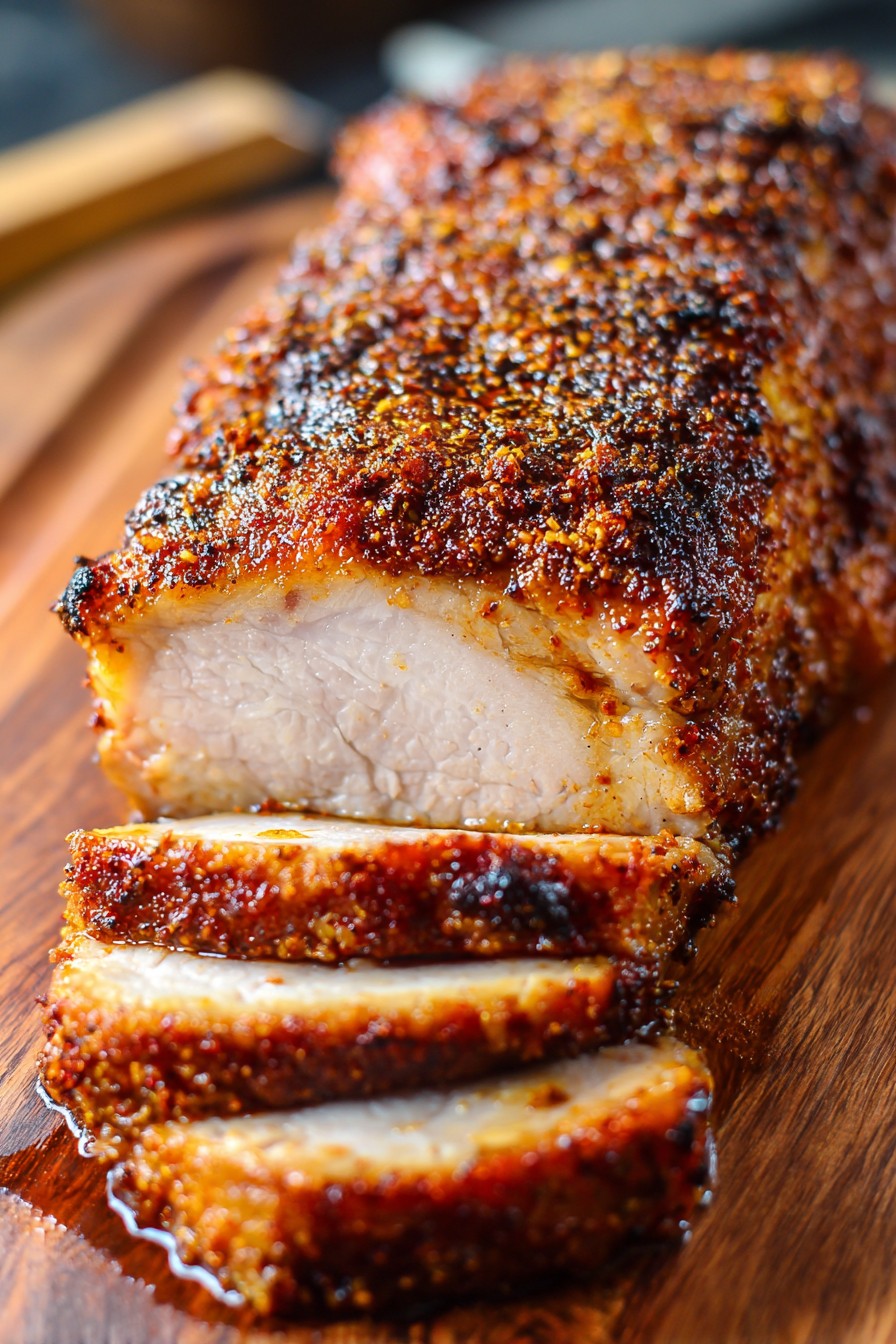
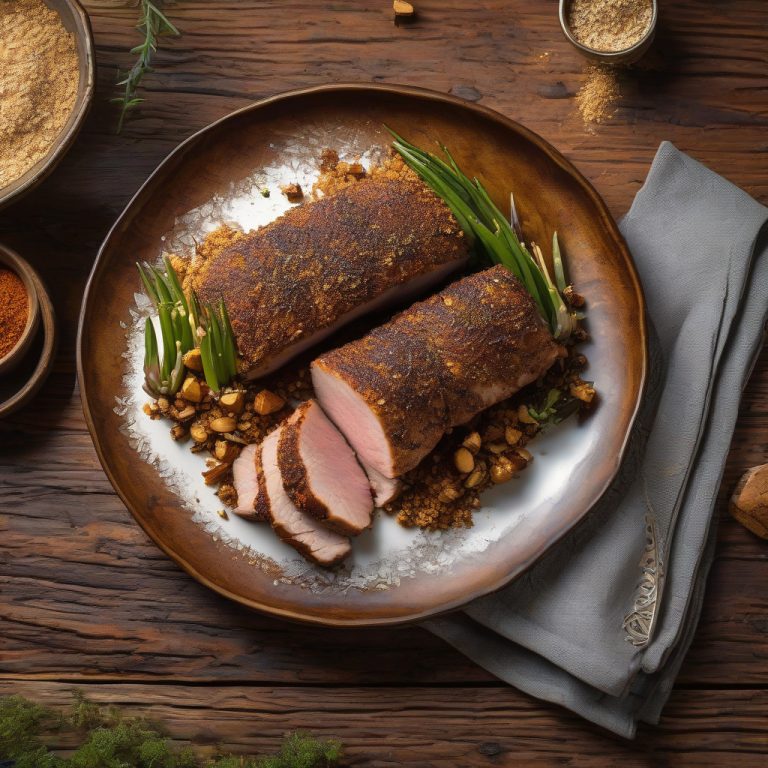
A pork loin seasoning rub recipe combines brown sugar, paprika, garlic powder, onion powder, salt, black pepper, and dried herbs to give pork a rich, savory crust. Mix the spices, coat the meat, and roast or grill it until the center reaches 145°F, followed by a three-minute rest.
Pork loin is a popular choice for Sunday dinners, holiday meals, and easy family suppers across the United States. It has a mild taste that pairs well with warm spices, garlic, herbs, and a touch of sweetness. A homemade dry rub adds flavor without the need for a bottled sauce or a long list of ingredients.
This pork loin seasoning rub recipe uses common pantry spices and takes about five minutes to prepare. The blend works with boneless or bone-in pork loin, although cooking time will vary with the cut and its size. You can use it for an oven roast, a grill, or a smoker, and adjust the sugar and herbs to suit your meal.
Source: sidechef.com
What Makes This Pork Loin Seasoning Rub Recipe Work?
The best pork loin rub balances salt, savory spices, herbs, and a little sweetness. Pork has a mild flavor, so each ingredient should add something useful without hiding the meat. Paprika gives the blend color, garlic and onion add savory depth, black pepper brings gentle heat, and herbs provide a fresh, earthy note.
Brown sugar adds a mild caramel-like taste and can help the surface brown during cooking. However, sugar can burn over very high heat, especially on a grill. If you plan to sear the pork over intense heat, use less sugar or add a sugar-free rub instead.
A dry rub differs from a marinade because it contains little or no liquid. You can apply it directly to the meat, which makes it convenient for weeknight cooking. The seasoning stays on the surface and helps form a flavorful crust as the pork cooks.
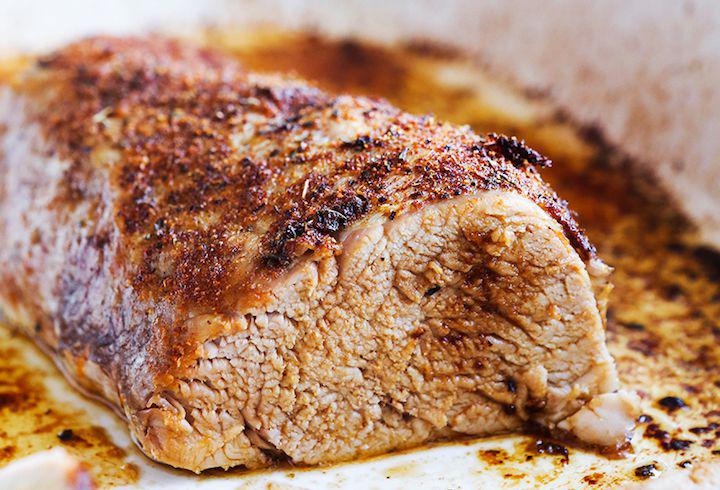
Source: tabethastable.com
Balanced flavor
Salt and pepper form the base, while garlic, onion, paprika, and herbs build a deeper taste.
Simple preparation
Measure the spices into a bowl and stir them together before touching the raw meat.
Flexible cooking
Use the blend for oven roasting, grilling, or smoking, with adjustments for cooking heat.
Pork Loin and Pork Tenderloin Are Different Cuts
Pork loin is a broad, thick cut that may be sold boneless or bone-in. Pork tenderloin is a smaller, narrow muscle that cooks much faster. Both work with this seasoning blend, but they need different cooking times, so do not use the clock alone to decide when the meat is done.
Pork loin
Use the rub for a larger roast with a broad surface and a longer cooking time.
Pork tenderloin
Use the same spice blend in a smaller amount and begin checking the temperature early.
Ingredients for Homemade Pork Loin Rub
This recipe makes about five tablespoons of dry rub, enough to season one medium pork loin roast, depending on its size and how thickly you coat it. The blend uses everyday spices that are easy to find in most American grocery stores. Measure the ingredients first, then mix them until the color looks even.
Use plain paprika rather than a seasoned salt blend, unless you adjust the salt in the recipe. Smoked paprika adds a gentle smoky note, while sweet paprika gives a more neutral pepper flavor. Either works well, so choose based on the taste you want.
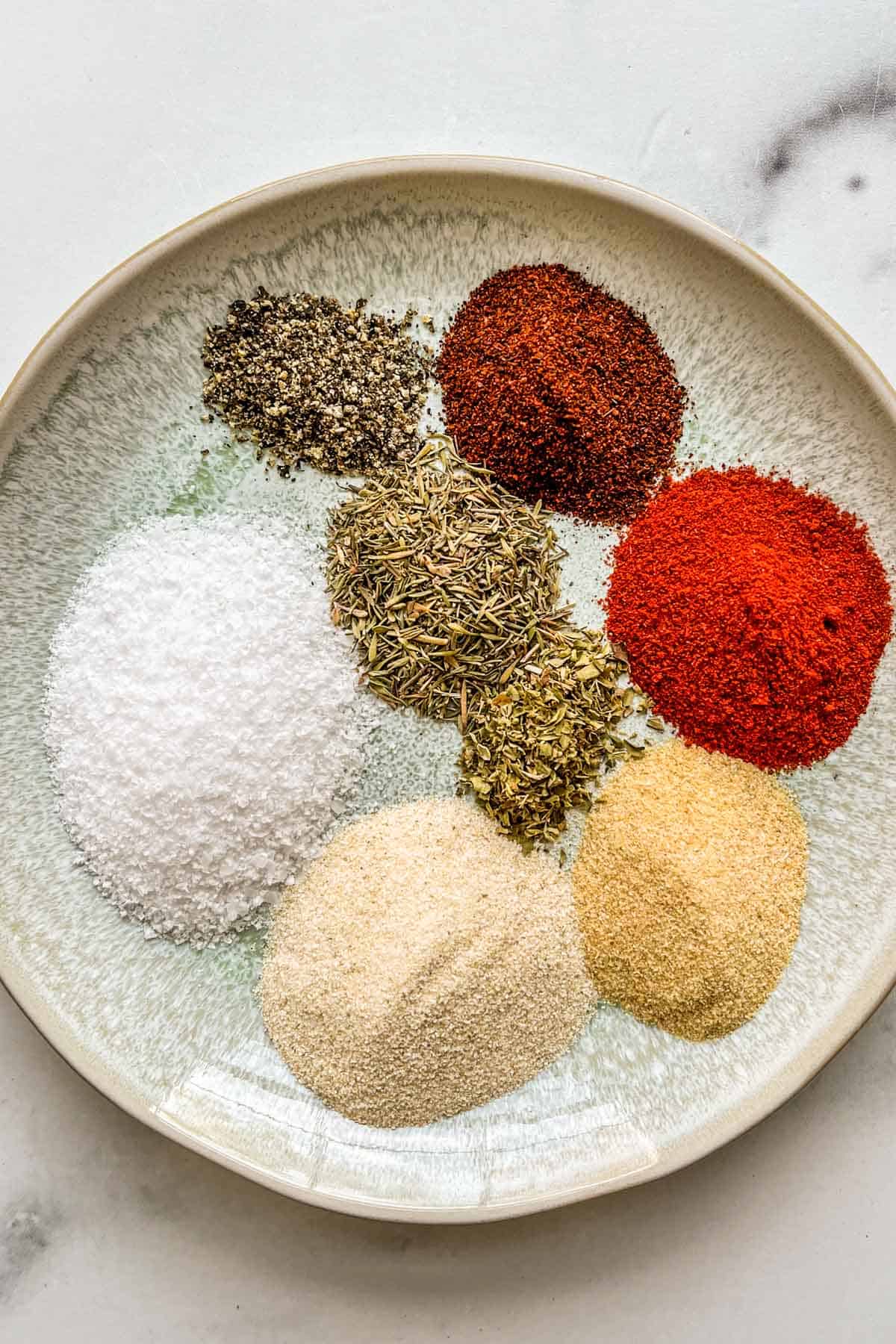
Source: i1.wp.com
2 tablespoons brown sugar
Adds mild sweetness and helps the outside brown. Use less for high-heat grilling or a less sweet rub.
Gives the meat a savory flavor without adding fresh garlic that may scorch during searing.
2 teaspoons onion powder
Adds a mellow, savory note that works well with pork and other spices.
1 teaspoon kosher salt
Seasoning helps bring out the pork’s natural flavor. Adjust the amount for the meat’s size and your dietary needs.
1 teaspoon ground black pepper
Adds gentle heat and a familiar peppery taste.
1 teaspoon dried thyme
Adds an earthy herbal note that pairs well with roasted pork.
1/2 teaspoon dried rosemary
Adds a woodsy aroma. Crush the leaves between your fingers if they are coarse.
1/2 teaspoon ground mustard
Adds a mild tang that balances the sweetness and rich spices.
Optional Ingredients for More Flavor
You can change the blend without making it complicated. Add 1/2 teaspoon chili powder for a warmer taste, a pinch of cayenne for more heat, or a little ground cumin for an earthy note. For a citrus touch, add finely grated lemon zest just before cooking rather than mixing fresh zest into a batch meant for long storage.
For a smoky taste
Replace regular paprika with smoked paprika.
For more heat
Add cayenne pepper in small amounts and taste the dry blend before use.
For a sugar-free version
Leave out the brown sugar and use the remaining spices as directed.
How to Make the Pork Loin Seasoning Rub
Making homemade pork seasoning takes only a few minutes. You do not need a food processor, blender, or special kitchen tool. A small bowl, measuring spoons, and a fork or whisk are enough to blend the spices evenly.
Mix the full batch before seasoning the pork. This spreads the salt and strong spices through the blend, which helps prevent one part of the roast from tasting much saltier than another. If you plan to save some for later, set aside the clean portion before it touches raw meat.
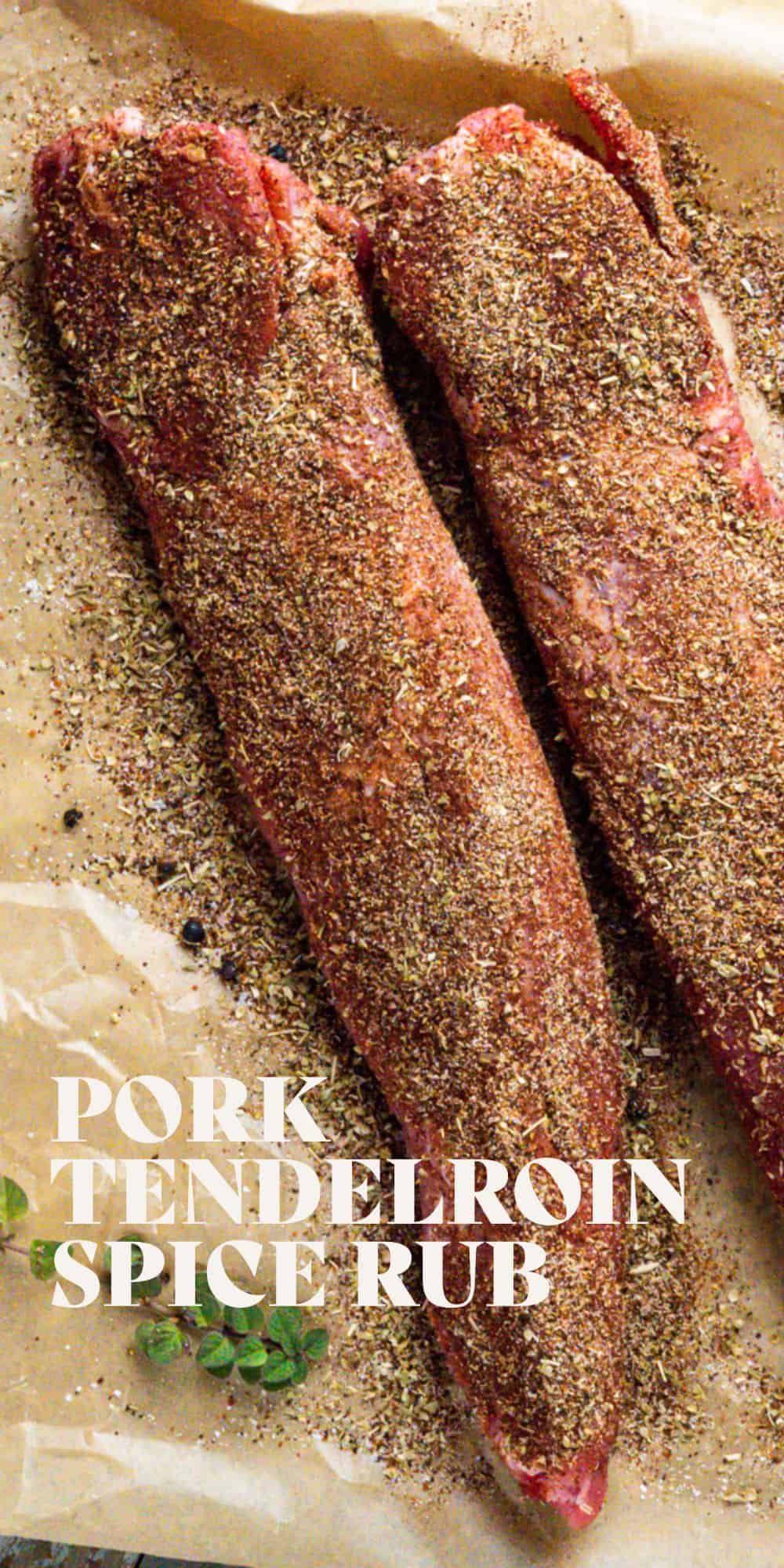
Source: i.pinimg.com
Step 1: Measure the spices
Add the brown sugar, paprika, garlic powder, onion powder, salt, black pepper, thyme, rosemary, and ground mustard to a clean bowl.
Step 2: Break up any clumps
Use a fork or small whisk to break up the brown sugar and blend the dry ingredients until the mixture looks even.
Step 3: Check the balance
Smell the blend and check its appearance. If you want more heat or smoke, adjust the optional spices before adding the rub to the meat.
Step 4: Set aside a clean portion
Transfer any rub you want to store into an airtight container before handling raw pork.
How Much Rub Should You Use?
The amount depends on the roast’s weight and surface area. Start with enough to make a thin, even coating on all sides. For a large roast, you may need the full batch; for a small tenderloin, you may need much less. Avoid piling the seasoning into thick clumps, which can create overly salty or sweet spots.
Small tenderloin
Use a light, even coating and save any untouched seasoning for another use.
Medium pork loin
Spread the rub over the top, bottom, sides, and ends.
Large or bone-in roast
Mix an extra batch if needed so the entire exposed surface gets an even coat.
How to Season Pork Loin for the Best Results
For an even coating, pat the pork dry with paper towels before adding the rub. Surface moisture can make the spices clump, while a dry surface helps the seasoning spread more evenly. You can rub a small amount of neutral oil over the meat first if you want help with adhesion, but oil is optional.
Sprinkle the blend over the pork, then use clean hands to press it gently onto every exposed side. Do not rub so hard that the seasoning falls away. If you have a thick roast, pay attention to the ends because they can be easy to miss.
You can cook the pork right away or let the seasoning sit in the refrigerator. A short rest gives the salt time to dissolve in surface moisture and helps the flavor settle. For food safety, keep raw pork chilled rather than leaving it on the counter for hours.
Source: thishealthytable.com
For a quick dinner
Season the pork just before cooking and use a thermometer to judge doneness.
For deeper seasoning
Cover the seasoned roast and refrigerate it for several hours or overnight if your schedule allows.
For a better crust
Avoid excess surface water and do not crowd the pork against other food while roasting.
Should You Add Oil Before the Rub?
A thin layer of olive oil or another neutral cooking oil can help the spices cling to the meat. It may also help the surface brown during cooking. However, the rub can stick without oil, so there is no need to add it if the pork’s surface already holds the seasoning well.
Use oil when
The meat is very lean or the dry blend will not stay in place.
Skip oil when
You prefer a lighter coating or plan to sear the pork with enough oil already in the pan.
Best Ways to Cook Rubbed Pork Loin
This seasoning blend works with several cooking methods. Oven roasting is easy to manage, grilling adds a charred edge, and smoking gives the meat a deeper wood-fired flavor. Choose the method that fits the cut, the weather, and the time you have available.
Pork loin can dry out if it cooks too long, so temperature matters more than a fixed cooking time. Insert a food thermometer into the thickest part of the meat, away from bone when present. For whole cuts of pork, the USDA recommends an internal temperature of 145°F followed by at least a three-minute rest.
Place the seasoned roast in a roasting pan and cook in a preheated oven. Check the internal temperature before the estimated finish time.
Grilling
Use controlled heat and turn the roast as needed. Watch the surface closely because brown sugar can darken or burn over intense heat.
Smoking
Cook with steady indirect heat and a food thermometer. The rub adds flavor, but it does not replace proper temperature control.
Pan searing and roasting
Brown the outside in an oven-safe pan, then transfer it to the oven to finish cooking. Lower the heat if the sugar begins to scorch.
How to Tell When Pork Loin Is Done
Check the center of the thickest part with a clean food thermometer. Whole pork cuts are safe at 145°F with a rest of at least three minutes. Color alone cannot reliably confirm doneness, and the meat may still look slightly pink at a safe temperature.
Use a thermometer
Place the probe in the thickest section and avoid touching bone or the pan.
Allow a proper rest
After reaching 145°F, let the pork rest for at least three minutes before slicing.
Keep the meat moist
Slice across the grain where practical and avoid extended cooking after the safe temperature is reached.
What If the Rub Starts to Burn?
A dark crust is not always burnt, but black patches and a bitter smell can signal that the sugar or spices have scorched. Reduce the heat, move the meat away from direct flame, or finish it with indirect heat. If the outside is browning too quickly before the center is done, adjust the cooking method rather than raising the heat.
Reduce direct heat
Move the roast to a cooler part of the grill or lower the oven temperature if appropriate for the recipe.
Use less sugar next time
Cut back on brown sugar for high-heat cooking or choose the sugar-free variation.
Flavor Variations for Different Meals
You can change this pork loin seasoning rub to fit the meal without starting from scratch. Keep the salt and core savory spices as your base, then adjust the herbs, heat, or sweetness. These small changes help the same recipe work for a holiday roast, a backyard cookout, or a simple weeknight supper.
For a classic family dinner, keep the thyme and rosemary. For barbecue, use smoked paprika and a little chili powder. If you plan to serve the pork with apples, roasted carrots, or sweet potatoes, a small amount of brown sugar can tie the flavors together.
Source: i.pinimg.com
Classic herb rub
Use regular paprika, thyme, rosemary, garlic, and onion for a savory roast that pairs well with potatoes and vegetables.
Barbecue rub
Use smoked paprika and chili powder. Reduce the brown sugar if the pork will cook over direct, high heat.
Peppery rub
Increase black pepper slightly and leave out some of the sugar for a less sweet result.
Citrus herb rub
Add fresh lemon zest shortly before cooking and pair it with the thyme and rosemary.
Sugar-free rub
Omit the brown sugar and keep the paprika, garlic, onion, herbs, salt, pepper, and mustard.
What Should You Serve With Seasoned Pork Loin?
The seasoning pairs well with sides that add freshness, sweetness, or a creamy texture. Roasted potatoes and green beans make a familiar American dinner, while applesauce adds a mild sweet note. A crisp salad or steamed green vegetable can balance a rich crust and round out the plate.
For a Sunday meal
Serve the pork with mashed potatoes, green beans, and pan juices.
For a summer cookout
Pair grilled pork with corn, coleslaw, or a fresh tomato salad.
For an easy weeknight dinner
Add roasted carrots, rice, or a simple green salad.
Common Pork Rub Mistakes and How to Avoid Them
A good rub cannot make up for poor cooking control, but a few simple steps can prevent common problems. The most frequent issues are uneven seasoning, too much salt, burnt sugar, and pork that stays in the oven too long. Each has a straightforward fix.
Measure strong ingredients carefully when preparing a batch for the first time. You can always add more heat or herbs to the next batch, but an overly salty blend is harder to correct. If you use seasoned salt or a commercial spice blend in place of plain salt, check its ingredients before adding more.
Source: thelemonbowl.com
Mistake: Applying the rub to wet meat
Fix: Pat the pork dry first so the spices spread more evenly and cling to the surface.
Fix: Measure the salt and account for any salt already present in other seasonings.
Mistake: Cooking over excessive heat
Fix: Control the heat, especially when the rub contains brown sugar, and use indirect heat when needed.
Mistake: Guessing when the meat is done
Fix: Use a food thermometer and follow the safe internal temperature guidance for whole pork cuts.
Mistake: Reusing rub that touched raw pork
Fix: Discard contaminated seasoning. Keep a clean portion separate before seasoning the meat.
How to Fix a Rub That Tastes Too Sweet or Too Strong
If the dry blend tastes too sweet, mix in a little more paprika, garlic powder, onion powder, or black pepper to balance it. If the garlic or herbs seem too strong, dilute the mixture with the other ingredients rather than adding more of the same spice. Make small changes and record the amounts so the next batch is easier to repeat.
Too sweet
Add small amounts of unsweetened spices to balance the sugar.
Too salty
Make a larger unsalted batch and blend it with the salty mix, or reserve the blend for a larger amount of meat.
Too spicy
Add more of the mild base ingredients and leave out extra chili or cayenne.
How to Store Homemade Pork Seasoning
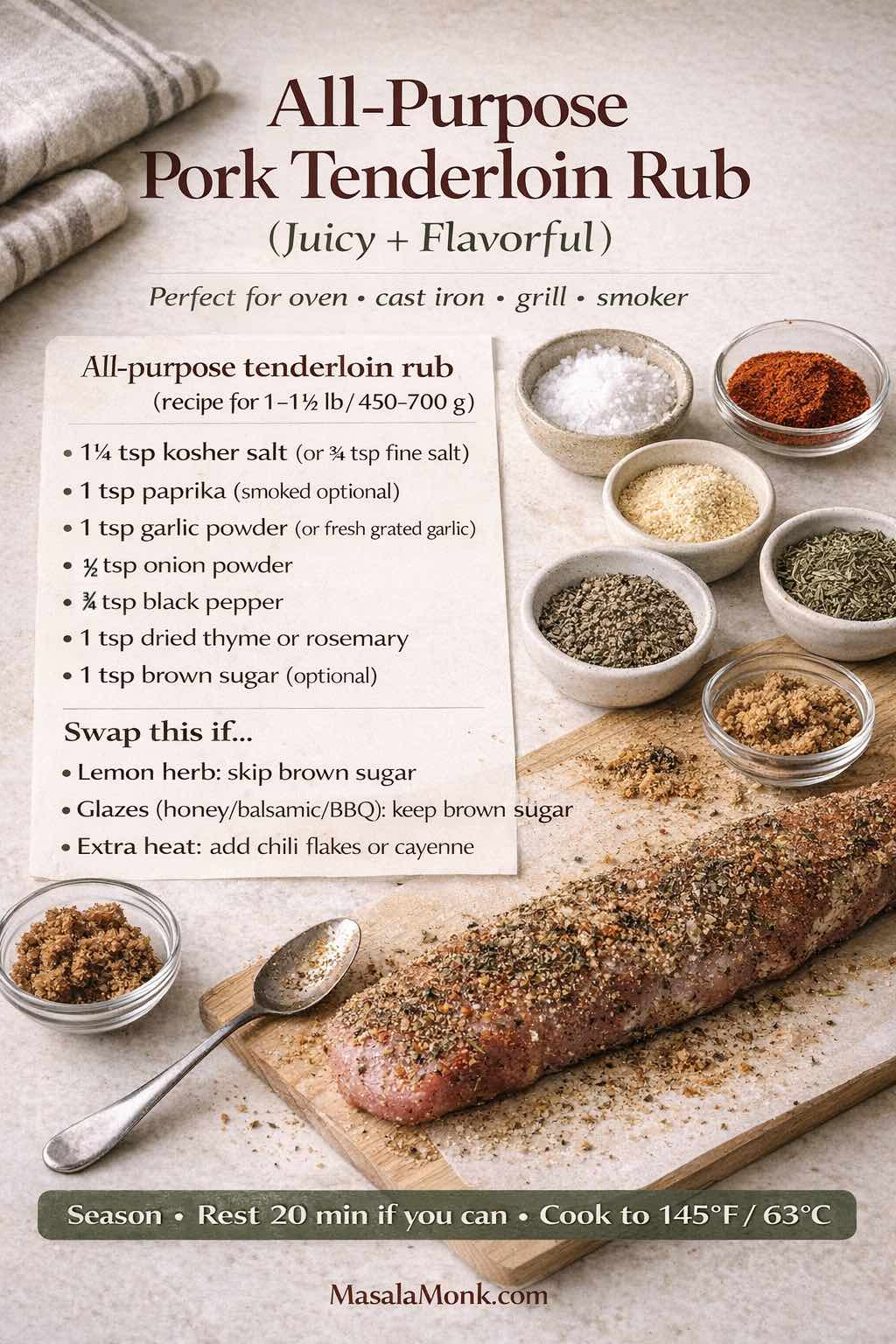
Store unused dry rub in a clean, dry, airtight jar or spice container. Keep it in a cool cupboard away from sunlight, steam, and the stove. Moisture can cause clumps and shorten the blend’s useful storage life, while heat and light can weaken the aroma of dried herbs and spices.
For the best flavor, make small batches that you can use while the spices are still fragrant. The blend may remain usable for some time if kept dry, but aroma and taste fade gradually. Label the jar with the preparation date and check it before use. Discard it if it becomes damp, shows signs of mold, or develops an unusual smell.
Never return a spoon or hand that touched raw pork to the storage container. If you need more rub while cooking, use a clean utensil and a fresh portion. Do not save seasoning that has contacted raw meat unless it is handled and cooked safely as part of the dish.
Source: masalamonk.com
Use an airtight container
A sealed jar helps keep out moisture and kitchen odors.
Store away from heat
Keep the blend in a cool, dry cupboard rather than beside the oven.
Label the jar
Write the date on the container so you can track how long the mixture has been stored.
Keep raw meat separate
Never put used seasoning back into a clean jar or reuse contaminated rub.
Can You Make the Rub Ahead of Time?
Yes. You can mix the dry ingredients days or weeks before cooking and keep them in an airtight container. Making the rub ahead saves time on busy evenings and makes it easy to season pork whenever you need a quick meal. For the strongest aroma, avoid making more than you expect to use within a reasonable period.
For meal prep
Measure a batch into a small sealed jar and label it with the ingredient list.
For a larger gathering
Scale up the ingredients in the same proportions and mix them well before dividing the rub into portions.
Frequently Asked Questions
Q
What spices go best with pork loin?
Garlic powder, onion powder, paprika, black pepper, thyme, and rosemary all pair well with pork loin. Brown sugar adds sweetness, while ground mustard gives the blend a mild tang. You can adjust the herbs and spices to match your cooking method and preferred taste.
Q
How long should a dry rub sit on pork loin?
You can cook pork soon after applying the rub, or refrigerate it for several hours to let the salt and spices settle into the surface. If you season the meat ahead, cover it and keep it refrigerated. Do not leave raw pork at room temperature for an extended period.
Q
Can I use this pork loin rub without brown sugar?
Yes. Leave out the brown sugar for a savory, sugar-free rub. The paprika, garlic, onion, black pepper, herbs, salt, and mustard still provide plenty of flavor. A sugar-free blend is also useful when cooking over high heat because it is less likely to scorch from the sugar.
Q
Can I use pork loin seasoning on pork chops or tenderloin?
Yes. This blend works on pork chops, pork tenderloin, and many other pork cuts. Use a coating suited to the size of the meat and adjust cooking time for each cut. Always check the internal temperature with a food thermometer instead of relying on a single cooking time.
Q
What temperature should pork loin reach?
According to USDA guidance for whole cuts of pork, cook the meat to an internal temperature of 145°F and allow at least a three-minute rest. Measure the temperature in the thickest part with a food thermometer. Ground pork has a different safe minimum temperature, so do not apply the whole-cut guideline to ground meat.
Q
Can I use this seasoning rub on pork before freezing it?
You can season pork before freezing it, provided you package and freeze it promptly using food-safe methods. Place the meat in a freezer-safe bag or container and label it with the date. The texture of the surface seasoning may change slightly after thawing, so check the coating and add a little fresh seasoning if needed before cooking. Thaw pork safely in the refrigerator, not on the counter.
✦ Wrapping Up
Conclusion
A homemade pork loin seasoning rub recipe is an easy way to add savory flavor, gentle sweetness, and a fragrant herb crust to a roast. With paprika, garlic, onion, black pepper, thyme, rosemary, and a little brown sugar, you can build a useful seasoning blend from everyday pantry staples. You can also change the herbs, heat, or sugar to suit your meal.
For the best results, mix the spices well, pat the pork dry, and apply an even coating. Roast, grill, or smoke the meat while checking its internal temperature with a food thermometer. Cook whole pork cuts to 145°F and let them rest for at least three minutes before slicing.
💡 Key Takeaway
Mix the dry rub, set aside a clean portion for storage, season your pork loin evenly, and cook it to a verified internal temperature of 145°F. Serve it with your favorite vegetables or potatoes for a simple, flavorful American-style dinner.