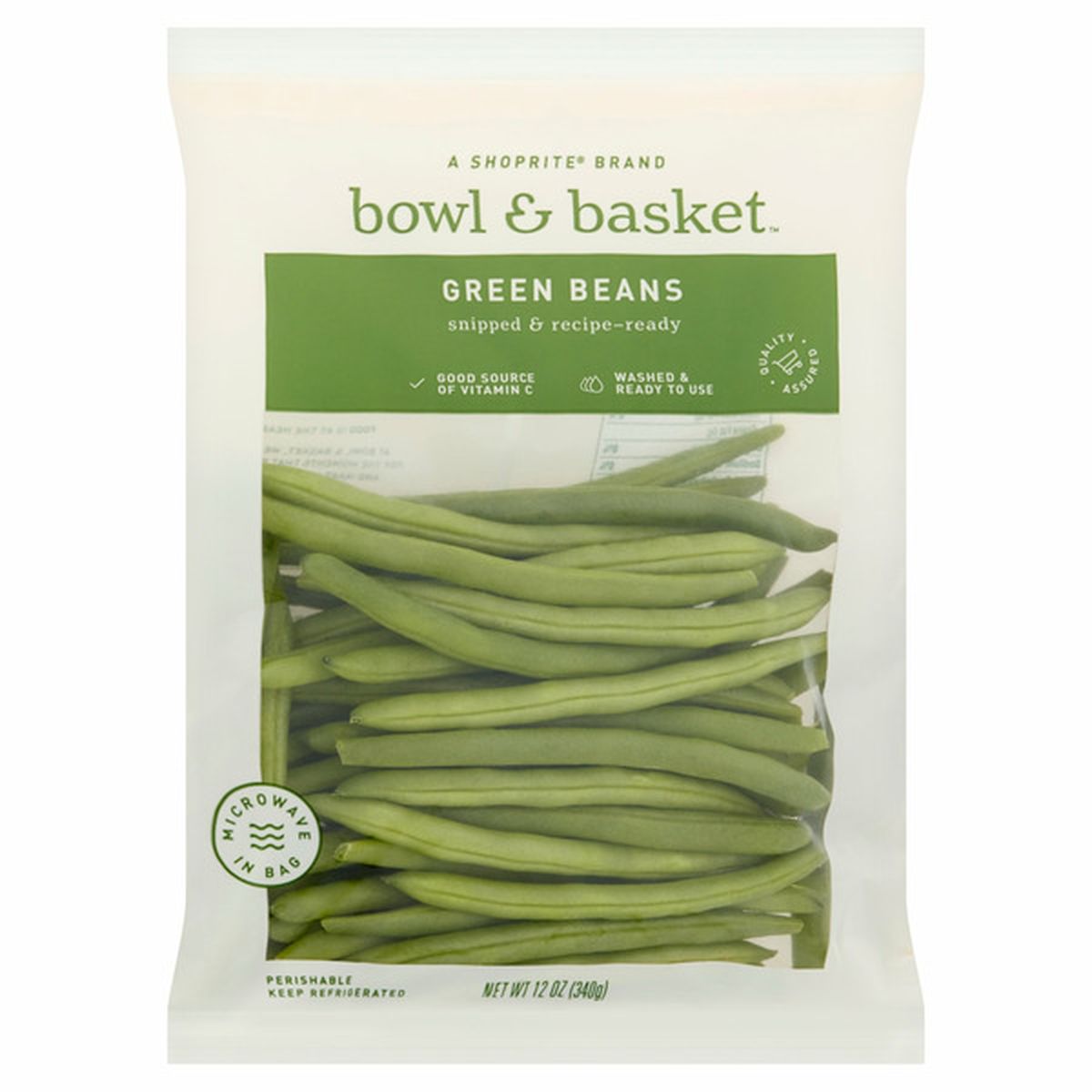
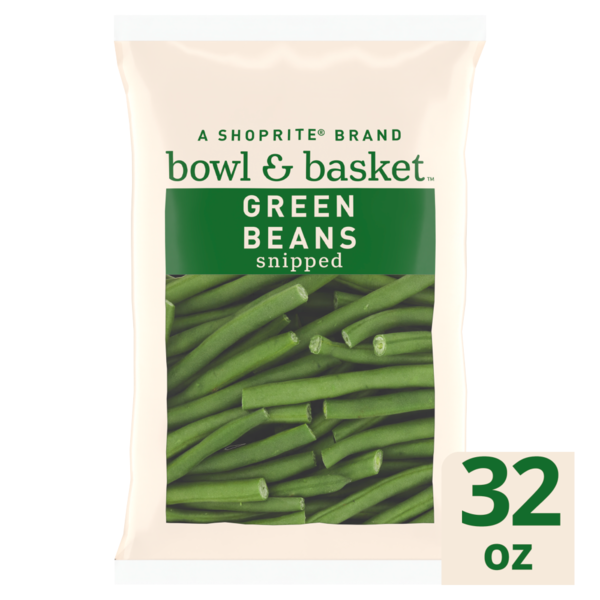
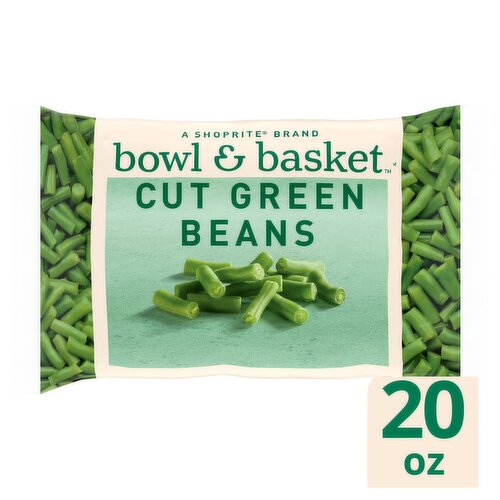
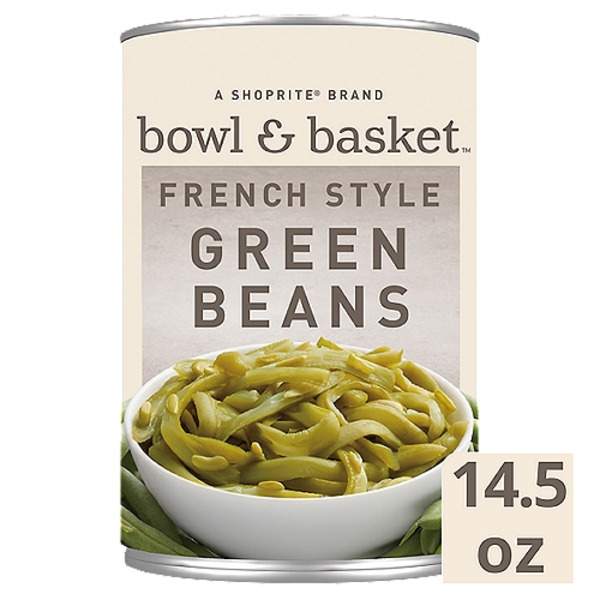
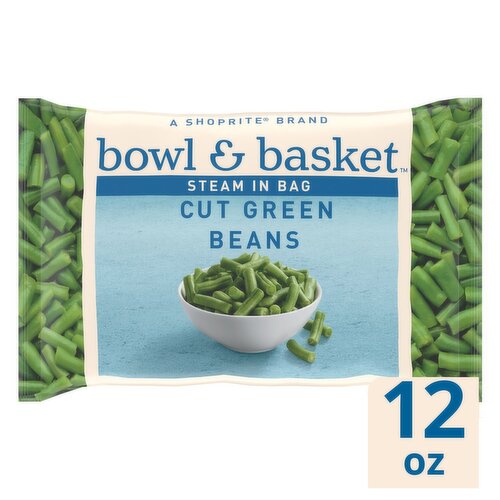
Bowl and Basket green beans are a store-brand vegetable option sold through ShopRite and related grocery retailers. Depending on the product, shoppers can choose canned green beans, frozen varieties, or steam-in-bag packs. The best type depends on your meal, cooking time, preferred texture, sodium needs, and budget.
Green beans are a familiar part of many American meals. They show up beside roast chicken, mashed potatoes, meatloaf, holiday turkey, and quick weeknight dinners. At a ShopRite grocery store, Bowl and Basket green beans offer a convenient way to add this vegetable to the family table without washing and trimming fresh beans.
The first thing to check is the product form. Canned green beans are ready to heat, while frozen beans usually need cooking before serving. Steam-in-bag products can save time and reduce the number of dishes you wash. Product sizes, ingredients, and nutrition facts can vary, so check the package in front of you rather than assuming every variety is the same.
Bowl and Basket is a grocery store brand associated with ShopRite and other retailers within the Wakefern grocery network. Its food range includes everyday pantry items and produce-related products. Green beans under this label give shoppers a convenient alternative to trimming fresh beans at home.
The exact selection can vary by store, location, season, and online delivery service. Product listings include canned whole or cut green beans, no-salt-added options, and frozen or steam-in-bag varieties. Not every store will carry every type at the same time.
These products can fit many meals. Use canned beans in a casserole, heat them for a fast side, or add them to soup. Frozen beans are useful for stir-fries, pasta dishes, and meals where a firmer bite matters. Choosing the right form makes a bigger difference than the brand name alone.
Source: storage.googleapis.com
Brand and retailer
Bowl and Basket is a private-label grocery brand associated with ShopRite. Product availability and prices depend on the store and shopping area.
Product choices
Look for whole, cut, French-style, no-salt-added, or frozen options when available. Read the full product name because these varieties are not interchangeable in every recipe.
Everyday use
These green beans can serve as a quick side dish or become part of soups, casseroles, skillet meals, and other recipes.
Whole, Cut, and French-Style Green Beans
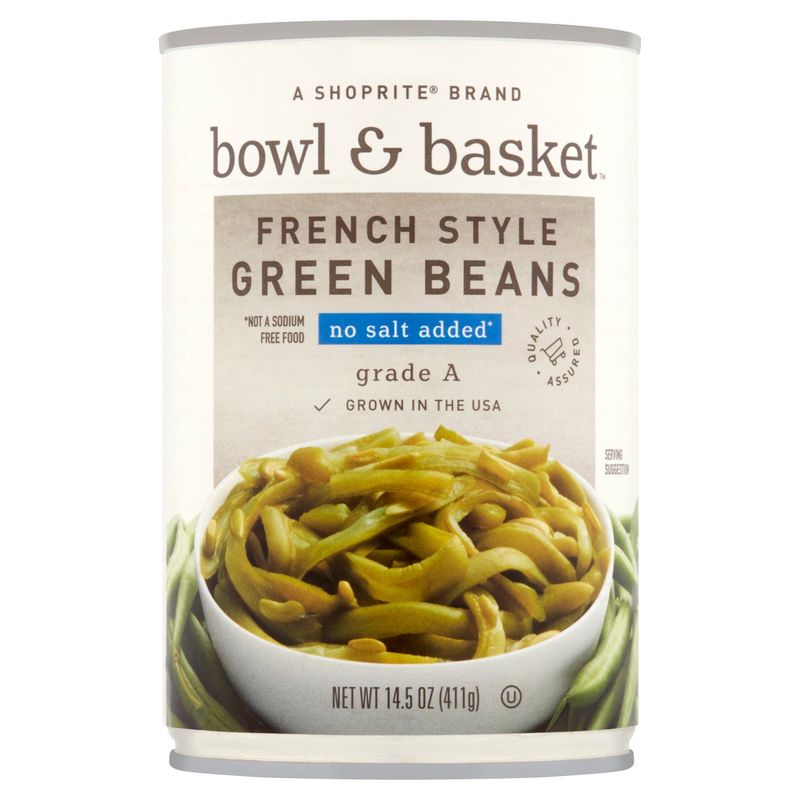
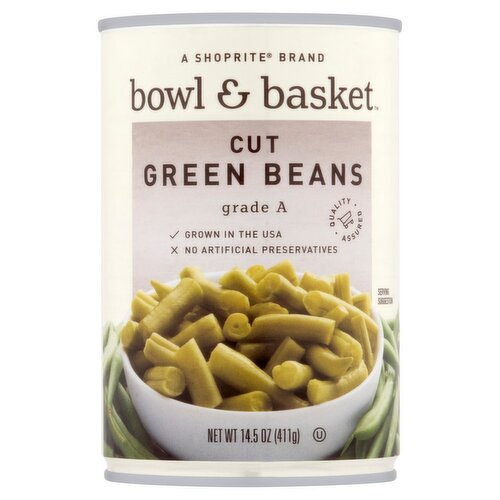
Whole green beans keep a longer shape and can make a simple plate look more appealing. Cut green beans are shorter and easy to scoop with a fork. French-style beans are sliced into thin strips, so they mix well with creamy sauces and casserole toppings.
Choose whole beans
Use them when appearance and longer pieces matter, such as a plated dinner.
Choose cut beans
Use them in soups, stews, casseroles, and quick vegetable sides.
Choose French-style beans
Use them when a thin texture blends well with a sauce or other ingredients.
Canned vs. Frozen Bowl and Basket Green Beans
Canned and frozen green beans both offer convenience, but they behave differently in the kitchen. Canned beans have already been cooked during processing, so they usually need only draining and reheating. Frozen beans generally need to cook until hot and tender before you serve them.
Canned beans often have a softer texture. That can be helpful in a casserole or stew, but they may break apart if stirred too much. Frozen beans can retain a firmer bite, especially when cooked for the time stated on the package and not left in the pan too long.
Neither type is automatically the best choice for every meal. Consider the recipe, the texture you like, the amount of prep time you have, and the nutrition label. A pantry can hold canned beans for quick meals, while a freezer pack can cover days when fresh vegetables are not on hand.
Best for meals where you want more control over tenderness, such as skillet sides or mixed vegetable dishes.
Steam-in-bag green beans
Best for a quick cooking method with little cleanup. Follow the exact microwave directions and let the bag stand as directed before opening.
Which Type Should You Buy?
For a fast meal after work, canned green beans are a practical choice because they need little cooking. For a meal with roasted chicken or grilled fish, frozen beans may be a better fit if you want a firmer texture. If your main goal is fewer dishes, a steam-in-bag product can be handy.
For casseroles
Canned cut or French-style beans are easy to stir into a sauce.
For skillet meals
Frozen beans can work well when you want to control how tender they become.
For quick lunches
Keep a canned variety in the pantry or a frozen pack in the freezer.
How to Cook Canned Bowl and Basket Green Beans
Canned green beans are already cooked, which makes them one of the easiest vegetables to prepare. Drain them if the recipe calls for it, then heat them with a little seasoning. Avoid long cooking times because the beans can become too soft.
For a basic side dish, place the drained beans in a small saucepan with a splash of water or low-sodium broth. Heat them over medium heat until steaming, stirring gently. Add black pepper, garlic, herbs, or a small amount of butter or olive oil to suit your meal.
If you prefer more flavor, sauté a little chopped onion or garlic before adding the beans. Let the mixture heat through without crushing the vegetables. Taste before adding salt, especially if the can contains added sodium.
Source: images.cdn.shoprite.com
Step 1: Open and inspect
Check that the can is not bulging, leaking, badly rusted, or deeply dented at a seam. Do not taste food from a suspicious can.
Step 2: Drain if needed
Drain the liquid for a less watery side dish. If using the beans in soup, you may choose to retain some liquid based on the recipe.
Step 3: Heat gently
Place the beans in a saucepan and heat until steaming, stirring carefully so the beans stay intact.
Step 4: Season and serve
Add herbs, pepper, garlic, lemon juice, or a little oil. Taste first and add salt only if needed.
Easy Garlic Green Beans
Drain one can of green beans. Warm a teaspoon of olive oil in a skillet, then add one small minced garlic clove. Stir for a short time until fragrant, taking care not to burn it. Add the beans and heat through, then finish with black pepper and a small squeeze of lemon juice.
For more flavor
Add a pinch of dried thyme, Italian seasoning, or red pepper flakes.
For less sodium
Choose a no-salt-added variety when available and season with herbs, citrus, or garlic.
How to Avoid Mushy Canned Beans
The most common cause of mushy canned green beans is cooking them for too long. They are already cooked, so they do not need the same treatment as raw vegetables. Warm them just until hot and stir with a light hand.
Use gentle heat
A steady medium or medium-low heat is usually enough for reheating.
Add them near the end
When making soup or stew, add canned beans late enough that they do not simmer for the whole cooking time.
How to Cook Frozen and Steam-in-Bag Green Beans
Frozen green beans are easy to prepare, but the best method depends on the package directions and the texture you want. You can often cook them in a saucepan, skillet, or microwave. Avoid assuming that all frozen products have the same cooking time.
For a saucepan method, add the beans to boiling water and cook according to the label. Drain them well and season before serving. For a skillet method, heat a little oil, add the frozen beans, and cook until they are hot and tender, stirring as needed.
Steam-in-bag products are designed for microwave cooking in their original package. Follow the printed instructions for wattage, cooking time, standing time, and opening the bag. Steam can escape quickly when the bag is opened, so keep your face and hands clear.
Source: d2lnr5mha7bycj.cloudfront.net
Check the package
Use the listed method and time because bag design, bean size, and product preparation can differ.
Do not overcook
Check tenderness near the end of the cooking time and stop when the beans reach the texture you prefer.
Drain excess water
Too much water can dilute seasonings and make a finished dish watery.
Handle steam with care
Use oven mitts or suitable heat protection and open the bag away from your face.
Can You Roast Frozen Green Beans?
Yes, frozen green beans can be roasted, although the results depend on how much moisture they release. Spread the beans in a single layer on a suitable baking sheet and use the oven temperature and timing that work for your recipe. If they release a lot of water, allow the moisture to evaporate before expecting browned edges.
Avoid crowding
Give the beans space so moisture can escape instead of collecting around them.
Season after checking moisture
Oil and dry seasonings can help with flavor, but too much liquid will limit browning.
Nutrition and Ingredients to Check
Green beans provide fiber and several vitamins and minerals, while canned and frozen versions can make it easier to eat vegetables throughout the week. Their exact nutrition values depend on the product, serving size, added ingredients, and preparation method. Use the package label for the product you plan to buy.
Plain green beans usually have a short ingredient list. Canned products may list green beans, water, and salt, while other versions may have different ingredients. Frozen plain beans may contain only green beans, but sauces or seasoning blends can change the nutrition profile.
Sodium is worth checking if you compare canned varieties. A no-salt-added product can be a useful option for shoppers who want more control over salt in their meals. It is still wise to review the whole label because serving sizes and other nutrients vary.
Source: images.cdn.shoprite.com
Serving size
Compare nutrition information using the same serving size rather than comparing numbers from different amounts of food.
Sodium
Check the milligrams of sodium per serving, especially when choosing canned beans or products with sauces.
Added ingredients
Look for added salt, sugar, flavorings, or sauces if you want a simple vegetable product.
Fiber and other nutrients
Review the nutrition panel for fiber, vitamins, minerals, and calories instead of relying on a broad claim about all green beans.
Are No-Salt-Added Green Beans Better?
No-salt-added green beans can be helpful if you want to limit sodium or prefer to season food yourself. The label does not mean the product is free of every naturally occurring trace of sodium, so check the nutrition panel for the exact amount. You can add flavor with garlic, black pepper, herbs, vinegar, or lemon instead of reaching for the salt shaker first.
For sodium control
Compare the sodium values on the regular and no-salt-added cans.
For more flavor
Try onion, herbs, citrus, or a small amount of unsalted butter or olive oil.
Price, Package Size, and Grocery Shopping Tips
The price of Bowl and Basket green beans can change by store, location, package size, promotion, and delivery service. A larger can may cost less per ounce, but that does not always make it the better buy if you cannot use the whole amount. Compare unit prices and think about how much your household will eat.
Product listings may show a 14.5-ounce can, a 12-ounce frozen or steam-in-bag pack, or another size. These amounts describe the package, not necessarily the drained weight of canned beans. Canned products contain liquid, so the weight of the beans after draining may be lower than the printed net weight.
Online grocery listings can also show products that are unavailable in a nearby store. Before placing an order, check the full product name, package size, ingredients, and current price. If you need a particular type for a recipe, confirm that it is whole, cut, French-style, or no-salt-added rather than choosing by the picture alone.
Source: images.cdn.shoprite.com
Compare unit price
Use the price per ounce shown by the retailer, where available, to compare packages of different sizes.
Check the net weight
Do not confuse total canned weight with drained bean weight when estimating how much food you will get.
Review substitutions
If a delivery service replaces an unavailable item, make sure the substitute matches your recipe and dietary needs.
Look at the date
Check package condition and date information before buying. Follow storage directions once the product is opened.
How to Compare Cost Per Serving
A simple calculation can help you compare two products. Divide the package price by the number of servings listed on the label. For example, if a hypothetical can costs $1.20 and contains three servings, the package costs $0.40 per listed serving. This example is for illustration only, not a current Bowl and Basket price.
Use the same basis
Compare similar serving sizes and product forms for a fair estimate.
Allow for waste
If you often leave part of a large can unused, a smaller package may suit your household better.
Easy Ways to Use Bowl and Basket Green Beans
Green beans can do more than sit beside the main dish. Their mild taste works with garlic, onion, black pepper, lemon, herbs, and many sauces. Canned beans suit soft, saucy dishes, while frozen beans can be a good fit for recipes that need a firmer texture.
For a quick dinner, warm green beans with garlic and olive oil and serve them beside chicken, fish, or baked potatoes. For a comfort-food meal, stir drained canned beans into a casserole with the sauce and toppings your recipe calls for. In soup, add them near the end so they keep their shape.
A few pantry items can make a plain vegetable side taste more complete. Try toasted almonds for crunch, lemon zest for freshness, or sautéed mushrooms for a deeper flavor. Add rich ingredients in modest amounts if you want the beans to remain the main feature.
Source: d2lnr5mha7bycj.cloudfront.net
Green bean casserole
Use drained canned cut or French-style beans with a creamy sauce and a crisp topping. Follow the recipe for oven temperature and baking time.
Green beans with potatoes
Add heated beans to cooked potatoes with pepper, herbs, and a little olive oil.
Simple soup
Stir cut beans into vegetable, chicken, or bean soup near the end of cooking.
Quick skillet side
Cook frozen beans in a skillet with garlic and onion, then finish with lemon or black pepper.
A Five-Minute Canned Green Bean Side
Drain one can of green beans and place them in a saucepan with a small splash of water. Add black pepper and a little garlic powder, then heat until steaming. Stir in a teaspoon of olive oil or a small pat of butter, if desired, and finish with lemon juice. The exact time depends on the pan and heat, but the goal is to warm the beans without cooking them for too long.
Keep it simple
Start with pepper, garlic, and lemon before adding salt.
Add a crisp finish
Sprinkle toasted nuts or crisp fried onions over the beans just before serving.
Storage and Food Safety
Store unopened canned green beans in a cool, dry place away from heat and moisture. Keep cans clean and check them before use. A can that is bulging, leaking, badly rusted, or deeply dented, especially around a seam, should not be used.
After opening a can, transfer any unused beans and their liquid to a clean, covered container and refrigerate promptly. Do not store leftover food in an opened metal can. Use refrigerated leftovers within three to four days, and discard food that has been left at room temperature for more than two hours, or more than one hour when the temperature is above 90 degrees Fahrenheit.
Keep frozen green beans frozen until you are ready to cook them. Follow the storage instructions on the package and avoid leaving them at room temperature for long periods. If a frozen package has thawed, check how long it has been warm and follow recognized food-safety guidance rather than judging safety by smell alone.
Source: images.cdn.shoprite.com
Refrigerate leftovers
Place cooked or opened canned beans in a covered container and refrigerate promptly.
Use a clean utensil
Avoid placing used utensils or raw-food juices into stored green beans.
Reheat safely
Reheat leftovers until hot throughout. For mixed leftovers, use a food thermometer when needed to confirm a safe temperature.
Follow package directions
Use the product’s instructions for frozen storage, microwave cooking, and any required standing time.
Can You Freeze Leftover Canned Green Beans?
Yes. Drain the beans if you do not want extra liquid, place them in a freezer-safe container, and leave a little room for expansion. Seal, label, and freeze them promptly. The texture may become softer after thawing, so frozen leftovers are often better in soups, stews, and casseroles than in a side dish where a firm bite matters.
Freeze in useful portions
Divide leftovers into amounts that fit future meals.
Label the container
Write the date on the container so you can track how long it has been frozen.
Frequently Asked Questions
Q
Where Can You Buy Bowl and Basket Green Beans?
Bowl and Basket green beans are associated with ShopRite and related grocery retailers. Availability depends on the store and location. Check the local store’s shelf or online grocery listing to confirm the current varieties, sizes, and prices.
Q
Are Bowl and Basket Green Beans Canned or Frozen?
The product range includes canned options and listings for frozen or steam-in-bag green beans. Check the complete product name and package details because cooking instructions and ingredients differ by type.
Q
Do You Need to Cook Canned Green Beans?
Canned green beans are already cooked during commercial processing. You can eat them as directed on the label, but many people prefer to drain and heat them before serving. Heat them gently to avoid a mushy texture.
Q
Are No-Salt-Added Green Beans Available?
A no-salt-added cut green bean variety appears in the provided product listings, but stock can vary. Check the can’s label and nutrition facts to confirm the sodium content of the exact product you find.
Q
How Much Do Bowl and Basket Green Beans Cost?
The price varies by retailer, location, package size, and promotion. No current price has been verified for this guide. Compare the local shelf or online price per ounce and consider the package size and number of servings.
Q
Are Canned Green Beans as Nutritious as Frozen Green Beans?
Both can help you add vegetables to meals. Nutrition depends on the product, processing, ingredients, and serving size. Canned versions may contain added sodium, while plain frozen beans may have no added salt. Compare the nutrition labels to choose the option that fits your needs.
✦ Wrapping Up
Conclusion
Bowl and Basket green beans offer a practical way to keep a useful vegetable on hand for everyday meals. Canned options save time and work well in soups and casseroles, while frozen and steam-in-bag products can suit quick sides with a different texture. The right choice depends on how you plan to cook and serve them.
Before buying, check the product type, package size, ingredients, sodium level, and current local price. Follow the cooking instructions for frozen products and store leftovers safely. A few simple seasonings can turn a plain can or bag of green beans into a side dish that fits almost any weeknight dinner.
💡 Key Takeaway
Choose canned Bowl and Basket green beans for quick meals and casseroles, or select a frozen or steam-in-bag variety when it better fits your cooking method. Compare the package label and price before buying, then season the beans with garlic, pepper, herbs, or lemon for an easy side.