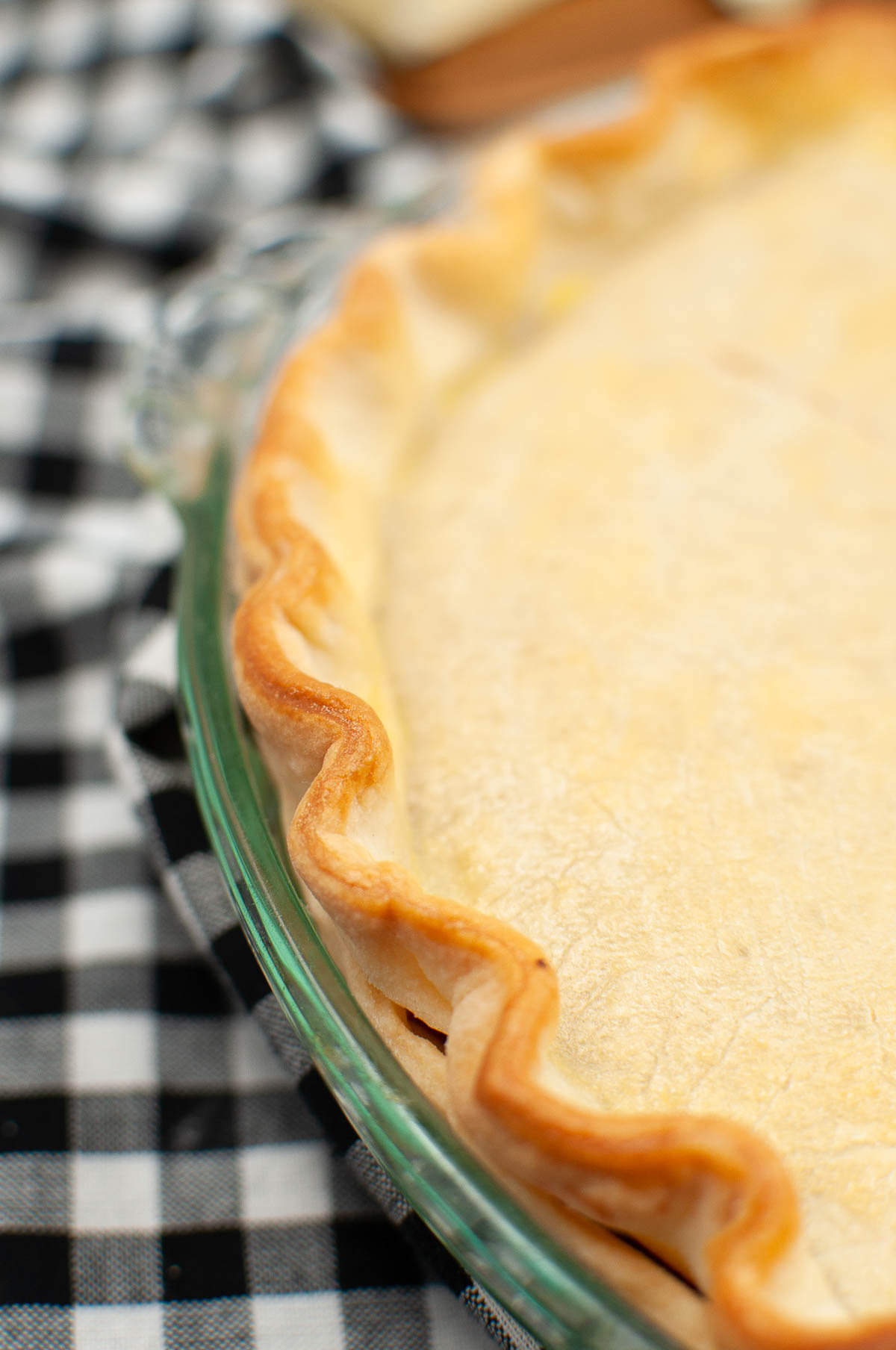
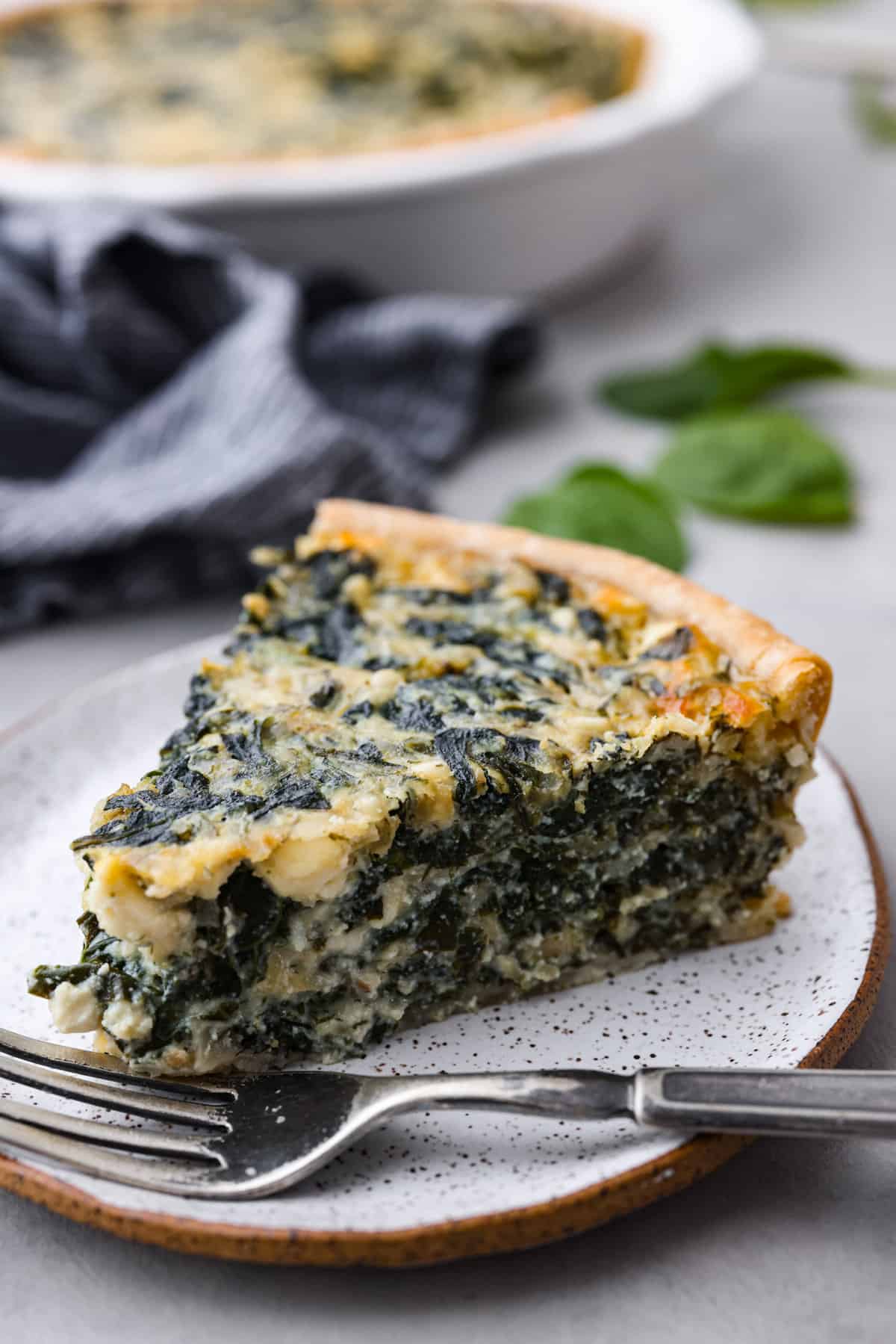
A good savory pie crust needs 2 1/2 cups all-purpose flour, 1 teaspoon salt, 1 cup cold unsalted butter, and 6 to 8 tablespoons ice water. Mix the flour and salt, cut in the cold butter, and add water until the dough holds together. Chill it for at least 30 minutes before rolling. This crust works well for pot pies, quiches, meat pies, and vegetable tarts.
A homemade savory pie crust can turn a simple filling into a hearty meal. In American kitchens, it is a useful base for chicken pot pie, beef pie, mushroom tart, and cheese quiche. The dough needs no sugar, so its rich butter flavor pairs well with meat, eggs, cheese, and vegetables.
The secret is to keep the butter cold and handle the dough as little as possible. Small pieces of butter help form flaky layers as the crust bakes. Too much water or too much kneading can make the pastry tough. Follow the steps below for a dough that is easy to roll and sturdy enough to hold a savory filling.
This recipe makes enough dough for one standard 9-inch double-crust pie or two thinner crusts for smaller savory pies, depending on how you divide and roll it. For a single deep pie shell, you can use half the dough and freeze the rest. The exact amount needed depends on your pie dish and how thick you roll the pastry.
Use plain all-purpose flour, cold butter, salt, and ice water. These basic ingredients form a neutral pastry that can work with many fillings. You can add dried herbs, black pepper, or a little grated hard cheese if you want more flavor.
Source: ar.inspiredpencil.com
All-purpose flour
Measure 2 1/2 cups, or about 300 grams if using a scale. Flour gives the dough its structure. Spoon it into a measuring cup and level the top instead of packing it down.
Unsalted butter
Use 1 cup, or 2 standard US sticks, cut into small cubes. Keep it cold until you are ready to mix the dough. Unsalted butter lets you control the amount of salt.
Salt
Add 1 teaspoon of fine salt. Salt helps bring out the butter flavor and keeps the crust from tasting flat.
Ice water
Start with 6 tablespoons and add up to 8 tablespoons as needed. The water should be cold, and you may not need every drop.
Optional Flavor Add-Ins
A savory crust is easy to adjust without changing the basic method. Add flavorings in small amounts so the dough stays easy to roll. Dried herbs are often easier to mix evenly than fresh herbs, which contain extra moisture.
Dried thyme or rosemary
Mix in 1 teaspoon of dried thyme or 1/2 teaspoon of finely crushed dried rosemary. These herbs pair well with chicken, mushrooms, potatoes, and root vegetables.
Black pepper
Add 1/4 teaspoon of ground black pepper for a mild savory note. This works well with beef pies, cheese tarts, and onion fillings.
Grated Parmesan
Add 2 to 3 tablespoons of finely grated Parmesan. The cheese adds a salty, nutty flavor, so taste the filling before adding more salt.
Garlic powder
Add 1/4 teaspoon for a subtle garlic flavor. Avoid large amounts of wet ingredients in the dough because they can change its texture.
How to Make a Recipe for Savory Pie Crust
The best method is to mix the dry ingredients first, work in the cold butter, and add just enough water to bring the dough together. You can use a food processor or make it by hand in a large bowl. Both methods can work well when you stop mixing as soon as the dough is ready.
Allow about 15 minutes for mixing and shaping, plus at least 30 minutes for chilling. If your kitchen is warm, the dough may need more time in the refrigerator. The goal is a cool, pliable dough that rolls without cracking or sticking.
Source: ar.inspiredpencil.com
Step 1: Combine the flour and salt
Place the flour and salt in a large mixing bowl. Stir with a fork or whisk until the salt is spread evenly through the flour. Add any dry herbs or spices at this stage.
Step 2: Cut in the butter
Add the cold butter cubes. Use a pastry cutter, two knives, or your fingertips to work the butter into the flour. Stop when the mixture looks crumbly and contains some pea-size pieces of butter. A few larger, flat pieces are fine.
Step 3: Add ice water
Sprinkle 6 tablespoons of ice water over the flour mixture. Toss gently with a fork. Add more water, one tablespoon at a time, only if the dough remains dry and will not hold together when pressed.
Step 4: Bring the dough together
Press the mixture with your hands until it forms a rough mass. Do not knead it like bread dough. If you see a few dry crumbs, press them into the dough before deciding whether more water is needed.
Step 5: Divide and flatten
For a double-crust pie, divide the dough into two portions, with one slightly larger if the bottom needs extra coverage. Shape each portion into a flat disk. A disk chills more evenly and is easier to roll than a thick ball.
Step 6: Wrap and chill
Wrap the disks tightly or place them in covered containers. Refrigerate for at least 30 minutes. Chilling firms the butter and gives the flour time to absorb moisture, which makes rolling easier.
Step 7: Roll the pastry
Lightly flour your work surface and rolling pin. Roll from the center outward, turning the dough now and then to keep it round. Aim for an even thickness of about 1/8 inch for a standard pie crust.
Step 8: Fit the crust into the dish
Lift the dough over a 9-inch pie plate and lower it gently into the dish. Press it into the base and corners without stretching it. Trim excess dough, leaving enough to crimp or seal the edge if needed.
Step 9: Fill or blind bake
Add a cooled filling if the recipe calls for an unbaked crust. For a custard pie, quiche, or wet filling, blind bake the crust when the recipe recommends it. Baking times depend on the dish, filling, and oven temperature.
How to Make the Dough in a Food Processor
A food processor speeds up the mixing process, but it can also overwork the dough in seconds. Add the flour and salt to the bowl, then pulse briefly to combine. Add the cold butter and pulse in short bursts until the mixture looks coarse, with visible butter pieces.
Pour in 6 tablespoons of ice water and pulse a few times. Stop when the mixture starts to form damp clumps. It does not need to become one smooth ball inside the machine. Tip it into a bowl and press it together by hand, adding a little more water only if needed.
Use short pulses
Short pulses give you more control than running the motor continuously. Stop and check the texture often.
Watch the butter pieces
Keep some visible pieces of butter in the mixture. If the dough becomes warm and greasy, chill it before rolling.
Avoid overfilling the bowl
If your food processor is small, mix the dough in batches. The ingredients should move freely enough to combine without prolonged processing.
How to Make the Crust by Hand
Hand mixing works well when you do not own a food processor. Use a pastry cutter or two table knives to cut the butter into the flour. You can also use your fingertips, but work quickly so your hands do not soften the butter too much.
Add the water slowly and toss with a fork. Press a small handful of the mixture together to test it. If it holds its shape without crumbling apart, the dough is ready to form into disks.
Keep your tools cool
A cool bowl and chilled butter can help in a warm kitchen. If the butter begins to smear across the flour, place the bowl in the refrigerator for a short break.
Do not chase a smooth surface
The raw dough may look rough or uneven. It will come together during shaping and rolling, so extra kneading is not needed.
Why Cold Butter and Ice Water Matter
Cold butter is one of the main keys to a flaky savory pie crust. When small pieces of butter remain in the dough, they help create layers as the crust bakes. If the butter melts before the dough reaches the oven, the crust may lose some of that layered texture.
Ice water helps keep the butter firm while bringing the flour together. Water also helps form gluten, a group of proteins that give dough strength. A little strength is useful, but too much mixing can make a pie crust firm and chewy rather than tender.
Source: ar.inspiredpencil.com
If the dough cracks
Let the chilled dough rest at room temperature for a few minutes, then roll it again. If the edges still split, press them together gently rather than pouring in extra water.
If the dough feels sticky
Chill it for 10 to 15 minutes before rolling. Dust the work surface lightly with flour, but avoid adding so much flour that the pastry becomes dry.
If the dough feels dry
Press a small portion between your fingers. If it falls apart completely, sprinkle in 1 teaspoon of ice water at a time and mix gently until it holds together.
If the butter becomes soft
Stop handling the dough and return it to the refrigerator. Wait until the butter firms up before rolling or shaping the pastry.
What the Finished Raw Dough Should Look Like
The dough should hold together when pressed, but it does not need to look perfectly smooth. Small flecks of butter should remain visible. The surface may have a few cracks, but it should not crumble into dry flour or leave a thick greasy film on your hands.
Good texture
The dough feels cool, bends without breaking apart, and can be pressed into a firm disk.
Too wet
The dough sticks heavily to your fingers and smears on the counter. Chill it first, then add only a light dusting of flour if necessary.
Too dry
The dough breaks into separate crumbs when pressed. Add small amounts of cold water until the crumbs begin to join.
Best Fillings for Savory Pie Crust
A neutral butter crust pairs with many savory fillings. Choose a filling that is not too watery, or prepare the crust to handle extra moisture. For a double-crust pie, let hot fillings cool before placing them on the bottom crust, unless the recipe gives different directions.
The crust is useful for weeknight dinners, holiday meals, and small tarts for lunch. Keep the seasoning in the dough mild when the filling already has a strong flavor. Add herbs or cheese when they support the dish rather than compete with it.
Source: ar.inspiredpencil.com
Chicken pot pie
Use cooked chicken with vegetables in a thick gravy. A top crust or double crust works well. Let the filling cool enough that it no longer sends up heavy steam before assembling the pie.
Vegetable pie
Try mushrooms, carrots, peas, potatoes, or leeks. Cook vegetables first when they release a lot of water, then drain or reduce excess liquid.
Quiche
This crust can hold eggs, milk or cream, cheese, and cooked vegetables. Blind baking is often helpful because the egg mixture is wet and needs time to set.
Beef or turkey pie
Use cooked meat with onions and a thick sauce. A top crust seals in the filling, while small vents allow steam to escape during baking.
Spinach and cheese tart
Squeeze cooked spinach to remove excess water before mixing it with cheese. A crust seasoned with black pepper or thyme can complement the filling.
Mushroom and herb pie
Cook mushrooms until much of their released moisture has evaporated. Thyme, rosemary, and a little garlic powder can work well with their earthy flavor.
How to Keep a Savory Pie from Getting Soggy
A soggy bottom often comes from excess liquid in the filling, an underbaked base, or a crust that needs blind baking. The butter crust itself is not always the problem. Start by cooking watery vegetables and reducing thin sauces before assembly.
For quiche and other wet fillings, line the pastry with parchment and fill it with pie weights or dry beans for blind baking. Follow a suitable recipe for the oven temperature and baking time. Remove the weights carefully, and continue baking if the base still looks raw.
Drain wet ingredients
Remove excess water from spinach, mushrooms, and other vegetables before adding them to the pie.
Cool the filling
A very hot filling can soften the butter in raw pastry before baking begins. Cooling the filling helps the crust keep its shape.
Bake on a lower rack when suitable
For many pies, a lower oven rack can help the base receive more direct heat. Use the rack position recommended by the specific recipe.
Savory Pie Crust Baking Guide
The right baking method depends on whether the crust will bake with a filling or on its own first. A double-crust meat pie often bakes with the filling inside from the start. A quiche or custard-style savory tart may need a partly baked shell before the filling is added.
Oven temperatures and baking times vary with crust thickness, pan material, filling temperature, and recipe design. Treat the figures below as starting points rather than fixed rules. Check the specific filling recipe and look for a dry, set base and a golden crust.
Source: ar.inspiredpencil.com
Unbaked bottom crust with filling
Use the temperature and time given by your pie recipe. Many filled pies bake at about 375°F to 400°F, but the filling and crust thickness affect the result.
Partly blind-baked crust
Bake the lined shell with weights until the sides begin to set, then remove the weights and bake a little longer if the recipe calls for it. Use parchment or foil that is suitable for oven use.
Fully blind-baked crust
Bake until the base and sides are cooked through and lightly golden. This method suits fillings that need little or no further baking, when the recipe calls for a fully baked shell.
Double-crust pie
Seal the top and bottom edges, cut a few vents in the top, and bake until the crust is golden and the filling is hot. Meat and poultry fillings should reach a safe internal temperature.
How to Blind Bake a Savory Pie Shell
Roll the chilled dough and fit it into the pie dish. Trim the edges and chill the lined dish again if the pastry has become warm. Prick the base lightly only when the recipe calls for it, since holes can let liquid seep through.
Place parchment over the crust and add pie weights or dry beans to support the sides. Bake according to the recipe. Lift out the parchment and weights with care because both the pan and weights will be hot.
Prevent shrinking
Do not stretch the pastry as you fit it into the pan. Leave a little extra dough at the rim and chill the shaped shell before baking.
Check the base
The base should no longer look like wet raw dough after the required blind-baking stage. If it still looks pale and damp, continue baking when the recipe allows.
Common Savory Pie Crust Problems and Fixes
Most pastry problems come from dough that is too warm, too dry, too wet, or overworked. Check the dough before adding more ingredients. A short rest in the refrigerator can solve several issues without changing the recipe.
Source: ar.inspiredpencil.com
The dough breaks when rolled
It may be too cold or slightly dry. Let it rest for a few minutes at room temperature, then press cracked edges together. Add a teaspoon of water only if the dough remains crumbly after pressing.
The crust is tough
Too much handling, too much water, or excess flour during rolling can make pastry tough. Mix only until the dough holds together and roll it with a light touch.
The crust shrinks in the oven
Stretching the dough while fitting it into the pan can cause shrinkage. Let the shaped shell rest in the refrigerator before baking and avoid pulling it to fit the dish.
The crust looks greasy
The butter may have become too warm before baking. Chill the dough or shaped shell until firm, then bake in a properly heated oven.
The bottom is pale and soft
The base may need more baking time or a blind-baking step. Excess moisture in the filling can also be the cause. Follow the recipe and check the base before serving.
The edge burns before the pie is done
Cover the rim loosely with a pie shield or strips of foil when it has browned enough. Keep the foil away from heating elements and follow the baking instructions for the filling.
Can You Fix Dough That Is Too Wet?
Yes, in many cases. Chill the dough first because cold butter makes the pastry easier to handle. If the dough remains sticky, dust the work surface and rolling pin with a small amount of flour, then roll gently.
Avoid mixing in a large amount of flour at once. That can change the ratio of ingredients and leave the baked crust dry. If the dough is so wet that it cannot hold its shape, add flour in small amounts and stop as soon as it becomes workable.
First fix
Wrap the dough and refrigerate it for 15 to 20 minutes before checking its texture again.
Second fix
Use a light dusting of flour while rolling and move the dough with a bench scraper if it sticks.
Storage, Freezing, and Make-Ahead Tips
You can make savory pie dough ahead of time and keep it chilled until you are ready to use it. Wrap it well to prevent it from drying out or picking up odors from other foods. If you plan to use it later, freezing is a convenient option.
For food safety, keep the raw dough refrigerated and do not leave it at room temperature for long periods. The dough contains butter and may also pick up moisture or contaminants during handling. Use clean tools and surfaces, and follow the storage guidance for the ingredients you use.
Source: ar.inspiredpencil.com
Refrigerator storage
Keep tightly wrapped dough in the refrigerator and aim to use it within about 2 days for best quality. If the dough smells unusual, shows mold, or has been stored under uncertain conditions, discard it.
Freezer storage
Wrap each dough disk tightly and place it in a freezer-safe bag or container. For best quality, use it within about 2 to 3 months.
Thawing frozen dough
Thaw it in the refrigerator rather than on the counter. Once it is pliable enough to roll, proceed with shaping and baking.
Freezing a shaped shell
Fit the dough into a pie dish, wrap it well, and freeze it if the dish and recipe allow. Some shells can be baked from frozen, but baking time may need adjustment.
Can You Make Savory Pie Crust the Day Before?
Yes. Make the dough, shape it into disks, wrap it tightly, and refrigerate it overnight. The next day, let it sit briefly if it is too firm to roll, but do not allow the butter to become soft or greasy.
You can also prepare the shell in the pie dish and chill it before baking. Keep the filling separate until you are ready to assemble the pie, especially when the filling is moist.
For a busy weeknight
Make the dough ahead, cook the filling separately, and chill both. Assemble the pie when you are ready to bake.
For a holiday meal
Freeze the dough in labeled disks several weeks ahead. Thaw it in the refrigerator before rolling and filling.
Easy Variations for Different Diets and Flavors
The standard butter crust is a useful starting point, but small changes can suit different dishes. Each change affects texture, flavor, or how the dough handles. Make one adjustment at a time so you can see how it changes the result.
Herb savory crust
Add dried thyme, rosemary, or oregano to the flour. Use this variation for chicken pie, mushroom tart, or roasted vegetable pie.
Cheese pie crust
Mix finely grated Parmesan or another hard cheese into the flour. Reduce added salt if the cheese is salty, and keep the dough cold because cheese adds fat and solids.
Whole-wheat variation
Replace part of the all-purpose flour with whole-wheat flour. Start by replacing about one-quarter of the flour. The crust may taste nuttier and feel less tender, and it may need a small adjustment to the water.
Vegetable shortening variation
You can replace some or all of the butter with vegetable shortening. Shortening can make the dough easier to handle, but the crust will have less buttery flavor. Keep the fat cold and add water gradually.
Dairy-free crust
Use a firm, plant-based butter alternative designed for baking. Check its salt and water content because different brands behave differently. The final texture may vary from a crust made with dairy butter.
Can You Make This Savory Crust Without Sugar?
Yes. This recipe contains no sugar, which is useful for savory pies and tarts. Sugar is not required to bring the dough together or create flaky layers. The main factors are the flour, fat, water, mixing method, and baking conditions.
Best uses
Use the plain crust for meat pies, quiche, vegetables, cheese tarts, and savory hand pies.
Seasoning tip
Keep the base recipe simple, then add herbs or spices that suit the filling. This makes the dough more versatile for different meals.
A Simple Savory Pie Crust Recipe at a Glance
Use this quick reference when you need to check the ingredient amounts and main steps while cooking. The dough is ready to roll when it holds together, stays cool, and no longer falls apart when pressed.
Prep time
About 15 minutes, depending on your mixing method.
Chill time
At least 30 minutes.
Flour
2 1/2 cups all-purpose flour, about 300 grams.
Butter
1 cup cold unsalted butter, cut into cubes.
Salt
1 teaspoon fine salt.
Water
6 to 8 tablespoons ice water, added as needed.
Main method
Mix flour and salt, cut in butter, add water slowly, shape into disks, chill, roll, and bake according to the filling recipe.
How to Tell When the Crust Is Done
A baked savory crust should look set and golden rather than pale and wet. The edges may brown before the center, so check the base as well as the rim when the recipe allows. A filled pie may need extra time for the center of the filling to heat through.
For meat or poultry pies, do not judge food safety by crust color alone. Use a food thermometer to check the filling where needed, and follow current food safety guidance for the type of meat used.
Look for color
The crust should be lightly to deeply golden, depending on the recipe.
Check the base
The bottom should not look like wet, raw dough when the baking process is complete.
Allow the pie to rest
Resting helps the filling settle and makes slices easier to serve. Follow the filling recipe for the recommended cooling time.
Frequently Asked Questions
Q
What makes a savory pie crust flaky?
Cold butter, limited mixing, and the right amount of water help create a flaky crust. Small pieces of butter remain in the dough and help form layers during baking. Keep the dough cool and stop mixing as soon as it holds together.
Q
Can I use olive oil instead of butter?
Olive oil can be used in some savory pastry recipes, but it does not behave like solid butter. It will not create the same butter-based layers, and the dough may have a different texture. Use a recipe designed for oil rather than swapping equal amounts without adjustment.
Q
Should I bake the crust before adding the filling?
It depends on the filling. Quiche and other wet fillings often benefit from a blind-baked shell, while many double-crust meat pies bake with the filling inside from the start. Follow the instructions for the specific pie you are making.
Q
Why is my savory pie crust hard instead of tender?
The dough may have been overworked, mixed with too much water, or rolled with too much extra flour. Mix gently, add water in small amounts, and avoid kneading the dough. Chilling it before rolling can also help keep the butter firm.
Q
Can I freeze savory pie crust dough?
Yes. Shape the dough into disks, wrap them tightly, and freeze them in a freezer-safe bag or container. For best quality, use the dough within about 2 to 3 months. Thaw it in the refrigerator before rolling.
Q
Can I make a savory pie crust with whole-wheat flour?
Yes. Start by replacing about one-quarter of the all-purpose flour with whole-wheat flour. This adds a nutty flavor and may make the crust a little denser. You may need a small amount of extra water because whole-wheat flour absorbs moisture differently.
Q
What is the best thickness for savory pie crust?
For a standard pie, about 1/8 inch is a useful starting point. A thinner crust may tear or struggle to hold a wet filling, while a much thicker crust may take longer to bake. Keep the thickness even so the edges and base cook at a similar rate.
✦ Wrapping Up
Conclusion
A good recipe for savory pie crust needs only a few basic ingredients and careful handling. Cold butter, ice water, and a short chill help create pastry that is easy to roll and tender after baking. Keep the dough simple for everyday pies, or add herbs and cheese to match the filling.
This crust can be used for chicken pot pie, beef pie, vegetable tarts, and quiche. The main thing to watch is moisture. Cook watery vegetables, cool hot fillings when suitable, and blind bake the shell when the recipe calls for it. With these steps, homemade savory pastry becomes easier to manage and adapt.
💡 Key Takeaway
Measure the flour, cut in cold butter, and add ice water a little at a time. Shape the dough into disks, chill for at least 30 minutes, then roll it to about 1/8 inch thick. Choose the baking method that suits your filling, and check that the base is fully baked before serving.