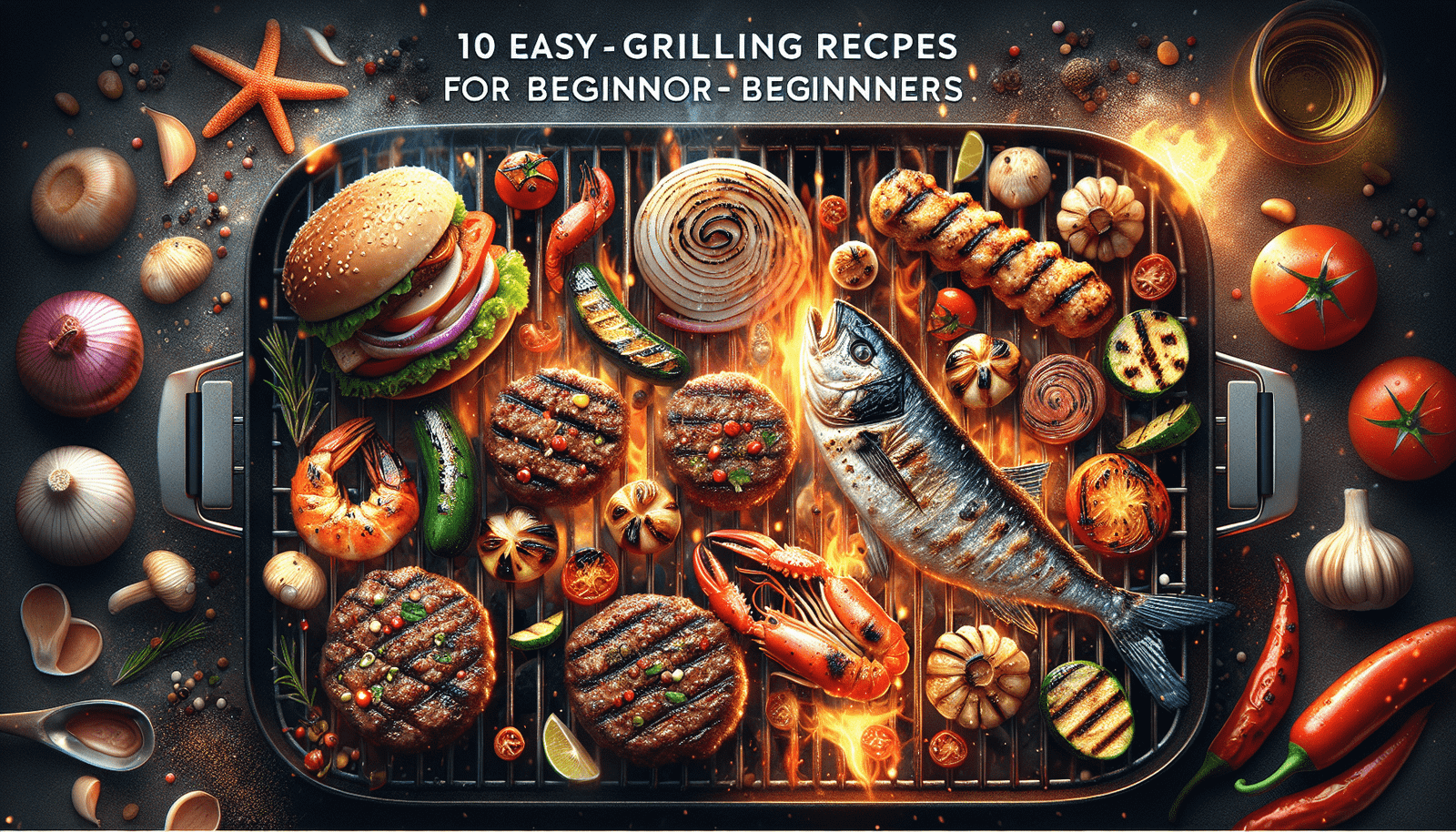
The best grilling recipes for beginners use simple ingredients, short prep times, and easy cooking steps. Start with chicken breasts, burgers, hot dogs, shrimp, corn, or vegetable skewers. Learn to control the heat, turn food when needed, and check doneness with a food thermometer. These basic skills help you make tasty meals on a gas or charcoal grill without much fuss.
Grilling is a simple way to cook dinner in an American backyard, on a patio, or at a campsite where grills are allowed. You do not need a long list of tools or fancy sauces to get started. A few fresh ingredients, some salt and pepper, and a clean grill can take you a long way.
The trick is to choose food that is easy to handle and cooks in a fairly short time. Thin cuts of meat, burgers, shrimp, and vegetables are useful starting points. Once you learn how direct heat works and how to spot when food is done, you can try more complex meals with greater ease.
This guide covers easy grilling recipes for beginners, simple marinades, basic grill setup, and safe cooking temperatures. It also explains what to do when food sticks, burns on the outside, or stays raw in the middle. Use the recipes as a starting point, then adjust the seasonings to suit your taste.
Your first grill meal should be easy to prep, easy to turn, and simple to check for doneness. Foods that cook in a short time give you more chances to learn how your grill behaves. You can focus on heat and timing instead of managing several difficult dishes at once.
Choose two or three items for your first cookout. For example, make chicken skewers with bell peppers and serve them with corn. This keeps the menu manageable and helps you learn when each food needs attention.
Source: m.media-amazon.com
Best first meat
Boneless chicken pieces, thin pork chops, and ground beef patties are practical options. Use a thermometer to confirm that each item reaches its safe internal temperature.
Best first seafood
Shrimp cook quickly and work well on skewers. Keep an eye on them because small pieces can become tough when left on the grill too long.
Best first vegetables
Bell peppers, zucchini, onions, and corn are easy to season and pair well with meat or seafood.
Best first side dish
Grilled bread or corn on the cob adds little prep work and lets you practice controlling heat.
What You Need Before You Start
You can grill a basic meal with a grill, long-handled tongs, a clean plate, and a food thermometer. A grill brush suitable for your grill and a small bowl for seasoning can also help. Read the grill maker’s instructions before lighting it, especially if you have never used that model.
Keep paper towels, cooking oil, and seasonings close at hand, but store them away from open flames. Do not leave a hot grill unattended. Set a clean plate aside for cooked food so it never touches a surface that held raw meat.
Long-handled tongs
Use them to turn food and move vegetables without placing your hands near the heat.
Food thermometer
Check the center or thickest part of meat and seafood. Clean the probe between uses as needed.
Heat-safe gloves
Use suitable gloves when handling hot grill parts or cookware. Ordinary fabric gloves may not protect against heat or grease.
How to Set Up a Grill for Beginners
A clean, preheated grill helps food cook more evenly and reduces sticking. Place the grill outdoors in a well-ventilated area, away from buildings, railings, overhanging branches, and other things that could catch fire. Never use a gas or charcoal grill inside a house, garage, tent, or enclosed porch.
Gas and charcoal grills work in different ways, but both let you control how much heat reaches the food. Gas grills usually allow quick heat adjustments with the burners. Charcoal grills need more attention because heat depends on the amount and placement of the coals, airflow, and how far the food sits from them.
Source: funmoneymom.com
Preheat the grill
Follow the manufacturer’s instructions. Allow enough time for the cooking grate to heat before adding food.
Clean the cooking surface
Remove leftover food and grease with a suitable tool before cooking. Check the grate for loose or damaged parts.
Oil food, not a hot flame
A light coating of cooking oil on the food can help reduce sticking. Avoid pouring oil onto a hot grill or flame.
Create a cooler area
On a charcoal grill, arrange coals to leave one side with less heat. On a gas grill, use separate burner settings when the grill design allows it.
Direct Heat and Indirect Heat
Direct heat means cooking food over the heat source. It works well for burgers, shrimp, thin pork chops, and sliced vegetables. The food cooks quickly, so stay close and turn it when needed.
Indirect heat means cooking food away from the strongest heat source with the lid closed when the grill design permits. It helps larger cuts cook through without burning their outer surface. Beginners can start with direct-heat recipes and learn indirect cooking as they gain confidence.
Use direct heat
Choose this method for small, thin, or quick-cooking foods.
Use indirect heat
Choose this method for larger cuts that need more time to cook through.
Easy Grilling Recipes for Beginners
These beginner grilling recipes use common ingredients and simple methods. Cooking times are estimates, not safety tests. The thickness of the food, grill temperature, wind, and starting temperature can all change how long a meal takes.
Prepare the ingredients before lighting the grill. Keep raw meat and seafood separate from vegetables that will be served as ready-to-eat sides. Use a clean plate for cooked food, and check the final temperature before serving.
Source: redbrickkitchen.com
Start with a small menu
Pick one main dish and one or two sides. This makes it easier to watch the food and learn how the grill heats.
Use simple seasoning
Salt, black pepper, garlic powder, paprika, lemon juice, and a little oil can add plenty of flavor.
1. Easy Grilled Chicken Breasts
Grilled chicken breasts make a useful first recipe because they need only a few ingredients. Boneless, skinless pieces are easy to season, though thick breasts can cook unevenly if the outside heats much faster than the center.
For two servings, use two boneless chicken breasts, one tablespoon of olive oil, half a teaspoon of garlic powder, half a teaspoon of paprika, salt, and black pepper. Pat the chicken dry, coat it lightly with oil, and add the seasonings.
Preheat the grill and cook the chicken over medium to medium-high heat, adjusting as needed to prevent burning. Turn it when the first side has browned and releases from the grate. Check the thickest part with a food thermometer and remove the chicken when it reaches 165°F. Rest it briefly before slicing.
Helpful tip
Pound very thick breasts to a more even thickness before cooking. This can help the meat cook more evenly.
Flavor idea
Add lemon juice and chopped parsley after cooking for a fresh finish.
2. Simple Grilled Burgers
Burgers are a classic American cookout food and a good way to learn how to handle ground meat on a grill. For four burgers, use one pound of ground beef, four buns, salt, black pepper, and toppings such as lettuce, tomato, onion, or cheese.
Divide the beef into four patties of even thickness. Make a shallow dip in the center of each patty to help it hold its shape as it cooks. Season the outside just before grilling, then place the patties on a clean, preheated grate.
Cook over medium-high heat, turning with a clean spatula when needed. Ground beef should reach 160°F in the center. Add cheese near the end if you want it to melt, and toast the buns briefly on the grill if space allows. Place cooked burgers on a clean plate and serve with fresh toppings.
Avoid pressing the patties
Pressing burgers with a spatula pushes out juices and can cause grease flare-ups.
Keep toppings cold
Prepare lettuce, tomato, and other toppings before cooking, then keep them chilled until serving.
3. Quick Grilled Shrimp Skewers
Shrimp cook fast, making them a practical option when you want a short grilling session. For two servings, use about one pound of peeled and deveined shrimp, one tablespoon of olive oil, one minced garlic clove, lemon juice, salt, pepper, and a little paprika if desired.
Toss the shrimp with the oil and seasonings. Thread them onto metal skewers or wooden skewers that have been soaked according to their instructions. Leave a little space between pieces so heat can reach the surfaces.
Grill over medium-high heat, turning as the shrimp become opaque. Check the thickest pieces and cook to 145°F. Shrimp often cook within a few minutes per side, but size and grill heat affect the timing. Serve with lemon wedges and rice or grilled vegetables.
Do not walk away
Shrimp can go from tender to rubbery in a short time, so watch them closely.
Keep raw shrimp separate
Use clean utensils and a fresh plate when serving cooked shrimp.
4. Grilled Sausages and Peppers
Sausages and bell peppers make a filling meal with little prep. Use four fresh sausages, two sliced bell peppers, one sliced onion, a tablespoon of oil, black pepper, and dried Italian herbs if you like.
Toss the peppers and onion with the oil and seasonings. Place the vegetables in a grill-safe basket or on a section of the grate where they cannot fall through. Grill the sausages over moderate heat, turning them to brown all sides without letting the casings burn.
Cook the vegetables until tender with some browned edges. Check the sausages with a thermometer because safe temperatures vary by type. Fresh pork or beef sausages should reach 160°F, while chicken or turkey sausages should reach 165°F. Follow the package instructions for fully cooked products and heat them thoroughly.
Prevent flare-ups
Move sausages away from intense flames if dripping fat causes sudden bursts of fire.
Make cleanup easier
A grill basket keeps small vegetable pieces together and makes turning them simpler.
5. Easy Grilled Vegetable Skewers
Vegetable skewers add color to a cookout and can be served as a side or a meat-free main dish. Use bell peppers, zucchini, red onion, and mushrooms. Cut the vegetables into pieces of similar size so they cook at a more even rate.
Toss the vegetables with olive oil, salt, black pepper, and garlic powder. Thread them onto skewers, leaving small gaps between pieces. Grill over medium heat, turning every few minutes until the vegetables have grill marks and reach the texture you prefer.
Cooking time varies with the size and type of each piece. Mushrooms may soften before thick chunks of pepper or onion, so check each vegetable as you go. Finish with lemon juice or a small amount of grated Parmesan if it fits your meal.
Cut pieces evenly
Similar-sized pieces are easier to cook without leaving some raw and others too soft.
Try separate skewers
If one vegetable cooks much faster than another, grill each type on its own skewer.
6. Grilled Corn on the Cob
Corn on the cob is an easy side for burgers, chicken, or sausages. Use fresh ears of corn, a little oil or softened butter, salt, and black pepper. Remove the husks and silk before cooking if you want the kernels to develop direct grill marks.
Brush the corn lightly with oil and place it over medium heat. Turn it regularly so the kernels cook on several sides. Depending on the heat and size of the ears, it may take around 10 to 15 minutes, but the texture matters more than the clock.
The kernels should be hot and tender with some browned spots. Move the corn to a cooler area if it darkens too quickly. Add butter, lime juice, chili powder, or herbs after cooking.
Keep it simple
Salt and butter are enough for a classic side dish.
Change the flavor
Try lime juice and chili powder for a tangy finish.
7. Grilled Salmon With Lemon
Salmon is a good choice once you feel comfortable handling delicate food on the grill. For two servings, use two salmon fillets, olive oil, salt, pepper, and lemon wedges. Fillets with the skin on are often easier to move because the skin helps hold the flesh together.
Preheat the grate and clean it well. Lightly oil the fish, then place it skin-side down over moderate heat. Close the lid if your grill instructions allow it, and avoid moving the fillet before it releases more easily from the grate.
Cook until the thickest part reaches 145°F. The timing depends on thickness and grill heat. Use a broad spatula to transfer the fish to a clean plate, then add lemon juice before serving. If the fish flakes apart easily, handle it gently rather than trying to flip it several times.
Reduce sticking
Use a clean grate and a light coating of oil on the fish. A fish basket can help if you have trouble turning fillets.
Do not rely on color alone
Check the center with a food thermometer to confirm that the fish has reached a safe temperature.
Simple Marinades and Seasonings That Work
A basic marinade adds flavor and can help keep some foods moist during cooking. Most beginner recipes do not need a long list of ingredients. Oil, an acidic ingredient such as lemon juice or vinegar, herbs, and spices are enough for many chicken, shrimp, and vegetable dishes.
Mix the marinade in a clean bowl and coat the food evenly. Marinate meat and seafood in the refrigerator, not on the counter. Discard marinade that has touched raw meat or seafood, unless you boil it first before using it as a sauce.
Source: hips.hearstapps.com
Lemon garlic marinade
Combine olive oil, lemon juice, minced garlic, black pepper, and a little salt. Use it for chicken, shrimp, or vegetables.
Smoky spice rub
Mix paprika, garlic powder, onion powder, black pepper, and salt. Rub it onto chicken or pork shortly before grilling.
Simple herb oil
Stir chopped parsley or rosemary into olive oil with black pepper. Brush a light layer over vegetables before cooking.
Sweet barbecue glaze
Use a prepared barbecue sauce or a simple homemade glaze near the end of cooking. Sugar can burn over high heat, so avoid applying a thick sweet coating too early.
How Long Should You Marinate Food?
The right marinating time depends on the food and the ingredients. Small shrimp need less time than thick chicken pieces, and strong acidic marinades can change the texture of delicate foods if left on too long. Follow a tested recipe when a precise marinating time is given.
For a simple first meal, season chicken shortly before grilling or let it marinate in the refrigerator for a few hours. Shrimp often need only a short coating period. Vegetables usually need just enough time for the oil and seasonings to cover their surfaces.
Refrigerate while marinating
Keep perishable foods cold throughout the process.
Reserve sauce before adding raw food
Set aside a clean portion if you want extra sauce for serving.
Safe Grilling Temperatures and Food Handling
The safest way to tell whether grilled meat, poultry, or seafood is ready is to check its internal temperature with a food thermometer. The outside can brown before the center is fully cooked. Color, grill marks, and cooking time alone cannot confirm that food is safe.
Insert the thermometer into the thickest part of the food, avoiding bone when possible. For thin items such as burgers or shrimp, position the probe carefully so the reading reflects the center. Clean the thermometer probe after checking food, especially when moving between raw and cooked items.
Source: whitneybond.com
Chicken and turkey
Cook all poultry, including ground poultry, to 165°F.
Ground beef
Cook burgers and other ground beef to 160°F.
Whole cuts of pork and beef
Steaks, chops, and roasts generally need 145°F followed by a three-minute rest. Ground meats have different temperature guidance.
Fish
Cook fish to 145°F, measured at the thickest part.
Shrimp and other seafood
Shrimp should reach 145°F. Check the thickest pieces rather than judging doneness only by their pink color.
Avoid Cross-Contamination
Cross-contamination happens when germs from raw food spread to cooked food or clean surfaces. Use separate plates and utensils for raw meat and ready-to-eat food. Wash hands with soap and water after handling raw ingredients, and clean any surface that comes into contact with their juices.
Keep perishable ingredients refrigerated until you are ready to cook. Do not leave cooked food outside for long periods, especially on hot summer days. Refrigerate leftovers within two hours, or within one hour when the outdoor temperature is above 90°F.
Use separate plates
Never place cooked food on the plate that held raw meat or seafood unless the plate has been washed first.
Keep a clean work area
Wash utensils, cutting boards, and hands between handling raw and cooked ingredients.
Store leftovers promptly
Place leftovers in shallow containers and refrigerate them promptly. Eat refrigerated leftovers within three to four days or freeze them for longer storage.
Basic Grill Fire Safety
Grease and high heat can cause flare-ups. Trim excess fat when appropriate, keep the grill clean, and move food away from sudden flames. A brief flare-up can happen when fat drips onto a heat source, but a growing fire needs careful attention.
For a gas grill, follow the manufacturer’s emergency instructions if you smell gas or suspect a leak. Do not try to light the grill while a gas leak may be present. For a grease fire, never pour water onto the flames. Keep a suitable fire extinguisher accessible and call emergency services if the fire cannot be controlled safely.
Keep children and pets back
Set a clear boundary around the hot grill and keep handles, cords, and tools out of walkways.
Never leave the grill unattended
Stay close while food cooks and keep combustible items away from the grill.
Common Beginner Grilling Mistakes and How to Fix Them
Most first-time grilling problems come from heat that is too high, food that is too thick, a dirty grate, or a rush to serve the meal. A few small changes can prevent burnt edges, dry meat, and food that sticks. Watch how the food behaves and use the thermometer rather than relying on a fixed number of minutes.
When a recipe goes wrong, avoid turning the heat up without checking the cause. Moving food to a cooler part of the grill, lowering a burner setting, or closing the lid when appropriate can help food cook through without scorching.
Source: i.pinimg.com
Food sticks to the grate
The grate may be dirty, the food may have too little oil, or the food may not be ready to turn. Clean the grate and let the food cook until it releases more easily.
The outside burns before the center cooks
The heat may be too intense or the food may be too thick. Lower the heat or move the food to indirect heat, then continue cooking until it reaches a safe internal temperature.
Chicken turns dry
Chicken may have cooked too long or unevenly. Use pieces of similar thickness, check the center with a thermometer, and remove the chicken once it reaches 165°F.
Vegetables fall through the grate
Cut vegetables into larger pieces or use a grill basket. You can also use skewers to keep small pieces together.
The grill produces too much smoke
Excess grease or food residue may be burning. Turn down the heat if safe, move food away from flare-ups, and clean the grill after it cools according to the manufacturer’s directions.
Food cooks at different speeds
Pieces may differ in thickness or sit over different heat levels. Group food by size and move faster-cooking items away from the hottest area when needed.
How to Know When Food Is Ready
Use both visual signs and temperature checks. Grill marks and browned edges can show that the surface has cooked, while a thermometer tells you whether the center has reached the recommended temperature. This is especially important for poultry, burgers, and thick cuts.
Vegetables are ready when they have reached the texture you want, whether that means tender zucchini or corn with lightly browned kernels. Shrimp should be opaque and firm, but the thermometer remains the reliable check for the recommended safe temperature. When in doubt, continue cooking and check again.
Check the thickest area
A reading from a thin edge may be higher than the temperature in the center.
Rest food when appropriate
A short rest can help juices settle in meat. Follow the specific temperature guidance for the food rather than assuming resting makes undercooked food safe.
Plan a Simple First Grill Dinner
A small menu is the easiest way to put your new skills to work. Try grilled chicken breasts, corn on the cob, and vegetable skewers. The meal includes protein and vegetables, uses common ingredients, and lets you practice both direct grilling and managing different cooking times.
Start by washing and cutting the vegetables, mixing the seasonings, and preparing the chicken on a separate board. Keep the chicken refrigerated until the grill is ready. Set out clean plates, tongs, and a food thermometer before you begin cooking.
Source: i.pinimg.com
Step 1: Prepare the ingredients
Season the chicken, cut the vegetables, and remove the husks and silk from the corn. Keep raw poultry separate from the vegetables.
Step 2: Preheat the grill
Clean the grate and set up a suitable cooking zone. Follow your grill’s instructions for safe lighting and preheating.
Step 3: Cook the vegetables and corn
Begin with foods that can handle a little extra time. Turn them as they brown and move them to a cooler area if needed.
Step 4: Grill the chicken
Cook the chicken over moderate heat, turning when appropriate. Check the thickest part and remove it only after it reaches 165°F.
Step 5: Serve and clean up
Transfer the food to clean plates, add lemon or herbs, and refrigerate leftovers promptly. Clean the grill after it cools according to the manufacturer’s guidance.
A Simple Shopping List
For two people, buy two boneless chicken breasts, two ears of corn, one zucchini, one bell pepper, one red onion, one lemon, and a small amount of fresh parsley if desired. Check your pantry for olive oil, salt, black pepper, garlic powder, and paprika before shopping.
You can swap the chicken for burgers or shrimp if you prefer. Choose one main protein for your first cookout so you can focus on cooking it well instead of managing too many foods at once.
Keep the menu flexible
Use vegetables that are in season or already in your fridge. Cut them to similar sizes and cook them according to how quickly they soften.
Skip extra equipment at first
A grill basket or skewers can be helpful, but you do not need a large set of specialty tools to make a basic meal.
Next Steps After Your First Cookout
Once you can manage a simple chicken or burger meal, try recipes that use a different cooking method. Grilled flatbread, stuffed mushrooms, pork chops, and foil-pack vegetables can add variety without requiring advanced skills. Change one thing at a time so you can see how each change affects the result.
Keep short notes about the food, heat setting, and approximate cooking time. These notes are personal reminders, not universal timing rules, because weather, grill models, and food thickness can vary. Use the notes alongside thermometer readings to improve the next meal.
Source: i.pinimg.com
Try a new seasoning
Use a different dry rub or herb blend with a recipe you already know. This changes the flavor without adding a new cooking challenge.
Learn indirect grilling
Practice with larger pieces of food that benefit from slower cooking. Follow a tested recipe and use a thermometer.
Explore meat-free meals
Grilled tofu, eggplant, mushrooms, and sturdy vegetable slices can form a complete meal when paired with beans, rice, or bread.
Build a repeatable routine
Prepare ingredients first, preheat the grill, cook in a planned order, check temperatures, and clean up after the meal.
What to Do When a Recipe Does Not Work
Write down what happened rather than changing every step at once. If the food burned outside, reduce the heat or use a cooler cooking zone next time. If it stuck, inspect the grate, the amount of oil, and whether you tried to turn it too soon.
If food did not reach a safe temperature, keep cooking it and check again. Do not serve undercooked meat or seafood just because the outside looks done. If food has been left out too long or its safety is uncertain, discard it rather than taking a risk.
Change one variable
Adjust heat, piece size, or cooking position on the next attempt, while keeping the rest of the method consistent.
Trust temperature checks
Use a reliable food thermometer and current food safety guidance rather than copying a cooking time from a different grill.
Frequently Asked Questions
Q
What is the easiest food to grill for beginners?
Hot dogs, boneless chicken pieces, shrimp, burgers, and vegetable skewers are practical foods for a first grilling session. Hot dogs are simple to heat, while shrimp and thin vegetable pieces cook quickly. Chicken and burgers need a food thermometer because their appearance alone cannot confirm safe doneness.
Q
Should beginners use a gas grill or a charcoal grill?
A gas grill is often easier to manage at first because its burner settings allow direct heat adjustments. A charcoal grill can offer a smoky flavor, but it takes more work to light the coals and manage airflow. Both can cook good meals when used according to the manufacturer’s instructions.
Q
Do I need to marinate meat before grilling?
No. A dry seasoning blend of salt, pepper, garlic powder, and paprika can add plenty of flavor. Marinades are optional and can add herbs, citrus, or other flavors. Always marinate meat and seafood in the refrigerator, and never reuse a marinade that touched raw food unless it is boiled first.
Q
How do I stop food from sticking to the grill?
Start with a clean, preheated grate and lightly coat the food with oil when suitable. Let food cook until it releases more easily before trying to turn it. Use tongs or a spatula suited to the food, and avoid repeatedly moving items before the surface has had time to brown.
Q
How long should I grill chicken breasts?
Cooking time depends on thickness, grill heat, and the distance from the heat source. Boneless chicken breasts may take roughly 6 to 10 minutes per side on a moderately hot grill, but this is only a planning estimate. Check the thickest part with a food thermometer and cook until it reaches 165°F.
Q
Can I grill vegetables and meat at the same time?
Yes, if you have enough cooking space and can keep raw ingredients separate from ready-to-eat food. Start vegetables that need more time first, then add quicker-cooking foods when appropriate. Use separate utensils for raw meat and vegetables, and transfer cooked food to clean plates.
Q
What temperature should a beginner grill use?
There is no single ideal grill temperature for every food. Medium heat works well for many vegetables and some chicken recipes, while burgers and thin steaks often use higher direct heat. Follow a reliable recipe for the grill setting, then use a food thermometer to confirm safe internal temperatures.
✦ Wrapping Up
Conclusion
Grilling recipes for beginners do not need fancy ingredients or hard steps. Chicken breasts, burgers, shrimp, sausages, corn, and vegetable skewers are all useful places to start. Keep the seasonings simple, preheat the grill, and pay attention to how each food responds to the heat.
The most useful skill is knowing when food is truly done. Use a food thermometer, keep raw and cooked foods apart, and follow safe grill practices. With a little planning and practice, you can make a simple backyard meal that tastes good without turning dinner into a stressful task.
💡 Key Takeaway
For your first cookout, choose one main dish and one vegetable side. Prepare everything before lighting the grill, cook with a manageable heat level, and check safe internal temperatures before serving. Write down what worked so your next grilling session feels easier.