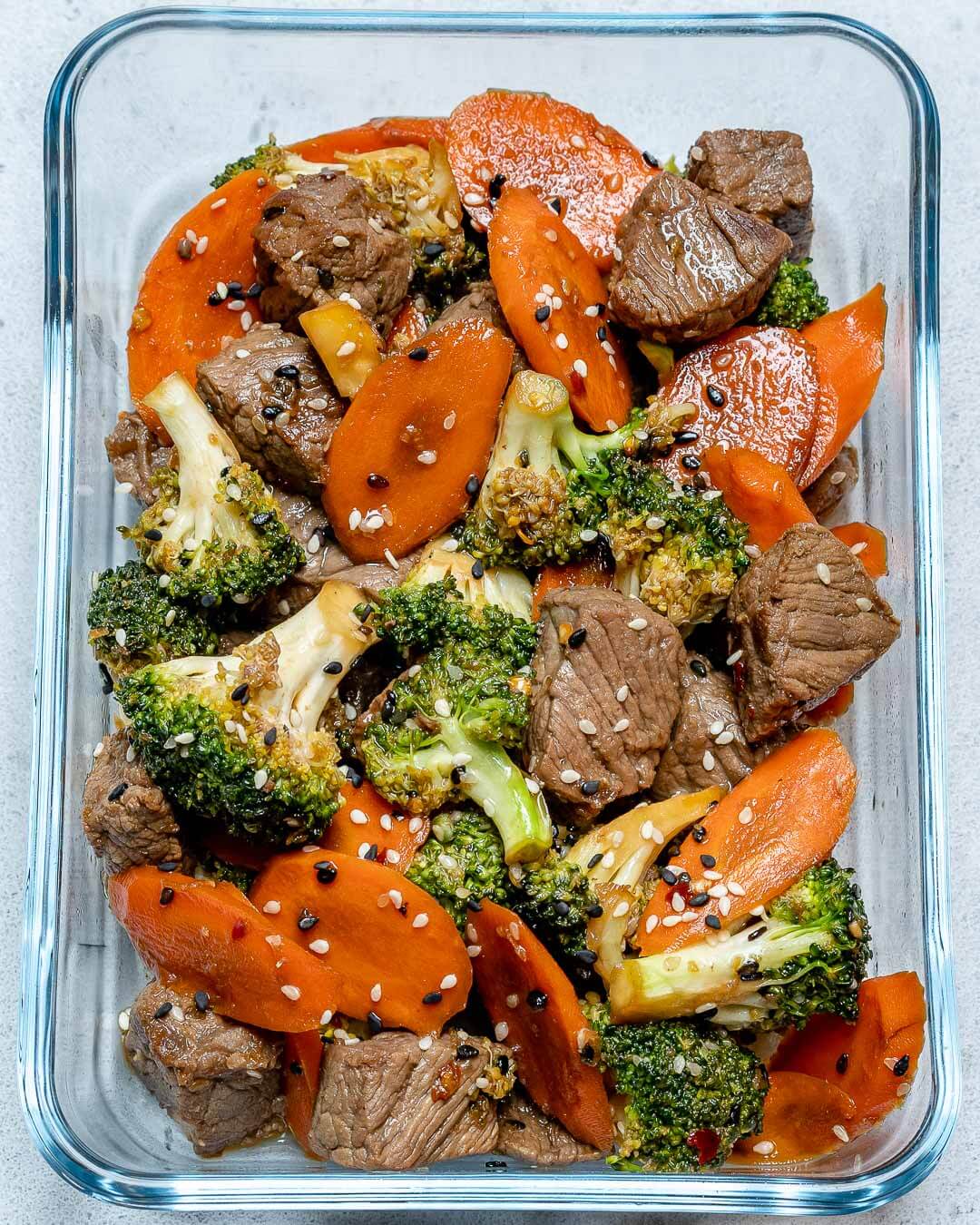
Healthy recipes with beef use lean cuts, plenty of vegetables, whole grains, and simple cooking methods to make filling meals with less added fat and salt.
Across the United States, beef is a common choice for family dinners, weekend cookouts, and quick meals after work. It can fit into a balanced diet when you choose suitable cuts, watch portion sizes, and serve it with foods like broccoli, beans, brown rice, or sweet potatoes. You do not need costly ingredients or complex steps to make a good beef dinner.
The best healthy beef meals are easy to cook and simple to change. Try a beef and broccoli stir-fry, a lean ground beef skillet, or a bowl of beef with roasted vegetables. Each dish offers a way to pair protein and iron-rich beef with fiber-rich plant foods. The key is to build a balanced plate rather than make beef the only food on it.
A healthy beef recipe balances protein with vegetables, fiber-rich foods, and sensible amounts of fat and salt. Beef provides protein, iron, zinc, and vitamin B12. These nutrients support normal body functions, including the formation of red blood cells and the maintenance of muscle. The full value of a meal depends on its other ingredients, portion size, and cooking method.
A large steak with a rich cream sauce and few vegetables can be high in calories and saturated fat. A smaller serving of lean beef with roasted carrots, broccoli, and brown rice offers a different balance. Both meals contain beef, but the second makes more room for plant foods and whole grains.
Source: chefol.com
Lean protein
Choose lean cuts or lean ground beef. Trim visible fat when practical, and drain excess fat from browned ground beef.
Vegetables and fiber
Add broccoli, peppers, spinach, carrots, cabbage, tomatoes, or green beans. Beans and whole grains can add more fiber.
Less added salt and sugar
Build flavor with garlic, ginger, herbs, vinegar, citrus, and spices. Check labels on broth, bottled sauces, and seasoning mixes.
Balanced portions
Use beef as one part of the meal. Pair it with vegetables and a suitable serving of rice, potatoes, beans, or another grain.
How Much Beef Should You Serve?
A cooked serving of about 3 ounces is a useful starting point for many adults. That is roughly the size of a deck of cards, although thickness and shape can change how it looks. A recipe can serve four people with about 1 pound of raw beef when it includes vegetables, grains, or beans. The amount each person needs depends on age, activity, health needs, and the rest of the diet.
For a family meal
Stretch a pound of lean beef with mushrooms, peppers, onions, beans, or chopped vegetables.
For meal prep
Divide the cooked dish into portions and add a vegetable and grain to each container.
Which Beef Cuts Work Best?
Sirloin, top round, eye of round, and other cuts labeled lean can work well for healthy meals. Lean ground beef is useful for tacos, bowls, soups, and skillet dishes. Ground beef labeled 90% lean or 93% lean generally contains less fat than 80% lean beef, though the exact nutrition depends on the product.
For quick cooking
Use sirloin strips or lean ground beef for stir-fries and skillet meals.
For slow cooking
Use lean stew meat or a suitable round roast. Slow cooking helps tenderize cuts with more connective tissue.
For burgers
Lean ground beef can make a tasty burger. Avoid overcooking it for long periods, but always reach the safe internal temperature.
1. Healthy Beef and Broccoli Stir-Fry
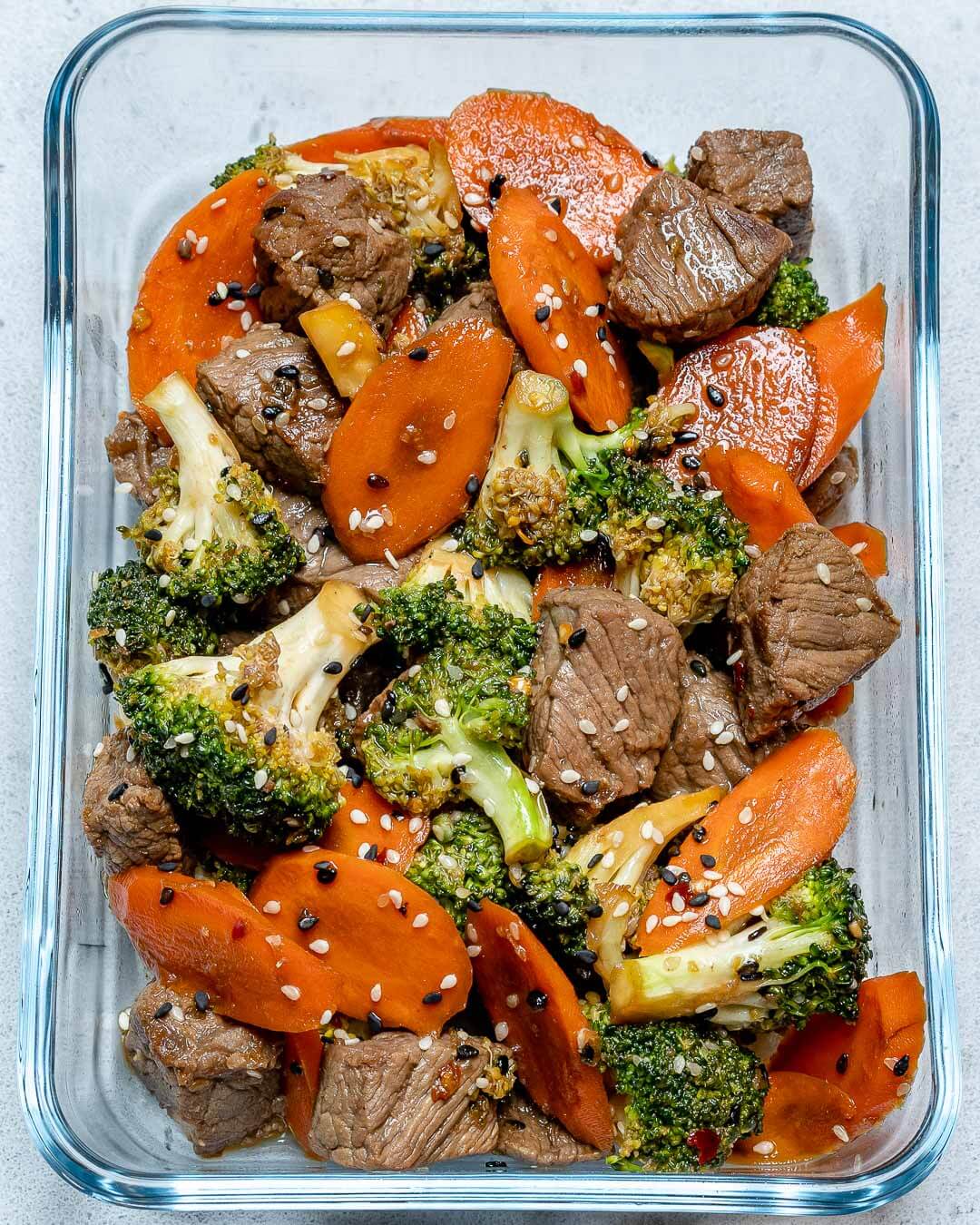
Beef and broccoli stir-fry is a good choice when you want a warm, filling dinner in less time. Thin beef strips cook fast, while broccoli adds color, texture, and fiber. A light sauce made with garlic, ginger, low-sodium soy sauce, and a little vinegar gives the dish plenty of flavor without a heavy coating.
Serve the stir-fry over brown rice or another whole grain. You can also use cauliflower rice or a mix of rice and shredded cabbage if you want more vegetables in the bowl. Cut the beef against the grain to help keep each bite tender.
Source: skinnytaste.com
Prep time
About 15 minutes, plus cooking time.
Cook time
About 10 to 15 minutes, depending on the thickness of the beef and the size of the broccoli pieces.
Serves
Four people when served with rice and vegetables.
Ingredients
Use about 1 pound of lean sirloin, 4 cups of broccoli florets, 1 sliced bell pepper, 2 minced garlic cloves, 1 teaspoon of grated fresh ginger, 2 tablespoons of low-sodium soy sauce, 1 tablespoon of rice vinegar, 1 teaspoon of cornstarch, and 1 teaspoon of oil. Add a splash of water to loosen the sauce if needed.
Optional flavor
Add red pepper flakes, sliced scallions, or a small squeeze of lime.
How to Make It
Slice the beef into thin strips and mix the soy sauce, vinegar, cornstarch, and a little water in a small bowl. Heat the oil in a large skillet over medium-high heat. Cook the beef in batches if the pan is crowded, then transfer it to a clean plate.
Add the broccoli and bell pepper to the pan with a splash of water. Cover for a few minutes to soften the vegetables, then add the garlic and ginger. Return the beef and any safe-to-use cooking juices to the pan, pour in the sauce, and stir until it thickens and the beef reaches a safe temperature.
Make it healthier
Use less sauce if you are watching sodium, and add more broccoli or peppers to increase the vegetable share.
2. Lean Ground Beef and Vegetable Skillet
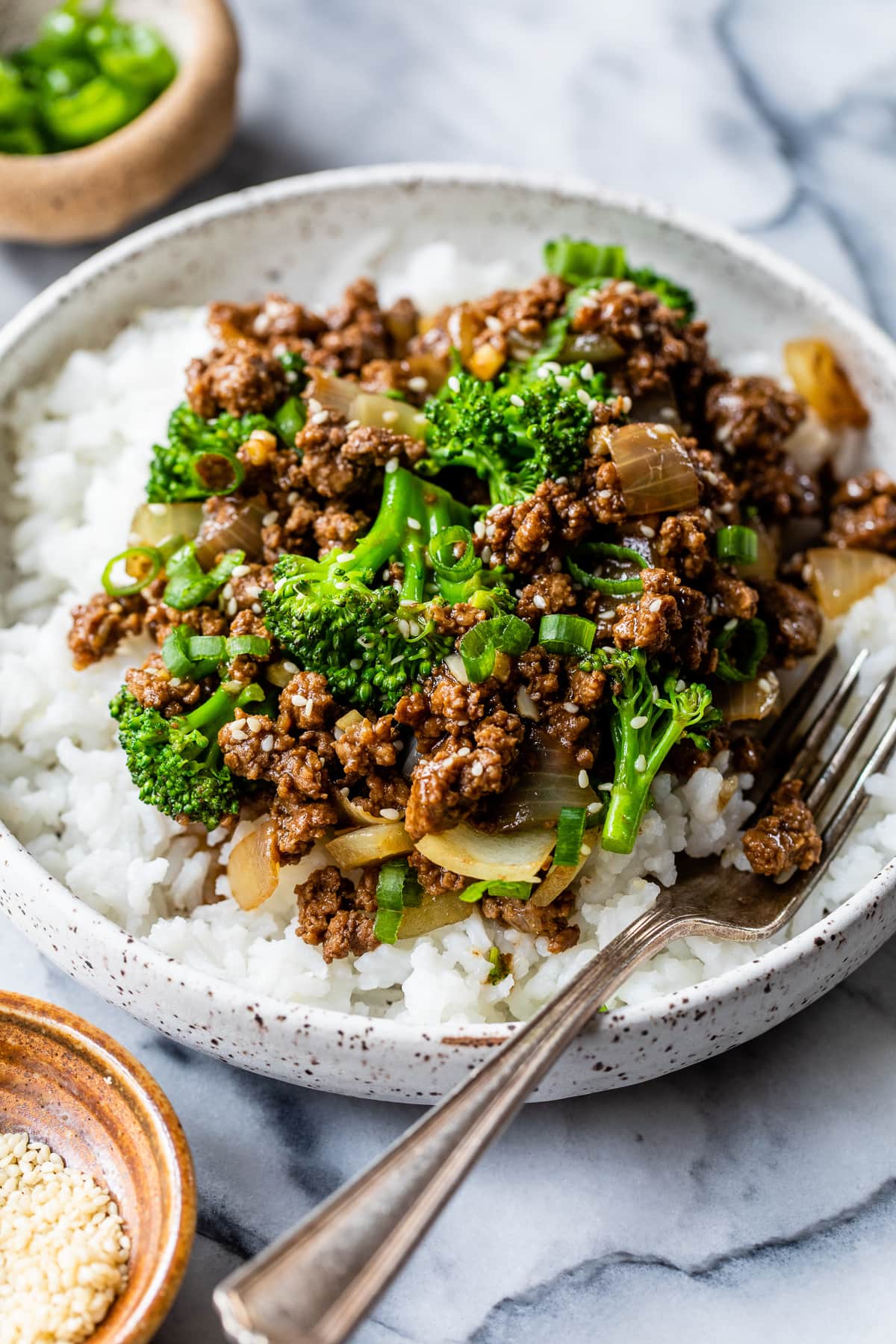
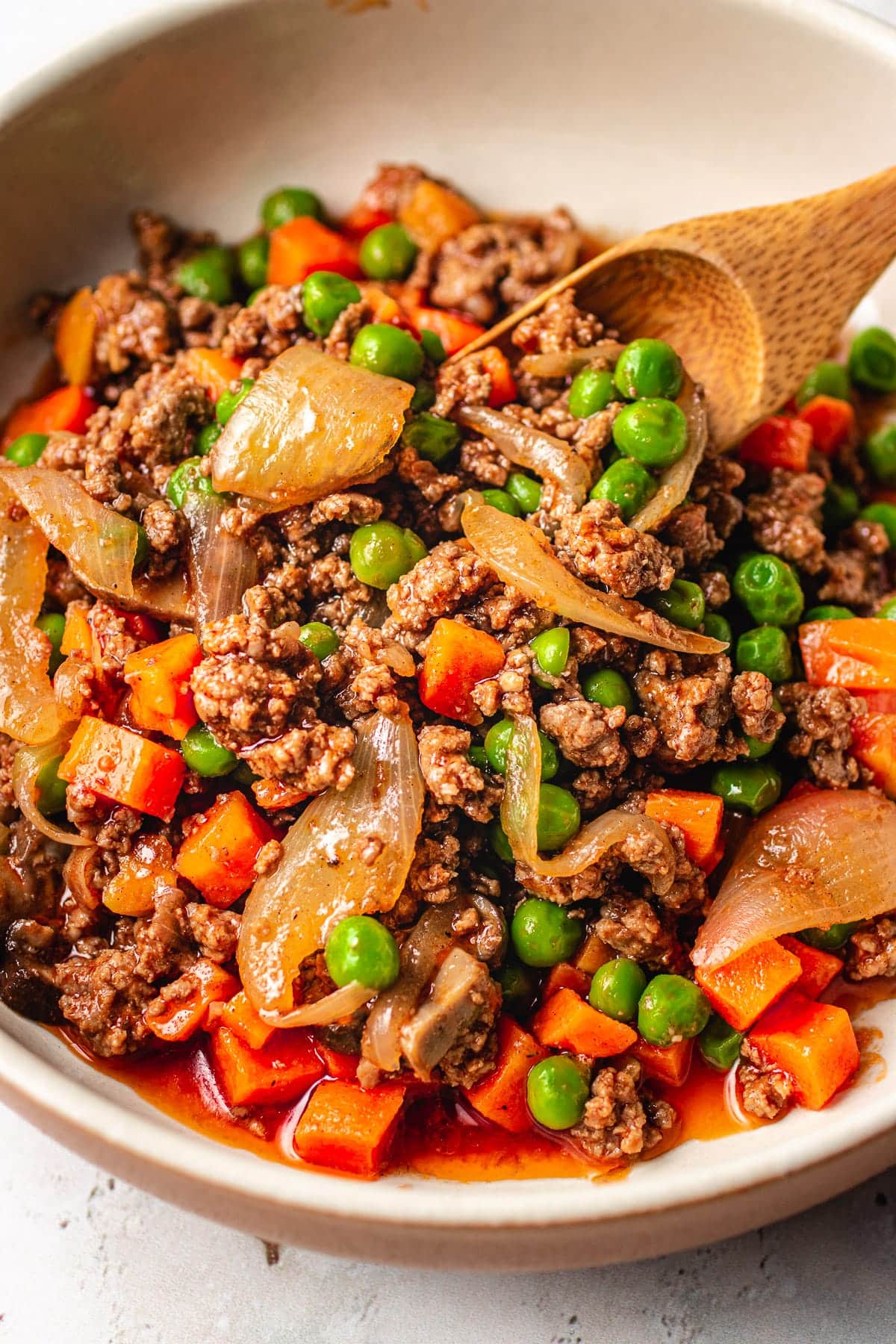
A ground beef skillet is a practical meal for busy weeknights because it uses one pan and common kitchen staples. Lean ground beef cooks with onions, peppers, zucchini, and tomatoes to make a savory mix that works in bowls, wraps, or lettuce cups. The vegetables add bulk and texture without needing a rich sauce.
This dish is easy to adjust to what is in the fridge. Use mushrooms in place of zucchini, add frozen peas near the end, or stir in spinach just before serving. A little smoked paprika, cumin, or chili powder can give the pan a deeper taste.
Source: iheartumami.com
Prep time
About 10 minutes.
Cook time
About 20 minutes.
Serves
Four people.
Ingredients
Gather 1 pound of 90% or 93% lean ground beef, 1 chopped onion, 1 diced bell pepper, 1 chopped zucchini, 1 cup of canned diced tomatoes with no added salt, 2 minced garlic cloves, 1 teaspoon of cumin, 1 teaspoon of paprika, and black pepper to taste.
Optional addition
Add a cup of drained black beans for more fiber and a heartier meal.
Cooking Steps
Heat a large skillet over medium heat and add the ground beef. Break it into small pieces with a spoon and cook until browned. Make sure the ground beef reaches 160°F, checked with a food thermometer. Drain excess fat if needed, following safe handling practices.
Add the onion and bell pepper, then cook until they begin to soften. Stir in the zucchini, garlic, tomatoes, and seasonings. Simmer until the vegetables are tender and the flavors blend. Serve over brown rice, with whole-wheat tortillas, or in lettuce cups.
Avoid a watery skillet
Let excess liquid simmer off without overcooking the vegetables. If using frozen vegetables, add them in stages and allow extra moisture to evaporate.
3. Beef and Roasted Vegetable Bowls
Roasted vegetable bowls make it easy to build a balanced beef meal. The oven brings out the natural sweetness of carrots, onions, peppers, and sweet potatoes, while lean beef adds savory flavor. A whole grain or a small serving of beans can round out the bowl and help keep you full.
This meal also works well for meal prep. Roast the vegetables on a large sheet pan while you cook the beef on the stove or grill. Keep the seasoning simple with olive oil, black pepper, garlic powder, and dried herbs.
Source: jaroflemons.com
Prep time
About 15 minutes.
Cook time
About 25 to 35 minutes, depending on the vegetables.
Serves
Four people.
Ingredients and Method
Use 1 pound of lean sirloin or round steak, 2 cups of broccoli, 2 carrots, 1 bell pepper, 1 small sweet potato, 1 tablespoon of olive oil, and your preferred herbs. Add cooked brown rice or quinoa for the base.
Heat the oven to 425°F. Cut the vegetables into similar-sized pieces, toss them with the oil and seasonings, and spread them on a sheet pan. Roast until tender, turning once as needed. Cook the beef separately to a safe internal temperature, then let whole cuts rest for three minutes before slicing. Build bowls with a grain, vegetables, and beef.
Keep the pan uncrowded
Spread vegetables in a single layer. Too many pieces packed together can trap steam and limit browning.
4. Healthy Beef and Bean Chili
Beef and bean chili is a hearty meal that brings together protein, fiber, and bold flavor in one pot. Beans add fiber and help stretch the beef, while tomatoes, onions, and peppers provide texture. Chili powder, cumin, oregano, and garlic build flavor without relying on large amounts of salt.
Choose lean ground beef and no-salt-added canned beans when possible. Rinse canned beans to remove some of the sodium from the packing liquid. If the chili tastes too sharp, simmer it a little longer or add more vegetables rather than adding sugar by default.
Source: foodiosity.com
Prep time
About 10 minutes.
Cook time
About 35 to 45 minutes.
Serves
Four to six people, depending on serving size.
Ingredients
Use 1 pound of lean ground beef, 1 chopped onion, 1 chopped bell pepper, 2 cans of beans drained and rinsed, 1 large can of crushed tomatoes, 2 minced garlic cloves, 2 tablespoons of chili powder, 1 teaspoon of cumin, and black pepper to taste. Add water or low-sodium broth to reach the texture you like.
Optional toppings
Try chopped onion, fresh cilantro, plain yogurt, or a small amount of shredded cheese.
Cooking Steps
Brown the beef in a large pot, breaking it into small pieces as it cooks. Check that ground beef reaches 160°F, then drain excess fat if needed. Add the onion and bell pepper and cook until they start to soften.
Stir in the garlic, chili powder, cumin, tomatoes, beans, and enough water or broth to loosen the mixture. Bring the chili to a gentle simmer and cook for about 25 to 30 minutes, stirring now and then. Add a little liquid if it becomes too thick.
Serve it with care
Pair chili with a side salad or steamed vegetables. If serving cornbread, choose a portion that fits the rest of the meal.
5. Healthy Beef Lettuce Wraps
Beef lettuce wraps offer a crisp, fresh alternative to a sandwich or tortilla wrap. Lean ground beef cooks with garlic, ginger, carrots, and mushrooms, then gets spooned into sturdy lettuce leaves. The filling is savory and filling, while the lettuce adds crunch with very few calories.
For a more complete meal, serve the wraps with brown rice, edamame, or a small bowl of vegetable soup. Use a light sauce made with low-sodium soy sauce, rice vinegar, and lime juice. If you prefer a little heat, add chili flakes or a small amount of chili paste.
Source: i.pinimg.com
Prep time
About 15 minutes.
Cook time
About 15 minutes.
Serves
Four people as a main dish with sides or a larger shared starter.
Ingredients and Method
Prepare 1 pound of lean ground beef, 1 cup of finely chopped mushrooms, 1 grated carrot, 2 minced garlic cloves, 1 teaspoon of grated ginger, 2 tablespoons of low-sodium soy sauce, 1 tablespoon of rice vinegar, and large lettuce leaves. Brown the beef in a skillet until it reaches 160°F.
Add the mushrooms and carrot, then cook until tender. Stir in the garlic and ginger for the last minute, followed by the soy sauce and vinegar. Spoon the filling into washed and dried lettuce leaves, then top with scallions or fresh herbs.
Choose the right lettuce
Butter lettuce and romaine leaves can hold the filling well. Keep the leaves dry so the wraps are easier to handle.
6. Lean Beef and Sweet Potato Skillet
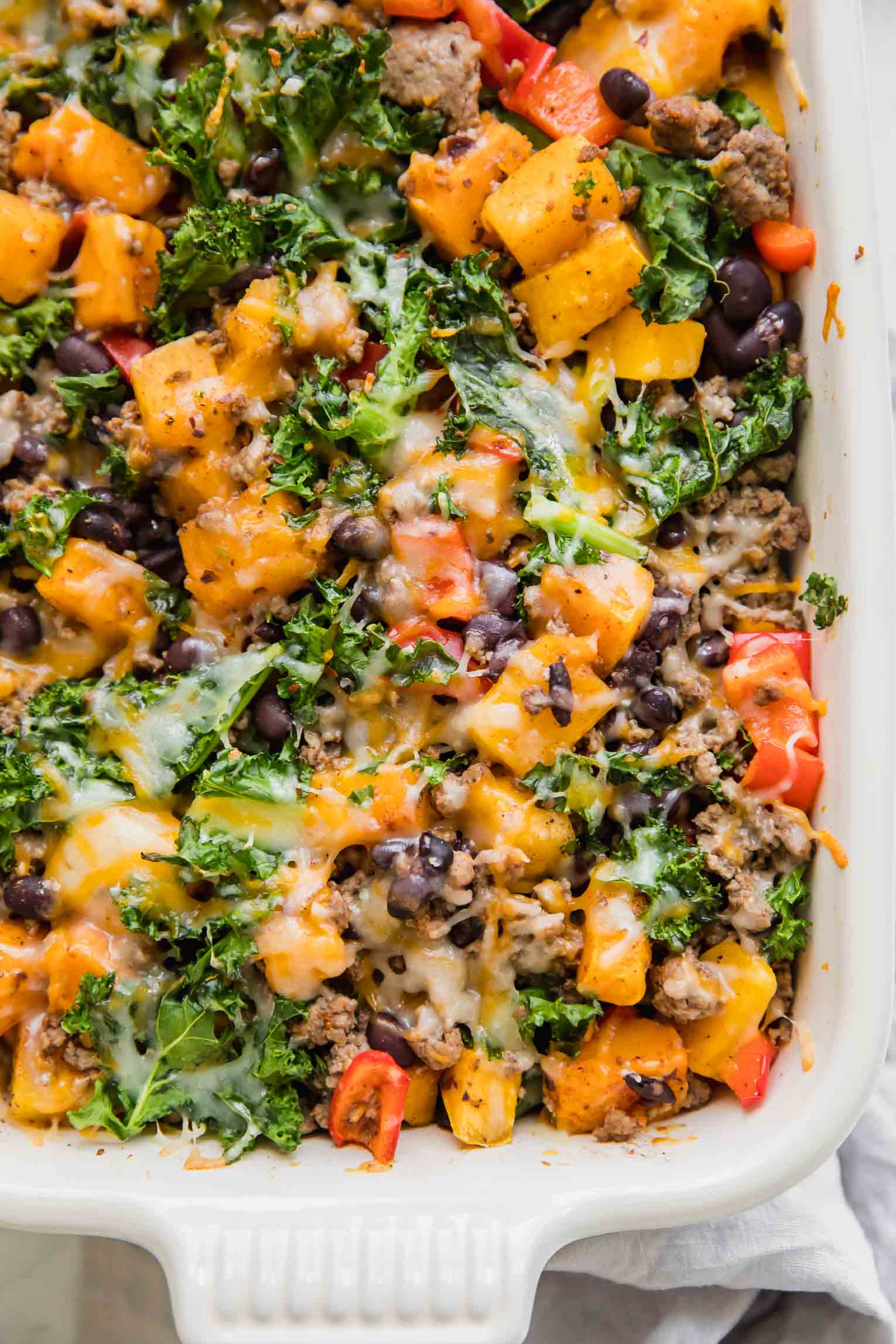
A beef and sweet potato skillet makes a warm, filling dinner from a short list of ingredients. Sweet potatoes add color, texture, and fiber, while lean ground beef supplies protein and iron. Onion, paprika, garlic, and black pepper bring the flavors together.
The main trick is to cook the sweet potato until tender without letting the beef dry out. Cut the potato into small, even cubes and cook them first if they need more time than the meat. A lid and a small splash of water can help soften the cubes.
Source: jaroflemons.com
Prep time
About 10 minutes.
Cook time
About 25 minutes.
Serves
Four people.
Ingredients and Method
Use 1 pound of lean ground beef, 1 large sweet potato cut into small cubes, 1 chopped onion, 1 bell pepper, 1 teaspoon of smoked paprika, 2 minced garlic cloves, and 1 teaspoon of oil. Add black pepper and a small amount of salt if needed.
Heat the oil in a large skillet and cook the sweet potato with a splash of water for several minutes. Cover the pan briefly until the cubes begin to soften, then uncover and let extra moisture cook off. Add the onion, bell pepper, and ground beef. Break up the beef and cook until it reaches 160°F. Stir in the garlic and paprika, then cook until the vegetables are tender.
Add leafy greens
Stir in spinach near the end. The heat will wilt it without a long cooking time.
7. Healthy Beef and Vegetable Soup
Beef and vegetable soup is a useful way to make a satisfying meal with modest portions of beef. Carrots, celery, onions, tomatoes, green beans, and potatoes add flavor and texture to the broth. Lean stew beef works well when given enough time to become tender.
This soup can be made on the stove or in a slow cooker, depending on the cut and recipe. Choose low-sodium broth and taste the soup near the end before adding more salt. If you use leftover cooked beef, add it toward the end so it heats through without becoming tough.
Source: thecleaneatingcouple.com
Prep time
About 15 minutes.
Cook time
About 1 to 2 hours on the stove for stew beef, depending on the cut and cube size.
Serves
Four to six people.
Ingredients and Method
Use about 1 pound of lean stew beef, 1 chopped onion, 2 carrots, 2 celery stalks, 1 cup of green beans, 1 diced potato, 1 can of diced tomatoes, 4 cups of low-sodium broth, and dried thyme. Cut the beef and vegetables into pieces that are easy to eat with a spoon.
Brown the beef in a heavy pot in small batches, then transfer it to a plate. Add the onion and celery, followed by the broth, tomatoes, thyme, and beef. Simmer gently until the beef starts to soften. Add the carrots, potato, and green beans, then continue cooking until both the meat and vegetables are tender.
Keep the broth balanced
Add water if the soup becomes too strong or salty. Finish with parsley, black pepper, or a small splash of vinegar.
8. Healthy Beef Tacos With Fresh Toppings
Beef tacos can fit into a balanced meal when you use lean beef, modest amounts of oil, and fresh toppings. Ground beef seasoned with cumin, chili powder, garlic, and paprika has plenty of flavor without needing a packet of salty seasoning. Whole-grain tortillas, cabbage, tomatoes, and beans can add fiber and texture.
Build each taco with a sensible amount of beef, then pile on shredded cabbage, salsa, and chopped tomatoes. Avocado can add unsaturated fat, while a little plain yogurt can replace some sour cream. Cheese is also an option, but a small amount is often enough to add flavor.
Source: easyandhealthyrecipes.com
Prep time
About 10 minutes.
Cook time
About 15 minutes.
Serves
Four people, depending on the number and size of tortillas.
How to Make Them
Brown 1 pound of lean ground beef in a skillet, breaking it into small pieces. Cook until the meat reaches 160°F. Drain excess fat if needed, then stir in 1 teaspoon of cumin, 1 teaspoon of chili powder, half a teaspoon of paprika, and minced garlic.
Warm whole-grain tortillas according to the package directions. Fill each tortilla with beef and top with shredded cabbage, diced tomatoes, salsa, and a little avocado. Add black beans on the side if you want more fiber and a larger meal.
Watch the extras
Large amounts of cheese, sour cream, and creamy sauces can raise calories and saturated fat quickly. Use them as accents rather than the main topping.
How to Make Beef Meals Healthier Without Losing Flavor
You can improve many beef recipes with a few small changes. Start with the cut of beef, then look at the cooking fat, sauce, vegetable amount, and side dishes. A meal does not need to be bland or dry to be lighter in saturated fat and added salt.
Flavor often comes from browning, spices, fresh herbs, and the natural taste of vegetables. Instead of adding more oil, use a hot pan, cook in batches, and allow moisture to evaporate. For slow-cooked dishes, use enough liquid to prevent scorching and give tougher cuts time to soften.
Use a measured amount of oil
A teaspoon or tablespoon may be enough for a whole skillet, depending on the size of the pan and the recipe. Use a nonstick or well-seasoned pan when suitable.
Add vegetables early or late as needed
Firm vegetables such as carrots need more time than spinach. Add delicate greens near the end to preserve their texture.
Choose sauces with care
Use low-sodium broth, plain yogurt, tomato, vinegar, citrus, or a small amount of soy sauce instead of relying on heavy cream or salty bottled sauces.
Make whole grains part of the meal
Brown rice, barley, whole-wheat pasta, and quinoa can provide more fiber than many refined grain options.
Fresh and Frozen Vegetables Both Work
Fresh vegetables are not the only good choice for a healthy beef dinner. Frozen broccoli, peas, spinach, green beans, and mixed vegetables can be convenient and nutritious. Choose plain frozen vegetables when possible, since some seasoned blends contain added salt or sauces.
For stir-fries
Thaw or drain vegetables when needed, then cook off excess water before adding sauce.
For soups and chili
Frozen vegetables can go straight into simmering dishes, though they may need a few extra minutes.
Can You Use Canned Foods?
Canned tomatoes and beans are useful pantry staples for beef meals. Look for no-salt-added tomatoes and beans when available, or rinse regular canned beans under running water. Canned foods can reduce prep time and food waste without making the meal less useful.
Check the label
Compare sodium per serving and serving size. A product labeled reduced sodium may still contain a meaningful amount.
Best Cooking Methods for Healthy Beef Recipes
The cooking method affects texture, flavor, and how much added fat a recipe needs. Grilling, roasting, broiling, stir-frying, and simmering can all work well. Choose the method that suits the cut: quick cooking for tender steaks and thin strips, or slow cooking for tougher stew cuts.
Use a food thermometer rather than judging doneness by color alone. Beef can brown before it reaches a safe temperature, and ground beef may look done before all parts have reached the required temperature.
Grilling
Grill lean steaks or kebabs and serve them with vegetables. Avoid charring the surface, and trim visible fat when practical.
Stir-frying
Cut beef into thin strips and use a hot pan. Cook in batches to help the meat brown instead of steam.
Roasting
Roast lean cuts with herbs and vegetables. Use a thermometer to check the thickest part.
Braising and simmering
Cook tougher cuts in liquid until tender. Skim excess fat from the surface when useful.
Safe Internal Temperatures for Beef
The USDA recommends cooking whole cuts of beef, such as steaks and roasts, to at least 145°F, followed by a three-minute rest. Ground beef should reach 160°F because grinding can spread harmful bacteria through the meat. Check the temperature with a food thermometer in the thickest part or at several points for thin or uneven pieces.
Whole cuts
Cook to 145°F and rest for at least three minutes before cutting or serving.
Ground beef
Cook to 160°F. Do not rely on the color of the meat as the only safety check.
Leftovers
Reheat leftovers to 165°F. Refrigerate perishable food within two hours, or within one hour when the temperature is above 90°F.
How to Plan a Week of Healthy Beef Dinners
A simple meal plan can help you use ingredients before they spoil and cut down on weeknight work. Choose a few recipes that share vegetables, seasonings, or grains. You can cook one batch of rice, wash vegetables, and portion out sauces ahead of time without fully cooking every meal on the same day.
Beef does not need to be the main protein at every dinner. Alternate beef meals with fish, chicken, eggs, beans, lentils, or other protein sources to add variety to the week. The goal is a useful routine that fits your budget, taste, and schedule.
Monday
Beef and broccoli stir-fry with brown rice.
Tuesday
Bean and vegetable soup with a small portion of leftover beef, if safely stored.
Build your list around ingredients that can be used in more than one meal. Buy lean beef in the amount you expect to use, then freeze portions you will not cook soon. Store raw beef separately from ready-to-eat foods to prevent cross-contamination.
Beef
Lean ground beef, sirloin strips, or lean stew beef.
Vegetables
Broccoli, bell peppers, onions, carrots, spinach, zucchini, and cabbage.
Grains and beans
Brown rice, whole-wheat tortillas, oats or barley for soup, and canned beans.
Flavor basics
Garlic, ginger, cumin, paprika, chili powder, black pepper, vinegar, and low-sodium broth.
How to Store Cooked Beef
Place cooked beef meals in shallow containers and refrigerate them promptly. Most cooked leftovers can be kept in the refrigerator for three to four days. Freeze portions that you will not use within that time, and thaw frozen food in the refrigerator, in cold water with suitable precautions, or in the microwave rather than leaving it on the counter.
Keep portions separate
Store rice, beef, and vegetables in clean containers if you want to adjust portions or keep textures distinct.
Reheat thoroughly
Heat leftovers to 165°F and stir dishes such as chili or soup to distribute heat evenly.
Common Mistakes to Avoid
A healthy recipe can lose some of its balance through large portions, heavy sauces, or poor cooking habits. Small changes usually make a bigger difference than trying to remove every source of fat or flavor. Focus on the full meal and how often you eat it.
Using too much oil
Measure the oil rather than pouring freely. A well-heated pan and batch cooking can help with browning.
Choosing a sauce without checking sodium
Soy sauce, stock cubes, bottled marinades, and seasoning packets can add a lot of sodium. Compare labels and use smaller amounts when needed.
Serving beef without plant foods
Add vegetables, beans, or whole grains to bring more fiber and variety to the plate.
Cooking ground beef by sight alone
Brown color does not guarantee safety. Use a thermometer and cook ground beef to 160°F.
Leaving leftovers out too long
Refrigerate cooked beef within two hours, or within one hour in temperatures above 90°F. Discard food left out longer than the recommended limit.
Assuming every lean recipe suits every health need
People with specific medical or dietary needs may need tailored advice about sodium, saturated fat, iron, or portion sizes. A clinician or registered dietitian can help when general guidance is not enough.
How Often Can You Eat Beef?
Beef can be part of a balanced diet, but variety matters. Red meat provides useful nutrients, yet many dietary patterns also emphasize plant proteins, fish, poultry, whole grains, fruits, and vegetables. The right amount depends on overall eating habits, personal health needs, and the type of beef you choose.
Processed meats, such as many sausages, bacon products, and deli meats, differ from fresh beef because they are cured, smoked, salted, or otherwise processed. For everyday meals, fresh lean beef paired with vegetables and whole grains is a practical option. You can also use beans or lentils to replace part of the meat in chili, tacos, and skillet dishes.
Choose variety
Rotate beef with poultry, fish, eggs, tofu, lentils, and beans through the week.
Focus on the overall meal
The amount of vegetables, whole grains, added salt, and saturated fat also shapes the meal’s nutritional value.
Consider your needs
If you have a condition that affects your diet, seek guidance from a qualified health professional rather than following a single serving rule.
Frequently Asked Questions
Q
What is the healthiest way to cook beef?
Grilling, roasting, stir-frying, and simmering can all be part of a healthy cooking routine. Use lean cuts, limit added oil, and pair the beef with vegetables and whole grains. Cook beef to the safe internal temperature for its form, and avoid relying on color alone to judge doneness.
Q
Which beef is best for healthy dinners?
Lean cuts such as sirloin, top round, and eye of round are useful for many dinners. Lean ground beef is practical for tacos, chili, soups, and skillet meals. Check the package label because fat content can vary by cut and product.
Q
Can ground beef be part of a healthy diet?
Yes. Lean ground beef provides protein, iron, zinc, and vitamin B12. Pair it with vegetables, beans, or whole grains, and limit excess oil and salty sauces. Cook ground beef to an internal temperature of 160°F.
Q
How can I make beef recipes lower in calories?
Choose lean beef, measure cooking oil, and use vegetables to add volume to the meal. Try tomato-based sauces, broth, herbs, and spices in place of heavy cream sauces. Serve a sensible portion of beef with vegetables and a moderate serving of rice, potatoes, or another grain.
Q
What vegetables go well with beef?
Broccoli, carrots, peppers, mushrooms, cabbage, spinach, green beans, onions, and zucchini all pair well with beef. Use firm vegetables in roasted dishes and soups, and add leafy greens near the end of cooking. Mixing several colors is an easy way to bring more variety to the plate.
Q
How long does cooked beef last in the fridge?
Most cooked beef leftovers can be refrigerated for three to four days when chilled promptly and kept at 40°F or below. Store them in shallow, covered containers and reheat to 165°F. Freeze portions you will not eat within that period.
Q
Can I use frozen vegetables in healthy beef recipes?
Yes. Plain frozen vegetables are convenient and can work well in stir-fries, soups, chili, and skillet meals. Add them in a way that lets excess water cook off, and check the package for added sauces or salt.
✦ Wrapping Up
Conclusion
Healthy recipes with beef can be simple, tasty, and practical for everyday meals. Lean beef pairs well with broccoli, peppers, beans, sweet potatoes, and whole grains. A few basic cooking skills and simple seasonings can help you make satisfying meals without relying on large amounts of oil, salt, or rich sauce.
Start with one recipe that fits your schedule. Beef and broccoli works well for a quick dinner, chili is useful for batch cooking, and roasted vegetable bowls make it easy to prepare balanced portions. Change the vegetables, grains, and spices to suit your taste, and rotate beef with other protein sources through the week.
💡 Key Takeaway
Choose one lean beef recipe for your next dinner, add at least one generous serving of vegetables, measure the added oil and sauce, and use a food thermometer to cook the beef safely.