Blind baking a pie shell means baking the crust before adding its filling. Fit chilled pie dough into a pie plate, line it with parchment paper or foil, add pie weights or dry beans, and bake at 375 degrees F until the edges begin to set. Remove the weights and liner, then bake longer if the recipe calls for a fully baked shell.
A flaky pie crust can make a big difference at an American holiday table. From Thanksgiving pumpkin pie to a summer lemon tart, the crust needs to hold its shape and stand up to the filling. Blind baking helps you get there, especially when the filling is wet or needs little time in the oven.
The method is simple, but a few details matter. Cold dough helps limit shrinkage, weights keep the base from puffing up, and the right baking time helps the bottom turn firm and crisp. The best method also depends on whether your pie will return to the oven or needs a crust that is fully baked from the start.
Blind baking is the process of baking pie dough before you add the filling. The shell may be baked for a short time or until it is fully cooked, depending on the recipe. The term does not mean that you must bake without looking at the crust.
The method gives the dough time to set before a wet filling can soak into it. It also helps the crust hold its shape and develop a firm base. This matters most when the filling cooks faster than the dough or does not need baking at all.
You can blind bake homemade pie dough or many store-bought pie crusts. The exact time depends on the dough, the depth of the pie plate, the oven, and the final use of the shell.
Source: i.pinimg.com
Partial blind baking
The crust bakes until it starts to set but is not fully browned. Use this method when the filled pie will return to the oven and the crust needs a head start.
Full blind baking
The shell bakes until the base looks dry and the crust has a light golden color. Use it for fillings such as chilled cream, pudding, or some fresh fruit fillings that do not require further baking.
When Should You Blind Bake a Pie Crust?
Blind baking is useful when a filling contains plenty of moisture or does not spend much time in the oven. It can also help when you want to prepare the crust before making the filling.
A pumpkin pie usually needs only partial blind baking when the recipe calls for it. A chilled chocolate cream pie often needs a fully baked shell because the filling sets in the refrigerator. Quiche and other savory pies may also benefit from a head start, but follow the recipe because fillings and crusts vary.
Wet fillings
A short bake can help the base set before a liquid filling goes in.
No-bake fillings
A fully baked shell gives the filling a cooked, firm crust to rest on.
Make-ahead pies
A baked shell can be cooled before you prepare or add the filling, provided the recipe allows this.
What You Need Before You Start
Gather the pie shell, a pie plate, parchment paper or foil, and something to weigh the dough down. You also need a baking sheet and oven mitts. Having everything ready makes it easier to handle the crust before the dough warms up.
A standard 9-inch pie plate is a common size in American kitchens, but use the size called for in your recipe. A deeper dish holds more filling and may need a different amount of dough and a longer bake. The instructions below give a useful starting point rather than a fixed rule for every pie.
Source: onehotoven.com
Pie dough
Use homemade dough or a refrigerated store-bought crust that fits your pie plate. If frozen, follow the package directions for thawing and baking.
Parchment paper or aluminum foil
Use one to line the crust and separate the dough from the weights. Parchment often lifts away easily, while foil can fit closely against the sides.
Pie weights
Ceramic or metal pie weights are reusable. Dry beans or uncooked rice can also serve as weights, but set them aside for baking use after they have been heated this way.
Fork and baking sheet
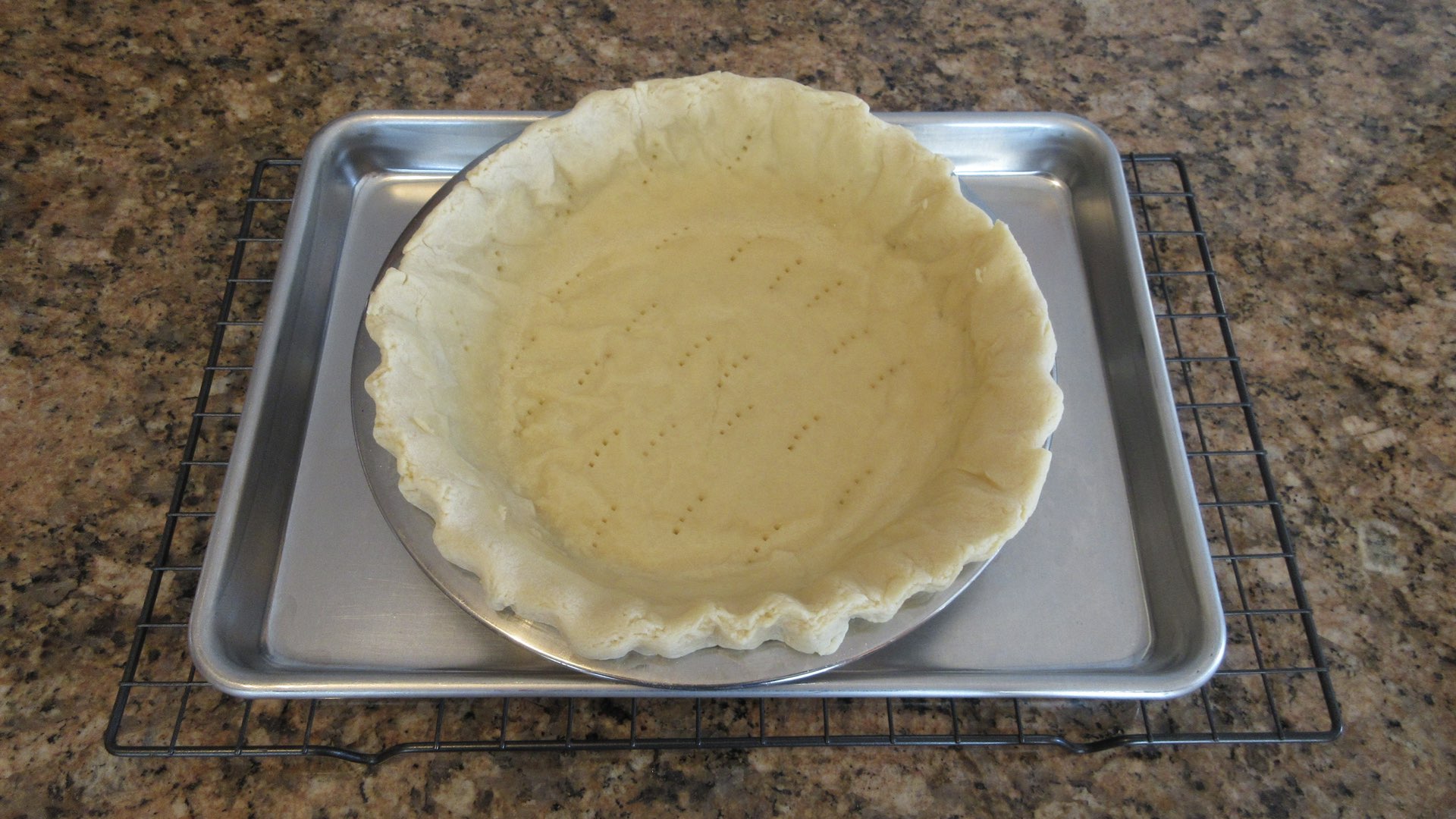
A fork may be used to prick the base when the recipe recommends it. A baking sheet makes the pie plate easier to move and can catch small drips.
Can You Blind Bake Without Pie Weights?
Yes. Dry beans or uncooked rice can hold the dough in place while it bakes. Fill the lined shell well enough to support the base and sides, and lift the liner carefully when the weights are hot.
Sugar is another option used in some baking methods because it can fill the shell closely and transfer heat around the crust. It may be toasted during use, so consider whether you want to keep it for later baking. A second pie plate can sometimes help hold dough in place, but the fit and material must be suitable for oven use.
Best reusable option
Ceramic or metal pie weights are made for repeated use and are easy to store.
Low-cost option
Dry beans or rice work well as baking weights when placed inside a heat-safe liner.
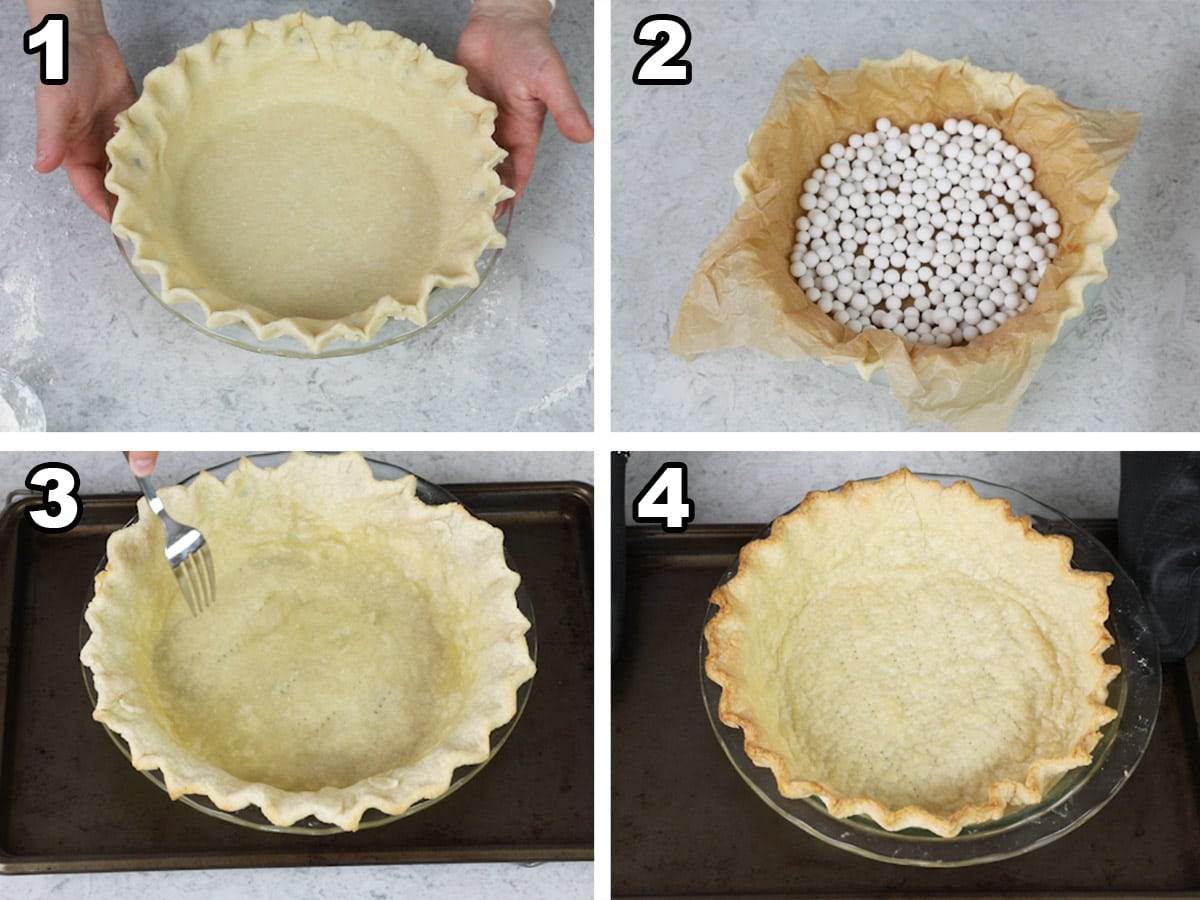
How to Blind Bake a Pie Shell Step by Step
The most reliable approach is to chill the shaped dough, bake it with weights, then remove the weights and finish baking as needed. For many standard pie crusts, 375 degrees F is a useful starting point, but a recipe or package may call for a different temperature. Check the crust as it bakes instead of relying on the clock alone.
Source: sugarspunrun.com
Step 1: Fit the dough into the pie plate
Roll the dough to an even thickness and place it in the plate. Press it gently into the bottom and corners without stretching it. Trim and shape the edge as your recipe directs.
Step 2: Chill the shaped shell
Place the lined or unlined shell in the refrigerator until the dough feels firm. Chilling helps the fat stay cold and gives the dough time to relax, which can reduce shrinkage.
Step 3: Heat the oven
Preheat the oven to the temperature stated in your recipe. If there is no specific direction, 375 degrees F is a reasonable starting point for many pie crusts.
Step 4: Line the crust
Fit parchment paper or foil into the chilled shell. Press it gently against the base and up the sides so it follows the shape of the dough.
Step 5: Add the weights
Fill the liner with pie weights, dry beans, or rice. Spread the weight across the base and into the lower sides rather than leaving a large empty space in the center.
Step 6: Bake with the weights
Set the pie plate on a baking sheet if that makes handling easier. Bake until the edge looks set and starts to turn pale gold. For many crusts, this stage takes around 15 to 20 minutes, but dough type and oven conditions can change the timing.
Step 7: Remove the liner and weights
Use oven mitts and lift the liner slowly. Keep your hands away from steam, and place the hot weights in a heat-safe bowl to cool.
Step 8: Finish baking if needed
For a partially baked shell, return the crust to the oven only as directed by the recipe. For a fully baked shell, continue baking until the bottom looks dry and the crust turns golden. This often takes another 5 to 15 minutes, but watch the color and texture.
Step 9: Cool before filling
Place the baked shell on a heat-safe rack. If the filling is added later, let the crust cool as directed so trapped steam does not soften it.
How to Tell When the Crust Is Ready
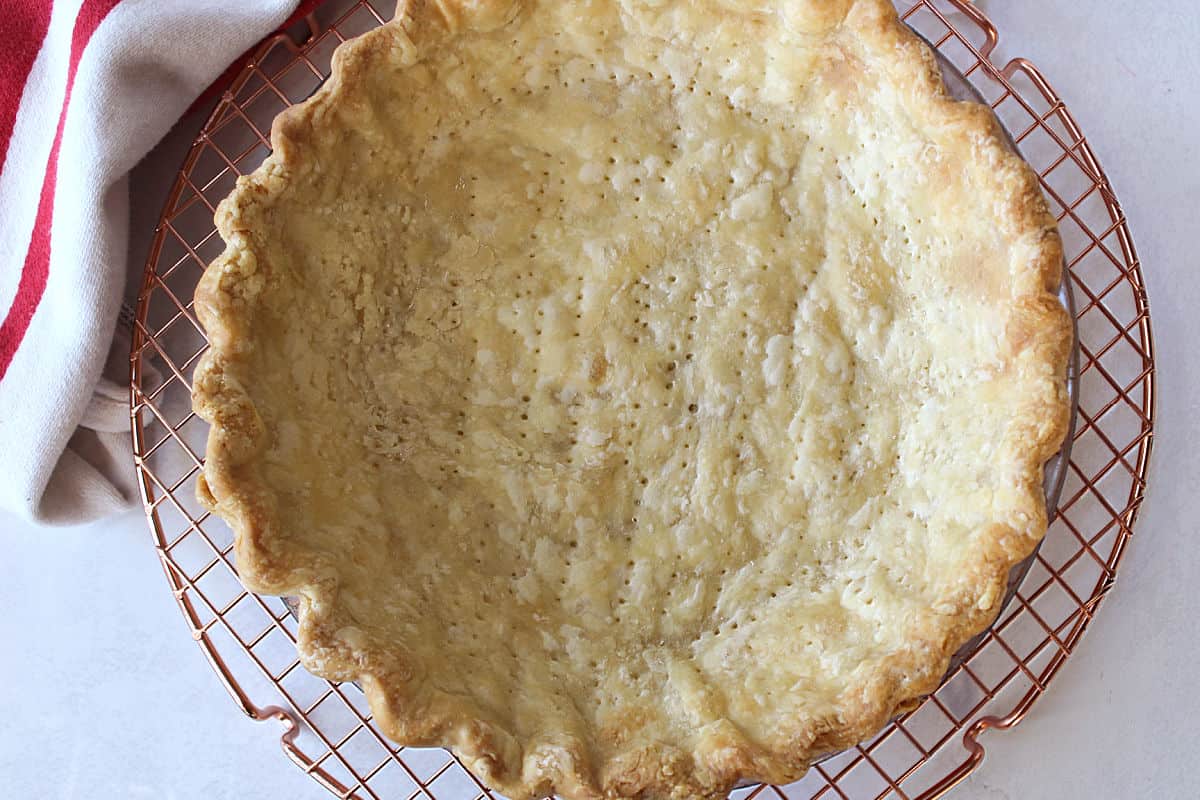
A partially baked shell should look set rather than raw or glossy. The edge may be pale gold, while the base has begun to lose its wet look. It should still have room to bake with the filling if the recipe calls for a second bake.
A fully baked shell should have a dry-looking base and an even golden color. The bottom should not look like soft, wet dough when you remove it from the oven. If the edge browns much faster than the center, check the oven temperature and consider shielding the edge with a suitable pie shield.
For partial baking
Look for a set crust with little or no raw shine. Avoid browning it too much before adding a filling that needs a long bake.
For full baking
Look for a dry base and golden color across the bottom and sides. Let it cool before adding a filling that does not need baking.
How Long Should You Blind Bake a Pie Shell?
Blind baking time depends on the crust recipe, oven temperature, pie plate, and whether you need a partial or full bake. A time range is helpful, but the color and feel of the crust matter more than reaching an exact minute. Begin checking early if you are using a thin crust or a dark metal pan.
Source: everydaypie.com
Partial bake
A common starting range is about 15 to 20 minutes with weights, followed by a short additional bake if the recipe calls for it. The shell should be set but not fully browned.
Full bake
A common starting range is about 15 to 20 minutes with weights, followed by roughly 5 to 15 minutes without them. The crust should be dry and golden, but some recipes take longer.
Store-bought crust
Follow the package instructions first. Commercial crusts can differ in thickness, ingredients, and whether they are supplied frozen or refrigerated.
Temperature and Pan Material Matter
A metal pie plate often heats differently from a thick ceramic or glass plate. Oven behavior also varies, so the same dough can brown at different rates in different kitchens. Use the temperature specified by the recipe whenever possible.
Do not raise the heat simply because the crust seems slow to brown. A high temperature can darken the rim before the base has dried. If the bottom remains pale, remove the weights and allow more baking time while checking the edge often.
Dark metal pans
These may brown the crust more quickly, so check the edges before the usual end of the time range.
Glass or ceramic plates
These may respond to heat differently from metal. Follow the recipe and judge doneness by the crust, not color alone.
Partial Baking vs. Full Blind Baking
The main difference is how much cooking the shell needs before the filling goes in. Partial baking gives the dough a head start, while full blind baking cooks the shell so it can hold a filling without another long oven bake. Picking the right method helps prevent a pale base or an overcooked rim.
Source: insanelygoodrecipes.com
Choose partial baking when
The filling will be baked in the shell and the recipe calls for prebaking. The crust needs to set before it is exposed to moisture.
Choose full baking when
The filling will be added after baking and does not need to go into the oven. The crust must be fully cooked before you fill it.
Which Method Works for Common Pies?
Pumpkin pie recipes vary, so check whether the crust should be prebaked. Some recipes call for filling an unbaked shell, while others benefit from a short blind bake. Follow the method that matches your specific recipe rather than treating every pumpkin pie the same.
Lemon meringue pie often uses a fully baked shell because the filling may be cooked separately before it is added. Cream pies also commonly need a fully baked crust. Quiche may use a partially baked shell to help the base set before the egg mixture goes in.
Pumpkin pie
Use the crust preparation specified in the recipe. A partial bake may help, but it is not required by every formula.
Lemon meringue pie
Many recipes use a fully baked shell because the filling is prepared separately and the assembled pie needs little or no further crust baking.
Chocolate cream pie
A fully baked and cooled shell is commonly used for a filling that sets in the refrigerator.
Quiche
Partial baking is common when the recipe aims to reduce a damp base under the egg filling.
Fresh fruit pie
A fully baked shell may work when the fruit filling is added without baking, but the filling may need a thickener to prevent excess liquid.
How to Stop a Pie Shell From Shrinking or Bubbling
A shrinking shell often means the dough was stretched, too warm, or not given enough time to relax. Bubbling usually happens when steam gets trapped under the dough and lifts the base. Chilling the shaped shell and using weights can help control both problems.
Source: busycreatingmemories.com
Keep the dough cold
Chill the shaped crust before baking. If the dough softens while you work, put it back in the refrigerator until firm.
Do not stretch the dough
Ease it into the corners of the plate. Stretching it to fit can cause it to pull back during baking.
Use enough weight
Spread the weights over the base and lower sides. A thin layer may not hold the dough in place as well as a fuller layer.
Prick only when appropriate
A fork can make small holes that let steam escape, but use this step according to the recipe. Holes may allow liquid filling to seep into the crust if used in the wrong situation.
Should You Freeze the Pie Shell Before Baking?
Freezing the shaped shell for a short time can help it stay firm before it goes into the oven. Some recipes call for chilling only, while others recommend freezing the dough. Follow the recipe because the best preparation depends on the fat, flour, and dough method.
A frozen shell may need extra time in the oven, and the liner and weights must be suitable for the conditions. Do not put a glass or ceramic pie plate through a sudden temperature change unless its manufacturer confirms that it can handle it.
Use a freezer-safe plate
Check the plate maker’s guidance before moving a cold dish into a hot oven.
Watch the edges
If the rim begins to brown before the base is done, protect the edge with a suitable pie shield.
How to Fix Common Blind Baking Problems
Most blind baking problems come from dough that is too warm, weights that do not cover the shell well, or a crust that needs more time. Check the symptoms before changing the oven temperature. A small adjustment during the bake is often better than starting over.
Source: inlaurasbakery.com
The bottom is pale or soft
Remove the weights and bake longer if the crust is not yet browned. Check that the oven is fully heated and avoid filling the shell before the base has reached the doneness your recipe needs.
The sides have slumped
The dough may have been warm or stretched. Chill the shaped shell before baking and support the sides with enough weights. For the next pie, allow the dough to rest after rolling.
The base has large bubbles
Steam may have lifted the dough. Use weights that cover the base and follow the recipe’s guidance on docking, which means pricking the dough with a fork.
The rim is too dark
The edge may be exposed to more heat than the center. Use a pie shield or carefully cover the rim with foil, keeping the foil away from heating elements.
The crust is greasy
The fat may have melted before the dough set. Chill the dough more thoroughly and avoid handling it for too long. Check the oven temperature if the crust repeatedly loses its shape.
The base is hard instead of flaky
The crust may have baked too long, or the dough may have been worked too much. Mix only until the dough holds together and stop baking when the shell reaches the color and texture needed for the filling.
Can You Repair a Crust That Has Already Shrunk?
A shell that has already shrunk cannot usually be returned to its original size after baking. If the base is still sound, you may be able to use it with a smaller amount of filling. A shallow shell can also work for some tarts or other desserts, provided the filling fits safely inside.
For the next bake, leave enough dough to form the rim, avoid pulling the dough across the plate, and chill it before baking. These steps give the dough a better chance to keep its shape.
If the shell is still usable
Choose a filling that fits the baked shell without spilling over the edge.
If the shell has cracked badly
Use it only if the recipe can tolerate the damage, or start again with a better-chilled shell.
Tips for a Crisp Bottom and Better Flavor
A crisp pie base starts with even dough and enough baking time. The goal is to dry and set the bottom without burning the rim. Small choices before and during baking can make the finished shell more reliable.
Source: sugarspunrun.com
Roll to an even thickness
Very thin spots may brown or tear before thicker parts finish baking. Aim for an even sheet and check the base where it meets the sides.
Use a suitable rack position
A lower-middle rack can help the bottom receive enough heat, but follow the position specified in your recipe.
Avoid excess flour
Too much flour during rolling can leave dry patches and affect the crust texture. Brush off loose flour before fitting the dough into the plate.
Cool the shell properly
Cooling allows the crust to settle before filling. For chilled pies, follow the filling recipe’s cooling and refrigeration directions.
Keep moisture in mind
Even a fully baked shell can soften after contact with a wet filling. Add the filling as close to serving time as practical when the recipe allows.
Can You Brush the Crust With Egg Wash?
Some recipes use egg wash or a thin layer of egg white to help seal the crust. The best timing varies. A common approach is to brush the base lightly after the weights come out, then return the shell to the oven for a short bake so the coating sets.
Do not add an egg wash automatically to every pie shell. It can affect color and texture, and the coating must be cooked properly. Follow the specific recipe, especially if the crust will be used for a delicate filling.
Use a thin coat
A thick layer can pool in low spots and change the texture of the base.
Bake until set
Return the shell to the oven for the time the recipe gives, and make sure the coating is no longer wet.
Can You Blind Bake a Frozen or Store-Bought Pie Shell?
Yes, many frozen and refrigerated pie shells can be blind baked, but the package directions should come first. Some frozen crusts are designed to bake from frozen, while others need thawing or a short rest before they go into the oven. The wrong preparation can make the crust crack or bake unevenly.
If the shell comes in a foil plate, check that the package says it is suitable for the intended oven use. Place the shell on a baking sheet if needed for support. Add a liner and weights only when the crust and packaging instructions allow it.
Source: jacksonsjob.com
Read the package
Check the oven temperature, whether to thaw the crust, and whether weights or pricking are recommended.
Inspect the frozen shell
If it has cracks, follow the package’s handling directions and avoid forcing the cold dough into a new shape.
Check early
Packaged shells may be thinner than homemade crusts and can brown sooner.
Can You Blind Bake Puff Pastry?
Puff pastry can be baked before a filling is added, but it behaves differently from standard pie dough. Its layers rise as the water in the dough turns to steam, so the method depends on whether you want a flat shell or a puffed border.
Use a recipe written for puff pastry when making a tart shell or pie base. The weight, docking method, temperature, and baking time may differ from those used for a traditional butter pie crust.
For a flat base
A recipe may call for docking and a liner with weights to limit puffing.
For a raised edge
The recipe may leave the border unweighted so the pastry can rise around the filling.
How to Store a Blind-Baked Pie Shell
A fully baked shell can often be made ahead, which helps when you are preparing several dishes for a holiday meal or family gathering. Let the shell cool fully before covering it. Trapped heat can create moisture that softens the crust.
For short storage, keep the cooled shell covered in a cool, dry place if the recipe and room conditions allow it. For longer storage, freezing may be a better choice. Keep food safety in mind, especially in warm or humid conditions, and refrigerate filled pies according to the filling recipe.
Source: kingarthurbaking.com
At room temperature
Store a completely cooled, unfilled shell in an airtight container for the short period recommended by your recipe.
In the freezer
Wrap the cooled shell carefully to reduce freezer burn and protect it from breakage. Thaw it as directed before adding the filling.
After filling
Follow the filling’s storage rules. Cream, custard, egg, and dairy-based fillings generally require refrigeration.
How to Make the Crust Crisp Again
If an unfilled crust has softened during storage, a brief return to the oven may help remove some moisture. Use a moderate temperature and watch closely because a fully baked shell can darken quickly. Let it cool before adding the filling.
Do not try to crisp up a filled pie unless the recipe calls for reheating. Cream and custard fillings may need careful temperature control, and some fillings are meant to be served cold.
Reheat only the empty shell
A short bake can help dry the crust, but the shell should not be left unattended.
Keep filled pies safe
Use the storage and reheating instructions for the filling rather than relying on crust texture alone.
A Simple Blind Baking Checklist
Before you add the filling, check the shell against the needs of the recipe. This short review can help you catch problems while there is still time to fix them.
Source: onehotoven.com
The dough was chilled
The shell was firm before baking, which helps it hold its shape.
The liner covered the dough
Parchment or foil reached across the base and up the sides without large gaps.
The weights were spread evenly
The base and lower sides had enough support to reduce puffing and slumping.
The bake matched the filling
The shell was partially baked or fully baked as the recipe required.
The crust cooled as needed
The shell reached the proper stage before the filling went in.
Frequently Asked Questions
Q
Do I need to poke holes in a pie crust before blind baking?
Not always. Some recipes call for docking the dough with a fork, while others rely on parchment and weights to keep the base flat. Follow the method for your crust and filling. Holes can allow liquid to seep through, so they may not suit every pie.
Q
Should I use parchment paper or foil for blind baking?
Both can work when they are suitable for the oven temperature in your recipe. Parchment often lifts away easily, while foil can fit closely against the sides. Press the liner gently into the shell and leave enough material to lift it without touching the hot weights.
Q
Can I use sugar instead of pie weights?
Yes, some baking methods use granulated sugar as a weight because it fills the shell closely. The sugar may toast during baking, which can affect its flavor. Use a method that gives clear directions for the oven temperature and whether the sugar can be saved for later use.
Q
Why is my blind-baked pie crust still soggy?
The shell may need more time after the weights are removed, or the filling may release moisture into the crust. Check the bottom before filling and bake it until it reaches the level of doneness the recipe requires. A fully baked shell may still soften after it sits with a wet filling.
Q
Can I blind bake a pie crust the day before?
Yes, a fully baked shell can often be prepared a day ahead. Cool it completely, then cover and store it as directed by your recipe. Add the filling at the right time, and refrigerate the finished pie if the filling requires it.
Q
Do I have to thaw a frozen pie crust before blind baking?
It depends on the product. Some frozen shells are meant to bake from frozen, while others need thawing or resting first. Read the package instructions before adding weights or changing the oven temperature.
Q
Can I blind bake a pie shell without lining it?
A liner is usually the easiest way to keep the weights from sticking to the dough and to remove them safely. Baking without a liner can make cleanup and removal harder and may damage the shell. Use a liner and oven-safe weights unless your recipe gives another tested method.
✦ Wrapping Up
Conclusion
Blind baking a pie shell helps the crust set before a wet filling can soften it. The basic steps are simple: fit the dough into the pie plate, chill it, line it, add weights, and bake until the shell reaches the stage your recipe needs. A partially baked crust suits many pies that return to the oven, while a fully baked shell works for many chilled or no-bake fillings.
Keep an eye on the crust rather than relying on a fixed time. A dry base, a firm shape, and a suitable golden color are better signs of doneness than the timer alone. With the right method, you can prepare a shell that supports the filling and gives each slice a better texture.
💡 Key Takeaway
Before baking, decide whether your filling needs a partially baked or fully baked shell. Chill the shaped dough, line it with parchment or foil, add enough weights to support the base and sides, and check the crust as it bakes.