A commonly cited starting recipe uses 1 tablespoon of potassium bicarbonate in 1 gallon of water. However, a registered garden fungicide’s label should take priority over a homemade mixture because the safe rate depends on the product, plant, and disease. Test a small area first, and never assume that food-grade powder is approved for use as a pesticide.
Powdery mildew is a familiar problem in American home gardens. It can coat squash leaves, rose foliage, grape vines, and many ornamental plants with a white, dusty film. A plant may still look healthy at first, but the spots can spread as new leaves grow. Gardeners often look for a simple spray that can help slow the disease without adding a long list of chemicals to their routine.
Potassium bicarbonate is a salt used in some commercial fungicides. It can help control certain fungal diseases, especially powdery mildew, when applied at the right rate and with good coverage. University of California and University of Florida gardening guidance also warns that bicarbonate sprays can cause plant injury and may offer limited control. The goal is to use the right product for the right plant, not to spray every leaf with a stronger mix.
This guide explains the commonly cited recipe, how to prepare a small batch, when to spray, and what to do if the treatment fails. It also explains why potassium bicarbonate is not the same as baking soda. For American gardeners growing food crops or ornamental plants, the safest first step is to identify the disease and check the product label before mixing anything.
Potassium bicarbonate is a white, water-soluble salt with the chemical formula KHCO3. It is the active ingredient in some fungicides made for gardens, greenhouses, orchards, and farms. These products are used to manage certain fungal diseases on plants.
The salt changes the chemical conditions on a treated leaf surface. Bicarbonate products can interfere with the growth of susceptible fungi, including powdery mildew fungi. The exact effect depends on the formulation, concentration, coverage, and disease stage. It is a contact treatment, so the spray must reach the parts of the plant where the fungus is growing.
Potassium bicarbonate is not a general cure for every white spot, brown patch, or yellow leaf. Powdery mildew, downy mildew, leaf spots, rusts, and bacterial diseases have different causes and may need different treatments. Correct identification matters before choosing a spray.
Source: shop.myfood.eu
Potassium bicarbonate
A salt used as the active ingredient in some plant fungicides. It is different from the sodium bicarbonate found in common baking soda.
Powdery mildew
A group of fungal diseases that often produces white or gray powdery patches on leaves, stems, and other plant parts.
Contact fungicide
A treatment that works on surfaces it reaches. New growth and untreated leaf areas may remain unprotected.
Why Gardeners Use It
Many gardeners choose potassium bicarbonate because some commercial formulations are permitted in organic production and can fit into an integrated pest management plan. Organic status does not mean that a product is harmless to plants, people, or other organisms. It also does not guarantee strong disease control in every situation.
Potassium bicarbonate is most useful when the target disease is susceptible and treatment begins early. Severe infections can be harder to manage, especially when much of the foliage is already covered. Removing badly affected leaves and improving growing conditions can help, but the plant may not recover all of its damaged tissue.
Best fit
A correctly identified, susceptible fungal disease on a plant covered by the chosen product’s label.
Poor fit
An unknown plant problem, a bacterial disease, root rot, or a plant that is already badly stressed.
Potassium Bicarbonate Fungicide Recipe
A commonly cited garden recipe uses 1 tablespoon of potassium bicarbonate per 1 gallon of water. This ratio appears in extension advice about treating powdery mildew, but it should not be treated as a universal application rate. Commercial formulations can differ in purity, particle size, additives, and label directions. A rate that is suitable for one formulation or plant may injure another.
For the safest approach, use a potassium bicarbonate fungicide registered and labeled for your intended plant and disease. Measure the amount stated on that label rather than automatically using the tablespoon recipe. If you cannot confirm that the product is intended for plant disease control, do not use it as a substitute for a labeled fungicide.
The simple mixture below explains the commonly cited ratio for educational purposes. It does not establish that the mixture is approved or safe for every crop, and it should not override a product label.
Source: organicapproach.com
Commonly cited starting ratio
1 level tablespoon of potassium bicarbonate per 1 US gallon of water, only where the product directions and local requirements support this use.
Water
Use clean water and a clean spray container. Do not add household chemicals or other pesticide products without label permission.
Optional additives
Do not automatically add vegetable oil, dish soap, horticultural oil, or a wetting agent. These can change leaf safety and spray performance.
How Much Mixture Do You Need?
The amount you prepare should match the area you plan to treat. A small garden may need only a little spray, so there is no reason to make a full gallon if the labeled directions allow a smaller batch. Always scale a verified product rate accurately instead of guessing.
For the commonly cited ratio, one-half gallon of water would correspond mathematically to one-half tablespoon of powder. This is a calculation of the same ratio, not a recommendation to use that concentration on an untested plant. A scale that measures small amounts can be more reliable than a spoon, especially when the label gives a rate by weight.
Small batch
Calculate the amount from the verified label rate and the volume of water you need.
Large batch
Do not multiply a household recipe for a large garden unless the intended formulation and label support that rate.
How to Prepare a Potassium Bicarbonate Spray
Prepare the spray only after you have identified the likely disease, checked the label, and confirmed that the plant is covered by the product directions. A clean measuring tool and a dedicated spray bottle help prevent accidental mixing with cleaners, fertilizers, or other garden chemicals.
Avoid preparing a stronger solution because the first spray did not seem to work. More powder does not always mean better control. A high concentration may burn leaves, leave deposits, or make a plant’s condition worse.
Source: morr.com
Step 1: Read the label
Check the target disease, plant species, application rate, protective equipment, weather limits, reapplication interval, and any harvest waiting period.
Step 2: Measure the water
Use a clean container and the water volume stated in the product directions.
Step 3: Measure the product
Measure only the amount specified by the label. Do not assume that a food-grade product and a formulated fungicide behave the same way.
Step 4: Mix as directed
Add the material in the order stated on the label and stir or shake as instructed. Do not add oil, soap, or other ingredients without authorization.
Step 5: Check the mixture
Make sure the powder is dispersed as directed and the sprayer is working properly. Do not use a mixture that contains unexpected debris or contamination.
Step 6: Apply a small test spray
Treat a small part of the plant first and watch for leaf spotting, browning, curling, or other signs of injury before wider use.
Should You Add Vegetable Oil or Dish Soap?
Not by default. Some published home-garden recipes suggest adding oil to improve coverage, but that does not make oil a safe addition to every bicarbonate mixture. Oils and soaps can injure leaves, especially during hot weather or when plants are under drought stress. Their safety also varies by crop and product.
Dishwashing liquid is not the same as a labeled insecticidal soap or fungicide adjuvant. Household detergents may contain ingredients that damage the waxy surface of leaves. If a product label recommends a specific compatible spreader or oil, use only the permitted material at the stated rate.
Use a tank mix or additive only when the relevant labels permit it and the plant can tolerate the combination.
Which Plant Diseases Can It Help Control?
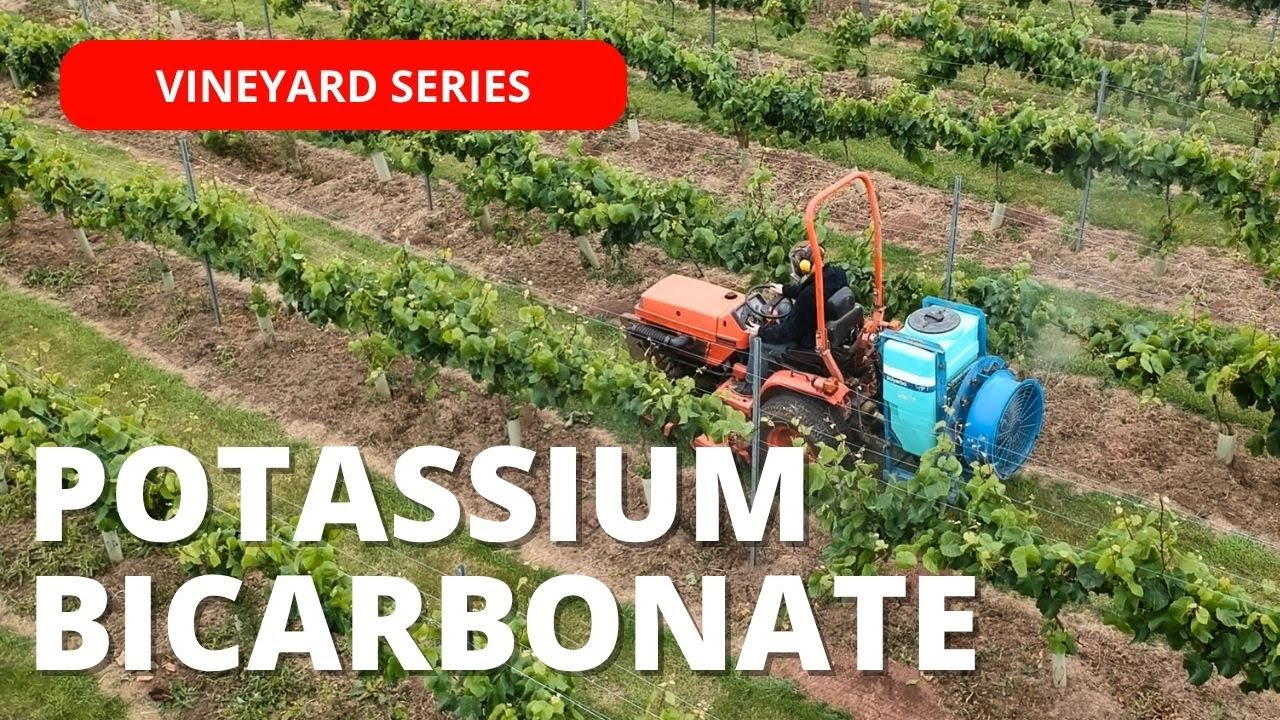
Potassium bicarbonate is most closely associated with powdery mildew control. Some registered products list additional fungal diseases and crop uses, but those uses depend on the exact label. Never assume that a product approved for roses is also approved for every vegetable, fruit tree, or houseplant.
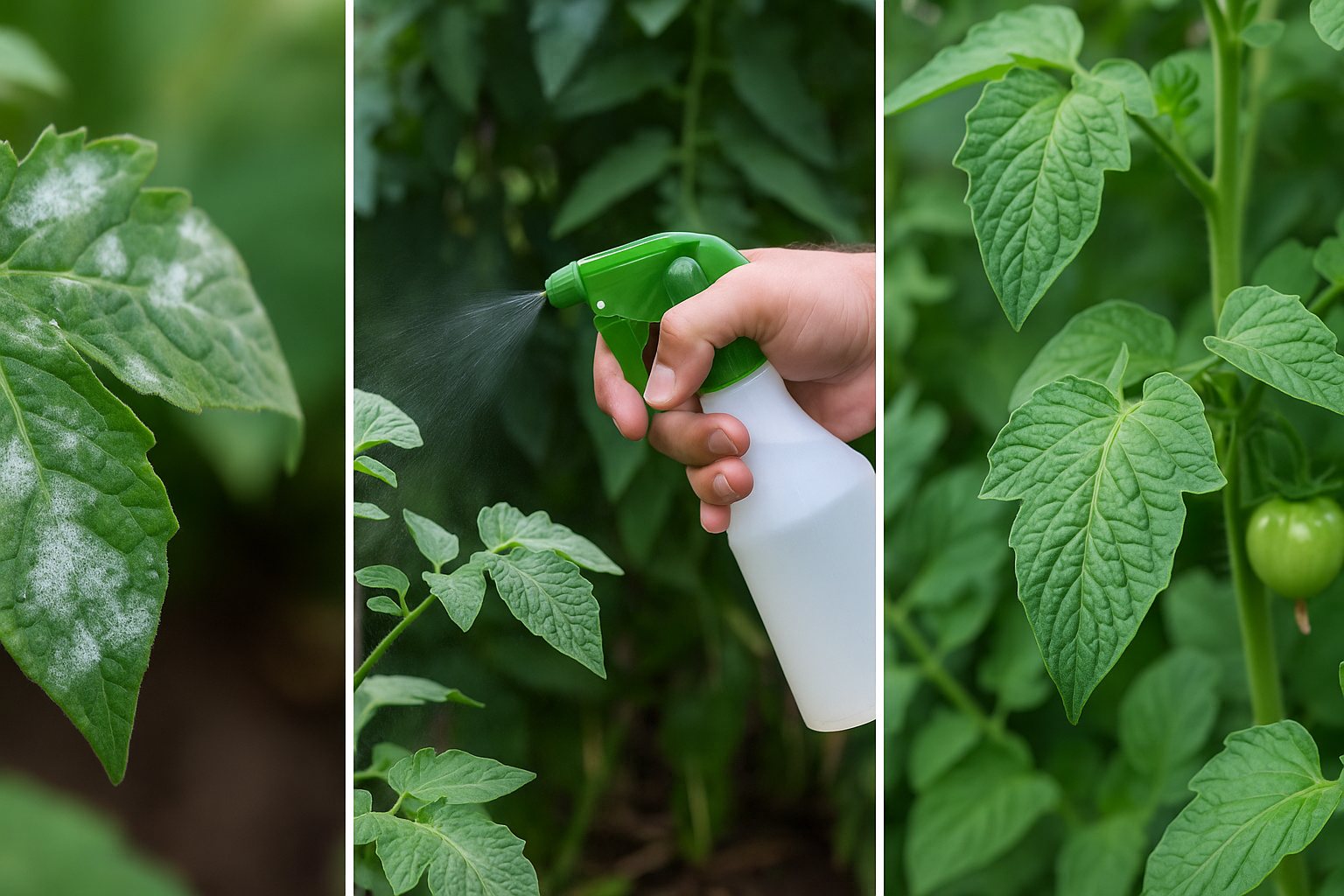
Powdery mildew often looks like white flour dusted across the leaf surface. The patches may expand, merge, and cause leaves to yellow or distort. Some diseases that look similar need different management, so inspect both the pattern of damage and the affected plant before choosing a treatment.
Source: bulkagrochem.com
Roses
Powdery mildew may appear as white patches on leaves and new shoots. Use only a product labeled for roses.
Squash and cucumbers
Powdery mildew is common on cucurbits. Confirm that the fungicide label includes the crop and disease.
Grapes
Powdery mildew can affect leaves and fruit. Commercial grape uses may have crop-specific rates and timing rules.
Ornamental plants
Susceptible flowers and shrubs may benefit from a suitable labeled treatment, but foliage sensitivity varies by species and cultivar.
How to Tell Powdery Mildew From Other Problems
Powdery mildew often creates distinct white or gray patches on the surface of leaves. Downy mildew can produce different symptoms, including yellow areas on the upper surface and growth on the underside under suitable conditions. Neither pattern alone confirms the diagnosis in every case.
Mineral residue, spray deposits, insect damage, and other leaf diseases can also create pale marks. If the signs do not match a familiar pattern, take clear photos of the whole plant and affected leaves. A local Cooperative Extension office can help with identification.
Check both sides
Look at the upper and lower leaf surfaces, stems, and new growth.
Look for spread
Note whether the white areas expand over time or remain as fixed residue.
Check the plant’s history
Record recent watering, weather, fertilizer use, and any sprays already applied.
When and How Often Should You Spray?
Begin treatment when the disease is first detected, provided the product label allows that use. Early treatment can be more useful than waiting until much of the foliage is covered. Potassium bicarbonate works through contact, so thorough coverage of the affected surfaces matters.
There is no single reapplication interval that fits every product and plant. Some commercial fungicide labels specify intervals around seven to ten days, while other products may use different schedules. Rain, new leaf growth, disease pressure, and the formulation can affect how long protection lasts. Follow the exact directions on the container.
Choose a suitable time of day and avoid spraying plants that are wilted, drought-stressed, or exposed to conditions that increase the risk of leaf injury. Do not treat in strong wind, when spray may drift onto people or neighboring plants, or when the label’s temperature limits are exceeded.
Source: i.pinimg.com
Spray the right surfaces
Cover the labeled treatment area evenly, including the undersides of leaves when directed. Avoid runoff unless the label specifically calls for it.
Watch the weather
Check the label for rainfastness and temperature restrictions. Do not assume the spray will remain effective after rain.
Inspect before repeating
Check for new disease and signs of plant injury before the next application. Never exceed the labeled frequency.
What Does Successful Treatment Look Like?
Success means that new disease growth slows or stops and healthy new leaves continue to develop. Existing white patches may remain visible for a time, and damaged leaves may not return to their former condition. Judge progress by new growth and the spread of symptoms rather than expecting every marked leaf to look clean again.
If the disease continues to spread, check the diagnosis, coverage, weather, and product rate. Repeatedly spraying a plant with an uncertain diagnosis can waste time and increase the chance of chemical injury.
Signs of progress
Fewer new patches, less spread to healthy leaves, and normal growth on unaffected parts of the plant.
Signs of trouble
Fresh brown spots after spraying, curled edges, rapid yellowing, or continued disease spread despite correct use.
Plant Safety and Common Mistakes
Potassium bicarbonate can damage some plants, even when a product is sold for garden use. The risk depends on the formulation, concentration, plant species, cultivar, weather, and condition of the foliage. University of California guidance warns that bicarbonate products can injure plants affected by powdery mildew, especially when the disease is advanced.
A small test spray is a sensible precaution, but it does not replace label directions. Apply the permitted mixture to a limited area and inspect it over the period recommended by the product manufacturer. If the leaves show damage, stop and seek advice before treating more foliage.
Wear the protective equipment listed on the label. Keep the powder and mixed spray away from children, pets, food, and drinking water. Do not pour leftover pesticide mixture into storm drains, streams, or other waterways. Follow the label and local rules for disposal.
Source: down-ph.img.susercontent.com
Using too much powder
A stronger mix can increase the risk of leaf burn without giving better disease control.
Spraying a stressed plant
Heat, drought, root problems, and other stress can make foliage more vulnerable to injury.
Treating every white spot
Not all pale marks are fungal growth. Confirm the likely cause before selecting a fungicide.
Ignoring the harvest interval
Edible crops may have label requirements for the last application before harvest. Follow the exact directions for the crop.
Assuming organic means harmless
Organic-approved products can still injure plants and affect non-target organisms when used incorrectly.
Can You Use Food-Grade Potassium Bicarbonate?
Food-grade potassium bicarbonate is intended to meet food-use specifications, but that alone does not make it a registered fungicide or establish a safe spray rate. Commercial plant fungicides may use a specific formulation, application rate, and set of permitted crops. A household powder may not have the same directions or performance.
In the United States, pesticide products are subject to federal and state requirements. Use a product intended and labeled for the proposed plant disease treatment, and follow its directions. If the package provides no clear plant-use instructions, do not assume that a food-grade label is enough to justify spraying it on garden crops.
Read the full package
Confirm the product identity, intended use, ingredients, and any safety information.
Choose a labeled product
For a more predictable treatment, select a registered product whose label lists your plant and target disease.
What to Do if the Spray Does Not Work
When a potassium bicarbonate spray fails, do not immediately increase the concentration or add more ingredients. First, confirm that the symptoms are caused by a disease listed on the product label. Then check whether the spray reached the affected surfaces and whether rain or new growth could have reduced its effect.
Severe infections are harder to manage than early ones. A contact fungicide may reduce susceptible fungal growth, but it cannot repair dead tissue or reverse all damage. If most leaves are affected, combine suitable treatment with careful removal of severely infected plant parts and changes to growing conditions.
Source: i.ytimg.com
Check the diagnosis
Compare symptoms with reliable plant disease guidance or ask a local Cooperative Extension office for help.
Check the label rate
Make sure the product and concentration match the directions for that crop and disease.
Improve airflow
Prune only where appropriate and give plants enough space for air to move through the canopy.
Remove badly affected material
Remove severely infected leaves when suitable for the plant, and dispose of them according to local guidance.
Consider another labeled option
If the disease remains active, seek advice about a suitable alternative rather than repeatedly applying a treatment that is not working.
Garden Habits That Help Prevent Powdery Mildew
Good growing conditions can reduce disease pressure and help a fungicide work as part of a wider management plan. Choose plant varieties with resistance to common local diseases when available. Space plants according to their mature size, and prune overcrowded growth when the plant can tolerate it.
Water the root zone when practical, and avoid unnecessary excess nitrogen fertilizer. Powdery mildew can grow in conditions that differ from those favored by many other plant diseases, so do not rely on one watering rule to prevent every fungus. Learn the needs of the plant and use a care plan suited to its growing conditions.
Inspect plants often
Look for early symptoms on new growth, especially on plants that had mildew in past seasons.
Choose resistant varieties
When available, select cultivars with documented resistance to the disease that affects your garden.
Keep plants growing well
Use suitable light, spacing, watering, and soil-based fertilizer decisions to avoid unnecessary stress.
Potassium Bicarbonate vs. Baking Soda
Potassium bicarbonate and baking soda are related but different salts. Potassium bicarbonate contains potassium, while baking soda is sodium bicarbonate. Both contain bicarbonate, which helps explain why both appear in discussions of powdery mildew management.
The two substances are not interchangeable in every recipe. Sodium can build up in soil or on plant surfaces with repeated use, and homemade baking soda sprays can injure foliage at high concentrations or after repeated applications. Potassium bicarbonate products are often preferred for this purpose, but they can still cause plant injury and may not provide strong control under all conditions.
A recipe found online may also combine baking soda with oil or soap. Do not transfer the ingredients or amounts from one mixture to another without evidence that the combination is suitable for the plant. The safer choice is a product with directions for the crop and disease you want to treat.
Source: bulkagrochem.com
Potassium bicarbonate
Used in labeled fungicide formulations for certain plant diseases. The product rate and permitted crops depend on the label.
Sodium bicarbonate
Common baking soda. It is chemically different and can cause plant injury or sodium buildup with repeated use.
Commercial formulations
May include specific ingredients and directions designed for plant disease control. Follow the label instead of substituting a household recipe.
Is Potassium Bicarbonate an Organic Fungicide?
Some potassium bicarbonate fungicide products are approved for use in organic production. That status depends on the exact product and the applicable organic standards. The phrase organic fungicide does not mean that every potassium bicarbonate powder is approved for every crop or use.
Gardeners who grow food for sale under organic standards should check the current requirements that apply to their operation. Home gardeners should still read the product label, use the required protective equipment, and follow all directions for safe application.
Check the exact product
Confirm its current label and any organic certification or listing that matters for your intended use.
Use it as one tool
Combine suitable treatment with plant selection, sanitation, and growing practices that help limit disease.
Frequently Asked Questions
Q
What is the usual potassium bicarbonate fungicide recipe?
A commonly cited starting ratio is 1 tablespoon of potassium bicarbonate per 1 gallon of water. This is not a universal safe rate for all plants or products. Use the rate on a labeled garden fungicide whenever possible, and do not use a stronger mixture to try to speed up results.
Q
How often should I spray potassium bicarbonate on plants?
The correct interval depends on the product, crop, disease, and weather. Some commercial labels specify repeat applications at intervals of about seven to ten days, while others differ. Follow the exact label directions, inspect plants between applications, and never exceed the stated frequency.
Q
Can potassium bicarbonate kill powdery mildew?
Potassium bicarbonate can help control susceptible powdery mildew when applied correctly and with thorough coverage. It may reduce fungal growth, but it does not guarantee complete control, especially when the infection is severe. Remove badly affected material when appropriate and improve plant spacing and airflow.
Q
Can I mix potassium bicarbonate with dish soap or oil?
Do not add dish soap, vegetable oil, horticultural oil, or other products unless the label permits the combination. Household detergents and oils can injure plant leaves, particularly during hot weather or when plants are stressed. Use only compatible additives at labeled rates.
Q
Is potassium bicarbonate safe for vegetable plants?
Safety depends on the exact crop, product formulation, concentration, and application conditions. Choose a fungicide whose label lists the vegetable and target disease. Follow the stated harvest interval and other precautions, and test a small area if the directions support that approach.
Q
Can I use baking soda instead of potassium bicarbonate?
Baking soda is sodium bicarbonate, not potassium bicarbonate. Although both contain bicarbonate, their effects on plants and soil are not identical. Repeated sodium bicarbonate applications can cause leaf damage or sodium buildup, so do not assume that the same recipe works for both salts.
Q
Why are my leaves turning brown after spraying?
Brown spots, curled edges, or sudden leaf discoloration after treatment may indicate spray injury. Possible causes include an overly strong mixture, a sensitive plant, heat, drought stress, or an incompatible additive. Stop further applications, review the label, and seek local extension advice if the damage continues.
✦ Wrapping Up
Conclusion
A potassium bicarbonate fungicide recipe can be useful for managing powdery mildew, but the mixture needs to match the plant and the product. The commonly cited ratio of 1 tablespoon per gallon of water is a starting point found in garden advice, not a rule for every crop. Commercial formulations can have different rates and restrictions, so check the label before mixing.
Good disease control also depends on early identification, thorough coverage, suitable weather, and steady plant care. Remove severely affected leaves when appropriate, improve airflow, and avoid unnecessary plant stress. If symptoms keep spreading, review the diagnosis and choose a labeled treatment suited to the disease rather than making the spray stronger.
💡 Key Takeaway
Before spraying, identify the disease, confirm that your chosen product is labeled for the plant, measure the approved rate, and test a small area. Follow all label directions for application, protective equipment, reapplication, harvest, and disposal.