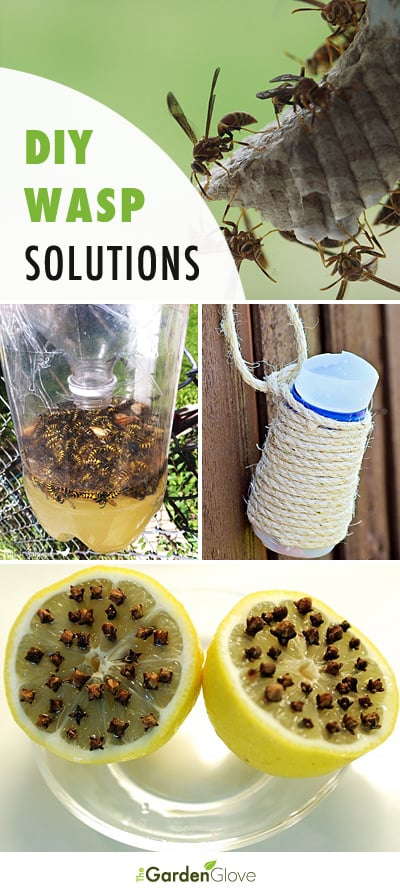
A useful recipe for wasp bait depends on the wasp species and the season. For yellowjackets, a small piece of fresh fish or meat can work in a water trap, while fermenting fruit juice may attract some wasps in late summer and fall. Place traps away from people, pets, and food areas, and never use homemade bait to treat a nest.
In the United States, wasps often become a nuisance around backyard cookouts, garden beds, trash cans, and outdoor dining areas. Yellowjackets may investigate meat, sweet drinks, and ripe fruit left outside. A few visitors can quickly make a family picnic less pleasant, especially when they keep returning to the same food source.
A homemade wasp bait trap may help catch some foraging yellowjackets, but it will not remove an entire colony or guarantee a wasp-free yard. Different species seek different foods, and the best bait can change as the season moves from spring to fall. University of Florida Extension guidance also warns against using honey as bait because it may attract honey bees.
The safest approach starts with identifying the problem. If you see a few wasps searching for food, removing open drinks, fallen fruit, and exposed garbage may solve much of the trouble. If you notice steady traffic into a hole in the ground, a wall, or a roof space, leave the area alone and contact a qualified pest control professional.
The best bait depends on which wasps visit your yard. For yellowjackets that seek protein, a small piece of fresh fish or meat suspended over soapy water is one option. For certain wasps that seek carbohydrates, a fermenting fruit-based bait may attract more insects during late summer and fall.
These methods serve different purposes. Protein bait may be useful when yellowjackets collect food for developing young, while sweet or fermenting food can appeal to foragers seeking energy. Neither mixture works for every species, and some traps may catch other insects.
For a simple starting point, choose one bait type rather than mixing meat, honey, sugar, and several liquids together. A single bait makes it easier to see whether the trap attracts the target insect. Keep the setup small, contained, and well away from places where people spend time.
Source: animalia-life.club
Protein bait
Use a small piece of fresh fish or meat in a purpose-built water trap designed for yellowjackets. Keep the bait inaccessible to children and pets, and replace it before it spoils.
Fruit-based bait
A purpose-built trap may use fermenting fruit juice to attract some wasps. Results vary by species, so avoid placing it near flowering plants or areas used by beneficial insects.
Commercial lure
A lure made for yellowjackets may be more selective than ordinary food bait. Check the product label to learn which species it targets and how it should be used.
Why Fresh Meat Can Work
Yellowjackets are social wasps that hunt insects and collect animal protein for their developing young. Fish and meat can attract workers searching for food to carry back to the colony. This is why a protein bait can be useful in some situations.
Fresh bait matters. Yellowjackets do not reliably prefer rotting meat, and spoiled bait can lose its appeal. It can also create an odor and attract flies, pets, or other unwanted visitors. Replace the bait as directed for the trap and handle it only when the insects are inactive and the trap can be approached safely.
Use a small amount
A large piece is not needed to test whether the bait attracts yellowjackets. Keep the bait inside a secure trap or in a design that prevents access by children and animals.
Do not leave it exposed
Open meat on a plate can attract wasps to the very spot you want to keep clear. Use an appropriate trap and position it away from people.
Why Sweet Bait May Work Later in the Season
Some wasps seek more sweet food as summer moves into fall. Fermenting fruit juice can attract certain species, but the effect is not universal. The local wasp species and the food already available in the yard can change the result.
Do not assume that sweet bait is harmless to pollinators. Honey bees and other insects may visit sugary substances. Avoid honey, keep traps away from flowers and bee hives, and choose a more selective option when protecting beneficial insects is a priority.
Watch what visits
If bees or other beneficial insects enter the trap, stop using that bait and switch to a more selective approach.
Keep food covered
Cover outdoor drinks and meals instead of using a sweet trap near a patio or picnic table.
How to Choose Bait for the Season
Season affects what many yellowjackets seek, but it does not provide a perfect rule for every wasp. In spring, protein may appeal to workers gathering food for developing young. During late summer and fall, some species spend more time looking for sweet foods around homes and gardens.
University of Florida Extension describes protein baits such as hamburger as useful options in spring and carbohydrate baits as possible choices later in the year. The guidance also stresses that bait preferences vary by species. Treat the calendar as a starting point, not a guarantee.
Source: ar.inspiredpencil.com
Spring
If yellowjackets are collecting protein, a suitable protein-bait trap may be worth considering. Trapping queens early may help prevent some nests from forming, but results depend on the species, timing, and number of queens.
Summer
Food waste, outdoor meals, pet food, and fallen fruit may draw foragers. Remove these sources first. A trap may catch some insects, but it is not a substitute for sanitation or nest management.
Late summer and fall
Some yellowjackets become more interested in sweet foods. Fermenting fruit bait may attract certain species, but honey and open sugar mixtures can also attract bees and other insects.
A Simple Bait Selection Table
Use this table to narrow your choice. It summarizes general patterns rather than promising a certain catch rate. If you cannot identify the insect, avoid experimenting near a nest or a busy outdoor area.
Yellowjackets seeking protein
Consider a secure trap made for fresh fish or meat bait. Keep it away from pets and human activity.
Wasps visiting ripe fruit
Remove fallen fruit first. A suitable fermenting-fruit trap may help with some species, but do not put it beside the fruit tree or outdoor seating.
Bees visiting flowers
Do not use honey or open sweet bait nearby. Leave the flowers undisturbed and seek advice if you cannot distinguish the insects.
Many wasps flying to one spot
Look for a possible nest only from a safe distance. Do not dig, seal a hole, or spray into an opening. Contact a pest control professional.
How to Set Up a Homemade Wasp Bait Trap Safely
A trap should catch foraging wasps without bringing them closer to people. Before setting one up, read the instructions for the trap you plan to use. Choose a design that contains the bait, limits escape, and can be checked without putting your hands near active insects.
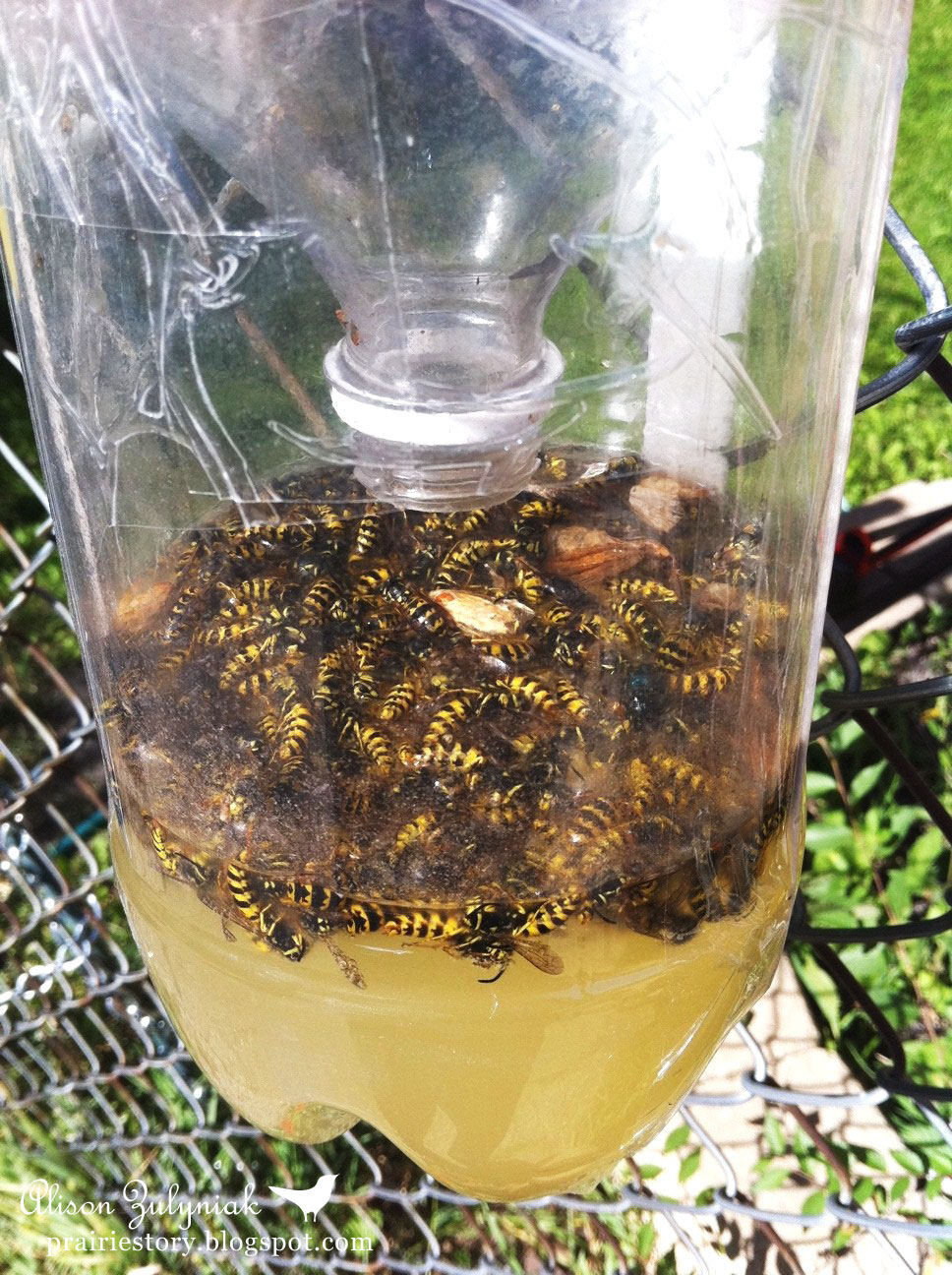
A water trap designed for yellowjackets may use a small piece of protein bait suspended above soapy water. The insects may attempt to carry away the food and fall into the water. This method is not suitable for every wasp, and an uncovered bucket may pose risks to pets, wildlife, or small children.
If you are unsure whether a homemade trap can be made secure, use a commercially made trap according to its label or skip trapping. Removing food sources is often the better first step when only a few wasps are visiting.
Source: www.pinterest.com
Step 1: Choose the right location
Place the trap near the outer edge of the area you want to protect, well away from doors, patios, play areas, pet bowls, and food tables. Never place it next to a nest entrance.
Step 2: Use one suitable bait
Follow the trap’s instructions and choose bait intended for the target species. Do not add household cleaners, pesticides, or other chemicals to the bait.
Step 3: Secure the trap
Set it on a stable surface or hang it securely as the design requires. Keep it out of reach of children and animals, and prevent access to standing water.
Step 4: Observe from a distance
Check whether the trap attracts the intended wasps without standing beside it. If it draws insects toward a walkway or catches beneficial insects, discontinue use and reassess the location.
Step 5: Maintain it carefully
Follow the manufacturer’s instructions for replacing bait and emptying the trap. Do not open or handle a trap while live wasps remain inside. If it cannot be serviced safely, leave it alone and seek professional advice.
Where Should You Place a Wasp Trap?
The outer edge of the area you want to protect is generally a better choice than the center of a patio. A trap near a picnic table may attract more wasps into the space where people eat. A trap near a door may also increase unwanted encounters.
Keep the trap well away from flowering plants and bee hives. Do not place it beside a suspected nest, and never reach into shrubs, wall gaps, or other hidden spaces to install one. If wasps repeatedly fly into the same hole, leave that area undisturbed.
Good locations
A quiet outer boundary with little foot traffic, away from food, pets, and pollinator activity.
Poor locations
Patios, playgrounds, outdoor kitchens, doorways, paths, flowering beds, and areas where people regularly work.
How to Tell Whether Your Wasp Bait Is Working
A working trap attracts the target insects and keeps them contained. You may see wasps approach the trap, enter it, or become caught inside. However, a few captured insects do not prove that the trap has reduced the local population or made the yard safe.
Judge the result by what happens around the area you want to protect. If wasps still gather around uncovered food or a nest entrance, the trap is not solving the main problem. Yellowjacket colonies can contain many workers, and ordinary food-bait traps often catch only a small share of the insects visiting a property.
Do not move an active trap closer to a patio simply because the catch seems low. A better location, a different suitable bait, or removing the food source may help. If the activity remains high or you suspect a nest near people, stop experimenting and seek professional help.
Source: macgyverisms.wonderhowto.com
Signs the bait attracts wasps
Target insects visit the trap, and some enter without escaping. Other insects may also visit, so identify the catch before deciding the method is suitable.
Signs the setup needs a change
The trap attracts bees, insects gather near a walkway, the bait spoils, or the trap cannot be checked safely.
Signs of a possible nest
Repeated flights into one ground hole, wall opening, roof gap, or enclosed space. Do not block the entrance or investigate at close range.
What If the Trap Catches Nothing?
First, check whether wasps are still present in the yard. If you no longer see them, the lack of a catch may simply mean the trap is not needed. If they remain, consider whether the bait suits the species and season.
Next, look for easier food sources such as uncovered drinks, pet food, open trash, or fallen fruit. These can compete with the bait. Do not keep adding stronger odors or extra ingredients in an attempt to force a result.
Finally, check the trap instructions. Some commercial lures need replacement after a set period, while fresh food bait can lose its appeal quickly. Replace or remove bait only when it is safe to do so.
Wrong bait
Try a suitable bait type for the suspected yellowjacket behavior, or choose a trap designed for the identified species.
Poor placement
A trap near people may create more trouble. Move away from active areas only if it can be handled safely and no nest is nearby.
Large colony
A small trap cannot reliably control a large colony. Contact a licensed pest control professional when activity is heavy or persistent.
Common Mistakes to Avoid When Making Wasp Bait
A homemade trap can create new problems if it attracts insects toward the wrong place or is left where children and pets can reach it. Keep the method simple and use it only when the target is clear. More bait or more chemicals do not automatically mean better control.
The biggest mistake is treating a trap as a nest treatment. A bait trap may catch individual foragers, but it does not reliably reach the queen or the full colony. If wasps are entering a building or emerging from a ground opening, the problem needs a different response.
Source: fivespotgreenliving.com
Using honey as bait
Honey may attract honey bees as well as wasps. Avoid it, especially near flowers, bee hives, or places where pollinators feed.
Putting the trap beside food
A trap near a grill, picnic table, or outdoor kitchen can bring wasps into a busy area. Place it well away from these locations.
Leaving spoiled bait for too long
Rotting food can lose its appeal and attract flies or animals. Follow the trap directions and replace food bait as needed.
Adding household chemicals
Never mix bleach, ammonia, cleaners, insecticides, or other chemicals into homemade food bait. These additions can expose people, pets, wildlife, and waterways to avoidable hazards.
Blocking a nest hole
Sealing a ground hole or wall opening may force wasps to seek another exit, possibly into a building. Leave the nest undisturbed and contact a professional.
Expecting a trap to clear the yard
Traps catch some insects but rarely remove all foraging activity. Combine any suitable trapping method with food control and safe nest management.
Do Homemade Wasp Baits Kill Bees Too?
They can. The risk depends on the bait, trap design, placement, and insect species. Open sweet liquids and honey may draw bees, while some more selective yellowjacket lures are designed to attract particular wasps.
Check the trap often from a safe distance to see which insects are visiting. If you find bees or other beneficial insects, stop using that bait. Avoid placing traps near flowering plants and hives, and consider whether removing food waste will solve the issue without trapping.
Protect pollinators
Avoid honey and open sugar mixtures, keep traps away from flowers, and stop using a trap that catches bees.
Use targeted methods
Choose a trap or lure labeled for the target insect rather than relying on a general food mixture.
Safer Ways to Keep Wasps Away From Your Yard
Removing food sources is often the simplest first step. Wasps visit yards because they can find food, water, shelter, or a nesting site there. You may reduce unwanted visits by making those resources harder to reach rather than adding more bait to the property.
University extension guidance recommends keeping food covered, securing garbage, and picking up ripe fruit. These steps are useful around homes across the United States, from suburban patios to vegetable gardens and fruit trees. They also reduce the chance that a trap will compete with a nearby meal.
Source: animalia-life.club
Cover food and drinks
Keep outdoor meals covered between servings. Check cans and cups before drinking because a wasp may enter without being noticed.
Secure trash
Use tight-fitting lids, clean spills, and empty food waste regularly. Rinse containers that hold sugary drinks before placing them in recycling.
Remove fallen fruit
Collect ripe fruit from beneath trees and remove damaged produce. Do not leave fruit scraps beside patios or paths.
Manage pet food
Feed pets indoors when practical, or remove outdoor bowls after meals. Do not leave food out for long periods.
Stay calm around a single wasp
Avoid swatting or grabbing it. Move away slowly and give it room to leave.
Leave beneficial wasps alone
Many wasps hunt garden pests and visit flowers. If they are not threatening people or occupying a high-risk spot, removal may not be necessary.
When Should You Call a Pest Control Professional?
Get professional help if wasps repeatedly enter a wall, roof, attic, or other enclosed space, or if a nest is close to a doorway, playground, or other busy area. A ground nest can be hard to see, and workers may defend it when someone walks or mows nearby.
Do not attempt to dig up a nest, burn it, flood it, seal its entrance, or spray an unknown opening. These actions can provoke defensive behavior or move the problem into a building. A trained professional can assess the species, nest location, and suitable treatment.
Anyone with a known severe allergy to insect stings should avoid setting, moving, or servicing a wasp trap. If a sting causes trouble breathing, swelling of the tongue or throat, faintness, or other signs of a severe allergic reaction, seek emergency medical care immediately and use prescribed epinephrine as directed.
Hidden nest
Repeated traffic into a wall, attic, roof, or ground opening calls for professional assessment.
High-traffic location
A nest near children, pets, entrances, or people with sting allergies is not a suitable DIY project.
Severe sting reaction
Breathing problems, throat swelling, or faintness require emergency medical help. Do not wait to see whether symptoms pass.
Frequently Asked Questions
Q
What is the best homemade bait for yellowjackets?
Fresh fish or meat can attract yellowjackets that are seeking protein. A suitable water trap can hold the bait above soapy water, but the setup must be secure and kept away from children, pets, and outdoor food. No homemade bait works equally well for every species or season.
Q
Does sugar water attract wasps?
Sugar water can attract some wasps, especially those seeking carbohydrates. It may also attract honey bees and other insects, so it is not a selective choice. Avoid using it near flowers, bee hives, patios, or places where people eat.
Q
Is apple cider vinegar good for wasp bait?
Fermenting fruit-based liquids may attract some wasps, but results vary by species and trap design. Apple cider vinegar is not a guaranteed wasp lure, and a mixture that attracts one insect may also catch others. Use a trap designed for the target pest and avoid placing it near people.
Q
How often should I change homemade wasp bait?
There is no single replacement schedule for every bait and trap. Fresh meat can lose its appeal as it spoils, while commercial lures have their own label instructions. Check the trap directions, keep food bait from becoming a hazard, and never open a trap while live wasps remain inside.
Q
Will a homemade wasp trap get rid of a nest?
No. A trap may catch individual foragers, but it does not reliably eliminate a nest or its colony. If you see wasps repeatedly entering a ground hole, wall, roof, or enclosed space, do not disturb the opening. Contact a qualified pest control professional.
Q
Can I put wasp bait near my garden?
Only if the location is away from people, pets, flowers, and other areas used by beneficial insects. A trap placed beside flowering plants may catch pollinators, while a trap near a path can draw wasps toward people. Removing fallen fruit and food waste is often a better first step.
Q
What should I do if wasps keep coming back?
Remove open food, sugary drinks, pet food, fallen fruit, and accessible garbage. Observe the wasps from a safe distance to see whether they are foraging or flying repeatedly to one opening. If you suspect a nest or the activity poses a risk, seek professional help rather than moving the trap closer.
✦ Wrapping Up
Conclusion
The right recipe for wasp bait depends on the insect and the season. Fresh fish or meat may attract protein-seeking yellowjackets, while fermenting fruit bait may attract some wasps later in the year. Neither option is guaranteed to work, and a homemade trap will not reliably remove an established colony.
Start by covering food, closing trash cans, removing fallen fruit, and keeping pet food out of reach. If you use a trap, place it well away from people and pollinators, follow its instructions, and stop if it catches beneficial insects. Never disturb a suspected nest or use homemade mixtures containing pesticides or household cleaners.
💡 Key Takeaway
First remove the food sources attracting wasps. If a trap is still needed, choose one suited to the target species, use an appropriate bait, and place it away from people, pets, flowers, and suspected nests.