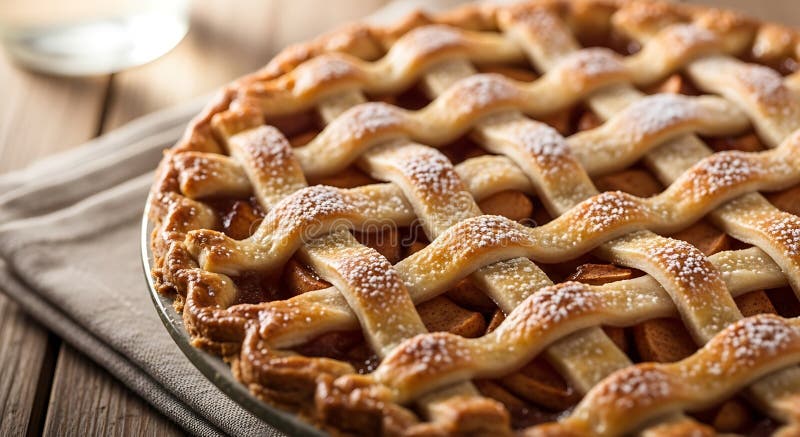
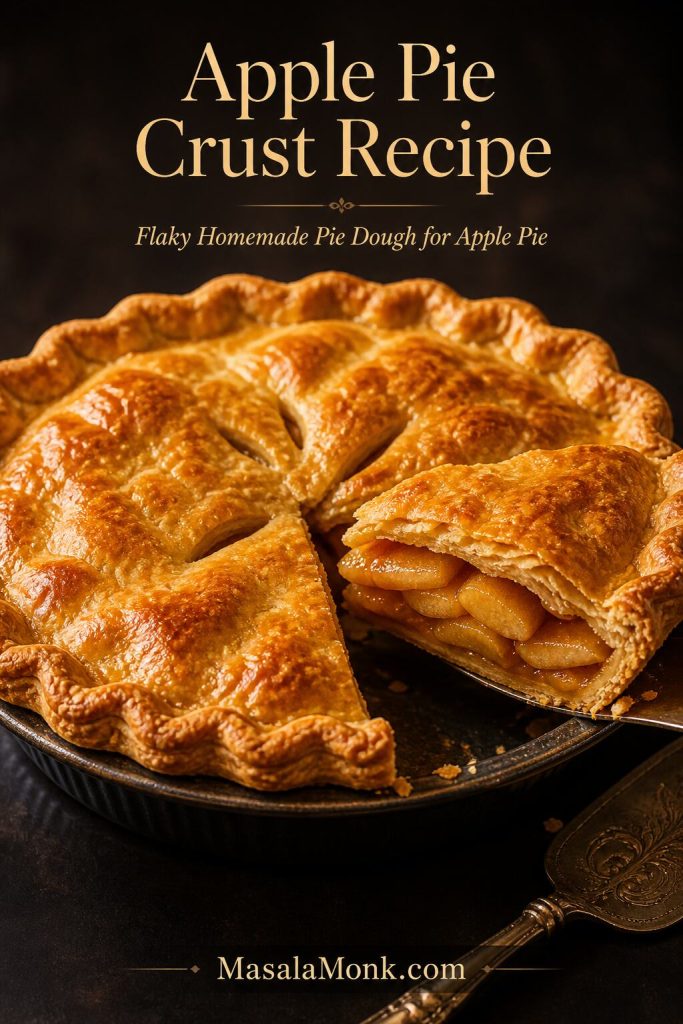
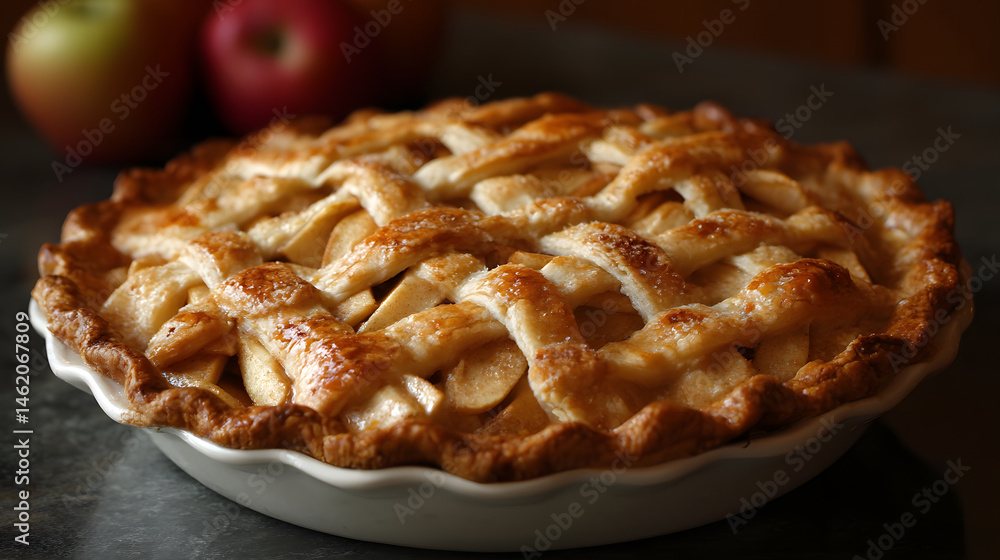
Crust dust for apple pie is a thin layer of fine crumbs, often made from cookies, crackers, or dry bread, placed between the bottom crust and the apple filling. It helps soak up extra juice and can reduce the risk of a soggy crust. Some bakers also use a mix of sugar and flour or another dry ingredient, depending on the recipe.
In American home kitchens, apple pie is a favorite for fall gatherings, Thanksgiving dinner, and weekend baking. A golden top crust can look great, but the base may still turn soft when warm apple juice collects beneath the filling. Crust dust offers a simple way to help manage that moisture without changing the basic pie recipe.
The term does not refer to one fixed product or recipe. It can describe a fine crumb mixture that sits on the pastry before the apples go in. The right choice depends on the flavor you want, the amount of juice in your apples, and the type of crust you use. A light hand works best because too much dry material can make the base dense or grainy.
Crust dust is a fine, dry ingredient or crumb mixture spread over the bottom pastry before the filling is added. Its main job is to help catch some of the liquid released by the apples as the pie bakes. It may also form a slight barrier between the pastry and the wet filling.
The name is informal, so recipes do not always use it in the same way. One baker may mean crushed crackers, while another may use cookie crumbs or a flour-based mixture. For that reason, check the recipe before assuming that every crust dust blend contains the same ingredients.
The basic idea is simple. Apple slices release moisture when heated, and sugar can draw more liquid from them. If too much liquid reaches the bottom pastry before it firms up, the base may stay soft. A little dry material can help, though the result still depends on oven heat, pastry thickness, and the apples.
Source: www.pinterest.com
Main purpose
Help absorb some excess moisture and support a firmer bottom crust.
Typical form
A fine, dry crumb or powder that can be spread in a thin, even layer.
Best use
A juicy apple filling that may release enough liquid to soften the lower pastry.
Is Crust Dust a Special Store-Bought Product?
Not necessarily. Many home bakers make their own mixture from pantry ingredients. A recipe may also call for a specific commercial blend, but the term alone does not identify a brand, fixed formula, or standard product.
If a recipe mentions crust dust without explaining it, look for the ingredient list or the original recipe notes. The intended blend may be part of that recipe’s flavor and texture, so replacing it without checking can change the result.
Homemade option
Use a small amount of a suitable fine crumb or a flour-based mixture.
Packaged option
Check the label for ingredients, allergens, added sugar, and flavorings.
Why Apple Pie Crust Can Turn Soggy
A soggy bottom crust often forms when moisture from the filling reaches the pastry faster than the pastry can bake and set. Apples contain plenty of water, and their texture changes as they heat. The liquid released during baking can collect near the base of the pie.
Sugar adds another factor. When mixed with sliced apples, sugar draws out juice. That liquid may be useful for a flavorful filling, but too much free liquid can make the pastry wet. The amount varies with apple type, ripeness, slicing thickness, and the time the fruit sits with sugar.
Oven conditions matter too. A pie baked at an unsuitable temperature or placed on a cold baking sheet may take longer to firm up at the base. A thick layer of filling can also slow heat transfer. Crust dust may help with excess liquid, but it cannot fix every baking problem.
Source: tastingtable.com
Wet filling
Juicy apples and excess liquid can soak the lower pastry.
Poor heat transfer
The bottom crust may not bake fast enough to become firm and golden.
Too much filling
A deep pile of apples can release a large amount of liquid during baking.
Early slicing
Cutting the pie while it is very hot can release liquid before the filling has set.
How Crust Dust Helps
Fine crumbs can take up some of the liquid that reaches the bottom pastry. This may leave less free moisture in direct contact with the dough. The crumbs also add a small amount of dry material beneath the fruit.
Absorption has limits. A crumb layer cannot soak up unlimited juice, and a thick layer may create a noticeable band under the apples. Use it as one part of a good baking method rather than as a cure for an overly wet filling.
Use a light layer
Cover the pastry evenly without creating a thick mound.
Control the filling
Drain excess liquid when needed and avoid adding more juice than the recipe calls for.
Best Ingredients for Homemade Crust Dust
The best ingredient depends on whether you want a neutral taste, a hint of sweetness, or a stronger crumb flavor. Fine, dry ingredients are usually easier to spread in a thin layer than coarse pieces. Choose an option that suits your recipe and does not overpower the apples.
For a first try, plain fine breadcrumbs or finely crushed plain crackers are practical choices. A small amount of flour or a flour-and-sugar blend may also suit some recipes. Cookie crumbs can work when their flavor matches the filling, but sweet or spiced crumbs may change the taste of a traditional apple pie.
No single mixture is required for every pie. Some recipes already include flour, starch, or another thickener in the apple filling. Adding a large amount of extra dry material can make the finished pie too thick or give it a floury, pasty, or gritty layer.
Source: farmhouseharvest.net
Plain fine breadcrumbs
A mild option that can absorb some liquid without adding much sweetness. Use fresh, dry crumbs with no strong seasoning.
Plain cracker crumbs
Finely crushed crackers can provide a dry layer. Choose crackers with a flavor that suits the pie and avoid strongly salted or seasoned varieties.
Graham cracker crumbs
These add a sweet, toasted flavor. They may suit a spiced or caramel-style apple pie, though they can make the base taste more like a crumb dessert.
Plain flour
Some recipes use a light dusting of flour to help take up juice. Too much can taste raw or create a dense layer, so follow a tested recipe.
Cookie crumbs
Finely ground plain cookies may work for a sweeter pie. Check added fat and sugar, since rich crumbs can change the texture.
Can You Use Cornstarch as Crust Dust?
Cornstarch is more often used to thicken the apple filling than to create a crumb layer beneath it. It needs moisture and enough heat to thicken properly. Sprinkling a large amount directly on the pastry is not a reliable substitute for the thickener in a recipe.
If your recipe calls for cornstarch, mix it with the filling as directed. Do not add extra just because the apples look juicy. Too much thickener may leave a gummy filling, while too little may allow excess liquid to run when the pie is cut.
For the filling
Use the amount listed in a reliable recipe and distribute it evenly through the fruit.
For the crust
Choose a method designed for the bottom pastry instead of assuming that any dry powder will work the same way.
How to Make Crust Dust for Apple Pie
A simple homemade crust dust needs only a dry ingredient and a way to grind it finely. Since recipes use the term differently, the following method is a practical starting point rather than a single official formula. It is designed to create a light layer under the filling, not a thick crumb crust.
Start with plain, dry breadcrumbs or plain crackers. If using crackers, crush them in a food processor or place them in a sealed bag and roll over them with a rolling pin. Stop when the pieces resemble fine crumbs, with no large chunks.
For a small pie, begin with about one to two tablespoons of fine crumbs as a trial amount. This is a suggested starting point, not a universal recipe measurement. A larger pie or a particularly wet filling may need a different amount, while a drier filling may need little or none.
Source: dreamstime.com
What you need
Fine plain breadcrumbs or plain crackers, a spoon, and an unbaked pie shell.
Optional flavor
A small pinch of cinnamon may suit a sweet crumb mixture, but it is not needed for moisture control.
What to avoid
Wet crumbs, large chunks, heavily seasoned crackers, and blends with flavors that clash with apples.
Step-by-Step Instructions
First, prepare the pie dough and fit it into the pie plate. Keep the dough cool while you prepare the filling. If your recipe calls for chilling or blind baking, follow those steps before adding the crumbs.
Next, sprinkle a thin layer of fine crumbs over the bottom of the unbaked crust. Spread them gently with your fingers or the back of a spoon. Aim for even coverage rather than a thick pile in the center.
Add the prepared apple filling over the crumbs. Keep the fruit and any thickener evenly mixed, and avoid pouring in a large pool of liquid from the bowl. Add the top crust or lattice, seal the edges, and cut vents if the top is solid.
Bake according to your pie recipe. Watch for a well-browned crust and bubbling filling through the vents. If the rim browns too fast, cover it with a pie shield or a loose ring of foil, taking care not to block the center of the pie.
Success sign
The crumb layer is thin and spread evenly, and the pastry bakes through without a thick, gritty band.
If the layer looks heavy
Remove some crumbs before adding the apples. A little is more useful than a thick layer that changes the texture.
After baking
Let the pie cool before cutting so the filling has time to settle.
A Simple Crumb-and-Flour Variation
Some bakers prefer a blend of fine crumbs and a small amount of flour. The crumbs supply a dry, absorbent layer, while the flour may help take up additional moisture. The exact balance should follow the needs of the recipe, since apple fillings vary widely.
Do not treat this variation as a fixed ratio for every pie. If your filling already uses flour or starch, adding more beneath the fruit may be unnecessary. Try one small change at a time so you can judge the effect on the base.
Keep it simple
Use a thin, even blend and avoid adding several extra thickeners at once.
Check the flavor
A neutral mixture lets the apples, butter, and spice remain the main flavors.
How Much Crust Dust Should You Use?
Use enough crust dust to make a thin layer across the base, but not so much that it becomes a separate filling. The correct amount depends on the size of the pie plate, the wetness of the apples, and the crumb size. Fine crumbs spread farther than coarse crumbs, so measure after grinding.
For a standard home pie, one to two tablespoons can be a reasonable first trial when using fine crumbs. This amount is a practical estimate, not a tested universal standard. If a specific recipe gives its own quantity, use that measurement instead.
The goal is not to soak up every drop of juice. Some moisture helps create a tender filling. Too much dry material can absorb liquid that should remain with the fruit, leaving the base dry while the upper filling still feels wet.
Source: stock.adobe.com
Small or shallow pie
Start with a modest amount and make sure the pastry is covered only lightly.
Deep pie
Focus first on managing the filling and baking time. A deeper pie may need more time for the center to cook.
Very juicy apples
Consider draining or reducing excess liquid and using a suitable filling thickener as well as a thin crumb layer.
Dry apple filling
You may not need crust dust at all. Avoid adding it automatically when the recipe already controls moisture well.
A Simple Way to Judge the Amount
Spread the crumbs over the pastry and look at the surface before adding the fruit. You should still be able to see the shape of the dough through a fine layer. The crumbs should not look like a thick blanket or a mound that takes up space meant for apples.
If you have baked the same recipe before, compare the next pie with the earlier result. A slightly firmer base is useful, but a dry or sandy layer suggests that the amount or type of crumb needs to change. Keep notes on the apple variety and filling method so the next attempt is easier to adjust.
Too little
The layer may not cover enough of the pastry to make a noticeable difference.
Too much
The bottom may taste dusty, dry, or grainy.
Other Ways to Prevent a Soggy Apple Pie Crust
Crust dust works best when paired with sound pastry and baking methods. If the bottom crust stays wet despite using crumbs, check the filling and oven process before adding more dry ingredients. The problem may be excess liquid or insufficient heat rather than a lack of absorption.
A good recipe balances fruit, sugar, thickener, and bake time. Different apple varieties release different amounts of liquid and soften at different rates. Thin, even slices also cook more evenly than a mixture of very thick and very thin pieces.
The type of pie plate can affect browning, too. Metal pans generally transfer heat differently from glass or ceramic pans. Follow the recipe’s guidance for pan type and oven position rather than changing several variables at once.
Source: nexusnery.weebly.com
Use a suitable filling thickener
Flour, cornstarch, or tapioca starch may be used in apple pie filling. Choose one based on a reliable recipe and measure it correctly.
Control excess juice
If the apples release a large pool of liquid before assembly, follow a recipe that explains whether to drain, reduce, or use that liquid.
Bake until the base is done
A browned top alone does not prove the bottom pastry has baked through. Use the recipe’s timing and visual cues.
Place the pie well
A lower oven rack can help expose the bottom crust to more direct heat when the recipe recommends it.
Let the pie cool
Cooling gives the filling time to set and helps reduce runny slices.
Should You Blind Bake the Bottom Crust?
Blind baking means baking the pastry shell before adding the filling. It can help when a recipe is designed for a pre-baked base, but it is not required for every traditional double-crust apple pie. Blind baking a shell without following the right method can cause shrinkage or make it harder to seal the top crust.
If you want to try this method, use a recipe written for a pre-baked shell or one that clearly explains the timing. Some pies use a partially baked base, while others bake the raw bottom crust and filling together. Choose one method and follow it through.
Useful for
Pie styles and recipes that call for a pre-baked or partially baked base.
Not a universal fix
It does not replace proper filling thickness or sufficient baking time.
Can You Use an Egg Wash?
An egg wash is brushed over the exposed pastry, often to help create a golden finish. Some baking methods use it on the inside of a partially baked shell as a moisture barrier, but this requires a suitable recipe and timing. It is not the same as sprinkling crust dust.
For a standard double-crust apple pie, focus first on the recipe’s dough, filling, and baking instructions. An egg wash on the outside can improve color, but it will not fix a wet filling by itself.
For color
Brush the top crust lightly if the recipe calls for egg wash.
For moisture control
Use a documented method intended for the inside of the crust rather than assuming any egg wash will work.
Common Crust Dust Mistakes and How to Fix Them
The most common mistake is adding too much crust dust in an attempt to make the bottom completely dry. A pie needs some moisture for a tender filling, and a heavy layer can create an unpleasant texture. Start with a small amount and make one adjustment after you see the result.
Another mistake is using crumbs that are damp, stale, or strongly flavored. Damp crumbs may not absorb liquid in the same way as dry crumbs, while seasoned or salty crumbs can change a sweet pie’s taste. Check the ingredient and use plain, dry material whenever possible.
Do not assume that crust dust alone will rescue a pie with a large amount of free liquid. If the filling is very wet before it goes into the shell, address the recipe’s liquid and thickener balance. Extra crumbs may hide part of the problem without solving it.
Source: dreamstime.com
Problem: A gritty bottom
Use fewer crumbs or grind them more finely. Check whether the recipe already contains a thickener.
Problem: The crust is still soggy
Check oven temperature, rack position, bake time, and the amount of liquid in the filling before increasing the crumb layer.
Problem: The base tastes floury
Reduce the flour-based mixture and use a recipe that balances the dry ingredients with the filling.
Problem: The pie is too dry
Use less crust dust next time and review the apple quantity, filling thickener, and bake time.
Problem: The filling runs when sliced
Allow more cooling time and confirm that the filling contains the right amount of thickener for the recipe.
How to Troubleshoot Your Next Pie
First, look at where the problem occurs. A wet base points toward moisture or heat transfer, while a dry, sandy layer points toward too much crumb material. A runny center may need more cooling time or a better-balanced filling.
Next, change one factor at a time. If you reduce the liquid, increase the thickener, add more crust dust, and change the oven temperature all at once, it becomes hard to tell which change helped. A small adjustment makes the next pie easier to improve.
Record the apple type
Different apples can produce different amounts of juice and hold their shape differently.
Record the pan and rack
These details help you repeat a result or identify a heat-related problem.
Judge after cooling
A hot pie may seem much runnier than the same pie after it has cooled.
Does Crust Dust Change the Flavor of Apple Pie?
Yes, it can, although the change depends on the ingredient and how much you use. Plain fine breadcrumbs usually have a mild flavor. Graham crackers and sweet cookies bring more sugar and toasted notes, while salty crackers may add a savory edge that does not suit every apple filling.
For a classic American apple pie, a neutral crumb layer keeps the focus on the fruit, cinnamon, and pastry. A sweet crumb blend may work better when the pie also contains caramel, brown sugar, or warm spices. Taste and texture should guide the choice rather than the name of the mixture alone.
The filling itself has a large effect on flavor. Tart apples may need a different amount of sugar from sweet apples, and cinnamon can become strong when used heavily. Keep crust dust modest so it supports the pie instead of competing with the filling.
Source: kingarthurbaking.com
Traditional flavor
Choose a neutral, plain crumb or a recipe-specific flour mixture.
Sweeter flavor
Try a small amount of fine graham cracker crumbs when their taste suits the recipe.
Gluten-free needs
Use crumbs labeled gluten-free and check every ingredient for cross-contact warnings when required.
Dairy-free needs
Check packaged crumbs for milk ingredients and use a suitable pie crust recipe.
Does Crust Dust Work With Store-Bought Pie Crust?
Crust dust can be used with many store-bought pie crusts, provided the package and recipe instructions allow the chosen baking method. The basic approach remains the same: spread a thin layer over the bottom pastry, add the prepared apples, and bake according to the recipe.
Store-bought dough may have its own thickness and handling needs. Keep it chilled as directed and avoid stretching it into the pie plate, since stretched dough can shrink as it bakes. If the package provides instructions for filled pies, use them as your starting point.
Follow package directions
Check the recommended temperature, baking time, and whether the crust should be thawed first.
Avoid extra layers
If the crust already includes a recipe-specific barrier or filling method, check whether more dry material is necessary.
Choosing the Right Method for Your Apple Pie
The right moisture-control method depends on the pie you are making. A juicy filling may benefit from a thin crumb layer, while a well-balanced recipe may bake well without one. A crumb-topped pie also behaves differently from a traditional pie with pastry on both the bottom and top.
Use the table below as a practical guide. These are general starting points, not a replacement for the exact recipe. When a recipe has already been tested with a specific filling thickener or baking method, follow that method before adding extra ingredients.
Source: cookingwithcasey.com
Traditional double-crust pie
Use a thin neutral crumb layer only if moisture control is needed, and bake until the bottom crust is done.
Dutch apple pie
A crumb topping does not remove the need to manage moisture in the filling. Use a suitable thickener and follow the recipe’s baking time.
Deep-dish apple pie
Pay close attention to center doneness and liquid balance. A deep filling may need more time than a shallow one.
Pre-baked shell
Use a recipe designed for blind baking and add crust dust only if it fits that method.
Quick Comparison of Common Options
Fine breadcrumbs are a useful neutral starting point for a simple crumb layer. Plain cracker crumbs offer another dry option, while graham cracker crumbs add more sweetness and flavor. Flour-based methods can suit certain recipes but need careful measurement to avoid a pasty result.
If the pie is already baked and the base is soggy, adding crust dust afterward will not repair it. Serve the pie once it has cooled, and adjust the filling, pastry, or oven method for the next bake. Reheating may improve warmth and texture at the edges, but it cannot guarantee a crisp bottom.
Best neutral starting point
Plain fine breadcrumbs with no added seasoning.
Best for a sweet twist
A modest amount of finely ground graham crackers when the flavor suits the pie.
Best for a recipe-specific method
The exact dry mixture listed by the recipe you are following.
Frequently Asked Questions
Q
What is crust dust for apple pie made of?
Crust dust is an informal name for a thin, dry layer placed between the bottom pastry and the apple filling. Depending on the recipe, it may use fine breadcrumbs, crushed crackers, cookie crumbs, flour, or another dry blend. There is no single formula that applies to every apple pie.
Q
Can I use flour instead of breadcrumbs?
Yes, some recipes use a light dusting of flour beneath the filling, but flour and breadcrumbs do not behave in exactly the same way. Too much flour may leave a pasty or floury layer. Use the quantity specified by a reliable recipe, especially when the filling already contains flour or starch.
Q
Should I put crust dust on top of the apple filling?
Crust dust used to protect the bottom pastry is usually spread on the bottom crust before the apples are added. Sprinkling it over the filling is a different technique and may change the topping or texture. Follow the recipe if it calls for crumbs in another part of the pie.
Q
Can crust dust stop all apple pie juice from leaking?
No. It may absorb some moisture near the bottom pastry, but it cannot prevent all liquid from being released by the apples. Correct filling proportions, a suitable thickener, enough baking time, and proper cooling are also important.
Q
Do I need crust dust for every apple pie?
No. A well-balanced recipe may produce a firm bottom crust without it. Consider crust dust when your filling tends to be juicy or when a recipe recommends it. Start with a small amount and avoid adding it automatically to pies that already bake well.
Q
Can I make crust dust ahead of time?
You can prepare dry crumbs ahead of time and store them in a clean, dry, airtight container. Follow the storage guidance for the ingredient you use, and discard crumbs that smell stale, show mold, or have been exposed to moisture. Keep them separate from the wet apple filling until you assemble the pie.
Q
Why is my apple pie still soggy after using crust dust?
The filling may contain too much free liquid, the bottom crust may not have baked long enough, or the oven and pan setup may not provide enough heat to the base. Check the filling thickener, recipe timing, oven temperature, and rack position before adding more crumbs. Let the pie cool fully before judging the final texture.
✦ Wrapping Up
Conclusion
Crust dust for apple pie is a simple way to help manage moisture beneath a juicy apple filling. Fine breadcrumbs, plain cracker crumbs, and certain flour-based mixtures can work, depending on the recipe. The key is to use a light, even layer instead of adding a large amount in the hope of making the crust completely dry.
A crisp bottom also depends on the right filling balance, a properly baked pastry, and enough cooling time. If your apple pie often comes out soggy, start by checking the amount of liquid in the filling and whether the bottom crust has baked through. Add crust dust only when it helps solve the problem.
💡 Key Takeaway
For your next apple pie, try a thin layer of one to two tablespoons of fine, plain breadcrumbs as a starting point for a standard pie. Follow your recipe if it specifies another amount, bake until the crust is done, and let the pie cool before slicing. Reduce or skip the crumbs if the base becomes dry or gritty.