A simple recipe for wasp catcher uses a clean plastic bottle, water, sugar, and a little dish soap. However, the best bait depends on the wasp species and the season. Place any trap away from people, pets, food, and flowers, and avoid trapping beneficial bees.
Wasps can turn a quiet afternoon on an American patio into a nuisance. They may hover near soda cans, picnic tables, ripe fruit, and outdoor trash bins. A homemade wasp catcher can help manage some of this activity, but it will not remove a nest or stop every wasp from visiting your yard.
The basic method is easy to follow. Cut a plastic bottle, add suitable bait, and place the trap in a safe spot away from busy areas. The key is choosing the right bait and knowing when a trap is the wrong tool for the problem.
This guide explains how to make a bottle trap, compare common bait recipes, reduce risks to pollinators, and deal with wasps that keep returning. It also covers signs of a nest, safe cleanup, and situations that call for professional pest control.
A simple sugar-water bait is a reasonable starting point for a basic homemade wasp catcher. It uses common household items and does not require a commercial pesticide. Keep in mind that not all wasps respond to the same bait, so one recipe may work better than another in a particular yard.
For a basic mixture, combine about 1 cup of water with 2 tablespoons of sugar. Stir until the sugar dissolves. If you use a bottle trap, add only a shallow amount of liquid to the bottom so the bait does not spill when the bottle is moved.
Some people add a small drop of dish soap to reduce the surface tension of the liquid. This can make it harder for an insect that lands on the liquid to remain afloat. Soap does not make the trap selective, though. Other insects that enter can also be harmed.
No homemade bait has been established as the best option for every wasp species or region. Before setting a trap, consider whether the problem involves a few foraging wasps, a large nest, or insects that may actually be bees.
Source: i.pinimg.com
Water
Provides the liquid base and helps dissolve the sugar.
Granulated sugar
Creates a sweet bait that may attract wasps searching for sugary food.
Dish soap
An optional additive that changes the liquid’s surface tension but does not prevent other insects from being caught.
A clean plastic bottle
Forms the trap body and helps contain the bait when assembled securely.
When Should You Choose a Different Bait?
Wasps do not all eat the same foods throughout their lives. Many adult social wasps visit sweet foods, while growing larvae in some colonies receive protein-rich prey. As a result, the bait that attracts a wasp in late summer may not be the best choice earlier in the season.
If sugar water draws little activity, changing the bait may be more useful than adding more sugar. Do not assume that a lack of catches means there are no wasps nearby. They may prefer natural food sources or may not belong to a species attracted to the mixture.
Sweet bait
May attract wasps that forage for sugary liquids, fruit, or other sweet foods.
Protein bait
May attract some wasps that seek meat or other protein sources, but it can also draw flies and other scavenging insects.
Commercial species-specific lure
May be more suitable when the target species is known. Follow the product label and check whether the lure can also attract non-target insects.
How to Make a Homemade Bottle Wasp Trap
A bottle trap is a simple project, but sharp plastic edges and spilled bait can create avoidable hazards. Work on a stable surface, keep children and pets away, and use scissors or a craft knife with care. If you are not comfortable cutting a bottle, choose a ready-made trap instead.
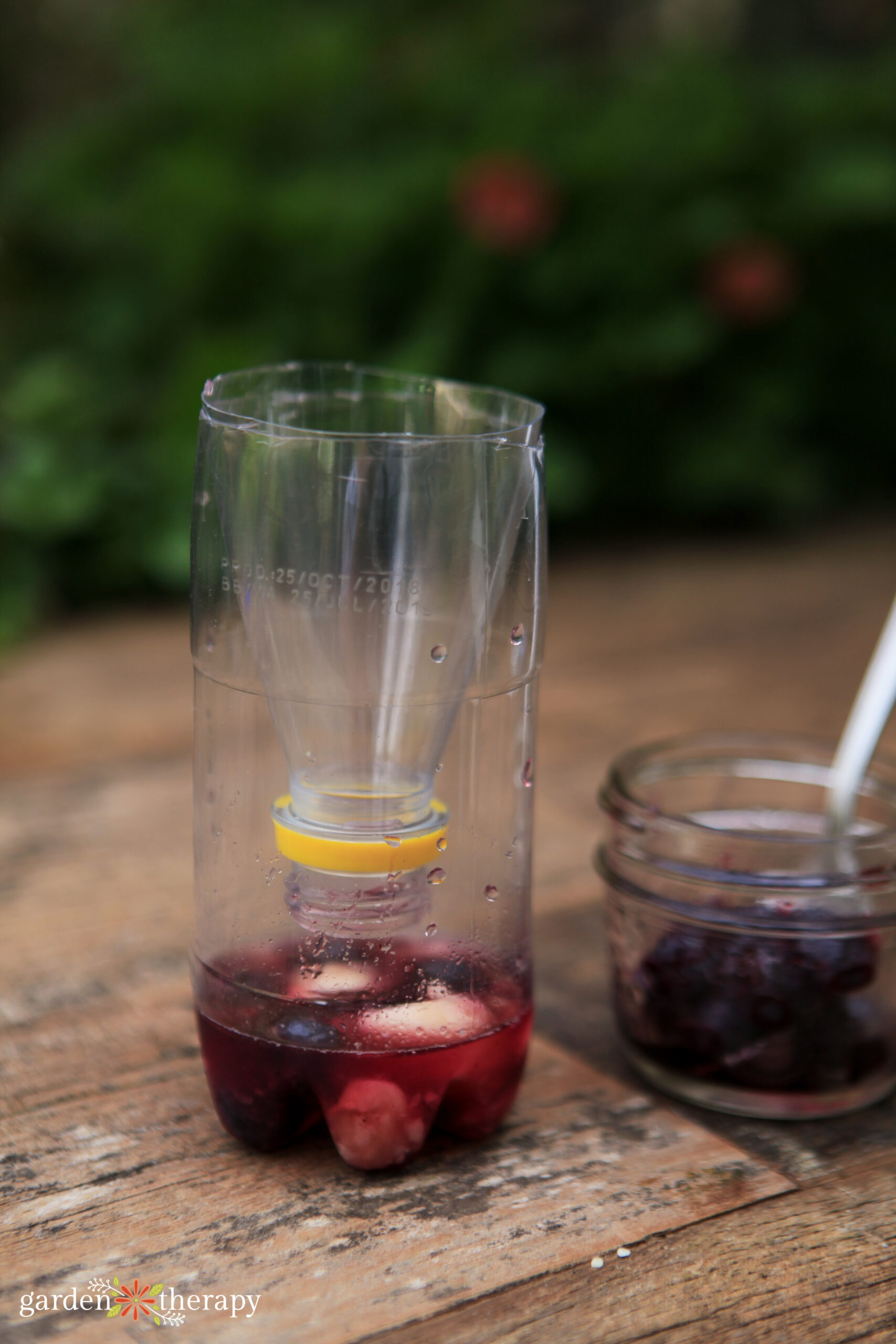
You will need a clean plastic drink bottle, scissors or a suitable cutting tool, a marker, water, sugar, and a small amount of dish soap if desired. A bottle with a wide body is easier to work with than a narrow one. Do not use a glass bottle that could break if it falls.
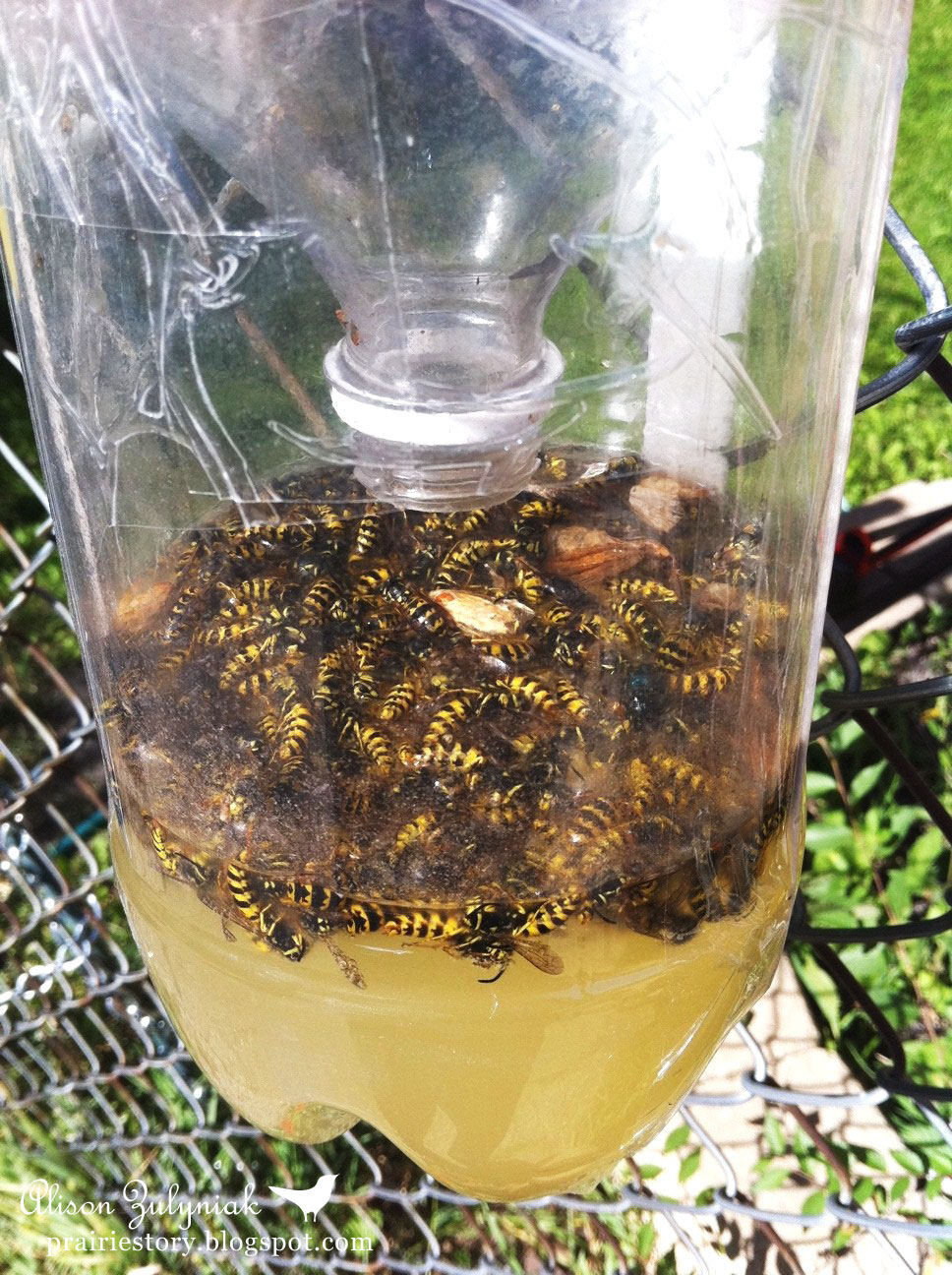
The bottle design uses a narrow entrance to make it harder for insects to find their way back out. This does not guarantee that every wasp will stay inside. A trap can also catch flies, moths, beetles, and other insects, which is one reason placement matters.
Source: i.pinimg.com
Step 1: Clean the bottle
Rinse out any leftover drink and remove the label if it blocks your view of the inside.
Step 2: Mark the cutting line
Draw a line around the bottle near its upper third, leaving enough room for the top section to form a funnel.
Step 3: Cut the bottle
Carefully cut along the line. Smooth or cover sharp edges where practical, and dispose of any loose plastic pieces.
Step 4: Mix the bait
Stir 1 cup of water with 2 tablespoons of sugar. Add one small drop of dish soap only if you intend to use a liquid trap.
Step 5: Fit the funnel
Turn the bottle’s top section upside down and place it inside the lower section with the neck pointing toward the bait.
Step 6: Check the assembly
Make sure the inverted top sits securely and the trap cannot tip over easily. Do not add so much bait that it reaches the entrance.
Step 7: Choose a suitable location
Place the trap away from doors, patios, children’s play areas, pet bowls, flowers, and outdoor food.
Should You Add Holes or a Hanging Loop?
Some homemade trap designs use extra holes or a string loop. These features are not required for the basic bottle trap. Every extra opening may change how insects enter and leave, and a poorly secured hanging trap can spill bait.
A stable, low-risk position is more important than adding extra features. If you choose to hang a trap, keep it well away from people and make sure the bottle cannot fall in wind. Never climb a ladder or approach a nest to install one.
Stable base
Helps prevent spills and makes the trap easier to inspect.
Secure hanging method
May suit some locations, but only when the trap can be installed and checked without reaching near wasps.
Which Homemade Wasp Bait Works Best?
The best bait depends on which wasps are present and what they are feeding on. A useful approach is to start with one simple mixture, observe the result from a safe distance, and avoid adding several ingredients at once. If the trap catches no wasps, first reconsider its location and whether a trap is suitable for the problem.
The options below describe common bait approaches rather than proven rankings. Their performance can vary with local species, natural food sources, weather, and time of year. None should be treated as a guarantee of control.
Source: zelboom.com
Sugar water
A low-cost option for testing whether local wasps respond to a sweet liquid. It may also attract bees and other insects.
Ripe fruit
A small piece of ripe fruit may attract wasps that feed on fruit sugars. Fruit can also attract flies and may spoil quickly.
Fruit juice
A small amount of sweet juice can serve as a bait, but it may ferment, smell, or attract a range of insects.
Protein-based bait
May attract some wasps during periods when they are collecting prey or other protein. It can spoil and attract flies, so use caution and check it often.
Commercial wasp lure
A labeled lure may be more appropriate for a known target species. Use it only as directed and do not assume it is harmless to beneficial insects.
A Simple Way to Compare Bait Options
If you need to compare baits, keep the process small and safe. Do not place traps beside one another near a dining area, flower bed, or entrance. Each trap may draw insects toward the site, which can make the original problem worse.
Use a suitable, isolated location and change only one variable at a time. Record the date, bait type, and whether wasps were seen nearby. This is a practical observation, not a controlled scientific test, and the result may not apply to another season or yard.
Check the target
Confirm that the insects are wasps rather than honey bees, bumblebees, or other beneficial insects.
Keep conditions similar
Avoid comparing results from very different locations or weather conditions.
Stop if non-target insects gather
Remove the trap when it draws many bees or other beneficial insects.
Where Should You Put a Wasp Catcher?
Place a wasp catcher away from the places where people and pets spend time. A trap near a picnic table, back door, porch swing, or swimming pool may draw wasps into an area where stings are more likely. It is better to remove the food source than to lure more insects toward people.
A trap should never be placed directly beside a nest. Wasps may defend their colony when disturbed, and a bottle trap will not safely remove the nest. If you see many wasps following the same route into a wall, roof, shed, or hole in the ground, keep away and seek suitable pest-control advice.
Think about the wider yard as well. Flower beds, herb gardens, fruit trees, and flowering shrubs can attract pollinators. A trap placed among them may catch insects that help plants reproduce, so avoid these areas whenever possible.
Source: ae01.alicdn.com
Choose a quiet, isolated spot
Keep the trap away from routine foot traffic, play areas, pet areas, and outdoor dining spaces.
Keep it away from flowers
Reduce the chance of catching bees and other pollinators that visit garden plants.
Avoid entrances and windows
Do not place a trap beside a doorway or window where insects may gather as people pass.
Do not approach a nest
Leave suspected nest areas alone. Do not hang, move, or adjust a trap near an active colony.
Can a Wasp Trap Attract More Wasps?
A baited trap can draw wasps toward its immediate area. That is part of how it works, but it also creates a reason to avoid placing one where you do not want insect activity. A trap beside a patio may make the patio less comfortable rather than more comfortable.
If wasps keep appearing around an outdoor meal, cover food, close drink containers, and clean sticky spills. Move trash to a bin with a secure lid and rinse food containers before placing them outdoors. These steps reduce the food cues that draw many scavenging insects.
Cover sweet drinks
Use lids or covered cups, and check cans before drinking because insects can enter unnoticed.
Clear food scraps
Remove fruit pieces, meat scraps, and sugary residue from tables and outdoor cooking areas.
Secure rubbish
Use tight-fitting lids and clean bins when food waste builds up.
How to Keep Bees and Other Helpful Insects Safe
A homemade wasp catcher is not selective unless its design and bait have been shown to target a particular species. Bees may visit sweet liquids or fruit, and other insects may enter the bottle by chance. The risk matters most in gardens with flowering plants, fruit trees, herbs, and nearby natural habitat.
Before setting any trap, watch the insects from a distance. Bees often visit flowers and carry pollen, while wasps may hunt other insects or scavenge food. Appearance alone can be misleading, and some wasps are useful predators that help control garden pests.
If you cannot tell what the insects are, do not trap them yet. Take a photo from a safe distance if you can do so without approaching a nest, then consult a reliable local extension service or pest professional for identification.
Source: i.pinimg.com
Avoid flowering plants
Do not place baited traps where bees are actively feeding on flowers.
Use the least harmful option
Start with food-source management and exclusion when these steps address the problem.
Inspect for non-target insects
If bees or other helpful insects are being caught, stop using the trap and reconsider the approach.
Do not release insects by hand
A trapped or distressed insect may sting. Avoid opening the trap or handling insects while they are active.
Are Wasps Always Bad for a Garden?
No. Many wasps prey on caterpillars, flies, and other insects. Some also visit flowers and contribute to pollination. Their value depends on the species and its behavior, so treating every wasp as a pest can lead to unnecessary harm.
The practical goal is to manage a real hazard, not remove every wasp from the yard. A few wasps foraging among plants may be doing useful work. A colony near a busy doorway or a wasp repeatedly entering a child’s play area presents a different concern.
Watch the behavior
A wasp visiting flowers or hunting insects is different from repeated activity at a nest near people.
Match the response to the risk
Use prevention for occasional visitors and seek professional advice for a nest in a high-traffic location.
How Often Should You Check and Replace the Bait?
Inspect a homemade wasp catcher from a safe distance and replace the bait when it becomes dirty, diluted, or spoiled. Warm summer weather can speed up spoilage, especially when fruit or protein is used. There is no single replacement schedule that suits every bait, climate, and trap design.
Do not shake the bottle or bring your face close to the entrance to check for activity. A live wasp may still be inside, and sudden movement can increase the chance of an escape. If the trap is crowded with live insects, do not attempt to open it or handle it.
A trap that catches several wasps does not prove that the colony has been controlled. New workers may continue to forage, and a nest may be located some distance away. Focus on the pattern of activity rather than the catch count alone.
Source: i.pinimg.com
Check for spills
Look for leaks, tipping, damaged plastic, or bait that has attracted pets or other animals.
Watch for spoilage
Replace old bait when it smells bad, becomes heavily contaminated, or no longer suits the intended use.
Stop when the trap creates a hazard
Remove it from use if people, pets, or beneficial insects are being exposed to unnecessary risk.
Follow local waste guidance
Dispose of the trap and contents according to local rules and the safety instructions for any commercial lure used.
How Do You Know If the Trap Is Working?
The clearest sign is that the target wasps enter the trap and remain inside. Even then, the result shows only that the trap caught some insects. It does not establish how many wasps are in the yard or whether a nest is present.
If you see no catches after a reasonable period, check whether the bait is suitable, the trap has tipped over, or the area has more attractive food sources. Do not keep moving the trap closer to people or a suspected nest just to improve the catch.
Some target wasps are caught
The bait may be attracting at least some of the local foraging insects.
No insects are caught
The bait, location, design, or local species may not suit the trap.
Many non-target insects are caught
Stop and change the method rather than accepting harm to bees and other insects as normal.
Common Wasp Trap Mistakes to Avoid
A homemade trap may be easy to build, but small mistakes can make it less useful or more hazardous. The biggest problems are poor placement, unsuitable bait, careless handling, and the belief that a trap will remove a nest.
Keep the method simple. Do not mix household cleaners, pesticides, bleach, ammonia, or other chemicals into a bait recipe. These combinations can create harmful fumes or expose people and animals to toxic substances without making the trap more effective.
Avoid using open containers of sweet liquid around pets and children. A secured bottle is easier to manage, but it is not childproof or pet-proof. Place it in an inaccessible location and remove it if safe placement is not possible.
Source: i.ytimg.com
Putting the trap beside a picnic table
The bait can draw wasps toward people who are eating or drinking. Move away from the dining area or skip the trap.
Using too much liquid
Overfilling can cause spills and may leave too little space between the bait and the entrance.
Assuming every wasp likes sugar
Species and feeding needs differ, so one bait may attract very few target insects.
Ignoring bees in the trap
Non-target catches are a reason to stop and reassess the bait and location.
Trying to trap a whole colony
A bottle trap cannot reliably eliminate a nest or prevent all new workers from emerging.
Opening a trap while insects are alive
This can release wasps near your hands and face. Avoid handling the trap until you have appropriate disposal guidance.
What If the Trap Does Not Catch Wasps?
Start by asking whether a trap is needed at all. If wasps appear only around uncovered food, better food storage and waste control may solve much of the problem. If the insects are entering a wall or ground opening, the main issue may be a nest that needs a different response.
If a trap remains ineffective, do not add strong chemicals or create a larger pool of bait. Consider a labeled commercial trap designed for the target species, or contact a pest-control professional when the activity poses a safety risk.
Recheck the food source
Remove exposed fruit, drink residue, and food scraps that compete with the bait.
Recheck insect identification
Confirm that the insects are wasps and identify the type if possible without approaching them.
Stop if risk increases
Do not relocate the trap toward a nest or busy area in an attempt to force results.
When a Homemade Wasp Catcher Is Not Enough
A bottle trap may help with a small number of foraging wasps, but it is not a reliable solution for an established colony. Wasps may continue to emerge from a nest, and the trap may catch only a small portion of the workers that visit the yard.
Look for repeated flight paths toward a single opening, frequent wasp activity around a roof edge, or insects entering a wall cavity or underground hole. These signs can suggest a nest, although they do not confirm its size or species. Do not block the opening, spray into it, or dig near it.
Professional help is a sensible option when a nest is close to a doorway, school play area, deck, or other place where people cannot avoid it. A pest professional can identify the likely species and choose a treatment based on the nest location and the risks involved.
Nest inside a wall or roof
Seek professional advice because disturbing the opening can cause wasps to enter indoor spaces.
Nest in a busy area
Keep people and pets away and arrange suitable help instead of placing a trap beside the nest.
Severe or repeated sting reactions
Get medical advice about prevention and response. People with known severe sting allergies should follow their clinician’s emergency plan.
Signs of a possible emergency
Trouble breathing, swelling of the tongue or throat, faintness, or widespread symptoms after a sting can signal anaphylaxis. Call 911 in the United States and use prescribed emergency medication as directed.
What Should You Do After a Wasp Sting?
For a mild local reaction, move away from the insects and wash the affected area with soap and water. A cold pack wrapped in cloth may help ease pain and swelling. Follow the label directions for any over-the-counter medicine you use, and seek medical advice if you are unsure what is suitable.
A severe allergic reaction can progress quickly. Call 911 if a person develops trouble breathing, throat or tongue swelling, faintness, or other signs of anaphylaxis. If they have prescribed epinephrine, help them use it according to their emergency plan. Do not wait to see whether a homemade remedy works.
Move to safety
Leave the area calmly and avoid further contact with the nest or other wasps.
Watch for severe symptoms
Breathing problems, throat swelling, or faintness require emergency care.
Seek medical guidance when needed
Get help for multiple stings, worsening symptoms, or a reaction that concerns you.
Frequently Asked Questions
Q
What is the best homemade bait for a wasp catcher?
Sugar water is a simple starting point for a homemade liquid trap. Mix 1 cup of water with 2 tablespoons of sugar and add a small drop of dish soap only if you intend to use a liquid trap. The result varies by species, season, and location, and the mixture may attract other insects.
Q
Does vinegar attract wasps to a homemade trap?
Vinegar is not a reliable universal wasp lure. Some homemade recipes combine vinegar with sweet ingredients in an attempt to reduce bee attraction, but that does not guarantee that bees will stay away or that wasps will enter the trap. A species-specific commercial lure may be more appropriate when identification is possible.
Q
Can I use beer or soda in a wasp trap?
Sweet soda may attract some wasps, and fermented drinks may attract certain insects. Neither option is guaranteed to work for every species, and sugary liquids can attract non-target insects. Keep bait away from people, pets, and outdoor meals.
Q
How long does it take for a homemade wasp trap to work?
There is no fixed time. Some traps may catch insects soon after placement, while others may remain empty because the bait or location is unsuitable. Inspect from a safe distance, avoid moving the trap closer to people or a suspected nest, and stop using it if it attracts beneficial insects.
Q
Will a bottle trap get rid of a wasp nest?
No. A bottle trap may catch individual foraging wasps, but it does not reliably remove the colony or destroy the nest. If you see repeated activity at a hole in the ground, wall, roof, or shed, keep away and contact a qualified pest-control professional when the nest poses a risk.
Q
Is dish soap enough to kill wasps?
Dish soap can change the surface tension of a liquid, but it should not be treated as a reliable or selective wasp-control method. Spraying insects or nests with improvised soap mixtures can provoke defensive behavior and may harm other insects. Do not spray a nest or approach one to test a homemade solution.
Q
How can I keep wasps away without killing bees?
Start by covering food and drinks, cleaning outdoor tables, securing rubbish, and removing fallen fruit. Avoid baited traps near flowers or places where bees forage. If you need a trap, choose one suitable for the identified target species and stop using it if beneficial insects are being caught.
✦ Wrapping Up
Conclusion
A recipe for wasp catcher does not need many ingredients. A clean plastic bottle and a simple sugar-water bait can form a basic trap, but the results depend on the wasp species, local food sources, and trap placement. No homemade mixture works equally well in every yard.
The safest approach starts with prevention. Cover food, clean spills, secure trash, and keep traps away from flowers and busy areas. Watch for signs of a nest, and do not disturb an active colony just to improve a trap’s performance.
A homemade catcher can be one small part of outdoor pest management. It should not replace safe nest control or emergency medical care when a sting causes a serious reaction.
💡 Key Takeaway
Start by removing exposed food and securing rubbish. If a trap is still appropriate, use a simple bait, place it away from people and pollinators, and inspect it from a safe distance. Stop if it attracts beneficial insects or if you suspect an active nest nearby.