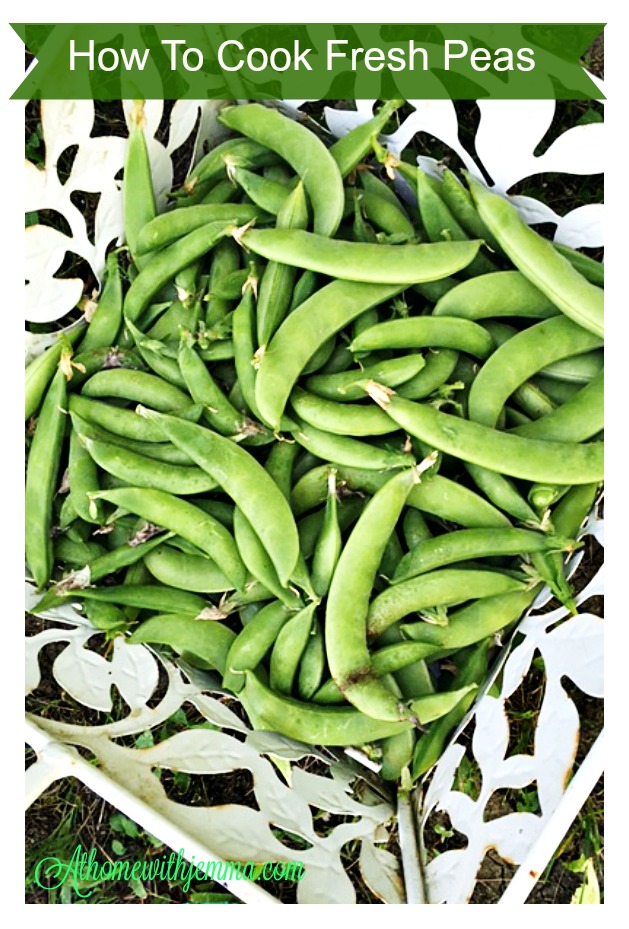
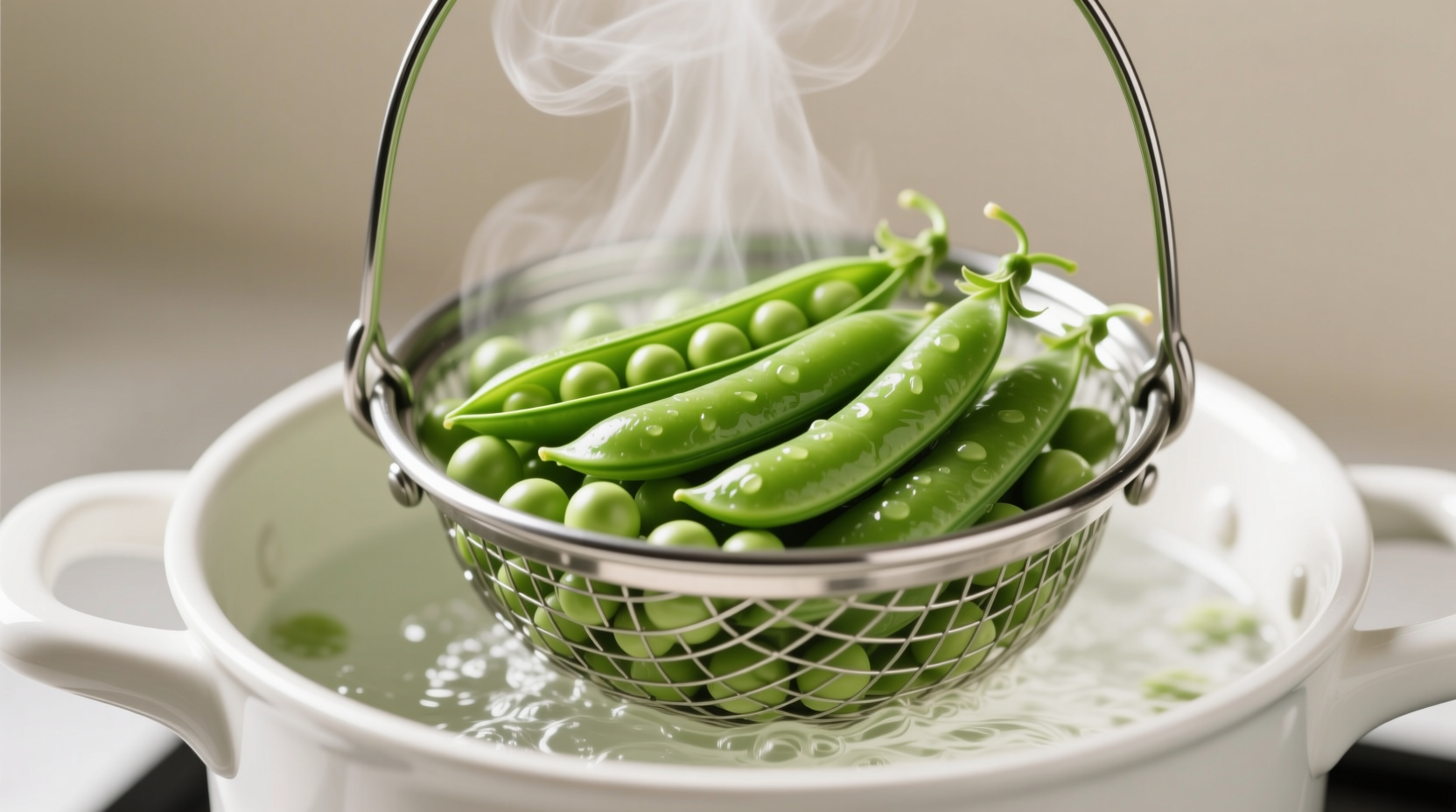
To cook fresh peas from your garden, remove them from their pods, rinse them, and boil them in lightly salted water for 2 to 5 minutes. Drain when they are tender and bright green, then add butter, salt, and black pepper. Older peas may need 6 to 10 minutes, so taste a few as they cook.
Fresh garden peas make a simple side dish for an American spring or summer meal. You can serve them with roast chicken, grilled steak, baked fish, mashed potatoes, or a bowl of warm rice. Their mild, sweet taste needs little help from other foods.
The best way to cook fresh peas depends on their type and age. English peas, also called garden peas, grow inside firm pods that you open before cooking. Snow peas and snap peas have edible pods, so they need a different kind of prep. This guide focuses on shelled garden peas and explains how to boil, steam, sauté, season, store, and freeze them.
Start by checking what kind of peas you picked. English peas are the round green peas most people picture in a bowl of buttered peas. Their pods protect the seeds, but the pods are usually too tough to eat.
Fresh peas from a home garden can vary in size, sweetness, and texture. Young peas tend to taste sweet and cook fast. Large, mature peas may have a firmer skin and need more time in the pot.
Snow peas and snap peas are different. Snow peas have flat pods with small seeds, while snap peas have fuller pods that are often crisp and sweet. Both types can be eaten whole after the tough stem ends and strings are removed when needed.
Source: spice.alibaba.com
English garden peas
Remove the peas from their pods before cooking. Use them for boiled peas, mashed peas, soups, and warm side dishes.
Snow peas
Keep the tender pods intact. They are well suited to quick steaming, stir-frying, and salads when properly prepared.
Sugar snap peas
Eat the pods and seeds together. Trim the ends and pull away any tough strings before cooking.
How to Tell When Garden Peas Are Ready to Pick
Pick English peas when the pods feel full but still look green and fresh. The peas should fill much of each pod without making it overly hard or yellow. Check a pod before harvesting a large batch to see whether the peas have the size and taste you want.
Avoid leaving pods on the plant too long if you want tender peas for dinner. As peas mature, their sugars change and the seeds can become more starchy. If your peas are already large, they can still be useful in soups, stews, and mashed pea dishes.
Look at the pod
Choose green, firm pods without major yellow patches, mold, or soft spots.
Taste one pea
A sweet, tender pea is a good sign that the crop is ready for a simple side dish.
What You Need to Cook Fresh Garden Peas
You do not need special kitchen tools to cook fresh peas. A pot, a colander, and a spoon are enough for the basic boiling method. A small saucepan works well for a few servings, while a larger pot gives a bigger batch room to cook evenly.
For a basic side dish, plan on about 1 to 2 cups of shelled peas for two people, depending on what else you are serving. A larger pile of pods may yield much less than its starting volume once you remove the shells. The exact yield depends on the size and fullness of the pods.
Butter, salt, and black pepper are enough to season the peas. You can also use olive oil, fresh mint, parsley, lemon juice, garlic, or a splash of vegetable broth. Add only a little seasoning at first, then adjust after tasting.
Source: athomewithjemma.com
Fresh garden peas
Use shelled English peas. Remove any damaged or discolored peas before cooking.
Water
Use enough to cover the peas during boiling, usually a few cups in a small saucepan.
Salt
A small pinch in the cooking water can add flavor. You can adjust the salt again after draining.
Butter or oil
Use about 1 tablespoon for 1 to 2 cups of cooked peas, then add more if needed.
Basic kitchen tools
Keep a saucepan, colander, spoon, and small bowl ready before you start.
Should You Wash Peas Before Shelling Them?
Rinse the pods under cool running water before opening them if they have soil or garden debris on the outside. Shell the peas with clean hands, then rinse the loose peas in a colander. This helps remove dust, bits of pod, and other debris.
Do not soak the peas for a long time just to clean them. A quick rinse is enough for normal garden dirt. Discard any peas that are moldy, badly damaged, or slimy.
Use clean hands
Wash your hands before handling fresh produce and after touching dirty garden tools or soil.
Check the peas
Remove dried plant bits, damaged seeds, and any debris before the peas go into the pot.
How to Cook Fresh Peas From Garden by Boiling
Boiling is one of the easiest ways to cook shelled garden peas. It needs little effort, uses common kitchen tools, and works well for both small and medium batches. The key is to use a short cooking time and taste the peas before they become soft and dull.
The times below are starting points, not strict rules. Small peas picked young may cook in 2 to 3 minutes, while larger or older peas can take 5 to 10 minutes or longer. Pea size, age, and the amount in the pot all affect the result.
Source: gardening.alibaba.com
Step 1: Shell the peas
Open each pod and slide the round peas into a bowl. Discard the empty pods unless you plan to use clean pods for stock or compost.
Step 2: Rinse the peas
Place the peas in a colander and rinse them with cool running water. Drain off excess water.
Step 3: Bring water to a boil
Fill a saucepan with enough water to cover the peas. Bring it to a steady boil over medium-high heat.
Step 4: Add the peas
Carefully add the peas to the boiling water. Add a small pinch of salt if desired.
Step 5: Cook until tender
Start checking after 2 minutes. Stir once or twice, then taste a pea every minute until it is tender but still holds its shape.
Step 6: Drain and season
Drain the peas as soon as they reach the texture you like. Toss with butter or olive oil, then add salt, pepper, or herbs.
How Long Should You Boil Fresh Peas?
Most tender, shelled garden peas need about 2 to 5 minutes in boiling water. Older peas may need 6 to 10 minutes or more. Begin with the shorter time and test the texture before cooking further.
A cooked pea should feel tender when you bite it. It may have a slight bite in the center, but it should not taste raw or feel hard. Stop cooking when the peas reach your preferred texture.
Very small, young peas
Start checking after 2 minutes because these peas can soften quickly.
Medium, fresh peas
Check around 3 to 5 minutes, then cook longer if needed.
Large or mature peas
Allow about 6 to 10 minutes as a starting range, with extra time if they remain firm.
How to Keep Peas Bright Green
Cook the peas only until tender, then drain them at once. Long cooking can make their color less vivid and their texture soft. A pot with enough boiling water also helps the peas cook more evenly than a crowded pot with very little water.
If you will serve the peas cold in a salad, move them into a bowl of ice water after cooking to stop the cooking process. Drain them well before adding them to the salad. For a hot side dish, a quick drain and immediate seasoning are usually all you need.
Do not overcook
Taste near the end of the cooking time and remove the peas once they are tender.
Avoid a long soak
Drain the peas instead of leaving them in hot water after they are cooked.
How to Steam Fresh Garden Peas
Steaming is a good option when you want tender peas without cooking them directly in a pot of water. The peas sit above the water and cook in the steam. This method works well for small batches and makes it easy to control the texture.
Add about an inch of water to a saucepan and place a steamer basket above it. Make sure the water does not touch the peas in the basket. Bring the water to a boil, add the shelled peas, cover the pan, and steam until tender.
Source: artofit.org
Prepare the pan
Add water below the steamer basket and bring it to a boil.
Add the peas
Spread the rinsed peas in the basket in a fairly even layer.
Cover and steam
Start checking after 3 minutes. Many young peas take about 3 to 5 minutes, while older peas may need more time.
Test and serve
Taste a pea before removing the basket. Toss the cooked peas with butter, herbs, or a little lemon juice.
When Is Steaming Better Than Boiling?
Choose steaming when you want to avoid draining a pot of water or when you are cooking a small amount. It also lets you cook the peas in a compact basket while another dish cooks on the stove.
Boiling may be easier when you have a large batch or need the peas for a recipe that calls for drained peas. Both methods can produce tender results. The pea’s age and the time spent cooking matter more than choosing one method as the only right way.
Steam for a small batch
Use a basket and lid to cook a few servings with little water.
Boil for a large batch
Use a roomy pot so the peas can cook in water and drain quickly afterward.
How to Sauté Fresh Peas in a Pan
Sautéing adds a light buttery flavor and works well when you want to season the peas as they cook. It is especially useful for peas that have already been boiled or steamed. You can also cook young peas from raw in a covered pan with a small amount of water.
Warm a tablespoon of butter or olive oil in a skillet over medium heat. Add the peas and stir for 2 to 3 minutes if they are already cooked. For raw peas, add a splash of water, cover the pan, and cook until tender, checking often and adding more water if the pan becomes dry.
Source: qaqooking.wiki
Use medium heat
Gentle heat helps the peas warm through without burning the butter or leaving the centers hard.
Stir now and then
Move the peas around the pan so they warm evenly and pick up the seasoning.
Add herbs near the end
Stir in chopped parsley, mint, or chives shortly before serving to keep their flavor fresh.
Simple Garlic Butter Garden Peas
For a quick garlic butter side dish, cook the peas until just tender using the boiling or steaming method. Melt butter in a skillet over low to medium heat, then add a small amount of finely chopped garlic. Stir briefly until fragrant, taking care not to let the garlic brown.
Add the drained peas and toss them for about 1 to 2 minutes. Season with black pepper and a little salt, then finish with chopped parsley or a few drops of lemon juice. Keep the garlic mild so it does not cover the peas’ sweet taste.
For 2 servings
Use about 2 cups of shelled peas, 1 tablespoon of butter, 1 small garlic clove, and salt and pepper to taste.
For a lighter finish
Replace some or all of the butter with olive oil and add lemon juice just before serving.
Easy Ways to Season Fresh Garden Peas
Fresh peas have a mild, sweet flavor, so a small amount of seasoning often works best. Start with butter or olive oil, a pinch of salt, and black pepper. Taste the dish before adding more salt, especially if the peas will be served with a salty main course.
Herbs and citrus can add a fresh note without much work. Mint is a classic match for peas, while parsley and chives offer a mild green flavor. Lemon zest or a small squeeze of lemon juice can brighten the dish just before it reaches the table.
Source: nordicrecipebox.com
Butter and black pepper
Use this simple mix for a familiar side dish with roast meat, potatoes, or fish.
Mint and lemon
Add chopped mint and a little lemon juice for a fresh spring flavor.
Garlic and olive oil
Warm a little garlic in olive oil, then toss in cooked peas for a savory finish.
Parmesan and herbs
Add a small amount of grated Parmesan and chopped parsley after cooking for a richer taste.
Onion and broth
Soften finely chopped onion in a little oil, add cooked peas and a splash of vegetable broth, then heat through.
Should You Add Salt Before or After Cooking?
You can add a small pinch of salt to the boiling water or season the peas after draining. Either approach works for a simple side dish. Adding salt at the end gives you more control over the final taste.
If you are cooking peas for a soup, casserole, or other mixed dish, account for the salt in the rest of the recipe. Broth, cheese, bacon, and salted butter can all add more salt than you expect.
For plain peas
Use a small pinch in the water or season after cooking.
For a rich main dish
Taste the peas with the meal before adding extra salt.
How to Cook Older or Tough Garden Peas
Older garden peas may need more cooking time than young peas. Their texture can be firmer, and their taste may be less sweet. A longer simmer can soften them, but it is still best to test the texture instead of leaving them on the stove without checking.
If the peas stay firm after the first few minutes, keep them at a gentle boil and taste one every 1 to 2 minutes. Add a little more hot water if the level drops too low. Drain them once they soften enough for the dish you plan to make.
Source: healthyseasonalrecipes.com
For a side dish
Cook until the peas are tender enough to bite easily, then season with butter or oil.
For soup
Simmer the peas in broth with onion, carrot, or herbs until they soften. Blend part of the soup if you want a smoother texture.
For mashed peas
Cook until very tender, drain well, then mash with butter or olive oil and a small splash of warm water or broth.
Can You Rescue Overcooked Peas?
Peas that have turned soft can still be useful, even if they no longer look neat on the plate. Drain them well and fold them into soup, pasta, rice, or a vegetable mash. Their flavor can still work in these dishes, where a firm shape is less important.
If the peas have become mushy, avoid stirring them hard into a dish that needs whole vegetables. Mash them on purpose and season with butter, lemon, herbs, or pepper. This turns a texture problem into a different style of side dish.
For soup
Add the soft peas near the end of cooking or blend them into the broth.
For a spread
Mash the peas with olive oil, lemon juice, garlic, and herbs.
What to Serve With Fresh Garden Peas
Fresh peas fit into many everyday meals. Their mild flavor works with meat, fish, eggs, potatoes, rice, and other vegetables. Serve them hot with a little butter for a simple dinner, or let them cool before adding them to a grain salad.
A small bowl of peas can also add color and texture to meals that need another vegetable. Since peas are naturally sweet, they pair well with savory foods and herbs. Keep the seasoning light when the main dish already has a strong sauce.
Source: qaqooking.wiki
Roast chicken or turkey
Serve buttered peas with roasted poultry, potatoes, and pan juices.
Steak or pork chops
Add garlic butter peas as a green side that balances a rich main dish.
Fish or shrimp
Season peas with lemon and parsley for a fresh match with seafood.
Rice or pasta
Stir cooked peas into rice, pasta, or a creamy dish near the end of cooking.
Eggs and toast
Serve peas beside scrambled eggs, an omelet, or a slice of toast for a light meal.
A Quick Garden Pea and Pasta Dish
Cook pasta in salted water and reserve a little cooking water before draining. While the pasta cooks, boil or steam the peas until just tender. Warm olive oil or butter in a pan with a little garlic, then add the peas and drained pasta.
Toss everything with a splash of pasta water, black pepper, and grated cheese if desired. Add lemon zest or chopped parsley for a fresh finish. This is an easy way to use a small harvest without making a separate side dish.
Keep the peas tender
Cook them separately and add them near the end so they do not break apart while you toss the pasta.
How to Store Fresh Peas Before and After Cooking
Fresh garden peas taste best when cooked soon after picking, but you do not have to use the whole harvest on the same day. Keep unwashed pods in a breathable bag or container in the refrigerator and use them as soon as practical. Warm weather can make freshly picked peas lose quality faster, so move them into the fridge promptly.
For the best texture, shell the peas close to the time you plan to cook them. If you shell them early, place the peas in a covered container in the refrigerator. Wash them before cooking rather than leaving wet peas stored for a long time.
Source: spice.alibaba.com
Fresh pods
Refrigerate promptly in a breathable bag or suitable produce container.
Shelled peas
Keep them in a covered container in the refrigerator and use them soon.
Cooked peas
Refrigerate within 2 hours of cooking in a clean, shallow container. Use within 3 to 4 days.
How to Freeze Fresh Garden Peas
Freezing is a useful way to save a large harvest for later meals. For the best quality, shell the peas, rinse them, and blanch them before freezing. Blanching means briefly heating vegetables in boiling water, then cooling them quickly to slow the natural changes that affect flavor, color, and texture.
Bring a pot of water to a boil and add the shelled peas. Blanch small, tender peas for about 1 to 2 minutes, using a tested timing guide for their size if you need a more exact result. Move them straight into ice water to stop the cooking, then drain and dry them well.
Spread the peas on a tray so they freeze separately, then transfer them to freezer-safe bags or containers. Remove excess air, label the container with the date, and freeze at 0 degrees Fahrenheit or below. For the best quality, use frozen peas within about 8 to 12 months.
Blanch first
Briefly heat the peas in boiling water, then cool them quickly in ice water.
Dry before packing
Remove extra water to help limit ice buildup in the freezer bag.
Label the bag
Write the date on the bag so you can use older batches first.
Cook from frozen
Add frozen peas directly to boiling water, soup, or a hot pan. Adjust the cooking time and check for tenderness.
How to Reheat Cooked Peas
Reheat refrigerated peas in a saucepan over low to medium heat with a small splash of water or broth. Stir gently until they are steaming hot throughout. You can also warm them in the microwave in a covered microwave-safe dish, stirring partway through.
Add fresh butter or herbs after reheating if the original seasoning has faded. Avoid cooking them for a long time again, since extra heat can make them mushy. Reheat only the amount you plan to eat.
Use gentle heat
Warm the peas just long enough to heat them through.
Add a little liquid
A spoonful of water or broth helps prevent the peas from drying out.
Common Mistakes When Cooking Garden Peas
Most problems with fresh peas come from cooking them too long, using peas that are too mature for a quick side dish, or leaving them in hot water after draining. A few small changes can help you get a better result without changing your whole cooking method.
Start checking early, taste the peas as they cook, and drain them as soon as they reach the right texture. If the peas are older or unusually large, give them more time rather than turning up the heat too much.
Source: gardening.alibaba.com
Cooking by time alone
Peas vary in size and age. Taste one near the end of the suggested time and keep cooking only if needed.
Leaving peas in hot water
Drain them promptly because residual heat can soften them further.
Using too much seasoning
Start with a small amount of salt, butter, or garlic so the peas’ own flavor stays clear.
Crowding a small pan
Use a pot or skillet with enough room for even cooking. Cook in batches if needed.
Expecting older peas to cook like young peas
Older peas may need more time and may work better in soup or mashed dishes.
Storing cooked peas at room temperature
Refrigerate leftovers within 2 hours, or within 1 hour if the room or outdoor temperature is above 90 degrees Fahrenheit.
Why Are My Fresh Peas Still Hard?
The peas may be mature, large, or simply not cooked long enough. Keep them simmering and check every minute or two until they soften. Add more hot water if the pan is running dry.
If the peas remain tough after a long simmer, their age may be the main issue. Use them in soup or a longer-cooked dish rather than expecting the same tender texture as newly picked peas.
Extend cooking time
Continue simmering and taste at regular intervals.
Change the final dish
Use firm peas in a soup or mash if they do not suit a simple side dish.
Why Did My Peas Turn Dull or Mushy?
Long cooking is a common reason peas lose their bright look and firm texture. A large batch can also cook unevenly if the pot is too small or the water does not return to a boil promptly. Begin checking early and drain the peas as soon as they are tender.
Mushy peas can still be eaten if they were handled and stored safely. Mash them with a little butter or olive oil, or stir them into soup. Discard them if they smell spoiled or show signs of mold.
Use a timer as a reminder
Set a short timer, but use taste and texture to decide when the peas are done.
Stop the cooking
Drain hot peas at once or cool them quickly if the recipe calls for cold peas.
Frequently Asked Questions
Q
Do you have to shell fresh garden peas before cooking?
Yes, if you are cooking English garden peas, remove the round peas from their pods first. The pods are usually too firm to eat as a simple cooked vegetable. Snow peas and sugar snap peas are different because their tender pods are edible after any tough strings or ends are removed.
Q
How long do fresh peas take to cook?
Young, shelled garden peas often take about 2 to 5 minutes in boiling water. Older or larger peas may need 6 to 10 minutes or more. Start checking early and taste a pea to judge when it is tender.
Q
Should I soak fresh peas before cooking?
No, fresh garden peas do not need to soak before cooking. Shell them, rinse them under cool running water, and cook them soon after prep. Dried split peas are a different food and need a different cooking method.
Q
Can you eat fresh garden peas raw?
Fresh, clean garden peas are commonly eaten raw when they are young and tender. Wash them under running water before eating and discard any damaged or spoiled peas. Cooking is a good option if you prefer a softer texture or want to serve them warm.
Q
Can I cook garden peas without boiling them?
Yes. You can steam them in a covered pan with a steamer basket or sauté them in a skillet with a little oil or butter. Young peas can also cook in a covered skillet with a small splash of water. Check often so they do not dry out or become too soft.
Q
Can I freeze fresh peas without blanching them?
You can physically freeze peas without blanching, but their quality may decline faster during storage. Blanching before freezing helps slow changes in flavor, color, and texture. Cool the peas quickly in ice water, drain them well, and pack them in freezer-safe containers.
Q
How can I tell if fresh peas have gone bad?
Discard peas with a rotten or sour smell, a slimy feel, visible mold, or unusual soft, wet spots. Yellowing can indicate age or loss of quality, though color alone does not prove that peas are unsafe. When spoilage is clear or you are unsure about their condition, do not taste them to check.
✦ Wrapping Up
Conclusion
Cooking fresh peas from your garden is easy once you know how quickly they soften. Shell and rinse the peas, boil them for about 2 to 5 minutes to start, and taste them before draining. Older peas may need more time, while young peas often need very little.
Butter, salt, and black pepper make a simple side dish, but herbs, garlic, lemon, and olive oil offer other easy ways to add flavor. Steam or sauté the peas when you want a change from boiling. Refrigerate leftovers promptly and blanch extra peas before freezing them for later meals.
💡 Key Takeaway
For your next harvest, shell 2 cups of fresh garden peas, boil them in salted water for 2 minutes, and taste one. Continue cooking in short intervals until tender, drain at once, and toss with butter, black pepper, and a little chopped parsley.