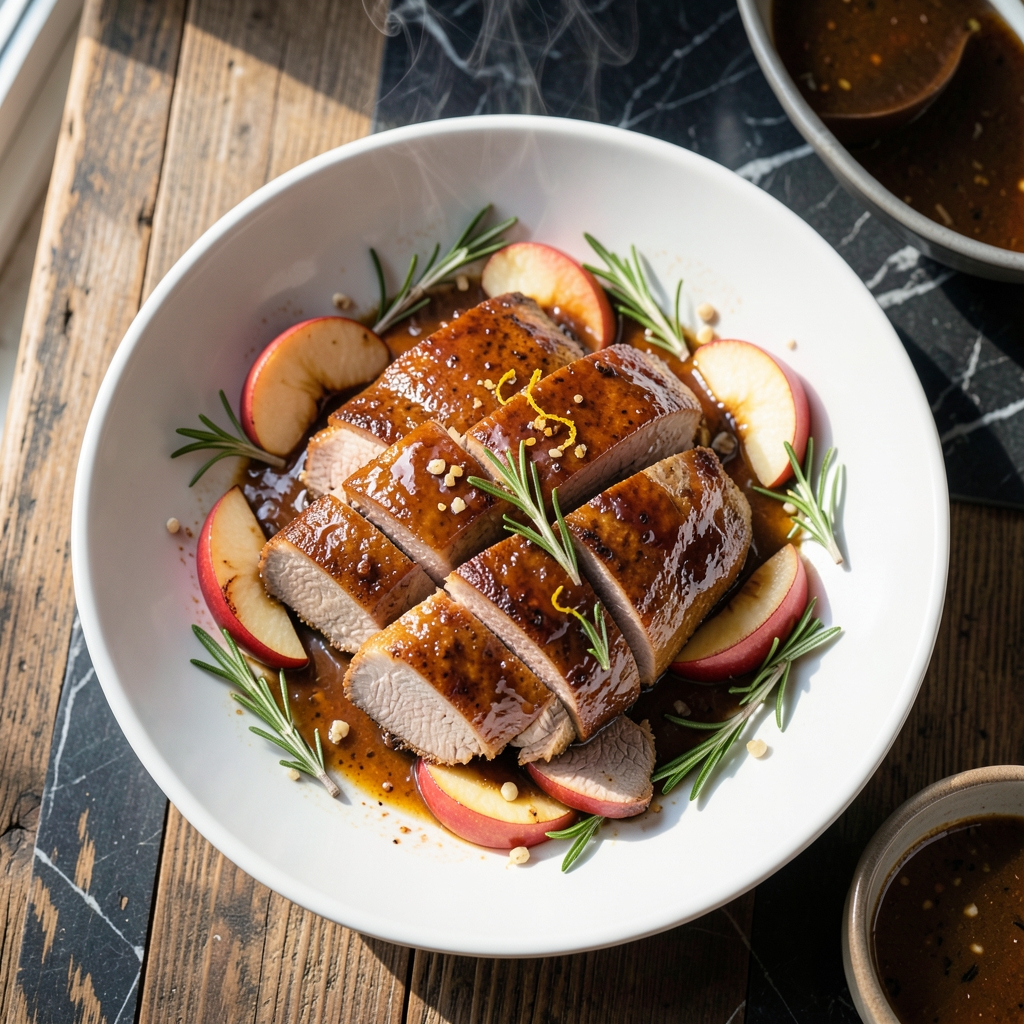
Bake a Smithfield pork tenderloin in a preheated 400°F oven for about 20 to 30 minutes, depending on its size and thickness. Check the thickest part with a meat thermometer. The pork is ready when it reaches 145°F, followed by a three-minute rest. Always check the package directions because Smithfield sells different seasoned pork cuts.
In American kitchens, pork tenderloin makes a handy main dish for a weeknight meal, Sunday dinner, or a small family gathering. A Smithfield seasoned tenderloin can save time because the meat often comes with its own flavor blend. You can cook it with little extra prep and still serve a full meal with potatoes, green beans, carrots, or a fresh salad.
The key is to avoid cooking the pork by time alone. A small tenderloin may finish before a larger one, and a thick piece can need more time than a thin one. Oven temperature, the shape of the meat, and whether it starts cold all affect the result. A meat thermometer gives you a much better way to tell when dinner is ready.
This guide explains how to prepare the pork, choose a baking dish, set the oven, check doneness, and serve the meat. It also covers common problems, safe storage, and ways to use leftovers. The method is designed for a raw, refrigerated, seasoned Smithfield pork tenderloin, but the package label should take priority if it gives different directions.
You need only a few basic items to roast a seasoned Smithfield pork tenderloin. The meat may already contain oil, herbs, spices, or a marinade, so extra seasoning is often optional. Read the package first to learn whether the product needs thawing, has added sauce, or includes special cooking instructions.
For the basic oven method, gather the pork, an oven-safe baking dish, a meat thermometer, and a cutting board. Tongs or a clean fork can help you move the meat, while a sharp knife makes it easier to slice after resting. A little oil is useful only if the dish needs it or you want to add vegetables.
Source: janeovenrecipes.com
One Smithfield pork tenderloin
Use a raw, refrigerated product that has been stored as directed. Check the package weight and cooking instructions before you begin.
Oven-safe baking dish
Choose a shallow dish or roasting pan large enough to hold the meat without crowding it.
Digital meat thermometer
Use this to check the center of the thickest part. A thermometer is more reliable than color or cooking time.
Optional vegetables and herbs
Potatoes, carrots, onions, garlic, rosemary, and thyme can make the meal more complete. Keep the seasoning light if the pork is already well seasoned.
Check the Package Before Cooking
Smithfield offers several pork products, and their names can be easy to mix up. A pork tenderloin is a long, narrow cut from the loin area. A pork loin filet is often wider and thicker, so it may need a different cooking time.
Look for the product name, net weight, storage directions, and oven instructions on the label. Some products are sold with marinades or seasonings, while others may be intended for a different cooking method. If the label gives a specific oven temperature and cooking range, follow those directions and use a thermometer to confirm doneness.
Raw refrigerated pork
Follow the package directions for cooking from its current state.
Frozen pork
Thaw it safely in the refrigerator before using the standard cooking-time estimate, unless the product label provides a validated method for cooking from frozen.
Pre-cooked pork
Use the label’s reheating instructions instead of treating it like raw tenderloin.
What Temperature Should You Use for Smithfield Pork Tenderloin?
A 400°F oven is a practical starting point for a raw, seasoned pork tenderloin. This temperature helps the outside brown while the inside cooks without requiring a long roast. It also works well for a simple dinner when you want to add vegetables to the same pan.
The exact temperature can vary by product, so check the package before setting the oven. Some instructions call for a lower temperature or a different cooking method. Do not raise the heat just to shorten the cooking time, since the outside can dry out before the center is ready.
Source: spendwithpennies.com
Recommended starting temperature
Use 400°F for the basic oven method when the package does not specify another temperature.
Preheating
Let the oven reach the set temperature before putting the pork inside. This makes the cooking process more predictable.
Convection ovens
Follow the appliance and package guidance. A fan-assisted oven may cook food faster, so start checking the internal temperature early.
Should You Cover the Pork With Foil?
You usually do not need to cover a pork tenderloin during roasting. Leaving it uncovered allows the outside to brown and lets excess moisture escape. A tight foil cover traps steam, which can soften the surface rather than create a roasted finish.
If the outside is getting too dark before the center reaches 145°F, loosely tent the meat with foil for the remaining cooking time. Keep the thermometer in place only if it is designed to remain in the oven. Remove the foil carefully because hot steam can escape when you lift it.
For a browned surface
Roast uncovered in a suitable oven-safe pan.
For an overly dark surface
Loosely cover the meat with foil and continue cooking until it reaches the safe internal temperature.
How Long to Cook a Smithfield Pork Tenderloin in the Oven
A typical Smithfield pork tenderloin may take around 20 to 30 minutes at 400°F, but this is only a planning estimate. Weight matters, yet thickness matters too. Two pieces with the same weight may cook at different rates if one is much thicker than the other.
Start checking the meat before the end of the estimated cooking range. Insert the thermometer into the thickest section without touching the pan. If the reading is below 145°F, return the pork to the oven and check again after a few minutes.
Source: howtocookguides.com
Small or thin tenderloin
It may finish near the early end of the estimated range. Begin checking early so it does not overcook.
Larger or thicker tenderloin
It may need more time. Use temperature readings rather than adding a fixed number of minutes based only on weight.
Multiple pieces in one pan
Leave space between them and check each piece separately. They may not finish at the same time.
A Simple Cooking-Time Guide
Use the following guide to plan your meal, not as a guarantee. The ranges assume a raw, refrigerated pork tenderloin in a preheated 400°F oven, with no unusual package directions. Start checking early and remove the meat only when the thickest part reaches the required temperature.
First 15 minutes
Keep the oven closed as much as practical so the heat stays steady. Avoid opening the door repeatedly.
Around 20 minutes
Begin checking the internal temperature if the tenderloin is small or thin.
Around 25 to 30 minutes
Check again if the center is not yet at 145°F. Larger or thicker pieces may take longer.
After cooking
Rest the pork for at least three minutes before slicing. A slightly longer rest can make serving easier.
Why Cooking Time Can Change
A tenderloin that goes into the oven straight from the refrigerator may cook differently from one that has sat out briefly during prep. Pan material, oven calibration, the amount of space around the meat, and added vegetables can also affect the rate of cooking.
Do not leave raw pork at room temperature for a long period in an attempt to speed things up. Keep it chilled until you are ready to prepare it, then cook it promptly. A thermometer is the best way to account for normal differences in the meat and oven.
Thickness
The thickest area usually determines when the whole piece is ready.
Oven accuracy
An oven that runs cool may extend cooking time, while one that runs hot may brown the outside too quickly.
Added vegetables
A crowded pan or a large amount of cold food can affect heat circulation and timing.
Step-by-Step: How to Cook a Smithfield Pork Tenderloin in the Oven
The basic process is simple: prepare the pan, place the pork in the oven, check the center, and let the meat rest. You do not need to sear it first unless you want extra browning and are willing to use another pan. The oven-only method keeps prep and cleanup easy.
Set the oven to 400°F, unless the package lists another temperature. Make sure the oven rack is in the center position.
Step 2: Prepare the baking dish
Use a shallow oven-safe pan. Lightly oil it only if needed, and avoid adding water unless the package instructions call for it.
Step 3: Prepare the pork
Open the package and remove any outer wrapping. Follow the label for included sauce or seasoning, and do not rinse the raw meat.
Step 4: Place the tenderloin in the pan
Arrange the meat in a single layer with room around it. If the shape is uneven, tuck a very thin tail under itself only if doing so helps it cook more evenly without forcing the meat into a tight bundle.
Step 5: Roast the pork
Place the pan on the center rack. Begin checking the temperature around the early part of the expected cooking range.
Step 6: Check the internal temperature
Insert a food thermometer into the thickest part. Avoid touching the pan or pushing the probe all the way through the meat.
Step 7: Finish cooking if needed
If the center is below 145°F, return the pork to the oven. Check again after a few minutes rather than guessing how much time remains.
Step 8: Rest before slicing
Transfer the cooked pork to a clean cutting board or serving plate. Rest for at least three minutes before cutting.
How to Tell When the Pork Is Done
The most reliable sign of doneness is an internal temperature of 145°F in the thickest part, followed by a rest of at least three minutes. This is the recommended minimum temperature for whole cuts of pork under USDA guidance. Use a clean thermometer and check more than one spot if the meat has an uneven shape.
The outside may look golden brown, but color alone cannot confirm that the center has reached a safe temperature. Pork can still look slightly pink at 145°F, and that does not automatically mean it is undercooked. Temperature, not a fully white or gray color, is the deciding check for a whole pork tenderloin.
Use a thermometer
Check the center of the thickest section for at least 145°F.
Allow a rest
Wait at least three minutes after the pork reaches the target temperature.
Check uneven sections
If the tenderloin varies greatly in thickness, check more than one area and make sure the thickest part is ready.
Should You Add Oil, Water, or Extra Seasoning?
A seasoned Smithfield pork tenderloin often needs very little added flavor. The marinade or spice coating may already contain salt, herbs, sugar, or oil. Taste the cooked meat before adding more salt at the table, especially if the package describes it as seasoned or marinated.
Extra liquid is not usually needed for roasting. Water in the bottom of the pan can create steam and reduce browning, although a small amount of broth may be useful if you are deliberately making a pan sauce. Follow the product label if it calls for a specific amount of liquid or includes a sauce packet.
Source: peanutblossom.com
Oil
Use a small amount on vegetables or the pan if needed. A pre-seasoned tenderloin may already have enough oil in its coating.
Salt
Check the package seasoning before adding more. Extra salt can make the finished meat too salty.
Black pepper and herbs
Add these only if they suit the existing flavor. Garlic, thyme, rosemary, and smoked paprika can work with many pork seasonings.
Broth or water
Do not add liquid by default. Use it only when the recipe or package method calls for it.
Can You Add Vegetables to the Same Pan?
Yes, you can roast vegetables with the pork if the pan has enough room. Potatoes, carrots, onion wedges, and Brussels sprouts are useful options. Cut firm vegetables into fairly small, even pieces so they have a better chance of cooking through in the same time.
Vegetables may need longer than the pork, especially if the pieces are large. Start them earlier or use a separate pan if needed. Keep raw pork juices away from food that will be eaten without further cooking, and make sure vegetables exposed to raw meat juices are cooked thoroughly.
Potatoes and carrots
Cut them into small chunks and give them enough time to soften. Start them before the pork if they need a longer roast.
Onions and garlic
Add thick onion wedges for a savory side. Whole or large pieces of garlic are less likely to burn than finely minced garlic.
Green beans and tender vegetables
Add them later in the cooking process or roast them separately so they do not become too soft.
How to Keep Smithfield Pork Tenderloin Juicy
The best way to keep pork tenderloin juicy is to avoid overcooking it. Tenderloin is a lean cut, so it has less fat to protect it during a long roast. Once the center reaches the safe temperature, continuing to cook it can make the meat firmer and drier.
A thermometer, a short rest, and careful slicing do more for texture than frequent basting. Opening the oven again and again can slow cooking, while repeated poking with a fork can release some juices. Let the oven do its work and check the temperature only when it makes sense.
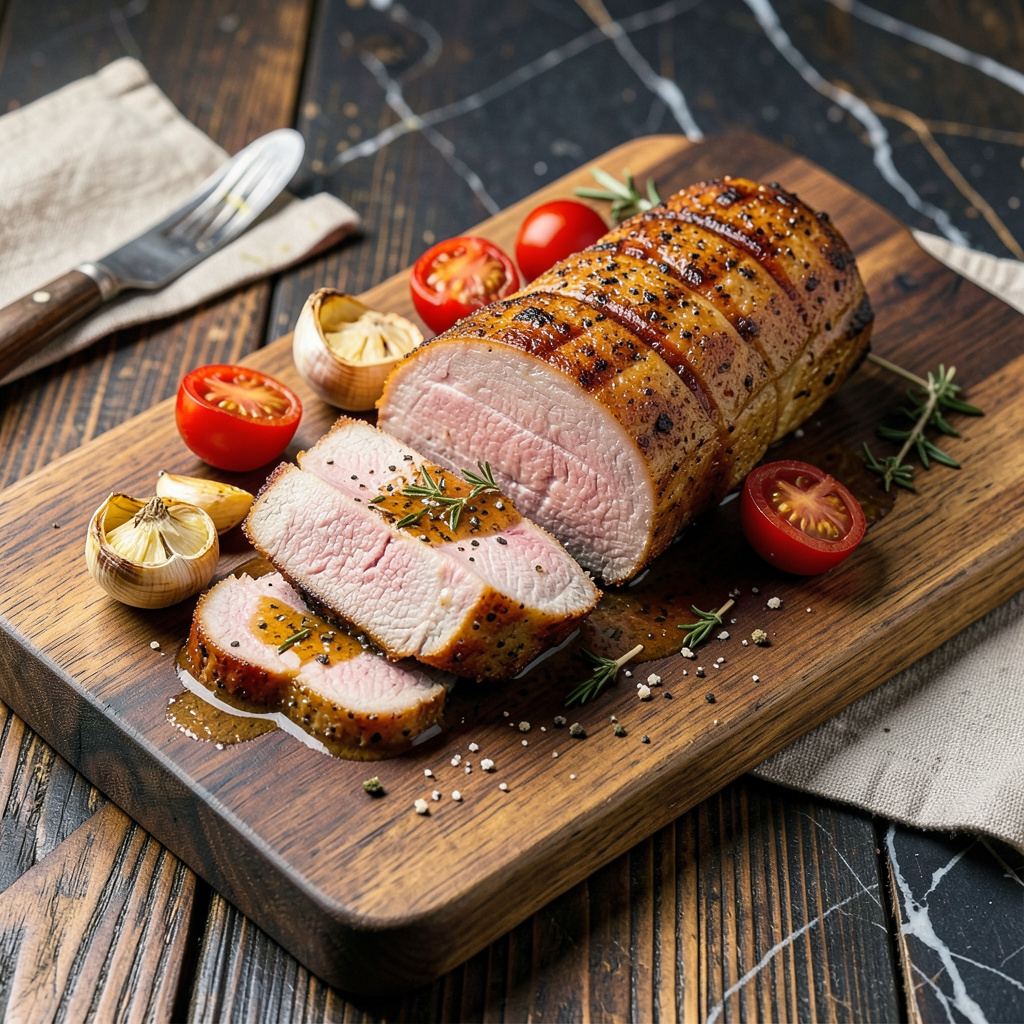
Source: images.pexels.com
Do not cook by time alone
Use the cooking-time range as a guide and remove the pork when the center reaches the required temperature.
Avoid excessive heat
Follow the recommended oven setting instead of raising it to force a faster result.
Rest the meat
Give the pork at least three minutes before slicing. Resting also makes it easier to cut neat pieces.
Slice across the grain
Look for the direction of the muscle fibers and cut across them. Shorter fibers can make each bite easier to chew.
What If the Pork Is Browning Too Fast?
If the outside is dark while the center remains below 145°F, loosely cover the pork with foil and continue roasting. Check the thermometer again after a few minutes. This slows further browning while the center continues to heat.
A very dark surface can also point to a sugary marinade or a pan placed too close to the heating element. Do not remove the meat solely because the outside looks done. Confirm the internal temperature before serving.
Lower the rack if needed
Move the pan toward the center of the oven if it is too close to the upper heating element and the oven setup allows it.
Use a loose foil tent
Shield the surface without wrapping the pork tightly.
What If the Pork Is Dry?
Dry pork often results from cooking beyond the point where it is safely done, although the cut itself and the way it is sliced can also affect tenderness. You cannot fully reverse overcooking, but thin slices served with warm pan juices, broth-based sauce, or a light gravy can help the meal feel less dry.
For the next roast, begin checking earlier and make sure the thermometer is placed correctly. A probe that touches the hot pan can give a misleading reading. Also check the product name, since a pork loin filet may need a different cooking plan from a narrow tenderloin.
For the current meal
Slice the pork thinly and serve it with a little warm sauce or cooking juice.
For next time
Check the temperature sooner and avoid cooking well past the safe target.
What to Serve With Oven-Baked Pork Tenderloin
Smithfield pork tenderloin pairs well with sides that balance its savory seasoning. Roasted potatoes, steamed green beans, corn, rice, and a crisp salad all work. Since the pork cooks fairly quickly, choose sides that can finish on the stovetop or cook in the oven at the same time.
Match the sides to the flavor on the package. A sweet or smoky marinade can pair well with roasted sweet potatoes or plain rice. A garlic and herb seasoning may work better with green beans, mashed potatoes, or a simple salad with a light dressing.
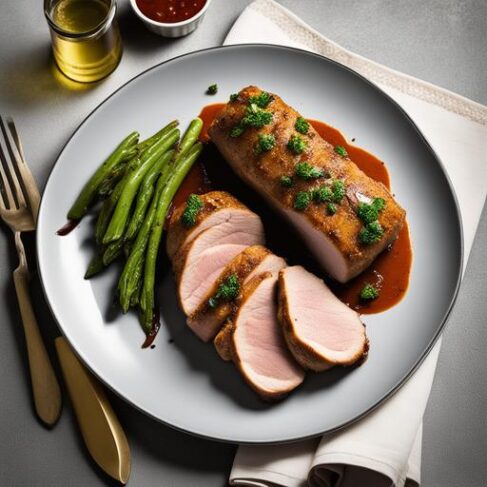
Serve sliced pork with mashed potatoes and steamed green beans.
For a sheet-pan meal
Roast carrots, onions, and potatoes in a separate or roomy pan, making sure they finish cooking safely.
For a lighter plate
Add a leafy salad, steamed broccoli, or roasted zucchini.
For leftovers
Serve the sliced pork in sandwiches, rice bowls, wraps, or a warm salad.
Make a Quick Pan Sauce
You can make a simple sauce from the browned bits left in an oven-safe pan, provided the pan is suitable for stovetop use. Move the cooked pork to a clean plate and let it rest. Place the pan over suitable heat, add a small splash of broth, and scrape up the browned bits with a wooden spoon.
Let the liquid simmer briefly, then taste it before adding salt. A little mustard or a small amount of butter can round out the flavor. If the original pan is not safe for the stovetop, transfer the juices and browned bits to a saucepan instead.
Use broth
Chicken or vegetable broth can help loosen browned bits and form a simple sauce.
Add flavor carefully
Mustard, black pepper, or a small amount of butter may work well, depending on the pork seasoning.
Common Mistakes to Avoid
A few small mistakes can affect the texture and safety of oven-baked pork. Most are easy to prevent once you know what to check. Focus on the package directions, thermometer placement, and clean handling.
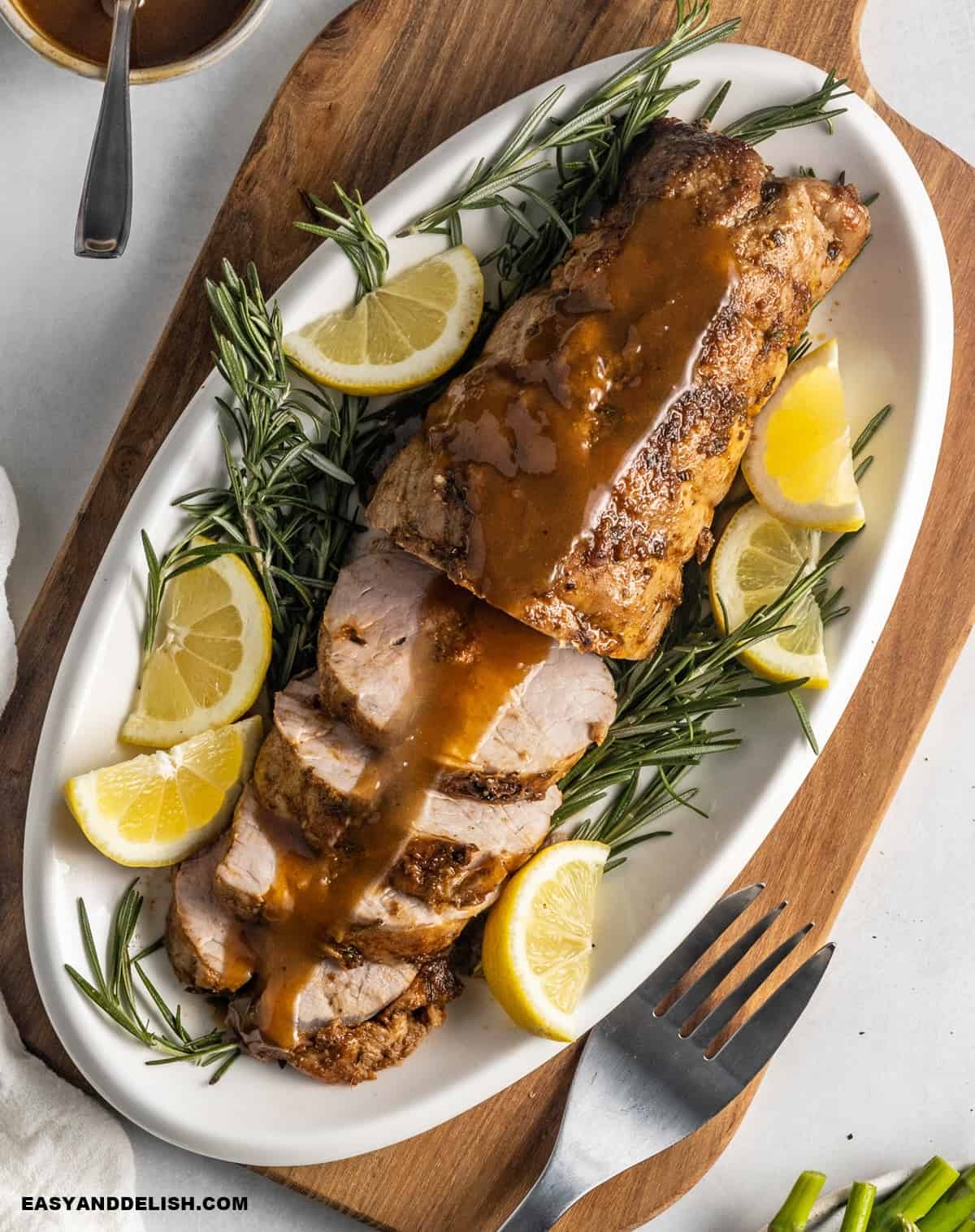
Source: easyanddelish.com
Confusing tenderloin with pork loin filet
These cuts can differ in shape and thickness. Check the package name instead of using the same cooking time for every Smithfield product.
Skipping the thermometer
A browned outside does not prove the center is ready. Check the thickest part and aim for 145°F, followed by at least three minutes of rest.
Adding too much salt
Seasoned or marinated pork may already contain enough salt. Taste before adding more.
Overcrowding the pan
Leave room around the meat so hot air can circulate. Cook separate pieces in different pans if needed.
Cutting the pork too soon
Allow the required rest before slicing. Cutting immediately can make serving messier and may release more juice onto the board.
Using the wrong probe location
Do not measure the temperature against the pan or in a very thin edge. Insert the probe into the thickest section.
Leaving raw pork out too long
Keep the meat refrigerated until prep. Perishable food should not sit at room temperature for more than two hours, or one hour when the surrounding temperature is above 90°F.
Food Safety Before and After Cooking
Wash your hands with soap and water after handling raw pork. Clean the cutting board, knife, thermometer probe, and work surfaces that came into contact with the uncooked meat. Do not rinse raw pork in the sink because splashing water can spread germs around the kitchen.
Place cooked pork on a clean plate rather than one that held the raw tenderloin. Refrigerate leftovers within two hours of cooking, or within one hour when temperatures are above 90°F. Store them in shallow, covered containers so they cool more quickly.
Safe minimum temperature
Whole cuts of pork should reach 145°F, followed by a three-minute rest.
Refrigerator storage
Keep cooked pork at 40°F or below and use it within three to four days.
Reheating leftovers
Reheat cooked pork leftovers to 165°F for food safety.
Freezing leftovers
Freeze promptly in airtight packaging if you will not eat the pork within the recommended refrigerator storage period.
How to Store and Reheat Leftover Pork Tenderloin
Store leftover Smithfield pork tenderloin in the refrigerator within two hours of cooking. Slice it before storage if that makes it easier to portion, or keep the piece whole if you prefer. Use a clean, airtight container and keep the refrigerator at 40°F or below.
Cooked pork leftovers are generally best used within three to four days in the refrigerator. For longer storage, freeze the meat in a freezer-safe container or bag and label it with the date. Remove as much excess air as practical to help limit freezer burn.
Source: janeovenrecipes.com
Refrigerate promptly
Do not leave the cooked pork on the counter for several hours after dinner.
Use shallow containers
Smaller portions cool more quickly than one deep container packed with hot food.
Reheat gently
Add a splash of broth or water, cover the dish, and heat until the leftovers reach 165°F.
Use the microwave carefully
Arrange slices in a single layer where possible, cover loosely, and turn or rearrange them during heating for more even results.
Can You Eat Cold Leftover Pork?
Cooked pork can be eaten cold if it was cooked safely, chilled promptly, and stored correctly. Cold slices work well in sandwiches, wraps, and salads. Discard the meat if it has been held too long at room temperature or if you are unsure how it was stored.
Do not rely on smell or appearance alone to decide whether questionable leftovers are safe. Harmful bacteria may be present without an obvious change in the food. When storage conditions are uncertain, the safer choice is to throw the pork away.
Good uses for cold pork
Try sandwiches, wraps, chopped salad, or a cold grain bowl.
When to discard it
Throw away pork that has spent too long outside safe temperature control or has an uncertain storage history.
Frequently Asked Questions
Q
How long does Smithfield pork tenderloin take at 400°F?
A typical raw, refrigerated Smithfield pork tenderloin may take about 20 to 30 minutes at 400°F. The exact time depends on its weight, thickness, starting temperature, and the oven. Check the thickest part with a meat thermometer and cook until it reaches 145°F, followed by a rest of at least three minutes.
Q
Should I cover Smithfield pork tenderloin while baking?
Usually, no. Roast the tenderloin uncovered if you want the outside to brown. If the surface becomes too dark before the center reaches 145°F, loosely tent it with foil and continue cooking.
Q
Can Smithfield pork tenderloin be a little pink inside?
Yes. Whole-cut pork can remain slightly pink when it has reached a safe internal temperature. Check that the thickest part reaches 145°F and let the meat rest for at least three minutes. Color alone cannot confirm doneness.
Q
Do I need to sear Smithfield pork tenderloin before baking?
No. You can cook a seasoned tenderloin in the oven without searing it first. Searing may add extra browning and flavor, but it is optional and requires another pan. The internal temperature still needs to reach 145°F, followed by a three-minute rest.
Q
Can I cook Smithfield pork tenderloin from frozen?
Check the package for directions that specifically cover cooking from frozen. The standard 20-to-30-minute estimate applies to a typical refrigerated tenderloin, not a frozen one. For a more predictable result, thaw the pork in the refrigerator before cooking and follow the package instructions.
Q
Is Smithfield pork tenderloin the same as pork loin filet?
No. Pork tenderloin is generally a long, narrow muscle, while a pork loin filet is often a wider and thicker cut. The names are not interchangeable for cooking purposes because shape and thickness affect the time needed. Read the exact product label and use a thermometer to confirm doneness.
Q
How do I keep the pork from drying out?
Avoid cooking it beyond the safe temperature, use a thermometer, and let the pork rest before slicing. Cut across the grain and serve with warm pan juices or sauce if desired. If the outside browns too quickly, loosely cover it with foil while the center finishes cooking.
Q
How long can cooked Smithfield pork tenderloin stay in the fridge?
Store cooked pork in a covered container at 40°F or below and use it within three to four days. Refrigerate it within two hours of cooking, or within one hour if the surrounding temperature is above 90°F. Reheat leftovers to 165°F.
✦ Wrapping Up
Conclusion
Cooking a Smithfield pork tenderloin in the oven is simple when you use the right temperature and check the center before serving. For a typical raw, refrigerated tenderloin, start with a preheated 400°F oven and plan for about 20 to 30 minutes. The package directions may call for a different method, so read the label before you begin.
The most useful tool is a meat thermometer. Cook the pork until the thickest part reaches 145°F, then let it rest for at least three minutes. Avoid extra cooking once it is ready, since tenderloin is lean and can dry out if left in the oven too long.
Serve the sliced pork with roasted vegetables, potatoes, rice, or a crisp salad. Chill leftovers promptly and reheat them safely when you need a quick meal later in the week. A few simple steps can turn a seasoned package of pork into a practical, satisfying dinner.
💡 Key Takeaway
Preheat the oven to 400°F, prepare the Smithfield pork tenderloin according to its package, and roast until the thickest part reaches 145°F. Rest for at least three minutes, slice across the grain, and serve.