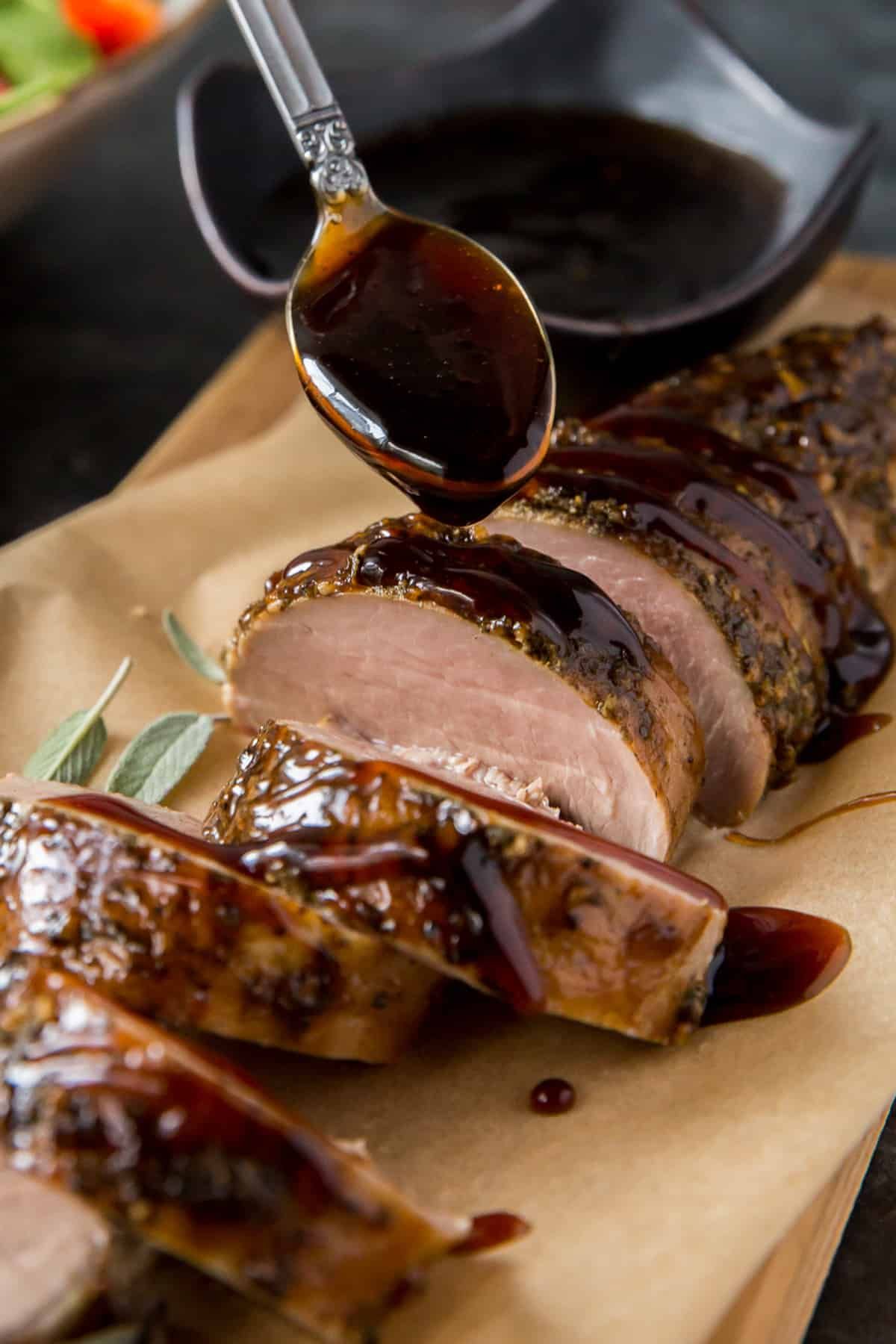
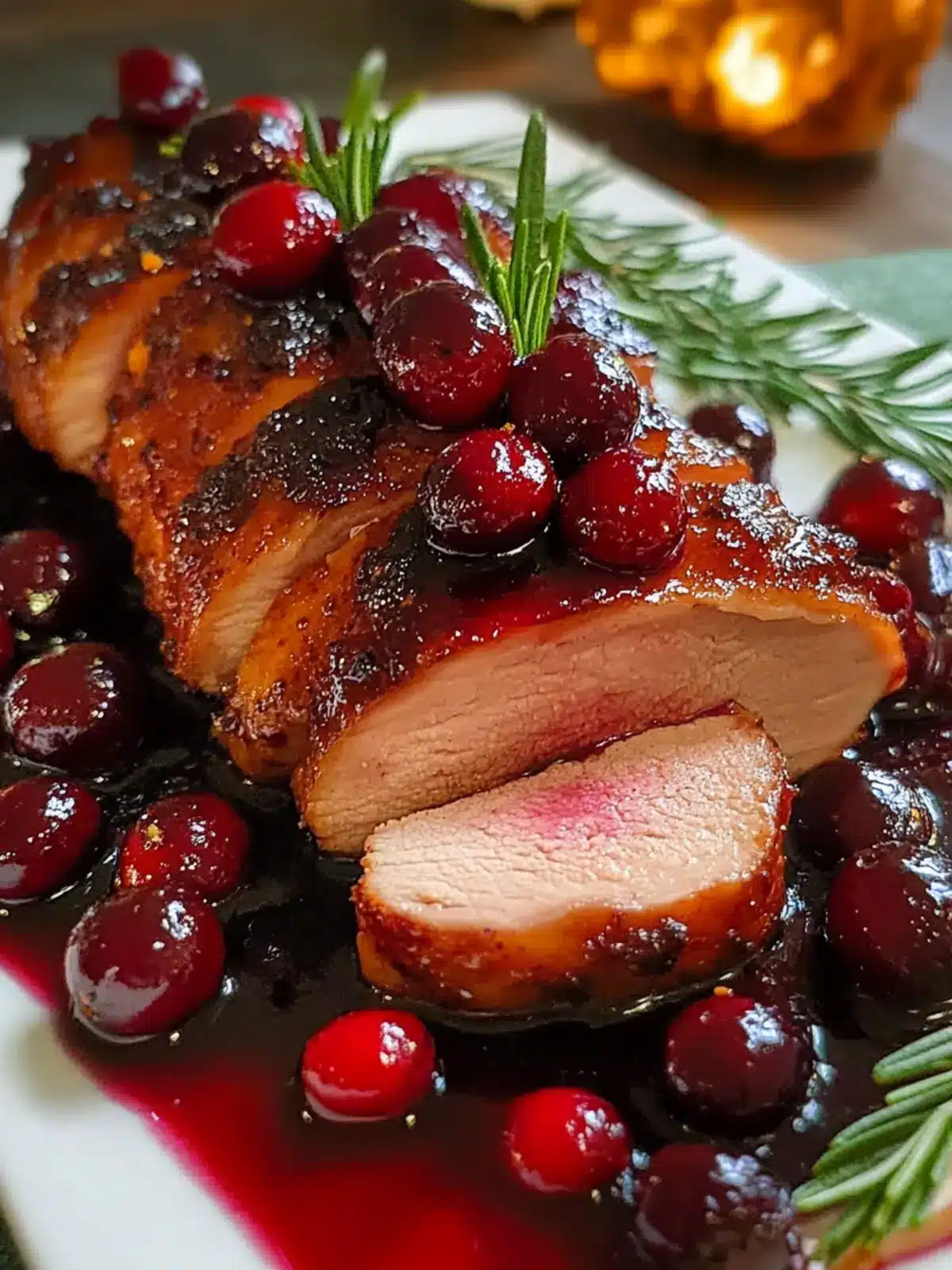
The best easy glaze recipe for pork tenderloin combines 2 tablespoons brown sugar, 2 tablespoons honey, 1 tablespoon Dijon mustard, 1 tablespoon soy sauce, 1 tablespoon apple cider vinegar, and 1 minced garlic clove. Simmer the mix for 3 to 5 minutes, brush it over the pork near the end of cooking, and roast until the meat reaches 145°F inside, followed by a 3-minute rest.
Pork tenderloin makes a great weeknight dinner in many American homes. It cooks fairly fast, works with simple pantry staples, and pairs well with sides like mashed potatoes, green beans, and roasted carrots. A good glaze adds flavor and gives the meat a shiny, rich finish without much extra work.
The trick is to balance sweet, tangy, salty, and savory flavors. Brown sugar and honey help the glaze caramelize, while mustard and vinegar cut through the sweetness. Garlic adds depth, and soy sauce brings a savory note. This guide explains how to make the basic glaze, when to brush it on, and how to change the flavor to suit your meal.
This simple brown sugar and honey glaze gives pork tenderloin a sweet, savory, and slightly tangy flavor. It uses common ingredients and takes about 10 minutes to prepare. You can make it while the oven heats or while the pork begins to roast.
The recipe below makes enough glaze for one pork tenderloin weighing about 1 to 1.5 pounds. The exact amount needed depends on the size of the meat and how thickly you apply the glaze. Save some in a clean bowl for serving if you want extra sauce at the table.
Source: itsonly.recipes
Brown sugar
Use 2 tablespoons of packed light or dark brown sugar. It adds a warm molasses note and helps the glaze brown.
Honey
Add 2 tablespoons of honey for a smooth texture and gentle sweetness.
Dijon mustard
Use 1 tablespoon to add a mild sharp taste that balances the sugar.
Soy sauce
Add 1 tablespoon for salt and savory depth. Reduced-sodium soy sauce works well if you want more control over the salt.
Apple cider vinegar
Use 1 tablespoon to brighten the flavor and keep the glaze from tasting too sweet.
Garlic
Add 1 finely minced garlic clove for a savory aroma.
Black pepper
Add about 1/4 teaspoon of freshly ground black pepper, or adjust to taste.
How to Make the Glaze
Add the brown sugar, honey, mustard, soy sauce, vinegar, garlic, and black pepper to a small saucepan. Stir over medium-low heat until the sugar dissolves and the mixture starts to bubble gently.
Let it simmer for 3 to 5 minutes, stirring often. The glaze should look smooth and slightly thicker than it did at the start. Take the pan off the heat before the mixture becomes sticky or syrupy. It will thicken a little more as it cools.
Taste a small amount after it cools enough to sample safely. Add a little vinegar if it is too sweet, or a small amount of honey if it tastes too sharp. Add salt only if needed, since soy sauce already brings salt to the mix.
For a thinner glaze
Stir in 1 teaspoon of water at a time until it brushes on easily.
For a thicker glaze
Simmer it for another minute or two, watching closely so the sugars do not burn.
Quick Recipe Details
Allow about 10 minutes to prepare the glaze. Roasting time for the pork varies with its weight, thickness, starting temperature, and oven, so use the thermometer reading rather than the clock alone.
The glaze itself contains no meat, but it must be handled carefully once it comes into contact with raw pork. Set aside a clean portion before brushing any glaze onto uncooked meat.
Yield
About 1/2 cup, depending on how much the mixture reduces.
Best use
One pork tenderloin weighing about 1 to 1.5 pounds.
Flavor
Sweet, tangy, garlicky, and savory.
Cooking method
Oven roasting, grilling, or pan-searing followed by oven cooking.
Why Glaze Works So Well With Pork Tenderloin
Pork tenderloin has a mild taste, which makes it a good match for bold sauces and glazes. A little sweetness brings out the savory flavor of the meat, while a touch of acid keeps each bite from feeling heavy. Mustard, garlic, herbs, and spices add more depth without hiding the pork’s flavor.
A glaze also forms a thin coating on the surface of the meat. As the sugars heat, they help the surface brown and develop a richer taste. However, sugar can burn when exposed to high heat for too long, so the timing of the glaze matters.
Source: wholesomemadeeasy.com
Sweet ingredients
Honey, brown sugar, maple syrup, and fruit preserves give the glaze body and help it brown.
Acidic ingredients
Vinegar, lemon juice, and some fruit juices balance sweetness and add a fresh note.
Savory ingredients
Mustard, soy sauce, garlic, onion, and herbs create a fuller flavor.
Fat and texture
A small amount of butter or olive oil can make the glaze feel smoother, though neither is essential.
Glaze Versus Marinade
A glaze is usually brushed onto food during cooking or near the end. It adds flavor to the outside and may form a glossy coating. A marinade is used before cooking to season the surface and, depending on its ingredients and the time involved, may affect the outer layers of the meat.
You can use similar ingredients for both, but they serve different purposes. A thick honey glaze is often better added late, while a thin marinade can be used earlier. Never assume a sweet sauce needs hours to work. Pork tenderloin is lean, and long marinating does not guarantee a juicier result.
Choose a glaze
Use it when you want a shiny, flavorful outer coating and a sauce for serving.
Choose a marinade
Use it when you want to season the meat before cooking, then discard the used marinade or boil it thoroughly before serving.
How to Cook Pork Tenderloin With Glaze
For an easy oven method, roast the pork first and apply the glaze near the end. This gives the meat time to cook while keeping the sugar from spending too long in the heat. A quick sear before roasting can also create a browned surface and add flavor.
Pork tenderloin is not the same cut as pork loin. Tenderloin is smaller and usually cooks faster. A recipe designed for a large pork loin may need a different cooking time, even if the glaze ingredients are the same.
Source: brinleyrecipes.com
Step 1: Heat the oven
Set the oven to 400°F. Place an oven rack in the center and prepare a rimmed baking pan or oven-safe skillet.
Step 2: Prepare the meat
Remove the tenderloin from its package and pat it dry with paper towels. Trim away the silver skin, which is the tough, shiny membrane on the surface, if it is still attached.
Step 3: Season the pork
Rub the meat with a little olive oil, salt, black pepper, and any dry herbs you like. Use less salt if the glaze contains regular soy sauce.
Step 4: Brown the surface if desired
Sear the pork in a hot, oven-safe skillet for about 2 minutes per side. This step adds color but is optional.
Step 5: Roast the tenderloin
Transfer the pork to the oven. Begin checking its temperature before the expected finish time because tenderloins vary in thickness.
Step 6: Apply the glaze
Brush a layer over the pork during the final 10 to 15 minutes of cooking. Add another light coat if the meat needs more color and the glaze is not burning.
Step 7: Check the temperature
Insert a food thermometer into the thickest part of the meat. Cook until the internal temperature reaches 145°F, then remove it from the oven.
Step 8: Rest and serve
Let the pork rest for at least 3 minutes before slicing. Spoon on reserved glaze that has remained separate from raw meat.
When Should You Put Glaze on Pork Tenderloin?
For most sweet glazes, the final 10 to 15 minutes of roasting is a useful starting point. This gives the sauce time to cling to the meat and brown without exposing the sugars to heat for the entire cooking period. Thin glazes may need less time, while thicker fruit glazes may need careful spreading.
If the pork is nearly done but the glaze looks pale, brush on a thin extra layer and cook for a few more minutes. Watch the surface closely. If it turns dark too fast, lower the heat or cover the pan loosely with foil while the pork finishes cooking.
Signs the glaze is ready
It looks glossy, clings to the meat, and has a lightly browned surface rather than black or bitter patches.
Signs it is burning
The coating darkens rapidly, smells acrid, or develops black spots. Move the pork away from intense heat and finish cooking safely.
How to Keep the Pork Juicy
The most useful step is to avoid overcooking the tenderloin. Because the cut is lean, it can dry out if left in the oven long after it reaches its safe temperature. Check the center with a thermometer rather than cutting the meat open again and again.
Patting the meat dry helps it brown, and resting lets the juices settle before you slice. Cut across the grain into even slices. A small amount of warm glaze over the sliced meat can add moisture and flavor without covering it in a heavy sauce.
Use a thermometer
Check the thickest section, avoiding contact with the pan.
Rest before slicing
Allow at least 3 minutes of rest after the pork reaches 145°F.
Slice across the grain
Look for the direction of the muscle fibers and cut across them for more tender bites.
Five Easy Glaze Variations for Pork Tenderloin
The basic brown sugar glaze is a useful starting point, but pork tenderloin also pairs well with fruit, herbs, and warm spices. You can change one or two ingredients to suit the meal instead of making a whole new sauce.
Each variation below makes enough for roughly one small tenderloin. Taste the mixture before brushing it on and adjust the balance as needed. If you use preserves or sweet juice, keep an eye on the pan because the added sugar can brown quickly.
Source: artofit.org
Maple glaze
Whisk together 3 tablespoons pure maple syrup, 1 tablespoon Dijon mustard, 1 tablespoon apple cider vinegar, and 1 small minced garlic clove. Use this for a warm, woodsy sweetness.
Honey mustard glaze
Mix 2 tablespoons honey, 2 tablespoons Dijon mustard, 1 teaspoon lemon juice, and 1 teaspoon olive oil. This version is sweet and sharp, with less emphasis on brown sugar.
Apple cider glaze
Simmer 1/2 cup apple cider with 1 tablespoon brown sugar, 1 teaspoon Dijon mustard, and a small pinch of dried thyme until reduced to a lightly syrupy consistency. The reduction time depends on the pan and heat.
Apricot glaze
Warm 1/4 cup apricot preserves with 1 tablespoon vinegar, 1 teaspoon Dijon mustard, and 1 to 2 teaspoons water. Stir until smooth and easy to brush.
Cranberry glaze
Heat 1/3 cup cranberry sauce with 1 tablespoon orange juice and 1 teaspoon mustard. Mash or whisk until smooth enough to spread, adding a little water if needed.
Brown Sugar and Garlic Glaze
For a deeper, more savory version, combine 2 tablespoons brown sugar, 1 tablespoon soy sauce, 1 tablespoon Dijon mustard, 1 tablespoon apple cider vinegar, 2 minced garlic cloves, and 1 teaspoon olive oil. Simmer briefly until the sugar dissolves and the sauce becomes smooth.
This glaze works well with roasted potatoes, sautéed cabbage, or green beans. Dark brown sugar gives it a stronger molasses note, while light brown sugar keeps the taste milder. Since soy sauce adds salt, season the pork lightly before roasting.
For more heat
Add a small pinch of red pepper flakes or a little cayenne.
For an herb note
Stir in a pinch of dried thyme or rosemary.
Can You Make the Glaze Without Honey?
Yes. Maple syrup is the simplest replacement if you want a similar texture and a distinct flavor. You can also use more brown sugar dissolved with a tablespoon of water, though the result may taste less rounded than the honey version.
Fruit preserves can replace some of the sweetener, but they may make the sauce thicker. Add water a teaspoon at a time and warm the mixture gently until it brushes on easily. Avoid adding large amounts of liquid at once, or the glaze may become thin and run off the meat.
Maple syrup
Use the same amount as honey for a clear maple flavor.
Brown sugar and water
Dissolve the sugar with a little water and simmer until smooth.
Fruit preserves
Warm them with a little vinegar or water to make them easy to spread.
How to Balance Sweet, Tangy, and Savory Flavors
A good pork glaze should taste balanced before it reaches the oven. Sweetness helps the surface brown, but too much sugar can make the sauce cloying. Acid cuts through that sweetness, while salt and savory ingredients make the overall flavor fuller.
Make small changes, then taste again. A glaze can shift from sharp to sweet with just a little honey, so avoid adding several ingredients at once. If you want a sauce for serving, reserve a clean portion before it touches the raw pork.
Source: recipesbycarol.com
The glaze tastes too sweet
Add 1 teaspoon vinegar or a little more mustard. Stir and taste before adding more.
The glaze tastes too sour
Add 1 teaspoon honey or brown sugar and warm until dissolved.
The glaze tastes too salty
Add a little water or unsalted apple juice. If the glaze is already thin, simmer gently after adjusting.
The glaze tastes flat
Try a small amount of mustard, black pepper, garlic, or vinegar rather than adding salt immediately.
The glaze is too thick
Whisk in warm water a teaspoon at a time until it spreads easily.
The glaze is too thin
Simmer it gently for another minute or two, stirring often to prevent scorching.
Should You Add Butter to Pork Glaze?
Butter is optional, but a small amount can add a smooth finish and a richer taste. Stir in about 1 teaspoon of butter after removing the saucepan from the heat. Whisk until it melts into the sauce.
Butter can make a glaze feel richer, but it does not replace the need for acid or proper seasoning. If you want a lighter sauce, leave it out. If you need the glaze to remain dairy-free, olive oil is another option, though it gives a different texture.
Use butter
Choose it when you want a rounded, rich finish.
Skip butter
Choose this option for a simpler glaze or when avoiding dairy.
Common Mistakes That Can Ruin a Pork Glaze
Most glaze problems come from high heat, poor timing, or a sauce that is too thick. Sugary mixtures can darken long before the pork is ready, so a glossy surface is not proof that the meat has reached a safe temperature. Keep an eye on both the glaze and the center of the tenderloin.
A few simple changes can prevent burnt sugar, dry meat, and uneven flavor. Make sure the glaze is smooth before using it, and apply it in thin coats rather than pouring the entire batch over the pork at once.
Source: feastplus.com
Glazing too early
Sugar sits in the oven too long and may burn. Add most of the glaze during the final 10 to 15 minutes.
Using high heat without watching
A sugary coating can scorch under intense heat. Watch closely and move the pan or lower the heat if the glaze darkens too quickly.
Making the glaze too thick
A thick paste can form uneven clumps. Thin it with a small amount of water until it spreads smoothly.
Using too much glaze at once
A heavy layer may slide off or pool in the pan. Brush on a thin coat, then add more if needed.
Cooking by time alone
Tenderloin size and thickness affect cooking time. Use a thermometer to check the thickest part.
Cutting the meat too soon
Slicing immediately can release more juices onto the board. Let the pork rest for at least 3 minutes first.
What to Do if the Glaze Burns
If the glaze begins to burn before the pork is done, take the pan away from the strongest heat. Cover the meat loosely with foil if needed and continue cooking until the center reaches 145°F. Do not rely on the color of the surface to judge doneness.
If only a small patch is too dark, avoid scraping burnt residue over the rest of the meat. Serve the pork with fresh, clean glaze from the portion you reserved earlier. A badly charred coating may taste bitter, so adding more sugar to it is unlikely to fix the flavor.
Protect the surface
Use loose foil or reduce the oven temperature if the glaze is browning too quickly.
Finish cooking safely
Check the thickest part with a food thermometer and reach 145°F.
Serve fresh sauce
Use reserved glaze that never touched raw meat or a brush used on uncooked pork.
Food Safety, Storage, and Make-Ahead Tips
Pork tenderloin is safe to eat when its internal temperature reaches 145°F, followed by a rest of at least 3 minutes. This guidance applies to whole cuts of pork. A slightly pink center can still be safe when the proper temperature and rest have been met, so color alone is not a reliable doneness test.
Keep raw pork and its juices away from cooked food. Use separate plates and clean utensils for raw and cooked meat. If a brush has touched raw pork, wash it before using it again, or keep a separate brush for clean glaze.
Source: www.pinterest.com
Make the glaze ahead
Prepare the glaze up to a few days ahead, cool it, and store it in a clean, covered container in the refrigerator. Use clean utensils when serving.
Store cooked pork
Refrigerate leftovers within 2 hours of cooking, or within 1 hour when the surrounding temperature is above 90°F. Keep them in a covered container.
Use leftovers promptly
Refrigerated cooked pork is generally best used within 3 to 4 days. Reheat leftovers to 165°F.
Freeze extra portions
Freeze cooked pork in well-sealed portions for longer storage and better quality. Thaw it in the refrigerator rather than on the counter.
Can You Reuse Glaze That Touched Raw Pork?
Do not serve glaze that has touched raw pork unless it has been brought to a full boil and cooked thoroughly. The simpler and safer option is to set aside a clean portion before glazing the meat.
This rule also applies to leftover sauce in a dish that held uncooked pork. A clean serving spoon and a separate container help prevent cross-contamination. When in doubt, discard sauce that may have been contaminated rather than risk serving it.
Clean reserved glaze
Keep it separate from raw meat and use it for serving.
Glaze from the raw-meat brush
Do not use it as a finishing sauce unless it is thoroughly boiled.
Can You Freeze Pork Tenderloin Glaze?
You can freeze many cooked glazes, especially those made with sugar, syrup, vinegar, and soy sauce. Let the mixture cool, place it in a freezer-safe container, and leave a little room for expansion. Thaw it in the refrigerator and warm it gently before brushing it onto the pork.
Glazes made with butter may separate after freezing, while fruit preserves may become thicker or change texture. Stir the sauce as it warms and add a teaspoon of water if needed. For the best texture, make only the amount you expect to use.
Cool before storing
Transfer the glaze to a clean container once it has cooled enough for safe handling.
Reheat gently
Use low heat and stir often to avoid burning the sugar.
What to Serve With Glazed Pork Tenderloin
Sweet and savory pork glaze pairs well with sides that bring a different taste or texture to the plate. Crisp green vegetables, soft potatoes, and mild grains work especially well because they do not compete with the sauce. Fruit-based glazes also pair naturally with roasted squash, apples, and carrots.
For a simple American-style dinner, serve sliced pork with mashed potatoes and green beans. Spoon a small amount of clean glaze over the meat, then serve the rest on the side. This lets everyone choose how much sauce they want.
Source: www.pinterest.com
Roasted vegetables
Carrots, Brussels sprouts, and sweet potatoes offer earthy or sweet notes that match brown sugar and maple glazes.
Potatoes
Mashed, roasted, or baked potatoes help round out the meal and work well with extra sauce.
Green vegetables
Green beans, broccoli, asparagus, and sautéed spinach provide a fresh contrast to the glaze.
Rice or grains
Plain rice, wild rice, or quinoa can soak up a little sauce without adding another strong flavor.
Fresh salad
A crisp salad with a light vinaigrette balances a rich or sweet glaze.
Choose the Side Based on Your Glaze
Brown sugar and honey glazes work well with potatoes, green beans, and roasted carrots. Maple glaze pairs nicely with squash and Brussels sprouts, while apple cider glaze fits a meal with wild rice or sautéed cabbage.
Apricot and cranberry glazes have a fruity taste, so mild sides help keep the meal balanced. A simple salad or plain roasted potatoes can be enough. You do not need several rich side dishes when the pork already has a sweet, glossy coating.
Brown sugar or honey
Serve with mashed potatoes and green beans.
Maple or apple cider
Serve with roasted squash, carrots, or wild rice.
Apricot or cranberry
Serve with a green salad, roasted potatoes, or steamed broccoli.
Frequently Asked Questions
Q
What Is the Best Glaze for Pork Tenderloin?
A balanced brown sugar, honey, mustard, vinegar, soy sauce, and garlic glaze is a useful all-purpose option. It combines sweetness, tang, and savory flavor without requiring special ingredients. Maple, apricot, apple cider, and cranberry versions are also good choices when you want a different taste.
Q
How Long Should You Cook Pork Tenderloin With Glaze?
At 400°F, a small pork tenderloin may take roughly 20 to 30 minutes to roast, but size, thickness, starting temperature, and oven performance affect the timing. Begin checking early and use a food thermometer. The center should reach 145°F, followed by a rest of at least 3 minutes.
Q
Should You Glaze Pork Tenderloin Before or After Cooking?
Apply most of a sweet glaze during the final 10 to 15 minutes of cooking. This gives the coating time to brown without letting its sugar burn too soon. You can brush on a small amount earlier if the recipe calls for it, but watch the surface closely.
Q
Can You Make Pork Tenderloin Glaze Without Brown Sugar?
Yes. Honey, pure maple syrup, or fruit preserves can provide sweetness. Adjust the amount of vinegar or mustard to keep the flavor balanced. Because each sweetener has a different water content and texture, simmer the mixture gently and add water only as needed.
Q
Can You Use the Same Glaze for Grilled Pork Tenderloin?
Yes. Brush the glaze onto grilled pork during the final few minutes of cooking, turning the meat as needed to coat the surface. Avoid applying a thick layer too early over direct high heat because the sugar may burn. Always check the center with a thermometer and reach 145°F, followed by a rest of at least 3 minutes.
✦ Wrapping Up
Conclusion
A homemade glaze can turn pork tenderloin into a flavorful meal with very little effort. Brown sugar, honey, mustard, soy sauce, vinegar, and garlic make a simple mix that is sweet, savory, and tangy. A short simmer helps the ingredients blend, while late application gives the glaze time to form a glossy coating without burning too soon.
You can also use maple syrup, apple cider, apricot preserves, or cranberry sauce to match the meal. Keep the glaze balanced, brush it on in thin layers, and check the pork with a food thermometer instead of relying on color or cooking time alone. With those steps, the meat can stay juicy while the outside develops a rich flavor.
💡 Key Takeaway
Start with the brown sugar and honey glaze, simmer it for 3 to 5 minutes, and brush it over the pork during the final 10 to 15 minutes of roasting. Cook the tenderloin to 145°F inside, rest it for at least 3 minutes, and serve with your favorite vegetables or potatoes.