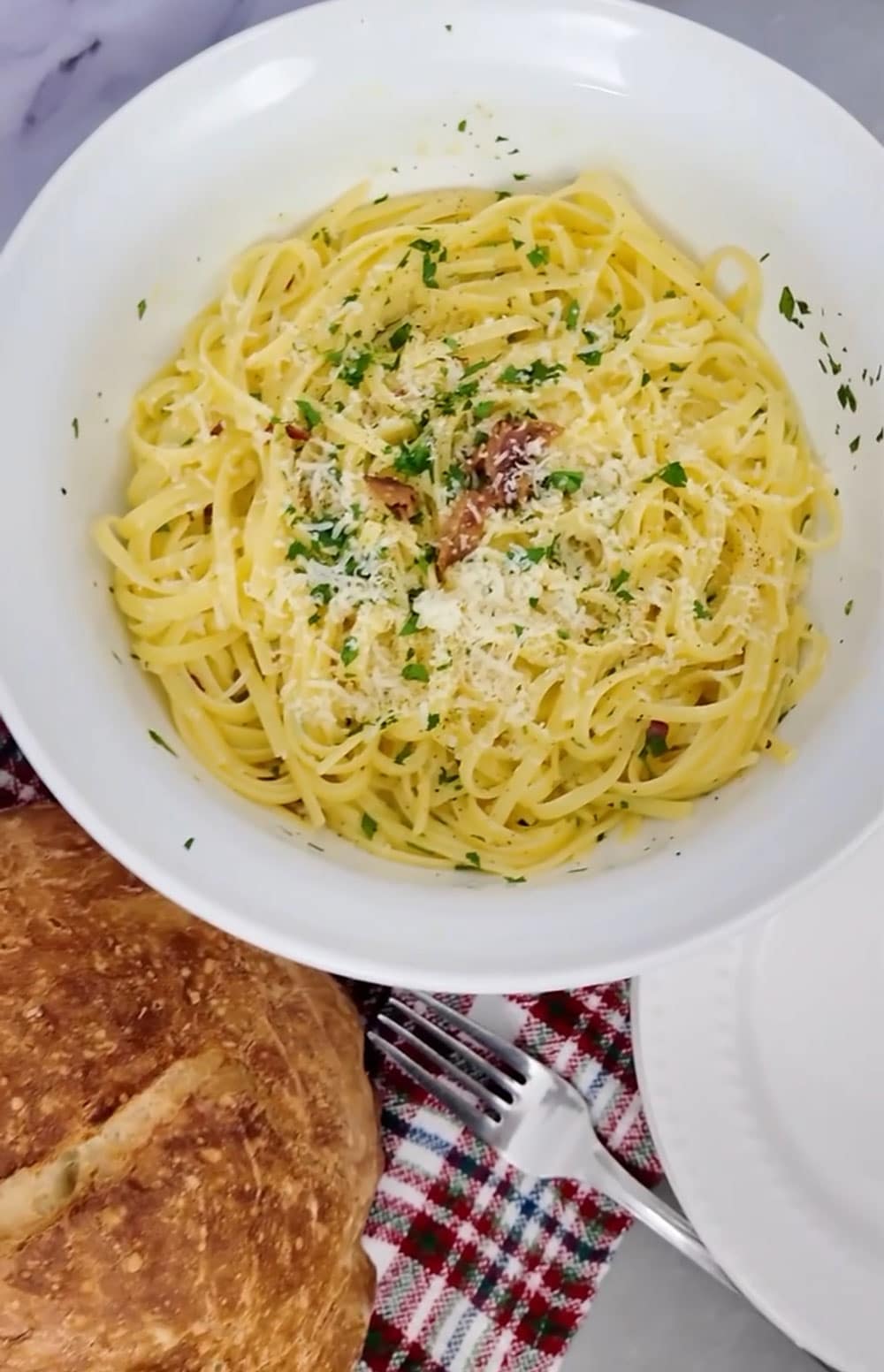
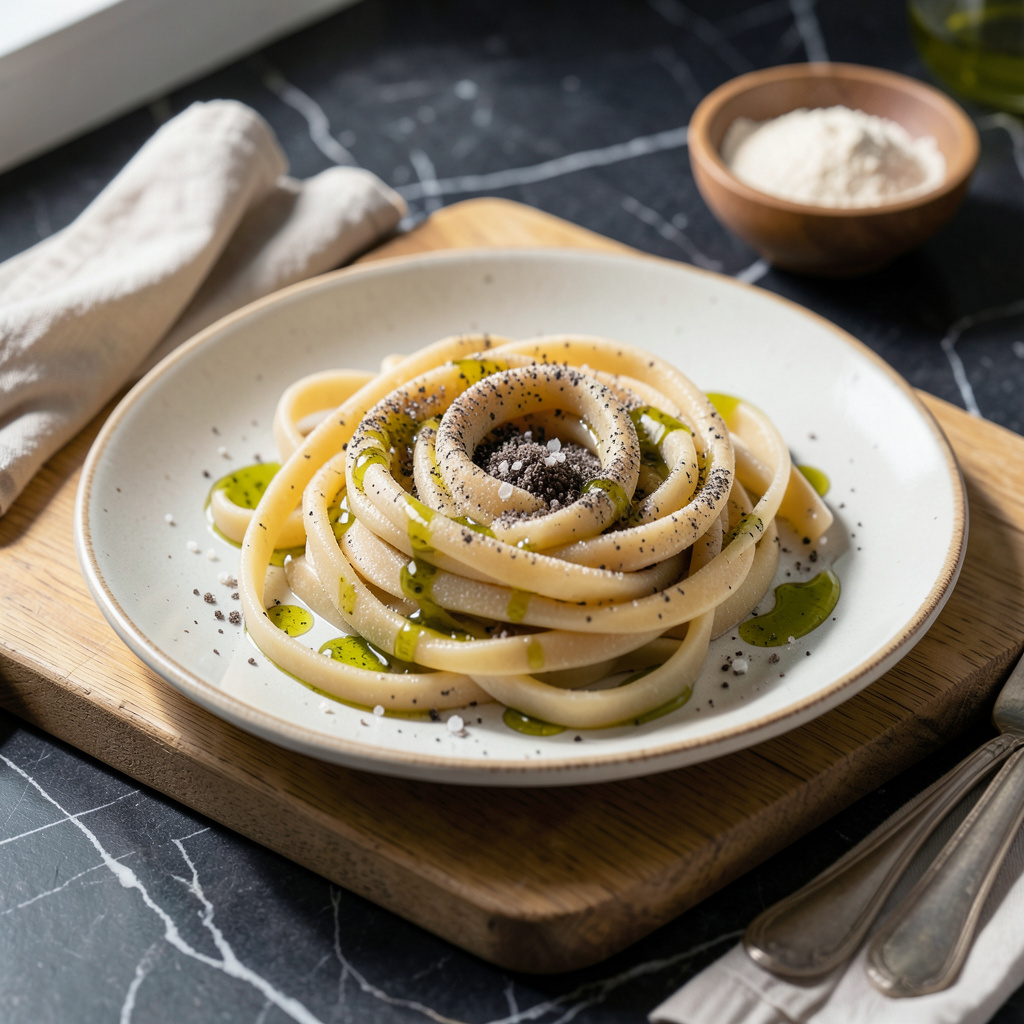
You can make homemade pasta with bread flour, eggs, olive oil, and salt. Bread flour has more protein than most all-purpose flour, so the dough can feel firm and make noodles with a pleasantly chewy bite. Mix the dough, knead it, let it rest, roll it thin, cut it, and boil the noodles until tender.
Homemade pasta can fit right into a busy American home kitchen. You do not need special Italian flour or a costly pasta machine to get started. A bag of bread flour from a US grocery store can work well for fresh noodles, from simple fettuccine to thin strips for soup. The key is to give the dough enough water, time, and rest.
This bread flour pasta recipe uses common pantry items and a simple method. Eggs add flavor, color, and moisture, while olive oil helps the dough feel easier to handle. Bread flour can absorb more water than some softer flours, so the dough may need a short rest before you decide whether to add more liquid. The goal is a firm, smooth dough that rolls out without cracking or sticking.
Bread flour can make excellent homemade pasta, especially if you like noodles with a firm bite. It usually contains more protein than all-purpose flour. When flour mixes with water, its proteins form gluten, an elastic network that helps dough hold together and stretch.
That strength is useful when you roll pasta into long sheets or cut it into strips. The finished noodles may feel chewier than pasta made with a lower-protein flour. This is not a flaw. It is a texture choice, and it can work well with tomato sauce, meat sauce, butter, or garlic and olive oil.
The main trade-off is that bread flour dough can feel tougher to knead and roll. It may need a little extra liquid or a longer rest, depending on the flour brand and the size of the eggs. Do not add a large splash of water at once. Small changes give you better control.
Source: recipenames.com
Higher protein content
Bread flour often has more protein than all-purpose flour, which can create a stronger gluten network and a firmer pasta texture.
A satisfying bite
The noodles can be pleasantly chewy when cooked just until tender. Avoid overcooking them, since excess cooking can make them soft.
Easy to find
Most US grocery stores sell bread flour, so you can try fresh pasta without ordering specialty flour.
Bread Flour vs. All-Purpose Flour for Pasta
Both flours can make fresh pasta, but they may produce different textures. All-purpose flour often gives a more tender result and can be easier to roll by hand. Bread flour tends to make a stronger, chewier dough. Neither flour is always better; the right choice depends on how you want the noodles to feel.
If bread flour is already in your pantry, use it. If you prefer soft noodles or find the dough too elastic to roll, all-purpose flour is a useful alternative. You can also blend the two flours to reduce some of the chew while keeping a dough that is easy to handle.
Choose bread flour
Use it when you want noodles with a firm bite and have time to rest the dough well.
Choose all-purpose flour
Use it for a softer texture or when you want a dough that may be easier to roll by hand.
Blend both flours
Try equal parts bread flour and all-purpose flour if you want a middle ground. Treat this as a starting point, since brands and moisture levels vary.
Bread Flour Pasta Recipe: Ingredients and Amounts
This recipe makes about 3 to 4 servings, depending on portion size and the sauce you serve with it. You can knead the dough by hand on a clean counter or use a stand mixer fitted with a dough hook. A rolling pin works if you do not own a pasta machine.
Use large eggs as the standard starting point. Egg size affects the moisture level, so the dough may need a small adjustment. Weighing the flour is the most consistent way to measure it, but cup measurements are included for home cooks who do not have a kitchen scale.
Source: recipeomnibus.com
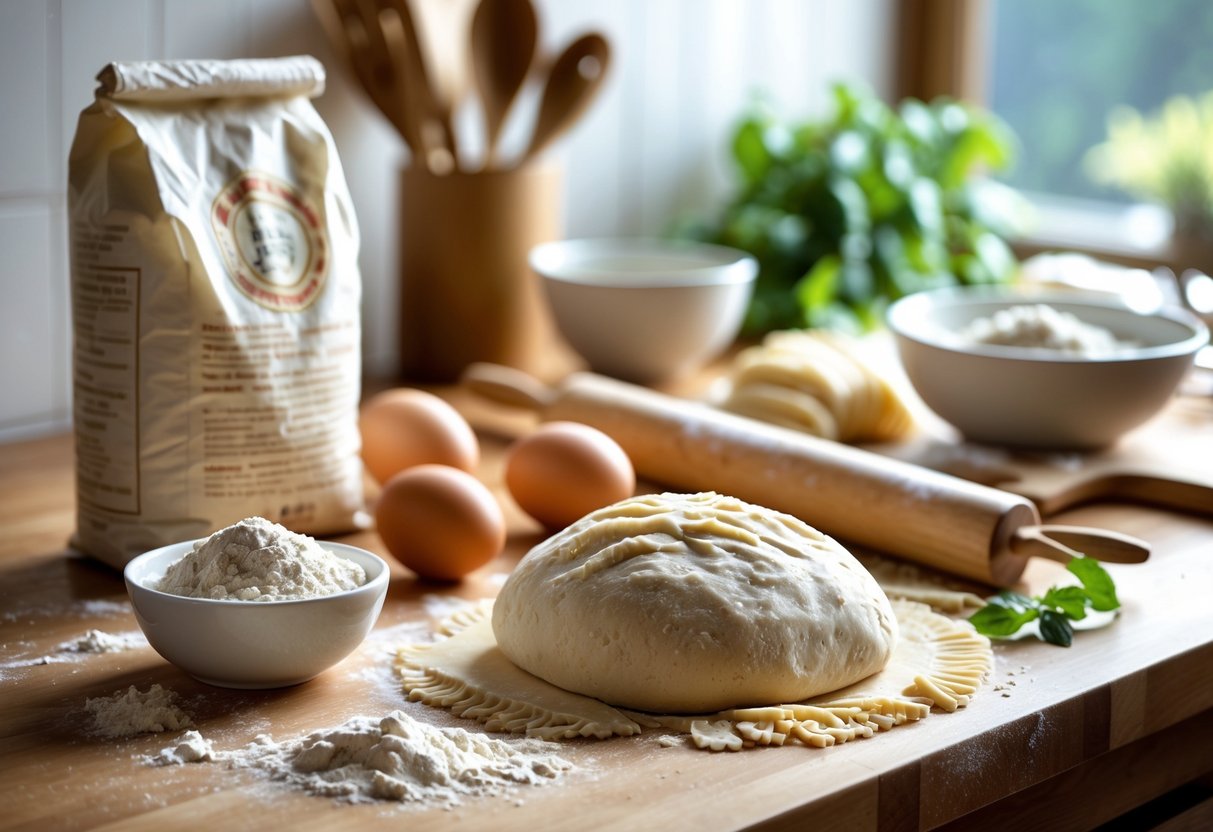
Bread flour
300 grams, or about 2 1/2 cups when measured by spooning flour into the cups and leveling the tops. Do not pack the flour down.
Large eggs
3 large eggs, brought to room temperature if convenient. Cold eggs still work, but they may make the dough feel firmer at first.
Olive oil
1 tablespoon. It adds a little fat and can help the dough feel smoother.
Fine salt
1/2 teaspoon for flavor in the dough. You will also need more salt for the pasta water.
Water
Keep 1 to 3 teaspoons nearby. Add only as needed if the dough remains dry and will not come together.
Extra flour
Keep a small amount nearby for dusting the counter, rolling pin, or pasta sheets. Use it sparingly to avoid making the noodles too dry.
Do You Need Semolina or 00 Flour?
No. Bread flour is enough for this recipe. Semolina, a coarse flour made from durum wheat, can add a different bite and is often used for certain pasta shapes. Italian 00 flour is milled very finely, but the label alone does not tell you everything about its protein level or how it will behave.
If bread flour is what you have, there is no need to buy another type before you start. Focus on the dough texture first. You can experiment with other flours after you learn how a basic egg dough should feel.
Bread flour
A practical choice for firm, chewy egg pasta.
Semolina
Useful for some shapes and dough styles, but not required here.
00 flour
A fine-milled option that can work well for fresh pasta, depending on its protein level and intended use.
How to Make Pasta Dough With Bread Flour
The best way to make bread flour pasta is to mix the dry ingredients with the eggs and oil, knead until smooth, and let the dough rest before rolling. Keep the dough covered during each rest so the surface does not dry out. A little patience at this stage can save effort later.
Source: justlovecooking.com
Step 1: Mix the Flour, Salt, Eggs, and Oil
Place the bread flour and salt in a large bowl or on a clean work surface. Make a well in the center, then add the eggs and olive oil. Use a fork to beat the eggs and slowly pull flour from the sides into the liquid.
Keep mixing until you have a rough dough with no large pools of egg left. It may look shaggy and uneven at this point. That is normal. If you are working on a counter, keep the flour mound wide enough to contain the eggs as you stir.
If the dough looks dry
Press the loose bits into the main dough and knead for a minute before adding water. If it still will not come together, add water one teaspoon at a time.
If the dough feels sticky
Dust your hands and work surface with a little flour. Add more only when needed, since too much flour can make the dough stiff.
Step 2: Knead Until Smooth
Push the dough away from you with the heel of your hand, fold it back, and turn it a quarter turn. Repeat for about 8 to 10 minutes by hand. The dough should become more even and elastic as you work.
Bread flour dough can resist at first. If it feels hard to press or keeps shrinking back, cover it and let it rest for 10 minutes, then knead again. Do not force a dry, cracked dough into shape by adding lots of water all at once.
A good dough feels firm
It should hold its shape and feel slightly tacky at most, rather than leaving wet paste on your fingers.
A rough surface needs more work
Continue kneading if the dough has dry seams or loose flour pockets. Stop when the surface is mostly smooth and the dough holds together.
Step 3: Rest the Dough
Shape the dough into a ball and wrap it tightly in plastic wrap or cover it in a sealed container. Let it rest at room temperature for 30 to 45 minutes. This gives the flour time to absorb moisture and lets the gluten relax.
Resting is especially helpful with bread flour. A dough that springs back during rolling often needs more time to relax, not more flour. If your kitchen is warm, keep the dough covered and away from direct heat.
Do not skip the rest
Freshly kneaded dough is often tight and hard to roll. A covered rest makes it easier to stretch into thin sheets.
Keep the surface covered
Dry dough forms a skin that can crack when rolled. Wrap it well while it rests.
How to Roll and Cut Fresh Pasta
Once the dough has rested, divide it into three or four pieces. Keep the pieces you are not using covered. Work with one piece at a time so the rest of the dough does not dry out on the counter.
You can use a pasta machine or a rolling pin. A machine makes it easier to get an even sheet, but a rolling pin works well with patience. Dust the dough lightly if it sticks, and brush away any excess flour before cooking.
Source: droolrecipes.com
Using a Pasta Machine
Flatten one piece of dough into a thick oval. Set the machine to its widest setting and pass the dough through. Fold it into thirds, turn it, and pass it through again once or twice if needed to make a neat sheet.
Reduce the thickness setting one step at a time. If the sheet tears or feels rough, fold it and pass it through a wider setting again. Bread flour dough can be springy, so give it another short rest if it keeps shrinking back.
Keep each sheet manageable
Shorter sheets are easier to feed through the rollers and less likely to tear under their own weight.
Use flour with care
A light dusting can stop sticking, but too much flour may make the cut noodles dry and harder to join with sauce.
Rolling Pasta by Hand
Place a dough piece on a lightly floured counter and roll from the center outward. Turn the sheet often so it does not stick. Continue until the dough is thin enough for the shape you want.
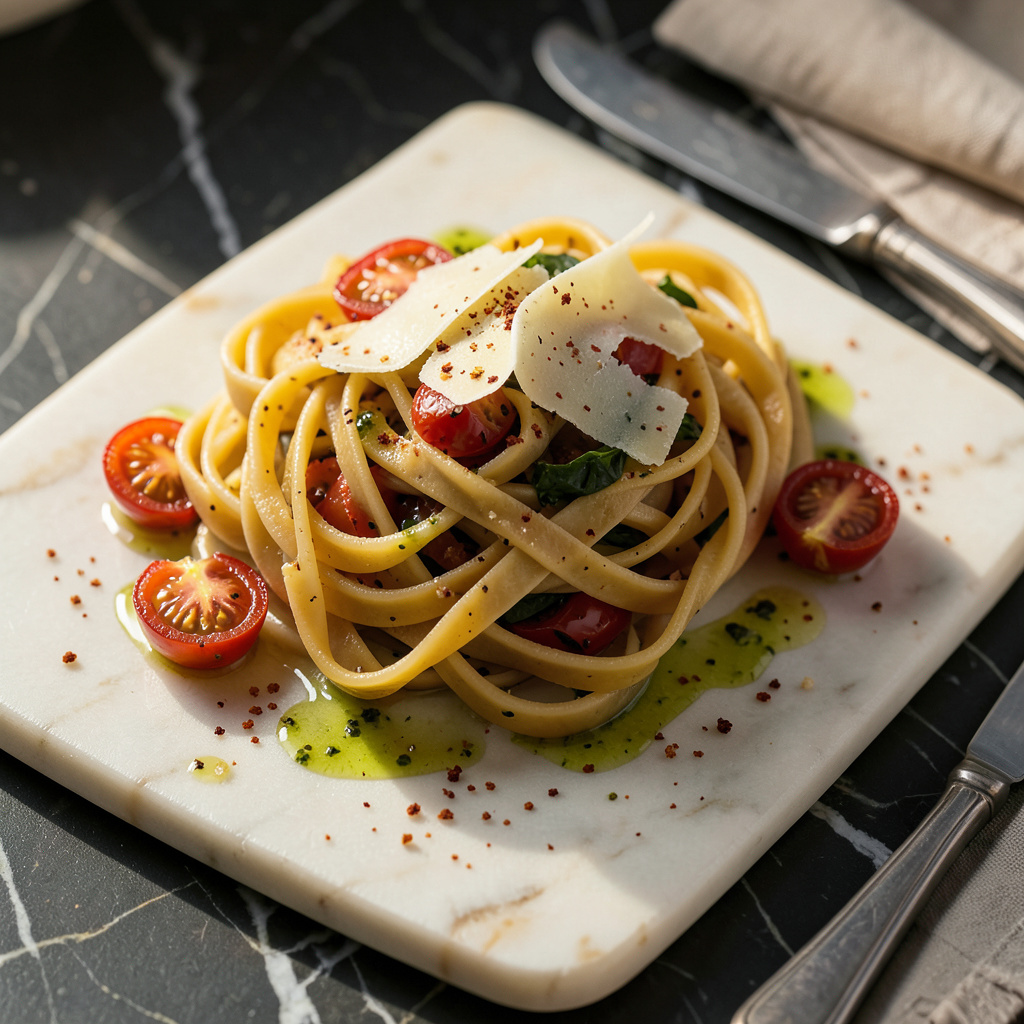
For fettuccine, aim for a thin sheet that you can partly see light through, though the exact thickness is a matter of taste. If the sheet is too thick, the center of the noodles may remain firm after the outside has cooked. A steady, even sheet helps every strip cook at a similar rate.
For fettuccine
Cut the sheet into strips about 1/4 inch wide, then loosen the strands with your fingers.
For tagliatelle
Cut slightly wider strips for a hearty noodle that works well with rich sauces.
For soup noodles
Cut thin, short strips or small squares that are easy to eat with a spoon.
How to Stop Fresh Noodles From Sticking
Dust the cut noodles lightly with bread flour and arrange them in loose nests on a clean tray. Do not press the nests together. If the strands stick, gently lift and separate them before they dry.
Avoid leaving fresh noodles in a deep pile. The weight can press the strands together, and moisture can make them cling. Cook them soon after cutting or store them using a safe method.
Use a tray
Spread the noodles out so air can reach more of their surface.
Separate before cooking
Loosen the strands with your fingers to help them cook evenly.
How Long to Cook Bread Flour Pasta
Fresh bread flour pasta often cooks in about 2 to 4 minutes, depending on the thickness and shape. Thin noodles may be ready sooner, while thick strips or folded shapes may need more time. Treat the clock as a guide and taste a strand before draining the pot.
Bring a large pot of water to a steady boil and salt it well. Add the noodles in a loose stream, then stir gently during the first minute to keep them from clumping. Keep the water boiling without letting the pot foam over.
Source: asimpletweak.com
Signs the Pasta Is Ready
Fresh pasta is ready when it feels tender but still has a little bite in the center. The exact time depends on the thickness of the sheet, the width of the strips, and how long the noodles have dried before cooking.
Taste a piece after about 2 minutes, then check again in short intervals. If you plan to finish the noodles in a hot pan with sauce, drain them when they are just shy of your preferred texture. They will cook a little more in the pan.
Too firm
Cook for another 30 to 60 seconds and taste again.
Tender with a slight bite
Drain the pasta and toss it with sauce.
Soft and falling apart
The pasta has likely cooked too long or was rolled too thin for the cooking time.
Should You Rinse Fresh Pasta?
Usually, no. Drain the pasta and move it straight into the sauce. A little starchy cooking water can help loosen a thick sauce and help it cling to the noodles.
Rinsing removes surface starch that can help the sauce coat the pasta. Rinsing can be useful when you need to stop the cooking for a cold pasta dish, but it is not needed for most hot pasta meals.
Save some pasta water
Scoop out about 1/2 cup before draining. Add a small splash to the sauce if it seems too thick.
Finish in the sauce
Toss the drained noodles over low heat for a short time so they absorb some flavor.
Best Sauces for Bread Flour Pasta
Bread flour pasta has a firm bite, so it pairs well with sauces that coat the strands without hiding their texture. You can keep dinner simple with butter and cheese or use a slow-cooked meat sauce. The best match depends on the shape of your pasta and how rich you want the meal to be.
Add the noodles to the sauce while they are still hot. A splash of reserved pasta water can help bring oil, cheese, or tomato sauce together into a smooth coating. Start with a little water and add more only if needed.
Source: therecipecritic.com
Butter and Parmesan
Toss hot noodles with butter, grated Parmesan, black pepper, and a small splash of pasta water. This simple sauce lets the pasta texture stand out.
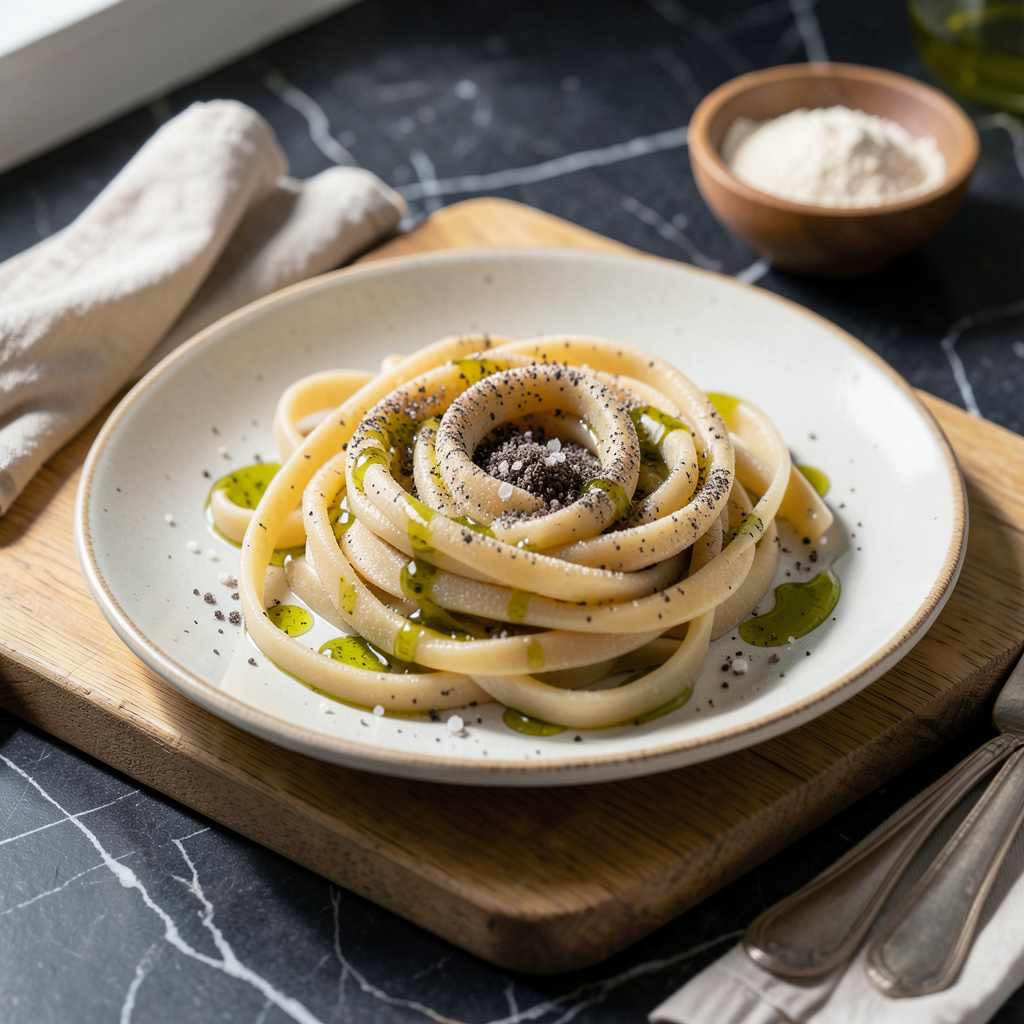
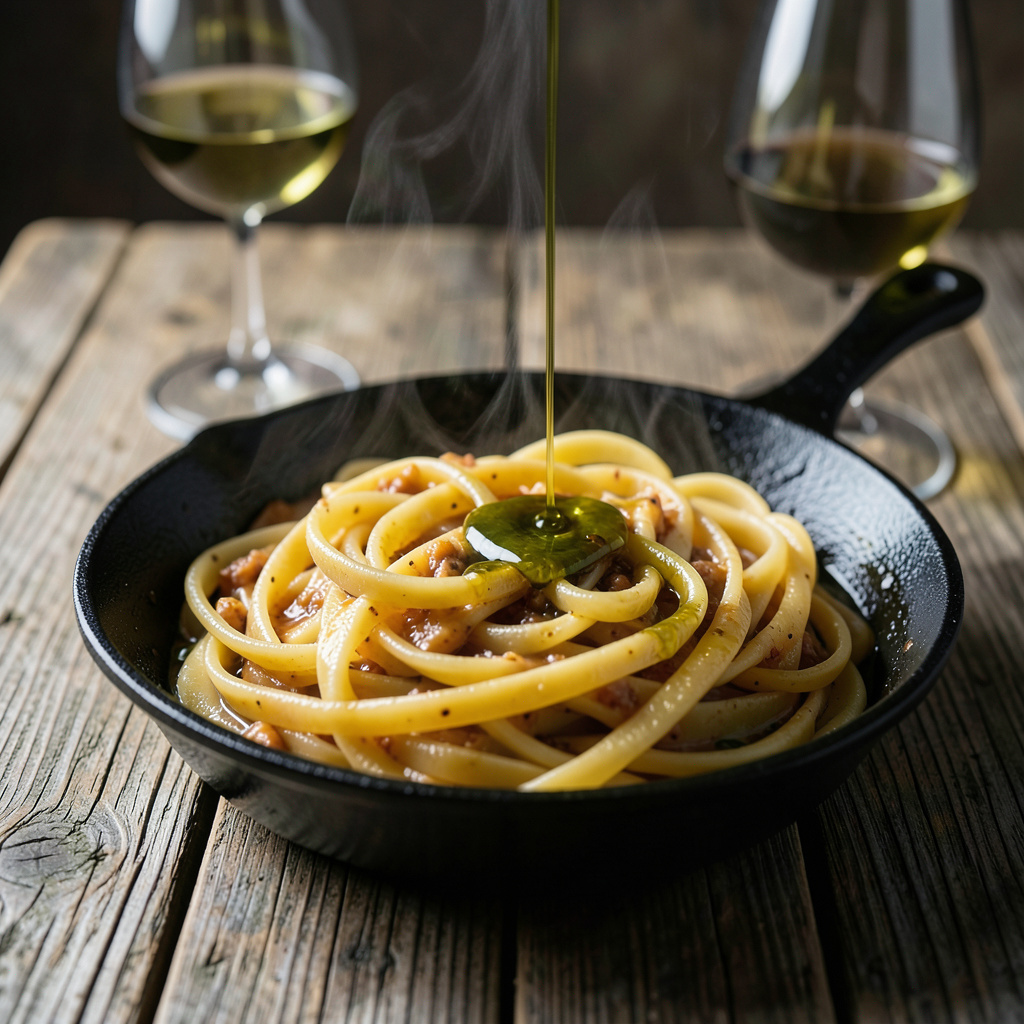
Garlic and olive oil
Warm sliced garlic gently in olive oil, then add the cooked noodles and a little pasta water. Keep the heat moderate so the garlic does not burn.
Tomato sauce
A basic tomato sauce works well with fettuccine or tagliatelle. Simmer the sauce until it thickens, then toss the pasta through it.
Cream sauce
A cream-based sauce coats broad noodles well. Use enough sauce to coat the pasta without making the dish heavy or soupy.
Meat sauce
Ground beef, sausage, or a slow-simmered meat sauce can pair well with chewy noodles. Make sure meat is cooked to a safe temperature before serving.
A Quick Garlic Butter Pasta Finish
For a fast meal, melt 2 tablespoons of butter in a skillet over low to medium-low heat. Add 1 or 2 finely chopped garlic cloves and cook briefly until fragrant, without browning them too much. Add the drained pasta and a few tablespoons of pasta water.
Toss until the noodles look glossy. Add grated Parmesan, black pepper, and chopped parsley if you like. Taste before adding extra salt, since the cheese and pasta water may already bring enough flavor.
For more flavor
Add a pinch of red pepper flakes or a little lemon zest.
For a looser sauce
Add pasta water one tablespoon at a time while tossing.
Common Bread Flour Pasta Problems and Fixes
Most fresh pasta problems come from moisture, gluten tension, rolling thickness, or cooking time. Check the dough before adding more flour or water. Small, careful changes usually work better than trying to fix the whole batch at once.
Source: gelarecipes.com
The Dough Is Too Dry or Crumbly
A dry dough may come from a small egg, flour that absorbs more moisture, or flour packed too tightly into a measuring cup. Knead the dough for a minute first, since moisture can spread as the flour hydrates. If it still breaks apart, wet your hands or add water one teaspoon at a time.
Stop adding water as soon as the dough holds together. Too much liquid can turn a firm dough sticky and make rolling harder. If you have added too much, knead in a small amount of flour and allow the dough to rest again.
Cracks along the edges
Add a little moisture and knead until the cracks close.
Loose flour will not join the dough
Press the pieces together, cover the dough, and give it a short rest before making another adjustment.
The Dough Is Sticky
Sticky dough can mean it has too much moisture for the flour you used, or that the dough has not been kneaded enough. Dust your hands and the work surface lightly, then knead for another minute or two. If the dough still coats your fingers, add flour in small amounts.
Do not cover the dough in a thick layer of flour. Too much can change the balance of the recipe and leave dry patches in the finished noodles. A slightly tacky feel is fine as long as the dough does not smear across the counter.
Use a light dusting
Start with a small pinch of flour and add more only if needed.
Check the rest time
A short rest may help the flour absorb moisture and make the dough easier to handle.
The Dough Keeps Shrinking Back
Dough that springs back while rolling usually has too much tension. Cover it and let it rest for another 10 to 15 minutes. Try rolling again with steady pressure rather than forcing the sheet to stretch in one pass.
This can happen with bread flour because its gluten network may be strong. It does not mean the batch has failed. Giving the dough more time is often the simplest fix.
Rest between rolling attempts
Cover the sheet or dough piece so the surface does not dry while the gluten relaxes.
Work in smaller pieces
Smaller sheets are easier to roll evenly and place less strain on your hands.
The Cooked Pasta Is Too Tough
Tough pasta can come from thick sheets, short cooking time, or a dough that was too dry. Taste a strand before deciding what went wrong. If the center is hard, cook the noodles a little longer and check again.
If the pasta is cooked through but still much chewier than you like, try rolling it thinner next time or blending bread flour with all-purpose flour. More kneading is not always the answer, especially when the dough is already elastic.
Hard center
Give the noodles more cooking time.
Firm all the way through
Roll the dough thinner or try a flour blend in your next batch.
How to Store Homemade Bread Flour Pasta
Fresh egg pasta is moist and perishable, so handle it with care. If you plan to cook it soon, keep it covered while you finish the rest of the meal. Do not leave fresh egg pasta sitting at room temperature for a long stretch, especially in a warm kitchen.
For longer storage, refrigerate or freeze the pasta promptly. Use a clean, covered container and keep the strands in loose portions so they are easy to separate later. If the dough or noodles have an unusual smell, visible mold, or other signs of spoilage, discard them.
Source: dailycookingrecipe.com
Refrigerating Fresh Pasta
Arrange the noodles in small, lightly floured nests or place them in a covered container. Refrigerate them promptly and aim to use them within about 1 to 2 days for best quality. The exact storage life can depend on moisture, handling, and refrigerator temperature, so do not treat this period as a guarantee.
If the noodles become wet and sticky, separate them gently before cooking if they still appear fresh and have been stored safely. Do not leave them on the counter to dry for hours as a substitute for refrigeration.
Keep the container covered
This helps prevent the pasta from drying out and limits contact with other foods.
Label the date
A simple date label helps you keep track of when the pasta was made.
Freezing Homemade Pasta
To freeze fresh noodles, arrange them in loose nests on a tray and freeze until firm. Transfer the frozen portions to a freezer-safe bag or container, remove excess air, and label the date. Keeping portions separate makes it easier to cook only what you need.
You can usually cook frozen fresh pasta straight from the freezer. Add it to boiling water and check the texture as it cooks, allowing more time than you would for freshly cut noodles. Avoid thawing a large clump on the counter, where the strands may stick together.
Freeze in portions
Separate meal-sized bundles so you can cook them without thawing the whole batch.
Check the texture
Frozen pasta may need extra cooking time, so taste a strand before draining.
Frequently Asked Questions
Q
Can I use bread flour instead of all-purpose flour for pasta?
Yes. Bread flour works for homemade pasta and can give the noodles a firmer, chewier bite. Since it may absorb moisture differently from all-purpose flour, check the dough as you knead and add water a teaspoon at a time if it remains dry. Letting the dough rest also helps make it easier to roll.
Q
Do I need eggs to make bread flour pasta?
No. You can make egg-free pasta with flour and water, though the dough and final texture will differ from this recipe. Egg dough tends to be richer and more tender, while a flour-and-water dough can suit other pasta styles. Because bread flour is strong, add water gradually and allow enough time for the dough to rest.
Q
Can I make this pasta without a pasta machine?
Yes. A rolling pin and a clean counter are enough. Divide the rested dough into small pieces and roll each one into a thin, even sheet. Cut the sheet into strips with a sharp knife or pizza cutter, then dust the noodles lightly with flour to keep them apart.
Q
How much pasta does this recipe make per person?
This recipe uses 300 grams of flour and three large eggs and makes roughly 3 to 4 servings. For a main course, portion size depends on appetite, sauce, and side dishes. If you are cooking for a larger group, you can scale the ingredients proportionally and work in batches to make the dough easier to knead and roll.
Q
Can I dry homemade bread flour pasta?
Fresh egg pasta can be dried, but safe drying depends on the method, thickness, humidity, and how fully the noodles dry. Simply leaving egg pasta on a counter does not ensure shelf stability. For a home kitchen, refrigeration or freezing is a more dependable option unless you are following a tested drying and storage method intended for egg pasta.
Q
Can I make the dough ahead of time?
Yes. You can prepare the dough ahead and refrigerate it in a tightly covered container. Let it rest at room temperature briefly if it is too firm to roll, but do not leave egg dough out for an extended period. You can also roll and cut the noodles, then refrigerate or freeze them promptly.
✦ Wrapping Up
Conclusion
A bread flour pasta recipe is a simple way to make fresh noodles with everyday ingredients. Bread flour can give the pasta a strong, chewy bite, while eggs and olive oil help form a rich dough. The most useful steps are to knead until smooth, rest the dough, roll it thin, and check the noodles often as they cook.
Do not worry if the dough feels firm at first. Give it time to rest before changing the recipe, and make small adjustments if it is too dry or sticky. Once you learn the right feel, you can cut the dough into fettuccine, tagliatelle, or thin soup noodles and pair them with a sauce you enjoy.
💡 Key Takeaway
Start with 300 grams of bread flour, three large eggs, one tablespoon of olive oil, and half a teaspoon of salt. Knead the dough for 8 to 10 minutes, rest it for 30 to 45 minutes, roll it thin, and cook the fresh noodles for about 2 to 4 minutes while checking for a tender bite.