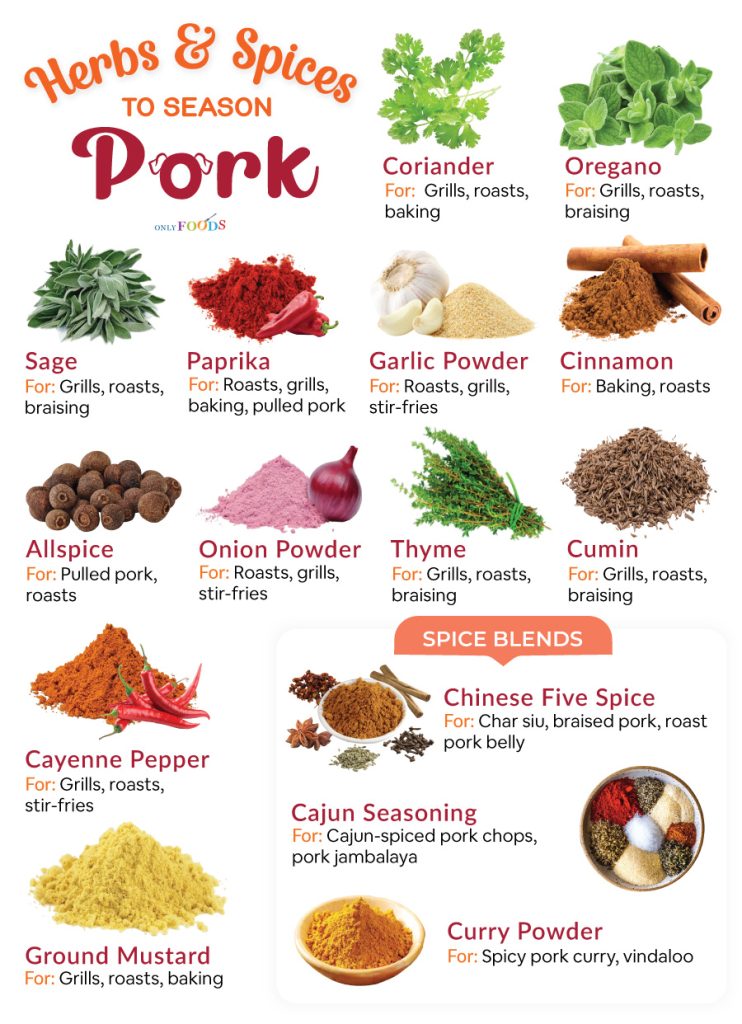
The best herbs and spices for pork chops include garlic, black pepper, paprika, rosemary, thyme, sage, onion powder, and mustard powder. These seasonings add savory flavor, a warm aroma, and a tasty crust. For an easy blend, mix garlic powder, paprika, black pepper, onion powder, dried thyme, and salt. Rub the mix onto the chops before cooking, then adjust the herbs to suit your meal.
Pork chops are a common choice for weeknight dinners and weekend cookouts across the United States. They cook well in a skillet, in the oven, on a grill, or in an air fryer. Yet a plain pork chop can taste bland without the right mix of herbs, spices, and salt. A few pantry staples can add plenty of flavor without much prep.
The best seasoning depends on the cut, cooking method, and taste you want. Garlic and black pepper give pork a classic savory base. Rosemary and thyme add an earthy note, while paprika brings color and mild warmth. Brown sugar, mustard, or a little lemon zest can add another layer of flavor. This guide explains which seasonings work well together, how much to use, and when to add them for the best result.
Garlic, black pepper, paprika, rosemary, and thyme make a dependable starting blend for pork chops. Each adds a different note, so the mix tastes fuller than a single spice. Onion powder, sage, mustard powder, and cumin are also useful, depending on the meal.
Pork has a mild, savory taste that works with both earthy herbs and warm spices. The goal is to add flavor without hiding the meat itself. Start with a few seasonings, taste the cooked result, and change the blend next time.
Source: foodfornet.com
Garlic powder
Garlic powder adds a deep, savory taste and spreads well through a dry rub. It is easy to use on thin chops because it does not require peeling or chopping.
Black pepper
Black pepper adds a warm bite that balances the mild taste of pork. Freshly ground pepper offers a more pronounced aroma.
Paprika
Paprika brings a mild pepper flavor and a red-brown color. Sweet paprika suits classic pork chops, while smoked paprika adds a wood-smoke note.
Rosemary
Rosemary has a strong pine-like aroma that pairs well with roasted pork and garlic. Crush dried rosemary before mixing it into a rub so large, hard pieces do not dominate each bite.
Thyme
Thyme adds an earthy, slightly minty note. It works in skillet, oven, and grill recipes and pairs well with garlic and black pepper.
Sage
Sage has a warm, earthy flavor often used in savory American pork dishes. Use a small amount at first because its strong aroma can take over a mild blend.
Onion powder
Onion powder adds a mild sweetness and savory depth. It works well with garlic powder, paprika, and black pepper.
Mustard powder
Dry mustard adds a sharp, tangy edge. It is useful in grilled pork rubs and seasoning blends with brown sugar.
Cumin
Cumin gives pork a warm, earthy taste. It works especially well in chili-style rubs with paprika, garlic, and a little cayenne.
Cayenne pepper
Cayenne adds heat without much extra bulk. Use a small pinch for mild warmth or add more if you prefer a spicy crust.
Fresh Herbs Or Dried Herbs: Which Should You Use?
Dried herbs are a good fit for dry rubs because they are easy to measure and store. Fresh herbs bring a brighter aroma and work well in marinades, pan sauces, and herb butter. Both can season pork chops well when used in the right way.
Dried herbs are often more concentrated by volume than fresh herbs. A useful starting rule is to use about one teaspoon of dried herbs for every tablespoon of chopped fresh herbs. The exact strength varies by herb, age, and storage, so treat this as a guide rather than a fixed rule.
Use dried herbs
Choose dried rosemary, thyme, or sage for a quick rub that can be mixed ahead of time.
Use fresh herbs
Add chopped parsley, fresh thyme, or rosemary to softened butter or a pan sauce near the end of cooking.
How To Match Seasonings With Your Cooking Method
The cooking method can change how a seasoning blend tastes. A hot skillet creates a browned crust, while the oven gives thicker chops time to cook through. A grill adds char and smoke, so bold herbs and spices can work well there.
Choose seasonings that suit the heat and the rest of the meal. Fine powders spread well across the meat, while chopped fresh herbs are often better in a sauce or butter. Sweet ingredients need extra care over high heat because they can burn before the pork is done.
Source: girlgonegourmet.com
Skillet pork chops
Use garlic powder, black pepper, paprika, and thyme. Pat the chops dry and use a suitable cooking oil to help them brown.
Oven-baked pork chops
Try rosemary, garlic, sage, and black pepper. Add fresh herbs or herb butter near the end for a more vivid aroma.
Grilled pork chops
Choose smoked paprika, cumin, garlic powder, black pepper, and a little cayenne. Keep sugary rubs away from prolonged direct heat.
Air-fryer pork chops
Use a thin coating of oil with paprika, garlic powder, thyme, and black pepper. Avoid thick wet coatings that may not brown as intended.
Best Seasoning For Pan-Fried Pork Chops
For pan-fried pork chops, use a blend of garlic powder, paprika, black pepper, and thyme. These seasonings form a savory crust without needing a heavy sauce. A small amount of onion powder can add extra depth.
Heat the pan before adding the meat, but do not let the oil smoke heavily. Brown the chops and turn them as needed, using a food thermometer to check the center. If the garlic or herbs begin to burn, lower the heat rather than letting the crust turn bitter.
Best flavor tip
Pat the chops dry before adding the rub. Surface moisture can slow browning and lead to a pale crust.
Best Seasoning For Grilled Pork Chops
For grilled pork chops, smoked paprika, black pepper, garlic powder, cumin, and a small amount of cayenne make a bold blend. Rosemary and thyme also work well, especially with thick bone-in chops. A little brown sugar may help the surface brown, but it can burn over intense heat.
Apply the rub evenly and let the grill preheat. If the seasoning contains sugar, watch the surface closely and move the meat away from flare-ups. Do not use marinade that touched raw pork as a finishing sauce unless you boil it first.
Best flavor tip
Use moderate heat and turn the chops as needed. A dark crust should smell toasted and savory, not sharply burnt.
An Easy Homemade Pork Chop Seasoning Recipe
A homemade pork chop seasoning blend gives you control over salt, heat, and herbs. This simple mix suits boneless or bone-in chops cooked in a skillet, oven, or air fryer. It uses common pantry ingredients and takes only a few minutes to prepare.
The recipe below makes enough for about four medium pork chops. The amount needed depends on their size and the thickness of the coating, so spread the rub in a thin, even layer rather than piling it on.
Source: gimmesomegrilling.com
Ingredients
Mix one teaspoon garlic powder, one teaspoon paprika, half a teaspoon onion powder, half a teaspoon dried thyme, half a teaspoon black pepper, and salt to taste. For extra warmth, add a small pinch of cayenne.
Optional additions
Add a quarter teaspoon of crushed dried rosemary for an earthy note, or half a teaspoon of dry mustard for a gentle tang.
Step 1: Prepare The Pork Chops
Remove the chops from their package and pat the surface dry with paper towels. Keep raw pork and its juices away from ready-to-eat foods. Wash your hands and clean any surfaces that touched the raw meat.
If the chops are very wet, take extra care to dry them before seasoning. A dry surface helps the meat brown more effectively.
Step 2: Mix And Apply The Seasoning
Stir the dry ingredients in a small bowl until the color looks even. Sprinkle the blend over both sides of the chops and press it on gently. Add a light coating of oil if needed to help the rub cling to the meat.
Step 3: Let The Flavor Set
Cook the chops soon after seasoning, or refrigerate them if you need to wait. A short rest in the fridge can give the salt time to season the meat more evenly. Do not leave raw pork at room temperature for an extended period.
Step 4: Cook And Check The Temperature
Cook the pork using your preferred method and check the thickest part with a food thermometer. Whole pork chops should reach 145°F, followed by a three-minute rest, according to USDA guidance. Cooking time varies with thickness, starting temperature, pan heat, and whether the chops have a bone.
Seasoning Ideas For Different Pork Chop Flavors
You do not need a new recipe for every dinner. Change one or two seasonings to create a different flavor while keeping the same basic method. The combinations below suit common American meals and offer a simple way to use herbs and spices already in your cupboard.
Source: i.pinimg.com
Classic garlic and herb
Combine garlic powder, thyme, rosemary, black pepper, and a little salt. Serve with roasted potatoes, green beans, or carrots.
Smoky paprika
Mix smoked paprika, garlic powder, onion powder, black pepper, and a pinch of cayenne. This blend works well for grilled chops and roasted corn.
Sweet and savory
Combine paprika, garlic powder, black pepper, dry mustard, and a small amount of brown sugar. Watch the meat closely during high-heat cooking.
Lemon and herb
Use thyme, garlic, black pepper, and a little lemon zest. Add lemon juice near the end or serve it on the side for a fresh finish.
Warm spice blend
Combine cumin, paprika, garlic powder, black pepper, and a pinch of cayenne. This blend suits pork chops served with rice, beans, or grilled vegetables.
Sage and onion
Mix a small amount of dried sage with onion powder, black pepper, and garlic powder. The warm, savory taste works well with mashed potatoes and cooked apples.
How To Use Garlic And Herb Butter
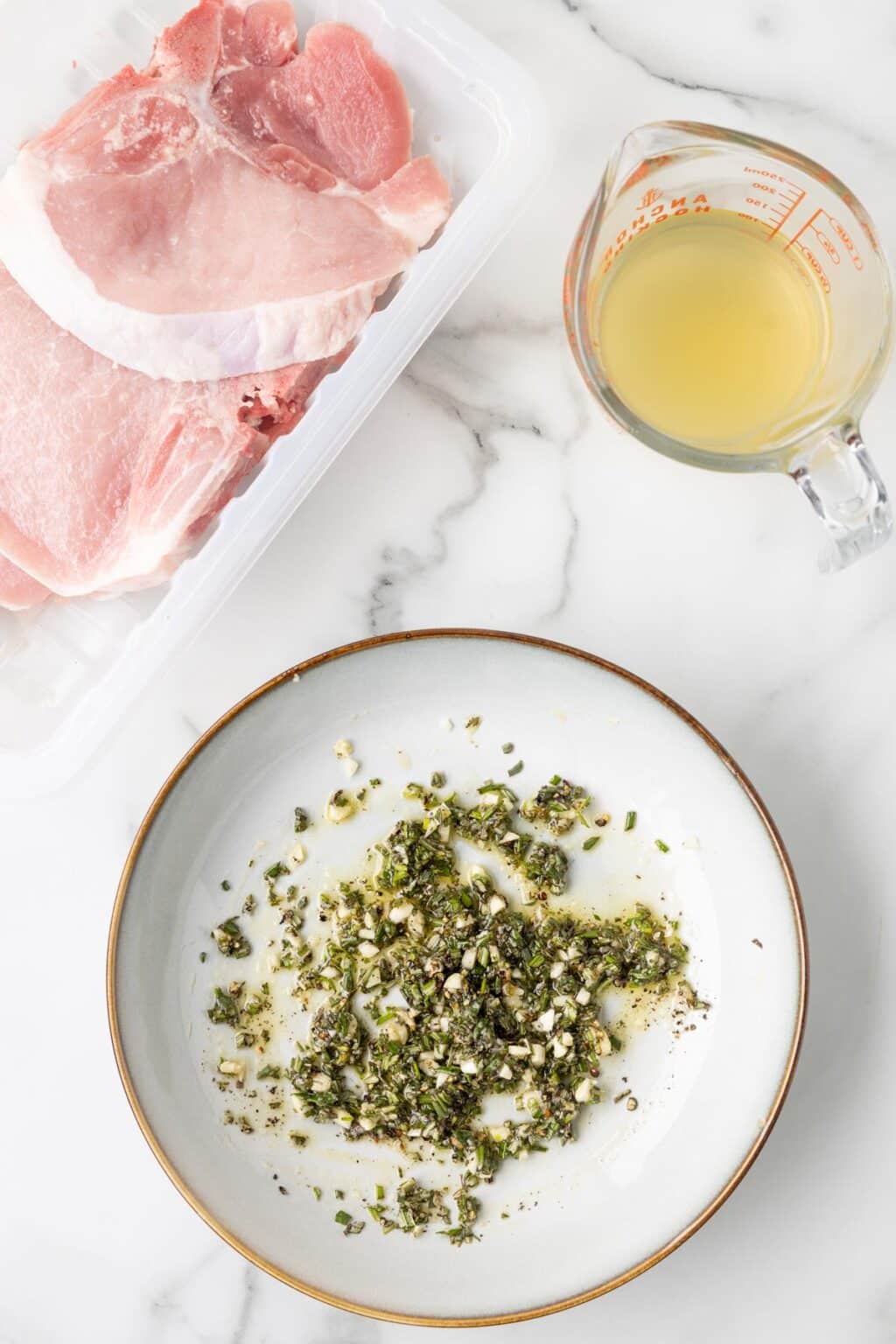
Garlic and herb butter gives pork chops a rich finish without requiring a long marinade. Mix softened unsalted butter with finely chopped parsley, thyme, a little rosemary, and minced garlic. Spoon a small amount over the chops near the end of cooking or after they come off the heat.
Adding butter too early in a very hot pan may cause the milk solids to brown or burn. If you want a pan sauce, cook the chops first, lower the heat, and add the butter and herbs toward the end. Keep the garlic from turning dark brown, since burnt garlic can taste bitter.
Simple serving idea
Top each cooked chop with a small pat of herb butter and let it melt before serving.
How To Balance Salt, Heat, And Sweetness
Salt makes the other flavors easier to notice, but too much can make a meal unpleasant. If you use a packaged seasoning blend, check its sodium content before adding extra salt. Garlic, herbs, and pepper can build flavor without adding much sodium.
Heat from cayenne and black pepper should support the pork rather than hide its taste. Brown sugar adds sweetness, but a small amount is usually enough for a balanced rub. If the blend tastes too sharp, try a little paprika or a fresh herb instead of adding more sugar.
If the blend is too salty
Make another batch without salt and mix it with the salty blend to reduce the salt concentration.
If the blend is too spicy
Add more of the salt-free base ingredients, such as paprika, garlic powder, and thyme, to soften the heat.
If the flavor seems flat
Check whether the pork needs more salt, then consider black pepper, mustard powder, lemon zest, or fresh herbs.
Should You Use A Dry Rub, Marinade, Or Brine?
A dry rub is the simplest choice when you want a flavorful surface and a browned crust. A marinade adds flavor through a wet mixture, while a brine uses salt in water to help season the meat and may improve its ability to retain moisture. These methods serve different purposes, so the best option depends on your time and the result you want.
A dry rub works well for thin chops and quick meals. A marinade is useful when you want flavors such as garlic, lemon, mustard, or herbs to coat the meat. A brine can help with lean chops that are easy to overcook, but it requires planning and careful control of salt.
Source: i1.wp.com
Dry rub
Use garlic powder, paprika, black pepper, thyme, and other dry seasonings. Apply shortly before cooking or allow time in the refrigerator for more even seasoning.
Marinade
Combine oil, herbs, garlic, and a modest amount of acid such as lemon juice or vinegar. Refrigerate the pork while it marinates, and avoid very long exposure to strong acidic mixtures that may affect the surface texture.
Brine
Dissolve salt in water and chill the mixture before adding the pork. Keep the meat refrigerated, follow a tested recipe for the salt level and time, and avoid adding more salt without considering the brine.
Can You Season Pork Chops Ahead Of Time?
Yes, you can season pork chops ahead of time, provided you keep them refrigerated. Salt can move into the meat during a rest, while dry herbs and spices coat the surface. The effect depends on the thickness of the chops and how much seasoning you use.
Place the seasoned chops in a clean, covered container or on a tray protected from drips. Keep them at 40°F or below. Do not leave raw pork on the counter to absorb flavor, and follow safe storage guidance for fresh pork.
For a quick dinner
Season the chops while the pan or oven heats, then cook them.
For planned meals
Season the chops in advance and store them in the refrigerator until you are ready to cook.
How To Keep Pork Chops Juicy And Full Of Flavor
Good seasoning matters, but cooking technique has a major effect on the final result. Pork chops can turn dry when they stay over the heat too long, especially when they are thin and lean. Use a thermometer instead of relying on color or a fixed cooking time.
Bone-in and boneless chops can both turn out tender when cooked with care. Bone-in chops may cook at a different rate from boneless ones, and thick cuts need more time than thin cuts. The internal temperature is the most useful way to check when they are done.
Source: i.pinimg.com
Dry the surface
Pat the chops dry with clean paper towels before seasoning. This helps reduce excess surface moisture.
Use oil as needed
A light coat of suitable cooking oil can help the seasoning spread and support browning. You usually do not need a thick layer.
Avoid excessive heat
Very high heat can burn garlic, dried herbs, and sugar before the center reaches a safe temperature. Adjust the heat if the crust darkens too quickly.
Check the center
Insert a food thermometer into the thickest part of the chop, away from the bone. Whole pork chops should reach 145°F, followed by a three-minute rest.
Let the meat rest
Resting for at least three minutes after reaching the safe temperature allows the meat to settle before serving. A longer rest may be useful for thicker cuts, but it does not replace the required temperature.
What To Do If The Seasoning Burns
A bitter, black crust can mean the pan was too hot or the rub contained sugar that browned too fast. Garlic powder and fine herbs can also scorch when exposed to intense direct heat. Lower the heat and move the chops to a cooler area if needed.
If the outside is already dark but the center is not done, finish the chops in a moderate oven or on a cooler part of the grill. Check the center with a thermometer. Do not scrape burnt seasoning into a sauce, because the bitter flavor can spread through the dish.
For the next batch
Use less sugar, lower the cooking temperature, or apply delicate fresh herbs near the end instead of at the start.
How To Store Leftover Seasoning
Store unused dry seasoning in a clean, dry, airtight jar away from heat, steam, and direct sunlight. Label the jar with its ingredients and the date you mixed it. Use clean, dry measuring spoons each time you take some out.
Keep the unused portion separate from raw pork. Never return seasoning that touched raw meat to the main jar. Discard any contaminated mixture to avoid spreading raw meat juices to future meals.
Common Mistakes When Seasoning Pork Chops
A good seasoning blend can still disappoint when the ingredients are poorly balanced or the meat is cooked incorrectly. Most problems are easy to fix once you know what caused them. Start with a simple blend and change one ingredient at a time.
Source: thumbs.dreamstime.com
Using too many strong herbs
Rosemary and sage can dominate mild pork when used in large amounts. Start with small portions and add more in later batches if needed.
Adding too much salt
Packaged rubs, brines, and marinades may already contain salt. Check the recipe or label before adding more.
Applying a thick layer of seasoning
Too much dry rub can create a dusty or overly salty crust. Spread a light, even coating over the surface.
Cooking by time alone
Chop thickness and cooking equipment vary. Use an accurate thermometer to check doneness instead of assuming a set number of minutes is enough.
Adding fresh herbs too early
Delicate leaves may lose their fresh aroma or scorch in a very hot pan. Add them toward the end or use them in a finishing sauce.
Reusing raw marinade
Marinade that has touched raw pork can contain harmful germs. Discard it or bring it to a full boil before using it as a sauce.
Side Dishes That Pair Well With Herb-Seasoned Pork Chops
The side dish can help bring the whole meal together. Herb-seasoned pork chops pair well with simple vegetables, potatoes, rice, and fruit-based sides. Choose a side that balances the seasoning instead of competing with it.
Garlic and rosemary pair well with roasted potatoes and green beans. Smoky paprika works with corn, rice, and black beans. Sage and onion suit mashed potatoes, squash, or cooked apples. Lemon and thyme taste good with asparagus, peas, or a fresh salad.
Source: 2.bp.blogspot.com
For a classic American dinner
Serve garlic and herb pork chops with mashed potatoes and green beans.
For a summer cookout
Pair smoky grilled chops with corn on the cob, coleslaw, or grilled zucchini.
For a lighter meal
Serve lemon and thyme chops with a green salad, steamed vegetables, or brown rice.
For a cozy fall meal
Pair sage-seasoned chops with roasted squash, sweet potatoes, or cooked apples.
How To Choose A Sauce For Your Seasoning
A simple sauce can complement the herbs without covering them. Garlic and rosemary pair well with a light pan sauce made from stock and a small amount of butter. Lemon and thyme work with a bright sauce that uses lemon juice and a little broth.
For smoky or spicy pork chops, a mild yogurt sauce or apple-based side can balance the heat. Add salt and acid in small amounts, then taste before serving. If you use pan drippings, make sure the pork has reached its safe internal temperature and handle the hot pan with care.
Quick pan sauce
After removing the cooked chops, lower the heat, add a little broth, and scrape up the browned bits. Stir in a small amount of butter and fresh thyme if desired.
Frequently Asked Questions
Q
What Is The Best Herb To Use On Pork Chops?
Rosemary is a strong choice for roasted or grilled pork chops because its earthy aroma pairs well with savory meat. Thyme is milder and works in many cooking methods. Sage is another good option when you want a warm, hearty flavor.
Q
What Spices Make Pork Chops Taste Better?
Garlic powder, black pepper, paprika, and onion powder are a useful base. Add thyme or rosemary for an herbal note, mustard powder for tang, or cayenne for heat. A balanced blend usually tastes better than a large number of spices used without a clear purpose.
Q
Should You Season Pork Chops Before Or After Cooking?
Apply most dry seasonings before cooking so they coat the surface and develop flavor as the meat browns. Fresh herbs, lemon juice, and herb butter can be added near the end or after cooking. Always keep raw pork separate from ready-to-eat food.
Q
How Much Seasoning Do Four Pork Chops Need?
Start with about two teaspoons of a salt-free seasoning blend for four medium chops, then add more if needed to coat the surface. The amount depends on the size and thickness of the meat. Add salt separately so you can control the final taste.
Q
Can You Use Italian Seasoning On Pork Chops?
Yes. Italian seasoning often contains herbs such as oregano, basil, thyme, and rosemary. Mix it with garlic powder, black pepper, and a little paprika for a simple pork chop rub. Check the label because some seasoning blends also contain salt.
Q
Do You Need To Wash Pork Chops Before Seasoning?
No. Washing raw pork can spread contaminated droplets around the sink and nearby surfaces. Pat the meat dry with paper towels instead, then wash your hands and clean any surfaces that touched the raw pork.
Q
What Temperature Should Seasoned Pork Chops Reach?
Whole pork chops should reach an internal temperature of 145°F, followed by a three-minute rest, according to USDA guidance. Place the thermometer in the thickest part of the chop, away from the bone. Do not rely on the crust color or the juices alone to judge doneness.
✦ Wrapping Up
Conclusion
The best herbs and spices for pork chops are the ones that suit your taste and cooking method. Garlic, black pepper, paprika, thyme, and rosemary make a useful starting blend. Sage, mustard powder, cumin, and cayenne offer easy ways to change the flavor without making a whole new recipe.
For a simple dinner, season four pork chops with garlic powder, paprika, onion powder, thyme, black pepper, and salt to taste. Pat the meat dry, apply an even coating, and cook it with care. Use a food thermometer to confirm that the center reaches 145°F, then let the chops rest for at least three minutes before serving.
💡 Key Takeaway
Start with a garlic, paprika, black pepper, and thyme blend. Cook one batch, note what you like, and adjust the rosemary, sage, mustard, or heat in your next batch.