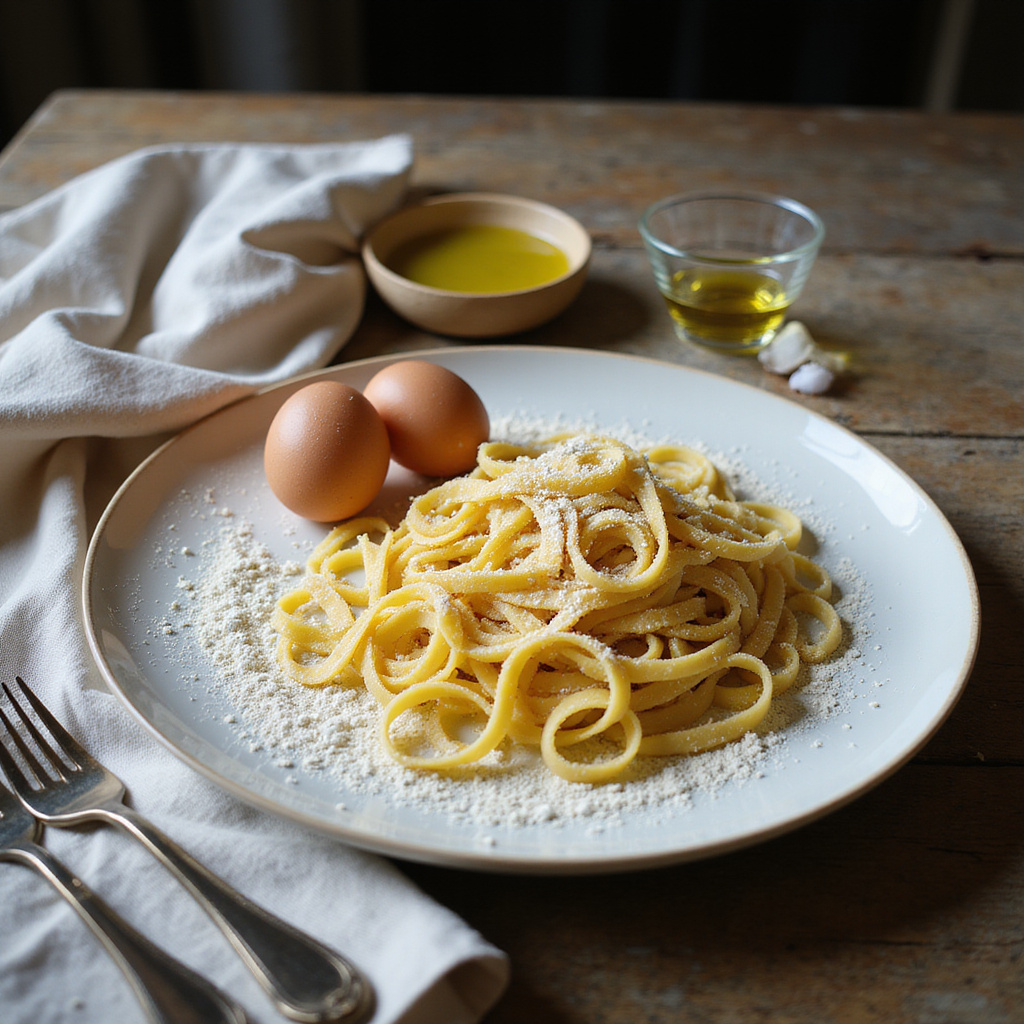
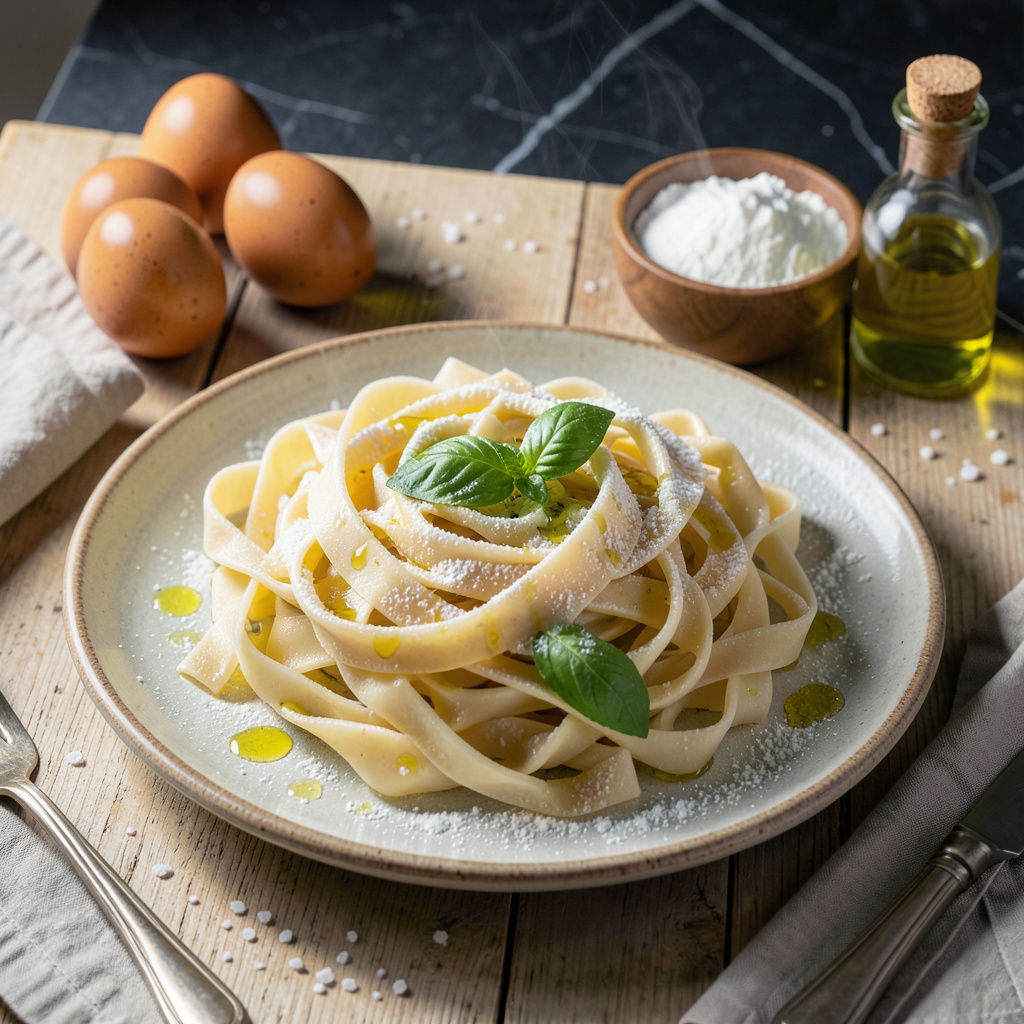
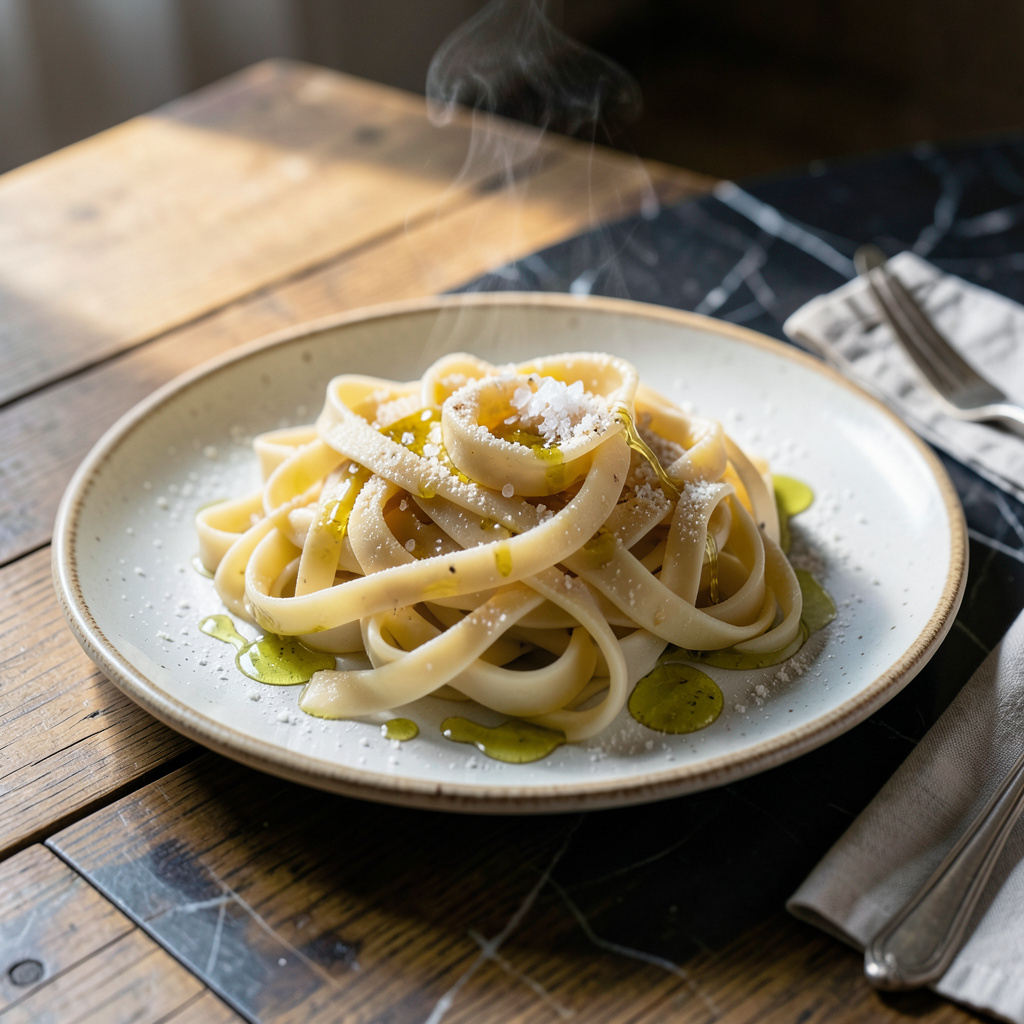
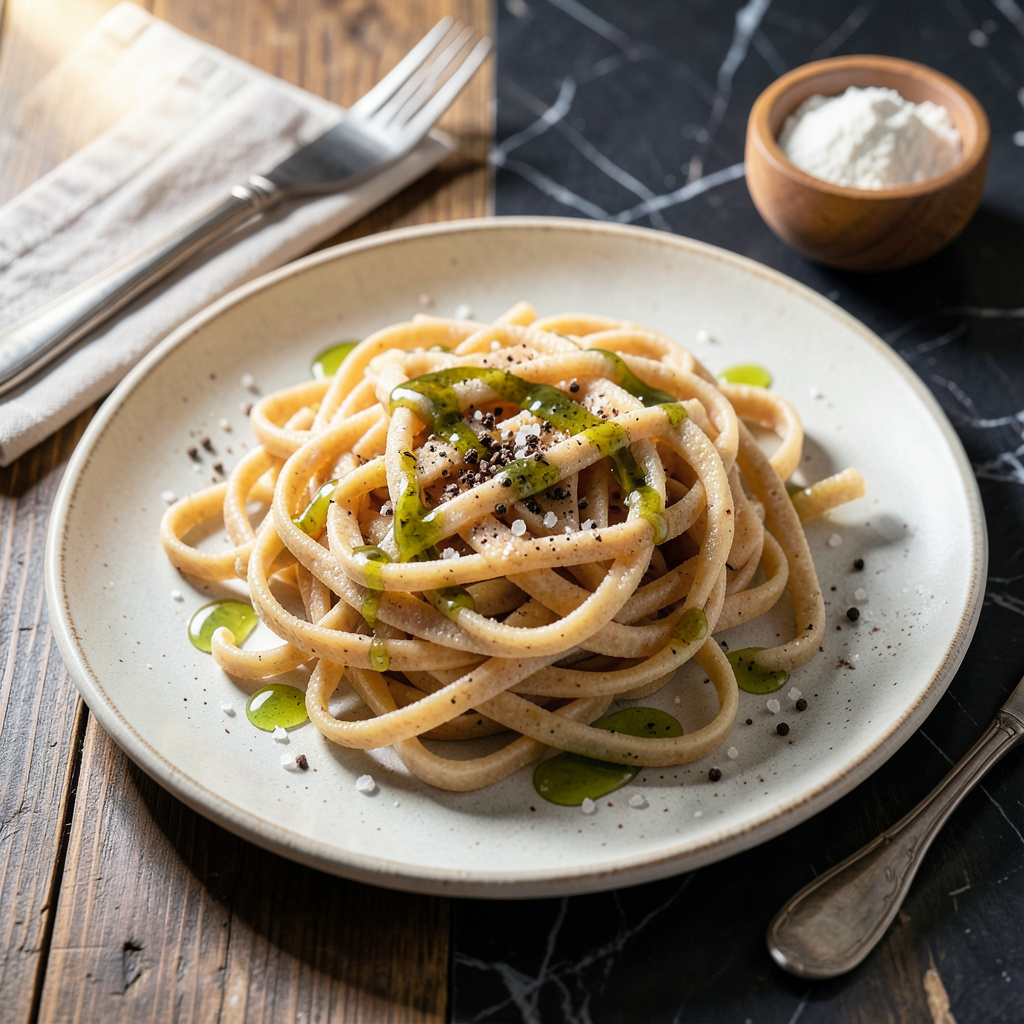
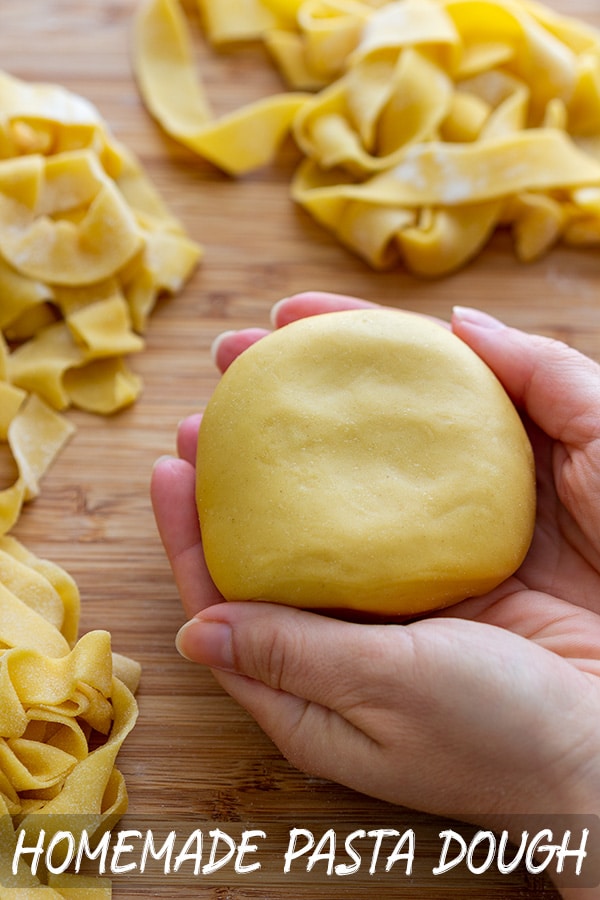
The best basic pasta recipe with 00 flour uses 2 cups of flour and 3 large eggs. Mix, knead, rest, roll, and cut the dough. Cook fresh noodles in salted boiling water for about 2 to 4 minutes, checking for the texture you like.
Fresh pasta is easy to make in an American home kitchen. You need 00 flour, eggs, a work surface, and a little time. A pasta machine helps, but a rolling pin works too. The dough should feel smooth and firm, not wet or sticky.
Italian 00 flour is finely milled wheat flour. The number describes how finely the flour is milled, not a fixed protein level. Different brands can act a bit differently, so the dough may need a small amount of extra flour or water. This guide covers the basic recipe, shaping tips, cooking times, and common fixes.
The key is to judge the dough by touch rather than rely on an exact clock. A well-kneaded dough should hold together and stretch without breaking at once. After a short rest, it becomes easier to roll into thin sheets. You can then cut it into fettuccine, tagliatelle, or other shapes.
00 flour is a finely milled wheat flour often used for fresh pasta in Italy. Its fine texture helps form a smooth dough that is easy to knead and roll. It can make tender noodles with a pleasant bite when the flour, eggs, and handling are balanced.
The number 00 refers to an Italian flour milling grade. It does not guarantee one exact protein level or make every bag the same. Check the package when you can, since protein content and wheat type affect how the dough handles.
For homemade egg pasta, 00 flour is a useful choice because it can make thin sheets without a gritty feel. Still, it is not the only flour that works. All-purpose flour can make good fresh pasta too, while semolina adds a firmer bite and a more textured surface.
Source: dailycookingrecipe.com
Fine texture
The fine grind helps the flour blend with eggs and form a smooth dough.
Easy rolling
A well-made 00 flour dough can roll into thin sheets for noodles and filled pasta.
Flexible use
You can use it for fettuccine, tagliatelle, ravioli, and many other fresh pasta shapes.
Does 00 Flour Make Better Pasta Than All-Purpose Flour?
Not in every case. Both flours can make fresh pasta, and the result depends on the flour, dough moisture, kneading, rolling, and cooking. A good 00 flour may give you a finer, smoother dough, while all-purpose flour is easy to find in most US grocery stores.
If you already have all-purpose flour, there is no need to buy another bag before trying homemade pasta. If you want to make pasta often, 00 flour is worth trying to see which texture you prefer.
Choose 00 flour
Use it when you want a fine dough for smooth sheets and tender noodles.
Choose all-purpose flour
Use it for a practical pantry version that does not require a special flour.
Can You Mix 00 Flour With Semolina?
Yes. Semolina is made from durum wheat and has a coarser feel than 00 flour. Mixing the two can add body and a firmer bite. The dough may need a little more liquid or rest time, depending on the semolina grind.
For a first batch, use mostly 00 flour so you can learn how the dough should feel. Once you are comfortable with the method, replace part of the flour with semolina and compare the results.
For soft, thin noodles
Start with 00 flour and eggs.
For a firmer bite
Try a blend of 00 flour and semolina, then adjust the dough as needed.
Ingredients for a Basic 00 Flour Pasta Recipe
You only need two main ingredients for this egg pasta dough: 00 flour and eggs. A small amount of salt is optional, and a few drops of water may help if the dough feels too dry. Keep extra flour nearby for dusting, but use it sparingly.
This recipe makes roughly 2 to 3 servings, depending on portion size and what you serve with it. The final yield varies with the egg size, flour brand, and how thinly you roll the dough.
Source: timetorecipe.com
00 flour
Use 2 cups, about 240 to 260 grams depending on how the flour is measured and the brand.
Large eggs
Use 3 large eggs at room temperature if convenient. Cold eggs also work, but the dough may take a little longer to come together.
Salt
Add a small pinch if desired. You can also season the cooking water instead.
Water
Keep a small amount nearby for dry dough. Add only a few drops at a time when needed.
Extra flour
Use a light dusting to prevent sticking while rolling and cutting the dough.
Why Weighing the Flour Helps
A cup of flour can weigh more or less based on how it is scooped and packed. This can change the dough from soft to dry before you even begin kneading. A kitchen scale gives you a more repeatable starting point.
For this recipe, weigh about 250 grams of 00 flour and use 3 large eggs. Egg size and flour absorption still vary, so treat the ratio as a starting point rather than an unchangeable rule. Adjust the dough by feel.
Dough too dry
Wet your fingers and knead again, or add a few drops of water.
Dough too sticky
Dust the work surface lightly with flour and knead until the dough firms up.
How to Make Pasta Dough With 00 Flour
The main steps are mixing, kneading, resting, rolling, and cutting. Plan for about 15 to 20 minutes of hands-on work, plus 30 minutes of rest time. Your pace may vary, especially if this is your first batch.
Use a clean counter or a large bowl to mix the dough. If you work directly on the counter, make a flour mound and leave enough space to contain the eggs. A bowl is often easier for beginners because it keeps the wet mixture in one place.
Source: nummyrecipes.com
Step 1: Make a flour well
Place the flour on a clean surface and form a wide well in the center. Crack the eggs into the well.
Step 2: Mix the eggs
Beat the eggs with a fork, then slowly draw flour in from the sides. Work gently so the eggs do not run across the counter.
Step 3: Bring the dough together
When the mixture becomes thick, use your hands to gather it into a rough ball. Scrape up loose bits and press them into the dough.
Step 4: Knead
Push the dough away with the heel of your hand, fold it back, and turn it. Repeat for about 8 to 10 minutes, or until the dough feels smooth and elastic.
Step 5: Rest
Wrap the dough well or cover it in a bowl. Let it rest for 30 minutes at room temperature so it becomes easier to roll.
What Should the Dough Feel Like?
Good pasta dough feels firm, smooth, and slightly springy. It should not cling heavily to your fingers, but it should not crack apart when you press it. A rough surface at first is normal because the flour needs time and kneading to absorb the egg.
If the dough feels dry and breaks into crumbs, add a few drops of water and knead again. If it sticks to your hands, dust it with a little flour. Make small changes and give the dough time to respond before adding more.
Dry and crumbly
Add water in tiny amounts, kneading well after each addition.
Wet and sticky
Add a small dusting of flour and keep kneading until the surface feels firmer.
Tight and hard to roll
Cover it and let it rest for another 10 to 15 minutes.
Can You Make the Dough in a Food Processor?
Yes. Pulse the flour and eggs until the mixture looks like coarse crumbs. Stop before the dough forms a dense mass that strains the machine. Tip the crumbs onto the counter and press them together by hand, then knead until smooth.
The machine can speed up the mixing stage, but it does not remove the need to check moisture and knead the dough. Follow your machine’s limits and avoid running it longer than its instructions allow.
Use short pulses
This helps combine the ingredients without overworking the machine.
Finish by hand
Press and knead the dough to check its texture before resting.
How to Roll and Cut Fresh Pasta
Roll the rested dough into thin, even sheets before cutting it into noodles. A pasta machine makes it easier to control the thickness, but a rolling pin works well with patience. Divide the dough into smaller pieces so each one is easier to handle.
Keep the pieces you are not using covered. Exposed pasta dough can dry out quickly, which may cause cracks during rolling or make the edges difficult to seal if you plan to fill it.
Source: storage.googleapis.com
Step 1: Divide the dough
Cut the rested dough into 3 or 4 pieces. Keep the unused portions covered.
Step 2: Flatten each piece
Press one piece into a small oval with your hands before feeding it through the widest setting of a pasta machine.
Step 3: Roll in stages
Pass the dough through the machine, reducing the thickness a step at a time. Fold the dough and repeat at a wide setting if needed to make the sheet more even.
Step 4: Dust lightly
Use a small amount of flour if the sheet sticks. Too much flour can make the surface dry and leave excess flour in the cooking water.
Step 5: Cut the pasta
Use a cutter or sharp knife to make strips of your preferred width. Loosely coil the noodles or lay them on a lightly floured tray.
Making Pasta With a Rolling Pin
Without a pasta machine, roll each piece on a clean, lightly floured counter. Turn the dough often and roll from the center outward. Aim for a thin, even sheet that is not so fragile that it tears when lifted.
A rolling pin takes more effort, but it gives you control over the shape and thickness. If the dough keeps shrinking back, cover it and rest it for another 10 minutes before trying again.
Roll in small sections
Smaller pieces are easier to flatten evenly than one large ball of dough.
Check the center
The middle can remain thick even when the edges look thin, so rotate and inspect the sheet.
Which Pasta Shapes Work Best?
Long noodles are a good starting point because you can cut them with a knife and do not need special tools. Fettuccine and tagliatelle suit creamy sauces, tomato sauces, and simple butter sauces. Thin sheets can also be used for lasagna or cut into squares for filled pasta.
The best shape depends on the sauce and the dough thickness. Wide ribbons hold rich sauces well, while thinner strands work with lighter sauces. Keep the cut pieces separate so they do not stick together before cooking.
Fettuccine
Cut medium-width ribbons for a sturdy noodle that works with many sauces.
Tagliatelle
Cut long ribbons that pair well with meat sauces and rich tomato sauces.
Ravioli
Use thin sheets and keep the edges clean so the filling stays sealed.
Lasagna sheets
Cut sheets to fit your baking dish, then follow your chosen recipe for layering and cooking.
How Long to Cook Fresh 00 Flour Pasta
Fresh pasta usually cooks in about 2 to 4 minutes, though thickness and shape can change the time. Thin noodles may finish sooner, while thicker ribbons need more time. Start checking early instead of waiting for the water to boil for a fixed number of minutes.
Bring a large pot of water to a steady boil and season it with salt. Add the pasta, stir gently to separate the strands, and keep the water hot. Taste a piece to check the center before draining it.
Source: justlovecooking.com
Thin noodles
Begin checking after about 1 to 2 minutes, especially when the dough is rolled very thin.
Fettuccine and tagliatelle
Start checking around 2 minutes and continue until the texture suits you.
Thicker shapes
Allow more time and test the thickest part for a firm but tender bite.
Filled pasta
Cooking time varies with size, dough thickness, and filling. Follow the recipe and check that the filling is cooked as required.
How to Tell When Fresh Pasta Is Done
Fresh pasta is ready when it is tender but still has some bite. The center should not taste raw or feel like a hard strip of dough. Thin noodles can move from done to overcooked quickly, so taste them as they cook.
If you plan to finish the pasta in a hot pan with sauce, drain it just before it reaches your preferred texture. Add a splash of pasta water to help the sauce coat the noodles. Keep the pan moving and serve while the pasta is hot.
Taste a strand
The center should feel tender, with no raw flour taste.
Save some pasta water
A small amount can loosen the sauce and help it cling to the noodles.
Should You Add Oil to the Pasta Water?
Oil is not needed in the cooking water. It can float on top and does little to stop the noodles from sticking. Stir the pasta soon after adding it, use enough water, and separate the strands before cooking.
A small amount of oil may be useful in certain recipes after cooking, but sauce usually coats fresh pasta better when the noodles are not covered in oil. Toss them with the sauce soon after draining.
Use salt
Salt seasons the pasta while it cooks.
Stir early
A gentle stir helps loosen noodles before they stick together.
Best Sauces for Homemade 00 Flour Pasta
Fresh egg pasta works with many sauces, from a simple butter sauce to a slow-cooked meat sauce. The best match depends on the shape and thickness of the noodles. Wide ribbons can carry thick sauces, while thin pasta often suits lighter sauces.
You do not need a complex sauce to enjoy homemade pasta. Start with a few pantry staples, then add vegetables, herbs, cheese, or cooked meat if you like. Toss the pasta with the sauce in a pan so the flavors coat each strand.
Source: nummyrecipes.com
Butter and Parmesan
Melt butter in a pan, add a little pasta water, and toss with grated Parmesan and black pepper.
Tomato sauce
Warm tomato sauce with garlic and olive oil, then toss in the cooked pasta.
Cream sauce
Use cream, cheese, and a small amount of pasta water to make a smooth sauce for fettuccine.
Pesto
Toss cooked noodles with pesto off the heat and loosen with pasta water as needed.
Meat sauce
Pair tagliatelle with a meat sauce that can cling to the broad ribbons.
A Simple Garlic Butter Sauce
For a quick sauce, melt 2 tablespoons of butter in a skillet over low heat. Add 1 finely chopped garlic clove and cook briefly until fragrant without letting it burn. Add a few tablespoons of pasta water and stir to form a light sauce.
Add the cooked pasta and toss until coated. Finish with grated Parmesan, black pepper, and chopped parsley if desired. Taste before adding more salt because both the cooking water and cheese may already add enough.
Keep the heat low
Garlic can turn bitter if it browns too much.
Add water slowly
Small additions help the butter and water form a sauce instead of making the dish watery.
Common Problems and How to Fix Them
Most pasta problems come from dough moisture, a short rest, uneven rolling, or poor handling before cooking. Small changes often fix the batch. Check the texture first instead of adding large amounts of flour or water at once.
The dough should be firm enough to handle but flexible enough to roll. If it is too soft, a light dusting of flour can help. If it is too stiff, cover it and let it rest before adding any liquid.
Source: fabulouspasta.com
The dough cracks
It may be too dry or not fully rested. Add a few drops of water if needed, knead again, and let it rest under cover.
The dough sticks to the counter
Dust the surface lightly and lift the sheet often while rolling. Avoid piling on flour, which can dry the dough.
The dough keeps shrinking
The gluten may be tight from kneading or rolling. Cover the dough and let it rest for another 10 to 15 minutes.
The noodles stick together
They may be too damp or crowded. Dust lightly with flour, separate them, and cook soon after cutting.
The pasta turns mushy
It may have cooked too long. Start tasting earlier in the next batch and drain once the noodles are tender with some bite.
The pasta tastes tough
The sheet may be too thick, or the noodles may need more cooking. Check the thickness and cook in short extra intervals.
Why Does Pasta Dough Need to Rest?
Resting gives the flour more time to absorb moisture and allows the dough to relax after kneading. This makes it easier to roll into thin sheets without strong springback. Covering the dough also keeps the surface from drying out.
A 30-minute rest is a useful starting point for this recipe. If the dough still feels tight, give it a little longer. Keep it covered while you prepare your work surface or set up the pasta machine.
Rest at room temperature
For a short rest, keep the dough covered on the counter.
Avoid an uncovered rest
Dry edges can crack during rolling and may not blend back into the dough easily.
How to Store Fresh Pasta Dough and Noodles
Fresh egg pasta is best cooked soon after shaping, but you can store it for later. Keep raw egg dough or noodles cold when you are not cooking them right away. Do not leave them at room temperature for long periods, especially in a warm kitchen.
For short storage, wrap the dough tightly and refrigerate it. For longer storage, freezing is a useful option. Store pasta in portions so you can cook only what you need.
Source: justlovecooking.com
Refrigerating dough
Wrap the dough well and refrigerate it. For best quality, use it within about 24 hours, and keep it cold at 40 degrees Fahrenheit or below.
Refrigerating cut noodles
Dust the noodles lightly, form loose nests, and store them in a covered container in the refrigerator. Use them promptly, preferably within a day.
Freezing noodles
Arrange the noodles or loose nests on a tray until firm, then transfer them to a freezer-safe bag or container.
Cooking frozen pasta
Cook it from frozen in boiling water and allow extra time. Check the texture often rather than thawing the noodles on the counter.
Can You Dry Homemade Egg Pasta?
Fresh egg pasta can be dried, but safe storage depends on thorough and controlled drying. Thick bundles or damp centers can retain moisture, so simply leaving a pile of homemade noodles on the counter is not a reliable way to make shelf-stable pasta.
For a beginner, refrigeration or freezing is the simpler option. If you want to make shelf-stable dried egg pasta, use a tested process from a reliable food-preservation source and follow its storage instructions.
Freeze the noodles in portions and cook them from frozen.
For shelf storage
Do not assume that air-dried homemade egg pasta is safe at room temperature just because the surface feels dry.
Fresh Pasta Recipe With 00 Flour: Quick Recipe Card
Use this recipe card when you want the full method in one place. It follows the basic ratio of 00 flour and eggs, with small adjustments based on how the dough feels. You can double the ingredients for a larger meal, but work in batches when rolling the dough.
Source: droolrecipes.com
Prep time
About 20 minutes, including mixing and kneading.
Rest time
30 minutes.
Cook time
About 2 to 4 minutes for many fresh noodle shapes, with the exact time depending on thickness.
Yield
About 2 to 3 servings, depending on appetite and side dishes.
Ingredients
250 grams 00 flour, 3 large eggs, a pinch of salt if desired, and a little extra flour for dusting.
Method
Mix the flour and eggs, knead for 8 to 10 minutes, cover and rest for 30 minutes, roll into thin sheets, cut into noodles, and cook in boiling salted water until tender.
Simple Serving Ideas
Toss the cooked pasta with butter and Parmesan for a fast meal. Add peas, spinach, or sautéed mushrooms for more color and texture. A tomato sauce with garlic also works well when you want a more filling dinner.
For a larger American family meal, serve the pasta with a green salad and roasted vegetables. Keep the sauce ready before the noodles finish cooking, since fresh pasta waits for no one.
Weeknight dinner
Use a quick garlic butter sauce or warmed tomato sauce.
Family meal
Serve wider noodles with meat sauce and a simple salad.
Meat-free option
Add mushrooms, peas, spinach, or roasted vegetables.
Frequently Asked Questions
Q
What Is the Best Ratio of 00 Flour to Eggs for Pasta?
A practical starting point is about 250 grams of 00 flour for 3 large eggs. The ideal ratio varies with egg size and flour absorption, so adjust the dough by feel. Add a few drops of water if it is crumbly, or a small dusting of flour if it is sticky.
Q
Can I Make Pasta With Only 00 Flour and Eggs?
Yes. Flour and eggs are enough for a basic fresh egg pasta dough. Salt is optional, and water is only needed if the dough is too dry to come together. Use salted water when cooking the pasta to season it.
Q
Do I Need a Pasta Machine to Make 00 Flour Pasta?
No. A rolling pin and a clean counter are enough. Roll the dough in small pieces and turn it often to keep the sheet even. A pasta machine can make the work easier, but it is not required.
Q
Can I Use 00 Flour for Pasta Without Eggs?
Yes, but an egg-free dough needs a different recipe. Many egg-free pasta styles use semolina or another flour with water. Do not use the egg-based ratios in this guide without changing the liquid and method.
Q
Why Is My 00 Flour Pasta Dough So Hard?
The dough may need more moisture or more rest time. Cover it and let it sit for 10 to 15 minutes before kneading again. If it still cracks and will not come together, add a few drops of water at a time.
Q
Can I Make 00 Flour Pasta Ahead of Time?
Yes. Wrap the dough tightly and refrigerate it for short-term storage, or freeze shaped noodles for later use. Keep fresh egg pasta cold and cook it promptly. For best quality, avoid leaving raw egg pasta out at room temperature for long periods.
Q
Is 00 Flour the Same as Bread Flour?
No. The 00 label describes an Italian milling grade, while bread flour is generally sold for its baking properties and often has a higher protein level than all-purpose flour. Some 00 flours have different protein levels from others, so check the package rather than treating all 00 flour as the same.
✦ Wrapping Up
Conclusion
A pasta recipe with 00 flour is simple once you learn the feel of the dough. Start with about 250 grams of flour and 3 large eggs, knead until smooth, and let the dough rest for 30 minutes. Then roll it into thin sheets, cut your favorite shape, and cook it until tender.
The main lesson is to make small adjustments instead of forcing the dough to match an exact measurement. Flour brands and eggs vary, and the dough will tell you when it needs a little more moisture or flour. With a few batches, you can make fresh noodles that suit your favorite sauces and family meals.
💡 Key Takeaway
Measure 250 grams of 00 flour, add 3 large eggs, and make one small batch today. Rest the dough for 30 minutes, roll it thin, and start tasting the noodles after 2 minutes of cooking.