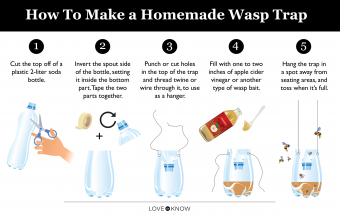
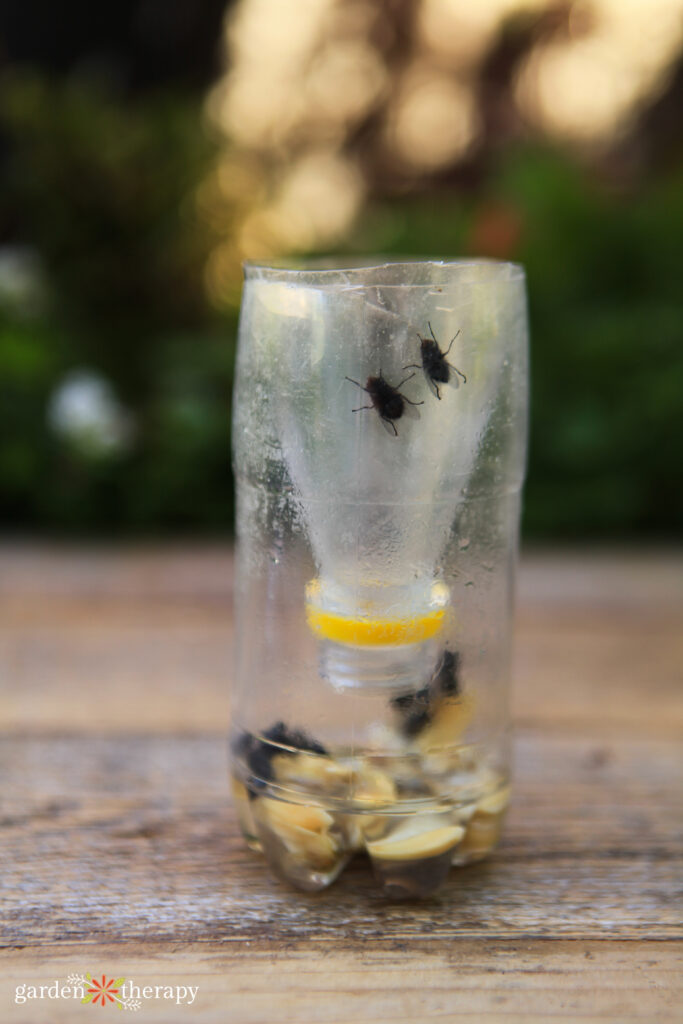
A simple wasp bait recipe uses ripe fruit or a small amount of sugar water mixed with water. The best bait depends on the wasp species, the season, and the food sources nearby. A homemade bottle trap may catch some wasps, but it will not remove a nest or make a busy outdoor area safe on its own.
In the United States, wasps often become a nuisance around backyard cookouts, patio tables, trash cans, fruit trees, and garden beds. A few wasps near a picnic may be searching for sweet food. Others may hunt insects or return to a nest tucked under a roof edge, inside a wall, or in the ground. Knowing the difference helps you choose a sensible way to manage them.
A homemade waspbait recipe can help attract some foraging wasps into a suitable trap. Still, bait does not work the same way for every species. Sweet liquids may attract wasps seeking sugar, while some species are more interested in meat or other insects. This guide explains basic bait choices, simple trap setup, common mistakes, and the safety steps to take before placing a trap near your home.
A wasp bait recipe is a mixture or food source used to attract wasps to a trap. The bait may be a sweet liquid, ripe fruit, or another food that appeals to the wasps in a given area. The trap is meant to hold the insects after they enter, so the bait and trap design need to work together.
Wasp behavior changes with species, colony needs, and the time of year. Some adult wasps seek sugary foods for energy. Others hunt caterpillars, flies, or other insects to feed developing young. A bait that draws one kind of wasp may have little effect on another.
A bait trap is best treated as a limited tool for catching some foraging wasps. It is not a substitute for removing food waste, covering drinks, checking for nest activity from a safe distance, or getting professional help when a nest poses a risk.
Source: i.ytimg.com
Sweet bait
Ripe fruit or diluted sugar water may attract wasps seeking sugary food, especially when nearby natural food sources are limited.
Protein bait
A small piece of meat may attract some wasps that gather protein for their young. It can also attract flies and other scavengers, so it may not suit every yard.
Trap placement
The location matters. A trap placed beside a patio chair may bring foraging wasps closer to people rather than reduce their presence where it matters.
A Simple Homemade Wasp Bait Recipe
For a basic homemade bait, start with ripe fruit or diluted sugar water. These options are easy to prepare and avoid the need to mix several household chemicals. Use only a small amount, and keep the mixture inside a suitable, stable trap designed to limit contact with people and pets.
There is no single recipe that works for every wasp species. Start with one bait type rather than combining many foods at once. That makes it easier to tell whether the bait is attracting the insects you are trying to manage.
Source: i.pinimg.com
Option 1: Ripe fruit bait
Place a small piece of very ripe fruit, such as pear or melon, inside a purpose-built wasp trap that is suitable for the intended bait. Follow the trap maker’s directions and keep the bait enclosed.
Option 2: Diluted sugar water
Dissolve a small amount of sugar in water and use the liquid only in a trap designed to hold it securely. Do not leave open bowls or cups of sweet liquid near people, pets, or outdoor meals.
Option 3: Commercial wasp lure
A lure made for a specific trap may be more practical when its instructions match the target wasps. Check the label, intended species, placement guidance, and replacement schedule before use.
What You Need Before You Start
Choose a stable trap with an opening and design intended for wasps. Read its directions first, since not all traps use the same bait or work in the same way. Keep the bait container away from children and pets, and do not use a damaged trap that could spill.
A suitable trap
Use a purpose-built wasp trap rather than an open dish. A trap should be stable and positioned where people are unlikely to touch or knock it over.
A small bait portion
Use only enough bait for the trap’s intended fill level. More bait does not guarantee more catches.
A safe location
Pick a quiet spot away from doorways, play areas, pets, and outdoor dining spaces. Avoid working near a suspected nest.
How to Set Up the Bait
Prepare the bait according to the trap directions, then secure the trap before carrying it to the chosen location. Avoid splashing sweet liquid on the outside, where it can attract insects to the surface and bring them close to your hands. Wash your hands after handling bait and equipment.
Do not lean over a trap with active wasps or try to push an insect inside. If wasps are already swarming around the setup area, leave it alone and move away calmly. The goal is to reduce exposure, not to force the trap to work.
Keep the bait contained
Follow the trap’s fill line and closure instructions. Do not add insecticide, bleach, ammonia, fuel, or other chemicals to a homemade bait mixture.
Check from a distance
Look for activity without standing beside the trap. If the trap draws more wasps toward a path or sitting area, stop using that location.
Follow the product directions
For a purchased trap or lure, use the stated bait, placement, and servicing method rather than guessing at a stronger mixture.
Which Bait Works Best for Different Wasps?
The best bait depends on what the wasps are seeking. A sweet bait may appeal to adults looking for sugar, while protein bait may attract certain social wasps that collect insects or animal matter for their young. Species identification matters because yellowjackets, paper wasps, and other wasps can differ in behavior.
Do not assume every flying insect around a trap is a wasp. Bees, flies, and other insects may visit food sources too. If a trap catches beneficial insects or fails to attract the target wasps, stop and reconsider the bait and placement.
Source: gardentherapy.ca
Wasps around fruit or soda
Try a suitable sweet bait in an enclosed trap if the insects appear to be seeking sugary foods. Keep ripe fruit, cans, and drink cups covered in the area.
Wasps around meat or pet food
Some social wasps collect protein. Remove exposed food first, and consider whether a trap is appropriate before introducing more food odors.
Wasps repeatedly entering one gap
Repeated traffic to a roof edge, wall opening, shed, or ground hole may point to a nest. Bait is not the right fix for an active nest entrance.
Sweet Bait Versus Protein Bait
Sweet bait is easy to prepare, but its effect can change with the weather, local food sources, and wasp species. Ripe fruit can also draw fruit flies, ants, and other insects. Sugar water may dry out or become diluted by rain if the trap is not designed for outdoor use.
Protein bait may be useful for some wasps, but it can smell unpleasant as it breaks down and attract unwanted scavengers. Keep it contained and follow the trap instructions. If the bait creates more insect activity near the home, remove the trap only when it is safe to do so and choose a different control method.
Choose sweet bait when
Wasps appear to be feeding on ripe fruit, sugary drinks, or similar sources, and a trap can be placed well away from people.
Consider protein bait when
The trap is designed for it and the target wasps are known to seek protein. Avoid open meat scraps or food waste as a casual lure.
Skip bait traps when
There is a nest near a doorway, heavy wasp traffic, a sting-allergy concern, or a risk to children, pets, and neighbors.
Where Should You Place a Wasp Trap?
Place a wasp trap away from the spots where people gather. A trap near a picnic table, back door, porch chair, or children’s play area can make an already annoying problem worse by drawing foraging wasps closer. Follow the product’s spacing directions and choose a place with little foot traffic.
A trap should never be placed beside a suspected nest entrance. Wasps defending a colony can become aggressive when disturbed. Do not climb a ladder, reach into a roof gap, dig into a hole, or move stored items around a nest to install a trap.
Source: i.pinimg.com
Choose a quiet area
Use a location away from doors, walkways, outdoor food, pet bowls, and play spaces, following the trap manufacturer’s instructions.
Keep it stable
Set the trap on a secure surface or hang it only as directed. A trap that falls or spills may expose people and pets to bait and insects.
Watch the effect
Observe from a safe distance. If wasps begin gathering around a place people must use, do not keep the trap there.
Respect neighbors
Avoid placing traps near shared patios, public paths, neighboring doors, or property lines where they may create a nuisance for others.
How Often Should You Check the Trap?
Check the trap only as often as its instructions recommend and only when you can do so safely. Do not open a trap while live wasps are active inside or around it. If the trap is crowded, damaged, leaking, or surrounded by wasps, stay away and seek advice from a qualified pest control service.
There is no universal replacement interval for all bait mixtures and traps. Heat, rain, the bait type, and the trap design can change how long a lure remains useful. Follow the label rather than relying on a fixed number of days.
Look for visible changes
From a safe distance, check for a damaged container, a spill, or wasp activity that has increased around the area.
Do not touch an active trap
Never shake, squeeze, or open a trap to count insects. Avoid close inspection if live wasps are present.
Why a Homemade Wasp Bait Recipe May Not Work
A trap may catch few or no wasps even when the bait seems appealing. The insects may be feeding elsewhere, the bait may not match the species, or the trap may be poorly placed. A low catch count does not prove that there are no wasps nearby.
Before changing the recipe, check whether a trap is the right approach. If wasps repeatedly fly into the same gap or emerge from the ground, the issue may be a nest rather than scattered foragers. Do not move closer to investigate.
Source: i.pinimg.com
The bait attracts other insects
Fruit, sugar, and protein can draw flies, ants, and other scavengers. Stop using the bait if unwanted insects become a problem.
The trap is too close to people
Move away from the area rather than attempting to adjust a trap surrounded by wasps. Reassess the placement only when the area is safe.
The wrong bait was chosen
Different wasps seek different foods. A trap designed for a particular lure may not perform well with an unrelated mixture.
A nest is nearby
Repeated traffic to one opening or a growing concentration of wasps may indicate a colony. A bait trap does not resolve that source.
The trap is damaged or exposed to weather
Rain can dilute liquid bait, and a loose closure can cause spills. Follow the maker’s instructions and replace damaged equipment rather than repairing it while wasps are active.
What to Do When Catches Stay Low
Do not keep adding sugar, fruit, or other ingredients in the hope of making the bait stronger. More food may attract more insects without improving the trap’s effect. First check the intended target, the trap directions, and whether food scraps or uncovered drinks are drawing wasps to the area.
If wasps remain a regular problem, remove easy food sources and consider a professionally selected control method. If activity centers on a nest or wall opening, ask a qualified pest control provider to assess it.
Remove food sources
Clean spills, cover drinks, clear fallen fruit, secure trash, and avoid leaving pet food outside.
Stop if risk increases
If wasps gather near a doorway or sitting area after the trap is set, do not approach it to adjust the bait.
How to Reduce Wasps Around Your Yard Without Bait
Removing food and waste is often the most useful first step when wasps visit a yard. A bait trap cannot make an outdoor space free of wasps, but better food storage and less exposed waste can make the area less attractive. These steps also reduce the chance that you will need to handle a trap.
Wasps have a role in outdoor ecosystems. Many hunt other insects, and some visit flowers. The goal around a home is to reduce risky contact, especially near meals and high-traffic areas, rather than trying to kill every wasp in the neighborhood.
Source: diynatural.com
Secure garbage
Use bins with tight-fitting lids and clean sticky spills from the outside. Keep food waste contained until collection.
Cover food and drinks
At outdoor meals, cover sweet drinks, fruit, desserts, and meat between servings. Check drink cans and cups before taking a sip.
Pick up fallen fruit
Collect ripe fruit from beneath trees before it becomes soft and starts to ferment. Remove spoiled produce from garden beds.
Keep pet food indoors
Bring food bowls inside after pets finish eating, and clean crumbs or spills from feeding areas.
Check structures from a distance
Watch for wasps entering a shed, roof edge, wall gap, or ground opening without approaching the suspected nest. Arrange a professional inspection if needed.
Do Not Block a Nest Entrance
Filling a hole or sealing a gap while wasps are inside can force them to seek another route, potentially into a living space. Spraying household chemicals into an opening can also expose people and pets without solving the problem. Leave suspected nest work to a qualified pest control provider.
If wasps enter a wall, roof, or enclosed structure, explain where you have seen them and how often they appear. A trained provider can assess the likely nest location and select a suitable treatment plan.
Avoid DIY nest removal
Do not burn, flood, hit, shake, or dig into a nest. These actions can provoke stings and create additional hazards.
Keep people away
Keep children and pets away from the area while arranging help, and do not use a ladder near active wasps.
Wasp Trap Safety and Sting Risks
A homemade wasp trap can still expose you to stings. Wasps may sting when trapped, threatened, or disturbed near their nest. Keep traps away from children, pets, and anyone who may not notice the risk, and do not handle a trap while live wasps are active.
People with a known severe allergy to insect stings should avoid setting, checking, or emptying wasp traps. If there is a nest near a home entrance, school, play area, or another busy spot, professional help is the safer option.
Source: i.ytimg.com
Never mix chemicals into bait
Do not add bleach, ammonia, fuel, cleaning products, or unapproved pesticides to a food bait. Such mixtures can create toxic exposure, damage the trap, or contaminate the area.
Keep bait away from children and pets
Use a secured trap and follow all directions. Prevent access to both the bait and trapped insects.
Avoid sudden movements near wasps
If wasps approach, move away calmly when you can do so safely. Do not swat at a group or disturb a nest.
Know the signs of a severe reaction
Trouble breathing, swelling of the tongue or throat, faintness, or widespread symptoms after a sting may signal anaphylaxis. Call 911 in the United States and use prescribed epinephrine promptly if available, following the person’s emergency plan.
When to Call a Pest Control Professional
Contact a qualified pest control provider when you suspect a nest inside a wall, roof, attic, shed, or the ground near a busy path. Professional help is also sensible when wasps defend a spot that people must use or when repeated trapping does not address the source.
Tell the provider where you see wasps entering and leaving, how long the activity has continued, and whether children, pets, or people with sting allergies use the area. Do not approach the nest to collect more details.
A nest is close to people
Repeated wasp traffic near a doorway, porch, play area, or public path calls for a careful assessment.
Wasps are inside a building
Wasps emerging from a wall, ceiling, or attic may need a targeted inspection rather than a bait trap.
There is a known sting allergy
Avoid DIY trapping and nest work. Keep away from the activity and arrange qualified help.
Homemade Bait Traps Versus Other Control Options
A homemade bait trap is inexpensive to prepare, but its reach is limited. It may catch individual foraging wasps without reducing the colony that produces them. Other options may be more suitable depending on whether wasps are visiting food, nesting nearby, or creating a safety risk.
Choose a method based on the source of the problem. A yard with a few wasps near ripe fruit needs a different response from a wall cavity with steady wasp traffic. The safest plan starts with reducing contact and avoiding direct nest disturbance.
Source: gardentherapy.ca
Homemade bait trap
Useful only for limited capture when the trap and bait match the target wasps. It needs safe placement and does not reliably eliminate a nest.
Commercial wasp trap
May offer a purpose-built design and matching lure. Read the label for the target species, placement instructions, and safe servicing method.
Food-source management
Reduces easy access to scraps, sugary drinks, fallen fruit, and trash. This is a practical first step for many outdoor nuisance problems.
Professional nest control
Better suited to active nests in structures, near busy areas, or where sting risk makes DIY work unsafe.
A Simple Decision Guide
Use the visible pattern of activity to guide the next step, without moving closer to inspect wasps. This is a practical screening guide, not a way to identify every species or confirm a nest.
A few wasps visit outdoor food
Cover food and drinks, clean spills, and secure trash. Consider a suitable trap only if it can be placed away from people.
Wasps gather around a fruit tree
Pick up fallen fruit and remove spoiled produce. Avoid placing a trap beside a path or under a spot where people sit.
Wasps repeatedly enter one opening
Keep clear and contact a pest control provider. Do not seal the opening or spray into it.
Wasps defend an area aggressively
Leave the area, keep others away, and seek qualified help rather than testing a new bait recipe.
What to Expect After Setting a Wasp Trap
A trap may catch wasps, attract other insects, or show little activity. None of these results alone proves that the nest problem has been solved. Wasps may continue to forage over a wide area, and the trap may attract only a portion of the insects passing nearby.
Judge the method by whether it reduces unwanted activity in the area without creating new risks. If wasps become more common around people, stop using that placement. If activity continues from a nest opening, switch to a safer plan instead of changing the bait again.
Source: cf.ltkcdn.net
Some wasps are caught
This confirms that insects entered the trap, but it does not show that a nearby colony has been removed.
Other insects are caught
The bait may be too broad in its appeal or the trap may be unsuitable for the target. Stop if beneficial insects or unwanted scavengers are being caught.
No wasps are caught
The bait, location, trap design, or wasp behavior may explain the result. Avoid adding chemicals or approaching a suspected nest to investigate.
More wasps appear near people
The placement may be drawing insects into a busy area. Do not approach the trap while activity is high; keep people away and seek advice on safe removal.
Frequently Asked Questions
Q
What is the best homemade bait for wasps?
There is no single best bait for every wasp. Ripe fruit or diluted sugar water may attract wasps seeking sweet food, while certain social wasps may seek protein. Use a bait that matches the trap’s directions and the target insect, and place the trap away from people.
Q
Does vinegar attract wasps?
Vinegar is not a dependable universal wasp lure. Its effect can vary with the mixture and the insects present, and a homemade blend may attract flies or other insects instead. A purpose-built trap and a lure intended for the target wasps are more predictable options when used according to their directions.
Q
Can I use soda as wasp bait?
Sugary soda may attract some wasps that seek sweet food, but it can also attract ants and other insects. If you use a sweet liquid, keep it inside a suitable, enclosed trap and follow the trap instructions. Never leave an open soda container near an outdoor meal as a deliberate lure.
Q
Will a homemade wasp trap get rid of a nest?
No. A bait trap may catch some foraging wasps, but it does not reliably remove an active nest. If wasps repeatedly enter a hole, roof edge, wall, or ground opening, keep your distance and contact a qualified pest control provider.
Q
How can I keep wasps away from an outdoor meal?
Cover sweet drinks and food, clean spills promptly, keep trash covered, and pick up fallen fruit. Check cups and cans before drinking, since wasps can enter them while food is unattended. Do not set a bait trap beside the table because it may draw more wasps toward the meal.
Q
Is homemade wasp bait safe for pets?
Food-based bait can still pose risks if a pet eats it, knocks over the trap, or encounters trapped wasps. Keep the trap secured and out of reach, and follow the product’s safety directions. Never add household chemicals or unapproved pesticides to the bait.
Q
What should I do if I find a wasp nest?
Keep people and pets away and avoid hitting, flooding, burning, digging into, or sealing the nest. Do not climb near an active nest or spray chemicals into an opening. Contact a qualified pest control provider, especially if the nest is inside a building or close to a busy area.
✦ Wrapping Up
Conclusion
A simple wasp bait recipe can help catch some foraging wasps when the bait matches their feeding habits and the trap is placed with care. Ripe fruit and diluted sugar water are basic options for wasps seeking sweet food, while other wasps may respond to different lures. No homemade mixture works for every species or situation.
The most useful first steps are to cover food, clean spills, secure garbage, and remove fallen fruit. Keep traps away from people and pets, and stop using one if wasps begin gathering near a busy spot. A trap is not a safe fix for a nest inside a wall, roof, shed, or ground opening.
💡 Key Takeaway
Choose one suitable bait, follow the trap instructions, and place it well away from people. If wasps repeatedly enter one opening or defend an area, keep your distance and call a qualified pest control provider instead of trying to remove the nest yourself.