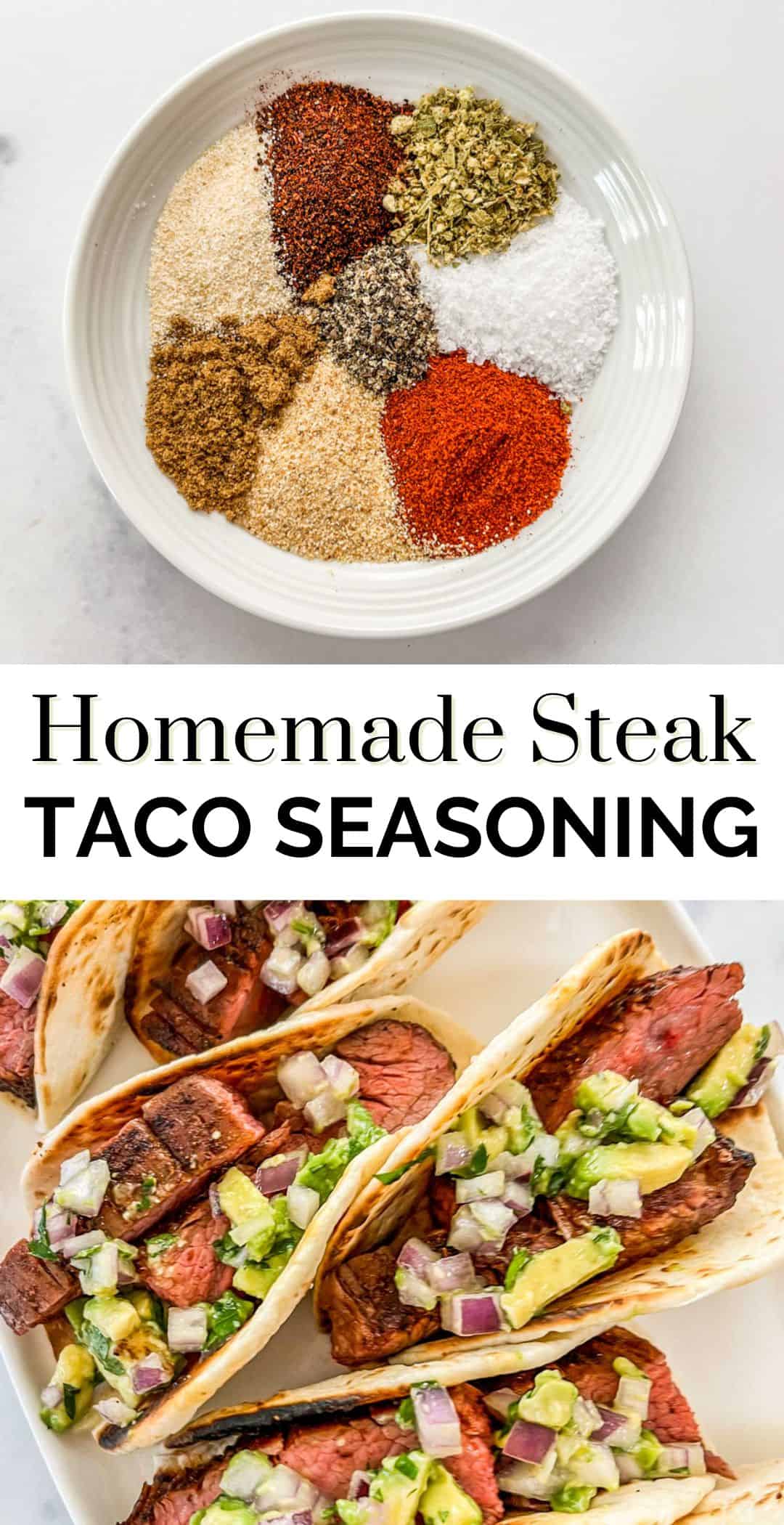
The best steak taco meat seasoning combines chili powder, ground cumin, smoked paprika, garlic powder, onion powder, oregano, black pepper, and salt. Mix the spices, coat 1 pound of steak, and cook it in a hot skillet or on the grill. Add fresh lime juice after cooking for a bright, fresh taste.
Steak tacos are a favorite for weeknight dinners, summer cookouts, and casual family meals across the United States. A good spice blend helps turn a simple cut of beef into a flavorful taco filling. You can make it at home with common pantry spices in just a few minutes.
This guide gives you an easy steak taco meat seasoning recipe, clear measurements, and practical cooking tips. You will also learn how to adjust the heat, use the blend as a dry rub or marinade base, and keep the meat juicy. The recipe uses familiar ingredients and does not require a store-bought seasoning packet.
Steak taco meat seasoning is a blend of dried herbs, ground spices, and salt used to flavor beef for tacos. It adds warmth, savory depth, mild heat, and a hint of smoke. The blend works with skirt steak, flank steak, sirloin, and other cuts that can be sliced into thin strips.
Unlike a seasoning blend made only for ground beef, steak taco seasoning needs to work well on the surface of a whole cut of meat. The spices should form a tasty crust without burning before the center cooks. A mix of chili powder, cumin, paprika, garlic, and pepper does that well when used with proper heat.
There is no single required formula for steak taco seasoning. Some blends lean toward smoky flavors, while others use more cumin, oregano, or chili. This recipe gives you a balanced starting point that you can change to suit your taste.
Source: fitfoodiefinds.com
Flavor
Chili powder and cumin bring earthy warmth, paprika adds color, and garlic and onion powder add savory notes.
Texture
A dry spice blend can help form a flavorful surface on the steak when the meat is properly dried and cooked.
Flexibility
You can use the same blend for grilled steak, skillet steak, sliced taco meat, or steak cooked for burrito bowls.
How Is Steak Taco Seasoning Different From Regular Taco Seasoning?
The two blends can share most of the same ingredients. Regular taco seasoning is often used with ground beef and may include a thickening agent for a saucy filling. A steak-focused blend is usually designed to coat the surface of a whole cut of beef and develop flavor during searing or grilling.
You can use a standard taco seasoning packet on steak if you enjoy its flavor. Check the salt level first, since some packaged blends contain a large amount of sodium. A homemade mix gives you more control over salt, heat, and smoke.
For steak strips
Choose a dry blend with chili powder, cumin, paprika, and garlic.
For saucy taco filling
Use a taco blend with a little water or broth if you want a moist filling, but avoid boiling already-cooked steak for too long.
Easy Homemade Steak Taco Meat Seasoning Recipe
This homemade steak taco meat seasoning uses eight common ingredients. The amounts below make enough to season about 2 pounds of steak, depending on how strongly you like the flavor. For a milder taste, start with less and add more the next time you make it.
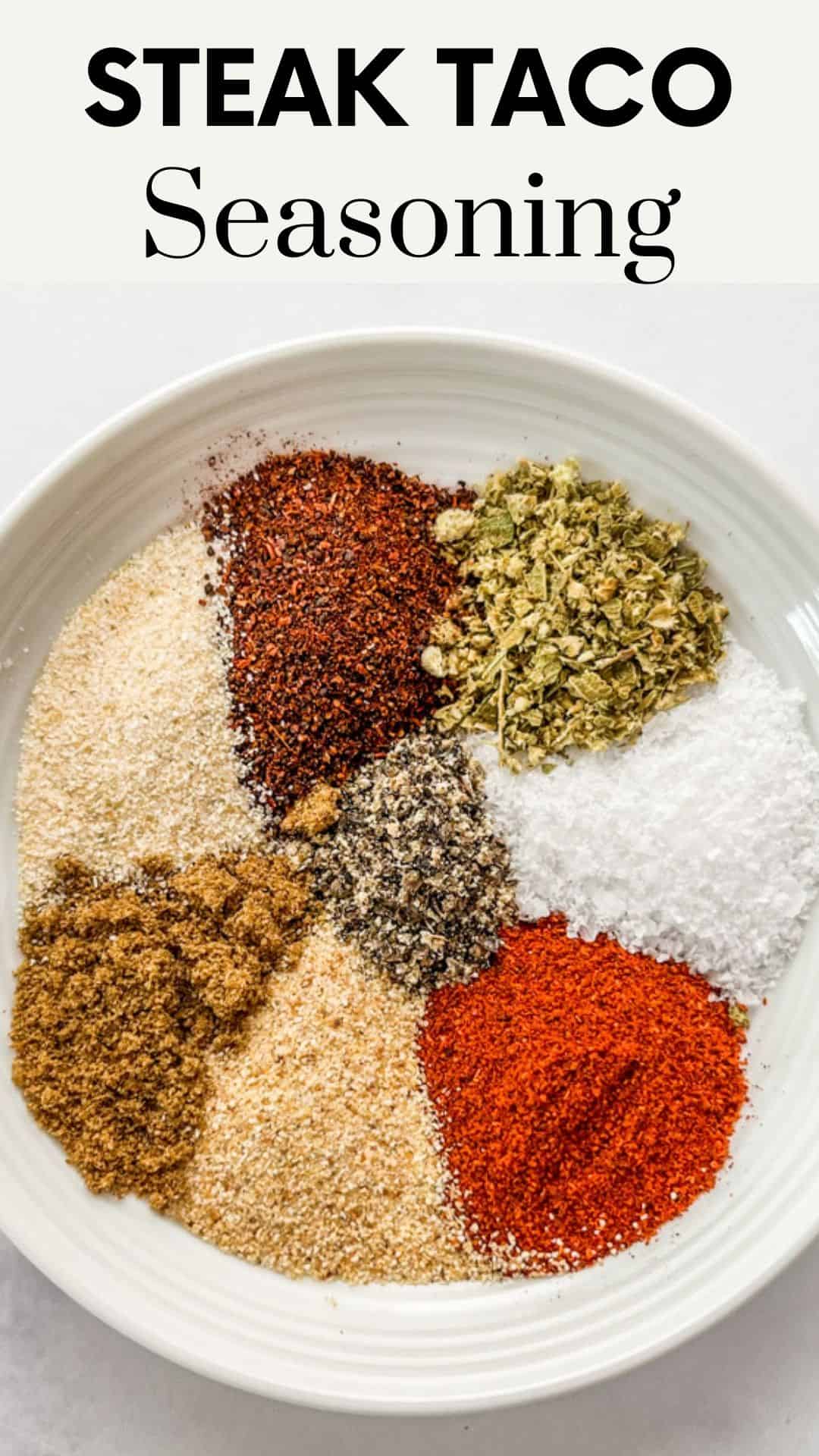
Measure the spices into a small bowl and stir until the color looks even. Break up any lumps in the brownish chili powder or garlic powder before using the mix. The finished blend should look dry and evenly mixed, with no large clumps of one spice.
Source: tastingtable.com
2 tablespoons chili powder
Use a standard American chili powder blend for a mild, earthy base. It is not the same as pure cayenne pepper.
2 teaspoons ground cumin
Adds a warm, earthy taste that pairs well with grilled or seared beef.
2 teaspoons smoked paprika
Brings color and a gentle smoky note. Use sweet paprika if you prefer less smoke.
2 teaspoons garlic powder
Adds a savory flavor that spreads evenly over the meat.
1 teaspoon onion powder
Adds mild sweetness and depth without needing fresh onion in the rub.
1 teaspoon dried oregano
Adds an herbal note that balances the earthier spices.
1 teaspoon black pepper
Adds a mild bite and helps round out the blend.
1 teaspoon fine salt
Seasoning strength depends on salt grain size, so measure carefully and adjust to your needs.
How to Mix the Seasoning
Add all eight ingredients to a clean, dry bowl. Stir with a spoon or small whisk until the blend looks uniform. Taste a tiny pinch if you want to judge the spice balance, keeping in mind that the raw mixture will taste stronger and saltier than the finished steak.
Use the seasoning at once or transfer it to a clean, airtight spice jar. Label the jar with the name and date so you can keep track of the blend. Always use a dry spoon to avoid adding moisture to the stored mix.
For 1 pound of steak
Start with about 1 tablespoon of the blend, then add a little more if needed.
For 2 pounds of steak
Use about 2 tablespoons, adjusting for the size of the cut and your preferred salt level.
The best method is simple: dry the steak, coat it with seasoning, cook it over suitable heat, and rest it before slicing. Each step helps the spices work well with the meat. You do not need a long list of ingredients or a complicated marinade to get a flavorful result.
Start with fully thawed steak. Trim any tough excess fat or silver skin that would make the meat hard to chew, but leave a little fat if it helps the cut stay moist. Pat both sides dry with paper towels before adding the seasoning.
Source: Taste of Home
Step 1: Dry the surface
Remove surface moisture so the steak can brown instead of steam.
Step 2: Add a light coat of oil
Rub a small amount of neutral oil over the steak if needed to help the spices stick.
Step 3: Apply the spice blend
Sprinkle the seasoning over both sides and press it gently onto the surface.
Step 4: Let the seasoning sit
For a quick meal, cook after a short rest at room temperature while preparing the pan. For longer seasoning, refrigerate the steak.
Step 5: Cook and rest
Sear or grill the steak, check its internal temperature, and rest it before cutting.
Should You Season Steak Before or After Cooking?
Apply most of the dry seasoning before cooking. This gives the spices time to cling to the meat and helps their flavor develop as the surface browns. You can add a little extra salt or a squeeze of lime after cooking if the finished steak needs more flavor.
Avoid adding a large amount of fresh lime juice long before searing if you want a strong brown crust. Excess liquid can make browning harder. A little oil can help the dry spices coat the steak, while lime juice works well as a finishing touch.
For a fast dinner
Season the steak just before cooking and prepare the toppings while the pan heats.
For deeper seasoning
Apply the blend ahead of time and keep the steak covered in the refrigerator. Pat away excess surface moisture before cooking.
How Long Should Seasoned Steak Rest?
A short rest after cooking helps the meat settle before you slice it. For many steak cuts, about 5 to 10 minutes is practical, though a larger piece may need longer. Keep the steak loosely covered rather than tightly wrapped, which can soften the crust through trapped steam.
Slice the meat across the grain. The grain is the direction in which the muscle fibers run. Cutting across those fibers shortens them, making each bite easier to chew.
Look for the fibers
Find the long lines in the meat before cutting.
Turn the steak if needed
Some cuts change grain direction, so adjust the knife angle as you slice.
Which Cuts of Steak Work Best for Tacos?
Skirt steak and flank steak are popular choices for steak tacos because their beefy flavor pairs well with bold spices. Sirloin is another useful option for home cooks who want a versatile cut. The best choice depends on your budget, the cooking method, and how much time you have.
A seasoning blend cannot make every cut equally tender. Thin cuts can cook quickly over high heat, while thicker pieces need more care to avoid an overdone exterior and undercooked center. Slice every cut against the grain before serving.
Source: fitfoodiefinds.com
Skirt steak
Has a strong beef flavor and a loose grain. It works well with quick grilling or searing, but it can become chewy if overcooked or sliced incorrectly.
Flank steak
Is lean and has long muscle fibers. Cook it carefully, let it rest, and slice it thinly across the grain.
Sirloin
Offers a useful balance of beef flavor and versatility. Cut it into strips or cook it whole before slicing.
Flat iron steak
Can work well when available. Its shape makes it practical for pan searing and slicing for tacos.
Ribeye
Has more fat and a rich flavor. Use moderate care with high heat because rendered fat can cause flare-ups on a grill.
Can You Use the Seasoning on Thin Steak Strips?
Yes. Thin strips are convenient for skillet tacos because they cook fast and are easy to portion. Cut the raw steak into strips across the grain when the grain direction is clear, or cook the steak whole and slice it afterward for better control over doneness.
If you cook raw strips, avoid crowding the pan. Too much meat at once releases moisture and lowers the pan temperature. Cook in batches if needed, and stop as soon as the strips reach a safe temperature without drying out.
Use a wide pan
Give the meat enough space to brown instead of steam.
Keep the strips similar in size
Even pieces are easier to cook at a similar rate.
How to Cook Steak With Taco Seasoning
A hot skillet or grill works well for seasoned steak. The goal is to brown the outside while cooking the center to a safe temperature. Cooking time varies with thickness, starting temperature, pan heat, and the cut of beef, so use a thermometer rather than relying only on a timer.
For a skillet, heat a heavy pan over medium-high to high heat, depending on the pan and stove. Add a small amount of high-heat cooking oil if needed. Lay the steak in the pan and leave it undisturbed long enough to form a brown crust before turning.
Source: bakeitwithlove.com
For skillet steak
Use a hot pan and avoid crowding. Turn the meat as needed to brown both sides.
For grilled steak
Preheat the grill and clean the grates. Watch for flare-ups, especially with fatty cuts.
For thin strips
Cook in small batches and turn the strips as they brown.
For thick steak
Sear the outside, then adjust the heat or finish in the oven if needed to cook the center safely.
What Is the Safe Internal Temperature for Steak?
For whole cuts of beef, the USDA recommends a minimum internal temperature of 145°F, followed by a rest of at least 3 minutes. Check the thickest part with a food thermometer. This guidance applies to intact steaks and roasts; ground beef has a different safety target.
For ground beef taco filling, cook the meat to 160°F. Color alone cannot reliably confirm that beef has reached a safe temperature. Clean the thermometer after use and prevent raw meat juices from touching cooked steak or ready-to-eat toppings.
Whole steak
Reach 145°F and rest for at least 3 minutes for the USDA minimum recommendation.
Ground beef
Reach 160°F before serving.
Food handling
Wash hands and clean utensils and surfaces after contact with raw beef.
How to Keep Steak Juicy
Choose a cut suited to quick cooking, avoid excessive heat that burns the spices, and do not leave thin strips in the pan longer than needed. A little oil can help the spices brown, but a heavy coating may leave the meat greasy. Resting the steak and slicing it thinly across the grain also improve the eating texture.
If the steak is lean, serve it with salsa, avocado, or a small spoonful of a lime-based sauce. These toppings add moisture and contrast without requiring the beef to be cooked in a large amount of liquid.
Avoid burning the spices
If the rub darkens too fast, lower the heat slightly and check that the pan is not smoking excessively.
Do not overcook thin cuts
Thin steak strips can become dry quickly, so check them early.
Ways to Adjust the Flavor of Your Steak Taco Seasoning
The base recipe is easy to adjust without changing the whole blend. Add more of one spice at a time, mix well, and taste the seasoning on cooked meat before making a large change. Remember that salt and heat can become stronger when the meat loses moisture during cooking.
Fresh toppings also change the final flavor. Lime adds acidity, cilantro adds a fresh herbal note, and onion adds crunch. You can keep the steak seasoning simple and let the toppings provide extra contrast.
Source: thishealthytable.com
For more heat
Add a small amount of cayenne pepper or ground chipotle. Increase gradually because these spices can quickly dominate the blend.
For a smoky taste
Use smoked paprika or a little ground chipotle. Both add smoke, but chipotle also adds heat.
For a citrus note
Add fresh lime juice after cooking, or mix a small amount of finely grated lime zest into the dry blend for immediate use.
For less salt
Reduce or omit the salt and season the cooked steak to taste. Check packaged chili powder for added salt.
For more herbal flavor
Increase the dried oregano slightly or add a little chopped fresh cilantro after cooking.
Should You Add Sugar to Steak Taco Seasoning?
Sugar is optional, not essential. A small amount may help the surface brown, but sugar can also burn when a pan or grill is very hot. For a savory steak taco blend, you can leave it out and rely on the natural flavor of the beef and the browning process.
If you want a slightly sweet, smoky profile, test a small pinch in a separate portion of seasoning first. Avoid adding a large amount when grilling over direct flame.
For high-heat cooking
A sugar-free blend is easier to manage because it reduces the risk of sugar scorching.
For a mild sweet note
Use a small amount and watch the surface closely while cooking.
Can You Use Steak Taco Seasoning as a Marinade?
Yes. The dry seasoning can form the flavor base for a simple steak marinade. Mix it with a little oil and, if desired, a modest amount of lime juice. The oil helps coat the surface, while the spices add flavor during the rest period.
A marinade mainly affects the outer part of the meat, so it does not make a thick steak taste seasoned all the way through. Strong acids can also change the surface texture if the meat sits in them for too long. For a simple weeknight method, season the steak and cook it without a long acidic soak.
Source: www.pinterest.com
Simple marinade base
Combine about 1 tablespoon of seasoning with 1 to 2 tablespoons of oil per pound of steak. Add a small squeeze of lime if you like.
Short rest
For a quick flavor boost, refrigerate the coated steak for about 30 minutes before cooking.
Longer rest
Keep the steak refrigerated if seasoning it ahead. The result depends on the cut, thickness, salt content, and other ingredients.
Food safety
Never reuse marinade that has touched raw beef as a finishing sauce unless it is brought to a safe boil first. Making a separate sauce is simpler.
Dry Rub or Wet Marinade: Which Is Better?
A dry rub is the simplest choice when you want a browned surface and a clear beef flavor. It is quick to mix, easy to store, and does not add much moisture to the steak before cooking. A wet marinade can spread the seasoning over the surface and add another layer of flavor, but excess liquid may slow browning.
Neither method guarantees tender meat. Cut, cooking temperature, final doneness, and slicing direction all affect texture. Choose the method that fits your schedule and the cut you have.
Choose a dry rub
Use it for fast skillet meals, grilling, and steak with a crisp brown crust.
Choose a marinade
Use it when you want the seasoning mixed with oil and a little acid before cooking.
How to Build Flavorful Steak Tacos
Once the steak is cooked and sliced, build the tacos with warm tortillas and toppings that balance the rich meat. Corn tortillas give a classic corn flavor, while flour tortillas offer a soft, flexible base. Warm either type in a dry skillet or according to the package directions.
Keep the toppings simple at first. Too many heavy sauces can hide the flavor of the seasoned steak. Add one fresh topping, one creamy topping if desired, and a little acidity for balance.
Source: fitfoodiefinds.com
Tortillas
Use warm corn or flour tortillas sized for the amount of steak you plan to add.
Fresh onion
Finely diced white or red onion adds a crisp bite.
Cilantro
Chopped cilantro brings a fresh herbal note, though it can be left out if you dislike its taste.
Lime
A fresh squeeze of lime brightens the spices and balances the richness of the beef.
Salsa
Use a fresh tomato salsa, a green salsa, or a roasted chili salsa based on your heat preference.
Avocado
Adds a creamy texture that pairs well with smoky or spicy seasoning.
What Sides Go With Steak Tacos?
Serve steak tacos with sides that add texture or freshness without making the meal too heavy. Rice and beans make the meal more filling, while a cabbage slaw or chopped tomato salad adds crunch. Grilled corn also works well with smoky steak.
For a simple family dinner, prepare the toppings while the steak cooks. Keep cold toppings chilled until serving and place the cooked steak on a clean plate rather than the one used for raw meat.
Rice and beans
Good choices when you want a more filling plate.
Cabbage slaw
Adds crunch and a fresh contrast to the warm meat.
Grilled corn
Pairs well with chili powder, cumin, and smoked paprika.
Pico de gallo
Adds fresh tomato, onion, cilantro, and lime flavors.
Common Steak Taco Seasoning Mistakes to Avoid
A flavorful spice blend cannot fix every cooking problem, but a few small changes can make a clear difference. Most disappointing steak tacos come from too much salt, burnt spices, crowded pans, overcooked meat, or slices cut in the wrong direction. Check those points before changing the seasoning recipe.
The spice measurements are a starting point, not a rule for every cut and brand of spice. Some chili powders already contain salt, and coarse salt measures differently from fine salt. Taste the cooked steak before adding extra salt or a strong sauce.
Source: thishealthytable.com
Using too much seasoning
A thick layer can overwhelm the beef, especially when the blend contains salt. Start with a moderate amount and adjust next time.
Cooking wet steak
Excess moisture slows browning. Pat the meat dry before applying the spice blend.
Burning the rub
Very high heat can scorch fine spices. Adjust the heat if the surface turns black before the meat is cooked.
Crowding the pan
Too much meat at once releases steam and limits browning. Work in batches when cooking strips.
Skipping the rest
A short rest makes slicing easier and helps the steak retain more of its juices.
Slicing with the grain
Long muscle fibers can make steak seem tough. Cut across the grain for shorter, easier-to-chew pieces.
What If the Steak Tastes Bland?
First, check whether the steak needs salt. If the salt level is fine, add a squeeze of lime or a little fresh salsa. Acidity can make the other flavors seem brighter without requiring a much larger amount of seasoning.
If the spice flavor itself is weak, the blend may be old or the steak may have received too little seasoning. Use fresh spices when possible and apply a more even coat next time. Avoid dumping extra dry powder onto finished meat, since it may taste dusty rather than blended.
Too salty
Serve the steak with unsalted tortillas, vegetables, avocado, or rice to balance the meal.
Too spicy
Add a mild topping such as avocado or plain sour cream, if desired.
Too smoky
Use sweet paprika instead of smoked paprika in the next batch.
How to Store Homemade Steak Taco Seasoning
Store unused dry seasoning in a clean, airtight jar away from heat, sunlight, and moisture. A kitchen cupboard is usually more suitable than a shelf beside the stove. Label the container with the date and use a dry spoon each time you scoop out the blend.
Dry spices may remain usable for a long time when stored well, but their flavor and aroma gradually fade. Check the blend before using it. If it smells weak, has absorbed moisture, or shows signs of mold or contamination, discard it rather than trying to refresh it.
Source: fitfoodiefinds.com
Keep it dry
Moisture can cause clumps and create conditions that are unsuitable for storage.
Use an airtight container
A tight lid helps preserve aroma and limits exposure to air.
Label the jar
Write the blend name and mixing date on the container.
Store marinades differently
A seasoning mix combined with oil, lime juice, or other wet ingredients is not shelf-stable like the dry blend. Keep it refrigerated and use it promptly.
Can You Make Steak Taco Seasoning Ahead of Time?
Yes. Making the dry mix ahead saves time on busy nights and helps keep the ingredient ratios consistent. Prepare a small jar for regular use or mix a larger batch by multiplying each ingredient by the same amount.
Keep salt separate if you prefer to control it for each meal. That can help when you use different cuts, packaged spice blends, or meat that has already been salted. For best flavor, keep the jar tightly closed and replace the mix when its aroma fades.
For meal prep
Measure the blend in advance and keep it dry until cooking day.
For family meals
Make a mild base blend and add cayenne or chipotle to individual portions when needed.
Frequently Asked Questions
Q
What spices go in steak taco meat seasoning?
A basic blend uses chili powder, ground cumin, smoked paprika, garlic powder, onion powder, dried oregano, black pepper, and salt. You can add cayenne for heat or chipotle powder for a smoky, spicy note. Start with a balanced mix, then adjust it to suit your taste.
Q
How much steak taco seasoning do I need per pound?
Start with about 1 tablespoon of homemade seasoning per pound of steak. Use up to 2 tablespoons if you prefer a stronger flavor, while accounting for the salt in the blend. Apply the seasoning evenly over the meat rather than leaving it in one thick patch.
Q
Can I use store-bought taco seasoning on steak?
Yes. A store-bought taco seasoning packet can flavor steak for tacos. Check the ingredient list and salt content first, since some packets contain added salt, starch, or sugar. Use a moderate amount at first and add more only if needed.
Q
Should I marinate steak before adding taco seasoning?
You do not need to marinate steak before using taco seasoning. A dry rub works well on its own and is convenient for fast cooking. If you want a marinade, combine the spices with a little oil and optional lime juice, then keep the steak refrigerated until cooking.
Q
Can I use this seasoning for ground beef tacos?
Yes. The blend also works with ground beef. Brown the beef in a skillet, drain excess fat if needed, then stir in the seasoning and a small amount of water if you want a moist filling. Cook ground beef to an internal temperature of 160°F.
Q
Is steak taco seasoning spicy?
The basic recipe is usually mild to moderately warm, depending on the chili powder used. For a milder blend, reduce the chili powder or choose a mild variety. For more heat, add cayenne or chipotle powder a little at a time.
Q
Can I make steak taco seasoning without salt?
Yes. Leave out the salt and season the steak separately to taste. The chili, cumin, paprika, garlic, onion, oregano, and pepper will still add flavor. This also gives you more control when using spice blends that already contain sodium.
✦ Wrapping Up
Conclusion
Homemade steak taco meat seasoning is an easy way to add bold flavor to beef without relying on a packet. Chili powder, cumin, paprika, garlic, onion, oregano, black pepper, and salt make a useful base for skirt steak, flank steak, and sirloin. The mix takes only a few minutes to prepare and can be adjusted to suit your preferred level of heat.
For the best result, dry the steak before seasoning, use a hot pan or grill, check the internal temperature, and rest the meat before slicing it across the grain. Finish with lime juice and fresh toppings for a balanced taco. Once you have the base blend ready, it is easy to make steak tacos for a quick weeknight meal or a casual weekend dinner.
💡 Key Takeaway
Mix the eight spices, season 1 pound of steak with about 1 tablespoon of the blend, cook it to a safe internal temperature, rest it, and slice it across the grain. Serve in warm tortillas with lime, onion, cilantro, and your favorite salsa.