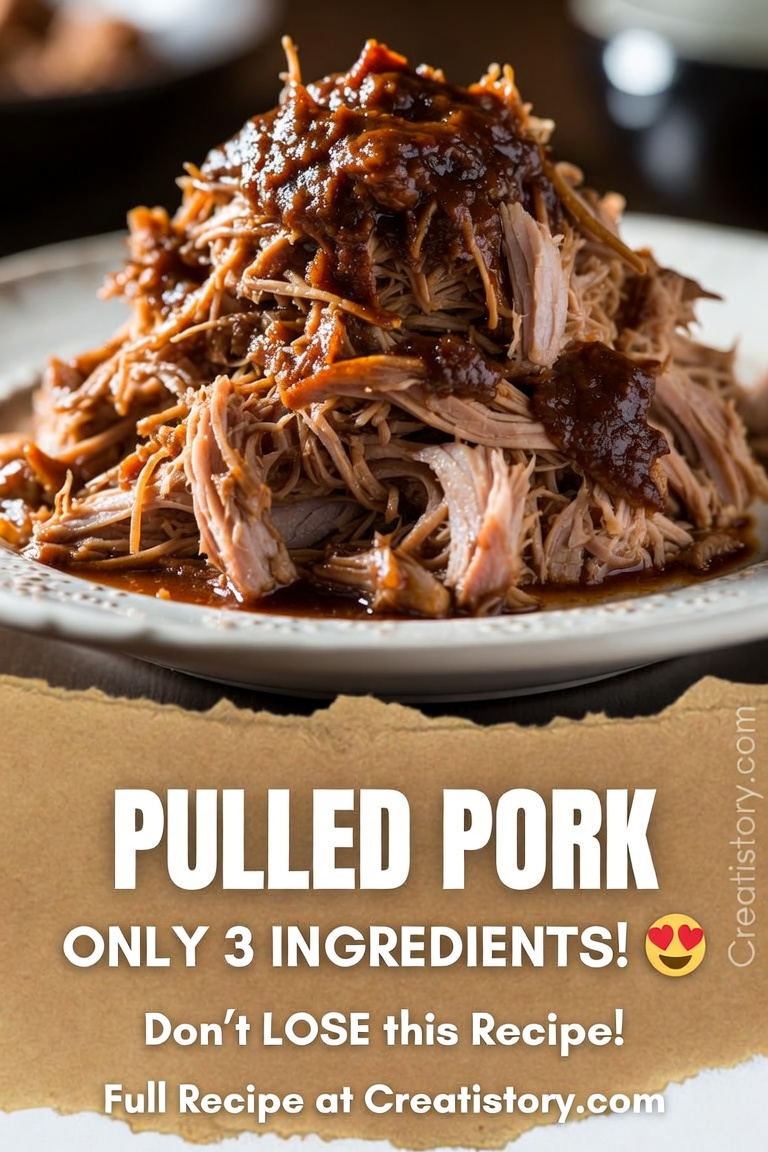
A 3 ingredient pulled pork recipe needs pork shoulder, barbecue sauce, and a simple seasoning blend. Cook the pork in a slow cooker until it pulls apart with a fork, then shred it and stir it into the cooking juices and sauce.
Pulled pork is a favorite for easy dinners, backyard cookouts, game days, and casual family meals across the United States. This simple recipe uses three main ingredients and a slow cooker to turn a tough cut of pork into soft, juicy meat. You can serve it on hamburger buns, spoon it over rice, or add it to baked potatoes. There is little prep, and most of the cooking time requires no work from you.
The secret is choosing the right cut of meat and giving it enough time to cook. Pork shoulder has fat and connective tissue that soften during slow cooking. Barbecue sauce adds a sweet, tangy taste while seasoning helps the meat taste good from the first bite to the last. This guide covers the ingredients, cooking steps, safe temperatures, common mistakes, storage, and easy ways to change the flavor without making the recipe hard.
This recipe works because pork shoulder responds well to slow, moist cooking. The cut contains connective tissue and fat that gradually soften as the meat cooks. That process makes the pork tender enough to shred instead of leaving it firm and chewy. A slow cooker also helps maintain a steady cooking environment with little attention from you.
Barbecue sauce provides most of the sweet, smoky, and tangy flavor. A seasoning blend adds another layer without requiring a long list of spices. Since the sauce and seasoning already bring plenty of taste, you do not need a complex marinade or a special barbecue setup.
The method also suits busy households. You can prepare the pork in the morning, let it cook while you handle other tasks, and finish the meal when the meat becomes tender. The main thing to plan for is time. Pork shoulder needs several hours, so this is not a quick weeknight meal unless you cook the meat ahead.
Source: forktionary.s3.us-east-2.amazonaws.com
Very little prep
Trim only large areas of excess surface fat if needed, add the ingredients, and let the slow cooker do the work.
Flexible serving options
Use the finished pork for sandwiches, tacos, rice bowls, loaded fries, salads, or baked potatoes.
Easy to scale
Choose a roast that fits your slow cooker, then adjust the cooking time based on its size and tenderness.
What Counts as Three Ingredients?
For this version, the three ingredients are pork shoulder, barbecue sauce, and a dry seasoning blend. The seasoning can be a store-bought barbecue rub or a simple blend you already have. Water is not usually needed because the pork releases moisture as it cooks, and the sauce adds liquid.
Some recipes count salt, pepper, or cooking oil as separate ingredients. Others treat a prepared spice blend as one ingredient. To keep this recipe simple, use one seasoning product and check its label before adding more salt. The goal is an easy meal, not a strict contest over ingredient counts.
Main protein
Pork shoulder or pork butt, boneless or bone-in.
Sauce
Your preferred bottled barbecue sauce, such as a smoky, sweet, or tangy style.
Seasoning
A barbecue seasoning blend that suits the flavor of your sauce.
Ingredients and Helpful Measurements
For a family-size batch, start with about 3 to 4 pounds of pork shoulder, 1 to 1 1/2 cups of barbecue sauce, and 1 to 2 tablespoons of dry seasoning. These amounts are a practical starting point rather than fixed rules. Roast size, sauce thickness, and the salt level of the seasoning can all change how much you need.
Pork butt and Boston butt are common names for cuts from the upper shoulder. Pork shoulder may also refer to the lower part of the same general area. Both can work well for pulled pork because they have the fat and connective tissue needed for slow cooking. A lean pork loin is less suitable because it can dry out before it develops the same tender texture.
Choose a barbecue sauce you already enjoy. A sweet sauce gives the pork a classic cookout taste, while a vinegar-forward sauce adds a sharper bite. If your sauce is very sweet, a tangier style of seasoning can help balance it. If it is already salty, use a lighter hand with the rub.
Source: kirbiecravings.com
3 to 4 pounds pork shoulder
Choose a roast that fits in the slow cooker without being packed too tightly. Remove any packaging and pat the surface dry.
1 to 1 1/2 cups barbecue sauce
Start with enough sauce to coat the meat and reserve a little for serving after cooking.
1 to 2 tablespoons dry seasoning
Use a barbecue rub or seasoning blend. Check whether it contains salt before adding more.
How to Choose the Best Pork Cut
Pork shoulder is the first choice for a classic pulled pork texture. Its mix of muscle, fat, and connective tissue gives the meat time to become soft during a long cook. Boneless pork shoulder is easy to cut and shred, while bone-in shoulder can also produce tender meat if it fits your cooker.
Do not judge the roast by color alone. Fresh pork may vary in shade, and color does not tell you whether the meat is tender or safe to eat. Use a food thermometer to check temperature and a fork to check whether the fibers separate easily.
Best option
Pork shoulder or pork butt for a rich, tender result.
Use with care
Pork loin can work in a pinch, but it is leaner and may become dry or slice rather than shred.
Can You Use Homemade Barbecue Sauce?
Yes, homemade barbecue sauce can work if you already have a batch ready. A simple sauce made with tomato, vinegar, sweetener, and spices can give the pork a balanced flavor. Keep in mind that a thin sauce may produce a looser cooking liquid, while a thick bottled sauce can cling to the shredded meat.
If you want to keep the recipe to three ingredients, count homemade sauce as one combined ingredient. You do not need to add extra sugar, broth, or oil unless you have a clear reason to change the texture or taste.
For a sweeter taste
Choose a sweet barbecue sauce and avoid adding extra sugar before tasting the finished pork.
For a tangy taste
Use a vinegar-based sauce or mix a tangier sauce with your usual barbecue sauce.
How to Make 3 Ingredient Pulled Pork in a Slow Cooker
The slow cooker is the easiest method for this recipe because it keeps the pork cooking at a steady heat for several hours. You do not need to sear the meat first, though you can do so if you want extra browned flavor and do not mind using another pan. The basic method works with either boneless or bone-in pork shoulder.
Allow roughly 8 to 10 hours on LOW or 4 to 6 hours on HIGH as a planning guide for a 3 to 4 pound roast. Actual timing varies with the cooker, roast shape, starting temperature, and how full the pot is. Do not rely on the clock alone. The pork is ready for shredding when it reaches a safe temperature and becomes fork-tender.
Source: i.pinimg.com
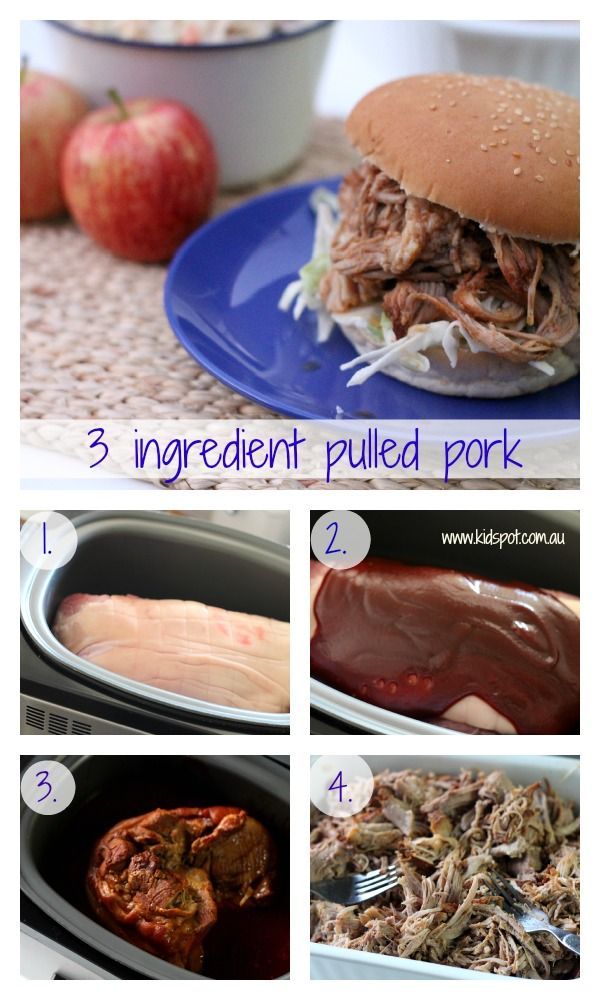
Step 1: Prepare the pork
Remove the packaging and pat the pork dry with clean paper towels. Trim large pieces of excess surface fat if desired, but leave some fat to help keep the meat moist.
Step 2: Add the seasoning
Rub the seasoning blend over the pork. Cover as much of the surface as you can so each part gets flavor.
Step 3: Add the sauce
Place the pork in the slow cooker and spoon the barbecue sauce over it. Spread the sauce across the top and sides. Avoid adding extra liquid unless your appliance instructions or recipe method call for it.
Step 4: Cook until tender
Cover and cook on LOW for about 8 to 10 hours or HIGH for about 4 to 6 hours. Keep the lid closed as much as possible because each lift lets heat escape and may extend the cook.
Step 5: Check the pork
Use a food thermometer to check the thickest part of the meat. For pulled pork, the meat often needs to reach around 195 to 205 degrees Fahrenheit to become easy to shred, although the exact tender point varies. The USDA minimum safe temperature for whole pork cuts is 145 degrees Fahrenheit followed by a three-minute rest; that minimum does not guarantee pulled-pork tenderness.
Step 6: Shred and mix
Move the cooked pork to a clean dish or shred it carefully in the slow cooker if there is enough room. Remove any bone and unwanted large pieces of fat. Pull the meat apart with two forks, then mix it with some cooking liquid and extra barbecue sauce as needed.
How to Tell When the Pork Is Done
Temperature and texture answer two different questions. A food thermometer helps confirm the meat has reached a safe temperature, while tenderness tells you whether it is ready for pulled pork. When the roast is ready, a fork should slide into the meat with little effort, and the fibers should separate with a gentle pull.
If the pork has reached a safe temperature but still feels firm, continue cooking and check it again later. The connective tissue needs more time to soften. Avoid repeatedly lifting the lid to test it because that can slow the cooking process.
Tender and ready
The meat separates easily, feels soft throughout, and can be shredded without force.
Still tough
Continue cooking and check again after about 30 to 60 minutes, depending on how close it is to tenderness.
Too dry
Shred the meat and mix in reserved cooking juices and barbecue sauce. Check that the cooker has not been left on a warming setting for too long.
Should You Drain the Cooking Liquid?
Do not pour away all the liquid before checking its flavor. The cooking juices contain moisture and some of the flavor from the pork and sauce. If there is a large amount of thin liquid, remove some with a ladle, then taste what remains before adding more barbecue sauce.
Mix the shredded meat with the juices a little at a time. The pork should feel moist and coated, not swim in liquid. Keeping some juice aside also helps when reheating leftovers the next day.
If the pork is watery
Remove excess liquid and stir in a small amount of thick barbecue sauce.
If the pork is dry
Add a few spoonfuls of reserved cooking liquid, mix well, and taste again.
Oven Method for Three Ingredient Pulled Pork
You can make pulled pork in the oven if you do not have a slow cooker. Use a covered Dutch oven or another heavy, oven-safe pot with a tight-fitting lid. The covered pot traps moisture and helps the pork cook slowly until the meat becomes tender.
Heat the oven to 300 degrees Fahrenheit. Season the pork, place it in the pot, and spread barbecue sauce over the top. Cover the pot and cook for roughly 3 to 5 hours for a 3 to 4 pound roast, checking the temperature and tenderness as it cooks. Timing depends on the roast and the pot, so allow extra time if needed.
If the sauce becomes very thick or begins to scorch around the edges, lower the heat slightly and check the covered pot. Add a small amount of water only if the cooking liquid is too low and the pork is at risk of sticking. This addition is optional and does not change the three main ingredients.
Source: i.pinimg.com
Use a covered pot
A Dutch oven or heavy roasting dish with a tight lid helps keep moisture around the meat.
Check before shredding
Use a thermometer and test whether the pork pulls apart easily with a fork.
Rest briefly
Let the pork rest for about 10 to 15 minutes before shredding so it is easier to handle and the juices settle.
Can You Make It in an Instant Pot?
An electric pressure cooker can reduce the cooking time, but pressure cooking needs a suitable amount of thin liquid to build pressure. Thick barbecue sauce alone may be too dense for some appliances and can trigger a burn warning. Follow the manual for your exact model and use a tested pressure-cooker method that provides enough thin liquid.
Cutting the pork into large chunks can help it cook more evenly under pressure. Cooking time depends on the size of the pieces, the amount of meat, and the appliance. Allow for pressure build-up and release time, then check that the pork is tender before shredding. Do not assume that every slow-cooker recipe can be transferred directly to a pressure cooker without changes.
Follow the appliance manual
Use the required minimum thin liquid and the correct pressure setting for your model.
Check the final texture
If the pork is still firm, follow the appliance instructions for additional cooking rather than forcing the meat apart.
Easy Ways to Serve Pulled Pork
Pulled pork is easy to serve because the meat already has a strong barbecue flavor. Put it on a soft bun for a classic American sandwich, or serve it without bread for a lower-carb meal. You can also use small portions to top simple sides and stretch one batch across several meals.
For a cookout-style plate, pair the pork with coleslaw, corn, baked beans, potato salad, or cornbread. Crisp vegetables balance the soft meat, while cool coleslaw adds a fresh contrast to sweet barbecue sauce. Choose sides that suit the meal and the time you have available.
Source: i.pinimg.com
Pulled pork sandwiches
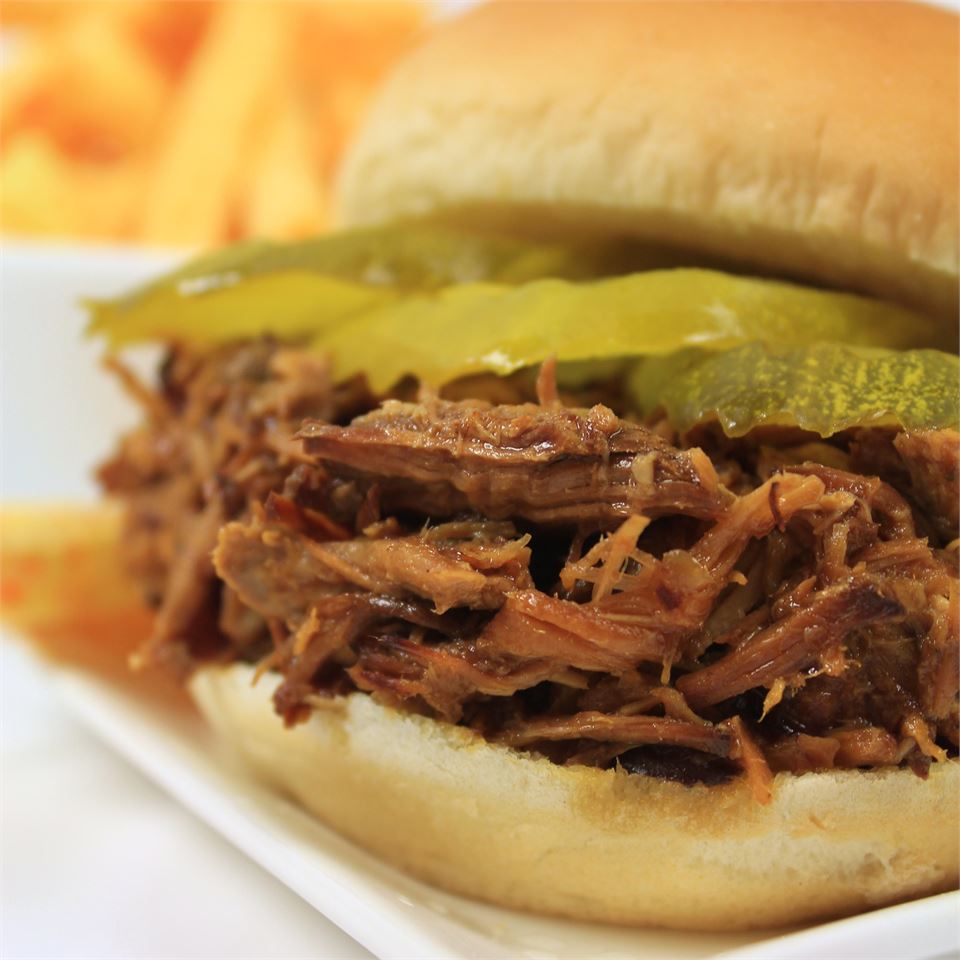
Pile the meat onto toasted hamburger buns and add coleslaw or sliced pickles. Serve extra barbecue sauce on the side.
Rice bowls
Serve the pork over warm rice with corn, black beans, or chopped green onions.
Tacos
Fill soft tortillas with pulled pork, shredded cabbage, and a spoonful of salsa.
Loaded baked potatoes
Spoon warm pork over split baked potatoes and add a little sauce. Cheese or sour cream can be added if desired.
Salad bowls
Use a modest portion of pork over leafy greens with tomatoes, corn, and a tangy dressing.
How Much Pulled Pork Should You Make?
A 3 to 4 pound raw pork shoulder usually yields less cooked meat after fat renders and moisture leaves the roast. As a rough planning estimate, expect around 1 1/2 to 2 pounds of cooked shredded pork, though the final yield depends on the cut and how much fat or bone is removed.
For sandwiches, plan on about 4 to 6 ounces of cooked pork per adult as a starting point. Larger appetites or meals with few side dishes may need more. If you are serving several sides, smaller portions may be enough.
Small group
A 2 to 3 pound roast can suit a few people, provided it fits your cooker and you allow enough time to become tender.
Family dinner
A 3 to 4 pound roast is a useful starting size for sandwiches and sides.
Party or meal prep
Cook a larger roast only if your appliance can hold it safely and the meat can cook evenly. Two smaller batches may work better than overfilling one cooker.
What Sides Go Best With Barbecue Pork?
The best sides depend on whether you want a classic barbecue plate or a quick weeknight meal. Creamy potato salad and baked beans fit a cookout, while steamed vegetables or rice make a simple dinner. You can also set out several toppings and let everyone build a sandwich or bowl.
If the barbecue sauce is sweet, choose a side with a mild or tangy flavor. Vinegar-based slaw, pickles, or a green salad can balance the sweetness without requiring another rich sauce.
Classic cookout
Coleslaw, baked beans, corn on the cob, and cornbread.
Easy family meal
Rice, roasted vegetables, green beans, or a simple salad.
Game-day spread
Slider buns, pickles, chips, slaw, and extra sauce for guests.
Common Mistakes and How to Fix Them
The most common pulled pork problem is meat that stays tough after the planned cooking time. This usually means the connective tissue needs more time to soften, not that the roast has failed. Keep cooking and test the texture again rather than turning up the heat without a plan.
Dry pork can result from using a lean cut, cooking too long after the meat is tender, or leaving shredded meat without enough liquid. You can often improve the texture by adding warm cooking juices and sauce. The aim is to coat the strands without making the dish watery.
Source: images.media-allrecipes.com
The pork will not shred
Continue cooking until the meat is fork-tender. Check the thickest part with a food thermometer and allow more time if needed.
The sauce tastes too sweet
Mix in a tangier barbecue sauce or serve with pickles or vinegar-based slaw. Make small changes and taste before adding more.
The pork tastes too salty
Avoid adding more seasoning. Mix the pork with some unsalted cooking liquid, if available, or serve it with plain rice, potatoes, or unsalted vegetables.
The sauce is too thin
Remove some excess liquid and stir in a little thick barbecue sauce after shredding.
The meat is greasy
Skim excess fat from the cooking liquid with a spoon before mixing it back into the shredded pork.
The pork is unevenly cooked
Avoid overfilling the cooker, use a roast that fits comfortably, and check the thickest portion for tenderness.
Why Is My Pulled Pork Dry?
Pork shoulder has enough fat to stay moist through a long cook when handled well, but it can still dry out. A lean cut such as pork loin is less forgiving. A roast that stays on heat long after it becomes tender may also lose moisture, especially after shredding.
To help dry pork, add warm cooking juices a little at a time and mix gently. Stir in barbecue sauce until the meat is coated. If you plan to serve it later, keep the shredded pork covered with some liquid instead of storing it bare.
For the next batch
Choose pork shoulder, keep the lid closed during cooking, and start checking for tenderness before the end of the expected cooking window.
For leftovers
Reheat the pork with a splash of reserved cooking liquid or barbecue sauce in a covered dish.
Why Does the Pork Have Too Much Liquid?
Pork releases moisture as it cooks, and the sauce becomes mixed with those juices. The amount of liquid can vary with the roast and the cooker. Adding water at the start when it is not needed can make the final sauce thinner.
If the pork is tender but the liquid looks watery, transfer the meat to a dish and skim or ladle off some liquid. Mix the meat with a smaller amount, then add sauce until the texture is right. Do not leave the cooked pork sitting at room temperature while you work.
Prevention
Start with the measured sauce and avoid extra water unless the cooking method requires it.
Quick fix
Remove excess liquid, skim fat if needed, and add a little more barbecue sauce.
Safe Storage, Freezing, and Reheating
Store leftover pulled pork promptly to keep it safe and tasty. Divide a large batch into shallow containers so it cools more quickly, and place it in the refrigerator within two hours of cooking. If the surrounding temperature is above 90 degrees Fahrenheit, such as during an outdoor summer gathering, refrigerate the food within one hour.
Keep cooked pork in a covered container in the refrigerator for three to four days. For longer storage, freeze it in meal-size portions with a little cooking liquid or barbecue sauce. Frozen cooked pork is best used within about two to three months for good quality, although food kept continuously frozen at 0 degrees Fahrenheit remains safe for longer periods.
Reheat leftovers to 165 degrees Fahrenheit, measured with a food thermometer. A covered pan on the stove, a microwave-safe dish, or an oven-safe dish can work. Add a little water, cooking juice, or barbecue sauce if the pork seems dry, and stir during reheating so the meat warms evenly.
Source: kirbiecravings.com
Refrigerator
Use an airtight container and eat the pork within three to four days.
Freezer
Pack portions with a little liquid, remove excess air from freezer bags, label the date, and freeze flat when using bags.
Stovetop reheating
Warm the pork in a covered skillet over medium-low heat with a small amount of liquid, stirring until it reaches 165 degrees Fahrenheit.
Microwave reheating
Cover the dish, heat in short intervals, stir between intervals, and check the temperature in several spots.
Can You Make Pulled Pork Ahead of Time?
Yes. Cooking the pork a day ahead can make meal time easier, especially if you are hosting a cookout or preparing lunches for the week. Shred the meat after cooking, mix it with some of the juices, and refrigerate it in shallow containers once it has been portioned for cooling.
When it is time to serve, reheat the pork to 165 degrees Fahrenheit and add more barbecue sauce if needed. If you want to keep it warm for serving, use an appliance setting designed for keeping food hot and verify that the food stays at a safe holding temperature of 140 degrees Fahrenheit or above.
For easy meal prep
Pack the pork in single-meal portions with enough sauce to keep it moist.
For a gathering
Reheat the pork fully before holding it hot for guests. Do not use a slow cooker to reheat cold leftovers from refrigerator temperature.
Simple Variations Without Extra Work
The basic recipe is easy to change by choosing a different barbecue sauce or seasoning blend. You can keep the same cooking method and adjust the flavor to suit your family. Small changes in the sauce often make a bigger difference than adding several new ingredients.
If you want a smoky taste, choose a smoky barbecue sauce. For a sharper flavor, use a vinegar-forward sauce. A mild sauce works well for children or guests who prefer less heat, while a spicy sauce gives the meat more kick without extra prep.
Source: i.pinimg.com
Sweet barbecue pork
Use a sweet barbecue sauce and a mild seasoning blend. Taste the cooked meat before adding any extra sweetener.
Smoky pulled pork
Choose a sauce with a smoky flavor and a barbecue rub that complements it.
Tangy pulled pork
Use a vinegar-forward barbecue sauce to balance rich pork and sweet sides.
Spicy pulled pork
Choose a spicy sauce or a seasoning blend with chili. Start with a moderate amount if you are serving a group.
How to Keep the Recipe Truly Simple
A long ingredient list is not needed to make satisfying pulled pork. Start with a good cut, a sauce you like, and a seasoning blend that works with both. Taste the meat after shredding, then decide whether it needs more sauce or a little more seasoning.
Optional toppings and side dishes can be served separately. That approach keeps the base recipe simple and lets each person build a meal they enjoy. It also makes the leftovers more useful because you can turn the same batch into several different dishes.
Keep the base recipe basic
Use the three main ingredients and avoid adding several liquids or spices without a clear need.
Customize at serving time
Offer pickles, slaw, extra sauce, or hot sauce on the side.
Frequently Asked Questions
Q
Can I make 3 ingredient pulled pork without barbecue sauce?
Yes, but the flavor will be different. You can cook pork shoulder with a suitable seasoning blend and use another sauce after shredding. If you want to keep the ingredient count low, choose a prepared sauce you enjoy and mix it into the cooked meat before serving.
Q
Should I add water to the slow cooker?
You usually do not need to add water for this recipe. Pork releases moisture during cooking, and barbecue sauce adds liquid. Adding too much water can dilute the flavor and make the finished sauce thin. Follow your appliance instructions if they specify a minimum liquid requirement.
Q
Can I cook frozen pork shoulder in a slow cooker?
Do not put frozen pork directly into a slow cooker. The meat can spend too long warming through, which increases food safety risk. Thaw the pork in the refrigerator before cooking, then follow the recipe and check the thickest part with a food thermometer.
Q
What is the best temperature for pulled pork?
Whole pork cuts should reach at least 145 degrees Fahrenheit followed by a three-minute rest for the USDA minimum safe temperature. For pulled pork, the meat usually needs to cook much longer, often reaching around 195 to 205 degrees Fahrenheit, so the connective tissue softens and the meat shreds easily. Use both a thermometer and a tenderness check.
Q
Can I double this recipe?
You can make a larger batch if your slow cooker has enough room and the meat can cook evenly. Do not pack the cooker beyond its recommended fill level. A larger roast or two pieces may need more time, so check each piece for safe temperature and fork tenderness rather than relying on the original cooking time.
Q
How do I keep pulled pork moist after shredding?
Mix the shredded pork with a little reserved cooking liquid and barbecue sauce. Add the liquid gradually until the meat looks moist but not watery. Keep the pork covered while serving or storing it, and add a splash of liquid when reheating if it starts to dry out.
Q
Can I use pork loin instead of pork shoulder?
You can, but pork loin is much leaner and may not develop the same soft, shreddable texture. It can become dry during a long cook. Pork shoulder or pork butt is generally the better choice when you want classic pulled pork.
✦ Wrapping Up
Conclusion
This 3 ingredient pulled pork recipe keeps dinner simple with pork shoulder, barbecue sauce, and a seasoning blend. The slow cooker does most of the work, and the long cooking time helps the meat become tender enough to shred. Serve it on buns, over rice, in tacos, or beside your favorite barbecue sides.
The most useful tips are to choose the right cut, allow enough time, check both temperature and tenderness, and mix the shredded pork with enough cooking liquid to keep it moist. Store leftovers promptly and reheat them safely. Once you have the basic method down, you can change the sauce and serving style to suit almost any casual meal.
💡 Key Takeaway
Choose a 3 to 4 pound pork shoulder, coat it with your favorite barbecue sauce and seasoning, and cook it on LOW until it is fork-tender. Shred the meat, stir in enough cooking juices to keep it moist, and serve it warm on buns or with your favorite sides.