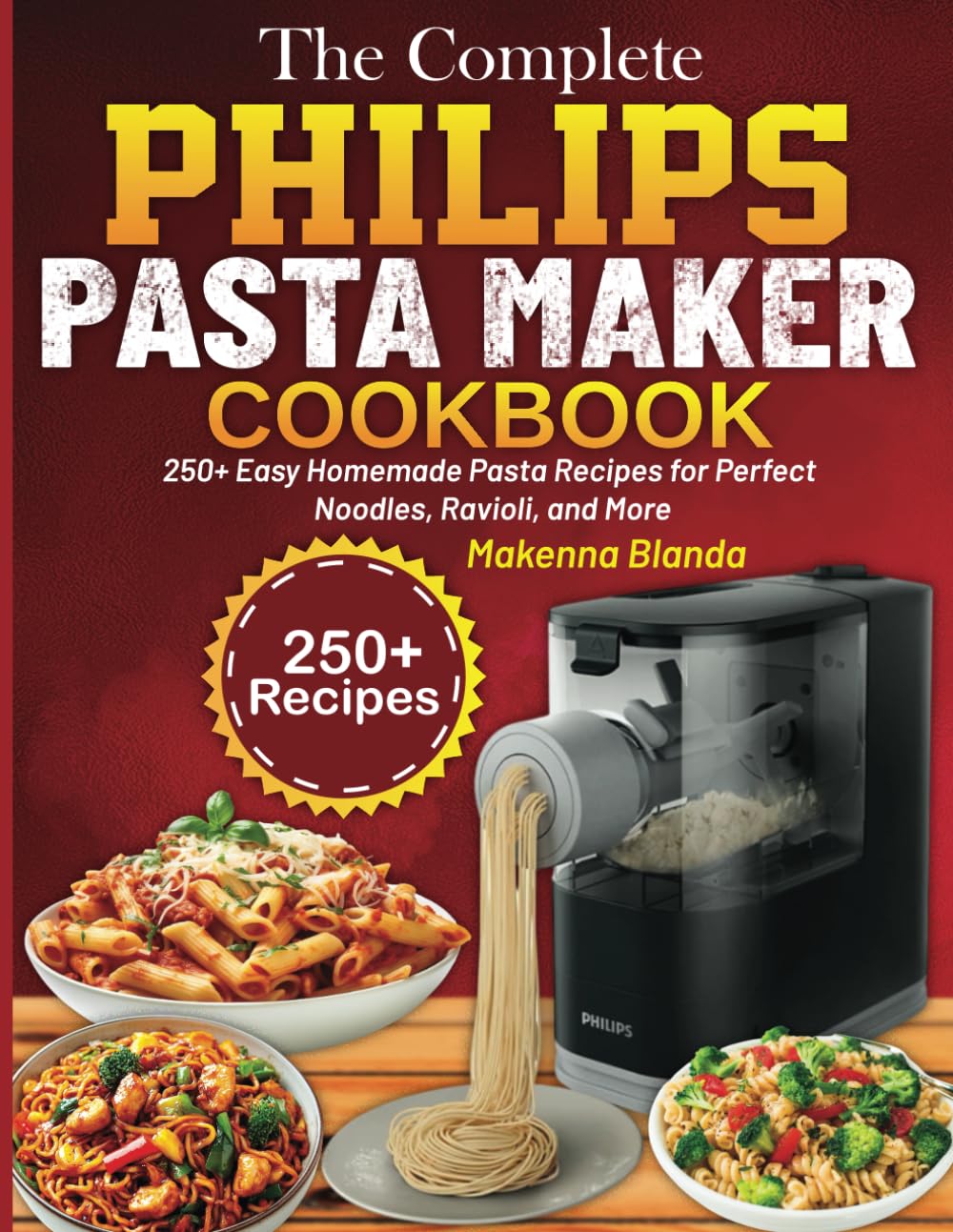
The Philips pasta maker recipe book is a useful guide to finding the right flour and liquid ratios, making fresh pasta, choosing pasta shapes, and preparing homemade noodle dishes. Philips provides recipe booklets and manuals for different models through its official support pages. Start with the booklet that matches your machine, because recipes and measuring instructions can vary by model.
In American kitchens, homemade pasta can turn a regular weeknight dinner into something a little more fun. A Philips pasta maker can help prepare fresh noodles for spaghetti with tomato sauce, creamy macaroni and cheese, lasagna, or a simple bowl of buttered noodles. The recipe book helps make the process easier to follow, especially when you are learning how much flour and liquid to use.
The first step is to identify your machine. Philips has released several pasta makers, including Viva Collection models and the 7000 Series. Their recipe booklets are not all the same, so do not assume that a recipe or measuring mark from one model will work in another. This guide explains where to find the right booklet, how to use it, what recipes to look for, and how to fix common problems with homemade pasta.
The most reliable place to start is the official Philips product support website. Search for your pasta maker’s model number, open its support page, and look under Manuals and Documentation. Depending on the model, the page may list a recipe book, recipe booklet, or user manual as a downloadable document.
For example, Philips provides a recipe book for the 7000 Series HR2660 family and recipe booklets for Viva Collection models such as HR2370/05. These are separate support listings, so choose the page that matches the model printed on your appliance. A booklet for one model should not be treated as the correct guide for every Philips pasta maker.
You may also find printed cookbooks from independent authors or sellers. These can offer more meal ideas, but check whether the recipes were written for an automatic Philips machine, a manual pasta roller, or a different appliance. The distinction matters because automatic extruders need suitable dough consistency and precise ingredient ratios.
Source: manualzz.com
Official Philips recipe book
Best for model-specific instructions, supported recipes, ingredient measurements, and guidance on operating the machine.
Independent pasta maker cookbook
Useful for extra flavor combinations and meal ideas, provided its recipes fit your machine and its measuring system.
Online recipe pages
Helpful for inspiration, but check the flour type, liquid amount, batch size, and exact machine model before following a recipe.
How to Identify Your Philips Model
Look for a model number on the product label, usually on the appliance body or underside. It may begin with letters such as HR followed by several numbers and sometimes a slash and more digits. Write down the full number rather than relying only on the product name.
Search the official Philips website using that number. If several versions appear, compare the model details before downloading a booklet. This simple check can save time and reduce errors caused by different flour cups, liquid marks, shaping discs, or operating steps.
Check the appliance label
Record the complete model number, including any digits after the slash.
Open the matching support page
Choose the recipe booklet and manual listed for that specific model.
Keep both documents
The recipe booklet helps with meals, while the manual covers assembly, operation, care, and troubleshooting.
Official Resources Worth Checking
The Philips US support page for the 7000 Series HR2660/00 is a useful starting point for owners of that model. The Viva Collection HR2370/05 support page is another example. Owners of other models should search for their own model number instead of assuming either booklet will fit.
Philips has also published an Avance Collection recipe book with basic dough guidance, pasta shapes, natural coloring ideas, and recipes for pasta and noodle dishes. Its age and model context mean that you should still compare its instructions with your machine’s manual before using it.
7000 Series support
Look for the HR2660 recipe book on the official Philips US support page.
Viva Collection support
Check the HR2370/05 support page for its model-specific recipe booklet and help topics.
Avance Collection recipes
Use this older collection for ideas and basic pasta guidance only when its instructions suit your appliance.
What Is Inside a Philips Pasta Maker Recipe Book?
A Philips pasta maker recipe book does more than list meals. It helps you understand the dough, choose a pasta shape, prepare the right amount of liquid, and turn freshly made noodles into a finished dish. The exact recipes and features depend on the booklet and model.
The official Avance Collection recipe book includes instructions for making pasta, selecting shaping discs, working with dough, and adding natural color. Its recipe list includes spaghetti with tomato sauce, carbonara, lasagna Bolognese, pasta primavera, tagliatelle with pesto, and several Asian-style noodle dishes. These examples show that a pasta maker can serve more than one kind of meal.
Newer booklets may organize their instructions differently. Some place dough ratios near the beginning, while others direct readers to model-specific tables. Read the introductory pages before jumping to a recipe. Those details explain which flour to use, how much liquid to measure, and when to add it.
Source: storage.googleapis.com
Basic pasta dough
Learn how flour, water, eggs, and other ingredients work together to form dough that the machine can extrude.
Pasta shapes
Find out which shaping disc creates the type of noodle or pasta listed in your chosen recipe.
Sauces and complete meals
Use the pasta as a base for tomato sauce, cheese sauce, pesto, meat sauce, soups, salads, or stir-fried noodle dishes.
Color and flavor
Some recipes use ingredients such as vegetable juice, herbs, or spices to change the color or taste of fresh pasta.
Classic American Dinner Ideas
For an easy family meal, start with spaghetti and tomato sauce. Make a batch of fresh pasta using the model’s approved recipe, cook it according to the instructions, and toss it with a sauce made from tomatoes, garlic, herbs, and olive oil. Add grated cheese if you like.
Macaroni and cheese is another familiar choice. Use a compatible pasta shape, cook it until tender, and combine it with a cheese sauce. For a baked version, transfer the coated pasta to an oven-safe dish and follow a trusted baked macaroni recipe. The pasta maker handles the fresh pasta; the sauce and baking steps come from the meal recipe.
Lasagna offers another way to use homemade pasta. Check that your machine can make the required sheet or shape. Prepare the sauce and filling separately, then assemble and bake the dish using a suitable lasagna recipe.
For a quick meal
Pair fresh spaghetti with tomato sauce or olive oil, garlic, and herbs.
For a comfort meal
Use fresh pasta in macaroni and cheese or a creamy cheese dish.
For a larger dinner
Make lasagna or a pasta bake if your machine supports the needed pasta shape.
Noodles Beyond Italian Pasta
Some Philips recipe collections also include noodles used in Asian-style dishes. Examples in the Avance booklet include ramen, udon, soba salad, chow mein, and other noodle recipes. The shape, flour blend, and dough method can differ from those used for standard wheat pasta.
Do not swap a noodle recipe into your machine without checking the recipe instructions. Buckwheat flour, whole-wheat flour, and other specialty flours absorb liquid in different ways. The correct ratio and compatible shaping disc matter more than the dish’s name.
Ramen-style bowls
Use a compatible noodle shape in broth with vegetables, egg, or another topping.
Cold noodle salads
Cool cooked noodles and toss them with a suitable dressing and crisp vegetables.
Stir-fried noodles
Cook the noodles as directed before adding them to a pan with vegetables and sauce.
How to Use the Recipe Book to Make Fresh Pasta
The easiest way to get started is to choose one basic recipe and follow it closely from start to finish. Avoid changing the flour, liquid, and batch size all at once. If the first batch does not work as expected, keeping the other details steady makes it easier to find the cause.
Set out your flour, liquid, measuring cup, shaping disc, and a clean container for the pasta. Read the full recipe before switching on the machine. Some models have different programs or specific instructions for when the liquid should be added, so use your own manual rather than a general recipe found online.
Source: storage.googleapis.com
Step 1: Choose a suitable recipe
Pick a basic recipe listed for your model and confirm the serving size and shaping disc.
Step 2: Measure the ingredients
Weigh or measure the flour and liquid exactly as the recipe instructs. Do not assume that the included flour cup is the same as a standard US measuring cup.
Step 3: Assemble the machine
Fit the mixing chamber, paddle, shaping disc, and other parts as shown in the manual. Make sure the parts are secure before operation.
Step 4: Add ingredients in the correct order
Follow the model’s instructions for loading the flour and adding the liquid. Some machines require the liquid only after mixing begins.
Step 5: Collect and cut the pasta
Place a suitable tray or container below the outlet. Cut the extruded pasta to the length recommended by the recipe or manual.
Step 6: Cook and serve
Cook the fresh pasta in boiling water according to the recipe and check it for doneness. Fresh pasta may cook faster than dried pasta.
What Should the Dough Look Like?
The dough inside an automatic pasta maker often looks like small, damp crumbs rather than one smooth ball. That appearance can be normal for an extrusion machine. The mixture must hold enough moisture to press through the shaping disc without becoming a sticky mass.
Very fine, dry flour that never begins to clump may point to too little liquid, an incorrect measurement, or the wrong flour ratio. A wet paste that smears heavily or sticks together can indicate too much liquid. Stop and check the recipe before adding anything, because the right correction depends on the model and the stage of mixing.
Small, damp crumbs
Often a normal sign during mixing when the recipe and machine instructions call for crumb-like dough.
Loose, powdery flour
Check the measured liquid, flour weight, and recipe before deciding whether an adjustment is needed.
Wet, sticky dough
Check for excess liquid or a wrong flour type. Do not add flour at random while the machine is running.
How Much Pasta Should You Make?
Choose the batch size based on the machine’s approved range and the number of people eating. Some Philips models are designed around flour quantities near 200 grams and 400 grams, while older models may describe their flour cup in different terms. The model manual is the final guide.
Fresh pasta yield is not always equal to the starting flour weight. Liquid and other ingredients affect the amount produced, and serving needs vary with appetite and the rest of the meal. Use the booklet’s yield guidance as a starting point, then adjust the batch size on later occasions.
A small meal
Use the smallest batch size permitted by your model and pair the pasta with a filling sauce or side dish.
A family dinner
Use the booklet’s larger batch only if your machine supports it, and prepare more than one batch when needed.
A larger gathering
Plan the batches in advance instead of exceeding the machine’s maximum flour capacity.
Flour and Liquid Ratios: The Most Important Detail
Correct flour and liquid ratios are central to successful automatic pasta making. A pasta maker mixes the ingredients and pushes the dough through a shaping disc, so a dough that is too wet or too dry can affect extrusion and the final texture.
Philips manuals and recipe books provide measurements for specific flour types and recipes. One official Avance guide describes a flour cup of about 250 grams, while some later model instructions use flour amounts around 200 grams per cup. These differences show why it is risky to copy a ratio from another model without checking the measuring system.
Use a kitchen scale when the recipe gives flour in grams. For liquid, use the supplied cup and the correct side or marking for the recipe, where applicable. If the recipe calls for an egg mixture, follow its directions for combining the egg and water rather than measuring the egg as a separate addition beyond the stated liquid amount.
Source: banana-breads.com
All-purpose flour
A common starting point for basic pasta, but use the flour and liquid amounts stated for your model.
Semolina or durum blends
These can provide a different bite and texture. Use a tested ratio that matches the machine’s recipe instructions.
Whole-wheat flour
Its bran content and absorption can change dough behavior. Follow a model-specific recipe instead of using a standard white-flour ratio.
Egg mixture
Eggs add richness and color, but the total liquid must still match the recipe’s stated amount.
Can You Use a Different Type of Flour?
You may be able to use semolina, whole-wheat, spelt, buckwheat blends, or other flours when the recipe and machine support them. Each flour absorbs liquid differently. Some contain less gluten or no gluten, which can affect how well the dough holds together as it leaves the shaping disc.
Gluten-free pasta needs special care. Philips documentation notes that some gluten-free flours need a binder, such as xanthan gum or guar gum, while some flour types may not work well for certain pasta shapes. Do not assume that every gluten-free blend can be substituted cup for cup for wheat flour. Use a compatible recipe and check the manufacturer’s current guidance.
Change one variable at a time
If testing a supported flour variation, keep the batch size and other ingredients consistent so you can judge the result.
Use a tested ratio
Start with the flour and liquid amounts listed for the exact model and flour combination.
Check special dietary needs
For gluten-free cooking, confirm every ingredient and avoid cross-contact if the meal is for someone who must avoid gluten.
Easy Meal Ideas to Make With Fresh Philips Pasta
Once you can make a basic batch, use the recipe book to plan complete meals. The pasta itself is only one part of the dish. A sauce, a few vegetables, or a simple protein can turn fresh noodles into a meal without adding much extra work.
The following ideas are meal suggestions rather than replacements for the model’s dough recipes. Make the pasta with a supported recipe first, then prepare the sauce or toppings separately.
Source: astraunic.com
Spaghetti with tomato sauce
Cook fresh spaghetti and toss it with tomato sauce, garlic, olive oil, and herbs. Add grated cheese if desired.
Pesto pasta
Mix cooked pasta with pesto and a small splash of pasta cooking water to help coat the noodles.
Creamy macaroni and cheese
Prepare a cheese sauce in a separate pan, then stir in the cooked pasta. Adjust the sauce so it coats rather than buries the noodles.
Pasta primavera
Combine pasta with lightly cooked vegetables such as zucchini, bell peppers, peas, or broccoli and a simple sauce.
Noodle soup
Use a compatible noodle shape in broth and add vegetables or cooked protein. Follow the recipe’s directions for the noodle type.
A Simple Fresh Pasta Dinner Plan
For a straightforward US weeknight dinner, make a batch of supported fresh pasta, heat tomato sauce in a separate pan, and prepare a green salad while the water comes to a boil. Keep the sauce warm, cook the pasta, and toss everything together just before serving.
If the pasta seems firm, check a strand before draining the full batch. Fresh pasta thickness and shape affect cooking time, so the exact time can vary. Save a little cooking water if you want to loosen a thick sauce, and season the dish to taste.
Prepare first
Measure the dough ingredients and set out the sauce ingredients before starting the machine.
Cook in stages
Prepare the sauce while the pasta is being made, then cook the fresh noodles near serving time.
Finish to taste
Adjust salt, herbs, cheese, or sauce thickness after combining the pasta and sauce.
Troubleshooting Common Philips Pasta Maker Problems
When fresh pasta does not come out as expected, check the recipe, ingredient measurements, and assembly before changing the dough. Philips support pages list common issues such as little or no pasta coming out, pasta breaking easily, a stuck mixing paddle, leaks, and error codes. The right fix depends on the symptom and model.
Switch the machine off and unplug it before inspecting parts or cleaning the appliance. Do not reach into a moving machine or try to force a stuck part while it is powered on. Use the manual’s troubleshooting steps, and contact Philips support if the machine remains faulty.
Check that the shaping disc and holder are fitted correctly, the batch is within the permitted range, and the dough follows the required flour-to-liquid ratio.
Pasta breaks easily
Review the flour type, liquid amount, and recipe instructions. A dough that is too dry or a ratio that does not suit the flour can affect the strands.
Dough looks too wet
Confirm that the correct measuring cup and markings were used. Avoid adding random amounts of flour while the machine is running.
The mixing paddle is stuck
Switch off and unplug the machine. Follow the manual’s instructions for safe disassembly and removal of dough residue.
The machine shows an error
Record the displayed code and check the support page for your exact model. Do not guess at electrical repairs or open the motor housing.
How to Clean the Machine After Making Pasta
Cleaning is easier when you follow the order given in the user manual. Turn the machine off, unplug it, and let any moving parts stop before removing the mixing chamber or shaping disc. Use the supplied cleaning tool where directed to remove dough from the openings.
Allow stuck dough to dry if the manual recommends that approach, since firmer residue can be easier to remove from some parts. Wash only the components approved for washing, and keep the motor unit away from water. Avoid sharp metal tools or abrasive cleaners that could damage the parts.
Before storing the machine, make sure its components are clean and dry as directed by the manufacturer. Store the shaping discs together so you can find the right one for your next recipe.
Disconnect the power
Always unplug the appliance before cleaning, disassembly, or maintenance.
Use the supplied tools
Remove dough with the cleaning tool and follow the manual for each removable part.
Protect the motor unit
Never immerse the main appliance in water. Follow the model’s instructions for wiping its outer surface.
How to Choose a Printed or Digital Recipe Book
The best recipe book is the one that matches your machine and gives you clear, usable instructions. A large recipe count can be appealing, but it does not guarantee that the dough formulas will work in your specific automatic pasta maker. Check the sample pages, model references, ingredient measurements, and clarity of the steps before paying for a separate cookbook.
An official booklet is a sensible first choice for basic dough and machine operation. An independent cookbook can be useful once you understand the machine, especially if it includes meal ideas that go beyond plain pasta. You do not need to buy a second book just to learn the basic process if your model’s official booklet already covers it.
Source: amazon.com
Model compatibility
Look for the exact Philips model or clear instructions that explain how to adapt recipes to your machine.
Metric and US measurements
Check whether the recipes use grams and milliliters, US cups, or the special cup supplied with the machine. These measures are not always interchangeable.
Practical recipe details
Look for flour type, liquid quantity, serving size, pasta shape, cooking instructions, and clear photos or diagrams when useful.
Copyright and availability
Use authorized downloads and legitimate sellers. Do not assume that a scanned or reposted copy is complete, current, or legally shared.
Is the Free Official Booklet Enough?
For many first-time users, the official booklet is enough to learn the basics. It can explain how to measure ingredients, operate the machine, choose a shaping disc, and make several types of pasta. The manual also answers questions about assembly, cleaning, and errors.
A separate cookbook becomes more useful when you want a broader set of sauces, fillings, dietary options, or meal plans. Before buying one, check whether the official booklet already includes the recipes you want. If you mainly need a basic dough ratio, begin with the free model-specific instructions.
Choose the official booklet first
Use it to learn the machine and establish a reliable starting recipe.
Add another cookbook if needed
Look for new recipes and clear model-specific guidance, not just a high recipe count.
Frequently Asked Questions
Q
Where can I download the Philips pasta maker recipe book?
Visit the official Philips support website and search for your machine’s full model number. Open the matching product page and look under Manuals and Documentation for a recipe book, recipe booklet, or user manual. Availability and document names vary by model.
Q
Are all Philips pasta maker recipe books the same?
No. Different models may have different measuring cups, liquid markings, programs, shaping discs, and recipe instructions. Use the booklet listed for your exact model, especially when measuring flour and liquid.
Q
Can I use regular all-purpose flour in a Philips pasta maker?
All-purpose flour is used in many Philips pasta recipes, but the amount of liquid depends on the model and recipe. Follow the flour and liquid measurements in your own booklet rather than applying a ratio from a different machine.
Q
Why does my fresh pasta break when it comes out?
Possible causes include an unsuitable flour-to-liquid ratio, an untested flour substitution, or a problem with the dough mixing process. Check the recipe and measuring method first. If the issue continues, use the troubleshooting guidance for your exact model.
Q
Can I make gluten-free pasta with a Philips pasta maker?
Some Philips models and recipes support certain gluten-free flour blends, but not every flour works for every pasta shape. Gluten-free dough may need a suitable binder, and the liquid ratio can differ from wheat pasta. Follow an approved recipe for your machine and verify ingredients if cooking for someone with celiac disease or a gluten sensitivity.
Q
Can I use a Philips pasta maker cookbook with another brand?
Some meal ideas and sauces can be used with any pasta maker, but dough ratios and machine steps may not transfer directly. Check the other appliance’s manual and use its measuring system and approved recipes. Do not assume the same amount of flour or liquid will work in both machines.
Q
How do I store homemade pasta?
Storage depends on the pasta recipe, whether the pasta is fresh or dried, and whether it contains egg. Follow the food storage directions for the recipe and your appliance’s official guidance. Refrigerate or freeze fresh pasta when appropriate, and do not assume that drying it at home makes it shelf-stable.
✦ Wrapping Up
Conclusion
The Philips pasta maker recipe book is a useful starting point for making fresh pasta at home. It can help you choose a dough recipe, measure flour and liquid, use the right shaping disc, and prepare meals ranging from spaghetti with tomato sauce to noodle soups. The official Avance, Viva Collection, and 7000 Series documents show why it pays to check your model before following a recipe.
Start with the free official booklet for your machine. Make one basic batch without changing the ingredients, and check the dough as it mixes and extrudes. Once the process feels familiar, try a different pasta shape, a compatible flour blend, or a new sauce. Careful measurements and model-specific instructions will do more for a good result than guessing at the dough.
💡 Key Takeaway
Find the full model number on your Philips pasta maker, open its official support page, and download the matching recipe booklet and manual. Begin with one basic recipe and follow its ingredient ratios and operating steps exactly.