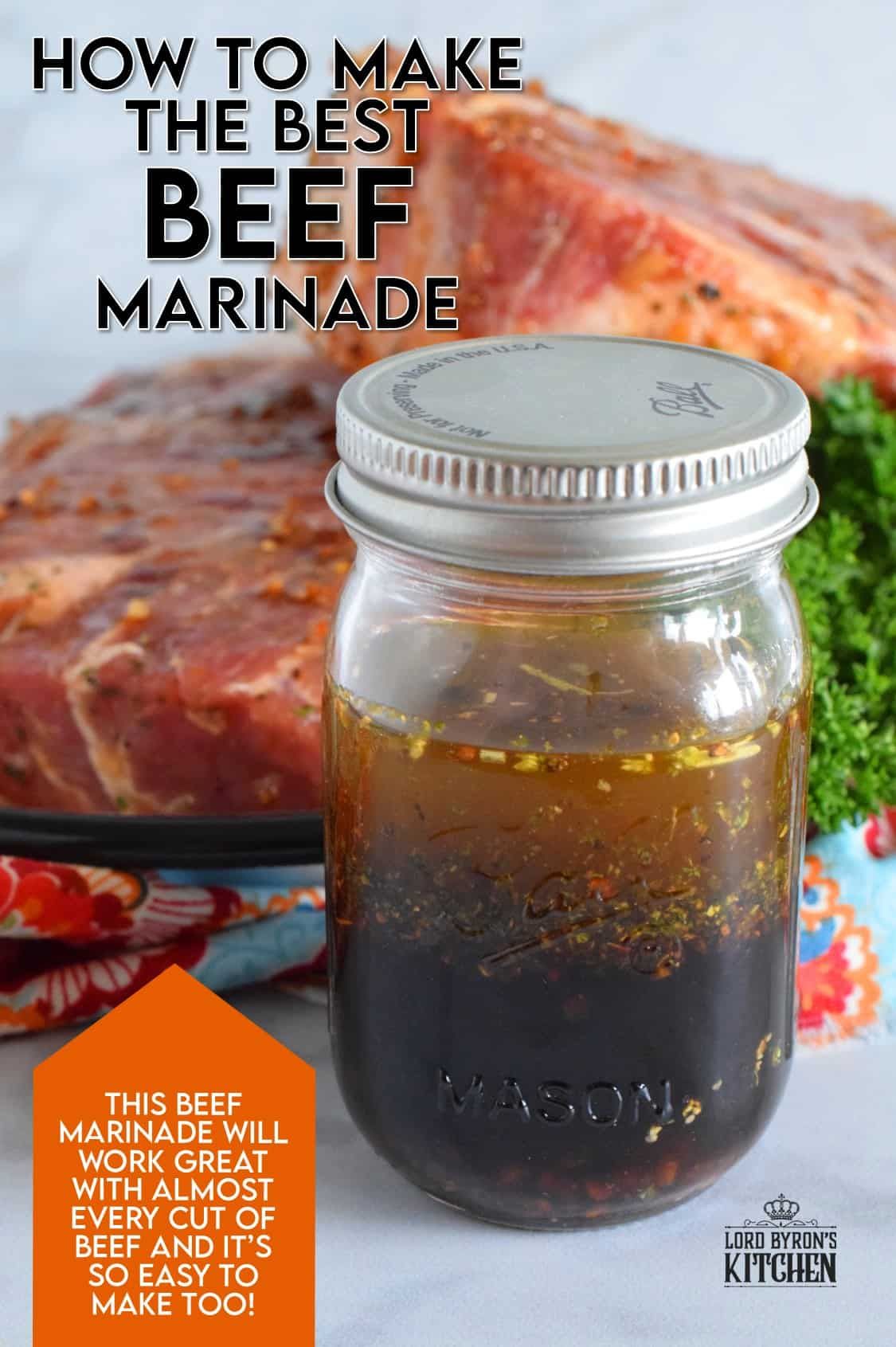
The best marinade for beef roast combines olive oil, soy sauce, worcestershire sauce, garlic, vinegar, black pepper, and dried herbs. Mix the ingredients, coat the beef, and refrigerate it for 4 to 24 hours before cooking. The exact time depends on the size and cut of the roast.
A beef roast is a classic choice for an American family dinner, a Sunday meal, or a holiday gathering. Cuts like chuck roast, top round, bottom round, and sirloin tip can all benefit from a well-balanced marinade. A good mix adds flavor to the meat and helps season its outer layers before the roast goes into the oven or slow cooker.
This homemade beef roast marinade uses common kitchen ingredients. Soy sauce adds savory depth, Worcestershire sauce brings a rich tang, garlic adds bite, and vinegar gives the mixture a mild acidic note. Olive oil helps spread the seasonings over the surface. The result is a flexible recipe that works with many beef roasts without hiding the taste of the meat.
Marinating is not a cure for every tough cut. The liquid mainly affects the outside of a roast, while the cut, cooking method, final temperature, and resting time play major roles in the finished texture. Use the recipe below as a starting point, then adjust the herbs and seasoning to suit your meal.
This beef roast marinade balances savory, tangy, and herbal flavors. It takes only a few minutes to mix and works with many boneless beef roasts. The quantities below make enough marinade for about 3 to 4 pounds of beef, depending on the shape of the roast and the container you use.
For the best result, use a food-safe container or a large resealable bag. The beef should have good contact with the marinade, but it does not need to be completely submerged if you turn it during the marinating period.
Source: lordbyronskitchen.com
Olive oil
Use 1/4 cup of olive oil to help coat the beef and distribute the garlic and herbs.
Soy sauce
Add 1/4 cup of regular soy sauce for a salty, savory flavor. Use reduced-sodium soy sauce if you want more control over the salt level.
Worcestershire sauce
Measure 2 tablespoons to add a tangy, savory depth that pairs well with roasted beef.
Vinegar
Use 2 tablespoons of red wine vinegar or apple cider vinegar for a mild acidic note.
Garlic
Add 4 minced garlic cloves. Garlic powder can work in a pinch, but fresh garlic gives the mixture a sharper aroma.
Dijon mustard
Mix in 1 tablespoon to add a gentle tang and help the ingredients blend.
Dried herbs
Use 1 teaspoon of dried rosemary and 1 teaspoon of dried thyme for a classic roast beef flavor.
Black pepper
Add 1 teaspoon of freshly ground black pepper. Extra salt is usually unnecessary at first because soy sauce already supplies plenty.
How To Mix The Marinade
Add the olive oil, soy sauce, Worcestershire sauce, vinegar, Dijon mustard, garlic, rosemary, thyme, and black pepper to a bowl. Whisk until the mustard is blended into the liquid and the herbs are spread throughout.
Taste a small amount before adding any extra salt. The mixture should taste savory and slightly tangy, not sharply sour. Remember that the marinade is a seasoning mixture rather than a finished dipping sauce.
For a richer flavor
Add 1 teaspoon of onion powder or a small amount of finely grated onion.
For a mild sweet note
Add 1 teaspoon of brown sugar. Avoid using too much sugar if you plan to sear the roast over high heat because it can darken quickly.
For a peppery herb flavor
Add a little extra black pepper or a small pinch of crushed red pepper.
Why These Ingredients Work Together
A good beef marinade needs more than a strong flavor. Each ingredient has a different job, and the balance matters more than adding a long list of seasonings. Oil carries flavor over the meat, salty ingredients season the surface, and acidic ingredients add brightness.
Marinades do not usually penetrate a large roast all the way to its center. Most of their effect occurs near the surface, although salt can move farther into the meat over time. A flavorful outside and properly cooked interior work together to make a satisfying roast.
Source: recipetineats.com
Oil carries seasonings
Olive oil helps coat uneven surfaces and spreads herbs and spices across the beef. It does not make the roast tender by itself.
Salt adds savory flavor
Soy sauce contributes salt and umami. Too much salty liquid or a very long soak can make the outer layer overly salty.
Acid adds balance
Vinegar brings a bright taste that cuts through rich beef. A highly acidic mixture left on the surface for too long can change its texture.
Herbs and garlic build aroma
Rosemary, thyme, and garlic complement beef without needing a large amount of spice.
Does Marinade Really Tenderize Beef Roast?
A marinade can affect the outer part of beef, but it will not turn every tough roast into a tender one. Acidic liquids may alter surface proteins, yet they do not break down a thick cut evenly from the outside to the center.
For a cut such as chuck roast, slow cooking with enough moisture can do more for tenderness than adding extra vinegar to the marinade. For lean cuts such as top round or bottom round, careful cooking and thin slicing across the grain can make a major difference.
If tenderness is the main goal, choose a cooking method that suits the cut. Braising is often useful for tougher cuts with connective tissue, while a more tender roast may be better cooked with dry heat and careful temperature control.
Chuck roast
Often suits a covered braise or slow cooker method that gives connective tissue time to soften.
Top round or bottom round
Often works well as a lean roast when cooked carefully, rested, and sliced thinly across the grain.
Sirloin tip
Can work as an oven roast when the cooking temperature and doneness are managed with a thermometer.
How To Marinate A Beef Roast Step By Step
The process is simple: prepare the beef, mix the marinade, coat the roast, and refrigerate it. Allow enough time for the surface to absorb flavor, then prepare the meat for the cooking method you have chosen.
Keep raw beef and its juices away from ready-to-eat food. Wash your hands after handling the meat, and clean any tools or surfaces that come into contact with raw beef.
Source: i.pinimg.com
Step 1: Prepare The Roast
Remove the roast from its package and check the surface for loose pieces of fat or connective tissue. You can trim thick, hard pieces if needed, but avoid removing every bit of fat because some fat can contribute flavor during cooking.
Blot excess surface moisture with paper towels if the roast is very wet. Do not wash raw beef under running water, as splashes can spread bacteria around the sink and nearby surfaces.
Check the size
A 3-pound roast and a 5-pound roast have different surface areas and may need different amounts of marinade.
Keep it whole
Marinate a roast as one piece unless your recipe calls for smaller portions. Cutting it into chunks changes the exposed surface area and the cooking time.
Step 2: Coat The Beef
Place the beef in a food-safe glass or plastic container, or use a sturdy resealable food bag. Pour the marinade over the meat and turn it until all sides are coated.
Press excess air from the bag before sealing it. If you use a container, choose one that keeps the marinade close to the roast and cover it with a lid or food-safe wrap.
Avoid reactive containers
Glass, food-safe plastic, and stainless steel are suitable choices. Avoid aluminum or other reactive metals for acidic marinades.
Turn the roast
If the marinade does not cover the beef, turn the roast once or twice during refrigeration so the surface seasons more evenly.
Step 3: Refrigerate For The Right Amount Of Time
Place the covered roast in a refrigerator set at 40 degrees Fahrenheit or below. Do not leave raw beef on the counter to speed up marinating. The meat must stay cold throughout the process.
For this recipe, 4 to 12 hours is a useful starting window for many roasts. A longer period of up to 24 hours can suit some cuts, but the result depends on thickness, acidity, salt content, and personal taste. Follow any more specific time limits in a trusted recipe for the exact cut.
Short on time
Even 30 to 60 minutes in the refrigerator can season the surface, though it will provide less time for the flavors to develop.
Preparing the night before
Mix the marinade and refrigerate the beef overnight if you plan to cook it the next day. Keep the total time within a suitable limit for the recipe and cut.
Avoid excessive marinating
A long soak does not guarantee a more tender roast. Too much acid or salt can leave the outer layer unpleasantly soft or salty.
Step 4: Prepare The Roast For Cooking
Take the roast out of the refrigerator when you are ready to cook. Remove it from the marinade and let excess liquid drip away. Pat the surface dry with clean paper towels if you plan to brown the beef before roasting or braising.
A wet surface must lose moisture before it can brown well. Drying the outside helps the meat develop a crust in a hot pan, although it also removes some loose marinade from the surface. The flavor already absorbed into the outer layer remains useful.
Discard the marinade that touched raw beef unless you will bring it to a full boil before using it as a sauce. Never pour used marinade over cooked beef without proper treatment.
For oven roasting
Pat the surface dry, then brown the beef if your recipe calls for it.
For a slow cooker
Follow the recipe’s liquid and browning instructions. The marinade may be part of the cooking liquid if the method is designed for it.
How Long Should Beef Roast Marinate?
The best marinating time depends on the roast’s size, the ingredients in the marinade, and the flavor you want. A small, thin cut exposes more surface area per pound than a thick, compact roast, so the same time may not produce exactly the same result.
Use the table as a practical starting point rather than a strict rule for every cut. These are suggested flavor-development windows for the homemade marinade, not guaranteed tenderness times.
Source: recipetineats.com
30 minutes to 1 hour
Useful when time is limited, but expect most of the effect to remain near the surface.
4 to 12 hours
A practical range for many beef roasts when the marinade has a balanced amount of salt and acid.
12 to 24 hours
Can work for a larger roast, but check the recipe and avoid an overly acidic or salty mixture.
More than 24 hours
Usually unnecessary for this recipe. A longer soak can affect surface texture and make the outer layer too salty.
Can You Marinate Beef Roast Overnight?
Yes. Overnight marinating is a practical way to prepare beef for the next day’s meal. Keep the roast covered in the refrigerator and aim for a total marinating time that fits the cut and the acidity of the mixture.
For example, a roast placed in the marinade at 7 p.m. and cooked at noon the next day will marinate for about 17 hours. That falls within the suggested 12-to-24-hour window for this recipe. If your marinade is much more acidic or salty, use a shorter period.
Plan ahead
Label the container with the time you added the marinade if you are preparing several foods.
Keep the temperature low
Store the meat on a low refrigerator shelf in a leakproof container so raw juices cannot drip onto other food.
Choosing The Right Beef Roast For The Marinade
The cut of beef matters as much as the marinade. Some cuts contain more connective tissue, while others are lean and can become dry if cooked too long. Choose a cooking method that fits the cut instead of relying on the marinade to solve every texture problem.
Boneless roasts are convenient for this recipe, but bone-in cuts can also be marinated if you have a container large enough to hold them. Adjust the quantity of marinade to coat the meat and keep it safely chilled.
Source: ohsofoodie.com
Chuck Roast
Chuck roast comes from the shoulder area and often contains connective tissue and fat. It is a common choice for pot roast because slow, moist cooking can soften the connective tissue and create a tender texture.
The garlic-herb marinade adds flavor, but chuck roast generally benefits from braising or slow cooking rather than a short, dry roasting method. Use enough cooking liquid for your recipe and cook until the meat reaches the tenderness you want.
Best approach
Marinate for several hours, brown the surface if desired, and cook covered with suitable liquid until tender.
Top Round And Bottom Round
Top round and bottom round are relatively lean cuts from the rear leg. They can be used for roast beef, but they may become dry or chewy when overcooked.
The marinade helps season the surface, while temperature control and slicing technique are central to the final texture. Let the roast rest, then slice thinly across the grain.
Best approach
Use an oven-roasting method suited to the cut, monitor the center temperature, and avoid cooking longer than needed.
Sirloin Tip Roast
Sirloin tip roast is another relatively lean option. It can take on the garlic, pepper, and herb flavors well, but its final texture depends on how it is cooked and sliced.
Use the marinade for flavor rather than as a promise of tenderness. A thermometer helps you monitor the center and remove the roast at the right stage for your chosen method.
Best approach
Marinate in the refrigerator, roast according to a reliable recipe for the cut, and slice thinly across the grain.
How To Cook Marinated Beef Roast
Once the beef has marinated, choose an oven roast or a slow-cooked pot roast based on the cut. A lean roast usually needs more careful temperature control, while a chuck roast often benefits from a longer covered cooking process.
Cooking time varies with the roast’s weight, shape, starting temperature, oven accuracy, and desired doneness. Use a reliable recipe for the specific cut and confirm the internal temperature with a food thermometer rather than relying on minutes per pound alone.
Source: happymuncher.com
Oven-Roasted Beef
For a lean roast, preheat the oven according to a trusted recipe for that cut. Remove the beef from the marinade, pat it dry, and brown it in a hot oven-safe pan if desired. Transfer it to the oven and monitor the thickest part with a thermometer.
The USDA recommends cooking whole cuts of beef to a minimum internal temperature of 145 degrees Fahrenheit, followed by at least a 3-minute rest. Insert the thermometer into the thickest part without touching bone or resting against the pan. A different doneness preference may call for a different cooking plan, but food safety should guide the final decision.
When the roast reaches the target temperature, remove it from the heat and rest it before slicing. The rest also makes it easier to handle and helps reduce the amount of juice lost during cutting.
Brown the surface
A dry surface browns more effectively than one covered in wet marinade. Use a hot pan and avoid crowding it.
Check the center
Measure the temperature in the thickest section. Do not assume that a browned outside means the center is ready.
Slice across the grain
Look for the direction of the muscle fibers and cut across them to make each slice easier to chew.
Slow Cooker Beef Roast
A chuck roast often suits a slow cooker because long, moist cooking can soften its connective tissue. Add the ingredients and amount of liquid called for by a tested slow cooker recipe. The marinade can contribute to that liquid if the recipe accounts for its salt and acidity.
Do not assume that a marinade alone provides enough liquid for a slow cooker. The appliance, cut, roast size, and recipe all affect how much liquid is needed. Follow the appliance instructions and the cooking method for the specific roast.
For a pot roast intended to fall apart, tenderness is a useful practical sign, but the meat still needs to be cooked safely. Use a thermometer where appropriate, and follow a reliable slow cooker recipe for timing and handling.
Keep the lid on
Opening the lid repeatedly releases heat and can extend the cooking time.
Balance the liquid
The soy sauce and Worcestershire sauce already add salt, so consider that before adding broth or extra seasoning.
Food Safety Rules For Beef Marinade
Safe handling starts before the roast reaches the oven. Raw beef can carry harmful bacteria, and marinade that touches it must be treated as raw meat juice. Keep the meat cold, prevent drips, and clean hands and surfaces after contact.
The USDA advises keeping perishable food out of the temperature danger zone as much as possible. Refrigerate beef at 40 degrees Fahrenheit or below, and do not leave it at room temperature for more than two hours, or more than one hour when the temperature is above 90 degrees Fahrenheit.
Source: i.pinimg.com
Never marinate on the counter
Room temperature is not a safe shortcut. Keep the beef and marinade in the refrigerator for the entire marinating period.
Do not reuse raw marinade as a finishing sauce
If you want to use it as a sauce, bring it to a full boil first. An easier option is to set aside a clean portion before it touches the raw beef.
Use clean tools
Keep the plate, tongs, and cutting board used for raw beef separate from those used for cooked food unless they have been washed thoroughly.
Check the internal temperature
For whole cuts of beef, use a thermometer to verify at least 145 degrees Fahrenheit and allow a rest of at least three minutes. Ground beef has a different safe minimum temperature.
Can You Freeze Beef In Marinade?
Yes, you can freeze raw beef in a suitable marinade if the meat is packaged in a freezer-safe, leakproof container or bag. Freezing can make meal prep easier because the beef and seasoning are stored together. However, freezing does not make unsafe meat safe or replace proper handling.
Leave room for expansion if you use a rigid container, seal the package well, and label it with the cut and date. Thaw the beef in the refrigerator rather than on the counter. Once thawed, cook it according to a suitable recipe and keep it refrigerated until preparation.
Plan portions
Divide large quantities into meal-sized packages so you can thaw only what you need.
Prevent leaks
Place the sealed package in a tray while it freezes and thaws to keep raw juices away from other food.
Common Beef Roast Marinade Mistakes
Small changes in preparation can affect the taste and texture of the finished roast. The most common problems are usually easy to avoid once you know what causes them.
Source: lordbyronskitchen.com
Using Too Much Vinegar
A strong acidic marinade can make the surface taste sharp and change its texture if the beef sits in it too long. Keep the vinegar amount moderate, especially when you plan to marinate overnight. If you prefer a gentler flavor, reduce the vinegar slightly and replace the missing liquid with a little water or low-sodium broth.
What to do
Use the suggested amount first, then adjust the next batch based on the flavor you prefer.
Adding Too Much Salt
Soy sauce and Worcestershire sauce both contribute salty, savory flavor. Adding a large amount of table salt can leave the outside of the roast too salty, particularly after a long marinating period.
Taste the marinade before adding more salt, and account for any salty broth or seasoning added during cooking.
What to do
Use reduced-sodium soy sauce or skip the extra salt until the cooked dish is ready for final seasoning.
Expecting The Marinade To Fix Overcooked Beef
A marinade cannot fully prevent a lean roast from drying out if it is cooked too long. Oil and herbs may add flavor, but they do not replace good temperature control.
Use a thermometer, choose a cooking method suited to the cut, and rest the roast before slicing. If a lean roast is already dry, slice it thinly and serve it with warm broth or a suitable sauce.
What to do
Adjust the cooking method before adding more ingredients to the marinade.
Trying To Brown Wet Beef
Excess marinade on the surface creates steam and slows browning. The beef can still cook safely, but it may not develop the rich brown crust you want.
Pat the roast dry before searing and use a hot pan. Do not pour the used marinade into the pan as a finishing sauce unless you bring it to a full boil first.
What to do
Remove excess liquid, dry the surface, and brown the roast in batches if the pan is too small.
Easy Variations For Different Flavors
The base recipe is flexible enough for several styles of roast beef. Change one or two ingredients at a time so you can keep track of what affects the flavor. Avoid adding many strong ingredients at once, since they can hide the taste of the beef.
Source: recipetineats.com
Garlic And Herb Marinade
For a classic roast dinner, keep the olive oil, garlic, rosemary, thyme, and black pepper. Replace the vinegar with red wine vinegar if you want a deeper, sharper note, or use a small amount of lemon juice for a brighter taste.
This version works well with lean oven roasts and can also season chuck roast before a covered braise. Use the same refrigeration and food safety rules as the main recipe.
Suggested addition
Add 1 teaspoon of finely chopped fresh parsley near the end of cooking for a fresh herbal note.
Smoky Pepper Marinade
For a deeper, slightly smoky flavor, add 1 teaspoon of smoked paprika and keep the black pepper. This blend pairs well with roasted potatoes, onions, carrots, and other hearty sides.
Paprika can darken during high-heat searing, so remove excess wet marinade and watch the surface as it browns.
Suggested addition
Add a small pinch of cayenne if you want heat, or leave it out for a milder family meal.
Sweet And Savory Marinade
For a mild sweet note, add 1 teaspoon of brown sugar or honey to the original mixture. The sweetness can balance the salty soy sauce and tangy vinegar, but it is not needed for the recipe to work.
Keep the amount small if you plan to sear the beef. Sugars can burn before the inside of a thick roast is cooked, so focus on controlled browning rather than a very dark crust.
Suggested addition
Use a little onion powder or minced onion to deepen the savory flavor without making the mixture much sweeter.
What To Serve With Marinated Beef Roast
A savory beef roast pairs well with simple sides that balance its rich flavor. Roasted vegetables, mashed potatoes, green beans, and a crisp salad are all useful choices for a family dinner. Pick sides that fit the cooking method and the amount of time you have.
If you cook a chuck roast in a slow cooker, carrots, potatoes, and onions can cook alongside the beef when the recipe allows enough room and liquid. For a lean oven roast, roasted potatoes or green beans can be prepared separately while the beef rests.
Source: ohsofoodie.com
Mashed potatoes
Their mild, creamy texture pairs well with the savory garlic and herb flavors in the marinade.
Roasted carrots and onions
Their natural sweetness balances the salty, tangy seasoning without requiring a rich sauce.
Green beans
A simple steamed or roasted vegetable adds color and freshness to the plate.
Pan sauce
Use clean cooking juices or a sauce made separately with safe ingredients. Never serve raw marinade unless it has been brought to a full boil.
How To Slice And Store Leftovers
Let the roast rest before slicing. Use a sharp knife to cut across the grain, especially with lean cuts such as top round or bottom round. Thin slices are often easier to chew than thick slices cut in the same direction as the muscle fibers.
Refrigerate leftover beef within two hours of cooking, or within one hour when the surrounding temperature is above 90 degrees Fahrenheit. Store it in a covered, shallow container so it cools promptly. Refrigerated cooked beef is generally best used within three to four days.
For longer storage, freeze cooked slices in a freezer-safe container or bag. Add a small amount of safe broth or cooking juice if you want to help retain moisture during reheating. Reheat leftovers to 165 degrees Fahrenheit for food safety.
Keep slices moist
Store the beef with a little clean cooking juice or broth if available.
Reheat gently
Use a covered dish and add a splash of broth to help reduce drying, while still reheating the leftovers to a safe temperature.
Quick Troubleshooting Guide
If the roast does not turn out as expected, check the cooking method and seasoning before changing the whole marinade recipe. A few common symptoms can point toward a practical fix for the next meal.
Source: happymuncher.com
The beef tastes bland inside
A thick roast will not absorb most of the marinade all the way to the center. Season the outside evenly, use an appropriate marinating period, and serve thin slices with a well-seasoned sauce made from safe ingredients.
The outside tastes too salty
Reduce the soy sauce or use a reduced-sodium version. Avoid adding extra salt until the beef and any cooking liquid have been tasted.
The surface is pale
Pat the beef dry and brown it in a hot pan before oven roasting if the chosen recipe calls for searing. Too much moisture on the surface can slow browning.
The meat is tough
Check whether the cut suits the cooking method. Chuck roast often needs long, moist cooking, while lean roast beef can become tough when overcooked or sliced with the grain.
The outside is soft or mushy
The marinade may have been too acidic or used for too long. Shorten the marinating time and keep the vinegar amount moderate in the next batch.
The roast is dry
Check the internal temperature and avoid extending the cooking time without a reason. For an already dry roast, slice it thinly and serve with warm broth or gravy prepared separately.
Frequently Asked Questions
Q
What Is The Best Marinade For Beef Roast?
A balanced mix of olive oil, soy sauce, Worcestershire sauce, vinegar, garlic, Dijon mustard, rosemary, thyme, and black pepper is a useful starting point. It adds savory, tangy, and herbal flavors without relying on many ingredients. Adjust the salt and acidity to suit the cut and your preferred cooking method.
Q
How Long Should I Marinate A Beef Roast?
For this recipe, 4 to 12 hours in the refrigerator is a practical starting point for many beef roasts. Some cuts can be marinated for up to 24 hours, but a very acidic or salty mixture may affect the surface if left too long. Follow the time guidance for your exact cut when available.
Q
Can I Marinate Beef Roast For Two Days?
Two days is longer than needed for this marinade and may leave the outside too salty or change its texture. A balanced mixture is usually better used within a shorter period, such as 4 to 24 hours, depending on the cut. Keep raw beef refrigerated at 40 degrees Fahrenheit or below throughout the process.
Q
Should I Rinse Beef After Marinating?
No. Rinsing raw beef is not necessary and can spread raw meat juices around the sink. Remove the roast from the marinade, let excess liquid drip off, and pat the surface dry with paper towels before browning. Dispose of the paper towels and wash your hands and any surfaces that touched raw beef.
Q
Can I Use The Marinade As A Sauce?
You can use marinade that touched raw beef only after bringing it to a full boil before serving. A safer and simpler option is to set aside a portion in a clean bowl before adding the raw meat. That reserved portion can be used for a sauce according to your recipe, provided it is handled and cooked as needed.
Q
Does Marinating Make Beef Roast More Tender?
Marinating can change the surface of beef and add flavor, but it does not make every thick roast tender from edge to center. The cut and cooking method matter more for many tough roasts. Slow, moist cooking can help soften the connective tissue in chuck roast, while careful temperature control and thin slicing often help with lean cuts.
Q
Can I Make This Beef Roast Marinade Without Soy Sauce?
Yes. Replace the soy sauce with a suitable amount of low-sodium beef broth and adjust the salt to taste. The result will have less of the deep, salty flavor that soy sauce provides, so Worcestershire sauce, garlic, and herbs will play a larger role. If you need to avoid soy for an allergy, check every packaged ingredient label for possible soy content and cross-contact warnings.
✦ Wrapping Up
Conclusion
A good marinade for beef roast recipe needs only a few common ingredients. Olive oil, soy sauce, Worcestershire sauce, vinegar, garlic, mustard, herbs, and black pepper create a savory blend that works with many beef cuts. Mixing it takes just a few minutes, and a few hours in the refrigerator gives the surface time to develop flavor.
The best result also depends on choosing the right cooking method. Use slow, moist heat for a chuck roast that needs time to soften, or carefully roast a lean cut with a thermometer to avoid overcooking. Let the meat rest, slice across the grain, and handle leftovers safely.
💡 Key Takeaway
Whisk together 1/4 cup olive oil, 1/4 cup soy sauce, 2 tablespoons Worcestershire sauce, 2 tablespoons vinegar, 4 minced garlic cloves, 1 tablespoon Dijon mustard, 1 teaspoon rosemary, 1 teaspoon thyme, and 1 teaspoon black pepper. Coat a 3-to-4-pound beef roast, cover it, and refrigerate for 4 to 12 hours as a starting point. Cook the roast using a method suited to its cut, verify a safe internal temperature, and rest it before slicing.