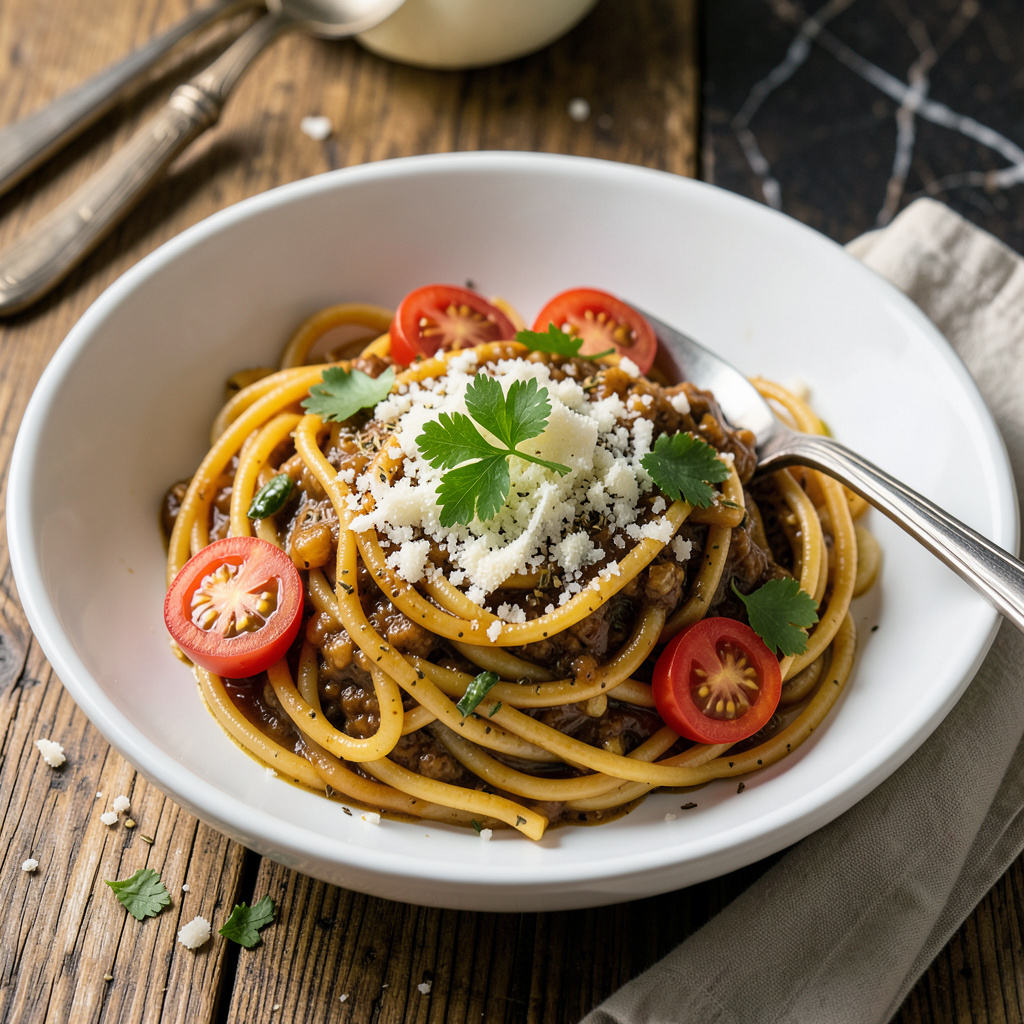
A homemade Kraft spaghetti seasoning recipe combines dried herbs, garlic powder, onion powder, paprika, black pepper, and a little sugar for a savory blend you can stir into tomato sauce. This copycat-style mix is a practical substitute when you want familiar spaghetti flavors using pantry staples.
In American kitchens, spaghetti is a familiar weeknight meal. A box of pasta, a can of tomato sauce, and a few basic spices can turn into dinner without much fuss. Packaged seasoning mixes offer a quick way to add flavor, but making a blend at home gives you more control over salt, herbs, sweetness, and heat.
This Kraft spaghetti seasoning recipe is a homemade interpretation, not a verified reproduction of a proprietary Kraft formula. The exact ingredients and proportions in a packaged seasoning may differ. The blend below uses common dried herbs and spices to create a balanced tomato sauce seasoning that works with ground beef, turkey, meatballs, or vegetables.
You can prepare the mix in a few minutes and keep it in a clean, dry jar. Start with a small amount in your sauce, taste as it cooks, and add more if needed. That simple approach helps you avoid an overly salty or strongly seasoned meal.
A Kraft spaghetti seasoning recipe is a search for a homemade seasoning blend that can recreate the familiar savory flavor associated with packaged spaghetti dinner products. Many home cooks want a convenient mix that adds herb, garlic, and onion notes to tomato sauce without measuring several spices each time they cook.
The word Kraft can refer to a particular brand or a packaged product. However, the name alone does not establish the exact ingredients in a specific seasoning packet. Without a verified ingredient label or published formula for the product in question, an exact copy cannot be confirmed. This recipe is best understood as a practical homemade alternative.
The blend is designed for tomato-based spaghetti sauce. Its flavor comes from oregano, basil, garlic, onion, and black pepper. Paprika adds warmth and color, while a small amount of sugar can soften the sharp taste of some canned tomatoes. Salt is optional because pasta sauce, canned tomatoes, broth, and other ingredients may already contain sodium.
Savory garlic and onion with an herbal blend led by oregano and basil.
Why make it at home
You can change the salt, sweetness, heat, and herb levels to fit your meal.
Important limitation
The recipe is a copycat-style blend, not a verified formula from Kraft.
How Homemade Seasoning Differs From a Packet
Packaged seasoning blends may contain salt, sugar, dried vegetables, flavor enhancers, starches, or other ingredients. A simple homemade mix may use only herbs and ground spices. That difference can affect how quickly the seasoning dissolves, how much salt the sauce needs, and how closely the final taste resembles a particular packaged product.
Ground herbs and spices also vary in strength with age, storage, and brand. For that reason, the proportions below provide a starting point rather than a guarantee of an identical flavor.
Homemade mix
Offers flexible proportions and lets you leave out salt or sugar.
Packaged mix
May offer a consistent flavor from packet to packet, depending on the product.
Ingredients for Homemade Kraft-Style Spaghetti Seasoning
You need a small set of dried herbs and ground spices to make this blend. Most are common pantry items found in American grocery stores. Use dry measuring spoons, and make sure the herbs have not lost most of their aroma from long storage.
The recipe makes roughly five tablespoons of seasoning, depending on the grind and how the ingredients settle. That is enough for several small batches of sauce. The quantities are deliberately moderate so you can adjust the blend after tasting your first pot.
Source: slowcookergourmet.net
2 tablespoons dried oregano
Adds a bold, earthy herbal taste that works well with tomato sauce.
1 tablespoon dried basil
Provides a sweet, mild herbal note that balances the stronger oregano.
1 tablespoon garlic powder
Adds an even garlic flavor throughout the sauce.
2 teaspoons onion powder
Brings a mild savory taste without the texture of fresh onion.
1 teaspoon paprika
Adds gentle warmth and a deeper red tone.
1 teaspoon granulated sugar
Optional; helps balance the sharpness of some tomato products.
1/2 teaspoon ground black pepper
Gives the mix a light peppery bite.
1/2 teaspoon dried thyme
Optional; adds a subtle earthy note.
1/2 teaspoon fine salt
Optional; use less or leave it out if your sauce already contains salt.
1/4 teaspoon red pepper flakes
Optional; adds a mild kick that can be increased to suit your taste.
Which Ingredients Matter Most?
Oregano, basil, garlic powder, and onion powder form the main flavor base. If you have only these four ingredients, you can still make a useful seasoning blend. Add black pepper if you want more bite, and use paprika for a warmer flavor.
Sugar is not required for a good tomato sauce. Some canned tomatoes taste sweeter than others, and some are quite tart. Taste the sauce before adding sugar. A pinch may help balance a sharp sauce, but too much can make it taste sweet rather than savory.
Salt deserves the most care because different canned sauces contain different amounts. Leaving salt out of the dry mix makes it easier to season the finished dish after the other ingredients have cooked.
For a classic herbal taste
Keep the oregano and basil in the blend.
For stronger savory flavor
Use garlic powder and onion powder as listed.
For a mild sauce
Skip the red pepper flakes and use black pepper sparingly.
How to Make Kraft Spaghetti Seasoning at Home
The method is simple: measure the spices, combine them, and store the finished blend in a dry container. You do not need to cook the herbs before mixing them. Keeping the ingredients dry helps prevent clumps and makes the seasoning easier to portion later.
For the most even result, break up any lumps in the garlic powder or onion powder before stirring everything together. A small whisk or clean spoon works well. If your dried herbs contain large leaves, crush them lightly between your fingers before measuring.
Source: i.pinimg.com
Step 1: Gather your supplies
Set out measuring spoons, a small bowl, a clean spoon or whisk, and a dry airtight jar.
Step 2: Measure the ingredients
Measure the oregano, basil, garlic powder, onion powder, paprika, and any optional ingredients into the bowl.
Step 3: Break up clumps
Press out lumps with the back of a spoon so the powdered spices mix evenly with the herbs.
Step 4: Stir thoroughly
Mix until the herbs and powders appear evenly distributed. Scrape the bottom and sides of the bowl.
Step 5: Transfer to a jar
Use a clean, completely dry container. Seal it after adding the mix.
Step 6: Label the container
Write the blend name and preparation date on the jar so you can track its age.
How to Tell Whether the Mix Is Ready
The finished blend should look evenly mixed, with no large pockets of garlic powder, salt, or crushed herbs. Its scent should be herbal and savory when you open the bowl. A faint aroma may mean that one or more spices have been stored too long.
The dry mix will not taste exactly like finished spaghetti sauce. Dried herbs need time in a moist, warm sauce to release their flavor. Judge the blend by its smell and then make the final adjustments after cooking it with tomatoes.
Even color
Paprika and the dried herbs should be spread through the mixture rather than sitting in separate layers.
Fresh aroma
Oregano, basil, garlic, and onion should be easy to smell.
Dry texture
The mix should be loose rather than wet or sticky.
How Much Seasoning Should You Add to Spaghetti Sauce?
Start with about one tablespoon of homemade seasoning for one 15-ounce can of plain tomato sauce. This is a starting ratio, not a fixed rule. If you use crushed tomatoes, tomato puree, jarred marinara, or a larger batch of sauce, adjust the amount to suit the quantity and strength of the other ingredients.
For a small batch, stir the seasoning into the sauce after the tomatoes enter the pan. Let it simmer gently for about 15 to 20 minutes when your recipe allows, then taste. A longer simmer may help the flavors blend, but the sauce should not boil hard or become so thick that it sticks to the pan.
Add more seasoning in small increments if the sauce tastes flat. Add a splash of water if it becomes too thick. Salt should be one of the last adjustments, especially when you use canned sauce, salted broth, cheese, or seasoned meat.
Source: slowcookergourmet.net
For 15 ounces of tomato sauce
Begin with 1 tablespoon of seasoning and adjust after simmering.
For 28 ounces of crushed tomatoes
Start with 1 to 2 tablespoons, depending on the amount of other ingredients and your preferred flavor strength.
For 24 ounces of plain pasta sauce
Try 1 tablespoon first, since the sauce may already contain herbs, garlic, onion, and salt.
For a large family pot
Increase the seasoning gradually rather than multiplying the full amount without tasting.
A Simple Tomato Sauce Method
Warm one tablespoon of olive oil in a saucepan over medium-low heat. Add a little chopped onion or minced garlic if desired, and cook until softened without letting the garlic burn. Stir in your tomato sauce or crushed tomatoes.
Add one tablespoon of the seasoning blend and stir well. Bring the sauce to a gentle simmer, then lower the heat. Cook for 15 to 20 minutes, stirring now and then. If the sauce begins to stick, lower the heat and add a small splash of water.
Taste the sauce before adding more seasoning or salt. Serve it over cooked spaghetti, or add the pasta to the pan and toss until coated. A little reserved pasta water can help the sauce cling to the noodles.
If the sauce tastes flat
Add a small pinch of seasoning, simmer briefly, and taste again.
If the sauce tastes too sharp
Try a small pinch of sugar or simmer a little longer. Do not add sugar automatically.
If the sauce is too thick
Add water a tablespoon at a time until the texture suits the dish.
Ways to Adjust the Flavor
The best part of a homemade blend is that you can change it without opening another packet. Keep the core herbs and savory spices in place, then adjust the ingredients that affect heat, sweetness, and salt. Make small changes so you can tell which one improves the sauce.
The final taste also depends on your tomatoes and any added meat or vegetables. A plain tomato sauce may need more seasoning than a prepared marinara. Ground meat releases juices and adds its own flavor, while mushrooms and peppers bring moisture and sweetness.
Source: i.ebayimg.com
For more garlic flavor
Add a small amount of garlic powder to the sauce or cook fresh minced garlic in oil before adding tomatoes.
For a stronger herb flavor
Add a little more oregano or basil and give the sauce time to simmer.
For a sweeter finish
Taste first, then add a small pinch of sugar if the tomatoes seem too tart.
For more heat
Stir in red pepper flakes a little at a time.
For less salt
Leave salt out of the mix and choose unsalted or lower-sodium tomato products.
For a deeper savory taste
Brown onions or mushrooms before adding the tomatoes. This changes the sauce itself rather than just the dry seasoning.
Can You Make the Seasoning Without Sugar?
Yes. Sugar is optional, and the blend works without it. The purpose of sugar in a tomato sauce is to balance perceived tartness, not to make the sauce taste sweet. Some canned tomatoes are already mild, so extra sugar may not be needed.
If you skip sugar while making the dry mix, you can decide whether to add a little during cooking. That gives you more control over the finished flavor and keeps the stored seasoning more versatile.
Skip sugar
Choose this option when your tomatoes already taste balanced.
Add it while cooking
Use a small pinch only after tasting the simmered sauce.
Can You Use Fresh Herbs Instead?
Fresh herbs can work in spaghetti sauce, but they are not a direct one-for-one replacement in a dry seasoning jar. Fresh basil and oregano contain moisture, so they should be added to the sauce rather than stored in the dry mix.
For a sauce using fresh herbs, begin with a modest amount of chopped basil or oregano and taste near the end of cooking. Fresh basil often works well added toward the end so its aroma remains noticeable.
For a dry jar mix
Use dried herbs and keep all ingredients free from moisture.
For fresh sauce
Add fresh herbs during cooking and adjust the amount by taste.
How to Use the Seasoning in Different Meals
This homemade spaghetti blend can do more than flavor a plain pot of tomato sauce. Its herbs and garlic work with several simple meals, although the amount should change with the recipe. Start with a small quantity and taste before adding more.
The blend is most useful in moist dishes where the dried herbs have time to soften. It can also season vegetables and meat, but it should not replace the other ingredients that give those foods moisture, texture, or balance.
Source: i.pinimg.com
Classic meat spaghetti
Brown ground beef or turkey, drain excess fat as needed, then add tomato sauce and seasoning. Simmer until the meat is fully cooked and the flavors combine.
Vegetarian spaghetti
Cook mushrooms, zucchini, bell peppers, or onions before adding tomatoes and seasoning.
Meatballs
Add a modest amount to the tomato sauce used to simmer cooked meatballs. Check the meatballs separately for safe doneness.
Baked pasta
Season the sauce before combining it with cooked pasta and cheese. Keep in mind that cheese adds salt.
Pizza-style tomato sauce
Use a small amount in plain tomato sauce when you want oregano, basil, and garlic notes.
Roasted vegetables
Use a light sprinkle with oil on vegetables such as zucchini or bell peppers. Watch the salt level if the blend contains salt.
How to Season Ground Meat for Spaghetti
Brown the ground meat in a skillet, breaking it into small pieces as it cooks. Add onion if desired, then drain excess fat when needed. Stir in the tomato sauce and a measured amount of seasoning after the meat has cooked.
Do not rely on the color of the outside alone to judge meat doneness. Ground beef and pork should reach 160 degrees Fahrenheit, while ground turkey and chicken should reach 165 degrees Fahrenheit, measured with a food thermometer. Simmering the sauce afterward does not replace checking that the meat has reached a safe temperature.
Ground beef or pork
Cook to an internal temperature of 160 degrees Fahrenheit.
Ground turkey or chicken
Cook to an internal temperature of 165 degrees Fahrenheit.
Storage, Freshness, and Shelf Life
Store homemade spaghetti seasoning in a clean, dry, airtight container away from heat, moisture, and direct sunlight. A spice jar or small glass container with a tight lid works well. Keep the jar away from the steam rising from a cooking pot, since moisture can cause clumps and shorten the useful life of the blend.
A dry seasoning mix generally keeps its quality longer than a wet sauce, but the ingredients gradually lose aroma. The blend does not have one guaranteed expiration date because the freshness of the original herbs and spices, storage conditions, and container all matter. Use the oldest ingredients you have only if they still smell and look normal.
For the best flavor, make a quantity you expect to use within a few months. That is a practical quality guideline, not a safety guarantee or a universal expiration rule. If the mix smells musty, becomes damp, shows signs of mold, or contains insects, discard it rather than trying to rescue it.
Source: intentionallyeat.com
Use an airtight jar
A tight lid limits exposure to moisture and air.
Keep water out
Use a dry spoon each time you take seasoning from the container.
Avoid stove heat
Store the jar in a cool cupboard rather than beside a hot burner.
Label the mix
Write the date and note any ingredients that may affect dietary needs.
Check before use
Discard the blend if it becomes wet, moldy, insect-infested, or unusually musty.
Can You Store the Seasoning in the Refrigerator?
Refrigeration is usually unnecessary for a dry herb and spice blend. Moving a cold container into a warm kitchen can lead to condensation, which introduces moisture. A dry cupboard is generally a better place for this type of mix.
Once you add the seasoning to tomato sauce, the storage rules change. Refrigerate leftover sauce promptly in a covered container and use it within three to four days. Freeze portions for longer storage, and reheat leftovers until they reach 165 degrees Fahrenheit.
Dry seasoning
Keep it sealed in a cool, dry cupboard.
Cooked spaghetti sauce
Refrigerate promptly and use within three to four days, or freeze for longer storage.
Common Problems and How to Fix Them
Most seasoning problems are easy to correct if you adjust the sauce in small steps. A blend that tastes strong in a spoonful of dry powder may taste milder after it mixes with a full pan of tomatoes. The reverse can happen when too much salt, pepper, or dried herb is added to a small amount of sauce.
Taste after the seasoning has simmered for a while. This gives the herbs time to soften and makes it easier to judge the balance of the full dish. Avoid adding several extra ingredients at once, because you may not know which change helped.
Check whether the tomatoes need salt, then add a little more seasoning and simmer before tasting again.
The sauce tastes too salty
Add unsalted tomato sauce or crushed tomatoes to increase the volume. Avoid adding cheese or salted broth until the balance improves.
The sauce tastes bitter
Check for burnt garlic, scorched tomatoes, or an excessive amount of dried herbs. Adding fresh tomato sauce may help if the bitter flavor is mild.
The sauce is too sweet
Add more unsweetened tomato product and a little savory seasoning. Do not pour in vinegar or lemon juice without tasting carefully.
The seasoning forms lumps
Break up lumps in the dry mix before use and stir the seasoning into the sauce gradually.
The herbs taste harsh
Allow more gentle simmering time, provided the sauce is not drying out or sticking.
What If You Do Not Have Every Ingredient?
You can make a simpler version without buying a full spice rack. Oregano, basil, garlic powder, and onion powder are enough to create a useful base. Black pepper is helpful but optional, and paprika, thyme, sugar, salt, and chili flakes can be left out.
If you only have Italian seasoning, use it as part of the herb base and add garlic powder and onion powder separately. Italian seasoning blends vary, so check the label before adding extra herbs or salt. Taste the sauce after simmering instead of trying to match an exact quantity from a different recipe.
Only oregano and garlic powder
Use these in modest amounts, then add onion powder if available.
Italian seasoning on hand
Use it in place of the oregano and basil, then adjust the garlic and onion.
No garlic powder
Cook fresh minced garlic in a little oil before adding the tomatoes.
Dietary Needs and Ingredient Checks
A homemade herb and spice mix makes it easier to control individual ingredients, but the full meal still depends on the tomato product, pasta, meat, cheese, and any packaged additions. Read labels when you cook for someone with a food allergy, a medical dietary restriction, or a need to limit sodium.
The basic recipe contains no intentional wheat, milk, egg, meat, or fish ingredients. However, this does not establish that every spice brand is free from cross-contact or that the finished meal meets a particular diet. Check the package labels and the manufacturer’s allergen information when strict avoidance is required.
For a lower-sodium meal, leave the optional salt out of the mix and choose tomato products with little or no added sodium. You can add a small amount of salt at the end if needed. Herbs, garlic, onion, and pepper provide flavor without requiring the same amount of added salt.
For lower sodium
Skip added salt in the seasoning and check the nutrition label on canned or jarred tomatoes.
For gluten avoidance
Check all packaged ingredients and choose pasta labeled gluten-free if needed.
For food allergies
Read labels and contact the manufacturer when cross-contact details are unclear.
For less added sugar
Leave the sugar out and taste the finished sauce before making changes.
Should You Add Salt to the Seasoning Jar?
You can, but keeping salt separate gives you more control. Tomato sauce, Parmesan cheese, canned broth, sausage, and seasoned ground meat can all contribute sodium. A seasoning blend with fixed salt proportions may be harder to adjust when you change the other ingredients.
For everyday cooking, leave the salt out of the jar and season the sauce after it simmers. This makes the mix easier to use with both salted and unsalted tomato products.
Salt-free base
Best when you want the same seasoning mix to work with different sauces.
Salt included
Convenient when you use the same unsalted sauce recipe each time, but still taste before adding more.
A Simple Batch Plan for Busy Weeknights
Preparing the dry blend ahead of time can make a weeknight spaghetti dinner easier. Mix the herbs and spices on a quiet day, then store them in a labeled jar. When dinner time comes, you only need to measure the amount that suits the sauce.
For a basic meal, cook spaghetti according to the package instructions while the tomato sauce simmers. If you plan to add ground meat, cook it fully before combining it with the sauce. Keep the pasta and sauce separate if you expect leftovers, since this makes it easier to adjust the texture when reheating.
Before cooking
Check the jar, tomato product, pasta, and any optional vegetables or meat.
During cooking
Start with a modest amount of seasoning and allow the sauce to simmer gently.
Before serving
Taste for salt, sweetness, herb strength, and thickness.
After dinner
Refrigerate leftover sauce promptly in a covered container and label it with the date.
How to Scale the Recipe
To make a double batch, multiply each ingredient by two and mix in a larger bowl. For a half batch, divide each quantity by two. Small measurements, such as a quarter teaspoon of chili flakes, may be easier to estimate with a measuring spoon rather than by eye.
Scaling the seasoning does not mean you must use every bit of it in a larger pot. The strength of the herbs, the type of tomatoes, and the other ingredients can change the result. Add the blend in stages and stop when the sauce tastes balanced.
Half batch
Useful when you want enough mix for one or two small sauce recipes.
Double batch
Useful for meal prep, as long as the herbs are fresh and the storage jar is dry.
Large family pot
Measure a starting amount, simmer, and increase gradually rather than adding the whole jar.
Recipe Summary and Practical Tips
This Kraft-style spaghetti seasoning is built around oregano, basil, garlic powder, and onion powder, with paprika, black pepper, and optional ingredients for extra depth. It offers a simple way to season tomato sauce without depending on a packaged mix.
The key is to keep the blend balanced and adjust the sauce after the herbs have had time to cook. The same mix can taste different in plain tomato sauce, prepared marinara, meat sauce, or a vegetable-heavy dish. Start small and taste as you go.
Preparation time
About 5 minutes to measure and mix the dry ingredients.
Yield
Roughly 5 tablespoons, depending on the herbs and how they settle.
Starting amount
About 1 tablespoon for 15 ounces of plain tomato sauce, adjusted to taste.
Storage
Keep the dry blend in an airtight container in a cool, dry cupboard.
Main adjustment
Taste the simmered sauce before adding extra salt, sugar, or seasoning.
The Easiest Version to Remember
If you want a short ingredient list, mix oregano, basil, garlic powder, and onion powder. Use the blend with plain tomato sauce, simmer gently, and taste before adding anything else. That simple base covers the main herbal and savory notes without extra sugar, salt, or heat.
Add paprika, thyme, black pepper, or red pepper flakes only when you want those flavors. A homemade seasoning mix does not need a long list of ingredients to work well.
Keep the base simple
Oregano, basil, garlic powder, and onion powder are the core ingredients.
Adjust the sauce, not just the jar
Use the tomatoes, cooking time, salt, and added ingredients to balance the final meal.
Frequently Asked Questions
Q
Is this the exact original Kraft spaghetti seasoning recipe?
No. This is a homemade copycat-style seasoning blend based on common spaghetti sauce herbs and spices. The exact formula of a particular Kraft product has not been verified here. For an exact ingredient comparison, check the label on the specific packaged product you have.
Q
Can I use this seasoning with jarred spaghetti sauce?
Yes. Start with about one teaspoon per cup of jarred sauce, stir it in, and simmer gently before tasting. Many prepared sauces already contain herbs, garlic, onion, salt, or sugar, so you may need less than you would for plain tomato sauce.
Q
How much homemade spaghetti seasoning equals one packet?
There is no confirmed one-to-one conversion without knowing the weight and ingredients of the exact packet. Begin with one tablespoon for about 15 ounces of plain tomato sauce, then adjust the amount to taste. Packaged blends can differ in salt, sugar, and other ingredients.
Q
Can I make this spaghetti seasoning without salt?
Yes. Leave the optional salt out of the blend and season the sauce at the end if needed. This is useful when cooking with salted tomato sauce, broth, sausage, or cheese. Check product labels if you need to limit sodium.
Q
How long does homemade spaghetti seasoning last?
The mix can retain useful flavor for a few months when made with fresh dried herbs and kept in a cool, dry, airtight container. Its aroma will gradually fade, and the exact quality period depends on the original spices and storage conditions. Discard the mix if it becomes wet, moldy, insect-infested, or musty.
Q
Can I use Italian seasoning instead of oregano and basil?
Yes. Italian seasoning can replace the oregano and basil in this blend. Since its ingredients and proportions vary by brand, start with a moderate amount and add garlic powder and onion powder separately. Taste the sauce after simmering before adding more.
Q
Does this seasoning work for meat sauce?
Yes. Add it to tomato sauce after browning the ground meat, then simmer until the flavors combine. Ground beef and pork should reach 160 degrees Fahrenheit, while ground turkey and chicken should reach 165 degrees Fahrenheit. Use a food thermometer to check the meat.
✦ Wrapping Up
Conclusion
A homemade Kraft spaghetti seasoning recipe is an easy way to bring familiar savory and herbal flavors to a pot of spaghetti. Oregano, basil, garlic powder, and onion powder make up the core blend, while paprika, black pepper, thyme, sugar, and salt are optional additions.
The recipe is a practical copycat-style alternative rather than a verified Kraft formula. Use it with plain tomato sauce, prepared marinara, meat sauce, or vegetable spaghetti. Begin with a small amount, simmer gently, and taste before making final changes. That approach helps you get a balanced sauce without adding more seasoning than you need.
💡 Key Takeaway
Mix the dried herbs and spices in a clean bowl, store the blend in a dry airtight jar, and start with one tablespoon per 15-ounce can of plain tomato sauce. Simmer, taste, and adjust the seasoning to suit your meal.