Ground pork and ground beef make a tasty mix for meatballs, burgers, tacos, casseroles, stuffed peppers, and skillet dinners. Combine equal parts for a balanced blend, then season and cook the meat to safe temperatures.
Ground pork and ground beef recipes are handy for American home cooks who need filling meals without a long prep list. Both meats are easy to find at grocery stores across the United States. They also pair well with pantry staples such as rice, pasta, beans, potatoes, canned tomatoes, and cheese.
The two meats bring different traits to the same dish. Ground beef has a rich, savory taste, while ground pork often adds a mild, slightly sweet flavor. Their fat levels matter too, since fat helps keep meatballs, burgers, and meatloaf moist. A mix of the two can work well in dishes that need a tender bite and deep flavor.
A simple starting point is one pound of ground beef and one pound of ground pork. Use that blend for a large batch of meatballs, a family-size casserole, or several meals to freeze for later. You can also change the ratio to suit your taste, the recipe, and the fat content of the meat.
Mixing ground pork and ground beef gives you more options than using either meat alone. Beef brings a strong savory taste, while pork can add richness and a softer texture. The final result depends on the cuts used, the fat percentage, the seasoning, and the cooking method.
This blend is useful in recipes where the meat needs to stay moist while holding its shape. Meatballs, meatloaf, burgers, and stuffed peppers are good examples. In a tomato sauce or taco filling, the mixture also adds depth without needing a long list of spices.
There is no single ratio for every recipe. Equal parts are a good first choice, but a recipe can use more beef for a stronger beef flavor or more pork for a milder taste. Keep the total amount of meat the same when changing the ratio so the other ingredients remain in balance.
Source: i.pinimg.com
Flavor
Beef adds a deep, savory taste, while pork brings a mild flavor that works with herbs, garlic, onion, and many spice blends.
Texture
Fat and gentle handling help keep meatballs, burgers, and meatloaf tender. Too much mixing can make formed meat dense.
Flexibility
The blend fits Italian-style meals, Mexican-inspired dishes, American comfort food, and simple rice bowls.
Meal planning
Cook a larger batch, divide it into portions, and use the cooked meat in different meals during the week.
What Ratio of Pork to Beef Works Best?
A 50:50 blend is an easy place to start. For example, combine one pound of ground pork with one pound of ground beef to make two pounds of mixed meat. This amount suits a family-size meal or a batch of meatballs.
For a stronger beef flavor, try two parts beef to one part pork. For a softer, pork-forward flavor, reverse that ratio. These are practical starting points rather than fixed culinary rules, so adjust them based on the recipe and the fat content of the meat.
Equal parts
Use this blend for meatballs, meatloaf, stuffed peppers, and general-purpose recipes.
More beef
Choose this ratio when you want a beef-forward burger, taco filling, or pasta sauce.
More pork
Try this ratio for dumpling fillings, savory patties, or recipes that suit pork’s mild flavor.
Easy Ground Pork and Ground Beef Recipes for Dinner
The best recipes for this meat blend use simple ingredients and a clear cooking method. You can shape it into patties, brown it in a skillet, or bake it in a casserole. Pick a recipe based on the time you have and the ingredients already in your kitchen.
The recipes below use common US grocery staples and offer flexible seasoning ideas. Cooking times are estimates and depend on the size of the portions, the pan, and the oven. Always check that the center reaches a safe temperature rather than relying on color or time alone.
Source: southernliving.com
Quick skillet meals
Brown the meat with onion, garlic, and spices, then add vegetables, beans, rice, or sauce.
Oven-baked meals
Shape the meat into meatballs or meatloaf, or layer it into a casserole with vegetables and cheese.
Family favorites
Make burgers, tacos, stuffed peppers, or pasta sauce with familiar seasonings.
1. Mixed Pork and Beef Meatballs
Mixed meatballs are a useful first recipe because the blend works with tomato sauce, gravy, or a simple pan sauce. They can be served over spaghetti, with mashed potatoes, or tucked into a toasted sandwich roll.
For about four servings, combine one pound of ground beef, one pound of ground pork, one egg, half a cup of breadcrumbs, one small finely chopped onion, two minced garlic cloves, one teaspoon of Italian seasoning, and salt and black pepper to taste. Add a small splash of milk if the mixture feels dry.
Mix with clean hands just until the ingredients come together. Shape into evenly sized balls and place them on a lined baking sheet. Bake at 400°F, checking the largest meatball with a thermometer until it reaches 160°F in the center. Serve with warm tomato sauce and cooked pasta.
Keep them tender
Avoid squeezing or mixing the meat for too long. Firm, compact meatballs can turn dense after cooking.
Change the flavor
Use parsley and Parmesan for an Italian-style version, or cumin and paprika for a different spice profile.
2. Juicy Ground Pork and Beef Burgers
A pork and beef blend makes burgers with a rich taste that works well on a grill or in a skillet. Use a blend with enough fat to help the patties stay moist, but expect some grease to cook off during heating.
Combine one pound of ground beef with one pound of ground pork. Add one teaspoon of salt, half a teaspoon of black pepper, one teaspoon of garlic powder, and a little onion powder. Shape the mixture into patties of even thickness, making a shallow dent in the center of each patty to help limit doming.
Cook on a preheated grill or skillet, turning as needed. Ground pork and beef burgers must reach 160°F in the center. Do not judge doneness by browned edges alone. Serve on buns with lettuce, tomato, pickles, cheese, and your preferred sauce.
Avoid dry burgers
Do not press the patties with a spatula while they cook, since this can force out juices.
Handle raw meat safely
Keep raw patties separate from buns, salad, and cooked food. Wash hands and clean tools after contact with raw meat.
3. Ground Meat Tacos
Tacos are a fast way to use mixed ground meat on a busy weeknight. The pork softens the bold flavor of beef, while chili powder, cumin, garlic, and onion create a savory filling.
Brown one pound of ground beef and one pound of ground pork in a large skillet. Break the meat into small pieces as it cooks. If the pan is crowded, cook in batches so the meat browns instead of steaming. Drain excess fat if needed, then stir in two teaspoons of chili powder, one teaspoon of cumin, half a teaspoon of paprika, and a little garlic powder.
Add a small amount of water and simmer until the spices coat the meat. Check the mixture reaches 160°F throughout. Spoon it into warm corn or flour tortillas and add shredded lettuce, diced tomato, cheese, salsa, or black beans.
Make it mild
Use less chili powder and serve hot sauce on the side so each person can adjust the heat.
Stretch the filling
Stir in drained black beans or cooked rice after the meat is fully cooked.
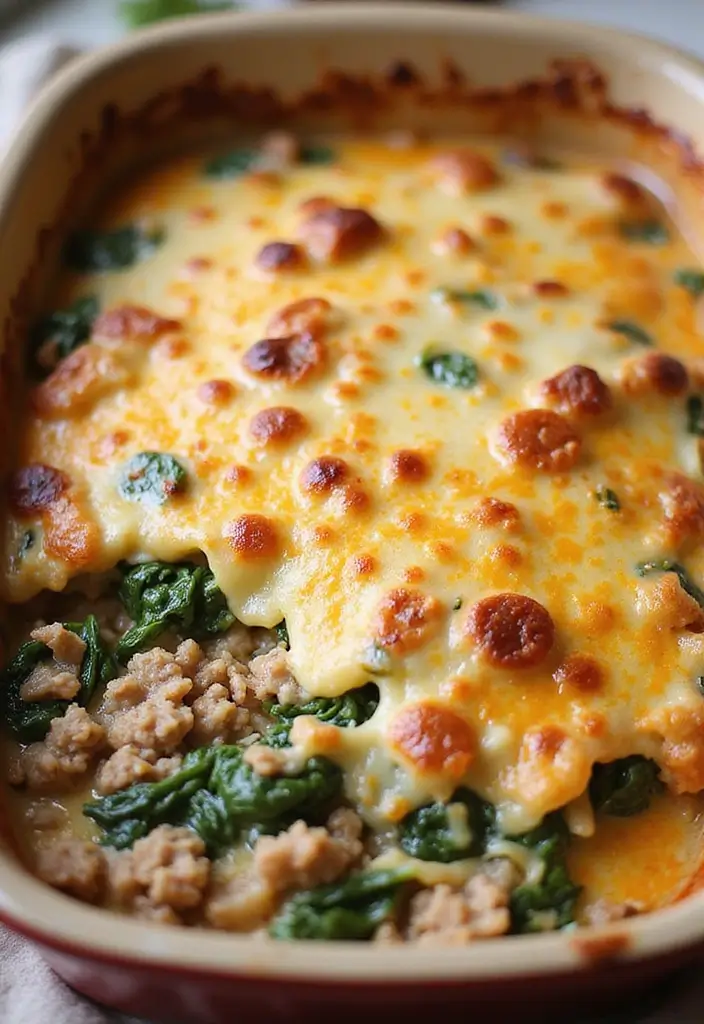
4. Cheesy Ground Pork and Beef Casserole
A casserole turns the meat blend into a complete meal with pasta, vegetables, and cheese. It is also useful when you want dinner to cook in one dish rather than several pots.
Cook eight ounces of pasta according to the package directions and drain it. In a skillet, brown one pound of mixed ground pork and beef with one chopped onion. Cook until the meat reaches 160°F, then stir in two cups of tomato sauce and one cup of chopped spinach. Fold in the pasta and place the mixture in a baking dish.
Top with one to one and a half cups of shredded mozzarella or cheddar. Bake at 375°F until the casserole is hot and the cheese has melted, usually around 15 to 20 minutes if the ingredients are already hot. If you assemble it with cold ingredients, it will take longer. Check the center reaches 165°F before serving.
Add more vegetables
Chopped bell pepper, mushrooms, zucchini, or cooked broccoli can add color and texture.
Prevent a dry casserole
Keep enough sauce in the mixture and avoid baking it longer than needed.
5. Classic Mixed Meatloaf
Meatloaf is a good choice when you want a filling dinner with little active work. Ground pork and beef provide a rich base, while breadcrumbs and egg help hold the loaf together.
Combine one pound of ground beef, one pound of ground pork, one beaten egg, three-quarters of a cup of breadcrumbs, half a cup of milk, one small finely chopped onion, one teaspoon of garlic powder, and black pepper. Mix gently, then shape the mixture into a loaf in a shallow baking dish.
Spread a thin layer of ketchup or a mixture of ketchup and a little brown sugar over the top if you like a sweet glaze. Bake at 350°F until the center reaches 160°F. The time will vary with the loaf’s thickness, so begin checking before the estimated cooking time is over. Let the loaf rest briefly before slicing.
Use a thermometer
The center is the key point to check because the outside can cook much sooner than the inside.
Slice neatly
A short rest after cooking helps the loaf hold together when you cut it.
6. Stuffed Bell Peppers
Stuffed bell peppers turn the meat blend into a meal with built-in portions. Green, red, yellow, or orange peppers can work, although their flavors vary slightly.
Cut the tops from four large bell peppers and remove the seeds. Brown one pound of mixed ground meat with one small chopped onion. Stir in two cups of cooked rice, one cup of tomato sauce, and seasonings such as oregano, garlic, and black pepper. Cook the meat to 160°F before filling the peppers.
Place the peppers in a baking dish with a little water or tomato sauce at the bottom. Cover and bake at 375°F until the peppers soften. Uncover, add shredded cheese if desired, and continue baking until the filling reaches 165°F. Larger peppers may need extra time.
Use cooked rice
Cook the rice before mixing it into the filling so it has enough time to soften and heat through.
Choose sturdy peppers
Peppers that stand upright are easier to fill and less likely to spill during baking.
7. Ground Pork and Beef Pasta Sauce
A meat sauce is useful for spaghetti, baked ziti, lasagna, and other pasta dishes. Browning the meat first gives it a savory base, while a gentle simmer lets the tomato and herb flavors blend.
Brown one pound of ground beef and one pound of ground pork with a chopped onion in a large pot. Add two minced garlic cloves, one 28-ounce can of crushed tomatoes, one small can of tomato paste, one teaspoon of dried oregano, and black pepper. Cook the meat to 160°F before continuing the sauce.
Let the sauce simmer gently for about 20 to 30 minutes, stirring now and then. Add a little water if it becomes too thick. Taste before adding more salt, since canned tomatoes and other ingredients can already contain sodium. Serve with pasta and grated Parmesan.
Build more flavor
Brown the meat in batches if needed. A crowded pan releases liquid and may prevent proper browning.
Save time later
Make extra sauce and freeze it in meal-size portions after cooling it safely.
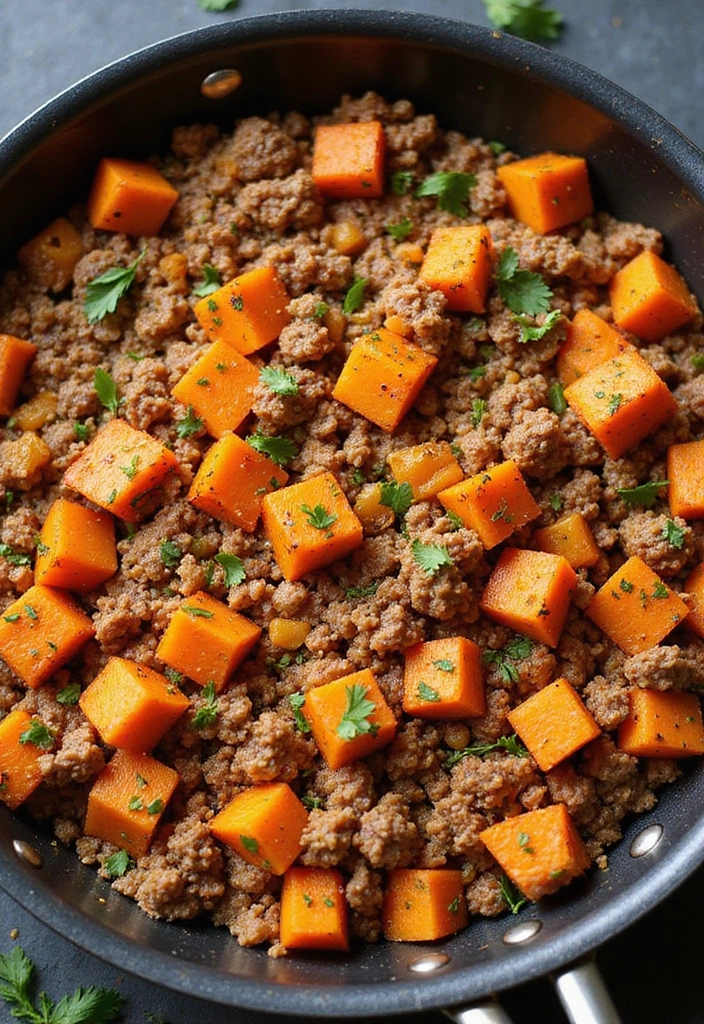
8. Ground Meat and Potato Skillet
A meat and potato skillet is a practical choice when you need a filling dinner from basic ingredients. Potatoes add body, while onion, pepper, and a little paprika give the dish a warm, savory taste.
Dice about one pound of potatoes into small, even pieces. Cook them in a large skillet with a little oil until nearly tender, adding a splash of water and covering the pan briefly if needed. Remove the potatoes, then brown one pound of mixed ground pork and beef with a chopped onion. Break the meat into small pieces and cook it to 160°F.
Return the potatoes to the pan with chopped bell pepper, paprika, garlic powder, and black pepper. Stir and cook until the vegetables are tender and the potatoes are hot throughout. If the pan becomes dry, add a small splash of water rather than a large amount of oil.
Cut potatoes evenly
Similar-size pieces cook at a more even rate and are easier to brown.
Use leftovers wisely
Chop cooked leftovers and warm them in a skillet for a quick breakfast hash, heating them to 165°F.
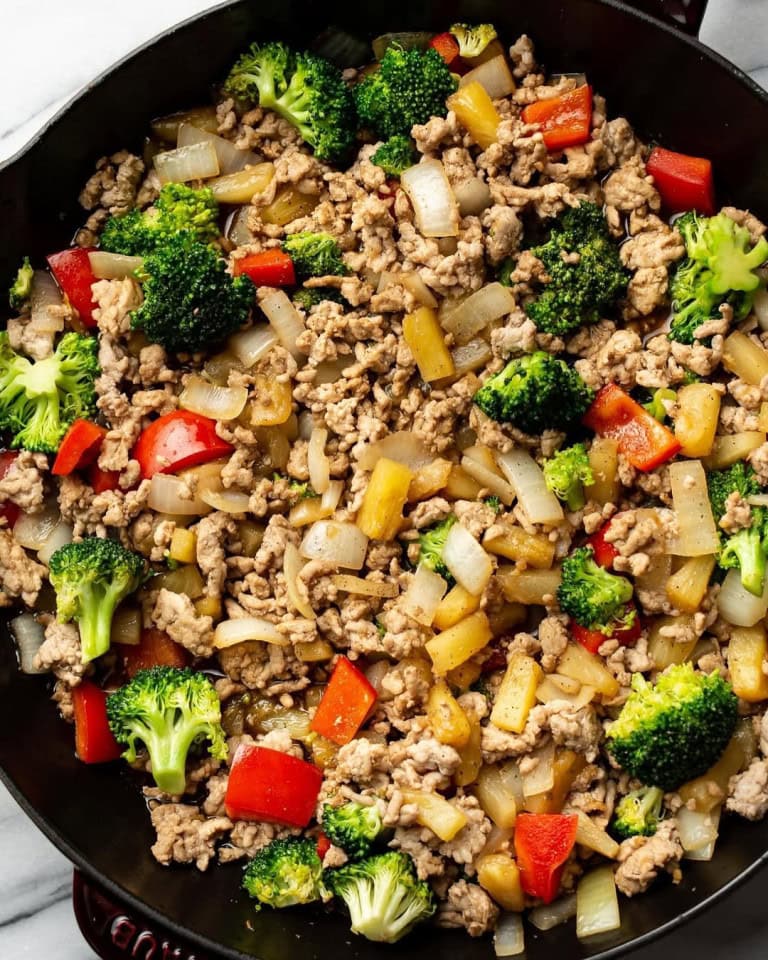
9. Asian-Inspired Ground Meat and Vegetable Bowls
Ground pork and beef also work in a simple rice bowl with vegetables and a savory sauce. This is a flexible home-cooking idea rather than a claim that the dish follows a specific regional tradition.
Brown one pound of mixed meat in a skillet with minced garlic and grated ginger. Cook until it reaches 160°F. Add sliced carrots, shredded cabbage, or broccoli florets and cook until the vegetables reach the texture you prefer.
Stir together two tablespoons of low-sodium soy sauce, one tablespoon of rice vinegar, and one teaspoon of brown sugar. Add the sauce to the skillet and toss well. Serve over cooked rice, with sliced green onion or sesame seeds if desired. Keep the sauce modest at first, then adjust it to taste.
Keep the vegetables crisp
Add quick-cooking vegetables near the end rather than leaving them in the pan for the full cooking time.
Adjust the salt
Soy sauce can be salty, so taste the finished dish before adding extra salt.
10. Easy Meat and Bean Chili
Chili is a useful way to combine mixed ground meat with beans and tomatoes. It can be mild or spicy, and the ingredients are easy to change based on what you have in the pantry.
Brown one pound of ground beef and one pound of ground pork with a chopped onion in a large pot. Add two tablespoons of chili powder, one teaspoon of cumin, one 28-ounce can of crushed tomatoes, and two drained cans of beans. Add a little broth or water if the mixture is too thick.
Cook the meat to 160°F, then simmer the chili until the flavors blend and the vegetables are tender. Serve with shredded cheese, chopped onion, or a spoonful of sour cream. If you make the chili ahead, cool and refrigerate it promptly, then reheat leftovers to 165°F.
Control the heat
Start with a modest amount of chili powder and add more after tasting.
Make it thicker
Simmer uncovered for a short time, stirring often so the beans do not stick to the pot.
How to Choose Ground Pork and Ground Beef
Choose ground meat based on the recipe, the fat content, and how you plan to cook it. Leaner meat can suit a sauce or a dish with added oil, while a blend with more fat can help burgers and meatballs stay moist. Check the package label rather than assuming every pack of ground pork has the same fat level.
Ground beef labels often show a lean-to-fat ratio, such as 80/20 or 90/10. The first number refers to the percentage of lean meat, and the second refers to fat. Ground pork may have different fat levels depending on the cut and product, so read the label when the amount of grease matters.
For a mixed recipe, consider the fat from both meats together. A fatty beef blend combined with fatty pork can release more grease than expected. If the recipe already contains cheese, oil, or a rich sauce, a leaner meat blend may be easier to manage.
Source: anastasiablogger.com
For meatballs and meatloaf
A moderate amount of fat helps the mixture stay moist. Breadcrumbs, egg, and gentle mixing also affect texture.
For tacos and chili
A leaner blend can reduce excess grease because the dish gets moisture from sauce, tomatoes, and other ingredients.
For burgers
A blend with some fat can help produce a juicy patty, but the center must still reach 160°F.
For pasta sauce
Choose a blend that browns well and does not leave more fat than the sauce can handle.
Can You Mix Different Fat Levels?
Yes. You can combine different lean-to-fat ratios, but the finished blend will not have the same ratio as either package. The exact result depends on the weight and composition of each meat, so treat it as an estimate unless the fat content is known.
If the cooked meat leaves a large pool of fat, carefully drain the excess before adding sauce or vegetables. Do not pour hot grease into a sink drain because it can cool and cause a blockage. Let the grease cool in a heat-safe container and discard it according to local waste guidance.
Check the recipe
A moist casserole can tolerate more fat than a delicate sauce or a filling that needs to stay firm.
Avoid overcorrecting
Drain only the excess fat needed for the dish, since removing all of it can leave the meat dry.
Seasonings That Work Well With Both Meats
Ground pork and beef take well to many of the same seasonings. Garlic, onion, black pepper, paprika, oregano, thyme, cumin, and parsley are useful pantry choices. Start with a small amount, taste the cooked dish when safe to do so, and adjust the final seasoning.
For Italian-style meals, use garlic, oregano, basil, parsley, and Parmesan. For tacos or chili, try cumin, chili powder, paprika, and oregano. For burgers and meatloaf, onion, garlic, black pepper, and a little mustard can add flavor without making the dish too complex.
Salt levels need care when you add packaged broth, canned tomatoes, cheese, soy sauce, or seasoning mixes. Some ingredients already contain a fair amount of sodium. Season in stages instead of adding a large amount at the start.
Source: dinnerlylife.com
Italian flavor
Pair garlic, oregano, basil, parsley, and Parmesan with meatballs, pasta sauce, or baked casseroles.
Tex-Mex flavor
Use cumin, chili powder, paprika, and garlic for tacos, rice bowls, or chili.
Comfort food flavor
Use onion, black pepper, thyme, and a small amount of Worcestershire sauce in meatloaf or gravy-based dishes.
Fresh flavor
Add chopped parsley, green onion, or cilantro near the end to bring a fresh note to a rich meat dish.
Food Safety for Ground Pork and Beef Recipes
Ground pork and ground beef mixtures should reach an internal temperature of 160°F. This is the USDA-recommended safe minimum for ground beef and ground pork. Use a food thermometer in the thickest part of a burger, meatball, or meatloaf to check the temperature accurately.
Color alone is not a reliable safety test. Ground meat can brown before it reaches the recommended temperature, and a fully cooked piece may still show some pink. A thermometer provides a more useful check than appearance or a fixed cooking time.
Raw meat can spread harmful germs to hands, cutting boards, utensils, and ready-to-eat foods. Keep raw meat separate from salad ingredients and cooked food. Wash hands with soap and water after handling raw meat, and clean surfaces and tools before using them for other ingredients.
Source: 30minutesmeals.com
Cook thoroughly
Check mixed ground pork and beef at 160°F in the center. For casseroles made with previously cooked ingredients, heat the center to 165°F.
Refrigerate promptly
Refrigerate perishable food within two hours, or within one hour when the air temperature is above 90°F.
Use leftovers in time
Store cooked leftovers in shallow containers and use them within three to four days when kept at 40°F or below.
Reheat leftovers
Reheat leftovers to 165°F. Heat soups and sauces until they reach a full boil when applicable.
How to Store Raw and Cooked Meat
Keep raw ground pork and beef in the refrigerator at 40°F or below and follow the package date and storage instructions. For best quality and safety, use raw ground meat within one to two days or freeze it if you will not cook it in that time.
Freeze meat in airtight packaging or a freezer-safe bag, pressing out excess air when possible. Mark the package with the date and amount. Thaw frozen meat in the refrigerator, in cold water with proper packaging, or in the microwave if you cook it right away. Do not thaw raw meat on the counter.
Place cooked leftovers in shallow containers so they cool more quickly. Refrigerate them within the recommended time, then reheat only the portion you plan to eat. If food has been left out too long or its storage history is uncertain, discard it rather than tasting it to check whether it is safe.
Raw meat in the fridge
Use within one to two days or freeze for later use.
Cooked leftovers
Refrigerate within two hours and use within three to four days.
Frozen portions
Label the contents and date so you can track what you have stored.
Common Mistakes to Avoid
Most problems with mixed ground meat come from excess handling, poor heat control, or an unbalanced recipe. A few simple checks can help you get better results without adding more ingredients. Keep the method simple and adjust one thing at a time.
Source: natashaskitchen.com
Overmixing the meat
Mix only until the ingredients are combined. Too much pressure and handling can make burgers, meatballs, and meatloaf tough.
Crowding the skillet
Cook in batches when needed. A crowded pan traps steam and makes browning harder.
Using too much fat
Check the fat level of both meats. Drain excess grease before adding delicate sauces or extra oil.
Adding vegetables too late
Firm vegetables such as potatoes need more cooking time than spinach or green onion. Add each ingredient according to how quickly it cooks.
Guessing when meat is done
Use a food thermometer to check that the center reaches 160°F. Do not rely on the outside color.
Adding too much salt early
Canned sauces, broth, cheese, and seasoning blends can all add sodium. Taste the dish before adding more.
What to Do if the Meat Turns Out Dry
Dry meat may come from a very lean blend, overcooking, or cooking formed meat at high heat for too long. You cannot fully reverse the texture, but adding moisture can make the dish easier to enjoy.
For crumbled meat, stir in tomato sauce, broth, or a little water and heat it through. For meatloaf, serve slices with gravy or a sauce. For burgers, use a moist topping and avoid pressing the patties while they cook next time.
For crumbled meat
Add a small amount of liquid and simmer briefly so the meat can absorb some moisture.
For formed meat
Use a sauce or gravy at serving time and check doneness earlier in the next batch.
How to Plan Several Meals From One Batch
Cooking a larger batch of ground pork and beef can reduce weeknight prep. Brown two pounds of mixed meat with onion and garlic, cook it to 160°F, and divide it into shallow containers. Keep the seasoning mild if you plan to use the meat in several different dishes.
Once the meat is cooked, add it to tacos one night, tomato sauce another night, and a rice bowl later in the week. Change the vegetables and sauces to keep the meals distinct. Refrigerate portions you will eat within three to four days and freeze the rest promptly.
For the best results, label each container with the date and amount. Thaw frozen portions in the refrigerator when possible, then reheat them to 165°F. Do not leave cooked meat at room temperature while deciding how to use it.
Source: bbqhost.com
Meal one
Use seasoned meat in tacos with lettuce, tomato, and beans.
Meal two
Add plain or lightly seasoned meat to pasta sauce with canned tomatoes and herbs.
Meal three
Warm the meat with vegetables and serve it over rice or potatoes.
Meal four
Use a frozen portion in chili or a casserole after thawing and reheating safely.
Frequently Asked Questions
Q
Can you cook ground pork and ground beef together?
Yes. Ground pork and ground beef can be mixed and cooked in the same dish. Combine them before shaping meatballs or burgers, or brown them together in a skillet. Cook the mixture to an internal temperature of 160°F, measured with a food thermometer.
Q
What is the best ratio of ground pork to ground beef?
Equal parts ground pork and ground beef are a useful starting point for meatballs, meatloaf, burgers, and casseroles. Use more beef for a stronger beef flavor or more pork for a milder taste. The best ratio also depends on the fat content and the recipe.
Q
Do ground pork and ground beef need different cooking temperatures?
For ground meat, the recommended safe minimum is 160°F for both ground beef and ground pork. Check the thickest part of the food with a food thermometer. Mixed dishes that are being reheated as leftovers should reach 165°F.
Q
Can you freeze cooked ground pork and beef?
Yes. Cool the cooked meat promptly, divide it into meal-size portions, and pack it in airtight freezer-safe containers or bags. Label each portion with the date. For best quality, use frozen cooked meat within a few months, and thaw it safely before reheating to 165°F.
Q
What can I make with one pound of ground pork and one pound of ground beef?
Two pounds of mixed meat can make a batch of meatballs, a meatloaf, a large pan of taco filling, a casserole, or several servings of pasta sauce. The number of servings depends on portion size and the amount of vegetables, grains, or other ingredients added.
Q
Should you drain the fat after browning the meat?
Drain excess fat when the pan contains more grease than the recipe needs. Some fat adds flavor and helps keep the dish moist, so there is no need to remove every drop. Let hot grease cool in a heat-safe container before disposing of it properly.
Q
Can you use ground pork and beef in a slow cooker?
Yes, but brown the ground meat in a skillet first when the recipe calls for crumbled meat. This helps develop flavor and lets you drain excess grease. Follow a tested slow-cooker recipe, make sure the dish reaches a safe temperature, and refrigerate leftovers promptly.
✦ Wrapping Up
Conclusion
Ground pork and ground beef work well together in many everyday meals. The blend can make tender meatballs, flavorful burgers, rich pasta sauce, hearty chili, stuffed peppers, and simple skillet dinners. A mix of equal parts is an easy place to start, but the best ratio depends on the dish and the fat content of the meat.
Keep the recipe practical by using seasonings you already have, adding vegetables or grains where they fit, and making extra portions when time allows. Pay attention to pan heat, avoid overmixing, and use a food thermometer to check that mixed ground meat reaches 160°F. Store leftovers safely and reheat them to 165°F.
💡 Key Takeaway
Start with one pound of ground beef and one pound of ground pork. Make meatballs, tacos, or a skillet meal, season to taste, and check the center reaches 160°F before serving.