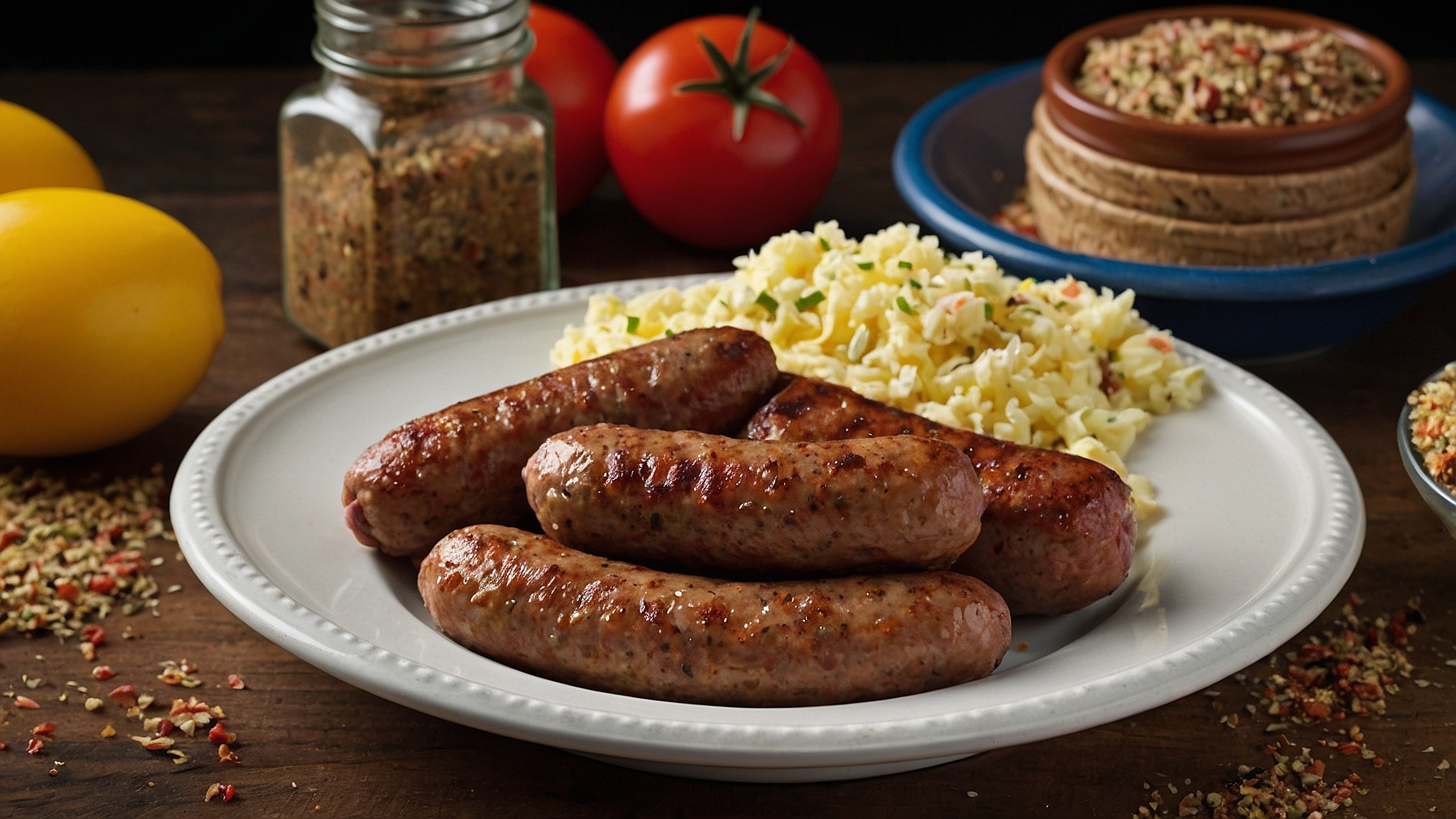
Mix ground sage, black pepper, thyme, crushed red pepper, salt, garlic powder, and a little brown sugar to make a homemade breakfast sausage seasoning inspired by Jimmy Dean. Blend the spices with one pound of ground pork, chill the mixture, and cook it to a safe internal temperature of 160°F.
In American homes, breakfast sausage is a classic partner for scrambled eggs, pancakes, biscuits, and a hot cup of coffee. A familiar pack of sausage from the grocery store makes breakfast easy, but homemade sausage lets you adjust the salt, herbs, heat, and sweetness to suit your taste. The right spice blend can bring that savory, peppery flavor to your own kitchen.
This Jimmy Dean sausage seasoning recipe is a homemade copycat-style blend, not the company’s official formula. The exact commercial seasoning ratios are not established here, so the recipe uses common breakfast sausage spices to create a similar flavor profile. Dried sage gives it a traditional sausage taste, black pepper adds bite, and thyme rounds out the herbs.
You can mix the seasoning in a few minutes with basic pantry ingredients. Use it with ground pork for breakfast patties, or try ground turkey if you want a different option. A short rest in the refrigerator gives the spices time to spread through the meat, which helps each bite taste more balanced.
Jimmy Dean breakfast sausage is known for its savory taste and its role in classic American breakfasts. Its flavor is associated with herbs, pepper, salt, and the rich taste of seasoned meat. A homemade version aims to capture that general style without claiming to reproduce the exact commercial recipe.
Breakfast sausage seasoning is a blend of dried herbs, spices, and sometimes a small amount of sugar. The blend is mixed into ground meat before the meat is shaped into patties or cooked in another form. Unlike a spice rub for a steak, breakfast sausage seasoning is meant to spread through the meat rather than sit only on its surface.
The main challenge is balance. Too much sage can make the sausage taste medicinal, while too much black pepper can cover the other flavors. Salt brings out the savory taste, and a small amount of brown sugar can soften the sharp edges of the herbs and pepper.
Source: quickdishcookbook.com
Sage
This earthy herb gives breakfast sausage much of its familiar aroma. Rub dried sage between your fingers before adding it to release more of its scent.
Black pepper
Pepper adds warmth and a mild bite. Freshly ground pepper usually has a stronger aroma than pepper that has been stored for a long time.
Thyme
Thyme adds a gentle herbal note that works well with sage. Use a measured amount so it does not dominate the blend.
Salt
Salt seasons the meat itself, not just the outside. Measure it carefully, especially if you plan to serve the sausage with salty cheese, bacon, or gravy.
Jimmy Dean Sausage Seasoning Recipe
This homemade blend makes enough seasoning for one pound of ground pork. It uses familiar breakfast sausage spices and gives you room to change the flavor in later batches. For the best result, measure the ingredients before mixing them with the meat.
The amounts below are a practical starting point for a mild, savory breakfast sausage. They are not the official Jimmy Dean seasoning proportions. If you prefer a sweeter or spicier sausage, change one or two ingredients at a time so you can tell what each change does.
Source: fingerlickingrecipes.com
Ground pork
1 pound, preferably with enough fat to keep the cooked patties moist.
Dried ground sage
1 teaspoon for the classic earthy breakfast sausage note.
Black pepper
1/2 teaspoon, freshly ground if available.
Dried thyme
1/2 teaspoon.
Salt
3/4 teaspoon as a starting point. Reduce it if you need a lower-sodium dish, and remember that changing the salt changes the final taste.
Garlic powder
1/4 teaspoon for a mild savory note.
Onion powder
1/4 teaspoon for a subtle, rounded flavor.
Crushed red pepper
1/8 teaspoon for a small amount of heat, or leave it out for a milder blend.
Brown sugar
1 teaspoon for a light hint of sweetness. You can omit it if you prefer a fully savory taste.
Ground nutmeg
A small pinch, about 1/16 teaspoon, for a subtle warm note. It is optional.
How to Mix the Seasoning
Place the sage, black pepper, thyme, salt, garlic powder, onion powder, crushed red pepper, brown sugar, and nutmeg in a small bowl. Stir with a fork or small whisk until the mixture looks even. Break up any brown sugar lumps so they do not form sweet spots in the finished sausage.
If you want to prepare seasoning for later, mix the dry ingredients without the meat and transfer them to a clean, dry, airtight jar. Label the jar with the date and the amount of pork the blend is intended to season. Keep the jar away from steam, moisture, and direct sunlight.
For a milder taste
Leave out the crushed red pepper and start with a little less black pepper.
For a stronger herb taste
Add a small extra pinch of sage or thyme to the next batch rather than increasing both at once.
How to Season One Pound of Ground Pork
Place the ground pork in a large bowl and sprinkle the seasoning evenly over the surface. Use clean hands or a sturdy spoon to mix it through the meat. Stop once the spices appear evenly distributed; heavy, prolonged mixing can make the texture firmer than many people want in breakfast sausage.
Cover the bowl and place it in the refrigerator for about 30 minutes before shaping the patties. A longer rest of a few hours can also work when the meat stays cold. Keep raw pork at 40°F or below, and do not leave the bowl sitting on the counter while the flavors blend.
Before shaping the whole batch, you can cook a small test portion in a skillet. Let it reach 160°F, then taste it. This gives you a chance to decide whether the next batch needs more sage, pepper, salt, or sweetness without guessing.
Even seasoning
Sprinkle the spices over the whole surface instead of dumping them into one spot.
Gentle mixing
Mix just enough to distribute the herbs and salt through the meat.
Cold storage
Keep the mixture covered in the refrigerator while the seasoning rests.
How to Cook Homemade Breakfast Sausage Patties
A skillet is a simple way to cook seasoned breakfast sausage. The main goals are to form patties of even thickness, brown the outside, and cook the center to a safe temperature. Thin, even patties are easier to cook through without drying out at the edges.
This method works with the seasoned pork mixture in the recipe above. You do not need sausage casings because breakfast sausage patties are shaped by hand. If you prefer crumbled sausage for gravy, breakfast burritos, or an egg scramble, cook the meat loose instead.
Source: imhungryforthat.com
Step-by-Step Cooking Method
Divide the seasoned pork into four portions and shape each into a patty. Aim for a similar thickness across the batch so they cook at about the same rate. Press a small shallow dip in the center of each patty if you find that yours tend to puff up during cooking.
Set a skillet over medium heat. If the pork has enough fat, you may not need to add oil. If the pan is very lean or prone to sticking, use a small amount of cooking oil. Add the patties in a single layer, leaving space between them so they brown rather than steam.
Cook the patties, turning them as needed to brown both sides. Cooking time depends on their thickness, the pan, and the heat level, so do not rely on a fixed number of minutes alone. Check the center of each patty with a food thermometer and remove it from the heat when it reaches 160°F.
Rest the patties briefly on a clean plate before serving. Do not place cooked sausage back on a plate that held raw pork unless the plate has been washed with hot, soapy water. Serve with eggs, toast, biscuits, pancakes, or roasted potatoes.
For browned edges
Avoid crowding the pan. Space lets moisture escape and helps the meat brown.
For a moist center
Use ground pork with some fat and avoid cooking the patties longer than needed after they reach 160°F.
For crumbled sausage
Break the meat into small pieces in the skillet and stir as it cooks. Check the temperature of the cooked meat with a food thermometer.
How to Tell When the Sausage Is Done
Color alone cannot confirm that ground pork is safe to eat. A patty may look brown on the outside while the center is still undercooked. Use a food thermometer inserted into the thickest part of each patty.
Ground pork should reach an internal temperature of 160°F. Wash your hands, utensils, and work surfaces after they touch raw meat, and keep raw meat separate from ready-to-eat foods. Refrigerate leftovers promptly in a covered container.
Use a thermometer
Check the thickest part of each patty rather than judging doneness by color.
Avoid cross-contamination
Keep raw pork juices away from cooked sausage, bread, fruit, and other ready-to-eat foods.
How to Adjust the Flavor to Your Taste
The best homemade sausage blend depends on whether you like a mild, peppery, sweet, or spicy breakfast. Start with the base recipe, then make small changes in later batches. This approach keeps the flavor balanced and makes it easier to repeat a version you enjoy.
Sage is the main herb to watch. A little can make the mixture taste like classic breakfast sausage, but too much can overwhelm the pork. Salt is just as important because it changes how the other flavors come through.
Source: quickdishcookbook.com
Mild Breakfast Sausage
For a mild blend, leave out the crushed red pepper and use the listed amount of black pepper or slightly less. Keep the sage, thyme, garlic, and onion powder in place. This version works well when the sausage will be served with eggs, cheese, or a sweet breakfast dish.
Flavor goal
A savory herb taste with little or no chili heat.
Hot Breakfast Sausage
For more heat, increase the crushed red pepper in small steps. A pinch of cayenne can also add a sharper heat, but it is easy to add too much. Mix the spices thoroughly and cook a small test portion before committing to a full batch.
Flavor goal
A warm pepper bite that does not hide the sage and pork.
Sweet Breakfast Sausage
A small amount of brown sugar adds a light sweet note that pairs well with pancakes and waffles. Keep the amount modest because too much sugar can make the outside brown quickly in a hot skillet. Maple syrup can be served alongside the cooked sausage if you want more sweetness without changing the seasoning blend.
Flavor goal
A gentle sweet-and-savory balance rather than a candy-like taste.
Lower-Sodium Seasoning
You can reduce the salt in the blend, but the sausage will taste less salty and may seem less rounded. Herbs and spices add flavor without the same amount of sodium, so you can keep the sage, pepper, thyme, garlic, and onion powder. If you have a medical reason to limit sodium, consider your full meal and any packaged ingredients rather than focusing on the seasoning alone.
Flavor goal
More herb and pepper flavor with less added salt.
Using the Seasoning With Other Meats
The same spice blend can season ground turkey or chicken, although the result will not taste exactly like pork breakfast sausage. Poultry often has less fat than ground pork, so the cooked patties may feel drier. A little oil mixed into a lean mixture can help, but avoid adding so much that the meat becomes greasy.
Ground beef can also take the seasoning, though its flavor differs from the pork used in many breakfast sausage recipes. Treat these options as variations rather than direct copies. Cook each type of ground meat to its recommended safe internal temperature and use a thermometer instead of relying on appearance.
Use the same spice blend as a starting point. Ground turkey should reach 165°F in the center.
Ground chicken
Keep the meat cold during mixing and shaping. Cook ground chicken to 165°F.
Ground beef
The blend can add a breakfast sausage-style herb profile. Cook ground beef to 160°F.
Can You Use the Blend Without Meat?
Yes. The dry seasoning can add a breakfast sausage-style flavor to plant-based crumbles, beans, or a tofu scramble. Start with a small amount, taste the dish, and add more if needed. The right quantity will depend on the moisture, salt level, and amount of the food being seasoned.
A plant-based dish will not taste exactly like pork sausage because the fat, protein, and texture differ. You can still use sage, pepper, thyme, garlic, and onion to create a savory breakfast flavor.
Start small
Add a little seasoning first because the blend contains salt and concentrated dried herbs.
How to Scale the Recipe for Larger Batches
To season more than one pound of pork, multiply every ingredient by the number of pounds you plan to prepare. Measuring each ingredient separately is more reliable than estimating the seasoning by eye. Keep a written record of any changes so you can recreate the same taste later.
The table below shows the starting amounts for one, two, and four pounds of ground pork. The figures are simple recipe calculations, not commercial seasoning specifications.
Source: recipessweets.com
Seasoning Amounts by Meat Weight
Use this table as a practical guide. The one-pound recipe remains the baseline, and the other columns scale the same proportions. You can reduce the salt or omit optional ingredients, but make the same planned change throughout the batch.
For 1 pound
1 teaspoon sage, 1/2 teaspoon black pepper, 1/2 teaspoon thyme, 3/4 teaspoon salt, 1/4 teaspoon garlic powder, 1/4 teaspoon onion powder, 1/8 teaspoon crushed red pepper, 1 teaspoon brown sugar, and a pinch of nutmeg.
For 2 pounds
2 teaspoons sage, 1 teaspoon black pepper, 1 teaspoon thyme, 1 1/2 teaspoons salt, 1/2 teaspoon garlic powder, 1/2 teaspoon onion powder, 1/4 teaspoon crushed red pepper, 2 teaspoons brown sugar, and two small pinches of nutmeg.
For 4 pounds
4 teaspoons sage, 2 teaspoons black pepper, 2 teaspoons thyme, 3 teaspoons salt, 1 teaspoon garlic powder, 1 teaspoon onion powder, 1/2 teaspoon crushed red pepper, 4 teaspoons brown sugar, and four small pinches of nutmeg.
Make-Ahead Dry Seasoning
A dry batch can save time on busy mornings. Mix the spices in a clean bowl, transfer them to an airtight jar, and write the intended meat weight on the label. Keep the jar dry and use clean measuring spoons each time you scoop from it.
Dried herbs and spices lose aroma over time, especially when exposed to heat, light, and moisture. Smell the blend before using it. If it has little aroma, smells stale, or shows signs of moisture or mold, discard it rather than trying to restore the flavor.
Label the jar
Write the ingredient blend, preparation date, and amount intended for each batch.
Keep it dry
Never shake the jar directly over a steaming pan, since steam can introduce moisture.
Common Mistakes and How to Fix Them
A batch that tastes too salty, too herby, or too dry does not always mean the whole recipe has failed. The cause may be the seasoning ratio, the fat content of the meat, the cooking heat, or the time spent in the pan. Identify the problem before changing several ingredients at once.
For the next batch, change one factor at a time and keep notes. Small changes are easier to judge than a full rewrite of the spice blend.
Source: cdn.leonardo.ai
The sausage tastes too much like sage
Reduce the sage by about one-quarter in the next batch. Check that you are using the measured amount of dried sage rather than a heaped spoonful.
The sausage tastes too salty
Use less salt in the next batch. For a batch that is already mixed, combining it with more unseasoned ground meat can lower the salt concentration, but you must cook the added meat safely.
The patties are dry
Choose ground pork with a suitable fat content, avoid pressing the patties repeatedly, and stop cooking once the center reaches 160°F.
The flavor is weak
Check whether the dried herbs and spices still smell fresh. You can also let the seasoned meat rest in the refrigerator before cooking.
The patties fall apart
Mix the meat and seasoning until evenly combined, then chill the mixture before shaping. Form the patties gently and turn them with a broad spatula.
The outside burns before the center cooks
Lower the heat and make the patties thinner. Check the internal temperature instead of increasing the cooking time at a high heat.
Why Does Homemade Sausage Taste Different From the Store-Bought Version?
A homemade seasoning blend may taste different because the commercial product’s exact ingredients and proportions have not been reproduced here. Meat fat, grind size, salt levels, and cooking methods also affect flavor and texture. Even two packs of ground pork can produce different results if their fat content differs.
Treat the recipe as a starting point rather than an exact clone. Taste a cooked sample, record what you notice, and adjust the next batch. This is the most useful way to move toward your preferred flavor without claiming an unverified match.
Change one thing at a time
Adjust the sage, pepper, sweetness, or salt separately so the effect of each change is clear.
Storage, Freezing, and Food Safety
Store dry seasoning and seasoned raw meat separately. A dry spice blend can remain in a clean, airtight container in a cool, dry cupboard, while raw seasoned pork must stay refrigerated or frozen. Never treat a dry seasoning jar as a place to store leftover meat or a spoon that has touched raw pork.
For food safety, keep raw ground pork at 40°F or below. Use it within one to two days when refrigerated, or freeze it for longer storage. If the meat has been held above safe refrigeration temperatures for too long, do not rely on smell or appearance to decide whether it is safe.
Source: fingerlickingrecipes.com
Refrigerating raw seasoned pork
Keep it covered at 40°F or below and use it within one to two days. If you will not cook it in that time, freeze it.
Freezing uncooked patties
Arrange the patties in a single layer on a lined tray until firm, then transfer them to a freezer-safe bag or container. Separate layers with food-safe paper to make them easier to remove.
Freezing dry seasoning
Freezing is usually unnecessary for a well-sealed dry blend. A cool, dry cupboard is more convenient and helps avoid moisture from condensation.
Storing cooked sausage
Refrigerate cooked patties within two hours, or within one hour when the surrounding temperature is above 90°F. Use refrigerated leftovers within three to four days.
Can You Cook Frozen Sausage Patties?
You can cook patties from frozen, but they generally take longer than thawed patties. Use moderate heat so the outside does not brown too fast while the center remains cold. Check each patty with a food thermometer and confirm that ground pork reaches 160°F throughout.
For more even cooking, thaw frozen patties in the refrigerator rather than on the counter. Keep raw meat away from ready-to-eat food, and wash any surface that comes into contact with raw juices.
Safe thawing
Thaw in the refrigerator, in cold water in a leakproof package with the water changed every 30 minutes, or in the microwave if you cook the meat immediately afterward.
What to Serve With Homemade Breakfast Sausage
Homemade breakfast sausage fits many simple American breakfast plates. Its savory herbs pair well with eggs, toast, hash browns, biscuits, and pancakes. The seasoning also works in dishes where sausage is cooked as crumbles instead of shaped into patties.
Choose sides based on the flavor of the sausage. A spicy batch pairs well with mild eggs or potatoes, while a sweeter batch can work with pancakes or waffles. You can also use the cooked sausage as a filling for breakfast sandwiches.
Source: i.pinimg.com
Eggs and toast
Serve two sausage patties with scrambled eggs and whole-wheat toast for a straightforward breakfast.
Biscuits and gravy
Crumble the seasoned pork into a skillet and use it as the meat base for gravy. Taste before adding extra salt.
Breakfast burritos
Cook the sausage as crumbles, then combine it with cooked eggs, potatoes, and a tortilla.
Pancakes and fruit
Pair a mild or lightly sweet sausage with pancakes and fresh fruit for a mix of savory and sweet flavors.
Using Leftover Cooked Sausage
Cooked sausage can add flavor to an egg scramble, breakfast casserole, or skillet of potatoes. Crumble or slice it into small pieces so it heats evenly. Refrigerate leftovers promptly and reheat them to 165°F before serving.
If you add cooked sausage to a dish that will be baked, remember that the dish may take longer to heat than the meat alone. Check the temperature of the finished dish where appropriate, and do not use the oven as a substitute for safe storage.
For quick meals
Divide cooked sausage into small portions before refrigerating or freezing so you can use only what you need.
A Practical Research and Coverage Note
This guide addresses the main task behind the search: making a homemade seasoning blend for breakfast sausage. The recipe is presented as a copycat-style interpretation using common herbs and spices, not as an authenticated company formula. No first-hand cooking test or direct measurement of Jimmy Dean’s commercial seasoning has been claimed.
The most useful added guidance is the ingredient scaling, flavor adjustments, safe cooking temperatures, and raw-meat storage advice. These details help readers move from a spice list to a repeatable meal while making the limits of the copycat claim clear.
A formal competitor audit would require opening and comparing current recipe pages, recording their access dates and methods, and verifying any claims against suitable primary sources. That live comparison is not represented here as completed research. The recipe can still be used as a practical starting point, but the exact commercial flavor match remains unverified.
Source: quickdishcookbook.com
Main reader question
How to season one pound of ground meat for a Jimmy Dean-inspired breakfast sausage. Addressed with a measured spice blend and cooking steps.
Useful next question
How to scale the seasoning without changing the proportions. Addressed with one-, two-, and four-pound ingredient amounts.
Useful safety question
How to cook and store seasoned ground pork safely. Addressed with temperature and storage guidance.
Unverified question
What are the exact proprietary proportions used in Jimmy Dean sausage? The exact formula has not been established in this guide, so no claim of an exact match is made.
Frequently Asked Questions
Q
What spices are in a Jimmy Dean sausage seasoning recipe?
A homemade Jimmy Dean-inspired blend can use ground sage, black pepper, thyme, salt, garlic powder, onion powder, and a small amount of crushed red pepper. Brown sugar and nutmeg are optional additions. These ingredients create a familiar breakfast sausage flavor, but the exact commercial proportions have not been verified.
Q
Can I make the seasoning without ground pork?
Yes. You can use the dry blend with ground turkey, ground chicken, plant-based crumbles, or a tofu scramble. Each option has a different taste and texture, so start with a small amount and adjust as needed. Ground turkey and chicken should reach 165°F, while ground pork and ground beef should reach 160°F.
Q
How much seasoning do I need for one pound of pork?
For this recipe, use 1 teaspoon ground sage, 1/2 teaspoon black pepper, 1/2 teaspoon dried thyme, 3/4 teaspoon salt, 1/4 teaspoon garlic powder, 1/4 teaspoon onion powder, 1/8 teaspoon crushed red pepper, 1 teaspoon brown sugar, and a pinch of nutmeg. The red pepper and nutmeg are optional, and you can reduce the salt to suit your needs.
Q
Should I let the seasoned pork rest before cooking?
Yes, a short rest in the refrigerator helps the spices spread through the meat. About 30 minutes is a useful starting point, and a few hours can work too. Keep the pork covered at 40°F or below, and cook or freeze it within the recommended storage period.
Q
How do I know when homemade breakfast sausage is safe to eat?
Use a food thermometer to check the center of each patty. Ground pork and ground beef should reach 160°F, while ground poultry should reach 165°F. Do not rely on browned surfaces or clear juices alone to judge whether ground meat is fully cooked.
Q
Can I prepare the sausage seasoning ahead of time?
Yes. Mix the dry spices and store them in a clean, airtight jar in a cool, dry place. Label the jar with the date and the amount of meat the blend seasons. Keep raw meat out of the dry seasoning container, and discard any blend that becomes damp or shows signs of mold.
Q
Is this the exact official Jimmy Dean sausage recipe?
No. This is a homemade copycat-style seasoning recipe based on common breakfast sausage spices. The exact commercial formula and ingredient proportions are not established here. Taste and adjust the blend to get the flavor you prefer.
✦ Wrapping Up
Conclusion
A homemade Jimmy Dean sausage seasoning recipe gives you a simple way to make savory breakfast sausage with pantry spices. Sage, black pepper, thyme, garlic, and onion powder build the main flavor, while salt, brown sugar, and crushed red pepper help you fine-tune the blend.
Start with one pound of ground pork, mix the seasoning in gently, and chill the meat before shaping it into patties. Cook the patties until the center reaches 160°F, then serve them with eggs, biscuits, pancakes, or your favorite breakfast sides. Keep notes on the changes you make so the next batch is easier to repeat.
💡 Key Takeaway
Mix the listed spices, season one pound of ground pork, refrigerate it for 30 minutes, and cook a small test patty to 160°F. Taste it, record any changes, and adjust the next batch rather than changing every spice at once.