A Ninja mayonnaise recipe uses egg, oil, lemon juice or vinegar, mustard, and salt to make a thick, creamy sauce in a compatible Ninja blender or food processor. Add the oil slowly, use a suitable blending attachment, and chill the finished mayonnaise promptly.
Homemade mayonnaise is easy to make for burgers, sandwiches, potato salad, and classic American coleslaw. A Ninja blender or food processor can help mix the ingredients into a smooth sauce, but the right container and blade setup matter. Different Ninja models have different attachments, so check your appliance manual before you start.
This guide explains a basic ninja mayonnaise recipe, the ingredients you need, and the steps that help the sauce turn thick instead of runny. You will also learn how to fix common blending problems, change the flavor, and store homemade mayonnaise safely. Because traditional mayonnaise contains raw egg, the recipe also covers a safer pasteurized egg option.
A ninja mayonnaise recipe is a method for making mayonnaise with a compatible Ninja blender or food processor. The appliance mixes egg, oil, acid, and seasonings until they form a thick sauce. The ingredients are much like those in ordinary homemade mayonnaise; the main difference is the tool used to blend them.
Mayonnaise is an emulsion. An emulsion forms when tiny droplets of one liquid spread through another liquid that would not normally mix with it. In mayonnaise, oil droplets become dispersed through a mixture that contains water from the egg and lemon juice or vinegar. Egg yolk contains lecithin, which helps keep those droplets dispersed.
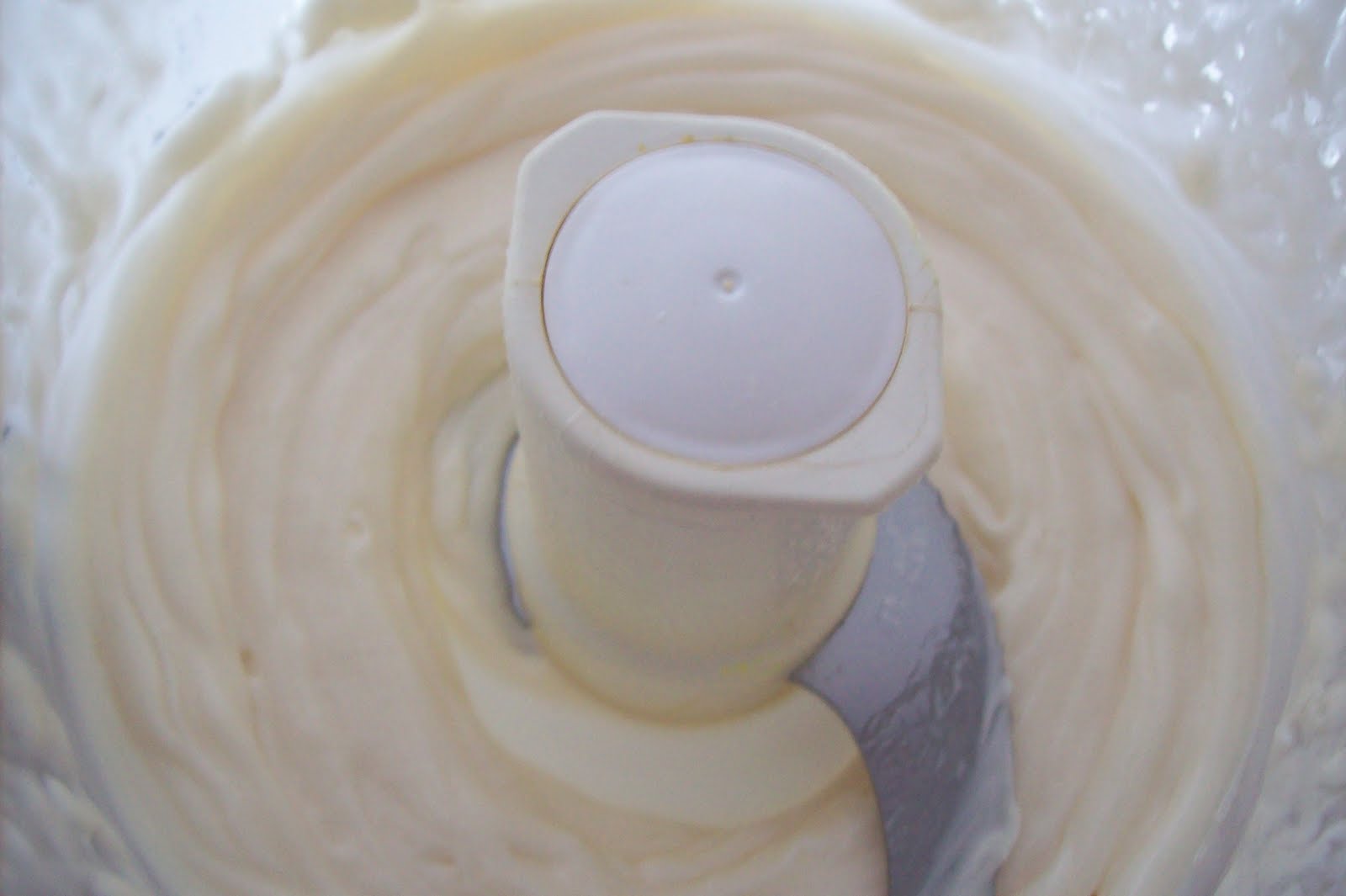
A good emulsion looks smooth and creamy rather than oily or separated. The sauce should cling to a spoon and spread without pouring like plain salad dressing. Its final thickness depends on the ingredient balance, the amount of oil, the mixing method, and the appliance used.
Source: thepawn.com.hk
Best use
This method is useful for sandwiches, burgers, dips, wraps, deviled eggs, and creamy salads.
Main challenge
The oil must be dispersed into the egg mixture. A poor container fit or an unsuitable blade setup can make a small batch difficult to emulsify.
Important limit
Not every Ninja model works the same way. Follow the manual for the specific pitcher, cup, blade, or food processor attachment you own.
Can You Make Mayonnaise in a Ninja Blender?
Yes, a suitable Ninja blender or food processor can make mayonnaise. The key is choosing an attachment that can mix a small amount of liquid thoroughly. A large pitcher may leave the ingredients below or around the blade without enough movement to form a stable emulsion.
Before starting, check the appliance manual for instructions on liquid ingredients, minimum fill levels, blade use, and any limits on continuous blending. Do not assume that a method designed for an immersion blender will work in a Ninja pitcher.
Personal blender cup
A compatible cup may work for a small batch if the ingredients can reach the blade and the manual permits this type of preparation.
Full-size pitcher
A large pitcher may be less effective for a small batch because the ingredients can move away from the blade. Consider making a suitable batch size instead of adding random extra oil.
Food processor
A food processor with an appropriate blade or approved feed opening may allow gradual oil addition. Follow its specific operating instructions.
Ingredients for Homemade Ninja Mayonnaise
You need only a handful of common ingredients for a basic mayonnaise. The egg helps the oil and water-based ingredients combine, while lemon juice or vinegar gives the sauce its tang. Mustard adds flavor and can also help support the emulsion.
For a small batch, start with the amounts below. This is a practical starting formula, not a claim that every Ninja model will emulsify it successfully. The container and blending method can affect the result, so adjust the batch size only in line with the appliance’s instructions.
Source: storables.com
1 large egg
Use a pasteurized egg for a lower-risk raw-egg preparation. A room-temperature egg can blend more readily with the other ingredients.
1 cup neutral oil
Use a mild oil such as canola, sunflower, or a neutral vegetable oil. Strong extra-virgin olive oil can create a sharp or bitter flavor when heavily blended.
1 tablespoon lemon juice or white vinegar
Choose one for the main tang. The acid adds flavor, but this home recipe should not be treated as a validated preservation process.
1 teaspoon Dijon mustard
Mustard brings a gentle savory taste and can help the ingredients emulsify.
1/4 teaspoon salt
Start with this amount, then adjust the seasoning after the sauce forms.
Optional flavorings
A small amount of garlic, black pepper, or a pinch of sugar can change the flavor. Add extra ingredients only after the base mayonnaise has formed.
Which Oil Works Best?
A neutral oil is the easiest starting point because it lets the egg, mustard, and acid provide most of the flavor. Canola and sunflower oils are common choices. A mild vegetable oil can also work.
Olive oil is another option, but its taste can dominate the sauce. Some olive oils can become bitter when processed at high speed. If you want an olive oil flavor, try replacing part of the neutral oil rather than using a strongly flavored oil for the entire batch.
For a mild taste
Choose canola, sunflower, or another neutral oil.
For a richer taste
Replace part of the neutral oil with a mild olive oil and taste the result.
For a strong flavor
Avoid adding a large amount of strongly flavored oil before checking how it affects the finished sauce.
Can You Make Mayonnaise Without Mustard?
Yes. You can leave out the mustard if you prefer a simpler flavor or do not have it on hand. The sauce may taste less tangy and may be a little less forgiving during blending, so use a method that incorporates the oil gradually.
Do not remove several ingredients at once when troubleshooting. Change one thing at a time so you can tell which adjustment helped.
No mustard
Omit it and retain the egg, oil, acid, and salt.
No lemon
Use vinegar as the acid instead, while keeping the amount measured.
How to Make a Ninja Mayonnaise Recipe Step by Step
The most useful rule is to build the emulsion before rushing to add more oil. Begin with clean equipment and measured ingredients. Use a blending method approved for your Ninja model, and stop the appliance before opening the container or checking the mixture.
The steps below describe a gradual-oil method for a compatible blender or food processor. If your model’s design makes it difficult to add oil safely while blending, switch the appliance off before opening it and follow the manual’s permitted procedure. Never insert a utensil or hand into a running appliance.
Source: jocooks.com
Step 1: Prepare the ingredients
Measure the egg, oil, lemon juice or vinegar, mustard, and salt. For a lower-risk recipe, use a pasteurized egg or pasteurized egg product.
Step 2: Check the container
Fit the correct blade or attachment and make sure the container is clean, dry where required, and securely locked into place.
Step 3: Mix the base
Add the egg, acid, mustard, and salt in the order permitted by the recipe and appliance manual. Blend briefly until the base is evenly mixed.
Step 4: Add oil gradually
With a suitable setup, add the oil in a very thin stream while blending. Start slowly so the oil droplets have time to disperse. Do not pour the entire cup in at once unless you are following a tested method specifically designed for that appliance.
Step 5: Watch the texture
As the oil incorporates, the mixture should become thicker, paler, and more uniform. If it remains watery or begins to separate, stop and troubleshoot instead of adding more oil blindly.
Step 6: Season the finished sauce
Once the mayonnaise is thick, stop the appliance and check the texture. Add a small amount of extra salt or acid if needed, then mix briefly using an approved method.
Step 7: Transfer and chill
Move the mayonnaise to a clean, covered container. Refrigerate it promptly and clean the appliance according to its manual.
How Do You Know the Mayonnaise Is Ready?
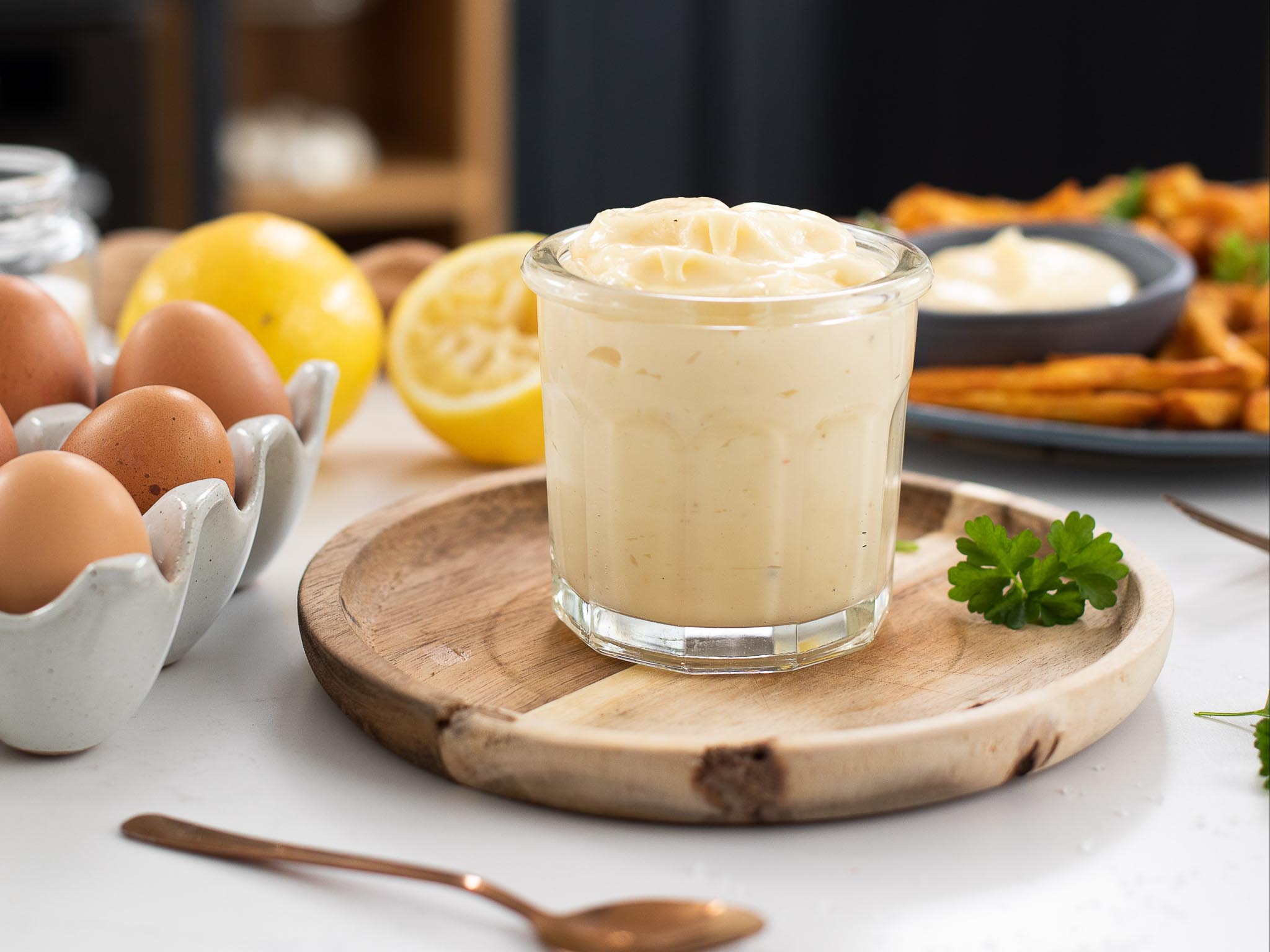
Finished mayonnaise should look smooth and hold its shape on a spoon. It should not have a clear layer of oil floating on top or a watery puddle collecting underneath. The flavor should have a balanced tang, a mild egg note, and enough salt to bring the ingredients together.
Do not keep blending just because you want the sauce to become thicker. Excessive processing can warm the mixture, and some Ninja appliances are designed for short operating cycles. Follow the manufacturer’s recommended limits and stop when the texture is right.
Smooth and creamy
The mixture looks even, with no obvious oil pockets.
Thick enough to spread
A spoonful stays together instead of running like a thin dressing.
Balanced flavor
The sauce tastes tangy and savory without excessive bitterness or salt.
What If Your Ninja Cannot Blend the Small Batch?
Some containers are too large for a single egg and a cup of oil to move around the blade in a useful way. If the ingredients sit above the blade or circulate without thickening, stop the machine and check the manual. Do not keep adding oil in an attempt to force the mixture to work.
Use a compatible smaller container if your model supports one, or choose a food processor attachment that suits small quantities. An immersion blender may be another option if you have one, but its method is different and should be followed as a separate recipe.
Check the fill level
Confirm that the quantity meets the appliance’s minimum liquid or ingredient requirements.
Check the attachment
Use only a blade or accessory approved for the model.
Change the method if needed
If the setup cannot incorporate oil gradually, use a suitable alternative appliance rather than forcing the recipe.
Why Does Homemade Mayonnaise Become Thick?
Mayonnaise thickens because oil droplets become dispersed through the egg-and-acid mixture. When the droplets are small and well distributed, the sauce becomes creamy and resistant to flowing. When the oil enters too quickly or the mixing setup cannot disperse it, the mixture may stay thin or split.
Egg yolk contains natural emulsifiers that help the oil and water-based ingredients remain mixed. Mustard can also support the process. These ingredients help, but they do not guarantee success if the appliance is poorly suited to the batch or the oil is added too quickly.
The amount of oil affects the final texture. More oil can make a properly formed mayonnaise thicker, but adding more oil to an already broken emulsion does not automatically fix it. First determine whether the sauce is simply thin or has separated into distinct oily and watery layers.
Source: forktionary.s3.us-east-2.amazonaws.com
Thin Mayonnaise Versus Broken Mayonnaise
Thin mayonnaise looks more like a loose dressing. It may be under-emulsified, or the appliance may not have mixed the ingredients well. Broken mayonnaise often looks greasy, grainy, or curdled, with visible oil or watery liquid separating from the thicker portion.
These signs help guide the next step. A thin mixture may need better mixing or a gradual addition of oil. A broken mixture often needs a fresh egg yolk or another suitable emulsifying base, with the broken sauce added slowly rather than more oil poured in.
Thin but uniform
Stop the machine and inspect the mixture. Check whether the blade and container are suited to the quantity before deciding to continue.
Oily or separated
Treat it as a broken emulsion. Do not assume that longer blending alone will repair it.
Warm or overheated
Stop the appliance and let it cool as directed by the manual. If the food has been held at an unsafe temperature, discard it rather than trying to save it.
How to Fix Runny or Separated Ninja Mayonnaise
Runny mayonnaise is frustrating, but the texture can often be improved if the ingredients are still safe to use. First stop the blender and inspect the mixture. Check the appliance setup, the oil addition method, and whether the sauce is thin or fully separated.
Do not use smell, taste, or appearance alone to judge whether raw-egg mayonnaise is safe. If the mixture has been left out too long, contaminated, or stored improperly, discard it. A successful emulsion does not make an unsafe mixture safe.
Source: thecookierookie.com
Fix 1: The Mayonnaise Is Thin but Still Smooth
If the sauce is smooth but too loose, check that the ingredients have been blended thoroughly and that the blade could reach them. Use short blending cycles only if the manual allows them. If the mixture remains thin, a suitable alternative container or method may be needed.
Do not pour in extra oil all at once. Oil thickens the sauce only when it becomes part of the emulsion. Oil that fails to incorporate can make the texture worse.
First check
Confirm that the blade is appropriate and the ingredients can circulate around it.
Next step
If the setup is correct, add oil in small increments while using a permitted mixing method.
Fix 2: The Mayonnaise Has Split
A broken emulsion may be rescued by starting with a fresh egg yolk in a clean, suitable container. Use a pasteurized yolk or pasteurized egg product when possible. Mix the new base, then add the broken mayonnaise a little at a time while blending gently with a suitable tool.
The goal is to let the fresh base capture the existing oil droplets. Add the separated mixture slowly, and pause if the new emulsion starts to look greasy. This repair may work, but it is not guaranteed.
Use a clean container
Do not transfer the mixture into equipment that has food residue or has not been cleaned properly.
Add the broken sauce slowly
Gradual addition gives the fresh base time to form a new emulsion.
Discard when safety is uncertain
Do not attempt to rescue mayonnaise that may have been contaminated or left at unsafe temperatures.
Fix 3: The Sauce Tastes Too Sharp or Bitter
Excess acid can make mayonnaise taste harsh, while a strong olive oil can create a bitter finish. Too much mustard may also overpower the egg and oil. The cause depends on which ingredients you used.
If the texture is stable, adjust flavor in small amounts. A little more neutral oil may soften a sharp taste if the appliance can incorporate it, while a tiny pinch of salt can help balance the flavor. If the sauce is bitter because of the oil, adding more seasoning may not solve the problem.
Too sour
Taste a small amount and make only a modest adjustment, ensuring any added oil is properly incorporated.
Too bitter
Check whether the oil is responsible. A different oil is usually a better choice for the next batch.
Too salty
A small amount of fresh, unsalted mayonnaise base can help balance the flavor, but only if the mixture remains safe to use.
Easy Flavor Variations for Ninja Mayonnaise
Once the plain mayonnaise has formed, you can turn it into a range of sauces with a few extra ingredients. Make small changes and taste as you go. Wet additions such as lemon juice, pickle brine, or hot sauce can loosen the texture, so start with less than you think you need.
For the most predictable result, blend the base mayonnaise first. Then stir in finely chopped herbs or other add-ins with a spoon, or use a short, approved mixing cycle. Avoid putting large, hard pieces into a container unless the manual permits them.
Source: cookesrecipes.com
Garlic Mayonnaise
Garlic mayonnaise works well with fries, roasted vegetables, sandwiches, and burgers. Add a small amount of finely grated garlic or prepared garlic paste to the finished mayonnaise. Raw garlic has a strong flavor, so begin with a little and increase it only if needed.
Refrigerate the flavored sauce promptly. Adding fresh garlic does not extend its storage life, and homemade garlic mayonnaise should not be left at room temperature for long periods.
Suggested addition
Start with a small clove’s worth of finely grated garlic for a cup of mayonnaise, then adjust to taste.
Lemon Herb Mayonnaise
Lemon herb mayonnaise adds a fresh taste to chicken sandwiches, fish, potato salad, and vegetable wraps. Stir in finely chopped parsley, dill, or chives with a little lemon zest. Fresh herbs add moisture and can shorten the time the sauce keeps its best quality.
Keep the lemon flavor balanced. Too much extra juice can loosen the mayonnaise, so use zest or small measured additions when you want a brighter flavor without adding much liquid.
Suggested addition
Use one or two teaspoons of chopped herbs and a small pinch of lemon zest per cup of mayonnaise.
Spicy Mayonnaise
Spicy mayonnaise pairs well with burgers, fries, seafood, and many sandwich fillings. Stir a little hot sauce, cayenne, or another preferred chili seasoning into the finished base. Different hot sauces contain different amounts of acid and salt, so taste before adding extra seasoning.
For a smoky version, a small amount of smoked paprika can add depth without making the sauce much thinner. Add it gradually because its color and flavor can quickly become dominant.
Suggested addition
Start with one teaspoon of hot sauce per cup of mayonnaise and increase it to your preferred heat level.
Honey Mustard Mayonnaise
A little honey and extra mustard make a mild, slightly sweet sauce for wraps, chicken sandwiches, and vegetable dips. Stir the honey into the finished mayonnaise so you can control the sweetness without changing the base emulsion.
If the sauce becomes too sweet, add mustard in small amounts. Do not use large amounts of extra acid to correct the flavor, since that can make the sauce thin.
Suggested addition
Mix in one teaspoon of honey and a small amount of mustard per cup, then taste and adjust.
How to Use Homemade Ninja Mayonnaise
Fresh mayonnaise can add moisture and a creamy texture to many everyday meals. Its mild flavor works as a base for dressings, dips, and sandwich spreads. Since homemade mayonnaise contains ingredients that need careful handling, prepare only the amount you can use safely and keep it cold between servings.
The sauce can be used much like store-bought mayonnaise, but it may have a fresher egg flavor and a different thickness. Taste it before mixing it into a large dish, especially when the recipe also calls for salt, mustard, vinegar, or lemon juice.
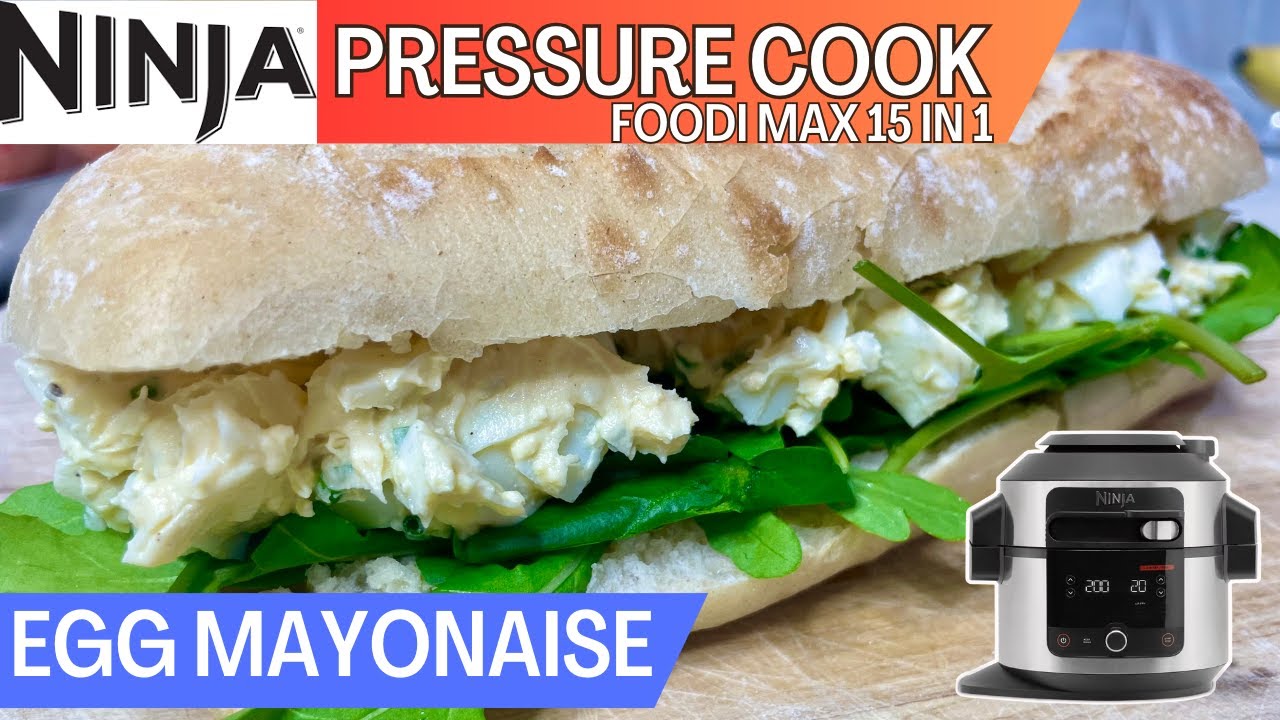
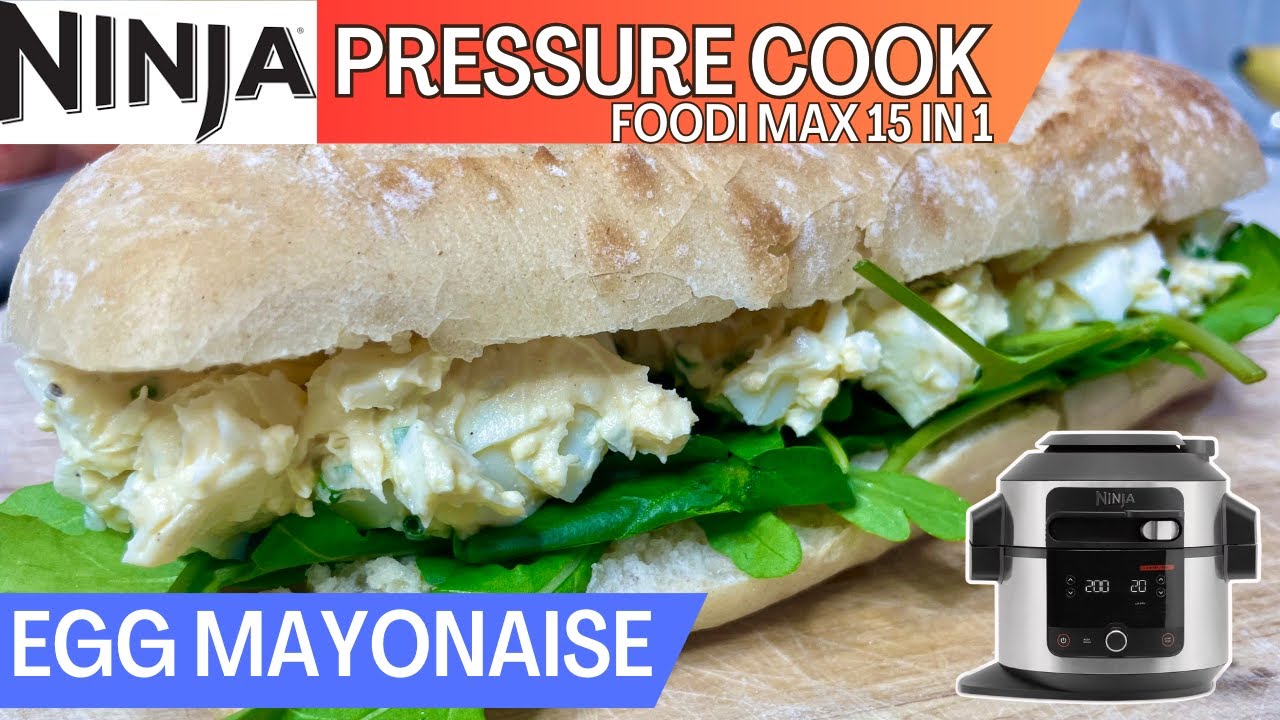
Source: i.ytimg.com
Sandwiches and burgers
Spread a thin layer on bread or buns to add moisture and help hold other toppings together.
Potato and pasta salads
Fold the mayonnaise into cooled ingredients. Keep the finished salad refrigerated and avoid leaving it out for extended periods.
Coleslaw
Mix mayonnaise with a measured amount of vinegar, a little sugar, and seasonings to make a creamy dressing.
Dips
Combine the mayonnaise with herbs, garlic, mustard, or hot sauce for a quick dip.
Tuna or egg salad
Add a small amount first, then increase it until the mixture reaches the texture you like.
Can You Cook With Homemade Mayonnaise?
Mayonnaise can be used in some cooked dishes, but heating does not remove every food safety concern under every condition. A recipe that calls for mayonnaise as an ingredient may use it for moisture, fat, or flavor, and the result depends on the complete cooking method.
Do not rely on cooking as a way to rescue mayonnaise that has spoiled or been stored unsafely. Start with ingredients that have been handled correctly, follow the dish’s cooking instructions, and refrigerate leftovers promptly.
For baked dishes
Follow a tested recipe that specifies how mayonnaise is used and how the dish should be cooked.
For cold dishes
Keep the mayonnaise and the finished dish refrigerated until serving.
Food Safety and Storage for Homemade Mayonnaise
Food safety matters because traditional homemade mayonnaise often contains raw egg. Eggs can carry Salmonella, and fresh lemon juice or vinegar in a home recipe does not guarantee that harmful bacteria have been eliminated. Use pasteurized eggs or pasteurized egg products for a lower-risk preparation, particularly when serving children, older adults, pregnant people, or anyone with a weakened immune system.
Keep homemade mayonnaise refrigerated at 40°F or below. The U.S. Department of Agriculture advises that perishable foods should not sit at room temperature for more than two hours, or one hour when the temperature is above 90°F. These limits apply to the mayonnaise and dishes made with it.
A homemade recipe should not be assigned the same shelf life as a commercially produced mayonnaise. Commercial products may use controlled processing, formulation, and packaging that are not replicated in a home kitchen. When a recipe does not provide a validated storage period, make a small batch, keep it cold, and use conservative food safety practices.
Source: mcooker-enm.tomathouse.com
How Long Does Homemade Mayonnaise Last?
There is no single storage period that applies to every homemade mayonnaise recipe. The ingredients, egg treatment, preparation hygiene, refrigeration, and any additions all affect safety and quality. A pasteurized egg reduces one risk but does not make the finished sauce shelf-stable.
For a conservative approach, prepare only what you expect to use soon, refrigerate it promptly in a clean covered container, and follow the guidance supplied with the specific recipe or pasteurized egg product. If you cannot establish a safe storage period, discard leftovers rather than stretching their use.
Refrigeration
Keep the sauce at 40°F or below and return it to the refrigerator promptly after serving.
Serving
Use a clean spoon and avoid dipping food directly into the storage container.
Room temperature
Discard mayonnaise that has been left out beyond the applicable two-hour limit, or one hour above 90°F.
Uncertain handling
If you do not know how long the sauce has been warm or whether it was contaminated, discard it.
Can You Freeze Homemade Mayonnaise?
Freezing is generally a poor way to preserve mayonnaise because freezing and thawing can damage the emulsion. The sauce may become watery, oily, or separated after thawing. Even if you can mix it back together, the texture may not return to its original state.
A small fresh batch is usually the more practical option. If you need a larger amount for a gathering, prepare it close to the time of use, keep it refrigerated, and divide it into smaller serving containers so the main batch stays cold.
Best option
Make a smaller batch that can be used within a safe period.
For parties
Set out a small serving portion and replenish it from the refrigerator as needed.
Why Pasteurized Eggs Matter
Pasteurized eggs have been treated to reduce harmful bacteria while remaining suitable for many recipes that use egg without thorough cooking. They are a useful option for homemade mayonnaise, Caesar-style dressing, and other uncooked egg preparations.
Pasteurization lowers risk but does not remove the need for clean handling and refrigeration. Check the package label to confirm that the product is pasteurized, and follow the manufacturer’s instructions for opening and storage.
Choose a labeled product
Use shell eggs or liquid egg products clearly labeled as pasteurized.
Keep tools clean
Wash hands, containers, and utensils before preparing the sauce.
Avoid cross-contamination
Keep raw egg and unwashed egg-contact tools away from ready-to-eat foods.
Common Mistakes to Avoid
Most mayonnaise problems come from a poor match between the batch size and appliance, oil added too quickly, or a recipe that does not suit the chosen attachment. Careful measuring and a suitable blending setup are more useful than simply running the blender longer.
Make a note of the container and method that worked for your Ninja model. This makes the next batch easier to repeat and helps you spot a problem before wasting another cup of oil.
Source: thepawn.com.hk
Adding all the oil too quickly
The mixture may fail to emulsify. Use a gradual addition method suitable for your appliance.
Using the wrong container
A large pitcher may not handle a small batch well. Choose a compatible attachment and respect the minimum fill guidance.
Changing too many ingredients
Large changes to the egg, oil, acid, and mustard at the same time make troubleshooting harder. Adjust one variable at a time.
Using strongly flavored oil
A powerful olive oil flavor can overwhelm the sauce or become bitter. Begin with a neutral oil.
Blending for too long
Long blending may warm the mixture and can exceed the appliance’s recommended operating cycle. Stop when the emulsion is formed.
Ignoring food safety
A smooth appearance does not prove that the mayonnaise is safe. Use pasteurized eggs, clean equipment, and prompt refrigeration.
A Quick Troubleshooting Table
Use this table to identify the likely cause before changing the recipe. The suggestions are general emulsion troubleshooting steps; the correct operating method still depends on your Ninja model.
The sauce stays watery
Possible cause: the ingredients are not circulating or the oil is not being dispersed. Check the attachment and container, then use a suitable gradual-oil method.
Oil floats on top
Possible cause: the emulsion has broken. Start a fresh emulsifying base and slowly add the broken mixture if it is still safe to use.
The sauce tastes bitter
Possible cause: the oil is too strong or has an unpleasant flavor. Use a neutral oil for the next batch.
The sauce is too sour
Possible cause: too much lemon juice or vinegar. Adjust the next batch with a smaller measured amount.
The appliance stops
Possible cause: a safety lock, overload, or operating limit. Switch it off, unplug it if the manual directs, and follow the manufacturer’s troubleshooting instructions.
Frequently Asked Questions
Q
Can I make mayonnaise in a Ninja Foodi?
Yes, if your Ninja Foodi model has a compatible blending or food processing attachment that can handle the ingredients. Ninja Foodi products differ, so check the manual before using a particular container or blade. A model that only cooks food will not automatically have the right setup for mayonnaise.
Q
Why is my Ninja mayonnaise not getting thick?
The container may be too large for the batch, the blade may not be reaching the ingredients, or the oil may have been added too quickly. Stop the machine and inspect the mixture. If it is smooth but thin, check the blending setup; if oil and liquid have separated, treat it as a broken emulsion.
Q
Can I make Ninja mayonnaise without raw eggs?
You can use pasteurized eggs or pasteurized liquid egg products to lower the risk associated with raw egg. You can also choose a commercially prepared egg-free mayonnaise if you need to avoid egg entirely. Check the product label for allergens and use it according to the manufacturer’s directions.
Q
Can I use olive oil for Ninja mayonnaise?
Yes, but olive oil can produce a strong taste, and some varieties may turn bitter when blended at high speed. A neutral oil is the most reliable starting point for a mild sauce. You can replace part of it with a mild olive oil if you prefer that flavor.
Q
Can I make mayonnaise in a Ninja blender without mustard?
Yes. Leave out the mustard and blend the egg, oil, acid, and salt using a method suited to your appliance. The taste will be simpler, and the emulsion may be less forgiving, so add the oil gradually and watch the texture.
Q
How should I store homemade Ninja mayonnaise?
Transfer the mayonnaise to a clean, covered container and refrigerate it at 40°F or below. Use pasteurized eggs for a lower-risk preparation and follow the storage guidance for the specific recipe and ingredients. Do not leave it at room temperature for more than two hours, or one hour when the temperature is above 90°F.
Q
Can I repair mayonnaise that has separated?
Often, a broken emulsion can be repaired by starting with a fresh egg yolk or another suitable emulsifying base and adding the separated mayonnaise slowly. Use pasteurized egg when possible and a clean container. Discard the mixture if its storage history or safety is uncertain.
✦ Wrapping Up
Conclusion
A good ninja mayonnaise recipe starts with a few basic ingredients, the right container, and a method that lets the oil blend into the egg mixture gradually. Neutral oil gives a mild flavor, while lemon juice or vinegar and mustard add tang. Once the base turns thick and smooth, you can adjust the seasoning or add garlic, herbs, or hot sauce.
The most important details are matching the batch to your Ninja appliance and handling the finished sauce safely. Use pasteurized eggs for a lower-risk homemade version, follow the appliance manual, and refrigerate the mayonnaise promptly. If the mixture stays thin, inspect the blending setup before adding more oil.
💡 Key Takeaway
Measure one egg, one cup of neutral oil, one tablespoon of lemon juice or vinegar, one teaspoon of Dijon mustard, and one-quarter teaspoon of salt. Use a compatible Ninja attachment, blend the base, and add the oil gradually with an approved method. Stop when the sauce is creamy, transfer it to a clean covered container, and refrigerate it promptly.