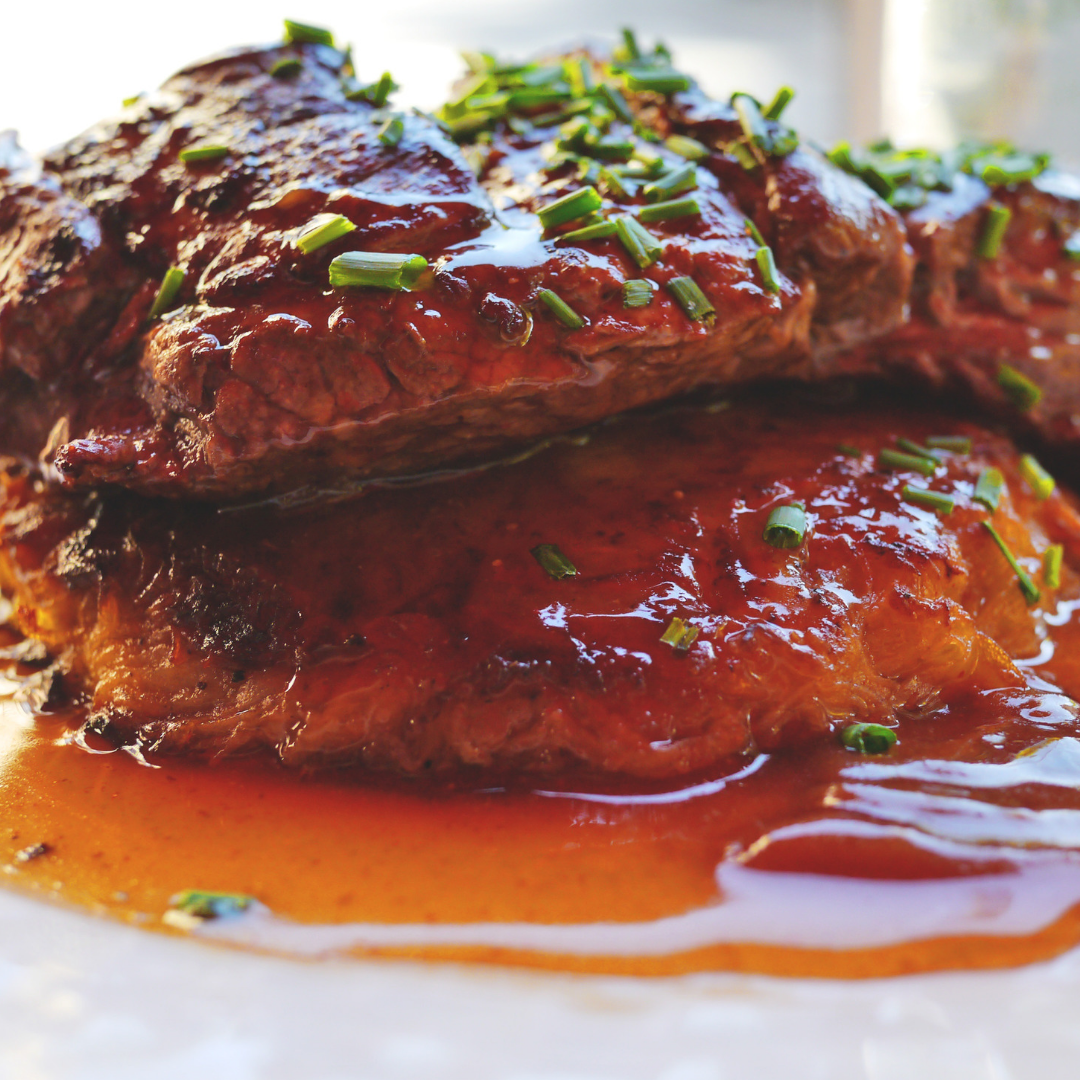
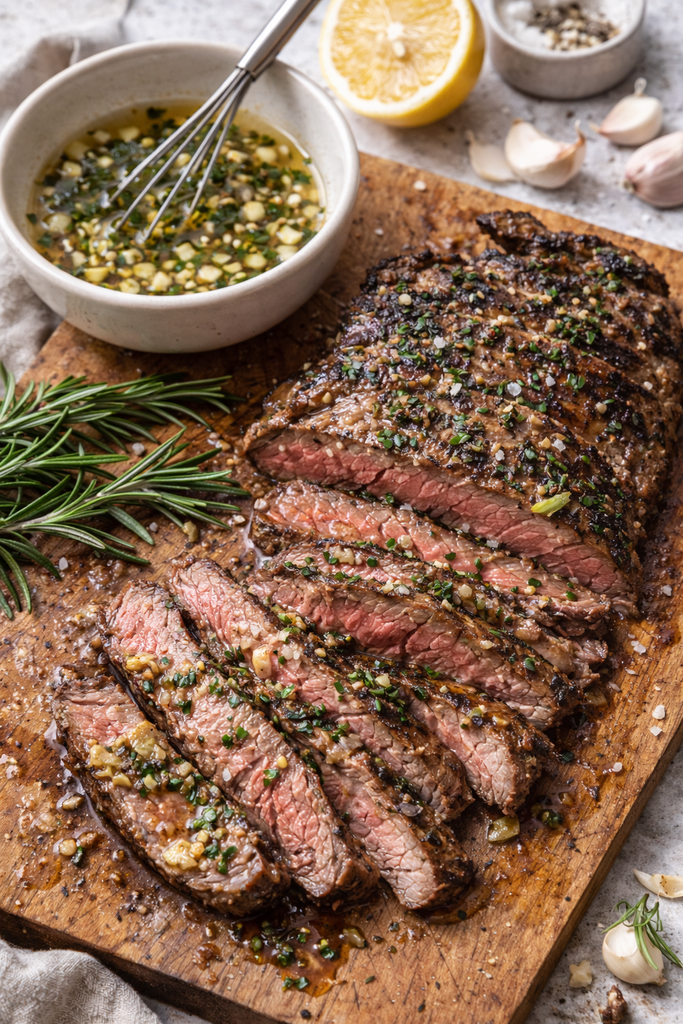
Yes, you can marinate steak with olive oil. Mix olive oil with garlic, salt, pepper, herbs, and a little acid if desired. Coat the beef, cover it, and keep it in the fridge for 30 minutes to 4 hours for many everyday cuts. Pat the surface dry before cooking for a better sear.
Across American home kitchens, olive oil is a handy base for steak marinades. It adds a smooth, rich taste and helps herbs, garlic, and spices coat the meat. A simple mix works well for weeknight sirloin, flank steak, skirt steak, and many cuts cooked on a grill or in a skillet.
The main goal is to add flavor without covering up the taste of the beef. Olive oil alone does not make every steak tender, and a long soak is not always better. The cut, the marinade ingredients, the time, and the cooking method all affect the final result.
This guide explains how to make an olive oil steak marinade, how long to leave the beef in it, and how to cook the meat safely. It also covers common mistakes, useful ingredient swaps, and ways to get a browned crust without a greasy surface.
Olive oil gives a steak marinade a rich base that helps spread seasonings over the surface of the meat. Garlic, black pepper, rosemary, thyme, and other flavorings mix well with the oil. This makes it easier to coat the steak evenly before it goes into the fridge.
Oil also helps the meat’s surface brown when the steak is cooked under suitable conditions. However, oil does not travel deep into a thick steak in the way many people expect. Most marinade flavor stays near the surface, where it can still add a lot to each bite.
Extra-virgin olive oil brings its own flavor, which may include grassy, fruity, or peppery notes. Regular olive oil often has a milder taste. Either can work, so choose based on the flavor you want and the cooking method you plan to use.
Source: rockymountainoliveoil.com
Flavor carrier
Olive oil spreads herbs, garlic, pepper, and other seasonings over the steak’s surface.
Rich taste
The oil adds a smooth mouthfeel and can balance sharp flavors from vinegar, lemon juice, or mustard.
Easy to mix
Olive oil blends readily with many everyday marinade ingredients, making it useful for quick home cooking.
Not a tenderizer by itself
Oil does not break down tough muscle fibers. Cut choice, cooking method, and slicing technique matter more for tenderness.
Can You Use Extra-Virgin Olive Oil?
Yes. Extra-virgin olive oil is a good option for steak marinades when you enjoy its flavor. It pairs well with garlic, rosemary, thyme, black pepper, and a small amount of lemon juice. Its taste can be especially pleasant with sirloin, flank steak, and skirt steak.
For very high-heat cooking, the oil’s smoke point and the amount of oil left on the meat matter. Extra-virgin olive oils vary in smoke point, and burnt oil can create bitter flavors. Use a suitable pan or grill, remove excess marinade, and avoid letting pools of oil drip into open flames.
Choose extra-virgin oil
Use it when you want a more pronounced olive flavor in the marinade.
Choose a mild olive oil
Use a lighter-tasting olive oil when you want the garlic, herbs, and beef to stand out more.
Easy Olive Oil Steak Marinade Recipe
This basic olive oil steak marinade uses common ingredients and takes only a few minutes to mix. It works well for about 1 to 1.5 pounds of beef. Use it for sirloin, flank steak, skirt steak, or another cut that benefits from added surface flavor.
The recipe balances oil with garlic, herbs, seasoning, and a modest amount of acid. You can leave out the vinegar for a simpler, oil-based mix. If you prefer a tangier taste, add a little more vinegar or lemon juice, but do not assume that extra acid will make the whole steak tender.
Source: urbanforkbeat.com
Olive oil
3 tablespoons of extra-virgin or regular olive oil.
Garlic
2 cloves of minced garlic, or 1 teaspoon of garlic powder.
1 teaspoon of kosher salt, adjusted for the salt’s grain size and your taste, plus 1/2 teaspoon of black pepper.
Herbs
1 teaspoon of dried Italian herbs or 1 tablespoon of chopped fresh rosemary or thyme.
Optional extras
Add 1 teaspoon of Dijon mustard or 1 teaspoon of Worcestershire sauce for more depth.
How to Mix the Marinade
Add the olive oil, garlic, vinegar or lemon juice, salt, pepper, and herbs to a small bowl. Whisk until the mixture looks evenly combined. The oil and liquid may separate while the bowl sits, so give the mix another stir before using it.
Place the steak in a food-safe glass or plastic container or a resealable food-safe bag. Pour the marinade over the meat and turn it to coat all sides. Seal the container or bag and put it in the refrigerator right away.
Use a shallow dish
A shallow dish lets you spread the marinade across the meat instead of leaving most of it pooled underneath.
Turn the steak
Turn the meat once during marinating if some surfaces are not staying in contact with the mixture.
Keep the container covered
A covered container helps prevent leaks and keeps raw beef separate from ready-to-eat foods.
How to Adjust the Recipe for One or Two Steaks
For one small steak, start with 1 to 2 tablespoons of olive oil and enough seasoning to coat the surface. For two steaks weighing about 1 pound in total, the full recipe may be more than enough. The goal is a thin, even coating rather than a deep pool of oil.
For a larger batch, scale the ingredients in proportion to the meat. You do not need to double every seasoning exactly if you prefer a milder flavor. Add salt with care, especially when the recipe includes Worcestershire sauce, soy sauce, or another salty ingredient.
Milder flavor
Use less garlic, vinegar, and pepper, then adjust the seasoning after cooking if needed.
More herb flavor
Add fresh rosemary or thyme, but avoid piling large pieces of herbs onto the steak before a hard sear because they may burn.
How Long Should You Marinate Steak in Olive Oil?
For most everyday steaks, 30 minutes to 4 hours is a useful starting range. The best time depends on the thickness of the cut, the amount of acid in the marinade, and how strong you want the surface flavor to be. Thin cuts often need less time than thick steaks.
An oil-heavy marinade without much acid can be used for several hours in the refrigerator. A mixture with a lot of lemon juice or vinegar needs more care because extended exposure can change the texture of the outer layer. More time does not always mean better flavor or a softer steak.
Keep all marinating time in the refrigerator at 40°F or below. Do not leave raw beef on the counter to speed up the process. If you need dinner sooner, a short marinade followed by a well-seasoned surface can still produce a flavorful meal.
Source: getinspiredeveryday.com
30 minutes
A useful short option for thin steaks or when you want a light surface flavor.
1 to 2 hours
A practical range for many thin or moderately thick cuts with a balanced oil-based marinade.
2 to 4 hours
Often suitable for thicker everyday cuts when the marinade contains a modest amount of acid.
Overnight
May suit some oil-based mixtures, but is not necessary for most steaks. Use caution with acidic ingredients and follow safe refrigeration practices.
Does Olive Oil Make Steak More Tender?
Olive oil alone does not tenderize steak in the same way that certain enzymes or mechanical methods can. It mainly adds flavor and coats the surface. A steak may seem juicier because it has a rich coating and is cooked well, but the oil does not replace the need to choose the right cut.
Acids such as vinegar and lemon juice can change proteins near the surface. This effect is limited, and a long soak in a strong acidic marinade can make the outside soft or pasty while the center remains firm. For tougher cuts, thin slicing across the grain is often a more dependable way to improve the eating experience.
For tenderness
Choose a suitable cut, avoid overcooking, and slice against the grain when the muscle fibers are easy to see.
For flavor
Use olive oil with herbs, garlic, pepper, and a modest amount of acid.
Which Steaks Work Best With Olive Oil Marinade?
Olive oil marinades work with many beef cuts, but the best choice depends on the cooking method and the texture you want. Thin, flavorful cuts often benefit from a short soak and quick cooking. Thick steaks can also use a marinade, although much of the flavor will stay close to the surface.
A premium, tender cut such as ribeye or filet mignon may need little more than salt and pepper. Marinade can still be used, but a strong mix may cover the natural flavor of the beef. Less expensive or leaner cuts often make better use of garlic, herbs, and a little acid.
Source: i.pinimg.com
Sirloin
A versatile choice for grilling or pan-searing. Garlic, black pepper, and rosemary complement its beefy taste.
Flank steak
Works well with an oil-based marinade and benefits from thin slices cut across the grain after cooking.
Skirt steak
Its pronounced beef flavor pairs well with garlic, lime, pepper, and herbs. Cook it quickly and slice across the grain.
Flat iron steak
Its tender texture works with a simple olive oil and herb mixture, though a marinade is optional.
Ribeye
Use a light coating and mild seasonings if you want to preserve the flavor of the fat and beef.
Filet mignon
A small amount of oil, salt, and pepper may be enough. Strong acid or heavy seasoning is often unnecessary.
Should You Marinate a Thick Steak?
You can marinate a thick steak, but do not expect the mixture to flavor the center. For a steak around 1.5 to 2 inches thick, a surface marinade can add a pleasant layer of flavor, while the inside will mostly retain its natural beef taste.
If the steak is already tender and has good marbling, consider using a light marinade or seasoning it with salt and pepper. If you want deeper seasoning throughout the meat, a carefully planned dry brine with salt may be more useful than extending an acidic marinade.
Light coating
Use enough marinade to coat the surface without leaving the steak swimming in oil.
Better crust
Remove excess liquid before searing and use a properly heated cooking surface.
How to Cook Olive Oil Marinated Steak
After marinating, remove the steak from the container and let excess liquid drip off. Pat the surface dry with clean paper towels before cooking. A dry surface is more likely to brown well than one covered with watery marinade.
Choose a grill, heavy skillet, or griddle that suits the cut. Heat it before adding the beef, and avoid crowding several steaks into a small pan. Too much moisture can lower the surface temperature and lead to steaming instead of a good sear.
Cooking time varies with thickness, starting temperature, pan or grill heat, and the desired level of doneness. Use time only as a guide. A food thermometer provides a more reliable check than judging the color or firmness alone.
Source: grillonadime.com
Grilling
Preheat the grill, remove excess marinade, and place the steak over suitable heat. Watch for flare-ups caused by dripping oil.
Pan-searing
Heat a heavy skillet, add the steak, and let the surface brown before turning. Do not move the meat too often.
Griddle cooking
Use a hot, clean cooking surface and leave space around the steak so moisture can escape.
Resting
Let the steak rest briefly after cooking so the juices can settle. The needed time depends on the size and thickness of the cut.
What Internal Temperature Should Steak Reach?
For food safety, the USDA recommends cooking beef steaks to a minimum internal temperature of 145°F, followed by a rest of at least 3 minutes. Check the temperature with a food thermometer inserted into the thickest part of the steak, away from bone or large pockets of fat.
Some diners prefer steak cooked below this temperature, but a lower temperature does not meet the USDA’s standard recommendation for whole beef steaks. People serving children, older adults, pregnant people, or anyone with a weakened immune system should take particular care with food safety and follow applicable health guidance.
A browned outside does not prove that the center has reached a safe temperature. Color can vary with the cut, the cooking surface, and the marinade. A thermometer is the better tool for making that decision.
Use a thermometer
Check the thickest part of the steak rather than relying only on the crust or juices.
Rest for safety
After the steak reaches 145°F, allow at least 3 minutes of rest under USDA guidance.
Olive Oil Marinade Variations for Different Flavors
You can change the flavor of an olive oil steak marinade without changing its basic method. Garlic and rosemary give the beef a savory, herb-led taste. Lemon adds a bright note, while balsamic vinegar brings sweetness and acidity.
Keep the mix balanced. Too much acid can affect the surface texture, and too much salt can make the meat taste overly salty. If you use a bottled sauce or seasoning blend, check its sodium content before adding more salt.
Source: i.pinimg.com
Garlic and rosemary
Combine olive oil, minced garlic, chopped rosemary, black pepper, and salt. This mix suits sirloin, ribeye, and flat iron steak.
Lemon and herbs
Mix olive oil with a small amount of lemon juice, thyme, garlic, and black pepper. Use a moderate marinating time to limit surface texture changes.
Balsamic marinade
Add a little balsamic vinegar, garlic, olive oil, and black pepper. Its sweet and tangy notes pair well with grilled beef.
Soy and garlic
Combine olive oil with a modest amount of soy sauce, garlic, and black pepper. Reduce added salt because soy sauce already contains sodium.
Smoky spice
Add smoked paprika, cumin, garlic powder, and black pepper to olive oil for a bold flavor that suits grilled skirt steak.
Can You Marinate Steak With Olive Oil and Soy Sauce?
Yes. Olive oil and soy sauce make a useful pairing for a savory steak marinade. The oil helps coat the beef, while soy sauce adds salt and a deep savory taste. Garlic, black pepper, and a little lemon juice can round out the flavor.
Use less added salt than you would in a basic recipe. Soy sauce varies in sodium content, so check the label if salt intake matters to you. Keep the steak refrigerated while it marinates and pat it dry before cooking.
Simple ratio
Start with 2 tablespoons of olive oil, 1 tablespoon of soy sauce, and 1 minced garlic clove per pound of steak.
Optional acid
Add 1 teaspoon of lemon juice or vinegar if you want a brighter taste.
Common Mistakes When Marinating Steak With Olive Oil
Most problems with steak marinades come from using too much liquid, leaving the meat in a strong acidic mix for too long, or cooking a wet surface. A simple recipe is often easier to manage than one packed with many sauces and seasonings.
The marinade should add flavor, not hide the taste of the beef. Start with modest amounts, keep the meat cold, and adjust the cooking method to the cut. These steps help prevent burnt garlic, a weak crust, excess salt, and an unpleasant soft surface.
Source: img.freepik.com
Using too much oil
A thick pool of oil can drip into flames or create excess smoke in a hot pan. Coat the meat evenly and remove extra liquid before cooking.
Marinating at room temperature
This increases food safety risk. Keep raw steak in the refrigerator at 40°F or below.
Leaving steak in strong acid too long
Excessive exposure to lemon juice or vinegar can make the outer layer soft. Use a moderate amount and a suitable marinating time.
Cooking wet meat
Water and marinade on the surface can delay browning. Pat the steak dry before placing it on the hot cooking surface.
Adding too much salt
Soy sauce, Worcestershire sauce, and prepared seasoning blends may already contain salt. Taste the mixture and adjust carefully.
Using raw marinade as a finishing sauce
Marinade that touched raw beef can carry harmful bacteria. Discard it or bring it to a full boil before using it as a sauce.
Can You Reuse Steak Marinade?
Do not reuse marinade that has touched raw steak as a fresh marinade for another batch of meat. Raw beef can transfer harmful bacteria into the liquid, and refrigeration does not make contaminated marinade safe.
If you want a sauce, set aside a clean portion before adding the raw beef. Another option is to boil used marinade thoroughly before using it, but a separate sauce is easier to manage and may taste fresher.
Best option
Reserve a clean portion of the mixture before it touches raw meat.
If using the used marinade
Bring it to a full boil before serving and avoid cross-contamination with clean utensils or cooked steak.
How to Store Marinated Steak Safely
Store marinating steak in a covered food-safe container or sealed bag in the refrigerator at 40°F or below. Place it on a low shelf or in a tray where leaks cannot drip onto ready-to-eat food. Wash your hands after handling raw beef and clean any surfaces that the meat or its juices touch.
For longer storage, freezing may be an option. You can freeze raw steak in a suitable freezer bag with its marinade, leaving room for the contents to expand. Thaw the steak in the refrigerator, not on the kitchen counter, and cook it within a suitable time after thawing.
Do not rely on smell or appearance alone to decide whether raw beef is safe. Harmful bacteria may be present without obvious signs of spoilage. Follow safe storage guidance and discard meat that has been held under unsafe conditions.
Source: i.pinimg.com
Refrigerator
Keep the steak cold and covered throughout marinating.
Freezer
Use a freezer-safe container or bag, label it with the date, and thaw the meat in the refrigerator.
Clean handling
Keep raw beef and its marinade away from salads, bread, cooked meat, and other ready-to-eat foods.
Leftovers
Refrigerate cooked steak promptly in a shallow container and use it within 3 to 4 days under USDA guidance.
How Much Olive Oil Should You Use Per Pound of Steak?
About 2 tablespoons of olive oil per pound of steak is a practical starting point. The exact amount depends on the cut, thickness, and shape of the meat. A wide, thin flank steak may need more marinade to coat its surface than a compact steak of the same weight.
You do not need enough liquid to submerge the beef. Turn the steak so the marinade reaches all sides, then close the container. If you make extra marinade, reserve it before adding raw meat rather than saving the portion that has touched the beef.
Half a pound
Start with about 1 tablespoon of olive oil and scale the other ingredients to suit.
One pound
Start with about 2 tablespoons of olive oil, then add enough seasoning and liquid to coat the meat.
Two pounds
Start with about 4 tablespoons of olive oil and adjust based on the surface area of the steaks.
Frequently Asked Questions
Q
Can I marinate steak in olive oil overnight?
You can leave some steaks in an olive oil-based marinade overnight in the refrigerator, but it is not needed for most cuts. Use extra care when the mixture contains lemon juice or vinegar, since long exposure can soften the outer layer. For many everyday steaks, 30 minutes to 4 hours is enough to add surface flavor.
Q
Should I add salt to an olive oil steak marinade?
Yes, salt can improve the flavor of steak, but the amount depends on the recipe. If you add soy sauce, Worcestershire sauce, or a salty seasoning blend, reduce the extra salt. You can also season the steak separately instead of adding all the salt to the marinade.
Q
Does olive oil help steak brown?
Olive oil can help spread fat across the steak’s surface, but browning depends on heat, surface moisture, and contact with the cooking surface. Pat the meat dry and preheat the skillet or grill. Avoid excess marinade, which can cause steaming or burning.
Q
Can I marinate frozen steak in olive oil?
For the most even results, thaw steak in the refrigerator before marinating it. You can also freeze raw steak with marinade in a suitable freezer bag and thaw it in the refrigerator, allowing the meat to absorb flavor as it thaws. Never thaw raw steak on the counter.
Q
Can I use butter instead of olive oil?
Butter can add rich flavor, but it behaves differently from olive oil during high-heat cooking because its milk solids can brown and burn. Olive oil is often easier to use as a marinade base. If you want a buttery finish, add a small amount of butter near the end of cooking rather than using it as the main marinade.
Q
Is olive oil enough to marinate steak?
Yes, olive oil alone can coat steak, but it adds less flavor than a mixture with salt, pepper, garlic, or herbs. For a simple preparation, coat the meat lightly with oil and season it well. You do not need vinegar or lemon juice unless you want a tangy note.
✦ Wrapping Up
Conclusion
Olive oil is a simple, flexible base for steak marinade. It helps garlic, herbs, pepper, and other seasonings coat the beef, while a little vinegar or lemon juice can add a bright taste. The best recipe depends on the cut, your preferred flavor, and the way you plan to cook the steak.
For a reliable starting point, mix olive oil with garlic, black pepper, salt, and rosemary. Add a small amount of acid if you like, then marinate the steak in the refrigerator for 30 minutes to 4 hours. Pat the surface dry before cooking, use a thermometer to check doneness, and handle raw beef with care.
💡 Key Takeaway
For your next steak, start with 2 tablespoons of olive oil per pound of beef, add garlic and herbs, and refrigerate the coated meat for a suitable time. Keep the recipe simple, avoid excess liquid on the surface, and cook the steak safely.