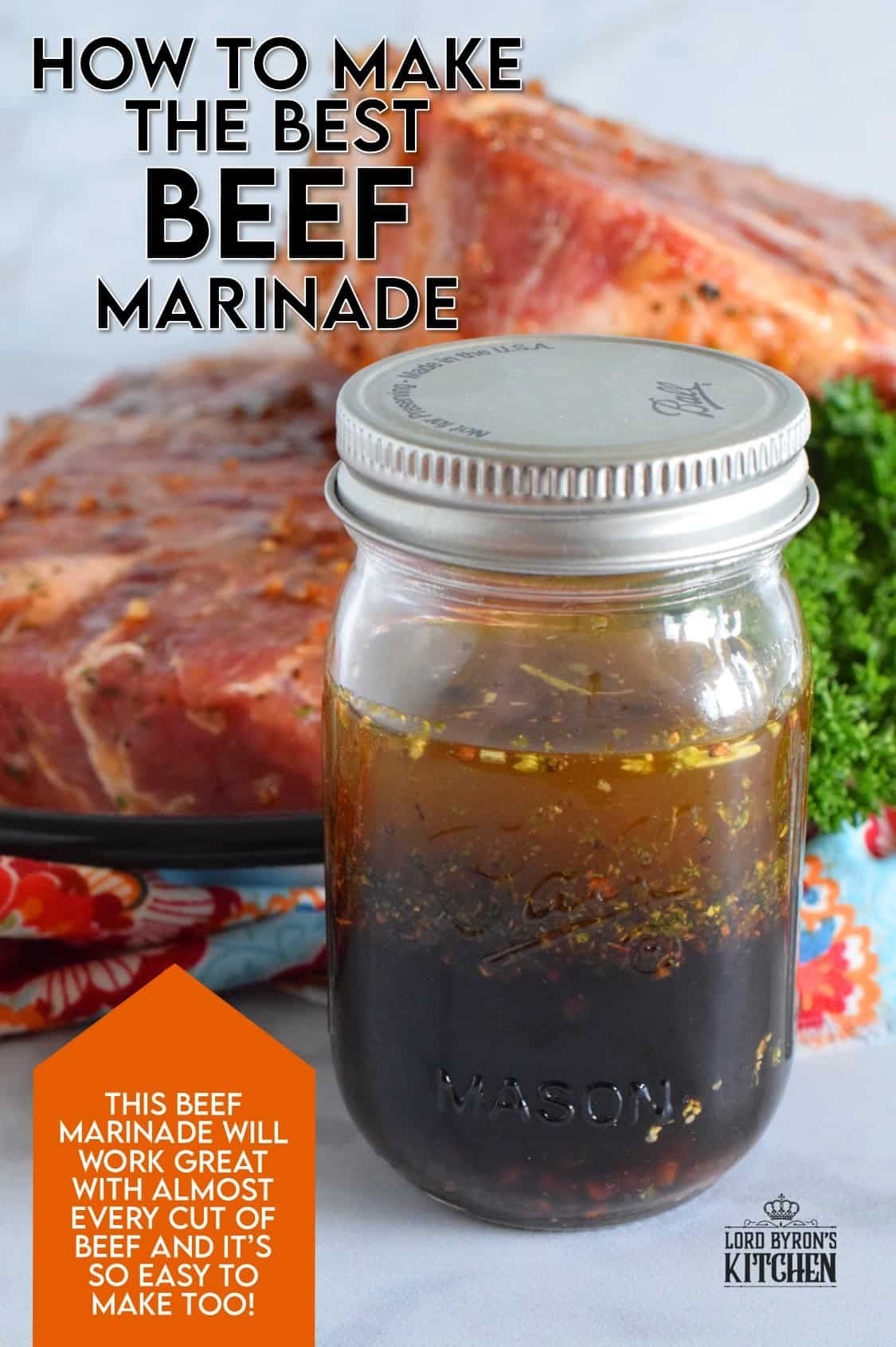
A good marinade recipe for roast beef combines olive oil, worcestershire sauce, soy sauce, garlic, vinegar, black pepper, and herbs. Mix the ingredients, coat the beef, and refrigerate it for 4 to 24 hours before roasting. The exact time depends on the cut and size of the roast.
Roast beef is a classic meal in American homes. It works well for Sunday dinner, holiday meals, and a simple family supper. A good marinade adds a deep, savory taste with notes of garlic, herbs, and pepper. It can also help improve the surface texture of some lean cuts.
This marinade recipe for roast beef uses common ingredients found in many US grocery stores. You do not need special tools or costly sauces. Olive oil carries the herbs, Worcestershire sauce adds a rich savory note, and a small amount of vinegar brings balance. Soy sauce adds salt and depth without making the mix hard to prepare.
The cut of beef still matters. A lean eye of round roast needs a different cooking approach from a well-marbled chuck roast. A marinade can add flavor, but it will not turn every tough cut into tender meat. Choose a suitable cut, allow enough time for the flavors to work, and use a meat thermometer to guide the roast.
This recipe makes enough marinade for one beef roast weighing about 3 to 4 pounds. It has a savory taste with mild tang, warm garlic, and a light herb flavor. You can adjust the herbs and pepper to suit your meal, but keep the oil, salt, and acid in a sensible balance.
Measure the ingredients before you start. Use a large bowl, a whisk, and a food-safe bag or covered dish that fits the roast. A shallow dish works well when you can turn the beef during the marinating time.
Source: recipetineats.com
Olive oil, 1/4 cup
Helps coat the beef and carry the flavor of the herbs and spices.
Worcestershire sauce, 3 tablespoons
Adds a deep, savory taste that works well with roasted beef.
Soy sauce, 2 tablespoons
Adds salt and umami. Use low-sodium soy sauce if you want more control over the salt level.
Red wine vinegar, 2 tablespoons
Adds a mild tang that balances the rich flavor of the beef. Apple cider vinegar is another option.
Dijon mustard, 1 tablespoon
Adds a mild sharp note and helps the oil and other liquids mix.
Fresh garlic, 4 cloves
Peel and mince the garlic so it spreads through the marinade.
Black pepper, 1 teaspoon
Adds a warm bite without covering the natural taste of the meat.
Dried rosemary, 1 teaspoon
Gives the roast a woodsy herb flavor that pairs well with beef.
Dried thyme, 1 teaspoon
Adds a gentle earthy flavor and works well with rosemary.
Onion powder, 1 teaspoon
Adds a mild, savory onion taste without extra moisture from chopped onion.
Smoked paprika, 1/2 teaspoon
Adds color and a light smoky note. Regular paprika works if you prefer less smoke.
Optional Ingredients and Easy Swaps
You can change the flavor without changing the basic method. A little brown sugar adds sweetness and can help the surface brown, though it may burn during high-heat cooking. Use only 1 teaspoon if you want a slight sweet note.
Fresh herbs can replace dried herbs. Use about three times as much fresh herb as dried herb by volume, then chop it finely. If you lack Dijon mustard, use a small amount of plain yellow mustard or leave it out.
Add one extra minced garlic clove, but keep the roast chilled while it marinates.
For a mild marinade
Reduce the vinegar to 1 tablespoon and add 1 tablespoon of water.
For a peppery crust
Add extra freshly ground black pepper just before roasting.
For a lower-sodium mix
Choose low-sodium soy sauce and avoid adding extra salt until you assess the seasoning.
How to Make a Marinade Recipe for Roast Beef
Making this marinade takes only a few minutes. The key is to mix the liquids and seasonings well, coat the meat on all sides, and give the roast enough time in the fridge. A good coating should cling to the meat rather than run off at once.
Start with a clean work area. Keep the raw beef separate from foods that will be eaten without cooking. Wash your hands, utensils, and work surfaces after handling raw meat.
Source: i.pinimg.com
Step 1: Mix the liquids
Add the olive oil, Worcestershire sauce, soy sauce, vinegar, and Dijon mustard to a bowl. Whisk until the mixture looks fairly even.
Step 2: Add the seasonings
Stir in the minced garlic, black pepper, rosemary, thyme, onion powder, and paprika. Break up any clumps of dried herbs.
Step 3: Prepare the beef
Remove the roast from its packaging and check for any loose pieces of bone or packaging material. Trim thick, hard surface fat only if needed. Leave a modest fat layer when it suits the cut.
Step 4: Coat the roast
Place the beef in a food-safe bag or nonreactive dish. Pour the marinade over it and turn the roast until all sides are coated.
Step 5: Cover and chill
Seal the bag or cover the dish. Place it in the refrigerator at 40°F or below for the planned marinating time.
Step 6: Turn the meat
If using a dish, turn the roast once or twice during marinating. If using a sealed bag, gently turn it so the liquid reaches the full surface.
Step 7: Prepare for roasting
Take the beef out when you are ready to cook. Remove excess marinade and pat the surface dry with paper towels before searing or roasting.
How to Tell When the Marinade Is Ready
The marinade should smell savory, with clear notes of garlic, herbs, and vinegar. The oil and liquids may separate as the mixture sits, so give it another stir before pouring it over the meat.
After marinating, the surface may look darker from the soy and Worcestershire sauces. That change is normal, but it does not prove the center of the roast has absorbed the same flavor. Marinades mostly affect the outer part of a large cut, so the roast still needs proper seasoning and cooking.
Good sign
The roast has an even coating and has stayed cold throughout the marinating period.
Needs attention
The marinade has spilled, the container is leaking, or the beef has been left at room temperature. Fix storage problems at once and discard meat that has been held outside safe limits.
How Long Should You Marinate Roast Beef?
For most 3- to 4-pound beef roasts, 4 to 24 hours in the refrigerator is a useful planning range for this recipe. A shorter time gives the surface a light flavor, while a longer time lets the seasoning work on more of the outer meat. The best time depends on the roast’s shape, thickness, and cut.
A marinade does not travel quickly through a thick roast. Salt can move inward over time, but oil, herbs, and many flavor compounds remain closer to the surface. For a large roast, a flavorful crust and careful seasoning can matter as much as a long soak.
Source: i.pinimg.com
1 to 3 hours
A short option when you have little time. Expect the strongest flavor near the surface.
4 to 8 hours
A practical choice for many medium-sized roasts when you want a noticeable flavor boost.
8 to 24 hours
A longer option for a deeper surface flavor. Keep the beef covered and cold the whole time.
Beyond 24 hours
Usually not needed for this recipe. Extended exposure to acidic ingredients may affect the surface texture, so follow the recipe’s intended time rather than soaking the roast for several days.
Does Every Cut Need the Same Marinating Time?
No. Lean, firm cuts such as eye of round and bottom round can benefit from added surface flavor, but a marinade will not make their muscle fibers behave like a tenderloin. A sirloin tip roast can also take on the herb and garlic notes well.
A chuck roast has more connective tissue and is often better suited to slow cooking or braising. Marinating may add flavor, but time and moist heat do more of the work when the goal is tender chuck. A tenderloin roast is already tender, so a shorter marinade may be enough.
Eye of round
Use a moderate marinating time and avoid overcooking this lean cut.
Top or bottom round
Allow several hours for surface flavor, then slice thinly across the grain.
Sirloin tip
Use the full herb and garlic mix and check the center with a thermometer.
Beef tenderloin
Use a shorter soak if you want the beef’s mild flavor to remain prominent.
Chuck roast
Choose a slow-cooking method if you want the connective tissue to soften.
How to Cook Marinated Roast Beef in the Oven
The best cooking method depends on the cut and the result you want. A lean round roast can work well with a hot start followed by moderate oven heat, while chuck roast is often better when cooked slowly with liquid. Check the cut’s size and shape before choosing a method.
For a typical lean roast, start by heating the oven to 450°F. Set the beef on a rack in a roasting pan, with the fat side up when the cut has a useful fat cap. Roast for about 15 minutes to help brown the surface, then lower the oven to 325°F and continue cooking until the center reaches your target temperature.
Source: recipetineats.com
Dry the surface
Pat the roast with clean paper towels after removing it from the marinade. A wet surface tends to steam instead of brown.
Sear if desired
Brown the beef in a hot, oven-safe skillet with a little oil. Turn it carefully to color several sides, then move it to the oven.
Use a roasting rack
A rack lets hot air move around the roast and helps the surface cook more evenly.
Check the thickest part
Insert a food thermometer into the center without touching bone or the pan. Do not rely on color or cooking time alone.
Rest before slicing
Move the roast to a clean board and rest it before cutting. Resting helps the juices settle and makes slicing easier.
What Internal Temperature Should Roast Beef Reach?
For whole cuts of beef, the US Department of Agriculture recommends cooking to a minimum internal temperature of 145°F, followed by a rest of at least 3 minutes. Measure the temperature in the thickest part of the roast with a food thermometer.
Some cooks prefer roast beef cooked below 145°F for a rarer center. That choice falls below the USDA’s recommended minimum for whole cuts, so it carries a higher food safety risk. Take extra care when serving children, older adults, pregnant people, or anyone with a weakened immune system.
145°F minimum
The USDA recommendation for whole cuts of beef, followed by at least 3 minutes of rest.
Avoid guessing
Oven settings, roast shape, starting temperature, and pan type all affect cooking time.
Check more than one spot
For an irregular roast, take readings in more than one thick area to find the coolest point.
How Long Does a Beef Roast Take to Cook?
There is no single cooking time for every roast. A compact 3-pound roast may cook much faster than a thick 4-pound roast, even when both weigh nearly the same. Bone-in cuts, oven accuracy, and the amount of fat can also change the timing.
Use recipe timing as a rough guide, not proof that the meat is done. Begin checking the temperature before you expect the roast to finish, then check it at intervals until it reaches the target. This approach helps prevent a lean roast from drying out.
Small, lean roast
Begin checking early because a small roast can heat through faster than expected.
Large roast
Allow more time and check the center rather than relying on the outside color.
Chuck roast
For a tender, pull-apart result, use a covered, moist cooking method and allow more time for connective tissue to soften.
Tips for Tender, Juicy, Flavorful Roast Beef
A flavorful marinade is only one part of a good roast. The cut, cooking temperature, doneness, resting time, and slicing direction all affect the final result. Small changes at each stage can make a noticeable difference.
Source: ohsofoodie.com
Choose a roast for your cooking method
Round and sirloin tip cuts can work well for sliceable roast beef. Chuck is often a better choice for slow cooking until tender.
Do not overuse acid
Vinegar adds balance, but a very acidic marinade left on the meat for too long can make the outer texture soft or mealy.
Dry the meat before browning
Blot away excess liquid so the surface can brown instead of releasing steam.
Do not crowd the pan
Give the roast space around it. A pan that is too small can trap moisture and reduce browning.
Rest the roast
A short rest makes it easier to handle and slice. For food safety, meet the required internal temperature and rest guidance rather than using resting as a substitute for proper cooking.
Slice against the grain
Look for the long muscle fibers and cut across them. Shorter fibers are easier to chew, especially in round roasts.
Why Is My Roast Beef Tough?
Tough roast beef can have several causes. A lean cut may be overcooked, a slice may run with the grain, or a collagen-rich cut may not have cooked long enough to soften. Adding more marinade will not fix all of these problems.
For lean roast beef, check the temperature early and slice thinly across the grain. For chuck roast, cook it with moisture for long enough to soften the connective tissue. Match the method to the cut rather than treating every roast the same way.
Dry and firm
The roast may have cooked too long, especially if it is lean. Check the temperature sooner next time.
Chewy with visible fibers
The slices may run with the grain. Turn the meat and cut across the muscle fibers.
Very firm chuck
The connective tissue may need more time with moist heat.
Bland center
A large roast may not absorb much marinade deep inside. Season the surface well and serve with a flavorful pan sauce.
Food Safety When Marinating Beef
Always marinate beef in the refrigerator, not on the kitchen counter. Keep the refrigerator at 40°F or below and place the beef in a covered container or sealed food-safe bag. Set the container on a tray on a low shelf to catch leaks and keep raw juices away from ready-to-eat foods.
Raw beef and its marinade can carry harmful germs. The marinade is not a way to preserve meat, and vinegar or soy sauce does not make raw beef safe to leave out. If perishable food has been at room temperature for more than 2 hours, discard it; use a 1-hour limit when the temperature is above 90°F.
Source: i.pinimg.com
Use a food-safe container
Choose glass, stainless steel, food-safe plastic, or a sealed food-grade bag. Avoid reactive metal containers that may interact with acidic ingredients.
Never reuse raw marinade as-is
If you want a sauce, set aside a clean portion before adding raw beef. Otherwise, bring used marinade to a full boil before using it as a sauce.
Prevent cross-contamination
Wash hands, utensils, boards, and counters after contact with raw beef or its juices.
Thaw safely
Thaw frozen beef in the refrigerator, cold water with proper leakproof packaging, or the microwave according to safe handling guidance. Never thaw it on the counter.
Store cooked leftovers promptly
Refrigerate cooked beef within 2 hours, or within 1 hour when the surrounding temperature is above 90°F. Use refrigerated leftovers within 3 to 4 days.
Can You Freeze Beef in the Marinade?
Yes. You can freeze raw beef with its marinade in a suitable freezer bag or container. Remove excess air from the bag, label it with the cut and date, and freeze it promptly. The meat can take on the marinade as it thaws in the refrigerator.
For best texture, avoid leaving a highly acidic marinade on the beef for a long period after thawing. Once thawed, keep the roast refrigerated and cook it within a safe time for that cut. Do not refreeze meat that has been thawed unsafely or left out too long.
Label the package
Write the cut of beef, marinade date, and freezing date on the bag.
Thaw in the refrigerator
Place the frozen package on a tray so any leaking liquid stays contained.
Discard unsafe leftovers
Do not taste the raw marinade to decide whether it is safe.
What to Serve With Marinated Roast Beef
Roast beef pairs well with sides that balance its rich, savory flavor. For a classic American dinner, serve it with roasted potatoes, green beans, carrots, or a crisp salad. A simple side also lets the garlic and herbs in the marinade stand out.
You can use the cooked roast in more than one meal. Slice leftovers for sandwiches, add thin strips to a salad, or serve them with warm gravy and vegetables. Store leftovers safely and reheat them until steaming hot.
Source: thespruceeats.com
Roasted potatoes
Toss potato wedges with oil, salt, and rosemary, then roast until golden and tender.
Steam or sauté them with a little garlic for a fresh side that does not feel too heavy.
Roasted carrots
Roast carrots with oil and black pepper for a mild sweetness that works well with beef.
Simple garden salad
Use crisp greens and a light vinaigrette to balance the richness of the roast.
Pan gravy
Use safe, cooked pan drippings and beef stock to make a quick sauce. Do not pour uncooked marinade directly over the finished meat.
How to Make a Quick Pan Sauce
After roasting, transfer the beef to a clean board to rest. Place the roasting pan on the stove only if it is safe for stovetop use. Remove excess fat, add about 1 cup of beef stock, and scrape up the browned bits with a wooden spoon.
Simmer the liquid until it tastes rich, then thicken it with a small amount of flour mixed with cold water if desired. Taste before adding salt because the marinade may have already seasoned the drippings. Strain the sauce for a smoother finish.
For a thinner sauce
Use more beef stock and simmer briefly.
For a thicker sauce
Add a small flour slurry and simmer until the sauce reaches the texture you want.
For a fresh finish
Add a little chopped parsley after removing the sauce from the heat.
Frequently Asked Questions
Q
What is the best marinade for roast beef?
A balanced mix of olive oil, Worcestershire sauce, soy sauce, vinegar, garlic, mustard, black pepper, rosemary, and thyme is a useful choice. It adds savory flavor without requiring many ingredients. Adjust the herbs and sodium to suit your taste and the cut of beef.
Q
Should I poke holes in roast beef before marinating?
You usually do not need to poke holes in a roast. Small holes do not make a marinade spread evenly through a thick cut, and they can create extra paths for juices to escape during cooking. Coat the outside well and allow enough time in the refrigerator.
Q
Can I marinate roast beef overnight?
Yes. Overnight marinating is a practical option for this recipe. Keep the beef covered in the refrigerator at 40°F or below, and aim for about 8 to 24 hours. Avoid leaving the roast in a strongly acidic mixture for several days because the outer texture may suffer.
Q
Can I use this marinade for beef steak?
Yes. The same mix works for many steaks, including sirloin and flank steak. Steaks are thinner than roasts, so they often need less time. Marinate them in the refrigerator, then remove excess liquid before cooking so the surface can brown.
Q
Do I need to rinse the marinade off before cooking?
No. Do not rinse raw beef under running water because splashes can spread raw juices around the sink and counter. Instead, lift the roast from the marinade, let excess liquid drip off, and pat it dry with paper towels. Throw away used marinade unless you boil it before using it as a sauce.
Q
Does a marinade make roast beef more tender?
A marinade may affect the outer texture, especially when it contains salt or acid, but it will not deeply tenderize a large roast. Cut choice, cooking method, internal temperature, and slicing against the grain have a major effect on tenderness. Tough cuts with lots of connective tissue often need slow, moist cooking.
Q
Can I make the marinade without soy sauce?
Yes. Replace the soy sauce with a small amount of extra Worcestershire sauce or use a suitable low-sodium alternative. Since these swaps change the salt and flavor balance, taste the mixture before adding any extra salt. Keep the vinegar and oil in the recipe unless you are making a deliberate variation.
✦ Wrapping Up
Conclusion
A homemade marinade recipe for roast beef can add rich flavor with a short list of everyday ingredients. Olive oil, Worcestershire sauce, soy sauce, vinegar, garlic, and herbs create a savory mix that suits many beef cuts. A few hours in the refrigerator gives the surface time to take on those flavors.
For the best result, match the cooking method to the cut. Dry the surface before browning, check the thickest part with a food thermometer, and let the roast rest before slicing. Keep raw beef cold, prevent cross-contamination, and never use raw marinade as a ready-to-eat sauce.
💡 Key Takeaway
Whisk together the marinade ingredients, coat a 3- to 4-pound beef roast, and refrigerate it for 4 to 24 hours. When ready to cook, pat the meat dry, roast it using a method suited to the cut, and check that it reaches the recommended safe internal temperature.