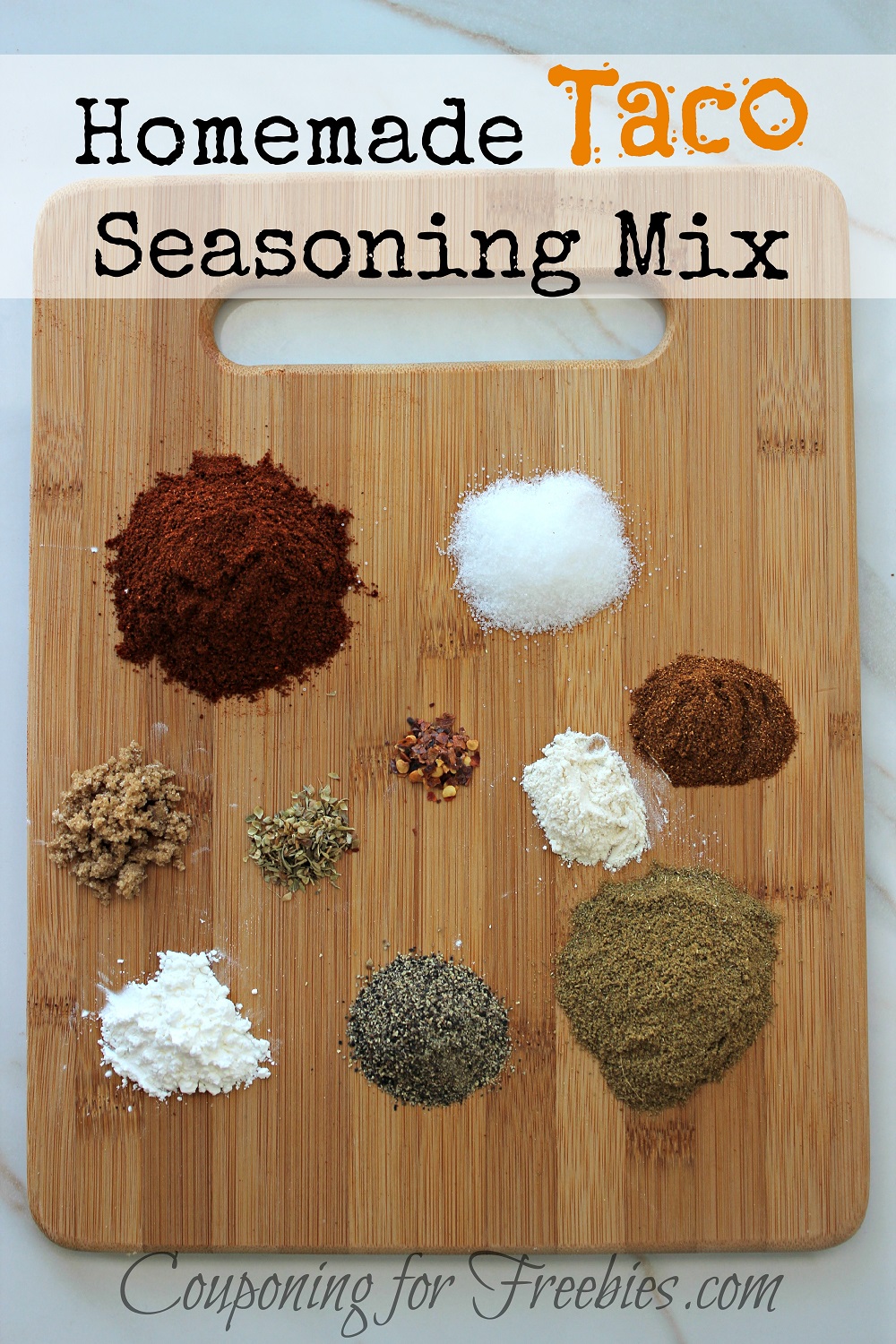
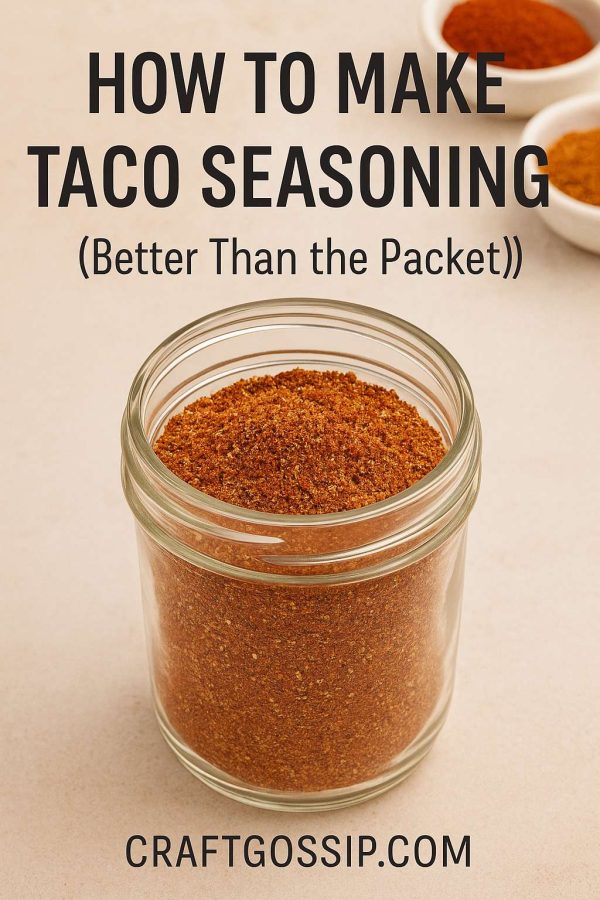
To make taco seasoning from scratch, mix 2 tablespoons chili powder, 1 tablespoon ground cumin, 2 teaspoons paprika, 2 teaspoons garlic powder, 2 teaspoons onion powder, 1 teaspoon dried oregano, 1 teaspoon salt, and 1/2 teaspoon black pepper. Add 1/4 teaspoon cayenne pepper for extra heat, if desired. Use about 2 to 3 tablespoons of the mix per pound of ground meat, then adjust to taste.
Homemade taco seasoning is an easy way to add bold flavor to taco night in the United States. You can make it with common pantry spices, without buying a seasoning packet at the grocery store. The mix works well with ground beef, ground turkey, chicken, beans, and roasted vegetables.
The best part is the control. You decide how much salt to add, how much heat you want, and which spices stand out. A small jar can season several meals, and you can change the blend to suit your family. This guide covers the basic recipe, the right amount to use, storage, and simple fixes if the flavor needs work.
Homemade taco seasoning is a dry blend of spices and herbs used to flavor taco fillings. Most blends include chili powder, cumin, garlic powder, onion powder, paprika, oregano, salt, and black pepper. Some recipes also use cayenne pepper, red pepper flakes, or a small amount of sugar.
Store-bought taco seasoning packets often contain a blend of spices, salt, and ingredients that help control texture or prevent clumping. Making your own lets you choose each ingredient. You can also leave out salt, skip added sugar, and make a mild or hot blend.
This seasoning is not the same as a single traditional Mexican spice blend. Taco recipes vary by region, filling, and cooking style. The recipe here is a practical American-style taco seasoning designed for everyday meals, including ground beef tacos, chicken tacos, and bean fillings.
Source: littleredacres.com
For meat
Use the blend to season ground beef, turkey, pork, or chopped chicken.
For plant-based meals
Add it to black beans, pinto beans, lentils, tofu, or roasted vegetables.
For quick meals
Keep a jar ready for taco bowls, quesadillas, burritos, and nachos.
Ingredients for Taco Seasoning From Scratch
You need a few common spices to make a balanced taco seasoning mix. Measure each one into a small bowl, then stir until the color looks even. Break up any lumps before you transfer the mix to a storage jar.
Use plain ground spices and dried herbs rather than fresh garlic, fresh onion, or fresh herbs. Fresh ingredients add moisture and are not suitable for a dry seasoning blend intended for long-term pantry storage.
Source: myfamilydinnerideas.com
2 tablespoons chili powder
This forms the main flavor base. In the United States, chili powder is often a blend of ground chilies and other seasonings. It is not always the same as pure ground chile powder.
1 tablespoon ground cumin
Cumin gives the blend a warm, earthy taste that pairs well with beef, chicken, beans, and vegetables.
2 teaspoons paprika
Paprika adds color and a mild pepper flavor. Sweet paprika works well for a basic blend.
2 teaspoons garlic powder
Garlic powder adds a savory note throughout the filling without the moisture of fresh garlic.
2 teaspoons onion powder
Onion powder adds a gentle onion flavor and helps round out the stronger spices.
1 teaspoon dried oregano
Oregano adds an herbal note. Mexican oregano and Mediterranean oregano have different flavor profiles, so either can work according to your taste.
1 teaspoon salt
Salt helps bring out the other flavors. Start with this amount and add more to the cooked filling only if needed.
1/2 teaspoon black pepper
Black pepper adds mild heat and a little sharpness.
1/4 teaspoon cayenne pepper, optional
Cayenne adds direct heat. Leave it out for a mild blend or add more in small steps if you prefer spicy tacos.
Optional Spices and Flavor Changes
The basic recipe is flexible. You can add a small amount of ground coriander for a citrus-like note or smoked paprika for a smoky flavor. Start with 1/2 teaspoon of either addition, then adjust after tasting a cooked portion.
A little sugar may help balance a very sharp or bitter blend, but it is not required. Try 1/2 teaspoon per full batch if you want a slightly rounder taste. Leave it out if you prefer a seasoning with no added sugar.
For a smoky taste
Replace some or all of the sweet paprika with smoked paprika.
For more earthy flavor
Add 1/2 teaspoon ground coriander or a little more cumin.
For extra heat
Add cayenne in small amounts rather than increasing every spice.
For a low-sodium blend
Leave out the salt and season the food separately, using the amount that suits your needs.
How to Make Taco Seasoning From Scratch
Making taco seasoning takes only a few minutes. You do not need a blender, food processor, or stove. A measuring spoon, small bowl, and clean jar are enough.
For the most even flavor, measure the spices carefully and mix them well. A spoon works for a small batch, while shaking the blend in a closed jar can help combine it after all the ingredients have been added.
Source: artofit.org
Step 1: Gather your ingredients
Set out the chili powder, cumin, paprika, garlic powder, onion powder, oregano, salt, black pepper, and optional cayenne.
Step 2: Measure the spices
Use level measuring spoons rather than estimating from the spice jars. This keeps the balance close to the intended recipe.
Step 3: Add everything to a bowl
Put all the measured spices into a small, dry bowl. Check for hard clumps in the garlic powder or onion powder.
Step 4: Mix until even
Stir for about 30 to 60 seconds, scraping the bottom and sides. The finished blend should have a fairly uniform color with no large patches of individual spices.
Step 5: Transfer to a jar
Pour the mix into a clean, fully dry, airtight container. Label it with the name and date so you can keep track of freshness.
Step 6: Test a small amount
Season a small portion of cooked meat or beans before changing the full batch. This lets you check salt, heat, and spice strength without wasting food.
How to Tell When the Mix Is Ready
A well-mixed blend looks even in color and smells warm, savory, and slightly earthy. The chili powder and paprika usually give it a reddish tone. Cumin, garlic, and oregano should be present without one scent completely taking over.
Do not judge the final flavor by tasting a spoonful of the dry mix. Raw spices can taste harsh on their own, and salt or cayenne may seem stronger when tasted without food. Cook a small sample with a little water or oil to get a better sense of the result.
If the mix has clumps
Break them apart with a clean spoon. If moisture has entered the jar, discard the mix if it is damp, moldy, or smells unusual.
If one spice dominates
Check your measurements and spice freshness. You can dilute a strong batch by adding the other ingredients in the correct proportions.
How Much Homemade Taco Seasoning Should You Use?
Start with 2 to 3 tablespoons of homemade taco seasoning per pound of ground meat. The right amount depends on the strength of your chili powder, the amount of salt in the blend, and how bold you like your tacos. A salt-free mix may need a separate pinch of salt after cooking.
Many commercial packets contain a different amount of seasoning and may include salt, starch, or other ingredients. A homemade blend is not an exact weight-for-weight replacement for every packet. Start with a measured amount, taste the cooked filling, and adjust as needed.
Source: ediblecrafts.craftgossip.com
1/2 pound of meat
Use about 1 to 1 1/2 tablespoons of seasoning.
1 pound of meat
Use about 2 to 3 tablespoons of seasoning.
2 pounds of meat
Use about 4 to 6 tablespoons of seasoning.
1 can of drained beans
Start with 1 to 2 teaspoons, then add more after tasting. The right amount depends on the can size and whether the beans will be served alone or in a larger dish.
How to Season One Pound of Ground Beef
Brown 1 pound of ground beef in a skillet over medium heat, breaking it into small pieces as it cooks. Cook until the beef reaches 160°F, measured with a food thermometer. Drain excess fat if needed, taking care not to pour hot grease where it could cause a burn or clog a drain.
Stir in 2 to 3 tablespoons of taco seasoning and about 1/3 to 1/2 cup of water. Bring the mixture to a gentle simmer and stir for a few minutes, until the liquid reduces and coats the meat. If the filling looks dry before the spices have spread evenly, add a small splash of water.
Taste the cooked filling and adjust the seasoning. Add a little more mix for stronger flavor, a pinch of salt if needed, or extra water if the mixture becomes too dry. Serve in warm tortillas with your preferred toppings.
For ground turkey
Use the same starting amount of seasoning. Add a little oil if the meat is very lean, and cook ground turkey to 165°F.
For shredded chicken
Stir the seasoning into the cooked, shredded chicken with a splash of broth or water. Warm until the chicken is hot and the spices coat the pieces.
For black beans
Warm drained beans with a small amount of water and seasoning. Mash a few beans into the liquid if you want a thicker filling.
How to Adjust the Flavor for Your Taste
The easiest way to customize taco seasoning is to change one or two ingredients at a time. Chili powder affects the main pepper flavor, cumin adds earthy depth, and cayenne raises the heat. Salt changes how the other flavors come through, so adjust it with care.
Make small changes and test them in cooked food. Adding more of every spice at once can make the blend too strong and leave you unsure which change caused the problem.
Source: artofit.org
For mild tacos
Leave out cayenne and use a mild chili powder. Serve hot sauce on the side so each person can adjust the heat.
For spicy tacos
Add 1/4 teaspoon cayenne to the full batch, mix well, and test a cooked portion before adding more.
For a smoky blend
Use smoked paprika in place of sweet paprika. Start with the same amount, then adjust after cooking.
For more garlic flavor
Add another 1/2 teaspoon garlic powder to the batch. Avoid adding fresh garlic to the dry storage jar.
For less salt
Omit the salt entirely and season each dish as needed. Check other ingredients, such as canned beans and broth, for added sodium.
For a less earthy taste
Reduce cumin slightly in the next batch. Keep enough to provide depth without letting it dominate.
Can You Make Taco Seasoning Without Chili Powder?
Yes, but you will need to replace the flavor that chili powder normally provides. You can combine a mild ground chile powder with cumin, paprika, garlic powder, onion powder, oregano, and black pepper. Start with a small batch because pure chile powders can vary in heat.
Read the label before substituting. American-style chili powder is often a blend, while ground ancho, cayenne, and other single-chile powders have different heat and flavor levels. Replacing one with another in the same amount may change the finished mix quite a bit.
For a mild alternative
Try a mild ground ancho chile powder in a smaller amount, then adjust after cooking.
For a hotter alternative
Use a small amount of a hotter chile powder and taste the cooked filling before adding more.
Ways to Use Homemade Taco Seasoning
Homemade taco seasoning works in more dishes than ground beef tacos. Its mix of pepper, cumin, garlic, and herbs can add flavor to quick weeknight meals, rice bowls, soups, and roasted foods. Add it during cooking so the spices have time to blend with the other ingredients.
The amount depends on the dish. A dry rub for meat may need less than a pan of ground beef with water, while a large pot of soup may need seasoning added in stages. Begin with a small amount and taste before adding more.
Source: Premeditated Leftovers
Taco bowls
Season meat or beans, then serve with rice, lettuce, tomatoes, corn, salsa, and your favorite toppings.
Fajita-style vegetables
Toss sliced bell peppers and onions with a little oil and seasoning before cooking in a skillet. Add salt only as needed.
Roasted potatoes
Coat potato cubes with oil and a modest amount of seasoning before roasting. Watch for excess salt if the mix contains a full teaspoon per batch.
Add seasoning to a pot with beans, tomatoes, broth, corn, and cooked meat if desired. Simmer, then taste and adjust the salt.
Quesadillas
Mix a little seasoning into cooked chicken, beans, or vegetables before adding the filling to tortillas with cheese.
Eggs
Sprinkle a small pinch into scrambled eggs or an omelet. Start lightly because eggs can take on the spice flavor quickly.
Homemade dips
Stir a small amount into plain yogurt or sour cream for a quick dip. Refrigerate the finished dip and use clean utensils.
Can You Use Taco Seasoning as a Dry Rub?
Yes. Sprinkle a small amount over chicken, pork, or vegetables before cooking. A little oil can help the seasoning stick, but the blend does not need to be mixed with liquid first.
If you use the mix on raw meat, keep the seasoning container and spoon away from raw juices. Do not put unused seasoning back into the storage jar after it has touched raw meat. Cook meat to a safe internal temperature and wash hands and surfaces after handling it.
How to Store Homemade Taco Seasoning
Store dry taco seasoning in a clean, airtight jar or food-safe container in a cool, dry cupboard. Keep it away from the stove, sink, dishwasher steam, and direct sunlight. Heat, moisture, and air can weaken the aroma and flavor of dried spices.
For the best flavor, make a batch you can use while the spices still smell fresh. Ground spices do not become unsafe on a single fixed date, but they lose strength over time. The freshness of each ingredient, the storage conditions, and exposure to moisture all affect how well the blend keeps its flavor.
Label the jar with the date you made the mix. Use a dry spoon each time, and avoid shaking seasoning directly over a steaming pan if steam could enter the container. Throw away the blend if it becomes damp, develops mold, or smells musty or otherwise unusual.
Source: storage.googleapis.com
Use an airtight lid
A tight seal limits exposure to air and moisture.
Choose a dry cupboard
Keep the jar away from heat and steam, even if the spot is convenient while cooking.
Check the aroma
Rub a small pinch between clean fingers. If the spices smell faint or flat, the cooked food may need a fresher batch.
Keep water out
Use dry measuring spoons and never return damp seasoning to the jar.
Can You Make a Large Batch Ahead of Time?
Yes. You can multiply the recipe and store the extra blend in an airtight container. For example, double every ingredient to make a larger batch while keeping the same flavor balance.
Large batches are convenient, but they are only useful if you use the mix before its flavor fades. If you cook tacos only now and then, a small jar may be the better choice. You can always make more in a few minutes.
Common Taco Seasoning Problems and Easy Fixes
If your homemade taco seasoning does not taste right, check the amount used, the freshness of the spices, and the way you cooked the filling. A blend that tastes harsh when dry may taste balanced after simmering with meat or beans. Test changes on a small portion before adjusting a full pan.
Source: littleredacres.com
The seasoning tastes too salty
Add more unseasoned meat, beans, or vegetables if available. A splash of water may spread the salt through the filling, but it will not remove the salt. For the next batch, reduce or omit the salt.
The filling tastes bland
Add a little more seasoning and simmer briefly. Check whether the spices are old, and add salt separately if the blend is salt-free.
The blend is too hot
Mix in more of the base spices without cayenne, or dilute the seasoned filling with more unseasoned food. Dairy toppings may soften the perception of heat but do not remove the pepper.
The mix tastes bitter
Check whether the paprika or other spices are stale. Avoid scorching the spices in a very hot, dry pan. A little more food and liquid may soften the taste, but badly burned spices are best replaced.
The meat is dry
Add water or unsalted broth in small amounts and simmer until the liquid coats the filling. Do not add more seasoning automatically, since the flavor may already be strong enough.
The seasoning forms hard clumps
Break up small dry clumps before use. If the jar has become wet or shows signs of spoilage, discard the blend rather than trying to dry it out.
Why Does Homemade Taco Seasoning Taste Different From a Packet?
Commercial packets vary by brand, recipe, serving size, and salt content. Some include starch or other ingredients that thicken the liquid around the meat. A simple homemade blend relies mainly on spices, so the finished filling may taste less salty or have a thinner sauce.
To get a thicker filling, simmer the seasoned meat with a little water until most of the excess liquid reduces. If you want more sauce, add a little extra water or broth. Taste before adding salt, especially if you also use canned tomatoes, broth, cheese, or other salty ingredients.
How to Make Salt-Free Taco Seasoning
To make a salt-free version, use the same recipe and leave out the salt. Keep the chili powder, cumin, paprika, garlic powder, onion powder, oregano, and black pepper in the same proportions. Add cayenne only if you want more heat.
Salt-free seasoning can help you control how much salt enters a meal, but the finished dish still matters. Canned beans, broth, cheese, salsa, and packaged tortillas can all add sodium. Check labels when you need to keep track of your overall intake.
Season the food in stages. Cook the meat or beans with the spice blend, taste the filling, and add a small amount of salt only if appropriate. The mix itself does not need salt to provide the flavor of the other spices.
Source: feelinfabulouswithkayla.com
Use the same spice base
Keep the chili powder, cumin, paprika, garlic, onion, oregano, and pepper in the recipe.
Taste after cooking
The flavors develop as the spices heat with the food, so test the cooked filling before making changes.
Check the other ingredients
Choose lower-sodium beans or broth when suitable, and review labels on sauces and toppings.
Frequently Asked Questions
Q
What is the best ratio for homemade taco seasoning?
A useful starting ratio is 2 parts chili powder to 1 part cumin, with smaller amounts of paprika, garlic powder, onion powder, oregano, salt, and black pepper. The exact balance depends on the flavor of your chili powder and your taste. The recipe in this guide makes a balanced everyday blend that you can adjust after cooking.
Q
How much homemade taco seasoning equals one packet?
Start with 2 to 3 tablespoons of homemade taco seasoning per pound of ground meat. Commercial packets differ in weight, salt, and other ingredients, so there is no exact replacement that works for every brand. Taste the cooked filling and adjust the amount as needed.
Q
Can I make taco seasoning without cumin?
Yes. You can leave out cumin, although the mix will lose some of its warm, earthy flavor. Add a little extra paprika or ground coriander if you like, but change the recipe in small steps. Test a cooked portion before making a larger batch.
Q
Can I use taco seasoning on chicken and vegetables?
Yes. Use a modest amount on chicken, bell peppers, onions, potatoes, beans, or other vegetables. Add a little oil if needed to help the spices stick, and cook the food as usual. Adjust the amount based on the size of the dish and the strength of the blend.
Q
Does homemade taco seasoning need cornstarch?
No. A basic dry spice blend does not need cornstarch. Some commercial mixes use starch to thicken the cooking liquid, but you can make a flavorful homemade mix without it. Simmer the seasoned filling with water until the liquid reduces, or add a small amount of a suitable thickener separately if your recipe needs one.
Q
How long does homemade taco seasoning last?
The blend can retain useful flavor for months when stored in a clean, airtight jar in a cool, dry cupboard. Its flavor will fade over time, and the actual shelf life depends on the freshness of the spices and storage conditions. Label the jar with the date, keep moisture out, and discard the mix if it becomes damp, moldy, or smells unusual.
Q
Can I use taco seasoning without adding water?
Yes. You can sprinkle the dry blend over meat, chicken, beans, or vegetables without adding water. Water is helpful for ground meat because it spreads the spices and creates a light sauce. For a dry rub or roasted vegetables, a little oil may help the seasoning stick instead.
✦ Wrapping Up
Conclusion
Making taco seasoning from scratch is simple, quick, and easy to adapt. A blend of chili powder, cumin, paprika, garlic powder, onion powder, oregano, salt, and black pepper gives you a useful base for tacos and many other meals. Cayenne, smoked paprika, or coriander can change the flavor without making the recipe hard to follow.
Start with 2 to 3 tablespoons per pound of ground meat, then add water and simmer until the spices coat the filling. Taste before adding more salt or heat. Store the remaining dry blend in an airtight jar away from moisture, and make a fresh batch when the aroma begins to fade.
💡 Key Takeaway
Mix the eight basic ingredients in a dry bowl, store the blend in a labeled airtight jar, and use 2 tablespoons to season one pound of ground beef. Add more only after tasting the cooked filling.