No, you do not have to blind bake every pie crust. You should blind bake it when the recipe calls for a fully baked shell, when the filling will not bake in the oven, or when a crisp bottom is especially important. For many fruit pies and other pies with long baking times, you can add the filling to an unbaked crust.
Making a pie at home in the United States often means choosing between a flaky crust and a soggy one. The answer depends on what goes into your pie and how long it needs to bake. A chilled crust filled with fresh apples does not need the same treatment as a crust filled with cold chocolate pudding.
Blind baking means baking a pie crust before adding its filling. You can bake it partway or all the way, depending on the recipe. The method helps set the pastry, reduce shrinkage, and create a barrier against wet fillings. Once you know which pies need this step, it becomes much easier to plan your baking.
You need to blind bake a pie crust when the filling will not bake long enough to cook the pastry, or when the filling is added after the crust has finished baking. The main goal is to give the bottom and sides enough time in the oven before a wet filling can soften them.
Many American pie recipes call for blind baking, but the step is not universal. A pumpkin pie, a fresh apple pie, and a chilled cream pie all behave differently. Follow the filling recipe first, then decide whether the crust needs a partial bake or a full bake.
The simplest rule is to match the crust to the filling. A filling that cooks for a long time may give the pastry enough heat to bake through. A cold filling cannot finish baking an uncooked crust, so the shell must be baked ahead of time.
Source: kingarthurbaking.com
Blind bake for no-bake fillings
Chocolate pudding, pastry cream, and many chilled cream fillings need a fully baked crust because the assembled pie will not return to the oven.
Blind bake for short-baked fillings
Some quiches, custard pies, and other recipes benefit from a partially baked shell so the bottom has a head start before the filling is added.
Skip it for many long-baked pies
Apple, cherry, and other fruit pies often bake with their filling inside the raw pastry. Pre-baking may not be needed unless the recipe specifically calls for it.
Check the recipe for special methods
Some pies use a hot baking sheet, a lower oven rack, or a specific dough-chilling method to help the bottom bake well without a separate blind-baking step.
What Is the Difference Between Partial and Full Blind Baking?
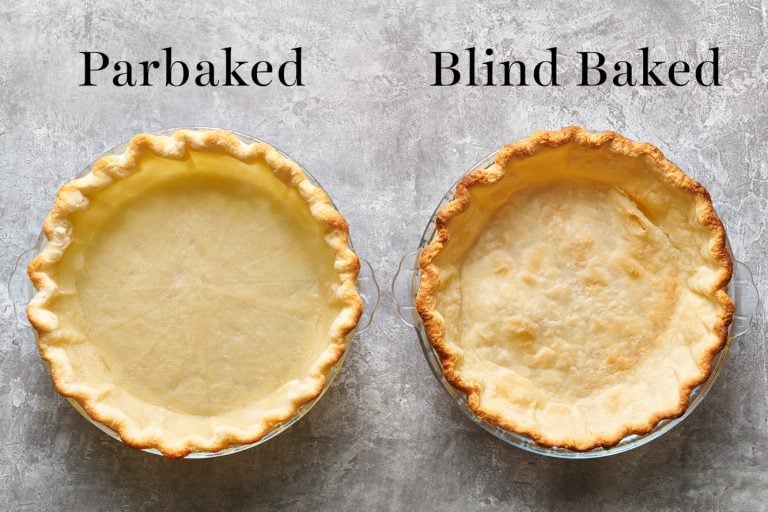
Partial blind baking, also called par-baking, means baking the crust for part of the time before adding the filling. The pastry begins to set, but it still needs more oven time. This works when the filling and crust will bake together after the first stage.
Full blind baking means baking the shell until it is cooked through and often lightly golden. You use this method for pies that receive a cold or ready-to-eat filling after the crust cools. The shell should be firm enough to hold the filling without remaining raw in the center.
Choose partial baking
Use it when the filling still needs to bake in the oven and the recipe calls for a head start for the crust.
Choose full baking
Use it when the filling will be added after baking and the finished pie will not cook again.
Which Pies Need a Blind-Baked Crust?
The type of pie matters more than the name of the crust. A standard pastry crust may need a full bake for a chilled pie, a partial bake for some custard pies, and no separate bake for many fruit pies. Some recipes use special methods, so treat the table below as a starting point rather than a replacement for recipe instructions.
A wet filling can release liquid as it heats. If the bottom crust has not set, that moisture may soak into the pastry before it becomes crisp. Blind baking gives the dough a chance to firm up first, although it cannot prevent every soggy crust.
Source: therecipecritic.com
Chocolate cream pie
Usually needs a fully baked shell because the pudding or cream filling is added after the crust cools.
Lemon meringue pie
Often uses a fully baked crust because the filling is cooked separately and added to the shell.
Pumpkin pie
Usually does not require blind baking in every recipe. Some recipes use a partially baked crust to help the bottom cook before the custard sets.
Pecan pie
Often goes into the oven with an unbaked crust because the filling bakes along with it. Follow the recipe if it calls for a partial bake.
Apple pie
Usually uses an unbaked bottom crust because the apples and pastry bake together for a substantial period.
Quiche
Often benefits from a partially baked crust because the egg mixture is moist and may set before the bottom pastry fully cooks.
Fresh strawberry cream pie
Usually needs a fully baked shell if the strawberries and cream are added after the crust has cooled.
Do You Have to Blind Bake Pumpkin Pie Crust?
No, not for every pumpkin pie. Many traditional pumpkin pie recipes use an unbaked shell, and the filling cooks while the pie bakes. Other recipes call for a partially baked crust to improve the texture of the bottom.
Pumpkin filling is a custard, so it contains moisture and needs gentle, even baking. A preheated metal baking sheet can help the bottom receive heat, but use this method only if it fits the recipe. Avoid fully baking the shell unless the recipe is designed for that approach, since the crust may become too dark before the filling is ready.
For a standard recipe
Start with the crust method the recipe specifies. If it calls for an unbaked shell, there is no need to add a separate baking step.
For a crisp bottom
Consider a partial bake if the recipe supports it, and watch the crust during the final baking stage.
If the bottom crust often turns soggy, focus on the recipe’s baking time, the amount of liquid in the filling, and the position of the pie in the oven. A metal pie plate and a hot baking sheet may help the bottom cook more effectively. Do not assume that a full blind bake is needed for every apple pie.
Drain excess fruit liquid when directed
Follow the recipe’s instructions for sugar, thickener, and fruit preparation. Extra liquid can make the filling runny and soften the crust.
Bake until the filling is ready
Look for the signs given by the recipe, such as bubbling fruit juices and a fully baked crust. A browned top alone does not prove that the bottom is done.
How to Decide Whether Your Pie Crust Needs Pre-Baking
Use the filling’s cooking plan to make the decision. Ask whether the filling will bake inside the crust, whether the assembled pie will go back into the oven, and whether the pastry has enough time to cook before the filling sets. These details matter more than whether the pie is sweet or savory.
A recipe that uses a cooked filling may need a fully baked shell. A recipe that bakes a liquid filling inside the pastry may need a partial bake or no pre-bake at all. If the recipe gives a clear crust instruction, follow it rather than changing the method without a reason.
Source: bakewithsweetspot.com
Step 1: Identify when the filling cooks
If the filling is already cooked or will stay cold, plan to fully bake the shell first. If the filling cooks in the oven, continue to the next step.
Homemade butter crust, shortening crust, and store-bought pastry may respond differently to heat. Use the baking directions supplied for the dough when available.
Pie Crust Decision Table
This table gives a quick guide to common pie types. The listed method is typical, not universal, because filling formulas and baking times vary.
No-bake cream pie
Full blind bake. The shell must be cooked before the cold filling goes in.
Pumpkin pie
Usually unbaked or partially baked. Follow the recipe’s instructions for the custard filling.
Apple pie
Usually unbaked. The fruit and pastry cook together.
Quiche
Often partially baked. The filling is moist, and the crust benefits from an early start.
Lemon meringue pie
Usually fully baked. The lemon filling is generally cooked separately from the shell.
Pecan pie
Usually unbaked. The filling cooks inside the crust, though some recipes use a partial bake.
How to Blind Bake Pie Crust Step by Step
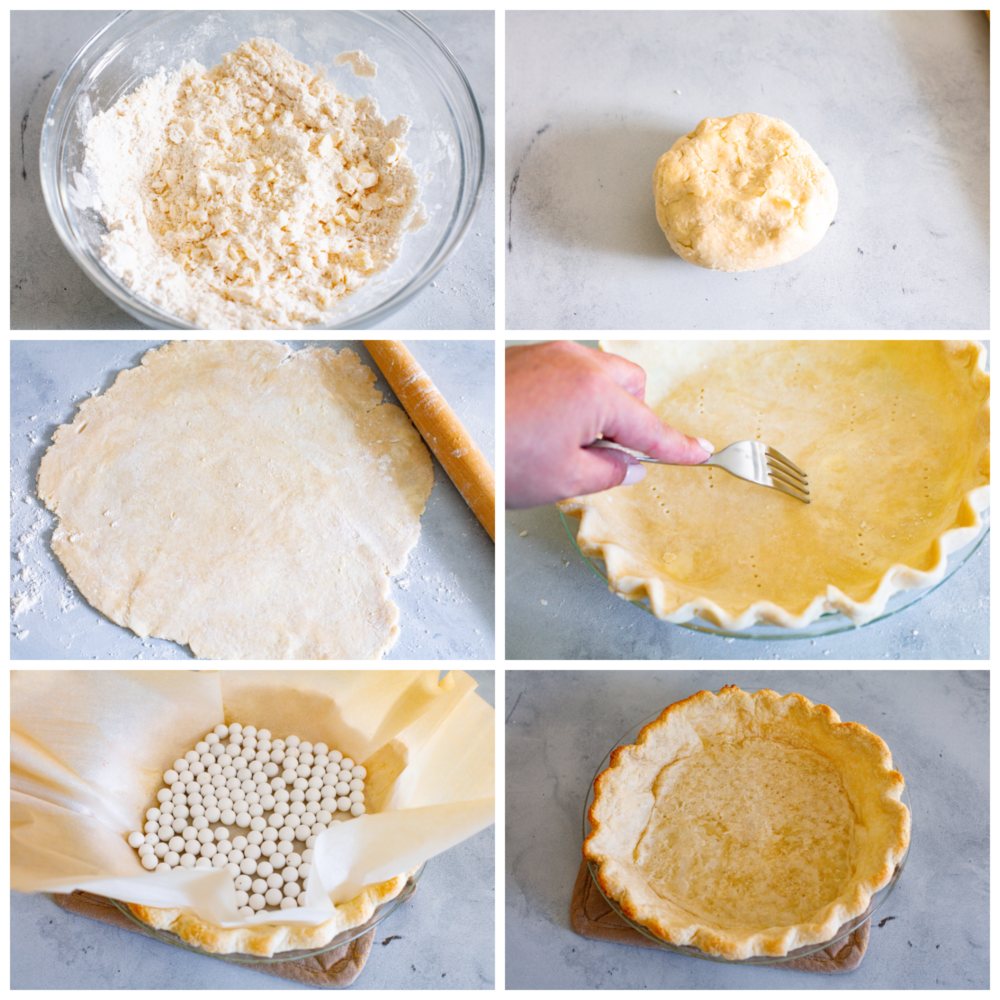
Blind baking is simple once the dough is shaped and chilled. You need a pie plate, parchment paper or foil, and pie weights or a suitable substitute. The oven temperature and total baking time depend on the recipe and whether you want a partial or full bake.
Start with a cold crust. Warm dough is more likely to slump or shrink as the fat melts before the pastry has time to set. Chilling also makes the dough easier to handle and helps it hold its shape in the pan.
Source: sugarspunrun.com
Step 1: Fit the dough into the pie plate
Press the dough gently into the bottom and sides. Avoid stretching it, since stretched dough may pull back during baking.
Step 2: Chill the shaped crust
Refrigerate the crust until firm, following the recipe’s timing. If the dough has become warm while you work, give it extra time to cool.
Step 3: Line the shell
Place parchment paper or foil over the dough, pressing it gently into the corners. Leave enough material to lift the lining and weights out later.
Step 4: Add pie weights
Fill the lined shell with ceramic pie weights or an even layer of dried beans or uncooked rice. The weight helps keep the bottom flat and the sides from sliding down.
Step 5: Bake with the weights
Place the pie plate in a preheated oven and bake according to your recipe. The first stage usually sets the dough while the weights hold it in place.
Step 6: Remove the lining and weights
Lift them out carefully. The plate and weights will be hot, and steam may escape as the lining comes away.
Step 7: Finish baking if needed
For a partial bake, return the shell to the oven for the time stated in the recipe. For a full bake, continue until the bottom looks dry and the crust has an even golden color.
Step 8: Cool or fill as directed
Let the shell cool when the recipe calls for a cold or room-temperature crust. Add a filling only when the pastry has reached the required stage.
How Long Should You Blind Bake Pie Crust?
There is no single baking time for every pie crust. The time depends on the dough, pie plate, oven temperature, and whether you are partially or fully baking the shell. Many recipes use an initial bake with weights followed by a shorter bake without them, but the exact timing varies.
Use visual signs along with the recipe’s time range. A partially baked crust should look set rather than raw, while a fully baked crust should have a dry-looking bottom and light golden color. If the edges brown much faster than the center, protect them with a pie shield or strips of foil, taking care not to block the entire crust from heat.
Partial bake
Stop at the stage specified in the recipe. The shell will continue to bake after the filling is added.
Full bake
Continue until the bottom is cooked and the shell is golden. Avoid filling it while the center still looks wet or raw.
What Can You Use Instead of Pie Weights?
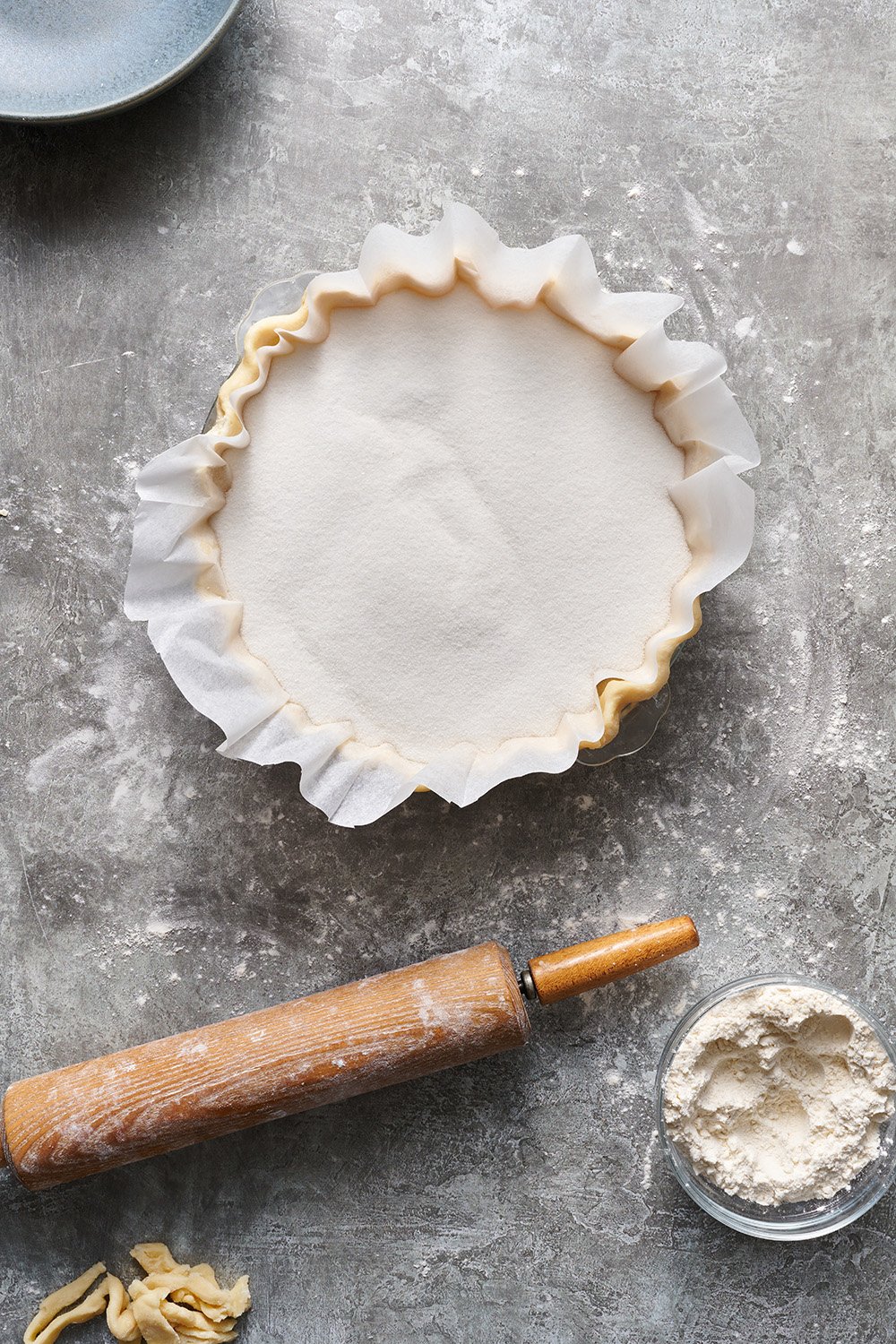
Dried beans and uncooked rice are common substitutes for pie weights. Add enough to cover the bottom and support the sides of the lined shell. Keep the lining between the dough and the substitute, and let the weights cool before handling or storing them.
These substitutes are useful for baking, but they may not be ideal for later cooking as food. Label them for baking use and store them separately. Avoid using loose weights directly on the pastry because they can stick to the dough or leave marks.
Ceramic or metal pie weights
Designed for this task and reusable when handled and stored according to the maker’s directions.
Dried beans
An accessible option that can be kept in a separate container for future blind baking.
Uncooked rice
A practical substitute that can fill the lined shell and spread weight across the base.
Common Blind Baking Problems and How to Fix Them
Most blind-baking problems come from warm dough, too little weight, an unsuitable baking time, or a crust that was stretched while being shaped. Look at the type of damage before changing the method. A pale bottom needs a different fix from sides that have slipped down.
The recipe, pan material, and oven all affect the result. Make one change at a time so you can tell what helped. Do not add extra heat or bake far beyond the recipe simply to darken the crust, because the edges can burn before the base is ready.
Source: i.pinimg.com
The sides shrink
The dough may have been stretched or too warm. Fit it into the pan without pulling it, chill it well, and use enough weight to support the sides.
The bottom stays pale
The crust may need more time without weights, or the oven and pan may not transfer enough heat to the base. Follow the recipe’s full-bake stage and check the oven temperature.
The bottom becomes soggy
The crust may not have baked long enough, or the filling may have released more moisture than expected. Use the correct partial or full bake and follow the filling recipe closely.
The crust bubbles or puffs
The weights may not have covered the base evenly, or the dough may not have been vented as directed. Line the shell closely and distribute the weights across the bottom.
The edges burn
The crust may be baking too long or the edge may be too exposed. Use a pie shield or foil once the rim has enough color, and keep the oven at the recipe’s stated temperature.
Should You Prick Pie Crust Before Blind Baking?
Some recipes tell you to prick the bottom of the crust with a fork, a step called docking. Small holes let steam escape and may help limit large air pockets. Other recipes rely on pie weights instead, so follow the method given for your dough.
Do not dock a crust automatically when the recipe says not to. Holes can allow a thin filling to seep into the pastry, and some crusts are designed to bake without them. Use the technique that matches the recipe and filling.
Use docking when directed
Make small, even holes in the bottom of the dough before baking if the recipe calls for them.
Use weights for support
Weights hold the bottom and sides in place, but they do not replace every instruction about docking or chilling.
How to Prevent a Soggy Pie Bottom
Blind baking can help prevent a soggy bottom, but it is only one part of the process. Moisture from the filling, the heat reaching the base, and the total bake time all affect the final texture. A fully baked shell can still soften if it sits under a wet filling for a long time.
For pies that need a crisp base, start with the correct crust method and make sure the filling is prepared as directed. A shell for a chilled pudding pie needs to be fully baked and cooled before filling. A fruit pie usually needs a different approach because the fruit and crust bake together.
Source: i.pinimg.com
Chill the dough before baking
Cold dough is easier to shape and less likely to slump before it sets in the oven.
Use the right pie plate
Metal pie plates often conduct heat well, which may help the bottom brown. Glass and ceramic plates behave differently, so follow the recipe’s guidance for pan type and temperature.
Preheat the oven fully
A properly heated oven gives the crust a better chance to set on time. Do not put the pie into an oven that is still heating unless the recipe specifically directs it.
Avoid excess filling liquid
Measure liquid and thickener as directed. For fruit pies, prepare the fruit as the recipe specifies instead of adding extra juice to the filling.
Cool the pie correctly
Follow the cooling instructions for the filling. Some pies need time to set before slicing, and cutting too soon can cause filling to spill and make the crust seem less firm.
Can You Brush Pie Crust With Egg Wash to Keep It Crisp?
Some recipes use a thin layer of beaten egg or egg white on a partially baked crust to help form a barrier before adding a wet filling. The coating is not a substitute for baking the crust properly, and it is not needed for every pie.
Use an egg wash or egg-white seal only when the recipe recommends it. If the filling will bake inside the shell, the extra coating may not be necessary. An egg-based coating also does not remove the need to handle and store the finished pie safely.
For a chilled filling
A fully baked shell and a recipe-approved egg seal may help protect the crust from moisture.
For a baked filling
Follow the pie recipe first. A seal may help in some cases, but it cannot fix an underbaked crust or a filling with excess liquid.
Can You Blind Bake a Store-Bought Pie Crust?
Yes, many store-bought pie crusts can be blind baked, but you should check the package instructions first. Refrigerated rolled dough, frozen pastry shells, and ready-made graham cracker crusts are different products and do not all use the same method.
A raw refrigerated or frozen pastry crust may need lining and weights when baked empty. A ready-made crumb crust is often already baked or designed to be filled without another full bake. Baking a crumb crust for too long may cause it to darken, dry out, or break apart.
Source: i1.wp.com
Refrigerated pastry dough
Fit it into the pie plate if needed, chill it as directed, and use the package or recipe instructions for blind baking.
Frozen unbaked pie shell
Check whether the maker instructs you to thaw it or bake it from frozen. Follow its temperature and timing guidance.
Graham cracker crust
Many are ready to fill, though some recipes call for a brief bake to help the crumbs set. Use the package directions and the filling recipe.
Frozen filled pie
Do not treat a filled frozen pie as an empty crust. Follow the product’s baking directions for the complete pie.
Do You Need to Thaw a Frozen Pie Crust Before Blind Baking?
Not always. Some frozen shells are meant to go directly into a preheated oven, while other products require thawing before use. The package directions take priority because the dough and pan may be designed for a specific method.
If you are using a homemade crust that has been frozen in a pie plate, follow the recipe’s freezing and baking instructions. Avoid guessing at a new temperature or time, since the frozen dough may need a different approach from chilled dough.
Read the package
Look for directions on thawing, lining, weights, temperature, and baking time.
Check the crust during baking
Look for a set base and properly colored edges. If the recipe requires a full bake, make sure the center is cooked before filling.
What to Do If You Already Filled an Unbaked Pie Crust
If you have already added the filling, do not automatically remove it just because you forgot to blind bake the crust. First, check the recipe. If it is a fruit pie or another pie designed to bake with its filling inside, the unbaked crust may be exactly right.
If the recipe calls for a fully baked shell, the best fix depends on the filling. A cold pudding filling cannot cook the raw pastry from underneath, and removing it may damage both the filling and crust. You may need to bake a new shell for the next attempt rather than trying to rescue the assembled pie.
Source: handletheheat.com
For a pie that bakes with the filling
Continue with the recipe’s oven temperature and timing. Watch for signs that both the filling and crust are done.
For a no-bake filling
If the filling is already cold or set, do not assume that extra baking will fix the crust. Baking the assembled pie could melt or damage the filling.
For a pie that needs partial baking
Check whether the recipe offers an alternative method. If not, continue carefully and assess the finished texture rather than making an untested change halfway through.
Can You Blind Bake Pie Crust the Day Before?
Yes, you can often bake a pie shell ahead of time. Let the shell cool fully, then store it according to the recipe and the expected filling. Keeping the crust dry and protected helps preserve its texture.
For a short make-ahead period, many fully baked shells can be covered and kept at room temperature if the recipe permits. For longer storage, use a suitable airtight container or freeze the shell once cool. Add perishable fillings only when you are ready to assemble the pie, and refrigerate the finished pie when its filling requires it.
Cool before covering
Covering a warm crust can trap steam and soften the pastry.
Keep wet filling separate
Add pudding, cream, or other moist fillings close to serving time when the recipe allows it.
Follow filling storage rules
Egg, dairy, and other perishable fillings may require refrigeration. Do not leave them at room temperature beyond safe food-handling limits.
Frequently Asked Questions
Q
What happens if you do not blind bake pie crust?
Nothing may go wrong if the recipe is designed for an unbaked crust. Many fruit pies bake with their filling inside. However, a pie that needs a pre-baked shell may end up with a pale, soft, or undercooked bottom if you skip that step.
Q
Should pie crust be cold before blind baking?
Yes, chilling the shaped crust is helpful for many pastry recipes. Cold dough is less likely to shrink or slump before it sets in the oven. Follow the recipe’s chilling time, especially if you used warm hands or worked the dough for a long time.
Q
Can I blind bake pie crust without parchment paper?
You need a suitable liner if you plan to use loose pie weights, dried beans, or rice. Oven-safe parchment or foil is commonly used to keep the weights off the dough. Without a liner, the weights may stick or leave marks on the crust.
Q
Do I need pie weights to blind bake a crust?
Weights are useful because they help keep the bottom flat and the sides in place. Dried beans or uncooked rice can serve as substitutes when placed over parchment or foil. Some recipes use other methods, but baking an empty crust without support can lead to puffing or shrinkage.
Q
Should I let blind-baked pie crust cool before adding filling?
It depends on the recipe. Chilled cream and pudding fillings generally need a cooled shell so the filling does not melt or change texture. Some recipes direct you to add a filling while the crust is still warm, so follow the stated method.
Q
Can you blind bake pie crust without weights?
It is possible, but the crust may puff up or the sides may slump. Some recipes use docking or another method to manage steam, but those methods do not work the same way for every dough. If you have no pie weights, dried beans or uncooked rice in a lined shell are common alternatives.
Q
Does blind baking make pie crust crispier?
It can help because the pastry gets time to cook before a wet filling is added. A fully baked shell is especially useful for chilled pies. The final texture still depends on the dough, the filling’s moisture, baking time, and how the pie is stored.
✦ Wrapping Up
Conclusion
You do not have to blind bake every pie crust. The right method depends on when the filling cooks and how much time the pastry has to bake. No-bake cream pies usually need a fully baked shell, while many fruit pies can start with raw dough. Some custard pies work best with a partial bake.
When a recipe calls for blind baking, chill the dough, line the shell, add weights, and bake it to the correct stage. Check the bottom as well as the edges, since a golden rim does not always mean the center is done. A few careful steps can help you avoid a raw base, shrinking sides, and a soggy pie.
💡 Key Takeaway
Before you preheat the oven, check the filling recipe. If the filling will not bake inside the shell, plan for a fully baked crust. If the pie bakes with its filling, use the recipe’s directions to decide whether to skip blind baking or partially bake the crust.