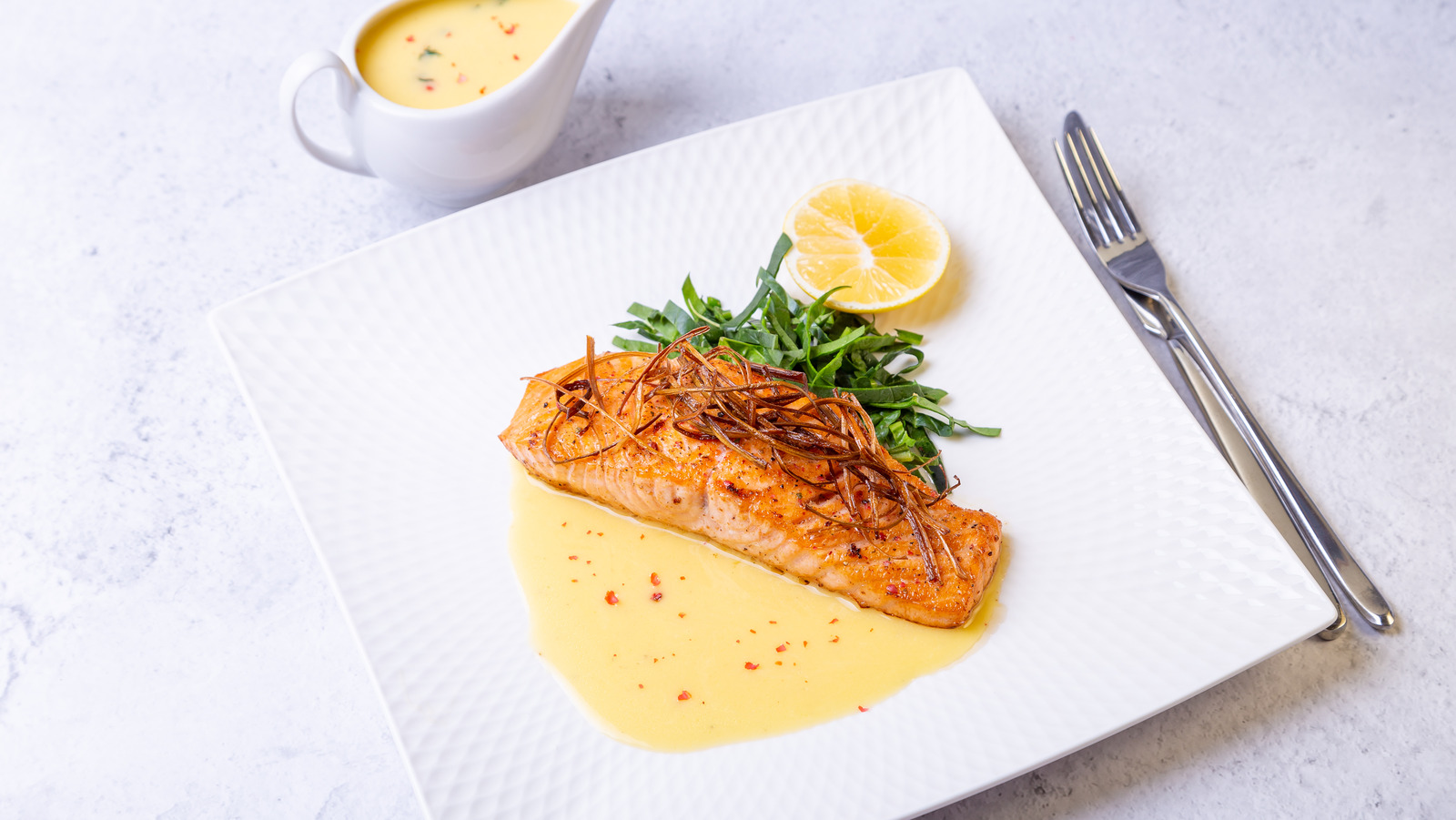
Beurre blanc is one of the best French sauces for fish. It blends white wine, shallots, and cold butter into a smooth, rich sauce with a bright taste. It pairs well with cod, salmon, halibut, sole, and other mild fish.
In American home kitchens, fish is often served with lemon, melted butter, or a creamy sauce. A classic French sauce offers another way to add flavor without hiding the taste of the fish. Beurre blanc is a good place to start because it uses a few common ingredients and takes little time to make.
The key is to build a sharp, flavorful base with wine and shallots, then whisk in cold butter over low heat. The butter blends with the reduced liquid to form a smooth sauce. Serve it right away over baked, pan-seared, steamed, or poached fish.
Beurre blanc is not the only French sauce worth knowing. A light lemon butter sauce works well for a quick weeknight meal, while hollandaise adds a rich, creamy finish. For a deeper flavor, beurre noisette, or brown butter, brings nutty notes that suit firm white fish. The right choice depends on the fish, cooking method, and flavor you want.
A French sauce for fish is a sauce rooted in French cooking that adds flavor, moisture, and richness to seafood. Many classic versions use butter, wine, cream, stock, lemon, or fresh herbs. Some are smooth and rich, while others are light and sharp.
The goal is to support the fish rather than cover it up. A delicate piece of sole needs a lighter touch than a thick salmon fillet. A sauce with too much cream or too many strong spices may hide the fish’s natural flavor.
French cooking includes several sauce styles, so there is no single sauce that fits every fish dish. Beurre blanc is a classic choice for its balance of butter and acidity. Hollandaise is thicker and more egg-rich, while a simple lemon butter sauce is easy to make with everyday pantry items.
Source: tastingtable.com
Butter-based sauces
These sauces add a rich mouthfeel. Beurre blanc and brown butter are two useful options for fish.
Cream-based sauces
Cream sauces create a fuller texture and work well with firm white fish, mushrooms, and mild herbs.
Egg-based sauces
Hollandaise uses egg yolks and butter to create a thick, smooth sauce with a bright lemon flavor.
Herb and wine sauces
Wine, stock, parsley, chives, and lemon can add freshness without making the dish feel too heavy.
Why Beurre Blanc Is a Popular Choice
Beurre blanc combines rich butter with the sharp taste of reduced wine and shallots. The acid keeps the sauce from tasting flat, while the butter gives it a soft, silky texture. A little goes a long way, so it can add flavor without weighing down a meal.
The sauce also works with several cooking methods. Spoon it over pan-seared salmon, baked cod, poached halibut, or steamed trout. Its mild flavor makes it useful when you want the fish to remain the main part of the plate.
Best quality
A well-made beurre blanc should look smooth and glossy, not oily or split.
Main challenge
Too much heat can cause the butter emulsion to break, so add the butter slowly over low heat.
Easy French Beurre Blanc Recipe
This simple beurre blanc recipe makes enough sauce for about four servings of fish. It uses white wine, shallots, and unsalted butter, with lemon juice added if needed. The method is straightforward, but heat control matters more than speed.
Use a small saucepan and a whisk. Cut the butter into small cubes and keep it cold until you need it. Cold butter helps the sauce form a stable emulsion when it is whisked into the reduced wine mixture.
Choose a dry white wine that you would be happy to drink. A dry Sauvignon Blanc or unoaked Chardonnay can work well. Avoid sweet wine unless you want a sweeter sauce, and do not use a heavily flavored wine that could overwhelm the fish.
Source: yummadeeasy.com
Prep time
About 10 minutes.
Cook time
About 10 to 15 minutes, depending on the rate of reduction.
Yield
About four modest servings of sauce.
Equipment
A small saucepan, a sharp knife, a cutting board, and a whisk.
Ingredients for Beurre Blanc
Measure the ingredients before you begin. Once the butter goes into the pan, the sauce needs close attention and frequent whisking.
Dry white wine
1/2 cup. This gives the sauce its main acidic base.
Shallot
1 small shallot, finely minced. It adds a mild onion flavor without taking over.
White wine vinegar
1 tablespoon. This adds extra acidity and helps balance the butter.
Unsalted butter
8 tablespoons, or 1 stick, cut into small cold cubes.
Salt
A small pinch, adjusted at the end.
Fresh lemon juice
1 to 2 teaspoons, optional, for a brighter finish.
Fresh herbs
A little chopped chive or parsley, optional.
Step-by-Step Cooking Method
Step 1: Add the wine, minced shallot, and white wine vinegar to a small saucepan. Bring the mixture to a gentle simmer over medium heat.
Step 2: Let the liquid reduce until only a small amount remains. The shallots should be soft, and the pan should still have enough liquid to help the butter blend in. Do not let the base burn or dry into a hard layer.
Step 3: Lower the heat. Add a few cubes of cold butter and whisk until they begin to blend into the liquid. Add the remaining butter a few pieces at a time, whisking as you go.
Step 4: Keep the pan over low heat while the butter blends. The sauce should become pale, smooth, and glossy. If it starts to bubble hard, move the pan off the heat for a moment.
Step 5: Taste the sauce. Add a small pinch of salt and a little lemon juice if it needs more brightness. Strain out the shallots if you want a very smooth finish, or leave them in for more texture.
Step 6: Spoon the sauce over warm, cooked fish and serve at once. A small amount is usually enough to coat each serving without flooding the plate.
Sign of success
The sauce should cling lightly to a spoon and have a uniform, creamy look.
If the sauce looks oily
Take the pan off the heat and whisk in a teaspoon of cool water. If needed, add a small cube of cold butter while whisking.
If the sauce tastes too sharp
Whisk in a little more butter, then taste again. Avoid adding too much lemon or vinegar at once.
The Best French Sauces for Different Fish
The best sauce depends on the type of fish and how you cook it. Mild white fish often benefits from a sauce with butter, lemon, or herbs. Rich fish, such as salmon, can stand up to stronger flavors and a fuller texture.
Think about the finished plate as a whole. If the fish is pan-seared and has a crisp crust, a smooth butter sauce adds contrast. If the fish is baked with olive oil and herbs, a fresh lemon sauce may be enough. A creamy sauce can work well with firm fish, but it may feel too heavy with a very delicate fillet.
Source: i.ytimg.com
Beurre blanc
Best for sole, cod, halibut, trout, and salmon when you want a smooth white wine and butter sauce.
Lemon beurre noisette
Best for sole, trout, and other mild fish. Browned butter adds a nutty taste, while lemon keeps it bright.
Hollandaise
Best for poached fish, asparagus served with fish, and rich brunch-style seafood plates.
Cream and herb sauce
Best for firm white fish or salmon when you want a soft, rich sauce with chives, parsley, or dill.
French-style tomato sauce
Best for heartier fish dishes with garlic, herbs, and a little acidity. It offers a lighter feel than a butter-heavy sauce.
Sauce for Cod and Haddock
Cod and haddock have mild flavors and flaky flesh. A light beurre blanc or lemon butter sauce complements them without covering their taste. These sauces work especially well with baked or pan-seared fillets.
Keep the seasoning simple. Salt, black pepper, and a little parsley are often enough. Add the sauce after cooking so the fish can develop a clean surface and the sauce does not interfere with browning.
Good pairing
Beurre blanc with lemon zest and chopped chives.
Avoid
A very thick, strongly seasoned sauce that hides the mild fish.
Sauce for Salmon and Trout
Salmon has a richer flavor than most white fish, so it can handle both bright and creamy sauces. Beurre blanc brings a sharp contrast to the richness of salmon, while brown butter adds a deeper, toasted note. Trout also pairs well with brown butter and lemon.
A sauce with dill, chives, or parsley can make the plate feel fresh. Add herbs near the end so their flavor stays clear. Use lemon juice in small amounts and taste before adding more.
Good pairing
Brown butter with lemon and parsley, or beurre blanc with chives.
Cooking tip
If the salmon skin is meant to be crisp, spoon sauce beside or under the fish instead of pouring it over the skin.
Sauce for Halibut and Sea Bass
Halibut and sea bass can have a firm, meaty texture, which makes them good partners for beurre blanc and light cream sauces. The smooth sauce adds moisture and richness to the flesh. A lemon and herb finish keeps the dish from feeling too rich.
For a simple dinner, cook the fish with a little oil, salt, and pepper, then serve it with beurre blanc and steamed green beans. Roasted potatoes or rice can soak up the extra sauce.
Good pairing
White wine beurre blanc with lemon zest and parsley.
Serving tip
Keep the sauce warm, not hot, and add it just before serving.
How to Make a Quick French Lemon Butter Sauce
A French-style lemon butter sauce is a useful option when you do not have wine or want a faster recipe. It has a clean, buttery taste with enough lemon to brighten the fish. Unlike beurre blanc, this version does not rely on reducing wine and vinegar.
The method is simple. Melt butter over low heat, add a small amount of fresh lemon juice, and whisk until the mixture blends. Add salt and chopped parsley, then spoon the sauce over cooked fish. The texture may be less stable than a well-made beurre blanc, so serve it soon after mixing.
For a more balanced result, start with a small amount of lemon juice. Too much acid can make the sauce taste sharp and thin. If it tastes flat, a pinch of salt may help more than extra lemon.
Source: yummadeeasy.com
Ingredients
4 tablespoons unsalted butter, 1 to 2 tablespoons fresh lemon juice, 1 tablespoon chopped parsley, and salt to taste.
Method
Melt the butter gently, whisk in the lemon juice, and stir in the parsley. Do not let the butter brown unless you want a nutty flavor.
Best uses
Baked cod, pan-seared sole, steamed tilapia, and simple grilled white fish.
Optional finish
Add a small amount of lemon zest for a fresh aroma without adding much more acid.
How to Adjust the Flavor
The sauce should taste buttery first, with lemon as a clear but gentle note. If the butter seems too rich, add a few drops of lemon juice and taste again. If it becomes too sharp, add a little more butter.
Fresh parsley works well for a mild herbal note. Chives give the sauce a soft onion flavor, while dill can suit salmon and trout. Add herbs near the end to keep their taste fresh.
For more brightness
Add a few drops of lemon juice or a little finely grated zest.
For more depth
Brown the butter lightly before adding lemon juice, taking care not to burn the milk solids.
For a milder taste
Use less lemon juice and serve lemon wedges on the side.
How to Keep French Fish Sauce Smooth
A smooth butter sauce depends on temperature and timing. Beurre blanc is an emulsion, which means tiny droplets of butter fat are spread through a water-based liquid. Gentle heat and steady whisking help those parts stay blended.
High heat can make the fat separate from the liquid. Adding too much butter at once can also make the sauce harder to control. Keep the butter cold, cut it into small cubes, and add it gradually while whisking.
A sauce that looks glossy and lightly coats the back of a spoon is ready to serve. It does not need to boil after the butter has been added. If the sauce gets too hot, remove the pan from the burner and whisk until the heat drops.
Source: i.pinimg.com
Use low heat
Keep the pan warm enough to melt the butter, but avoid a strong simmer once the butter is being added.
Add butter in stages
Whisk in a few cubes at a time so the liquid can absorb the fat gradually.
Serve promptly
The sauce is at its best when freshly made. Long holding times can lead to separation.
Avoid excess liquid
Too much lemon juice, wine, or water can thin the sauce and change its balance.
What to Do if Beurre Blanc Separates
If the sauce turns oily or develops pools of butter, remove it from the heat first. Whisk in a teaspoon of cool water and see whether the sauce comes back together. If it remains split, start with a teaspoon of cool water in a clean bowl and slowly whisk the broken sauce into it.
Do not keep boiling a separated sauce in the hope that it will fix itself. More heat often makes the problem worse. If the sauce cannot be brought back together, a fresh small batch may give a better result.
If it is too thick
Whisk in a teaspoon of warm water at a time until the sauce loosens.
If it is too thin
Let the wine base reduce more before adding the butter next time. Avoid boiling a finished butter sauce hard.
If it tastes greasy
Add a few drops of lemon juice or a little of the acidic base, then whisk and taste.
Common Mistakes When Making French Fish Sauce
Most problems with French butter sauces come from high heat, poor timing, or an unbalanced mix of acid and fat. Small changes can make a large difference. Taste the sauce as you work, and adjust it before pouring it over the fish.
A good sauce should complement the fish and match the meal. Rich fish can take more butter, but a delicate fillet may need only a spoonful. Keep the sauce simple when the fish already has strong seasonings or a crisp, flavorful crust.
Source: littleferrarokitchen.com
Using too much wine
A large amount of unreduced wine can make the sauce thin and sharp. Reduce the liquid before adding the butter.
Adding warm butter
Cold butter is easier to control and helps build a smooth emulsion.
Boiling the finished sauce
Strong heat can cause the fat and liquid to separate. Keep the heat low or remove the pan from the burner.
Over-seasoning
Salt, pepper, lemon, and herbs should support the fish. Add small amounts, then taste again.
Making too much sauce
Butter sauces are best served fresh. Make only what you need when possible.
Pouring sauce over crisp skin
A wet sauce can soften the skin. Serve it underneath or beside the fish if crispness matters.
Can You Make the Sauce Ahead?
You can prepare the wine and shallot reduction ahead of time. Cool it, cover it, and refrigerate it promptly. When you are ready to serve, warm the base gently and whisk in the cold butter a little at a time.
The finished beurre blanc is less suitable for long storage because its texture can break during cooling and reheating. For the best result, make the final sauce just before serving. Avoid leaving a butter sauce at room temperature for an extended period.
Make ahead
Prepare and chill the reduced wine base, then finish it with butter close to mealtime.
Reheating
Warm gently over very low heat while whisking. Do not bring the finished sauce to a boil.
What to Serve With French Sauce for Fish
Serve French fish sauce with side dishes that balance its richness. Roasted potatoes, steamed green beans, asparagus, rice, and simple greens all work well. These sides add texture and color without competing with the sauce.
For a classic-style dinner at home, serve pan-seared cod with beurre blanc, steamed asparagus, and boiled baby potatoes. For salmon, try brown butter with lemon and parsley, plus roasted carrots or green beans. A simple salad with a light vinaigrette can balance a rich sauce.
Use sauce in moderation at first. Place the fish on a warm plate, spoon a little sauce underneath or over one side, and serve the rest separately. This lets each person add more without soaking every part of the meal.
Source: delicirecipes.com
Potatoes
Boiled, roasted, or mashed potatoes pair well with butter-based sauces and can soak up extra sauce.
Green vegetables
Asparagus, green beans, and peas add freshness and color.
Rice
Plain rice works well with sauced fish because it absorbs flavor without adding much of its own.
Fresh salad
A simple salad with lemon or vinegar can balance the rich taste of butter.
A Simple Menu for Four
For an easy American weeknight meal, cook four fish fillets with a little oil, salt, and pepper. Make one batch of beurre blanc and serve it with roasted potatoes and green beans. Add lemon wedges and chopped parsley at the table.
This menu keeps the prep simple and lets the sauce do its job. If the fish is thin, start checking it early because it may cook faster than a thick fillet. The sauce should be ready close to the time the fish comes off the heat.
Main dish
Four baked or pan-seared cod, halibut, or salmon portions.
Sauce
One batch of beurre blanc, served warm.
Vegetable
Steamed green beans or asparagus with a little salt.
Starch
Roasted baby potatoes or plain rice.
French Fish Sauce and Food Safety
Handle the sauce and fish with the same care you would use for any cooked meal. Keep raw fish separate from ready-to-eat food, wash hands and utensils after handling it, and refrigerate leftovers promptly. A sauce made with wine should not be assumed to be alcohol-free just because the liquid was simmered.
For food safety, the U.S. Food and Drug Administration advises cooking most fish to an internal temperature of 145°F, measured at the thickest part. The flesh should be opaque and separate easily with a fork, although a thermometer is the more reliable check.
Do not leave finished fish or butter sauce out at room temperature for more than two hours, or more than one hour when the temperature is above 90°F. Refrigerate leftovers in shallow, covered containers. Reheat fish gently and check that leftovers reach a safe temperature before eating.
Source: delicirecipes.com
Check fish temperature
Use a food thermometer at the thickest part of the fish and follow the recommended 145°F cooking temperature.
Keep ingredients separate
Use clean utensils and surfaces after handling raw fish.
Store leftovers promptly
Refrigerate cooked fish and sauce within two hours, or within one hour in temperatures above 90°F.
Use care with reheating
Warm the sauce gently to reduce separation, and reheat leftovers thoroughly for safe eating.
Does Cooking Wine Remove All the Alcohol?
No. Simmering wine can reduce its alcohol content, but it does not guarantee that all alcohol has evaporated. The amount that remains depends on cooking time, temperature, the pan, and other conditions.
If you need a sauce without alcohol, use a suitable nonalcoholic substitute. A mix of fish stock or vegetable stock with a little white wine vinegar can provide some of the acidity and depth. Add the vinegar in small amounts and taste as you go.
Nonalcoholic option
Use mild fish or vegetable stock with a small amount of white wine vinegar or lemon juice.
Flavor adjustment
Stock lacks the same flavor as wine, so season gradually and avoid adding too much acid.
Frequently Asked Questions
Q
What is the most common French sauce for fish?
Beurre blanc is one of the best-known French sauces served with fish. It combines white wine, shallots, and butter to create a smooth sauce with a rich but bright taste. Hollandaise, brown butter, and lemon butter are also useful choices.
Q
Can I make French fish sauce without wine?
Yes. Make a simple lemon butter sauce with unsalted butter, lemon juice, and fresh herbs. For a beurre blanc-style sauce, use mild fish or vegetable stock with a small amount of white wine vinegar. The taste will differ from a traditional wine-based version, so adjust the seasoning carefully.
Q
How do I stop beurre blanc from separating?
Use cold butter, add it in small pieces, and whisk over low heat. Do not let the finished sauce boil. If it begins to separate, take it off the heat and whisk in a teaspoon of cool water. You can also start with a little cool water in a clean bowl and slowly whisk in the broken sauce.
Q
Which French sauce goes best with salmon?
Beurre blanc and brown butter with lemon are both good choices for salmon. Beurre blanc adds a bright white wine flavor, while brown butter has a nutty taste. Choose the first for a smooth, tangy finish and the second for a deeper, toasted flavor.
Q
Can I freeze beurre blanc?
Freezing is not the best option for beurre blanc because the butter emulsion may break during thawing. For better texture, prepare the wine and shallot reduction ahead, refrigerate it, and finish the sauce with butter shortly before serving.
Q
Can I use salted butter instead of unsalted butter?
Yes, but reduce or skip the added salt until you taste the finished sauce. Salt levels vary by butter brand, and the wine reduction can concentrate the flavor. Unsalted butter gives you more control over the final seasoning.
✦ Wrapping Up
Conclusion
A French sauce for fish can be simple, rich, and full of flavor without taking over the plate. Beurre blanc is a strong starting point because white wine, shallots, and butter create a smooth sauce that suits many types of seafood. A quick lemon butter sauce is another easy choice when time is short or wine is not available.
The main trick is to keep the heat gentle and taste as you go. Use a light sauce for delicate white fish, and try brown butter or a fuller cream sauce when you want a deeper finish. Make the sauce close to serving time for the best texture.
💡 Key Takeaway
Start with the beurre blanc recipe, use cold butter, and whisk it into the reduced wine base over low heat. Serve the finished sauce with freshly cooked cod, halibut, trout, or salmon, and add lemon or herbs only after tasting.