The Betty Crocker divinity recipe is a classic way to make light, sweet candy with sugar, corn syrup, egg whites, and vanilla. The key is to cook the syrup to the right temperature, beat it into stiff egg whites, and let the candy set in suitable weather.
Across the United States, homemade candy is a familiar part of holiday baking. In many Southern kitchens, divinity appears on Christmas trays beside fudge, pecan pralines, and peanut brittle. Its white, fluffy look sets it apart from most other candies. A good piece has a dry outer surface and a soft, airy center that melts in the mouth.
A Betty Crocker divinity recipe search often leads to questions about old-fashioned methods, ingredient amounts, cooking temperatures, and why the candy sometimes refuses to set. Those details matter more than fancy tools. Divinity depends on sugar syrup, egg whites, and careful mixing, so small changes in temperature or moisture can affect the result.
This guide explains the classic method, the ingredients and tools you need, and the signs to watch as you work. It also covers common problems, storage, pecan additions, and safe handling of hot sugar syrup. Recipe versions can vary, so check the exact Betty Crocker recipe you intend to follow before treating any ingredient amount or cooking time as its official formula.
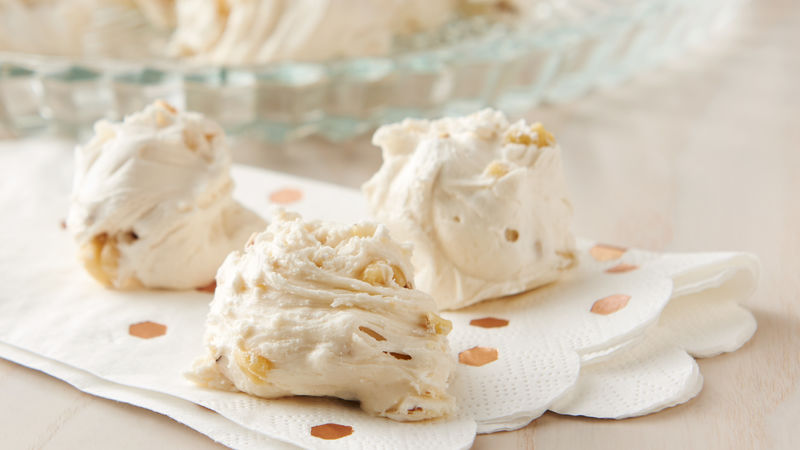
Divinity is a traditional American candy with a pale color, a light texture, and a sweet vanilla taste. Its name suits the soft, cloudlike look of a well-made piece. The candy is firm enough to hold its shape but should not feel like a hard sugar drop.
The Betty Crocker name is often linked with home baking and classic American recipes. Still, different divinity recipes can use different proportions, methods, or instructions. A recipe found on a blog may be inspired by an older Betty Crocker version without being an exact reproduction of a published recipe.
The method described here explains the usual divinity process. Use the ingredient list and precise temperature printed in the specific recipe you choose. That keeps the method useful without claiming that every version has the same measurements.
Source: storage.googleapis.com
Texture
Properly made divinity has a fluffy center and a surface that dries enough to handle. It should not spread into a flat puddle or stay wet and sticky.
Flavor
Vanilla gives the candy its familiar sweet aroma. Pecans or walnuts add a mild nut flavor and a crisp bite.
Best use
Serve divinity on dessert trays, give it as a homemade gift, or add it to a holiday candy assortment once the pieces have set.
How Divinity Differs From Fudge
Fudge is usually dense and creamy, while divinity is aerated with beaten egg whites. Fudge relies on a different balance of sugar, fat, and liquid. Divinity gets much of its light body from the foam that forms when hot syrup is beaten into egg whites.
Fudge
Usually has a rich, dense bite and often includes butter, milk, or chocolate.
Divinity
Usually looks pale and fluffy, with a sweet flavor and a texture shaped by egg-white foam.
Ingredients for a Classic Divinity Recipe
Classic divinity uses a short list of ingredients, but each one has a job. Sugar forms the candy base, corn syrup helps control sugar crystallization, egg whites create the airy structure, and vanilla adds flavor. Some versions include chopped nuts, while others leave the candy plain.
For the most accurate result, use the amounts in the exact recipe you are following. The ingredient list below describes common components of traditional divinity, not a verified transcription of a specific Betty Crocker edition.
Source: storage.googleapis.com
Granulated sugar
Sugar forms most of the candy. It must dissolve in the cooking liquid and reach the recipe’s target temperature.
Light corn syrup
Corn syrup helps reduce unwanted sugar crystals. Do not swap it for another syrup without checking whether the recipe supports that change.
Water
Water helps dissolve the sugar before the mixture boils. Much of it cooks away as the syrup heats.
Egg whites
Egg whites trap air when beaten. That foam gives divinity its characteristic light texture.
Vanilla extract
Vanilla adds the familiar warm flavor. Follow the recipe for when to add it.
Chopped pecans or walnuts
Nuts are optional in many versions. Chop them fairly small so they mix through the candy and do not make the pieces difficult to shape.
Choose Fresh Ingredients
Use fresh eggs and separate the whites from the yolks with care. Even a small amount of yolk can interfere with whipping because fat affects egg-white foam. If a yolk breaks into a white, use that white for another purpose instead of risking the whole batch.
Check that the vanilla is fresh and the nuts smell clean, not stale or rancid. Old nuts can give an otherwise well-made candy an unpleasant aftertaste.
Keep the whites clean
Use a clean bowl with no grease or traces of yolk. A glass or metal bowl is a practical choice.
Measure before cooking
Set out each ingredient before you start. Once the syrup reaches its target temperature, there may be little time to search for a missing item.
Tools to Prepare Before You Start
Divinity is easier to manage when every tool is ready before the syrup goes on the stove. The hot syrup must be poured in a controlled stream while the mixer runs, and the mixture can become difficult to shape as it cools. Preparation gives you time to focus on the candy instead of hunting for a spoon.
Use a heavy saucepan that leaves room for the syrup to bubble. Keep the pan handle turned inward, and place the mixer and lined tray within easy reach but away from the stove’s edge.
Source: thecookingsisters.com
Candy thermometer
A reliable thermometer helps you reach the target temperature listed in the recipe. Check its accuracy according to the maker’s instructions.
Heavy saucepan
A sturdy pan helps heat the syrup more evenly and gives the mixture room to boil without spilling over.
Stand mixer or hand mixer
A stand mixer can make the long beating stage easier. A hand mixer may work, but it requires a secure bowl and enough control to pour syrup safely.
Heat-safe spatula and spoon
Use tools that can handle hot syrup and thick candy. Avoid touching the syrup with bare fingers.
Parchment-lined tray
Parchment helps keep the shaped pieces from sticking to the tray. Waxed paper may not suit every hot mixture, so follow the recipe’s instructions.
Why a Candy Thermometer Helps
Sugar syrup changes as water boils away. Its temperature gives a useful measure of how concentrated the syrup has become. A cooking time alone is less dependable because burner strength, pan size, room conditions, and batch size can all change how quickly the syrup heats.
Read the thermometer at the syrup level without letting the probe rest against the pan’s base. If your recipe gives a specific target, use that target rather than choosing a temperature from a different candy recipe.
Before cooking
Check that the thermometer works and is suitable for candy temperatures.
During cooking
Watch the reading closely near the target. Sugar syrup can rise in temperature quickly near the end.
How to Make Betty Crocker Divinity Step by Step
The central method is simple to describe: cook the sugar syrup, beat the egg whites, combine them carefully, then shape the candy while it is still workable. The hard part is timing. Have your ingredients measured, your tray lined, and your mixer ready before you begin.
The steps below explain the traditional process. Follow the exact quantities, syrup temperature, and beating instructions from the recipe you have selected. Do not assume that a cooking time from one version will work for another.
Source: bexskitchen.com
Step 1: Prepare the Tray and Ingredients
Line a baking sheet or tray with parchment paper. Measure the sugar, corn syrup, and water as directed. Separate the egg whites into a clean mixing bowl, keeping all yolk and grease away from them.
Measure the vanilla and chop the nuts before heating the syrup. Set a spoon or two small spoons beside the tray if you plan to shape the candy by dropping spoonfuls onto the paper.
Success sign
Every ingredient and tool is ready before cooking begins, and the tray has enough space for the pieces to sit apart.
Step 2: Cook the Sugar Syrup
Place the sugar, corn syrup, and water in a heavy saucepan according to your recipe. Heat the mixture as directed until the sugar dissolves and the syrup begins to boil. Attach the thermometer so you can monitor the temperature safely.
Once boiling, follow the recipe’s instructions for stirring. Some candy methods call for little or no stirring during this stage because stirring can encourage crystals to form on the pan’s sides. If crystals appear, use only the remedy specified by your recipe rather than scraping them into the syrup.
Bring the syrup to the stated target temperature. Keep your face and hands clear of the steam, and do not taste the syrup. Boiling sugar can cause severe burns because it sticks to skin and holds heat.
Success sign
The thermometer reaches the temperature specified in the recipe, and the syrup has been cooked without burned spots or a spillover.
Step 3: Beat the Egg Whites
Beat the egg whites in a clean bowl until they reach the stage your recipe calls for. Traditional divinity methods often use stiff peaks, which means the foam holds a firm point when the beaters are lifted. Avoid letting the whites sit for a long time after whipping.
A stand mixer can help because the syrup and egg whites need attention at the same time. If using a hand mixer, make sure the bowl cannot slide and arrange the work area so you do not have to reach across the hot saucepan.
Success sign
The egg whites form a stable foam and hold their shape. They should not look watery at the bottom of the bowl.
Step 4: Pour the Syrup Into the Egg Whites
With the mixer running as directed, pour the hot syrup into the egg whites in a slow, controlled stream. Aim for the side of the bowl rather than the beaters, which can splash syrup. Keep your hands and face away from the pour path.
Do not rush this stage or pour the entire pan in at once unless your chosen recipe explicitly directs that method. The goal is to blend the syrup into the foam without losing the air that gives divinity its texture. Continue beating for the time and at the speed stated in the recipe.
Success sign
The mixture thickens, turns pale, and begins to hold its shape. It should not remain thin and runny.
Step 5: Add Vanilla and Nuts
Add vanilla at the stage specified in your recipe. If you want pecan divinity, fold in the chopped nuts when the instructions say to do so. Use a sturdy spatula and mix only enough to spread the nuts through the candy.
The mixture may begin to firm up as it cools. Work steadily, but do not rush so much that you splash the hot mixture or handle it carelessly.
Success sign
The flavoring is mixed in, the nuts are spread throughout if used, and the candy still holds enough softness to shape.
Step 6: Shape the Candy
Drop small spoonfuls of the mixture onto the prepared tray. Traditional divinity often has a soft peak or swirl on top. Leave space between pieces so air can reach their sides as they set.
If the mixture becomes too stiff to spoon, it may have cooled too far or been beaten longer than the recipe intended. Do not add random amounts of water or syrup to loosen it. Those changes can alter the sugar balance and prevent proper setting.
Success sign
Each piece keeps a mound-like shape instead of flowing outward across the parchment.
Step 7: Let the Pieces Set
Leave the candy undisturbed in a dry place until the surface firms and the pieces can be lifted without losing their shape. The time needed depends on the recipe, room humidity, and how well the syrup and foam were prepared.
Avoid sealing warm candy in an airtight container. Trapped moisture can collect on the surface and make the pieces sticky. Once fully set, store them as directed in your recipe.
Success sign
The pieces feel dry enough to handle and keep their form, while the center remains light rather than turning hard and glassy.
Why Weather Matters When Making Divinity
Humidity is one of the main challenges when making divinity. Sugar attracts moisture from the air, so a damp room can make the candy slow to dry or remain sticky on the outside. A recipe that works well on a cool, dry day may be harder to manage during a humid spell.
This does not mean every humid-day batch must fail. The result also depends on syrup temperature, egg-white foam, beating, and the recipe itself. Weather is a factor to manage, not a guarantee of success or failure.
Source: banana-breads.com
Choose a dry day when possible
If you have flexibility, make divinity when indoor air is less humid. Air conditioning or a dehumidifier may help control room conditions, but neither can fix syrup cooked to the wrong temperature.
Avoid damp storage
Keep the setting tray away from steam from cooking pots, dishwashers, and open windows during wet weather.
Allow enough setting time
Do not pack the candy just because the surface looks dry. Check that the pieces hold their shape and do not feel wet or tacky.
Can You Make Divinity in Summer?
Yes, but a hot, humid summer day can make the process less forgiving. Choose a cool indoor work area, keep steam away from the tray, and follow the recipe’s temperature instructions carefully. If the weather is extremely damp and you do not need the candy right away, waiting for a drier day may save ingredients and effort.
Practical tip
Check the room conditions before starting. Do not rely on a fan alone to remove moisture from the air.
Common Divinity Problems and How to Fix Them
When divinity does not turn out, the texture usually gives clues about what happened. Candy that stays sticky has a different problem from candy that turns grainy or becomes too hard. Check the symptoms before changing the recipe, and make only changes that match the likely cause.
A failed batch can be frustrating because sugar and nuts are not cheap, and the mixing stage takes effort. Still, avoid trying to repair very hot syrup or adding water by guesswork. Sugar candy is sensitive to changes in moisture and concentration.
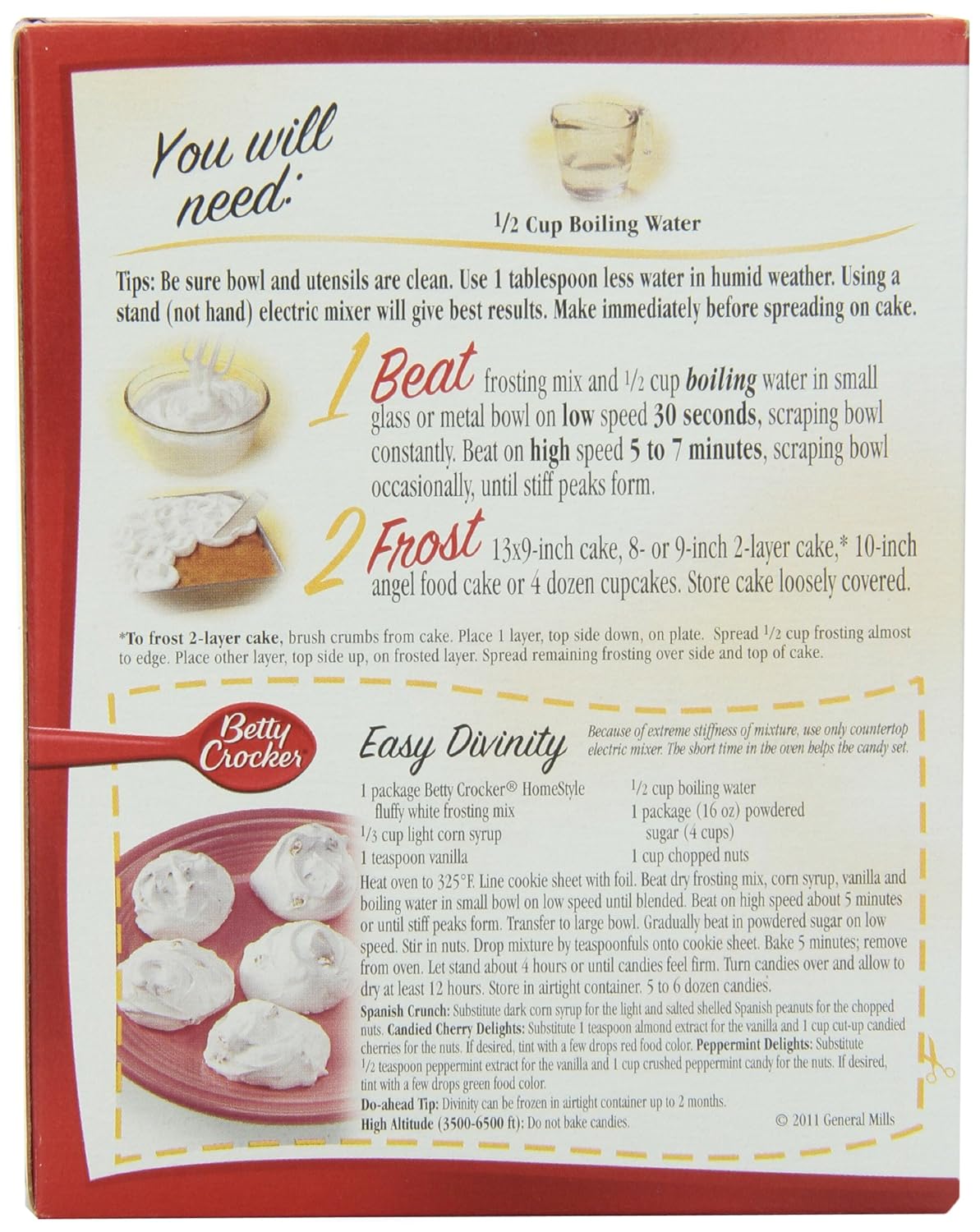
Source: www.bettycrocker.com
The candy stays sticky
Possible causes include high humidity, syrup that did not reach the required temperature, or candy that needs more setting time. Let the pieces rest in a dry place and check the recipe’s target temperature before the next batch.
The mixture stays runny
The syrup may not have cooked enough, or the egg whites may not have formed a stable foam. Check the thermometer and the egg-white stage rather than adding extra sugar at the end.
The candy turns grainy
Unwanted sugar crystals may have formed during cooking or mixing. Follow the recipe’s guidance on stirring and handling crystals along the saucepan’s sides.
The mixture hardens before shaping
The candy may have cooled too far or been beaten too long. Prepare the tray and spoons before cooking, then shape the mixture promptly once it reaches the proper stage.
The pieces spread flat
The mixture may be too loose to hold a mound. Recheck the syrup temperature and egg-white beating stage next time. Do not assume that a wider tray or extra nuts will solve the underlying issue.
The candy tastes scorched
The syrup may have overheated or developed burned spots against the pan. Use steady heat, a heavy saucepan, and close temperature checks.
Should You Try to Save a Failed Batch?
If the candy is merely soft or sticky, allow it more time in a dry place before deciding that it has failed. If the mixture is badly grainy, scorched, or too hard to shape, there may be no reliable way to restore the original texture without changing the recipe.
Never handle hot sugar with your fingers to test it. Let it cool before checking texture, and keep children away from the stove and mixing area during candy making.
Best next step
Write down the thermometer reading, room conditions, and any changes you made. That record can help you identify the cause on your next attempt.
How to Store Homemade Divinity
Store divinity only after the pieces have cooled and set. Moisture is the main enemy of its dry outer surface, so choose a clean, dry container and keep it away from steam or damp spots. Separate layers with parchment if needed to reduce sticking.
Room-temperature storage is common for traditional divinity, but the exact safe storage period depends on the recipe and handling conditions. Use the storage directions supplied with your chosen recipe instead of assuming that every homemade batch will keep for the same length of time.
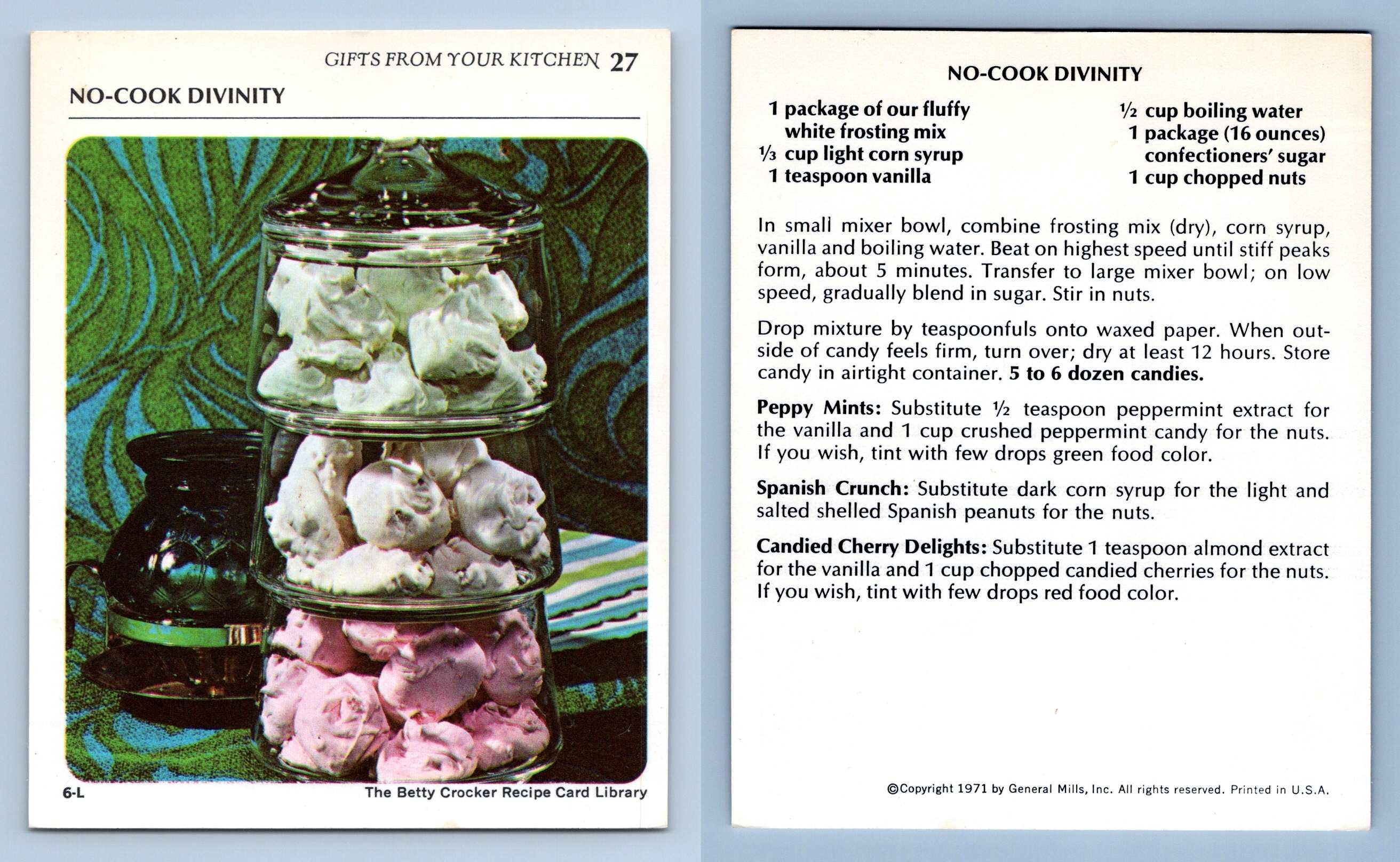
Source: fdgroupsrl.com
Use a dry container
Make sure the container is clean and fully dry before adding the candy.
Separate the layers
Place parchment between layers if the pieces touch or have a delicate surface.
Keep away from heat and moisture
Choose a cool, dry cupboard rather than a sunny counter or a shelf near the stove.
Check before serving
Discard candy with signs of spoilage, an unusual odor, or contamination. When a recipe includes extra ingredients that change storage needs, follow its specific directions.
Can You Freeze Divinity?
Freezing may affect the texture of delicate sugar candy, and moisture can form as pieces thaw. Do not assume freezing is suitable for every divinity recipe. If you want to make candy ahead, use storage instructions from the exact recipe and test a small portion before freezing a full batch.
If freezing is recommended
Pack the candy carefully, protect it from moisture, and allow it to return to room temperature while still protected from condensation.
Easy Ways to Change the Flavor
The traditional vanilla flavor works well on its own, but small changes can make a batch feel more personal. Keep the core sugar and egg-white method intact unless the recipe gives a tested variation. Adding too much liquid or changing the syrup ingredients can affect how the candy sets.
Nuts are a familiar choice, especially pecans in Southern-style candy. You can also serve plain pieces alongside other homemade sweets for a mixed holiday tray.
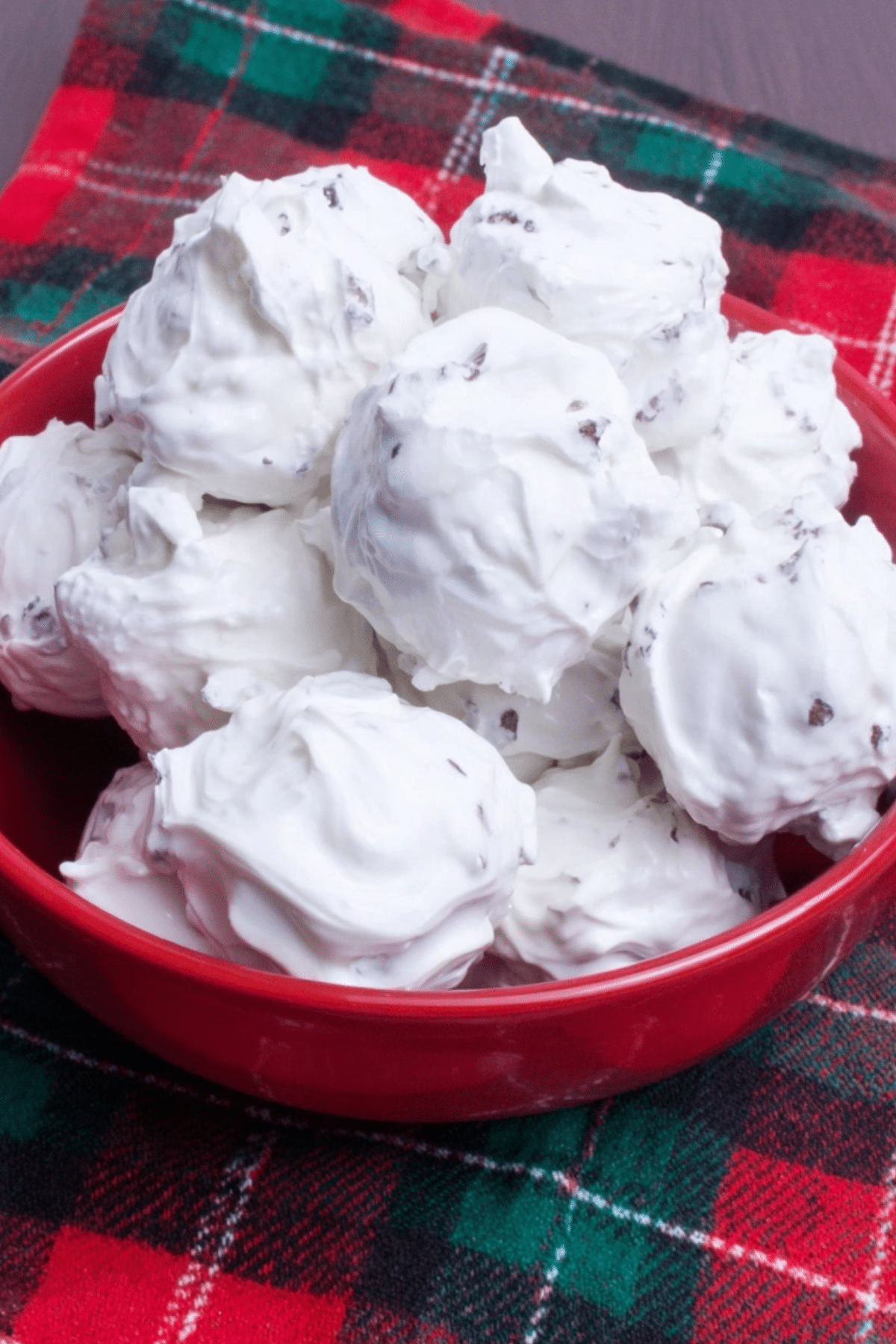
Source: bexskitchen.com
Pecan divinity
Fold in chopped pecans at the stage directed by the recipe. Small pieces distribute more evenly than large chunks.
Walnut divinity
Use chopped walnuts if you prefer their stronger flavor. Check for freshness before adding them.
Vanilla-forward divinity
Use the amount of vanilla listed in the recipe. Avoid adding extra liquid flavoring without checking whether it may affect the texture.
Plain white divinity
Leave out the nuts if you want a smooth, simple candy. Make sure the recipe does not depend on another ingredient for structure.
What Should You Serve With Divinity?
Divinity is very sweet, so it pairs well with less sugary items on a dessert tray. Offer small pieces with plain tea or coffee, or serve them beside nut brittle, dark chocolate, or lightly salted nuts. A mix of textures makes the tray more interesting without requiring a large serving of each candy.
For holiday gifts
Arrange fully set pieces in a dry candy box with parchment between layers. Keep the package away from warm cars, damp porches, and direct sun.
Food Safety Tips for Divinity
Traditional divinity uses egg whites, so safe handling matters. A recipe that uses uncooked or lightly heated egg whites may carry a food-safety risk, particularly for young children, older adults, pregnant people, and anyone with a weakened immune system. The hot syrup step should not be treated as proof that the finished candy has reached a validated safe temperature throughout.
For a lower-risk option, choose a divinity recipe that specifically calls for pasteurized egg whites and follow the product’s directions. Not every carton of egg whites is suitable for whipping, so check the label. Do not substitute a product simply because it is sold in a carton.
Hot sugar syrup can cause serious burns. Use dry, heat-safe tools, keep the saucepan stable, and pour slowly. If syrup splashes onto skin, cool the burn under cool running water and seek medical help for a serious burn. Do not pull hardened sugar from skin.
Source: thecookingsisters.com
Keep children away from hot syrup
Children can help with safe tasks such as measuring nuts before cooking, but an adult should handle the boiling syrup and mixer stage.
Prevent cross-contamination
Wash hands and tools after contact with raw eggs. Keep the mixing bowl and finished candy away from raw egg residue.
Follow the egg product label
Use pasteurized egg whites only when the product instructions support whipping and the recipe can accommodate them.
Frequently Asked Questions
Q
Is this the exact original Betty Crocker divinity recipe?
This guide explains the traditional divinity method associated with searches for the Betty Crocker divinity recipe. It does not claim to reproduce a particular cookbook edition word for word. Betty Crocker recipes can vary by publication, so use the ingredient quantities and temperatures from the specific version you want to make.
Q
Why did my divinity not harden?
The syrup may not have reached the required temperature, the egg whites may not have formed a stable foam, or humid air may have slowed setting. Let the candy rest in a dry place before deciding it has failed. For your next batch, check the thermometer and follow the exact beating instructions.
Q
Can I make divinity without a candy thermometer?
Some older recipes describe cold-water tests, but these take practice and can be less clear than a thermometer. A candy thermometer gives you a direct reading and makes the process easier to repeat. If your recipe includes an alternative test, follow its instructions carefully and never touch hot syrup to judge its stage.
Q
Can I use pecans in Betty Crocker divinity?
Yes, many traditional divinity recipes include chopped pecans. Add them at the stage specified by your chosen recipe, and chop them small enough to mix through the candy. Leave them out if you want a plain version or need a nut-free batch, while checking for cross-contact if allergies are a concern.
Q
Can I make divinity when it is humid outside?
You can try, but high humidity may make divinity slow to set or leave it sticky. Use a dry indoor work area, keep steam away from the candy, and allow enough time for the pieces to firm. If the weather is very damp and the candy is not urgent, waiting for a drier day may be easier.
Q
How long does homemade divinity last?
The storage life depends on the exact recipe, the ingredients, and how the candy is handled. Store fully set pieces in a clean, dry container and follow the storage directions from your recipe. Do not rely on a fixed number of days that may not apply to your batch.
Q
Can I use liquid egg whites from a carton?
Only use carton egg whites if the label says they are suitable for whipping and the recipe supports that product. Some pasteurized egg whites do not whip like fresh egg whites. Check the package directions before starting, because weak foam can affect the candy’s texture.
✦ Wrapping Up
Conclusion
The Betty Crocker divinity recipe points to a classic homemade candy that rewards careful timing. Sugar syrup, egg whites, and vanilla form the base, while pecans add a familiar crunch. The best results come from measuring before cooking, using a thermometer, pouring the syrup with care, and giving the pieces time to set.
If your first batch turns sticky or fails to hold its shape, check the syrup temperature, egg-white foam, and room humidity before changing the ingredients. Divinity can be fussy, but a calm setup and a clear method make the process easier to manage.
💡 Key Takeaway
Choose the exact Betty Crocker version you want to follow, gather and measure every ingredient, check your candy thermometer, and prepare the lined tray before heating the syrup. Make the candy on a dry day if possible, and handle hot sugar with care.