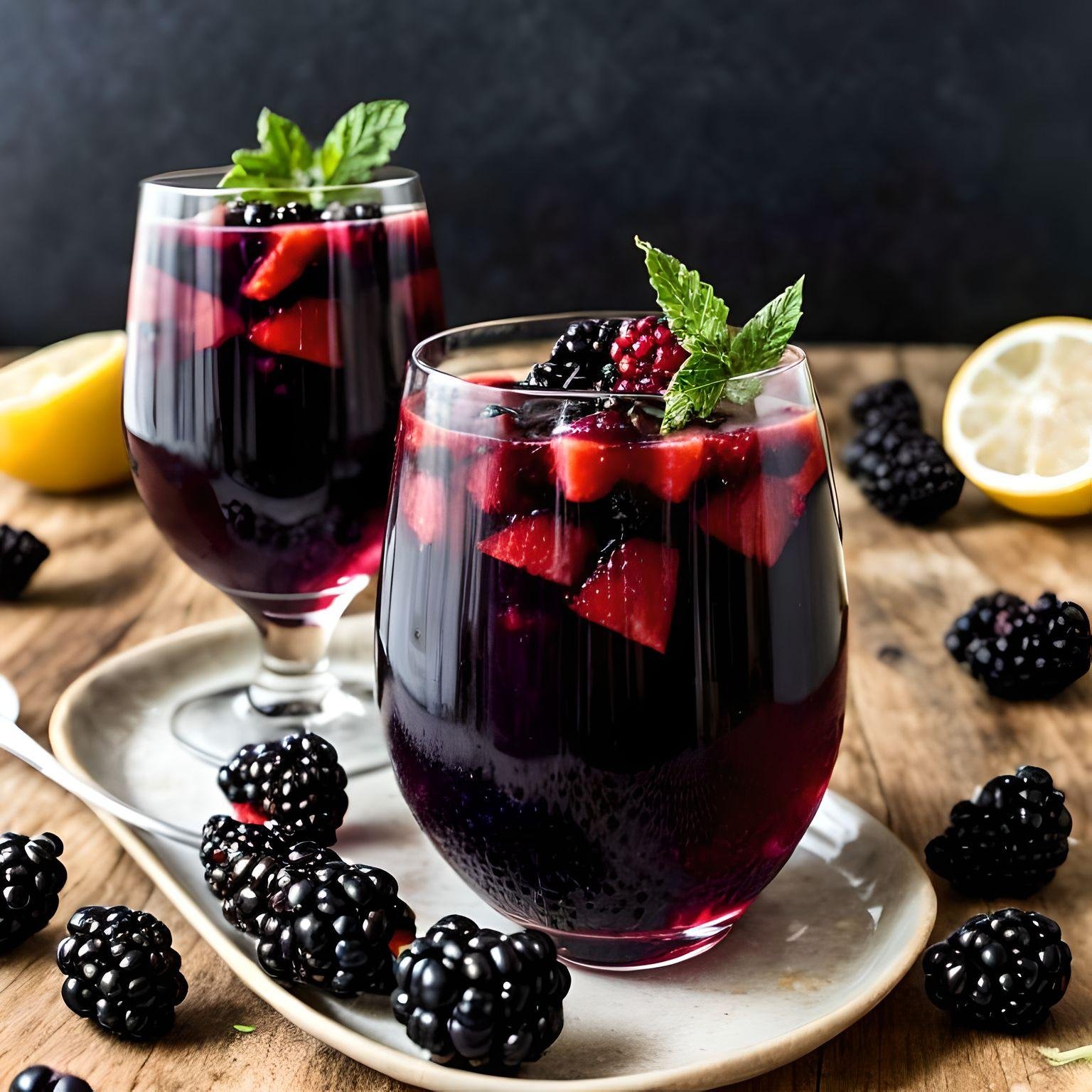
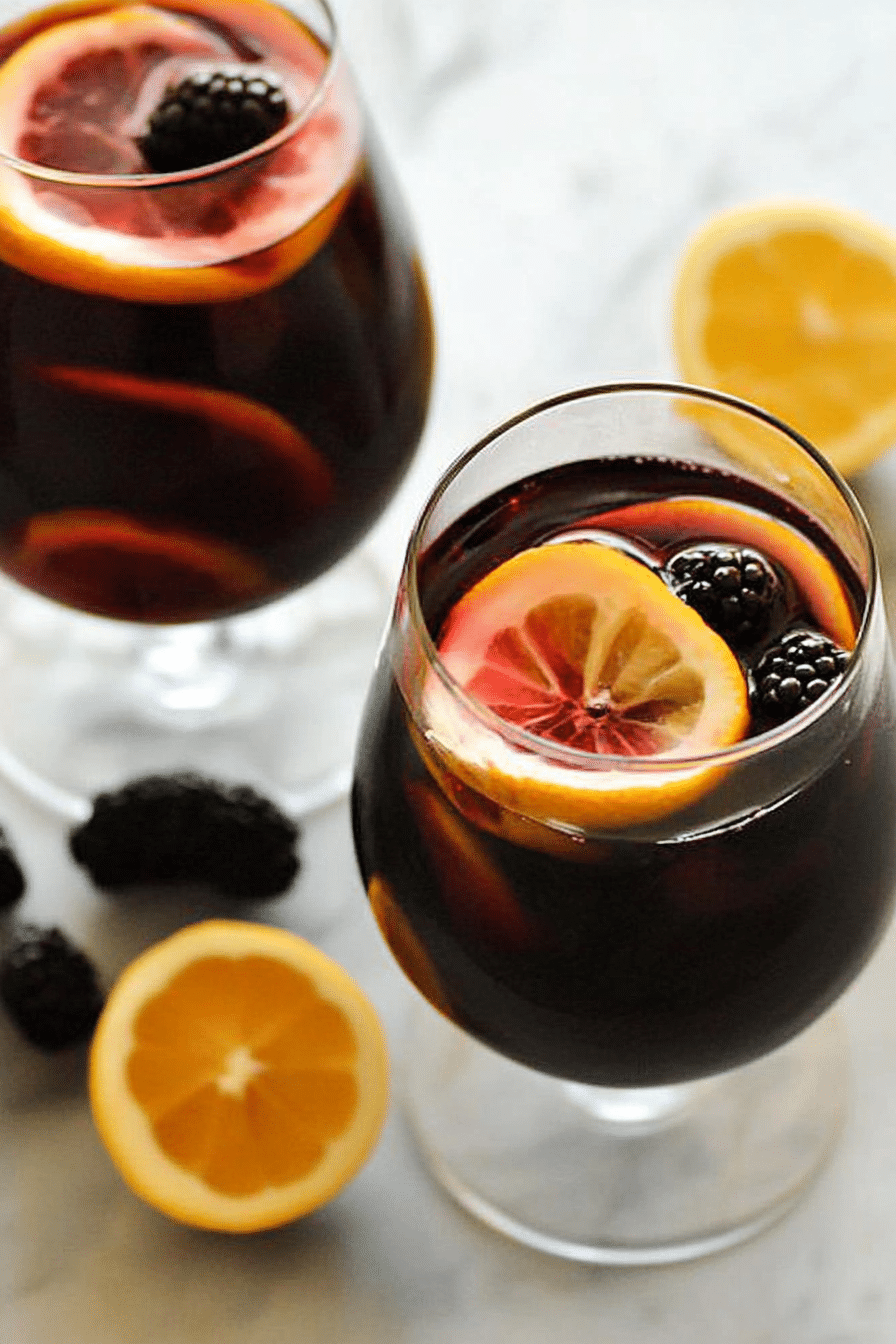
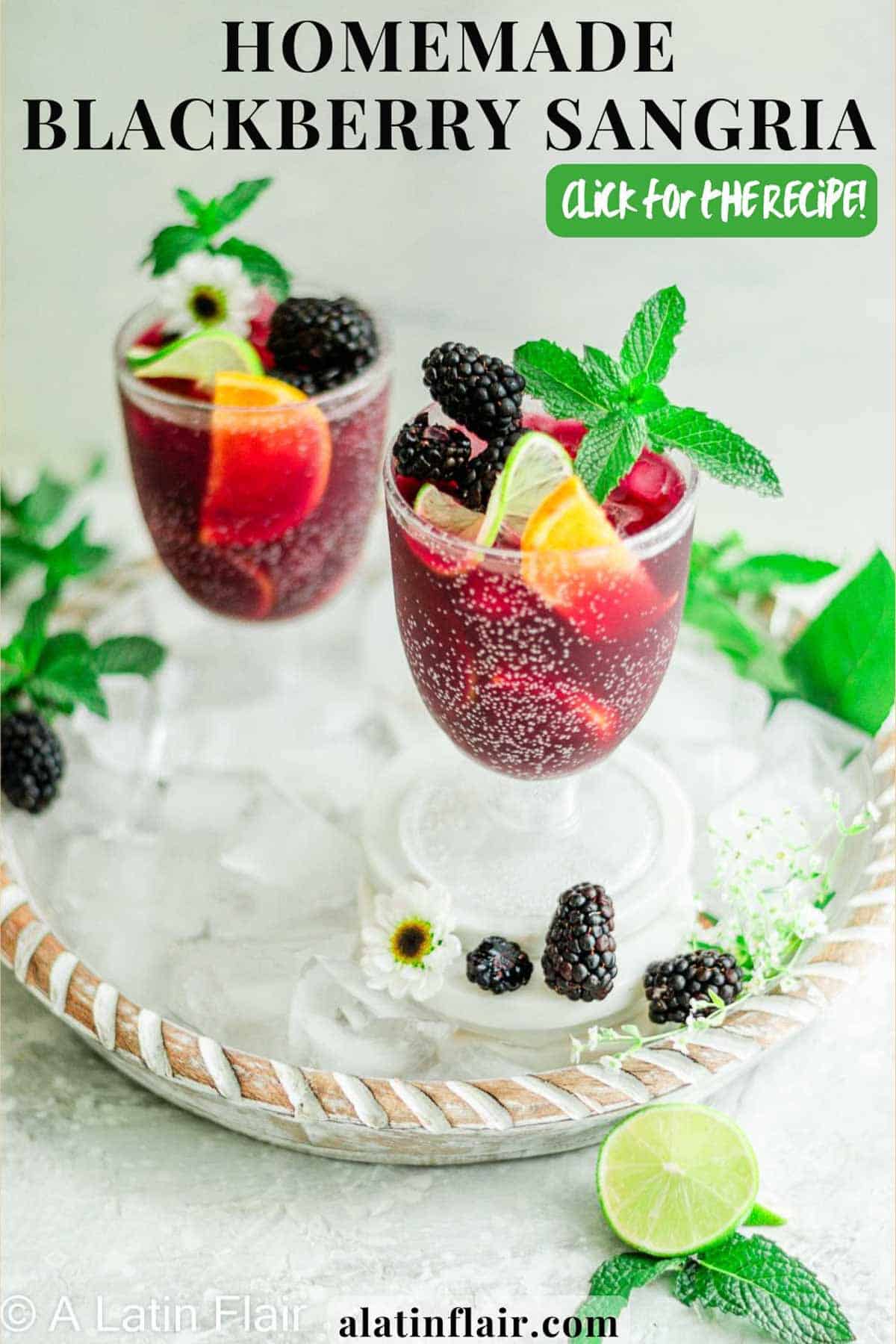
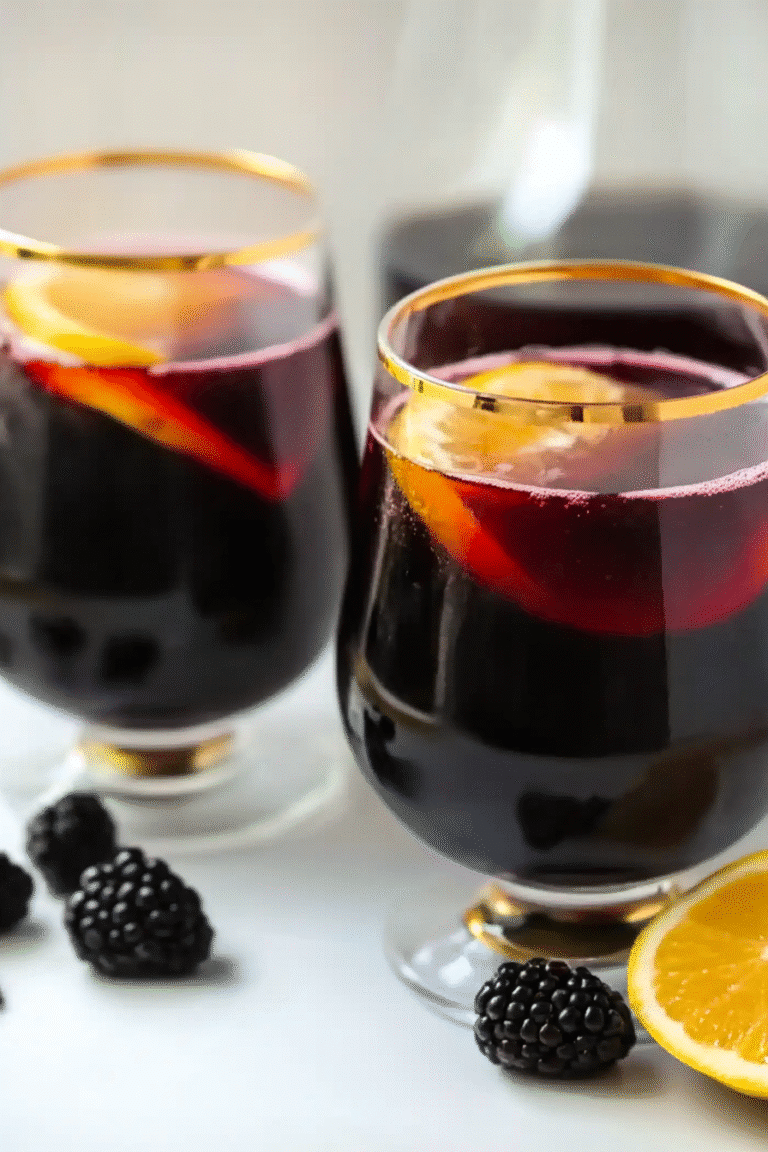
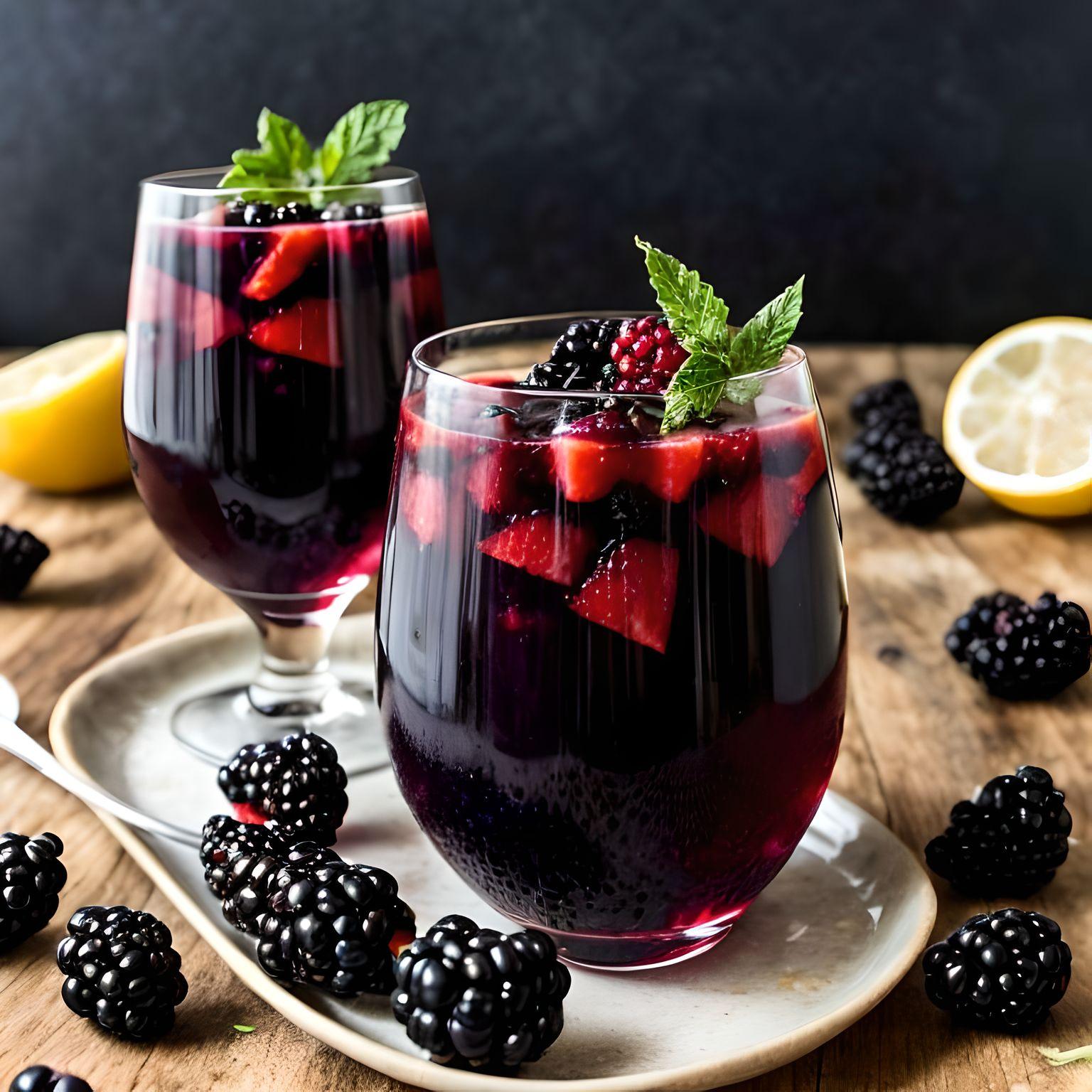
A homemade Carrabba’s berry sangria recipe combines red wine, ripe blackberries, citrus, a touch of brandy, and a sweet fruit flavor. Let the mixture chill before serving so the flavors have time to blend. This is a copycat-style recipe, not a verified version of Carrabba’s official restaurant formula.
At an American backyard cookout, a family dinner, or a casual weekend gathering, a pitcher of berry sangria can make the table feel a little more festive. The dark red color, fresh fruit, and bright citrus also make this drink easy to serve in a clear pitcher. Carrabba’s Italian Grill has inspired many home cooks to recreate restaurant-style blackberry sangria, but an exact official ingredient list and preparation method are not established here.
This guide offers a practical home version built around red wine, blackberries, citrus, and optional brandy. It explains how to balance sweetness, choose the right wine, chill the pitcher, and adjust the drink before serving. Since wine and fruit vary in taste, the amounts are starting points rather than a claim of an exact restaurant match. The finished drink should taste fruity and fresh, with enough wine flavor to keep the berries from making it seem like juice.
The recipe contains alcohol. Keep the pitcher labeled, serve it only to adults of legal drinking age, and offer a nonalcoholic berry drink for guests who do not drink. Fresh fruit can hide the strength of a mixed drink, so serve measured portions rather than judging the alcohol content by taste alone.
Source: i.pinimg.com
What Makes This Carrabba’s Berry Sangria Recipe Different?
Berry sangria is a wine-based drink flavored with fruit. This version uses blackberries as the main fruit, with citrus to add a fresh, tart edge. A small amount of brandy is optional and can add warmth to the wine without taking over the berry flavor.
The goal is a balanced pitcher, not a glass of wine buried under sugar. Blackberries bring a deep fruit taste, while orange and lemon add freshness. The wine gives the drink its base, and a little sweetener can soften sharp edges if the fruit is tart.
Restaurant copycat recipes can vary because home cooks use different wines, fruit, and sweeteners. There is no verified official formula provided for this version, so the recipe below should be judged on its flavor and ease of preparation rather than a claim that it duplicates every detail of the restaurant drink.
Source: kitchenetteblog.com
Berry flavor
Blackberries provide the main fruit note. A few raspberries can be added for a softer, more mixed-berry taste.
Fresh citrus
Orange adds a sweet citrus aroma, while lemon helps balance ripe fruit and wine.
Red wine base
A fruity red wine gives the sangria body and color without requiring a costly bottle.
Flexible sweetness
Simple syrup lets you control the sweetness in small steps instead of adding a large amount at once.
Is This the Exact Carrabba’s Restaurant Recipe?
No exact match can be confirmed from the information available for this article. The recipe is an original home adaptation inspired by the restaurant-style berry sangria idea. Restaurant recipes may use specific wines, fruit blends, or prepared ingredients that are not listed in public menu descriptions.
For the closest personal match, focus on the flavor you remember. If the drink tasted tart, use less syrup and a little more citrus. If it tasted round and sweet, add syrup in small amounts. If the berry taste was strong, gently crush a few blackberries before chilling the pitcher.
Keep the base simple
Start with red wine, blackberries, orange, lemon, and a modest amount of sweetener.
Change one thing at a time
Adjust sweetness or citrus separately so you can tell which change improves the drink.
Ingredients for Homemade Berry Sangria
The ingredients below make about 6 small servings, depending on glass size and how much ice or sparkling water you add. Measure the wine and spirits rather than estimating them by eye. Fresh fruit sizes vary, so the amounts can be adjusted to suit the flavor you want.
Choose ripe but firm berries, fresh citrus, and a wine you would be happy to drink on its own. There is no need to use an expensive bottle. A harsh or overly tannic wine may remain harsh after the fruit is added, while a very sweet wine can make the whole pitcher taste heavy.
Source: simplecopycatrecipes.com
Red wine
Use 1 standard 750 mL bottle of fruity red wine. Merlot, a fruit-forward red blend, or a young Spanish-style red wine can work.
Fresh blackberries
Use 1 cup of ripe blackberries, rinsed and drained. Save a few whole berries for the serving glasses.
Orange
Use 1 small orange, thinly sliced. Remove seeds before adding the slices to the pitcher.
Lemon
Use 1/2 lemon, thinly sliced, or add 1 to 2 tablespoons of fresh lemon juice to taste.
Brandy
Add 2 ounces of brandy if you want a deeper, warmer flavor. It is optional, and leaving it out will not prevent the fruit and wine from blending.
Simple syrup
Start with 1 to 2 tablespoons of simple syrup. Add more only after tasting the chilled sangria.
Orange juice
Add up to 1/4 cup of orange juice if you want a softer citrus note. This is optional because the orange slices already add aroma.
Sparkling water
Keep 1 to 2 cups chilled for serving. Add it to individual glasses or the pitcher just before serving if you prefer a lighter drink.
Ice
Use ice in the glasses rather than filling the pitcher with it during chilling. This helps prevent early dilution.
Which Red Wine Should You Choose?
A fruity, dry red wine is a useful starting point for berry sangria. Merlot often has soft fruit notes, while some red blends offer a fuller berry flavor. A young Tempranillo can also work if you enjoy a little more structure. These are options, not required wines for an official restaurant recipe.
Avoid choosing a wine only because the label says sweet. Sweet wine combined with fruit and syrup can become cloying. If the bottle already tastes rich and fruity, begin with less syrup and adjust after chilling.
For a soft taste
Try a fruit-forward Merlot or a smooth red blend.
For a drier finish
Choose a dry red wine and add sweetener only as needed.
For a lighter version
Use a modest amount of wine per serving and add sparkling water when pouring.
Can You Use Frozen Blackberries?
Yes. Frozen blackberries can work when fresh berries are out of season or cost more. Thaw them in the refrigerator first, then add the berries and any juice that came from thawing. The fruit may break apart more easily than fresh berries, so the finished drink can look cloudier.
Do not use berries that smell fermented, show mold, or have been stored unsafely. Wash fresh produce under running water before preparation. Do not use soap or household cleaning products on fruit.
Fresh fruit
Usually gives a cleaner look and firmer pieces in the pitcher.
Frozen fruit
Offers a practical option outside berry season and may add more juice as it thaws.
How to Make Carrabba’s-Inspired Berry Sangria
Making berry sangria does not require special bar tools. You need a clean pitcher, a knife and cutting board, a spoon, measuring tools, and enough refrigerator space to chill the mixture. Allow extra time for chilling because mixing the ingredients and serving the drink are separate steps.
For the best control, add the sweetener gradually and taste the mixture after it has chilled. Cold drinks can taste less sweet than drinks at room temperature, and the fruit may release more flavor as it sits.
Source: attemptsatdomestication.com
Step 1: Wash and prepare the fruit
Rinse the blackberries under running water and drain them well. Wash the orange and lemon before slicing them thinly.
Step 2: Add the berries
Place the blackberries in a clean pitcher. Gently press a few berries with the back of a spoon if you want more fruit flavor, but do not mash the whole cup into a paste.
Step 3: Add the citrus
Add the orange and lemon slices. Remove any visible seeds so they do not end up in the glasses.
Step 4: Pour in the wine
Add the full 750 mL bottle of red wine. Stir gently to spread the fruit through the liquid.
Step 5: Add optional brandy and juice
Pour in the measured brandy and orange juice, if using them. Stir again without crushing all the fruit.
Step 6: Add a small amount of syrup
Stir in 1 tablespoon of simple syrup to start. Save the second tablespoon for later if the chilled mixture needs more sweetness.
Step 7: Cover and chill
Cover the pitcher and refrigerate for 2 to 4 hours. Keep it cold during this time and do not leave it on the counter for the afternoon.
Step 8: Taste and adjust
Stir gently, taste a small amount, and decide whether it needs more syrup, citrus, or a splash of sparkling water.
Step 9: Serve
Pour into glasses over ice, add a few berries and a citrus slice, and top with chilled sparkling water if desired.
How Long Should Sangria Chill?
Two to four hours is a useful target for this home recipe. It gives the fruit and wine time to mingle without requiring an overnight wait. If you are preparing the pitcher ahead of a dinner, keep it covered in the refrigerator until serving.
Longer chilling does not always mean better flavor. Citrus peel can add more bitterness as it sits, and very ripe berries may soften and break apart. If you want to prepare the drink well in advance, consider removing the citrus slices after several hours and keeping the pitcher cold.
Short on time
Chill the wine, fruit, and serving glasses beforehand. The flavor may be less blended if you serve it right away.
Preparing ahead
Keep the covered pitcher refrigerated and check the fruit texture before serving.
Adding fizz
Wait until serving to add sparkling water so it keeps more of its bubbles.
How to Know When the Sangria Is Ready
The drink is ready when the wine, fruit, and citrus taste balanced and no single ingredient overwhelms the rest. The berries should add flavor without making the mixture thick, and the citrus should brighten the wine rather than make it sharply sour.
Check the drink after chilling instead of relying only on its color. A deep purple-red shade can look appealing, but color alone does not show whether the sangria is too sweet, too tart, or too strong.
Taste
Look for clear berry flavor with a balanced wine and citrus finish.
Texture
The liquid should pour freely. If it seems too concentrated, add a little chilled sparkling water.
Aroma
Fresh berry and citrus scents should be easy to notice without a harsh alcohol smell taking over.
How to Balance Sweetness, Citrus, and Berry Flavor
The easiest way to improve homemade sangria is to change one ingredient at a time. Red wine differs in sweetness, acidity, and tannin, while blackberries can range from tart to very ripe. A measured adjustment is more reliable than pouring in extra syrup or juice without tasting.
Start with the base recipe, chill it, and then use the table below to solve the most likely flavor problems. Add small amounts, stir, and taste again before making another change.
Source: alatinflair.com
Too tart
Add 1 teaspoon of simple syrup, stir, and taste again. Repeat only if needed.
Too sweet
Add a small splash of dry red wine or sparkling water, then taste again. Extra lemon juice may help if the drink also lacks freshness.
Too strong in alcohol flavor
Add chilled sparkling water to the serving glass. Do not assume that fruit juice makes the drink low in alcohol.
Weak berry taste
Gently crush a few more ripe blackberries and allow the mixture to chill again.
Too bitter
Remove the citrus slices, especially if the pitcher has been chilling for many hours. Add a little syrup only if the drink also needs sweetness.
Simple Syrup or Granulated Sugar?
Simple syrup is usually easier to mix into a cold drink because the sugar has already dissolved in water. Granulated sugar can settle at the bottom of the pitcher, leaving the first glass less sweet than the last.
To make a basic simple syrup, combine equal volumes of sugar and water in a small pan and warm gently while stirring until the sugar dissolves. Let the syrup cool before adding it to the sangria. Store unused syrup in a clean, covered container in the refrigerator and discard it if its condition or storage history is uncertain.
Simple syrup
Easy to measure and stir into a chilled drink.
Granulated sugar
Can work, but needs more stirring and may not dissolve well in a cold mixture.
Honey
Adds its own flavor and can be harder to blend into a cold drink. Dissolve a small amount in a little warm water first, then cool it.
Should You Crush the Blackberries?
Gently crushing a few berries can help release juice and strengthen the fruit flavor. Crushing all of them may leave many seeds and soft pieces in the drink, which can make the texture less pleasant.
For a clear pitcher, leave most berries whole and press only a small portion. If you prefer a stronger fruit taste, let the mixture chill longer within the suggested range before adding more ingredients.
For a clear look
Leave the berries whole and stir gently.
For a stronger berry note
Press a few berries lightly before adding the wine.
Easy Variations for Different Tastes
The basic recipe can be adjusted without changing its main idea. Keep the red wine and blackberry flavor as the base, then choose additions that solve a real preference, such as less sweetness, a brighter citrus note, or a lighter serving.
Change only one or two parts at a time. Too many fruit juices and flavorings can hide the blackberries and turn the drink into a general fruit punch.
Source: kitchenetteblog.com
Mixed berry sangria
Replace part of the blackberries with raspberries or sliced strawberries. Taste the fruit first because different berries vary in sweetness.
Citrus-forward sangria
Add a little more orange juice or fresh lemon juice, then check the balance after chilling.
Less sweet sangria
Skip the syrup at first and use a dry red wine. Add sweetener only if the chilled drink tastes too sharp.
Lighter sangria
Serve a smaller measured portion with chilled sparkling water and ice. This reduces the alcohol concentration in the glass but does not make the drink alcohol-free.
No-brandy version
Leave out the brandy and rely on the wine, fruit, and citrus. You can add a small amount of orange juice for extra fruit flavor if needed.
Can You Make White Berry Sangria?
Yes. White berry sangria is a separate variation that uses white wine instead of red wine. A dry or medium-dry white wine can pair with blackberries, orange, and lemon, though the color and flavor will differ from a red-wine copycat.
Use a clean, fruit-forward white wine and start with less syrup. Blackberries can give a pale wine a pink or purple tint, especially if you press them. This option is useful when you want a lighter-looking pitcher, but it should not be described as an exact version of Carrabba’s red berry drink.
Choose the wine
Start with a dry white wine that tastes fresh on its own.
Keep the fruit simple
Use blackberries and orange, then adjust lemon juice to taste.
How to Make a Nonalcoholic Berry Sangria
For a nonalcoholic option, replace the wine with chilled red grape juice and add a little sparkling water just before serving. Use fresh blackberries, orange, and lemon as the fruit base. Start without extra sweetener because grape juice can already contain plenty of sugar.
Do not simply remove the brandy from the alcoholic recipe and assume the result is alcohol-free. The wine must also be replaced. For guests who avoid alcohol completely, use products labeled nonalcoholic and keep preparation tools and serving containers separate when needed.
Base
Use red grape juice rather than wine.
Freshness
Add lemon and orange to keep the drink bright.
Fizz
Add sparkling water at serving time.
Serving Ideas for Parties and Dinner
Serve berry sangria cold in wine glasses or sturdy stemless glasses. A clear pitcher shows off the berries and citrus, while a few fresh berries in each glass make the drink look finished without extra work. Keep the garnish simple so it does not compete with the fruit flavor.
The drink can suit a casual summer meal, a backyard cookout, or an Italian-inspired dinner at home. It pairs best with food that does not overwhelm its fruit and citrus notes. Since alcohol affects people differently, offer water and nonalcoholic drinks alongside it.
Source: i.pinimg.com
With grilled food
Serve with grilled vegetables, chicken, or other dishes with fresh herbs and a moderate level of spice.
With an Italian-style meal
Try it alongside tomato-based pasta, roasted vegetables, or a simple cheese and bread board.
For a summer gathering
Chill the pitcher and glasses in advance. Add ice to individual servings instead of the pitcher.
For a holiday meal
Use orange slices and a few blackberries as the garnish. Avoid adding too much spice unless you want a different flavor profile.
How Much Sangria Should You Make?
One 750 mL bottle of wine contains about five 5-ounce servings before other liquids are added. The finished pitcher contains more liquid once fruit juice, brandy, or sparkling water is included, so actual serving counts depend on glass size and the amount poured.
For a gathering, plan by measured portions rather than assuming each guest will drink a set amount. Make a smaller batch when guests have different preferences, and keep the nonalcoholic option clearly separate.
Small dinner
One bottle of wine can provide a starting batch for several modest servings.
Larger group
Scale the ingredients proportionally, but keep the syrup amount flexible and taste before serving.
Mixed preferences
Offer sparkling water, plain water, and a separate nonalcoholic berry pitcher.
Should You Add Ice to the Pitcher?
It is usually better to add ice to the glasses. Ice in the pitcher melts over time and can water down the whole batch before everyone has been served. Keeping the sangria cold in the refrigerator helps preserve its flavor without early dilution.
If the pitcher will sit out briefly during service, set it in a bowl of ice while keeping the drink itself covered as much as practical. Return unused sangria to the refrigerator promptly.
For a stronger flavor
Keep the pitcher chilled and use ice in each glass.
For a lighter drink
Add a measured splash of sparkling water to each serving.
Storage, Food Safety, and Alcohol Awareness
Keep the sangria covered in the refrigerator when it is not being served. Because this recipe contains fresh fruit, it is best prepared close to the planned meal and handled like another perishable prepared drink. A sour smell, mold, unusual texture, or uncertain storage history is a reason to discard it rather than taste it to check whether it is safe.
Do not leave the pitcher at room temperature for long periods. As a practical food-safety rule, refrigerate perishable prepared foods and drinks promptly, and discard items left out beyond recommended safe time limits. Warm weather and outdoor events make cold storage especially important.
The drink’s fruit flavor can make the alcohol seem less noticeable, but the wine and optional brandy still contain alcohol. Adding juice, soda, or ice changes the drink’s concentration and total volume, not the amount of alcohol originally poured into the pitcher.
Source: i.pinimg.com
Refrigerate promptly
Keep the covered pitcher at 40°F or below and return it to the refrigerator after serving.
Use clean equipment
Wash the pitcher, knife, cutting board, and serving tools before preparation.
Do not rely on smell alone
A normal smell does not prove that a drink has been stored safely. Follow safe storage practices and discard it when handling conditions are uncertain.
Label the pitcher
Make it clear that the drink contains alcohol, especially at gatherings where children or people avoiding alcohol may be present.
Serve responsibly
Offer water and alcohol-free drinks, use measured servings, and never let someone who has been drinking drive.
Can You Make Sangria the Night Before?
You can prepare the wine and fruit mixture ahead of time if it stays covered and refrigerated. For this recipe, a few hours of chilling is a sensible starting point. If you prepare it the night before, check the citrus and fruit before serving because the flavor and texture can change during extended storage.
Add sparkling water only when serving. If the citrus peel has made the drink bitter, remove the slices and taste again. Do not try to cover an unpleasant or suspicious flavor with more sugar.
Before chilling
Mix the wine, fruit, citrus, and any optional measured ingredients in a clean pitcher.
Before serving
Check the flavor, remove tired citrus slices if needed, and add fresh garnish.
After serving
Cover and refrigerate the remaining drink promptly, provided it has been handled safely.
Does Fruit Make Sangria Less Alcoholic?
No. Fruit does not remove the alcohol from wine or brandy. Adding water, juice, or sparkling water lowers the alcohol concentration per ounce, but the original alcohol remains in the pitcher unless some is physically left behind or otherwise removed.
The amount of alcohol in a serving depends on the amount and strength of the wine and spirits used, the final drink volume, and the portion size. Since this recipe uses a full bottle of wine and may include brandy, do not treat a fruit-heavy glass as alcohol-free or automatically low in alcohol.
Measure ingredients
Use measuring tools for wine, brandy, juice, and sparkling water.
Keep portions clear
Serve measured amounts and avoid topping up glasses without tracking how much has been poured.
Common Mistakes to Avoid
Most problems with homemade sangria come from adding too much sweetener, using wine with a flavor you do not enjoy, or serving the drink before it has had time to chill. Small changes are easier to control than trying to rescue a pitcher that has become too sweet or too sour.
Start with the recipe measurements, chill the mixture, and taste before adding more ingredients. The aim is a clear blackberry flavor supported by wine and citrus, not a drink where one ingredient masks everything else.
Source: healthyfoodforliving.com
Adding too much syrup at once
Begin with 1 tablespoon and increase gradually after chilling.
Using a wine that tastes unpleasant on its own
Choose a wine you enjoy drinking because fruit will not always hide harsh flavors.
Leaving citrus in too long
Check the flavor after several hours and remove the slices if bitterness starts to build.
Crushing every berry
Press only a few berries if you want more juice while keeping the pitcher easier to pour.
Adding sparkling water too early
Wait until serving to keep more of the carbonation.
Assuming all berries taste alike
Taste the fruit first and adjust syrup to match its ripeness and tartness.
How to Fix a Pitcher That Tastes Too Sweet
Add a small amount of dry red wine or sparkling water, stir, and taste. If the drink lacks freshness as well, a little lemon juice may help. Do not add large amounts of lemon all at once because excess acidity can create a different problem.
If you are making a new batch, use less syrup and choose a drier wine. Keeping sweetener separate until after chilling gives you more control over the final taste.
First adjustment
Add a small splash of dry wine or sparkling water.
Second adjustment
If needed, add a little lemon juice for brightness.
For the next batch
Reduce the starting amount of syrup and taste before adding more.
Frequently Asked Questions
Q
What is in Carrabba’s berry sangria?
The exact official restaurant formula is not verified in this guide. This copycat-style version uses red wine, blackberries, orange, lemon, optional brandy, and a little simple syrup. Orange juice and sparkling water are optional additions that can change the sweetness and texture.
Q
Can I make this berry sangria without brandy?
Yes. Leave out the brandy and make the drink with red wine, blackberries, citrus, and a small amount of syrup. Taste it after chilling before deciding whether it needs extra fruit juice. The drink will still have alcohol from the wine.
Q
How long should I chill blackberry sangria?
Chill the covered pitcher for about 2 to 4 hours as a starting point. This gives the fruit and wine time to blend. If you prepare it farther ahead, keep it refrigerated and check the citrus flavor and fruit texture before serving.
Q
Can I use a different red wine for sangria?
Yes. A fruity Merlot, a red blend, or another dry red wine can work. Choose a bottle with a taste you enjoy on its own. Very sweet wines may need little or no syrup, while a dry, tart wine may need a small amount after chilling.
Q
How do I make berry sangria less sweet?
Start with a dry red wine and reduce or skip the simple syrup. If the finished drink is already too sweet, add a small splash of dry wine or chilled sparkling water and taste again. A little lemon juice can help balance the flavor if the drink also needs freshness.
Q
Can I make Carrabba’s-inspired sangria without alcohol?
Yes. Replace the wine with red grape juice and leave out the brandy. Add blackberries, orange, lemon, and chilled sparkling water just before serving. Start without extra syrup because grape juice can be sweet. Keep the alcohol-free version separate from alcoholic drinks when serving guests.
Q
How should I store leftover sangria?
Cover the pitcher and refrigerate it promptly at 40°F or below. Because the drink contains fresh fruit, its flavor and texture may change during storage. Discard it if it has been held outside safe temperature limits or if its storage history is uncertain.
Q
Can I make this recipe for a large party?
Yes. Multiply the wine and fruit amounts in proportion to the number of batches you need. Keep the syrup amount flexible, chill the drink in a covered container, and taste before serving. Add sparkling water at the end and serve measured portions alongside water and a nonalcoholic option.
✦ Wrapping Up
Conclusion
A Carrabba’s-inspired berry sangria is easy to make with red wine, ripe blackberries, orange, lemon, and a little sweetener. Optional brandy adds depth, while sparkling water can make each serving lighter. The key is to let the mixture chill, then adjust the flavor in small steps instead of adding too much sugar at the start.
This recipe is a home adaptation, not a confirmed copy of Carrabba’s proprietary formula. Your wine, fruit, and taste preferences will shape the result. Use the measurements as a starting point, keep the pitcher cold, and serve the drink responsibly.
💡 Key Takeaway
Wash 1 cup of blackberries, slice 1 orange and 1/2 lemon, and combine them with one 750 mL bottle of fruity red wine. Add up to 2 ounces of brandy if desired and begin with 1 tablespoon of simple syrup. Cover and chill for 2 to 4 hours, taste, adjust, and serve cold. Add sparkling water to individual glasses if you prefer a lighter drink.