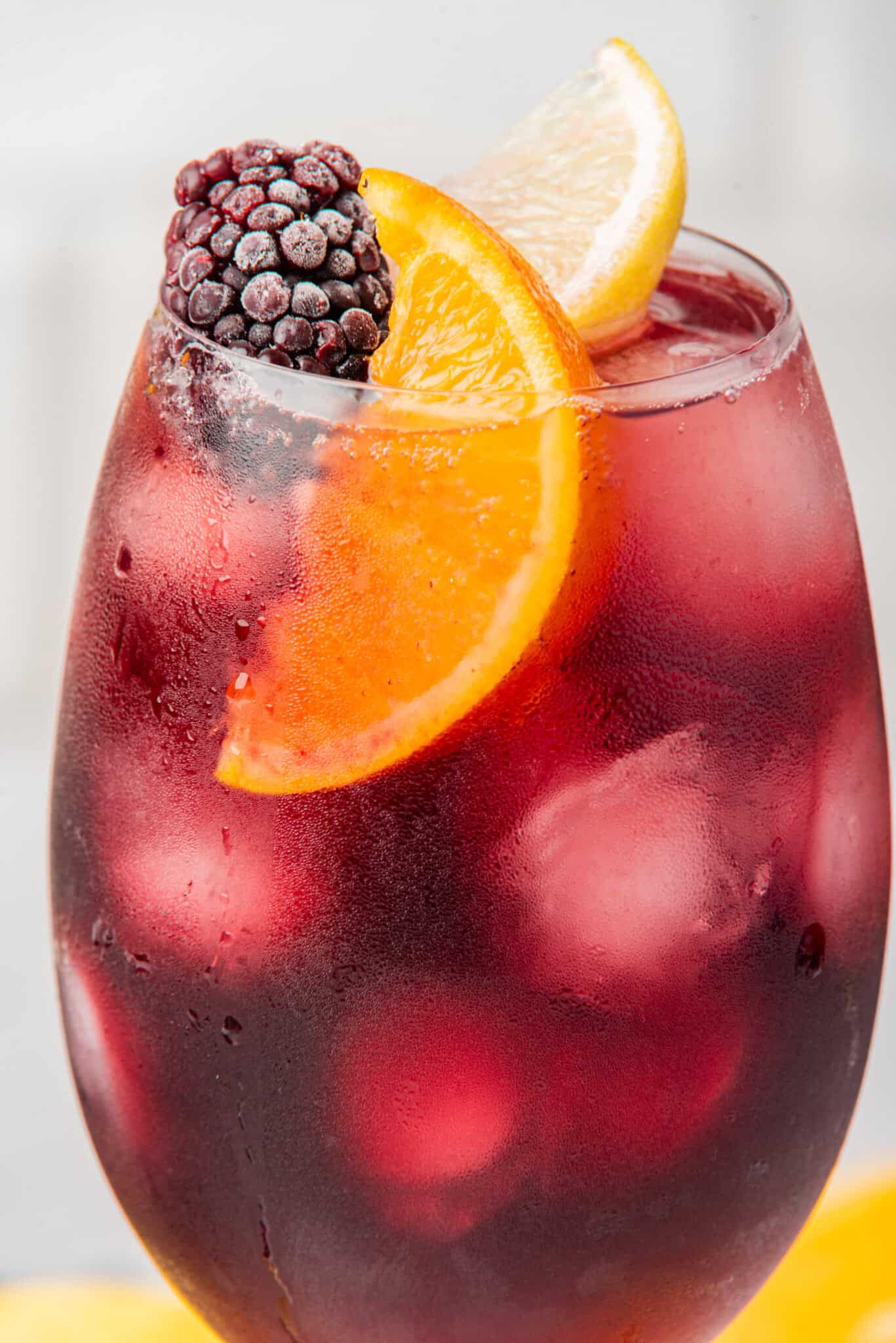
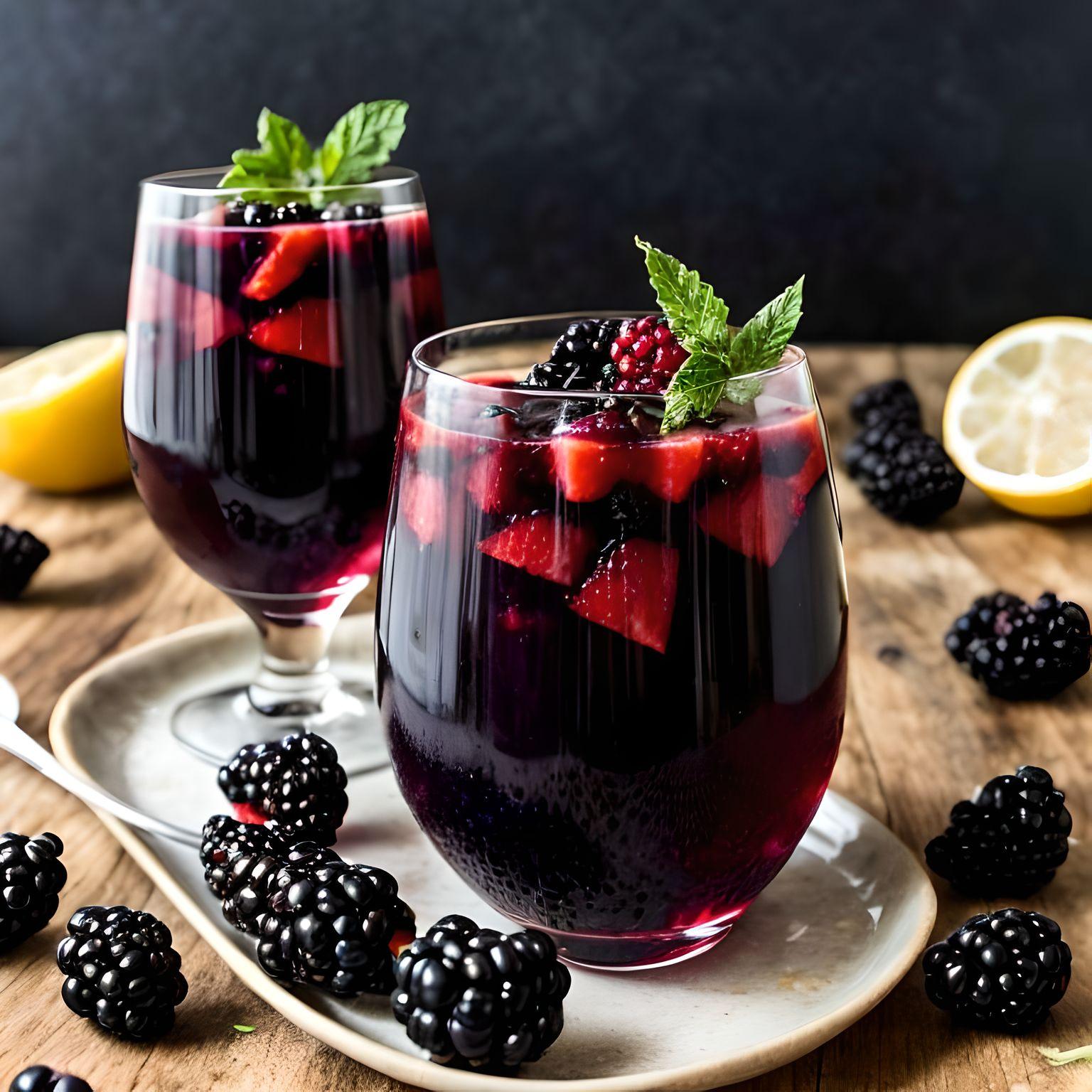
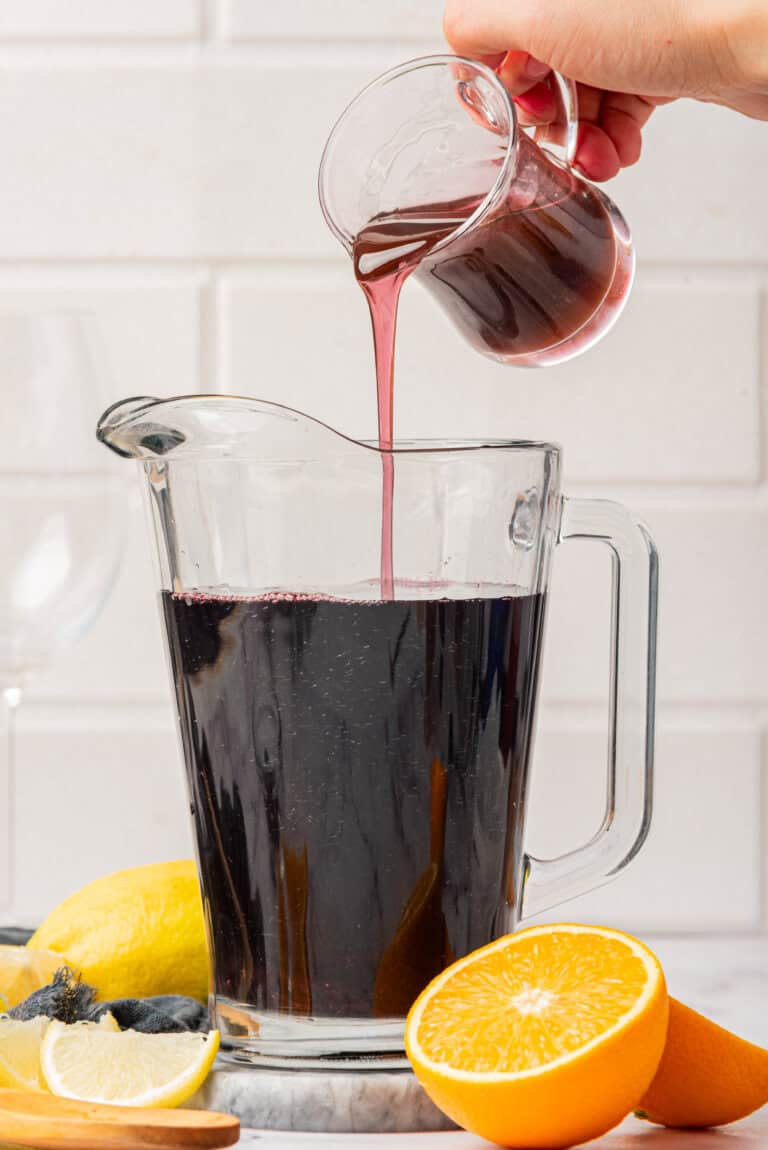
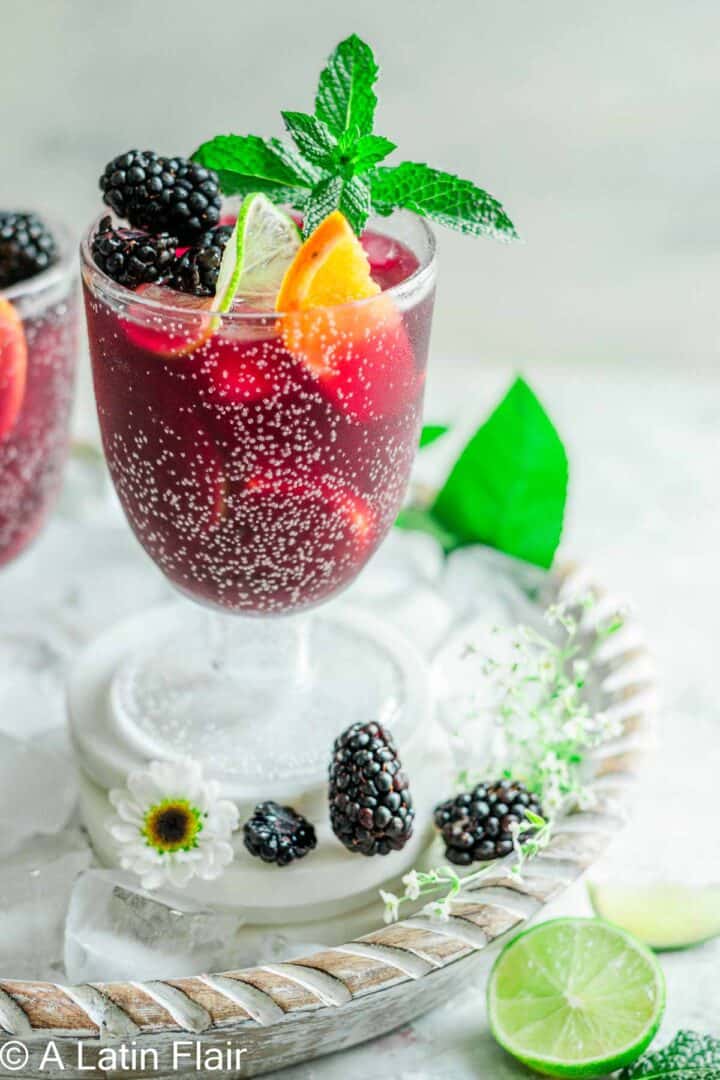
The blackberry sangria Carrabba’s recipe is a fruity red wine drink made with blackberry syrup, cranberry juice, Italian liqueur, fresh blackberries, and citrus. This homemade copycat version brings those sweet, tart, and fruity flavors together, with a splash of lemon-lime soda added just before serving.
In the United States, sangria is a popular choice for backyard cookouts, summer dinners, holiday meals, and casual get-togethers. Carrabba’s Italian Grill has offered a blackberry version with a rich fruit taste, citrus notes, and a hint of vanilla. You can make a similar drink at home with a few common ingredients and a little time in the fridge.
This recipe is inspired by the restaurant-style drink, not an official kitchen formula. Public copycat recipes use different wines, fruit syrups, and liqueurs, so the exact original proportions are not established here. The version below uses dry red wine, blackberry syrup, cranberry juice, Italian vanilla liqueur, and fresh fruit to create a balanced homemade pitcher.
The method is simple. Mix the wine, fruit, juice, syrup, and liqueur, then let the flavors blend in the refrigerator. Add citrus and a little lemon-lime soda when serving. You can also adjust the sweetness to suit your taste without changing the basic character of the drink.
Carrabba’s blackberry sangria stands out because it combines red wine with dark berry flavors, citrus, and a gentle sweet note. The result is fruit-forward without tasting quite like plain grape juice. Fresh blackberries add a ripe fruit aroma, while lemon and orange bring a bright edge to the glass.
A past Carrabba’s menu described its blackberry sangria as a light, fruity drink made with Italian red wine, hints of vanilla and citrus, and blackberries. That description gives a useful guide for a home version. However, menus and recipes can change, and a copycat recipe should not be treated as the restaurant’s exact current formula.
The best homemade version has more than one flavor at work. Wine gives the drink its base, cranberry juice adds tartness, and blackberry syrup brings a deep berry taste. A vanilla-scented liqueur can round out the fruit, while citrus keeps the sweetness from taking over.
Source: attemptsatdomestication.com
A fruity wine base
Dry red wine gives the sangria structure and helps balance the sweet fruit syrup.
A dark berry flavor
Blackberry syrup and fresh blackberries provide the main fruit taste and color.
A hint of vanilla
A vanilla-scented Italian liqueur adds a warm, soft note to the berry and wine flavors.
Fresh citrus
Lemon and orange slices add a bright aroma and make the finished drink feel fresh.
Is This the Exact Restaurant Recipe?
No. This is a copycat recipe inspired by the flavors associated with Carrabba’s blackberry sangria. The restaurant has not supplied the exact measurements used in this homemade version. Published recipes also differ in their wine, sweetener, juice, and liqueur choices.
That difference matters if you want to match a particular restaurant visit. Use this recipe as a starting point, then adjust the sweetness, fruit, and citrus in small steps until the taste suits you.
What is documented
Carrabba‘s has described a blackberry sangria with Italian red wine, vanilla, citrus, and blackberries on a past menu.
What is a recipe choice
The measurements below are practical home proportions, not verified measurements from Carrabba’s kitchen.
Blackberry Sangria Carrabba’s Recipe: Ingredients
This recipe makes about eight small servings, depending on the size of your glasses and how much ice you use. Gather the ingredients before you start so you can mix the pitcher without stopping to search the pantry.
A standard 750-milliliter bottle of wine is a practical base for a party-size pitcher. The juice and syrup add fruit flavor, while the liqueur gives the drink a more rounded finish. Fresh fruit is useful for both flavor and presentation.
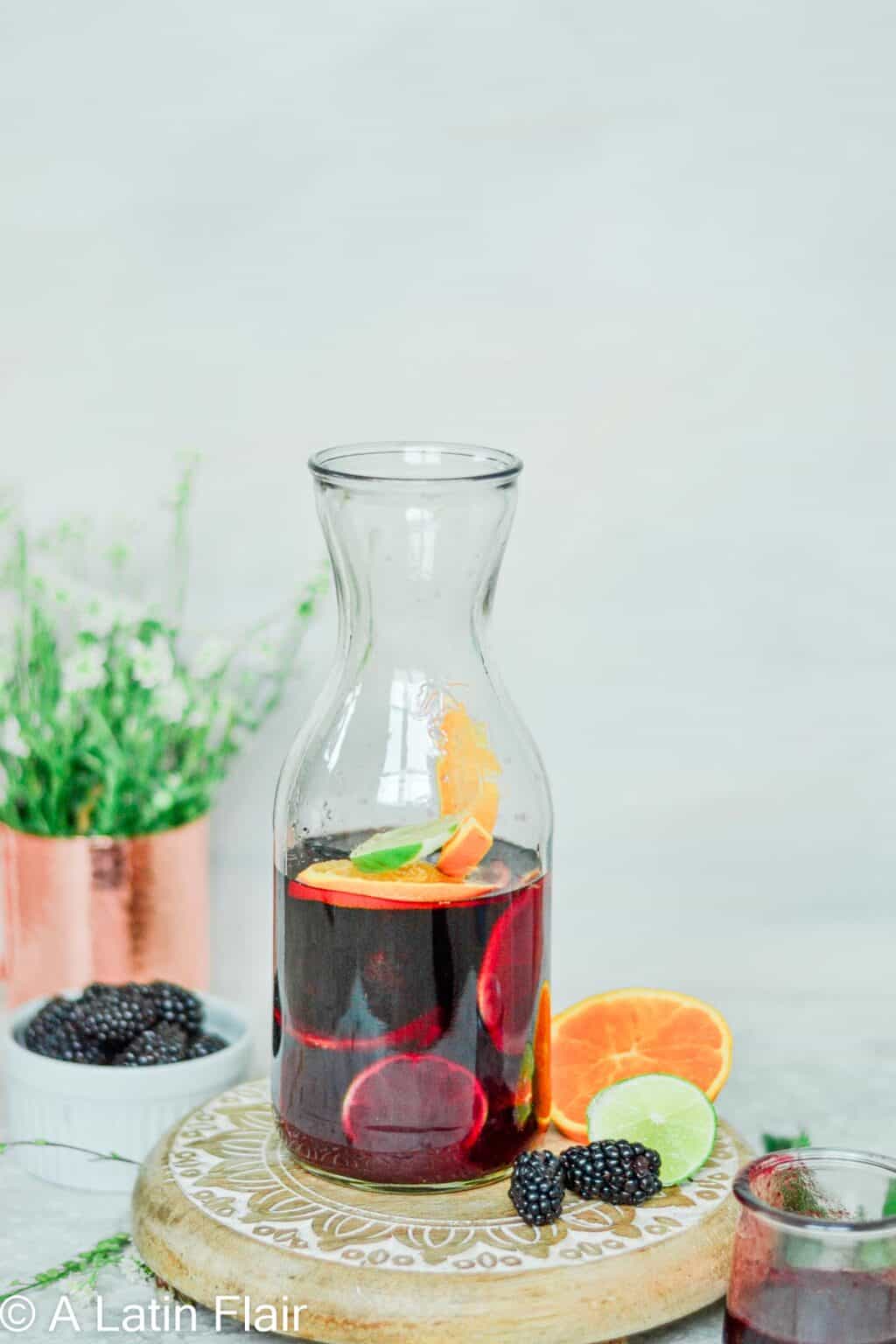
Source: alatinflair.com
Dry red wine
Use one 750-milliliter bottle of dry red wine. Merlot or a fruity red blend is a useful starting point. Choose a wine you would be happy to drink on its own.
Blackberry syrup
Measure 6 ounces, or three-quarters of a cup. A commercial blackberry syrup made for drinks works well. Start with less if the brand is very sweet.
Cranberry juice
Add 6 ounces, or three-quarters of a cup. Unsweetened cranberry juice gives a tart taste, while cranberry juice cocktail usually adds more sugar.
Italian vanilla liqueur
Use 4 ounces, or one-half cup, of Tuaca or a similar vanilla-scented Italian liqueur. Availability varies by location. Check the label and choose a suitable substitute if needed.
Fresh blackberries
Use about one-half cup for the pitcher, plus a few extra berries for serving. Rinse them under cool running water and remove any damaged fruit.
Lemon juice
Add 2 ounces, or one-quarter cup, of fresh lemon juice. Bottled juice can work, but fresh juice often gives a brighter citrus flavor.
Orange and lemon slices
Use one orange and one lemon for the garnish. Thin slices release citrus aroma and look attractive in the pitcher.
Lemon-lime soda
Allow about 2 ounces per glass. Add it just before drinking so the bubbles stay lively.
Ice
Use fresh ice when serving rather than leaving a large amount in the pitcher. This helps prevent the whole batch from becoming watery.
Which Red Wine Works Best?
A dry, fruit-forward red wine is a sensible choice because the blackberry syrup already adds sweetness. Merlot often has soft fruit notes, while some red blends offer a richer taste. Cabernet Sauvignon can also work, though a strongly tannic wine may make the drink taste firmer and less soft.
There is no need to buy an expensive bottle for sangria. Pick a sound, drinkable wine with a flavor you enjoy. Avoid choosing a very sweet wine unless you plan to cut back on the syrup.
For a softer taste
Try a fruit-forward Merlot or an easy-drinking red blend.
For a bolder taste
Use Cabernet Sauvignon if you enjoy a firmer red wine flavor, and adjust the syrup to balance it.
For less sweetness
Choose a dry wine and unsweetened cranberry juice, then add syrup only as needed.
Can You Replace the Italian Liqueur?
Yes, but the taste will change. A vanilla-scented Italian liqueur is useful because it brings both sweetness and a soft vanilla aroma. Brandy can add warmth, while a small amount of vanilla extract can provide aroma without replacing the alcohol or sweetness of the liqueur.
If you use brandy instead, begin with a smaller amount and taste the mixture. Do not assume that every liqueur or spirit can be substituted in equal amounts. Each has a different flavor, sweetness level, and alcohol content.
Brandy
Use a modest amount for a warmer, more traditional sangria flavor. The result will not have the same vanilla character.
Vanilla extract
A few drops can add aroma, but extract is not a direct substitute for liqueur. Add it sparingly to avoid an artificial or strong vanilla taste.
No additional spirits
Leave out the liqueur if you prefer, then adjust the fruit and syrup to taste. The finished drink will have a different flavor and alcohol level.
How to Make Blackberry Sangria at Home
The method takes only a few minutes of active work, but the drink needs time to chill. Use a large glass pitcher with enough room for the wine, fruit, and juice. Keep the soda aside until you are ready to serve.
Source: healthyfoodforliving.com
Step 1: Wash and Prepare the Fruit
Rinse the blackberries under cool running water and pat them dry. Slice the orange and lemon into thin rounds. If the fruit is very large, cut a few blackberries in half so they release more flavor into the liquid.
Keep some whole berries and a few citrus slices aside for garnish. There is no need to crush every blackberry. Lightly pressing a small portion can release more juice, but crushing all the fruit may make the drink cloudy and harder to strain.
Helpful tip
Use ripe berries that smell fresh. Discard moldy or damaged fruit instead of adding it to the pitcher.
Step 2: Mix the Wine, Juice, Syrup, and Liqueur
Pour the red wine into the pitcher. Add the cranberry juice, blackberry syrup, Italian liqueur, and lemon juice. Stir gently until the syrup is mixed through the wine and no thick layer remains at the bottom.
Add the prepared blackberries and several orange and lemon slices. Stir once more, but do not mash the fruit against the sides of the pitcher. The goal is to combine the flavors without turning the mixture into fruit pulp.
Check the sweetness
Taste a small amount before chilling. If it is already sweet, do not add extra syrup. If it tastes too sharp, add a little syrup and stir again.
Step 3: Chill the Pitcher
Cover the pitcher and place it in the refrigerator for at least two hours. This resting time allows the fruit, wine, and syrup to mingle. If you have more time, chilling it for several hours can make the flavors feel more blended.
Keep the pitcher refrigerated while it rests. Do not leave the wine and cut fruit sitting at room temperature for long periods. If you are making the drink ahead for a gathering, keep it cold until guests are ready to pour.
Signs it is ready
The mixture should smell fruity, show a deep berry color, and taste more blended than it did just after mixing.
Step 4: Pour Over Ice and Add Soda
Fill each serving glass with ice. Stir the chilled pitcher gently, then pour the sangria into the glasses. Leave enough room at the top for a splash of lemon-lime soda.
Add about 2 ounces of soda to each glass, adjusting the amount to taste. Garnish with a fresh blackberry and a slice of orange or lemon. Serve right away while the drink is cold and lightly fizzy.
For a less fizzy drink
Skip the soda or add just a small splash. The wine and fruit mixture will still taste fruity and refreshing.
For a lighter finish
Use plain sparkling water instead of lemon-lime soda. You may want a little more blackberry syrup if the drink then tastes too tart.
How to Balance Sweetness, Tartness, and Fruit Flavor
The easiest way to improve homemade sangria is to adjust one ingredient at a time. Blackberry syrup, wine, and cranberry juice vary by brand, so the same measurements can taste different from one batch to another. Make small changes and taste again before adding anything else.
Do not try to fix every flavor problem with more syrup. Extra sugar can hide tartness for a moment, but too much may make the drink heavy. Wine, juice, and citrus should still be easy to notice.
Source: artofit.org
The drink tastes too sweet
Add a small splash of unsweetened cranberry juice or lemon juice. Stir, taste, and repeat in small amounts if needed.
The drink tastes too tart
Add blackberry syrup one tablespoon at a time. Stir well before tasting again.
The wine flavor is too strong
Add a little cranberry juice or a small amount of soda in the glass. Avoid adding lots of syrup at once because that can make the drink cloying.
The blackberry flavor is weak
Add a little more blackberry syrup or a few extra ripe berries. Let the pitcher chill again so the flavors can blend.
The drink tastes flat
Check the citrus and serve it cold. Add fresh lemon-lime soda to individual glasses rather than stirring soda into the pitcher hours ahead.
Should You Use Cranberry Juice or Cranberry Cocktail?
Either can work, but they do not produce the same result. Unsweetened cranberry juice usually gives more tartness, while cranberry juice cocktail often includes added sweeteners. Read the label rather than assuming all cranberry drinks have the same flavor.
If you use cranberry cocktail, begin with less blackberry syrup than the recipe calls for. Taste the chilled mixture before making the final adjustment. This simple check can prevent an overly sweet pitcher.
Unsweetened cranberry juice
A useful choice when you want more control over sweetness and a sharper fruit taste.
Cranberry juice cocktail
A convenient choice if you prefer a sweeter drink, but the amount of blackberry syrup may need to be reduced.
Common Mistakes to Avoid
A good pitcher of sangria depends on a few small choices. Most problems come from adding too much sweetener, skipping the chill time, or mixing in the soda too early. You do not need special bar tools, but you do need to taste the drink as you go.
Source: www.pinterest.com
Using wine that is too sweet
Sweet wine plus sweet syrup and sweetened cranberry juice can overwhelm the blackberry flavor. Start with dry wine for better control.
Adding too much syrup at the start
Different syrups vary in sweetness and concentration. Begin with the listed amount only if the product is moderately sweet, then adjust after tasting.
Skipping the chill time
Freshly mixed sangria can taste less blended. Give the pitcher at least two hours in the refrigerator before serving.
Adding soda too early
Carbonation fades over time. Add lemon-lime soda or sparkling water to the glasses just before serving.
Crushing all the fruit
Heavy crushing can release seeds and pulp. Lightly press only a few berries if you want more fruit flavor.
Leaving the pitcher warm
Wine mixed with cut fruit should be kept refrigerated. Return the pitcher to the fridge between pours.
Can You Make the Sangria the Night Before?
Yes. Making the wine, juice, syrup, liqueur, and fruit mixture the night before can be convenient for a party. Cover the pitcher and keep it refrigerated. Add the soda only when serving so the finished drink retains its fizz.
For the best fruit texture, you can also prepare the liquid base ahead and add some fresh garnish just before guests arrive. If you make the full mixture early, check its flavor before serving and add fresh citrus or a small amount of syrup only if needed.
The night before
Mix the wine, juice, syrup, liqueur, and fruit, then cover and refrigerate.
Just before serving
Stir gently, taste, add fresh garnish, and pour over ice with soda.
Serving Ideas and Recipe Variations
Blackberry sangria fits casual dinners, summer cookouts, and festive meals. Serve it in wine glasses, stemless glasses, or clear tumblers that show off the dark berry color. Keep the garnish simple so the fruit remains the focus.
The drink pairs well with many foods that have savory, smoky, or herbal flavors. Its fruit and citrus notes can work alongside grilled chicken, roasted vegetables, cheese, and tomato-based dishes. Pairing is a matter of taste, so serve foods you already enjoy rather than following strict rules.
Source: simplecopycatrecipes.com
For a backyard cookout
Serve chilled sangria with grilled chicken, corn, or vegetable skewers. Keep the pitcher in a cooler or refrigerator between pours.
For an Italian-style dinner
Offer small glasses alongside pasta, grilled vegetables, or a simple cheese plate.
For a festive table
Add fresh orange rounds and a few whole blackberries to the pitcher for a colorful presentation.
For a less sweet version
Reduce the syrup and use unsweetened cranberry juice. Finish with plain sparkling water instead of lemon-lime soda.
How to Make a Nonalcoholic Blackberry Sangria-Inspired Drink
For an alcohol-free option, do not simply remove the wine and serve the remaining ingredients as if nothing changed. Wine and liqueur provide much of the drink’s body and flavor, so a proper alternative needs its own balance.
Mix cranberry juice, blackberry syrup, fresh blackberries, orange slices, and lemon juice in a pitcher. Add chilled sparkling water or lemon-lime soda just before serving. Taste it and adjust the syrup or citrus until the drink is balanced.
This is a separate alcohol-free fruit drink inspired by the same flavor profile, not an exact alcohol-free copy of the original. Check the labels of all syrups and flavorings if you need to avoid alcohol completely.
Cranberry juice
Use about 1 cup as a starting point for a small pitcher.
Blackberry syrup
Begin with 2 to 4 tablespoons and add more only after tasting.
Fresh fruit
Add a handful of blackberries and a few orange and lemon slices.
Sparkling water
Top each glass with chilled sparkling water or lemon-lime soda for a lively finish.
Can Frozen Blackberries Work?
Yes. Frozen blackberries are useful when fresh berries are out of season or costly. Thaw them in the refrigerator before adding them if you want better control over the liquid in the pitcher. They may be softer than fresh berries, so handle them gently.
Frozen fruit can also help cool a drink, but do not rely on it to keep a large pitcher safely cold for hours. Refrigerate the sangria and serve it over ice as needed.
For mixing
Use thawed berries if you want to limit extra liquid and make the fruit easier to handle.
For garnish
Fresh berries usually hold their shape better and give each glass a neat finish.
Storage, Food Safety, and Responsible Serving
Keep prepared sangria covered in the refrigerator when you are not serving it. Because it contains wine, juice, and cut fruit, it should not sit out for an extended period. Return the pitcher to the refrigerator promptly, and discard the mixture if it has been left in unsafe conditions or shows signs of spoilage.
For best quality, enjoy the sangria within a day or two. The fruit will soften as it sits, and the flavor may change over time. Soda should always be added to each glass at serving time rather than stored in the pitcher.
This recipe contains alcohol. A fruity taste does not mean the drink is low in alcohol, and mixing wine with juice or soda does not remove the alcohol. Keep alcoholic drinks away from children, provide appealing nonalcoholic options, and never drive after drinking.
Source: alatinflair.com
Keep it cold
Store the covered pitcher in the refrigerator and return it there between servings.
Do not estimate alcohol strength by taste
The wine and liqueur remain alcoholic even when fruit juice and soda soften their flavor.
Label the pitcher
Let guests know that the drink contains alcohol, especially when serving a mix of alcoholic and alcohol-free beverages.
Offer a separate alternative
Prepare an alcohol-free blackberry and cranberry drink in a separate, clearly marked pitcher.
How Much Alcohol Is in Each Serving?
The amount depends on the wine’s alcohol percentage, the liqueur used, the final volume, and how many servings you pour. A pitcher made with one full bottle of wine and additional liqueur can contain a substantial amount of alcohol even when divided among several glasses.
It is not possible to give a reliable alcohol percentage per glass without the exact products and serving sizes. Adding ice or soda changes the drink’s concentration in the glass, but it does not remove the alcohol that was poured into the serving.
Pour measured servings
Use consistent glass sizes and avoid topping up glasses without checking how much has already been served.
Do not use taste as a guide
Sweet fruit can mask the strength of an alcoholic drink. Drink slowly and avoid driving after drinking.
Frequently Asked Questions
Q
What wine is best for Carrabba’s blackberry sangria?
A dry, fruit-forward red wine is a useful starting point. Merlot and red blends work well because they can support the blackberry flavor without adding too much sweetness. The best choice depends on your taste and the sweetness of your syrup and juice.
Q
Does Carrabba’s blackberry sangria contain vanilla?
A past Carrabba’s menu described its blackberry sangria as having hints of vanilla and citrus. A vanilla-scented Italian liqueur can help create a similar flavor at home, but the exact current restaurant formula and measurements are not established by this copycat recipe.
Q
How long should blackberry sangria chill?
Chill the mixture for at least two hours before serving. Several hours can give the wine, fruit, and syrup more time to blend. Keep it covered in the refrigerator and add soda only when pouring each glass.
Q
Can I make blackberry sangria without blackberry syrup?
Yes. You can make a simple syrup with blackberries, sugar, and water. Simmer the berries with a little water and sugar until they soften, then strain the liquid and let it cool fully before mixing it with the wine. The taste may differ from commercial blackberry syrup, so adjust the amount gradually.
Q
Can I make Carrabba’s blackberry sangria without alcohol?
You can make a nonalcoholic drink inspired by its fruit flavors. Mix cranberry juice, blackberry syrup, blackberries, orange, and lemon, then top each glass with sparkling water or lemon-lime soda. This is a separate alcohol-free variation rather than an exact copy of the wine-based drink. Check product labels if you need to avoid alcohol completely.
Q
Can I use bottled lemon juice instead of fresh lemon juice?
Yes. Bottled lemon juice can work when fresh lemons are not available. Start with the listed amount, taste the mixture, and adjust in small steps. Fresh lemon juice often gives a brighter flavor, while bottled juice can vary by brand.
Q
Why does my blackberry sangria taste too sweet?
The wine, syrup, and cranberry drink may all add sweetness. Use dry red wine and unsweetened cranberry juice if you want more control. To fix a pitcher that is already too sweet, stir in a little lemon juice or unsweetened cranberry juice, then taste again before making another adjustment.
Q
How long does homemade blackberry sangria last in the fridge?
For the best flavor and fruit texture, plan to enjoy it within a day or two. Keep the covered pitcher refrigerated and add soda only when serving. Discard it if it has been held in unsafe conditions or shows signs of spoilage.
✦ Wrapping Up
Conclusion
The blackberry sangria Carrabba’s recipe is easy to adapt for a dinner at home or a small gathering. A dry red wine, blackberry syrup, cranberry juice, Italian vanilla liqueur, and fresh citrus give the pitcher its main flavor. A few ripe berries add a fresh fruit note, while lemon-lime soda gives each glass a light finish.
The key is to chill the mixture before serving and adjust the sweetness only after tasting it. Use less syrup if your cranberry drink is already sweet, and add the soda at the last minute. These small steps help keep the drink balanced rather than sugary.
This recipe is a restaurant-inspired copycat, not a verified formula from Carrabba’s kitchen. Start with the listed amounts, make small changes to suit your taste, and keep the pitcher cold. If you are hosting guests, serve a clearly labeled alcohol-free blackberry drink alongside it.
💡 Key Takeaway
Mix the wine, cranberry juice, blackberry syrup, liqueur, lemon juice, and berries in a pitcher. Cover and refrigerate for at least two hours. Taste, adjust the sweetness, then pour over ice and top each glass with lemon-lime soda and fresh citrus.