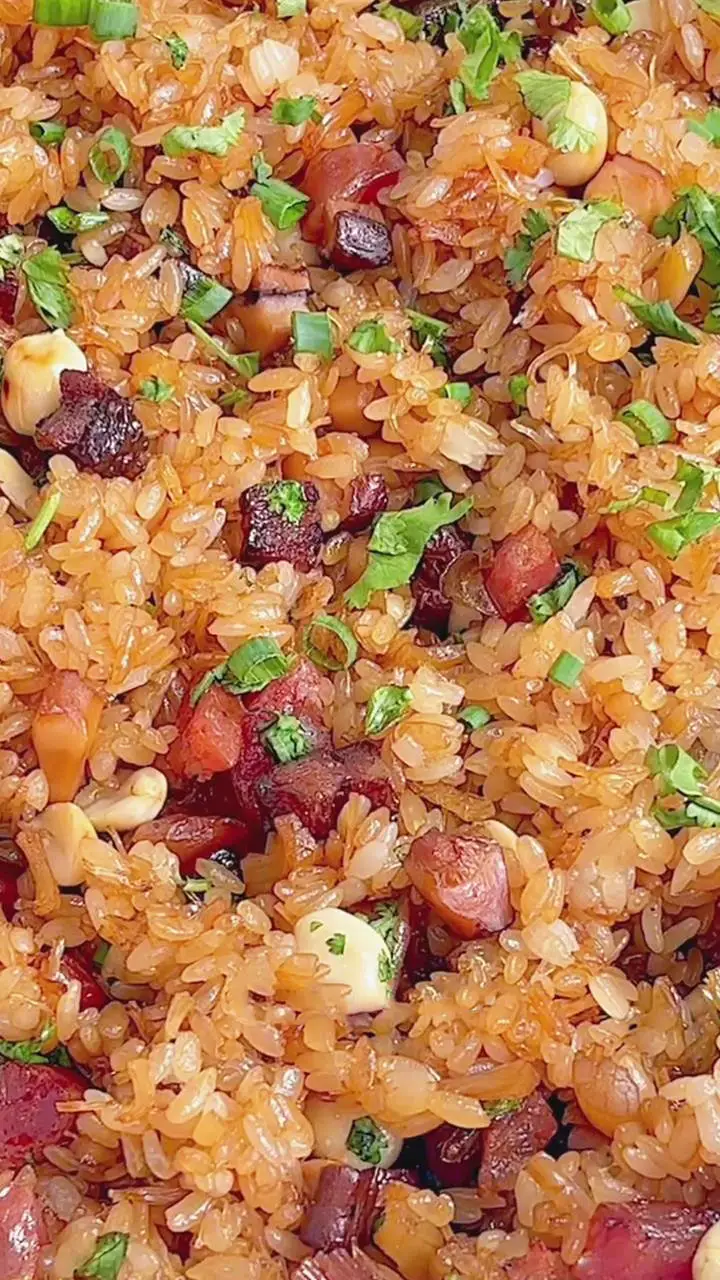
Yes, you can use sticky rice for fried rice, but the texture will be softer and more clumpy than fried rice made with regular long-grain rice. For the best result, chill the cooked rice, break it into small pieces, and fry it in small batches.
In American home kitchens, fried rice is a handy way to use leftover rice from dinner. You can make it with eggs, peas, carrots, green onions, chicken, or whatever you have in the fridge. But what if the rice in your fridge is sticky rice rather than the usual white rice? You do not need to throw it away. Sticky rice can go into a hot pan and turn into a tasty meal, though you need to handle it a little differently.
Sticky rice, also called glutinous rice, has a soft, chewy texture that makes the grains cling together. That texture is great for many Asian dishes, including steamed sticky rice and savory rice cooked with meat or mushrooms. It can also work for fried rice, but it will not give you the same loose, separate grains found in many Chinese-American takeout dishes. The trick is to manage moisture, use enough heat, and avoid stirring the rice too much.
Source: eatwhatweeat.com
What Makes Sticky Rice Different From Regular Rice?
Sticky rice differs from regular white rice mainly in its starch makeup and the texture it develops after cooking. Most rice contains two main starch components: amylose and amylopectin. Glutinous rice contains very little amylose and a high proportion of amylopectin, which helps its cooked grains cling together.
That difference matters when you fry rice. Regular long-grain rice tends to stay more separate when cooked and cooled. Sticky rice forms a more compact mass, so it can be harder to toss with eggs, vegetables, and sauce without breaking it into clumps.
The word glutinous can cause confusion. It refers to the rice’s glue-like texture, not to gluten. Plain glutinous rice is naturally gluten-free, although seasonings, sauces, and other ingredients added to a recipe may contain gluten.
Source: The Woks of Life
Sticky rice
Often used in East and Southeast Asian cooking, this short-grain or specially selected rice becomes soft, chewy, and highly cohesive after cooking.
Long-grain white rice
Usually produces a lighter texture with distinct grains, making it a common choice for classic fried rice.
Jasmine rice
This fragrant long-grain rice works well for fried rice when cooked and cooled properly, although its texture is naturally softer than some other long-grain types.
Medium-grain rice
Often falls between long-grain rice and sticky rice in texture. Depending on the variety and cooking method, the grains may cling together more than long-grain rice.
Is Sticky Rice the Same as Sushi Rice?
No. Sticky rice and sushi rice are different types of rice, even though both can cling together after cooking. Sticky rice, also called glutinous rice, is especially chewy and is commonly steamed for dishes that call for a compact texture.
Sushi rice is usually a Japanese short-grain rice with a different starch balance and texture. It is often seasoned with rice vinegar, sugar, and salt when used for sushi. You can fry leftover sushi rice, but the seasoning may affect the flavor of the finished dish.
Check the package label before cooking. Rice sold as sweet rice, glutinous rice, or sticky rice is generally intended to produce the very sticky texture described here.
Can You Use Sticky Rice for Fried Rice Without It Getting Mushy?
Yes, but you need to control the moisture and avoid crushing the grains. Sticky rice is naturally cohesive, so even well-prepared rice will remain more clumpy than regular fried rice. Your goal is to create small, well-seasoned pieces with some browned surfaces, not to force every grain to separate.
The biggest problem is usually excess water. Freshly cooked sticky rice can be moist and soft, and adding it straight to a crowded pan may make the dish heavy. Chilling it first helps the rice firm up and makes it easier to break into manageable pieces.
A wide skillet or wok also helps. When you add too much rice at once, the pan cools and moisture builds up. The rice then steams instead of frying. Cook smaller portions so the pan stays hot and the rice has room to make contact with the cooking surface.
Source: stretchrecipes.com
Start with cold rice
Refrigerated cooked sticky rice is usually firmer and easier to separate into chunks than warm, freshly cooked rice.
Break it up gently
Use clean hands, a fork, or a rice paddle to loosen the rice. Do not mash it into a smooth mass.
Keep the pan hot
Preheat the pan before adding the oil and rice. Use a heat level that browns the rice without burning the garlic or other aromatics.
Add sauce with care
Start with a small amount of soy sauce or another seasoning. Too much liquid can make the rice wetter and harder to fry.
What If You Only Have Freshly Cooked Sticky Rice?
You can still make fried rice, but the texture may be softer. Spread the cooked rice in a thin layer on a clean, shallow tray so excess steam can escape. Let it cool briefly, then refrigerate it in a shallow container if you are not cooking it right away.
Do not leave cooked rice at room temperature for hours while waiting for it to dry. Rice can contain spores of Bacillus cereus, a bacterium that may survive cooking. Under the right conditions, it can grow and produce toxins that reheating may not destroy.
If dinner needs to be ready now, use less sauce, fry the rice in small batches, and stir gently. The finished dish may be softer than restaurant-style fried rice, but it can still taste good.
How to Prepare Sticky Rice for Fried Rice
Good preparation makes sticky rice easier to fry. Start by checking how the rice was cooked and whether it contains added seasonings or other ingredients. Plain cooked sticky rice is the most flexible option because you can control the flavor of the finished dish.
If you are cooking sticky rice from scratch, follow the package instructions or use a method designed for glutinous rice. Many varieties are soaked before steaming. The exact soaking time and amount of water depend on the rice and cooking method, so do not assume that sticky rice needs the same water ratio as ordinary white rice.
Once cooked, let the rice release its steam and cool safely. A shallow container helps it cool faster than a deep bowl. If you plan to use it later, refrigerate it promptly rather than leaving it on the counter.
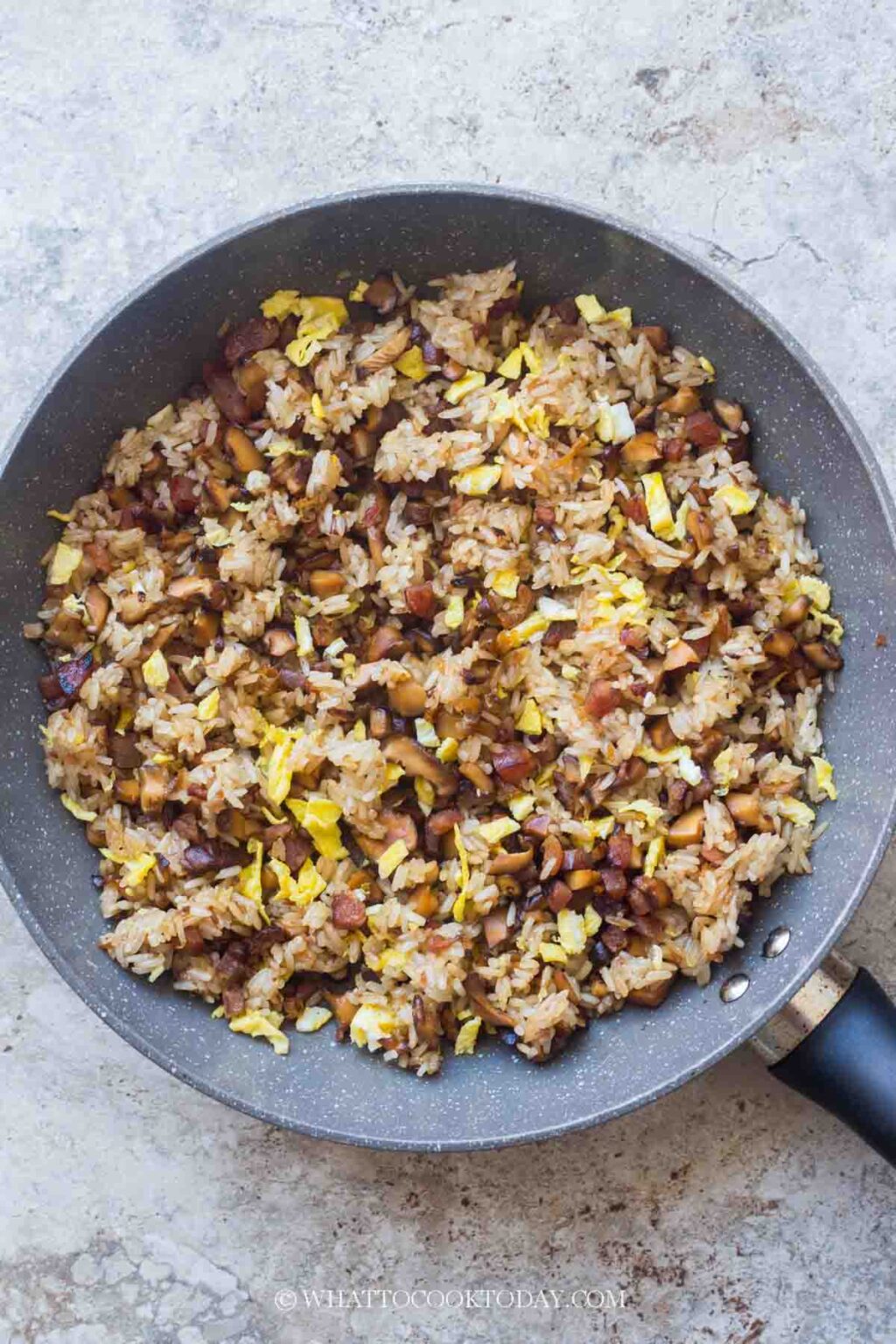
Source: whattocooktoday.com
Step 1: Cool the Cooked Rice
Spread the rice in a thin layer on a clean tray or shallow dish. This lets steam escape and helps the rice cool more evenly. Avoid pressing the rice down, since compacting it can make later separation harder.
For rice you will cook later, divide it into shallow portions and refrigerate promptly. Food safety guidance generally recommends refrigerating perishable cooked foods within two hours, or within one hour when the surrounding temperature is above 90°F. Follow stricter local guidance if applicable.
Best sign
The rice feels cool and firm enough to break into small pieces without smearing across your fingers.
Warning sign
The rice is wet, very soft, or releasing visible steam. Give it more time to cool safely before frying.
Step 2: Loosen the Rice
Remove the chilled rice from its container and break it into bite-size chunks. Sticky rice may stay in small clusters, and that is fine. You do not need to force every grain apart.
If the rice is packed into a hard block, let it sit briefly in the refrigerator-safe container while you prepare the other ingredients. Use a rice paddle or fork to loosen it gently. Avoid adding water to separate the grains, because that extra moisture works against a crisp fried texture.
Step 3: Prepare the Other Ingredients First
Cut vegetables into small, even pieces and have your sauce ready before you heat the pan. This matters because fried rice cooks quickly, especially when the pan is hot. Sticky rice is easier to manage when you do not have to stop frying to chop an onion or measure soy sauce.
Cook raw chicken, shrimp, pork, or other proteins fully before mixing them with the rice. You can cook them separately and return them to the pan near the end. This also helps prevent the pan from becoming overcrowded.
Vegetables
Peas, carrots, corn, bell peppers, and green onions can add color and texture. Cook watery vegetables enough to remove excess moisture.
Eggs
Scramble eggs in the pan and move them to a plate before frying the rice, or cook them in an open space in the pan.
Seasonings
Keep soy sauce, garlic, pepper, and sesame oil measured and ready. Use sesame oil mainly for flavor rather than as the sole frying oil.
Easy Sticky Rice Fried Rice Recipe
This simple recipe uses cooked sticky rice, eggs, vegetables, and soy sauce. It makes about two servings and is designed for a home skillet. The result will be chewy and somewhat clumpy rather than loose like classic takeout fried rice.
For the best texture, use cold sticky rice that has been stored safely in the refrigerator. If the rice already contains salt or other seasoning, taste it before adding more soy sauce. You can leave out the egg or use vegetables and protein that fit your needs.
Source: kitchenmisadventures.com
Cooked sticky rice
Use about 2 cups of cold, cooked glutinous rice, broken into small chunks.
Eggs
Use 2 large eggs, lightly beaten.
Vegetables
Use about 1 cup of mixed peas, carrots, corn, or finely chopped vegetables.
Cooking oil
Use 1 to 2 tablespoons of a neutral oil suitable for frying, such as canola or vegetable oil.
Flavorings
Prepare 1 to 2 teaspoons of soy sauce to start, 1 minced garlic clove, and sliced green onions to taste.
Optional protein
Add fully cooked chicken, shrimp, pork, or tofu if you want a more filling meal.
Cooking Instructions
1. Place a large skillet or wok over medium-high heat. Let it heat up before adding about half of the oil. The pan should be hot, but the oil should not smoke heavily.
2. Add the beaten eggs. Stir until just set, then transfer them to a clean plate. If you prefer, you can scramble the eggs in an open area of the pan later in the process.
3. Add the remaining oil, then the garlic and vegetables. Stir-fry until the garlic smells fragrant and the vegetables are hot and tender. If using raw protein, cook it thoroughly before proceeding, or use protein that has already been cooked and stored safely.
4. Add the cold sticky rice in small portions. Spread the chunks across the pan and let them sit briefly so some surfaces can brown. Turn the rice gently with a spatula rather than stirring it constantly.
5. Return the eggs to the pan. Add a little soy sauce and toss gently to spread the flavor. If the rice begins to look wet, stop adding sauce and give it more time over the heat.
6. Add green onions and any final seasoning. Check that the entire dish is steaming hot, then serve it right away.
Texture goal
Look for small, warm clusters with some browned surfaces. Sticky rice does not need to become fully separated to be ready.
Flavor goal
The dish should taste savory without being soaked in sauce. Add salt only after tasting, since soy sauce already adds salt.
How to Make the Recipe Taste Better
A small amount of garlic adds depth without overpowering the rice. Green onions give a fresh finish, while black pepper adds gentle heat. A few drops of toasted sesame oil can provide a nutty aroma after cooking.
For a more savory version, add cooked mushrooms, chopped chicken, or small pieces of cooked pork. Keep wet ingredients to a minimum, especially if the rice is already soft. If you want a crisp finish, cook the rice in batches rather than doubling the full recipe in the same pan.
Sticky Rice vs. Regular Rice for Fried Rice
The best rice depends on the texture you want. If you like chewy bites and compact clusters, sticky rice can be a good fit. If you want each grain to stay separate, regular long-grain rice is usually easier to work with.
Neither option is automatically better for every dish. A recipe for savory Chinese sticky rice may be designed around glutinous rice, while a classic egg fried rice recipe often relies on a less sticky variety. Choosing rice based on the intended dish helps you get a result that matches your expectations.
Source: kitchenmisadventures.com
Choose sticky rice when
You want a chewy, compact texture, have leftover glutinous rice, or are preparing a dish that traditionally uses sticky rice.
Choose long-grain rice when
You prefer loose grains, want to toss the rice freely with vegetables, or are making a familiar Chinese-American style of fried rice.
Choose jasmine rice when
You want fragrant rice with a soft bite and can cool it properly before frying.
Choose medium-grain rice when
You want grains that are somewhat tender and cohesive but do not necessarily want the very chewy texture of glutinous rice.
Can You Mix Sticky Rice With Regular Rice?
Yes. Mixing sticky rice with regular cooked rice can help balance chewiness and separation. The result depends on the varieties, how each rice was cooked, and the proportion used.
Start with equal amounts of cold sticky rice and cold long-grain rice if you want to compare the textures. Break up both types separately before combining them in the pan. If the sticky rice is much wetter than the regular rice, reduce the amount of sticky rice or give it more time to cool and firm up.
A blend is also a useful way to use up leftovers from different meals. Keep in mind that a blend will not necessarily produce the same texture as fried rice made entirely with long-grain rice.
Common Problems When Frying Sticky Rice
Sticky rice can turn out too soft, too clumpy, or too oily if the cooking method does not suit its texture. Most problems come from excess moisture, low heat, or adding too much rice at once. Check these factors before changing the recipe or adding more ingredients.
A useful rule is to change one thing at a time. If the rice is wet, reduce added liquid and cook a smaller batch. If it is dry and hard, check whether it was stored too long or needs a little more moisture before reheating. Adding water directly to the pan can make an already sticky dish even harder to fry.
Source: eatwhatweeat.com
Why Is My Sticky Fried Rice Mushy?
Mushy rice usually points to excess moisture or rice that was cooked very soft to begin with. Freshly cooked sticky rice can release steam into the pan, especially when the pan is crowded. Sauce, wet vegetables, or excess oil can also affect the final texture.
Spread the rice out and let some moisture evaporate while keeping the heat controlled. If the pan is packed full, transfer part of the rice to a plate and cook in two batches. Avoid pressing the rice flat or stirring it constantly, since that can crush the soft grains.
Likely cause
The rice was too wet, too warm, or crowded in the pan.
Best correction
Use cold rice, a wider pan, less sauce, and smaller batches next time.
Why Does the Rice Stick to the Pan?
Rice may stick because the pan was not hot enough, the surface is damaged, or there was too little oil for the cooking surface. Sticky rice also clings to itself, so a few clusters are normal even when the pan is working well.
Preheat the skillet, add a thin layer of oil, and give the rice a little time to brown before turning it. A well-maintained nonstick pan can make the task easier, while a properly heated wok or stainless steel skillet requires suitable heat and oil control.
Why Is My Fried Rice Too Greasy?
Too much oil can make sticky rice feel heavy rather than crisp. Because the rice forms clusters, oil may collect between the pieces instead of spreading evenly through the dish.
Start with a modest amount of oil and add a little more only if the pan becomes dry or the ingredients begin to stick. You can also cook eggs and vegetables separately so you do not need to add extra oil while mixing everything together.
Can You Make Sticky Fried Rice Crispy?
You can brown parts of sticky rice, but getting every grain crisp is difficult because the grains cling together. A hot pan, a thin layer of rice, and enough space for steam to escape will help develop browned surfaces.
For a more even crisp finish, use a wide skillet and fry a small amount at a time. Let the rice sit briefly against the pan before turning it. Do not expect the same loose, dry texture that you would get from properly prepared long-grain rice.
Food Safety Tips for Leftover Sticky Rice
Cooked sticky rice needs careful storage just like any other cooked rice. Rice may contain spores of Bacillus cereus that survive normal cooking. If cooked rice stays warm or at room temperature for too long, the bacteria can grow, and some toxins they produce may not be destroyed by reheating.
Refrigerate cooked rice promptly in shallow containers. As a general US food safety guideline, refrigerate perishable food within two hours, or within one hour when the temperature is above 90°F. Keep the refrigerator at 40°F or below and use refrigerated leftovers within a few days, following applicable food safety guidance.
When making fried rice, reheat the food until it reaches 165°F throughout. A food thermometer provides a more reliable check than judging by appearance alone. Do not use rice that has been left out for many hours just because it smells normal; harmful bacteria or toxins may not change its smell or appearance.
Source: kitchenmisadventures.com
Cool and store promptly
Use shallow containers and refrigerate cooked rice without unnecessary delay.
Keep it cold
Maintain a refrigerator temperature of 40°F or below.
Reheat thoroughly
Heat leftover fried rice to 165°F throughout before serving.
Discard unsafe leftovers
Throw away rice that has spent too long at room temperature or has an uncertain storage history.
Is Day-Old Rice Always Better for Fried Rice?
No. Day-old rice can be easier to fry because refrigeration firms the grains and reduces surface moisture. But rice does not become safe merely because it has been chilled overnight, and fresh rice is not automatically unsafe.
The key factors are how quickly the rice was cooled, how it was stored, and whether it was reheated properly. Rice cooked earlier in the day can work well if it was cooled and refrigerated safely. Rice left on the counter overnight should be discarded rather than fried.
If you prepare rice ahead of time, portion it into shallow containers and refrigerate it promptly. This gives you a convenient base for a quick meal without relying on unsafe storage practices.
When Sticky Rice Is the Right Choice for Fried Rice
Sticky rice is a sensible choice when you already have cooked glutinous rice and want to turn it into a warm, savory meal. It also suits recipes that are meant to be chewy and compact rather than light and grainy. Eggs, mushrooms, scallions, peas, and small pieces of cooked meat can all work with its texture.
Regular long-grain rice is a better starting point when your goal is restaurant-style fried rice with separate grains. It is easier to toss with sauce and vegetables without forming dense clusters. Jasmine rice is another practical option when you want fragrance and a soft but less cohesive texture.
Do not judge sticky rice by whether it behaves like another variety. Its natural texture is the main difference, not a sign that you have made the recipe incorrectly. Once you accept that difference, it becomes easier to season and cook it well.
Source: The Woks of Life
For a quick leftover meal
Use cold sticky rice, eggs, a small amount of soy sauce, and vegetables that are already cooked or quick to fry.
For a chewy, savory dish
Pair the rice with mushrooms, garlic, green onions, and cooked protein.
For classic loose-grain fried rice
Choose cooked and cooled long-grain rice or jasmine rice instead.
Frequently Asked Questions
Q
Can you use sticky rice for fried rice the next day?
Yes, provided the rice was cooled and refrigerated promptly after cooking. Cold sticky rice is often easier to handle because it becomes firmer. Break it into small pieces before frying, and reheat the finished dish thoroughly to 165°F.
Q
Can you fry sticky rice without cooking it first?
No, not in the same way you fry cooked rice. Ordinary fried rice recipes start with cooked rice. Raw glutinous rice needs to be cooked using an appropriate method before you stir-fry it with vegetables, eggs, or sauce.
Q
Can you use sweet rice for fried rice?
Yes. Sweet rice is another common name for glutinous rice, which is also called sticky rice. It will have a chewy, clumping texture after cooking, so use cold rice and fry it in small batches.
Q
Can you use sticky rice for chicken fried rice?
Yes. Use fully cooked chicken and cold sticky rice. Fry the vegetables first, add the rice, then mix in the chicken and seasonings. Make sure the finished dish is hot throughout, and do not use chicken or rice that has been stored unsafely.
Q
How do you make sticky rice less sticky before frying?
Cool the cooked rice, refrigerate it promptly, and loosen it gently before frying. Use a fork or rice paddle to break large clumps into smaller pieces. Avoid rinsing cooked rice or adding water to separate the grains, since that can increase surface moisture.
Q
Is sticky rice fried rice gluten-free?
Plain glutinous rice is naturally gluten-free despite its name. However, the full dish is only gluten-free if the sauces, seasonings, and other ingredients are also suitable. Regular soy sauce often contains wheat, so choose a verified gluten-free alternative if needed.
✦ Wrapping Up
Conclusion
You can use sticky rice for fried rice, and it can make a filling meal with a pleasant chewy texture. It will not behave exactly like regular white rice because its high amylopectin content makes the cooked grains cling together. That difference is normal, so aim for small clusters and browned surfaces rather than perfectly separate grains.
For the best result, start with cold, safely stored rice, loosen it gently, and fry it in a hot pan with a little oil. Add vegetables, eggs, and cooked protein as desired, but keep extra liquid to a minimum. If you want a classic loose-grain texture, use long-grain white rice or jasmine rice instead.
💡 Key Takeaway
Check your leftover sticky rice first. If it was cooled and refrigerated safely, break it into small chunks and make a small batch with eggs, vegetables, garlic, and a little soy sauce. Keep the pan hot, avoid excess liquid, and enjoy the chewy texture.