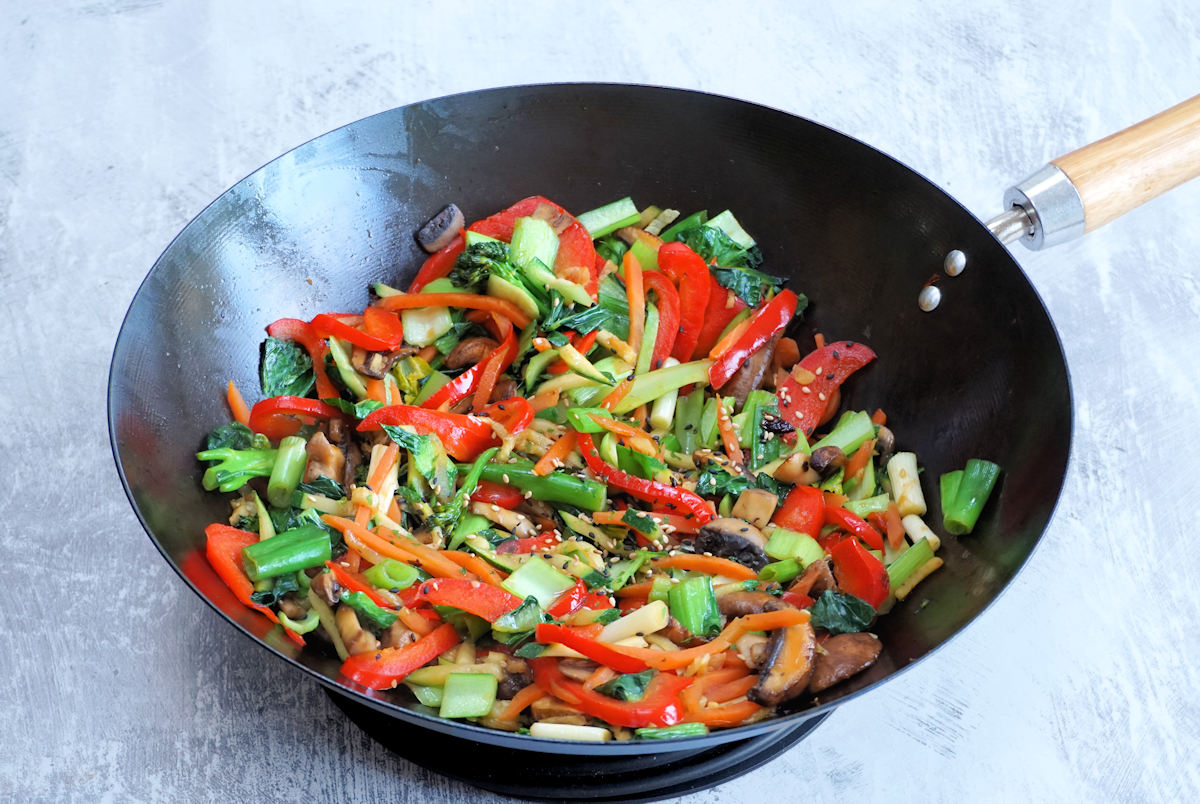
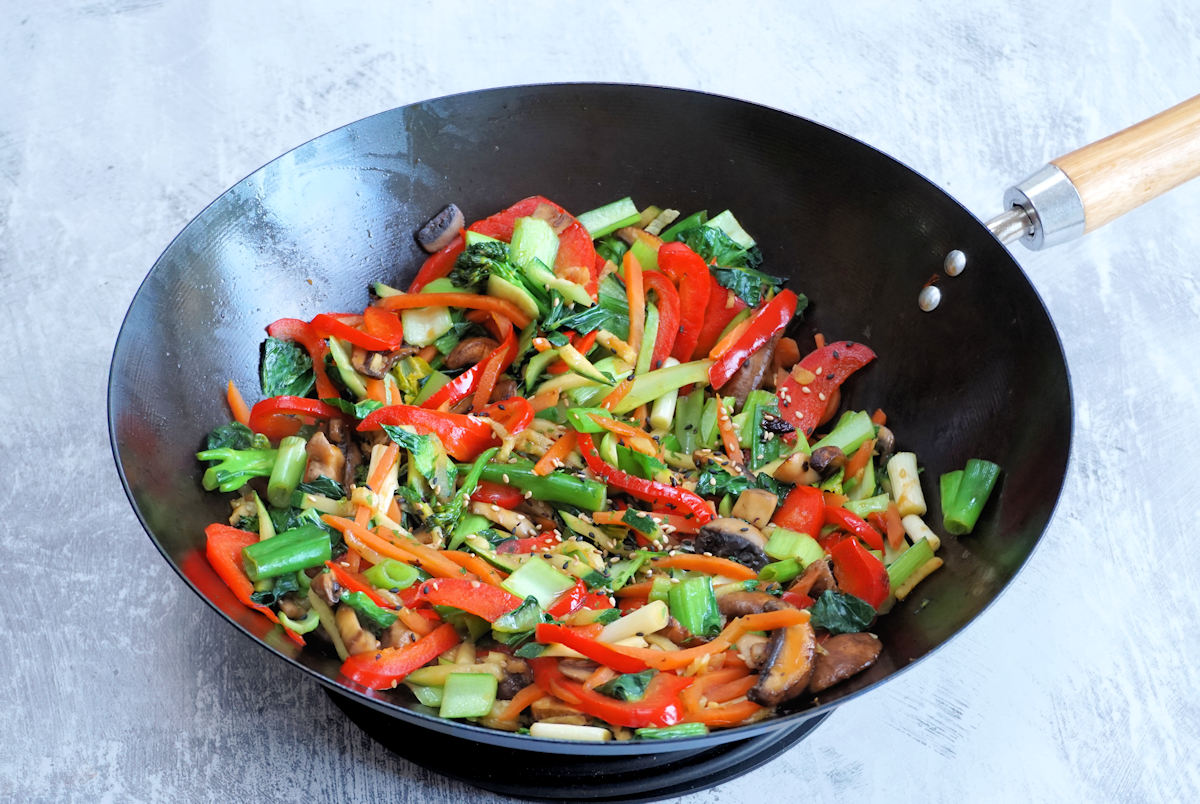
Cooking with a wok recipes is a simple way to make quick meals with meat, seafood, vegetables, rice, and noodles. Cut the food into small pieces, heat the wok, cook each ingredient in the right order, and add sauce near the end. A hot wok helps food brown while keeping vegetables crisp.
In American home kitchens, a wok can do much more than make takeout-style stir-fry. You can use it for weeknight chicken, beef and broccoli, shrimp, fried rice, lo mein, and simple vegetable dishes. It also works for steaming and shallow frying when you use the right setup.
The main trick is to prepare everything before the heat goes on. Chop the vegetables, slice the meat, mix the sauce, and cook rice ahead of time if needed. Stir-frying moves fast, so a little prep can save dinner from turning into a rushed mess.
You do not need a restaurant burner to make good food in a wok. A standard home stove can work well if you avoid crowding the pan and cook in small batches. This guide covers easy wok recipes, simple sauces, cooking times, and common mistakes that can affect the result.
A wok has a deep bowl shape that gives you room to toss food while keeping it close to the hot cooking surface. Its sloped sides also make it easy to move cooked food away from the center as you add the next ingredient. This shape suits dishes that need quick cooking and frequent stirring.
The wide cooking area is useful for small pieces of meat, thin strips of vegetables, and noodles. When the wok is hot and the food is not crowded, moisture can escape and the ingredients can brown. That helps create the savory flavor many people enjoy in stir-fried meals.
A wok is not limited to Asian-style dishes. You can cook breakfast hash, sauté greens, brown ground meat, or warm cooked vegetables in it. Still, a wok is most useful when you want quick cooking, easy tossing, and a mix of ingredients in one pan.
Source: cookingchew.com
Quick meals
Small pieces of food cook fast, making wok dishes useful for busy weeknights.
Flexible ingredients
Use chicken, beef, shrimp, tofu, eggs, mushrooms, cabbage, peppers, or other foods you have on hand.
Easy sauce control
Add a small amount of sauce near the end to coat the food without making the dish too wet.
What Type of Wok Should You Use?
A carbon steel wok is a common choice for stir-frying because it heats quickly and can develop a seasoned surface. Cast iron holds heat well but can be heavy. Stainless steel does not need seasoning, though food may stick more readily if the pan is not heated and oiled correctly.
Flat-bottom woks often sit more steadily on standard American electric and gas ranges. A round-bottom wok usually needs a suitable wok ring or burner. Check the pan maker’s directions and your stove’s limits before buying or using one.
Carbon steel
A good option for frequent stir-frying. Many models need seasoning and should be dried after washing.
Stainless steel
Useful if you prefer a surface that does not require seasoning. Preheating and careful oil use help reduce sticking.
Nonstick
Convenient for delicate foods and easier cleanup, but it should not be overheated. Follow the maker’s temperature limits.
How to Prepare for Wok Cooking
The best wok meals start before the pan gets hot. Stir-frying leaves little time to peel garlic, measure soy sauce, or cut a carrot while other ingredients cook. Prepare each ingredient first and place it in a separate bowl or on a clean plate.
Cut food into pieces of a similar size so it cooks at a similar rate. Slice meat thinly across the grain when possible. Cut firm vegetables, such as carrots, into thinner strips than softer foods, such as mushrooms or zucchini.
Keep your cooking area clear and use a heat-safe spatula or wok turner. A wok can become very hot, and oil may splatter when wet food hits the pan. Pat ingredients dry and keep your hands away from rising steam.
Source: bacinos.com
Prepare the sauce
Mix the liquids, seasonings, and any starch in a small bowl before cooking.
Dry the ingredients
Excess water can cool the pan and cause steaming instead of browning.
Cook rice ahead
Chilled, safely stored rice is easier to separate for fried rice than freshly cooked rice.
Use small batches
Cook meat and vegetables in separate batches if the wok is not large enough to leave open space.
How Hot Should a Wok Be?
For many stir-fries, heat the wok until it is hot before adding an oil suited to the cooking temperature. The exact heat setting depends on the stove, pan, and oil. A home burner may not reach the intense heat used in restaurant kitchens, so work with the heat your stove can safely provide.
Add the food when the oil is hot but not smoking heavily. If the oil smokes at once, lower the heat and let the pan cool a little. Never leave a hot wok unattended, and never pour water onto burning oil.
Good sign
Food sizzles when it enters the pan, and small pieces begin to brown.
Pan too cool
Food releases lots of liquid and sits in a puddle instead of browning.
Pan too hot
Garlic, sauce, or thin food burns before the other ingredients finish cooking.
Easy Chicken Stir-Fry Recipe
Chicken stir-fry is a useful first wok recipe because it takes simple ingredients and pairs well with rice or noodles. Boneless chicken breast or thighs both work. Breast meat is leaner, while thighs are often more forgiving if they cook a little longer.
1 pound boneless chicken, thinly sliced; 1 bell pepper, sliced; 1 cup broccoli florets; 1 medium carrot, thinly sliced; 2 garlic cloves, minced; 1 tablespoon grated ginger; 2 tablespoons soy sauce; 1 tablespoon oyster sauce if desired; 1 teaspoon cornstarch; 3 tablespoons water; 1 to 2 tablespoons cooking oil.
Make the sauce
Mix the soy sauce, optional oyster sauce, cornstarch, and water until smooth. Set the bowl near the stove.
Cook the chicken
Heat the wok and add a little oil. Add the chicken in a single layer, in batches if needed, and stir until browned and cooked through. Check the thickest pieces with a thermometer.
Cook the vegetables
Transfer the chicken to a clean plate. Add a little more oil if needed, then cook the carrot and broccoli first. Add the bell pepper, garlic, and ginger after the firmer vegetables begin to soften.
Finish the dish
Return the cooked chicken to the wok. Stir the sauce again, pour it in, and toss until it thickens and coats the food. Serve at once over cooked rice.
How to Keep Chicken Stir-Fry Tender
Slice the chicken into thin, even pieces and avoid cooking too much at once. A crowded wok traps moisture and makes browning harder. If the chicken releases a lot of liquid, remove it, let the pan heat again, and cook the next batch.
Do not rely on color alone to decide whether chicken is safe to eat. The center must reach 165°F. Once cooked, use a clean plate rather than the plate that held raw chicken.
For more flavor
Let the sliced chicken sit briefly in a small amount of soy sauce and ginger before cooking, then drain off excess liquid.
For a thicker sauce
Mix the cornstarch well before pouring the sauce into the hot wok.
Beef and Broccoli in a Wok
Beef and broccoli is a classic takeout-style meal that is easy to make at home. Thin slices of flank steak, sirloin, or another tender cut work well. Slice across the grain to shorten the muscle fibers and make each bite easier to chew.
The main challenge is balancing browned beef with broccoli that is tender but not mushy. Cook the beef in batches, soften the broccoli with a small splash of water if needed, and add the sauce at the end.
Source: foodiosity.com
Ingredients
1 pound thinly sliced beef; 3 cups broccoli florets; 2 garlic cloves, minced; 1 teaspoon grated ginger; 3 tablespoons soy sauce; 1 tablespoon oyster sauce if desired; 1 teaspoon cornstarch; 1/3 cup water or low-sodium broth; 1 tablespoon cooking oil.
Step 1: Mix the sauce
Whisk the soy sauce, optional oyster sauce, cornstarch, and water or broth in a small bowl.
Step 2: Brown the beef
Heat the wok, add oil, and cook the beef in a single layer. Work in batches so the slices brown instead of stew.
Step 3: Cook the broccoli
Move the beef to a clean plate. Stir-fry the broccoli for a few minutes, adding a small splash of water and briefly covering the pan if needed to help it soften.
Step 4: Combine
Add garlic and ginger, return the beef, and pour in the sauce. Toss until the sauce thickens and the beef and broccoli are coated.
What Makes Beef Tough?
Thick slices, a cut that needs longer cooking, and overcooking can all lead to tough beef. Thin slices across the grain are usually a better fit for quick stir-frying than large chunks. If you use a tougher cut, choose a cooking method that gives it enough time to soften.
A small amount of cornstarch in the sauce helps create a glossy coating, but it cannot turn every tough cut into tender beef. The choice of meat and the way you slice it still matter.
Serve with
Steamed rice, brown rice, or noodles can turn the dish into a full meal.
Garlic Shrimp and Vegetable Stir-Fry
Shrimp cooks quickly, which makes it a good fit for a hot wok. It pairs well with snap peas, bell peppers, broccoli, zucchini, and mushrooms. The key is to cook the vegetables first and add the shrimp when the vegetables are nearly done.
Use peeled and deveined shrimp to save prep time. Fresh or thawed frozen shrimp can work, but drain them well and pat them dry before cooking. Excess water may lower the pan temperature and create a watery sauce.
Source: www.epicurious.com
Ingredients
1 pound peeled and deveined shrimp; 2 cups mixed vegetables; 3 garlic cloves, minced; 2 tablespoons soy sauce; 1 tablespoon lemon juice; 1 teaspoon honey if desired; 1 tablespoon cooking oil; black pepper to taste.
Step 1: Cook the vegetables
Heat the wok and add oil. Stir-fry firm vegetables first, then add softer vegetables and cook until nearly tender.
Step 2: Add garlic
Move the vegetables toward the sides and stir the garlic briefly in the center. Do not let it burn.
Step 3: Add the shrimp
Add the shrimp and stir often until they turn pearly and opaque. Check that they reach 145°F for food safety.
Step 4: Add the sauce
Pour in the soy sauce, lemon juice, and optional honey. Toss for a short time, then serve while the shrimp remain tender.
How to Avoid Rubbery Shrimp
Shrimp can turn firm and rubbery when cooked too long. Keep the pieces in a single layer when possible and remove them from the heat as soon as they are cooked through. Large shrimp may need longer than small shrimp, so use their size and safe temperature as your guide.
If your vegetables need much more time than the shrimp, cook them first. This simple order helps both parts finish at the right time.
Good pairings
Serve with jasmine rice, brown rice, or thin rice noodles.
Easy Vegetable Stir-Fry
A vegetable stir-fry is one of the easiest ways to use a wok and clear out the produce drawer. Broccoli, carrots, cabbage, bell peppers, mushrooms, snap peas, and zucchini all work well. Pick a mix of firm and soft vegetables for different textures.
For a simple vegetarian meal, use soy sauce, garlic, ginger, and a small amount of vegetable broth. Add tofu, cashews, or edamame if you want more protein. Check sauce labels if you need the meal to be vegetarian or vegan, since some stir-fry sauces contain oyster sauce or other animal ingredients.
Source: www.pinterest.com
Ingredients
4 cups mixed vegetables; 2 garlic cloves, minced; 1 teaspoon grated ginger; 2 tablespoons soy sauce; 2 tablespoons water or vegetable broth; 1 teaspoon cornstarch if a thicker sauce is desired; 1 tablespoon cooking oil.
Step 1: Cut the vegetables
Slice carrots and other firm vegetables thinly. Keep broccoli florets small and cut mushrooms or zucchini into bite-size pieces.
Step 2: Heat the wok
Add the oil to the hot wok. Start with carrots and broccoli, then add peppers, cabbage, mushrooms, or other vegetables that cook faster.
Step 3: Season
Add garlic and ginger near the end of the vegetable cooking stage to reduce the risk of burning.
Step 4: Finish
Mix the soy sauce, water or broth, and optional cornstarch. Add the mixture and toss until the vegetables are coated and reach your preferred texture.
How to Keep Vegetables Crisp
Do not add all the vegetables at once if they have very different cooking times. Carrots and broccoli need more time than thin cabbage or zucchini. Adding them in stages helps prevent soft vegetables from becoming mushy while firm ones remain hard.
Avoid adding too much water. A small splash can help steam dense vegetables, but a large amount can leave the finished dish wet. If the wok fills with liquid, cook in smaller batches next time and let moisture escape.
For extra crunch
Add bean sprouts, thin cabbage, or sliced scallions near the end of cooking.
For more substance
Add cooked tofu, edamame, or cashews, taking care not to crowd the wok.
Wok Fried Rice With Leftover Rice
Fried rice is a practical way to use leftover rice, eggs, and small amounts of meat or vegetables. Cold rice often separates more easily than fresh rice because it has had time to firm up. However, rice must be cooled and stored safely, not left at room temperature for long periods.
For the best texture, break up large clumps before adding the rice to the wok. Cook the egg and vegetables first, then add the rice and seasonings. Keep the rice moving so the grains heat evenly and do not stick in one large layer.
Heat the wok with a little oil. Scramble the eggs until cooked, then move them to a clean plate.
Step 2: Cook the vegetables
Add the mixed vegetables and stir-fry until nearly tender. If using raw carrots, cut them small so they cook in time.
Step 3: Add the rice
Add the chilled rice and break apart clumps with the spatula. Stir-fry until the rice is hot throughout.
Step 4: Season and serve
Return the eggs to the wok, add soy sauce and scallions, and toss well. Add a small amount of sesame oil if desired and serve promptly.
Can You Use Freshly Cooked Rice?
Yes, but fresh rice tends to be softer and wetter, so the grains may clump. If you need to use fresh rice, spread it in a shallow layer to help steam escape before stir-frying. Do not leave cooked rice out for hours to dry.
For food safety, refrigerate cooked rice within two hours, or within one hour when the surrounding temperature is above 90°F. Keep it cold until you are ready to cook, and reheat leftovers to 165°F. Discard rice that has been left out too long rather than trying to make it safe by frying.
Easy additions
Use cooked chicken, small shrimp, peas, diced carrots, corn, or chopped cabbage.
Easy Wok Noodles
Wok noodles make a filling meal with very little fuss. You can use lo mein noodles, egg noodles, rice noodles, or another noodle that suits the recipe. Cook them according to the package directions, drain them well, and avoid overcooking them before they enter the wok.
A basic noodle stir-fry needs noodles, vegetables, a sauce, and an optional protein. Chicken, shrimp, tofu, or thinly sliced beef can all work. If you use dried rice noodles, soak or boil them as directed on the package so they remain firm enough to toss.
Source: www.pinterest.com
Ingredients
8 ounces noodles; 2 cups sliced vegetables; 2 tablespoons soy sauce; 1 tablespoon oyster sauce if desired; 1 teaspoon sugar or honey if desired; 2 garlic cloves, minced; 1 tablespoon cooking oil; optional cooked chicken, shrimp, or tofu.
Step 1: Cook the noodles
Prepare the noodles according to the package instructions. Drain well and set aside.
Step 2: Stir-fry the vegetables
Heat the wok, add oil, and cook the firm vegetables first. Add garlic near the end so it does not burn.
Step 3: Add noodles and sauce
Add the noodles and sauce. Toss with two spatulas or a wok turner until the noodles are coated and hot.
Step 4: Add protein
Stir in fully cooked chicken, shrimp, beef, or tofu. If using raw meat or seafood, cook it safely before combining it with the noodles.
How to Stop Noodles From Sticking
Noodles can stick when they are overcooked, poorly drained, or left sitting in a clump. Follow the package directions and separate them gently before adding them to the wok. A small amount of oil can help, but too much oil may prevent the sauce from coating the noodles well.
If the wok looks crowded, cook the vegetables and noodles in batches. Toss the final mixture together at the end, adding only enough sauce to coat the food.
For a lighter sauce
Use soy sauce, a splash of broth, ginger, and garlic.
For a richer sauce
Add a little oyster sauce if it suits your diet and the dish.
Three Simple Wok Sauces to Keep on Hand
A good sauce adds flavor without drowning the food. You can make several useful versions with common grocery store ingredients. Mix each sauce before cooking and taste it when safe to do so, adjusting the balance to suit your dish.
Soy sauce adds salt and savory flavor, while ginger and garlic bring aroma. A small amount of sugar, honey, or another sweet ingredient can balance salty flavors. Cornstarch helps thicken a sauce, but it must be mixed with cool liquid first to avoid lumps.
Source: recipes.net
Basic savory sauce
Mix 2 tablespoons soy sauce, 2 tablespoons water or broth, 1 teaspoon cornstarch, and 1 minced garlic clove. Use it for chicken, beef, tofu, or vegetables.
Sweet and tangy sauce
Mix 2 tablespoons soy sauce, 1 tablespoon rice vinegar, 1 teaspoon honey, and 2 tablespoons water. Adjust the honey or vinegar to suit the meal.
Ginger sesame sauce
Mix 2 tablespoons soy sauce, 1 teaspoon grated ginger, 1 teaspoon sesame oil, and 2 tablespoons broth. Add the sesame oil near the end for aroma.
How Much Sauce Should You Use?
Start with a modest amount and add more only if the food needs it. Too much sauce can collect at the bottom and soften crisp vegetables. The right amount depends on the number of servings, the water released by the ingredients, and whether the dish includes rice or noodles.
For a thicker finish, stir a small amount of cornstarch into cool liquid before adding it. Let the sauce bubble briefly while tossing the food, then remove the wok from the heat once the sauce coats the ingredients.
Too salty
Add unsalted broth or water, more vegetables, or unsalted cooked rice to balance the dish.
Too thin
Let excess liquid cook off or add a small, separately mixed cornstarch slurry.
Too sweet
Add a little vinegar or unsalted liquid, then taste and adjust.
How to Adapt Wok Recipes to Your Kitchen
You can make most wok recipes with ingredients from a typical American grocery store. There is no need to buy every sauce or vegetable at once. Start with a few basics, then add new ingredients as you learn which flavors you enjoy.
The cooking order matters more than using a long list of special ingredients. Cook items that need the most time first, remove them if needed, and add quick-cooking foods later. Combine everything at the end so each part keeps as much of its intended texture as possible.
Source: gypsyplate.com
For a low-sodium meal
Choose reduced-sodium soy sauce, use less of it, and add flavor with ginger, garlic, citrus, or rice vinegar.
For a meat-free meal
Use tofu, edamame, mushrooms, or extra vegetables. Check sauces for fish or shellfish ingredients.
For a gluten-free meal
Use a suitable gluten-free soy sauce or tamari and check every packaged sauce for wheat or other gluten sources.
For a budget meal
Use seasonal vegetables, frozen mixed vegetables, leftover cooked protein, and rice or noodles.
For more heat
Add chili flakes, fresh chili, or a little chili sauce, starting with a small amount.
Can You Cook With a Wok on an Electric Stove?
Yes. A flat-bottom wok is often easier to use on a standard electric range because it makes better contact with the cooking surface. Heat response may be slower than on some gas burners, so allow the pan to heat fully and avoid adding a large pile of cold ingredients at once.
An induction stove needs cookware that works with induction. Check the wok maker’s specifications before using it. A round-bottom wok may be unstable on a flat cooktop and should not be used without a suitable, approved setup.
Best adjustment
Use smaller batches, let the wok recover its heat between batches, and avoid pouring in large amounts of cold sauce.
Can You Use Frozen Vegetables?
Frozen vegetables can work well in wok recipes, especially when convenience matters. They may release more water than fresh vegetables, so thaw and drain them when practical. Pat them dry before cooking and use small batches.
Some vegetables are blanched before freezing, so they may need less time in the wok. Watch their texture and add them at a stage that prevents them from turning soft.
Easy choices
Frozen broccoli, peas, carrots, green beans, and mixed stir-fry vegetables can all be useful.
Common Wok Cooking Mistakes and Fixes
Most wok problems come from excess moisture, an overloaded pan, or the wrong cooking order. A few small changes can make a noticeable difference. Check the food as it cooks rather than relying on a fixed time for every stove and pan.
If your first stir-fry is not as crisp or browned as you hoped, you may not need a new wok. Try cooking smaller batches, drying the ingredients, and giving the pan time to heat before adding food.
Source: bacinos.com
The food turns soggy
The wok may be crowded or the ingredients too wet. Cook in batches, drain thawed vegetables, and allow steam to escape.
The garlic burns
Garlic may have gone in too early or the pan may be too hot. Add it after firm vegetables begin to soften and stir it briefly.
The sauce tastes too strong
Soy sauce and bottled sauces can be salty. Use less sauce at first and dilute it with unsalted broth or water if needed.
The meat stays pale
Too much meat in the wok can lower the heat. Brown the meat in separate batches and avoid stirring it constantly during the first moments of cooking.
The vegetables cook unevenly
Cut them to suitable sizes and add firm vegetables before softer ones. Add a little water only when a brief steam is useful.
The food sticks
The pan may not be ready, the surface may need proper care, or the food may be moved too soon. Follow the care guidance for your wok and use enough suitable oil.
How to Clean and Care for a Wok
Cleaning depends on the wok material. For seasoned carbon steel, wash away food residue according to the maker’s directions, dry the pan fully, and apply a very thin coat of oil if recommended. Leaving water on the surface can cause rust.
Stainless steel and many nonstick woks have different care needs. Avoid harsh tools or cleaners that could damage the surface, and do not plunge a very hot pan into cold water. Let the wok cool enough to handle safely before washing.
After cooking
Remove food, clean the surface, and dry the wok as directed for its material.
Before storing
Make sure the wok is dry and store it where the cooking surface will not be scratched.
Food Safety Tips for Wok Recipes
High heat does not remove the need for safe food handling. Keep raw chicken, beef, seafood, and their juices away from cooked food and ready-to-eat ingredients. Wash your hands, utensils, and cutting boards after handling raw meat or seafood.
Use a food thermometer rather than judging safety by appearance alone. Chicken should reach 165°F, ground beef should reach 160°F, and whole cuts of beef should reach at least 145°F followed by a three-minute rest. Fish and shrimp should reach 145°F.
Cooked rice needs care, too. Refrigerate it promptly in shallow containers and do not leave it sitting on the counter while you prepare other ingredients. Reheat leftovers to 165°F and discard food that has been held at unsafe temperatures for too long.
Source: cookingchew.com
Avoid cross-contamination
Use separate plates and utensils for raw and cooked ingredients.
Keep oil under control
Use an oil suited to the cooking temperature, keep the pan attended, and move flammable items away from the burner.
Handle leftovers safely
Refrigerate perishable leftovers within two hours, or within one hour above 90°F, and use shallow containers to help them cool.
What to Do if Oil Catches Fire
Never pour water on a grease fire. If a small pan fire occurs and it is safe to act, turn off the heat and cover the pan with a metal lid or suitable fire blanket. Do not move the burning pan.
If the fire does not go out quickly, or you feel unsafe, leave the area and call emergency services. Keep a suitable kitchen fire extinguisher accessible, and learn how to use it before an emergency.
Prevention
Do not fill the wok with too much oil, leave hot oil unattended, or allow loose sleeves and towels near the burner.
A Simple Plan for Your First Week of Wok Cooking
The easiest way to learn wok cooking is to repeat a few basic methods before trying complex dishes. Start with vegetables, then add a simple protein, and move on to rice and noodles. This lets you learn how your pan and stove respond to heat.
You can also use the same ingredients in more than one meal. A bag of broccoli, a few carrots, rice, garlic, ginger, and soy sauce can form the base for several dishes. Change the protein or sauce to make each meal taste different.
Source: www.pinterest.com
Meal 1: Vegetable stir-fry
Practice cutting vegetables evenly and adding them in stages.
Meal 2: Chicken stir-fry
Learn to brown meat in batches and check its internal temperature.
Meal 3: Beef and broccoli
Practice slicing meat across the grain and thickening a sauce.
Meal 4: Fried rice
Use safely chilled rice and learn how to separate clumps without crushing the grains.
Meal 5: Wok noodles
Work on tossing cooked noodles with vegetables and just enough sauce.
What to Buy First
A small starter set is enough for most basic recipes. Choose a wok suited to your stove, a heat-safe turner, a cutting board, a sharp knife, a small mixing bowl, and a food thermometer. Add sauces and spices as your recipes call for them.
Start with neutral cooking oil, soy sauce, garlic, ginger, rice, noodles, and two or three vegetables you enjoy. This keeps costs down and reduces the chance of buying ingredients that sit unused in the pantry.
Broccoli, carrots, cabbage, bell peppers, scallions, chicken, tofu, or shrimp.
Frequently Asked Questions
Q
What are the easiest recipes to cook in a wok?
Vegetable stir-fry, chicken stir-fry, beef and broccoli, shrimp stir-fry, fried rice, and wok noodles are good places to start. They use common ingredients and simple cooking steps. Begin with a recipe that has a short ingredient list, then change the vegetables or sauce as you gain confidence.
Q
Do I need a special burner to cook with a wok?
No. Many wok recipes work on a standard home stove. A flat-bottom wok is often easier to use on a flat electric or induction cooktop, while a round-bottom wok may need a suitable burner or ring. Use cookware designed for your stove and avoid setups that make the pan unstable.
Q
What oil is best for wok cooking?
Choose a cooking oil that can handle the temperature you plan to use. Canola, peanut, and some refined vegetable oils are common choices for stir-frying. Check the label and avoid letting oil smoke heavily. Sesame oil is often better used in small amounts near the end for flavor rather than as the main high-heat oil.
Q
Can I make healthy meals in a wok?
Yes. Use plenty of vegetables, lean protein or tofu, and a moderate amount of oil. Flavor the meal with garlic, ginger, citrus, and herbs, and control the amount of salty sauce. Serve it with rice or another grain in a portion that fits your needs.
Q
Why does my wok stir-fry turn watery?
A watery stir-fry often means the wok is crowded, the ingredients are wet, or the heat is too low for the amount of food. Dry the ingredients, cook in smaller batches, and add sauce near the end. If a large amount of liquid collects, let some of it cook off before adding more sauce.
Q
Can I cook raw meat and vegetables together in a wok?
It is usually easier to cook raw meat first, transfer it to a clean plate, and cook the vegetables separately. Return the meat at the end and finish the dish. This improves control over texture and helps prevent cross-contamination. Make sure each type of meat reaches its safe internal temperature.
Q
How do I store leftover wok meals?
Place leftovers in shallow containers and refrigerate them within two hours, or within one hour when the temperature is above 90°F. Keep the refrigerator at 40°F or below and use refrigerated leftovers within three to four days. Reheat them to 165°F before eating, and discard food that was stored unsafely.
✦ Wrapping Up
Conclusion
Cooking with a wok recipes can make everyday meals easier, from crisp vegetable stir-fry to chicken, beef, shrimp, rice, and noodles. The key is to prepare your ingredients first, heat the pan properly, and cook in batches when needed. You can make tasty meals with simple grocery store ingredients and a few basic sauces.
Start with one recipe and learn how your wok responds to heat. Keep the vegetables in stages, cook meat to safe temperatures, and add sauce near the end. Once the method feels natural, you can swap ingredients and create many new meals without learning a whole new recipe each time.
💡 Key Takeaway
For your first wok meal, make chicken and vegetable stir-fry with rice. Cut everything before heating the pan, mix a simple soy and garlic sauce, cook the chicken in batches, and add the vegetables in order of firmness. Keep the heat under control and serve the meal as soon as the sauce coats the food.