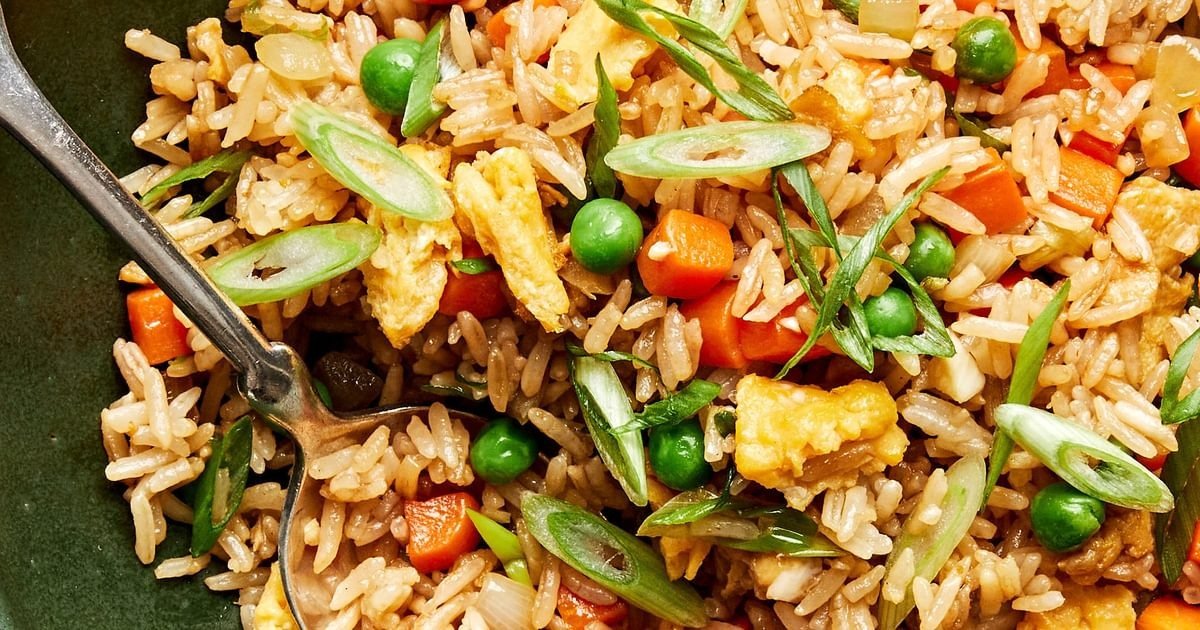
Mix garlic powder, ground ginger, white pepper, black pepper, and a little sugar for a simple fried rice spice blend. Add soy sauce while cooking for a savory taste, then adjust the salt to suit your rice and other ingredients.
A good fried rice spices recipe can turn a bowl of plain rice into a tasty meal with little work. In American home kitchens, fried rice is a handy way to use leftover rice, eggs, frozen vegetables, and cooked chicken. The right mix of spices helps bring these simple foods together.
You do not need a long list of rare spices to make fried rice taste good. Garlic, ginger, white pepper, and a small amount of sugar give you a useful base. Soy sauce adds salt and deep savory flavor, while sesame oil can bring a nutty note at the end.
This guide shows you how to make a dry seasoning mix, how much to use, and when to add each part. You will also learn how to change the blend for chicken, shrimp, vegetables, or a spicy bowl. The goal is simple: well-seasoned rice that tastes balanced instead of too salty, too sweet, or too hot.
A useful fried rice seasoning mix combines savory, warm, and gently peppery flavors. Garlic powder gives the rice a familiar savory taste. Ground ginger adds warmth, while white pepper brings a mild peppery note without the stronger aroma of black pepper.
The exact blend can vary by cooking style. Many Chinese-American fried rice dishes use soy sauce, garlic, ginger, and pepper, while other versions may include curry powder, chili, or toasted spices. There is no single blend that fits every kind of fried rice.
For a simple homemade mix, start with dried spices that are easy to measure and store. Add soy sauce, fresh garlic, fresh ginger, or sesame oil when you cook. Keeping the dry mix separate from the wet seasonings also makes it easier to control salt and moisture.
Source: img.sndimg.com
Garlic powder
Adds a savory garlic taste without the extra moisture of fresh garlic. It works well in a dry blend and spreads evenly through the rice.
Ground ginger
Gives the blend a warm, slightly sharp flavor. Use a small amount so it supports the rice rather than taking over.
White pepper
Adds gentle heat and a flavor often used in savory Asian-style dishes. Black pepper can stand in if white pepper is not in your pantry.
Black pepper
Adds a stronger, more familiar pepper taste. You can use it alone or combine it with white pepper.
Sugar
A small pinch rounds out salty and savory flavors. It should not make the finished rice taste sweet.
Optional dried chili
Adds heat for people who enjoy spicy fried rice. Start with a small amount and add more only after tasting.
Dry Spices Versus Liquid Seasonings
Dry spices are the powdered ingredients you can mix ahead of time. Soy sauce, oyster sauce, and sesame oil are separate seasonings that you add to the pan as needed. This distinction matters because each liquid adds its own salt, flavor, or moisture.
Soy sauce gives rice a deep savory taste, but too much can make the dish overly salty. Sesame oil is best used in a small amount because its nutty aroma can become too strong. Oyster sauce is optional and adds a richer, slightly sweet savory flavor.
For a simple blend
Use garlic powder, ginger, white pepper, black pepper, and a little sugar.
For a fuller taste
Add soy sauce during cooking and finish with a few drops of sesame oil if desired.
Easy Homemade Fried Rice Seasoning Mix
This basic recipe makes a small batch of dry seasoning for several meals. It uses common pantry ingredients and leaves out salt as a main ingredient, since soy sauce and other sauces can already provide plenty. You can add a pinch of salt when cooking if the finished rice needs it.
Measure each spice with a clean, dry spoon. Stir the blend well so the stronger flavors do not collect in one spot. Store it in a small airtight jar and label it with the date you made it.
Source: suntrics.com
Ingredients
Use 2 teaspoons garlic powder, 1 teaspoon ground ginger, 1 teaspoon white pepper, 1/2 teaspoon black pepper, 1/2 teaspoon sugar, and 1/4 teaspoon onion powder if desired.
Optional heat
Add 1/8 to 1/4 teaspoon cayenne pepper or crushed dried chili for a spicy blend.
Optional savory depth
Add 1/2 teaspoon mushroom powder if you have it and want a deeper savory taste. Check the label first if you need to avoid added salt.
How to Make the Seasoning
Add all the dry ingredients to a small bowl. Stir with a fork or whisk until the color and texture look even. Break up any lumps before you transfer the mix to a clean jar.
The seasoning is ready to use right away. You do not need to cook or toast the powder before storing it. Keep moisture out of the jar, since damp spices can clump and may spoil sooner.
Step 1
Measure the garlic powder, ginger, white pepper, black pepper, sugar, and any optional spices.
Step 2
Mix the ingredients well in a dry bowl until no large clumps remain.
Step 3
Pour the blend into an airtight container and label it with the name and preparation date.
Step 4
Keep the jar in a cool, dry cupboard away from steam, direct sunlight, and the stove.
How Much Seasoning Should You Use?
Start with 1 to 1 1/2 teaspoons of the dry mix for 2 cups of cooked rice. Add 1 to 2 teaspoons of soy sauce at first, depending on its salt level and the other ingredients in your pan. Taste the rice before adding more seasoning.
A large pan of rice may need more spice, but adding everything at once can make it hard to correct the flavor. If the rice tastes flat, add a little more seasoning or soy sauce. If it tastes too salty, add more plain rice or unsalted vegetables instead of adding water.
Mild flavor
Start with 1 teaspoon of dry mix for 2 cups of cooked rice and add more after tasting.
Bolder flavor
Use up to 2 teaspoons of dry mix for 2 cups of rice if you like stronger spice and the blend is mild.
Already salted ingredients
Use less soy sauce when the rice contains ham, bacon, salted fish, seasoned meat, or salty bottled sauce.
How to Use Fried Rice Seasoning
The best time to add seasoning depends on whether you are using dry spices, fresh aromatics, or liquid sauces. Dry spices can go in after the vegetables and rice enter the pan. Fresh garlic and ginger need a short time in hot oil to release their aroma, while soy sauce should be added in small amounts so it coats the rice without soaking it.
Use a wide skillet or wok and cook over medium-high to high heat, as long as your pan and stove can safely handle it. Work in batches if the pan is crowded. Too much rice at once can trap steam and make the grains soft rather than lightly fried.
Source: simplyrecipes.com
Cook the aromatics
Warm a small amount of neutral cooking oil, then cook minced garlic and ginger briefly. Keep them moving so they do not burn.
Cook the add-ins
Add vegetables or raw protein as needed and cook them fully before combining them with the rice. Already cooked meat can be warmed through later.
Add the rice
Break up cold cooked rice with clean hands or a fork before adding it to the pan. Stir to separate the grains and coat them with the oil and aromatics.
Season in stages
Sprinkle in the dry spice mix, then add a small amount of soy sauce around the pan. Toss the rice and taste before adding more.
Finish the dish
Stir in cooked eggs, green onions, or other ready-to-eat add-ins. Add a little sesame oil if desired, then serve while hot.
Why Cold Rice Works Well
Cold rice that has been chilled in the refrigerator is often easier to stir-fry than freshly cooked rice. The grains tend to be firmer and less likely to clump when you toss them in the pan. This helps the seasoning spread through the dish.
If you only have freshly cooked rice, spread it in a thin layer on a clean tray to release steam before frying. Do not leave cooked rice at room temperature for a long time. For food safety, refrigerate cooked rice promptly and keep it cold until you are ready to use it.
Good texture
Use rice with separate grains and little surface moisture.
Avoid soggy rice
Do not pour in large amounts of sauce or crowd the pan with too much rice.
When to Add Soy Sauce and Sesame Oil
Soy sauce can be added near the edge of a hot pan, then tossed with the rice. This helps it spread through the dish without leaving one wet patch. Begin with a small amount because brands vary in saltiness.
Sesame oil is best used as a finishing flavor rather than the main frying oil. Its strong aroma can become overpowering when used in large amounts. A few drops may be enough for a small pan of rice.
Soy sauce
Add a little at a time and taste before adding salt.
Sesame oil
Use a small amount near the end for a nutty aroma.
Choose Spices for Different Types of Fried Rice
You can change the base mix to suit the ingredients in your pan. Chicken, shrimp, eggs, and vegetables each bring a different taste and texture. A mild seasoning blend is a good starting point because you can build more flavor without making the whole dish taste like one strong spice.
Use the following ideas as starting points, not fixed rules. The best balance depends on the amount of rice, the salt in your sauces, and how much seasoning your family enjoys.
Source: slimmingviolet.com
Chicken fried rice
Use garlic, ginger, white pepper, and soy sauce. Add a small splash of oyster sauce if you want a deeper savory taste.
Shrimp fried rice
Use garlic, ginger, white pepper, and a little black pepper. Keep the seasoning balanced so it does not hide the shrimp’s mild flavor.
Vegetable fried rice
Use garlic powder, ginger, pepper, and soy sauce. Peas, carrots, corn, mushrooms, and green onions all work well.
Egg fried rice
Use white pepper, garlic, and a modest amount of soy sauce. Add green onions for a fresh finish.
Spicy fried rice
Add cayenne, chili flakes, or a little chili sauce. Taste as you go because dried chili and prepared sauces vary in heat.
Chinese-American Style Seasoning
For a familiar Chinese-American style, focus on garlic, ginger, white pepper, soy sauce, and green onions. A little sesame oil can add a nutty finish. Oyster sauce is optional, especially when you want a richer savory note.
Dark soy sauce may add a deeper color, while regular soy sauce is often used for salt and flavor. These sauces are not identical, so do not swap them in equal amounts without tasting. Some dark soy sauces are less salty but thicker and more strongly colored.
Classic base
Garlic, ginger, white pepper, and regular soy sauce.
Richer finish
A small amount of oyster sauce or sesame oil, depending on the flavor you want.
Curry Fried Rice
Curry powder gives fried rice a warm, earthy taste and a yellow-gold color. It changes the flavor profile, so use it when you want a curry-style dish rather than a more classic Chinese-American flavor. Start with 1/4 teaspoon for 2 cups of cooked rice and increase it to taste.
You can combine curry powder with garlic, ginger, peas, carrots, and egg. Go easy on additional strong spices at first. A balanced curry blend can provide several spice notes on its own.
Mild curry flavor
Start with 1/4 teaspoon curry powder per 2 cups of cooked rice.
Stronger curry flavor
Add another small pinch after tasting rather than adding a large amount at once.
Spicy Garlic Fried Rice
For a spicy version, increase the garlic and add cayenne or chili flakes. A little chili crisp can also bring heat and texture, though its oil and salt affect the final balance. If you use a prepared chili sauce, taste it before adding more soy sauce.
Keep the heat in balance with the other flavors. Too much chili can hide the ginger and garlic, while too much oil can make the rice feel heavy. Add heat in small steps until the bowl tastes right to you.
For gentle heat
Add a small pinch of dried chili to the basic spice mix.
For stronger heat
Add chili sauce or chili crisp during cooking, then adjust the other seasonings.
Fresh Ingredients That Improve Fried Rice Flavor
Dried spices are handy, but fresh aromatics can make a fried rice dish taste more lively. Garlic and ginger provide a strong aroma when briefly cooked in oil. Green onions add a mild onion taste and a fresh finish that balances the rich, salty parts of the dish.
You can use both fresh and dried ingredients in one pan. For example, cook minced garlic and ginger first, then add a small amount of the dry seasoning mix with the rice. This approach gives you a fuller flavor without needing a large amount of spice.
Source: happymuncher.com
Fresh garlic
Finely mince it so it cooks quickly. Burnt garlic can taste bitter, so stir it often and lower the heat if needed.
Fresh ginger
Grate or mince it into small pieces. A little goes a long way because its flavor can be sharp.
Green onions
Cook the white parts with the aromatics and save the green parts for the end.
Fresh chili
Add sliced chili with the vegetables if you want heat that blends into the dish.
Sesame seeds
Sprinkle a few on top for texture and a mild nutty flavor. They are optional and do not replace the seasoning mix.
Can You Use Fresh Garlic Instead of Garlic Powder?
Yes. Fresh garlic can replace garlic powder in the cooking process, but the two forms behave differently. Fresh garlic has moisture and a sharper aroma, while garlic powder is easy to mix into a dry seasoning blend.
For 2 cups of cooked rice, start with one small minced garlic clove and adjust to taste. Cook it briefly in oil before adding the rice. Do not leave it in a hot pan until it turns dark brown, since burnt garlic can spoil the flavor.
Use fresh garlic
Choose it when you want a clear garlic aroma and do not mind chopping.
Use garlic powder
Choose it when you want a quick, even seasoning mix that can be stored in a jar.
Common Fried Rice Seasoning Mistakes
Most seasoning problems come from adding too much at once or using rice that is too wet. Fried rice needs enough flavor to season the grains, but the spices and sauces should not cover every other ingredient. Small additions and frequent tasting make the process easier to manage.
If the dish does not taste right, identify the main problem before changing several ingredients. Too much salt needs a different fix from a flat flavor or a strong pepper taste. Adding random spices can make the balance harder to recover.
Source: ohmydish.com
Too much soy sauce
The rice tastes salty or looks very dark. Add plain cooked rice or unsalted vegetables to spread out the flavor, then stop adding salty sauces.
Too much dry seasoning
The rice tastes dusty or strongly of garlic and pepper. Add more plain rice and a little oil if needed, then mix well.
Rice is wet and sticky
The grains clump and steam rather than fry. Use less sauce, cook in smaller batches, and start with chilled rice when possible.
Garlic tastes bitter
The garlic may have burned. Remove badly burnt bits when practical and reduce the heat before cooking a fresh batch of aromatics.
Flavor tastes flat
Add a small amount of seasoning, soy sauce, or green onion, depending on what is missing. Taste after each change.
Too much heat
Add more plain rice or unsalted vegetables. A little egg may also soften the overall effect, but it will not remove the chili.
How to Fix Bland Fried Rice
Bland fried rice may need salt, aroma, or a little heat. Taste a bite before adding anything. If the rice lacks salt, a small splash of soy sauce may help; if it lacks aroma, green onions or a little garlic may be more useful.
If the dish tastes flat because the rice is too wet, more sauce may make the problem worse. Let excess moisture cook off over suitable heat while stirring. If the pan is crowded, move some rice to another pan and season the batches separately.
For weak savory flavor
Add a small splash of soy sauce or a pinch of dry seasoning.
For weak aroma
Finish with green onions or a small amount of sesame oil.
For a dull texture
Reduce the amount of rice in the pan and let more steam escape.
Storage and Food Safety for Fried Rice
Store homemade dry seasoning in a clean, airtight jar in a cool, dry cupboard. Label the jar so you can identify the blend and know when you made it. Dried spices do not stay at their best forever, so replace the mix when its aroma fades or its texture changes.
Keep the dry seasoning separate from cooked rice and wet sauces until you are ready to cook. A dry mix can be stored for later use, but cooked rice needs careful handling because harmful bacteria can grow when it sits at unsafe temperatures. Smell and appearance alone cannot confirm that rice is safe.
Refrigerate cooked rice promptly in shallow containers and keep it cold. Use clean utensils when handling it and reheat leftovers until steaming hot throughout. Avoid leaving fried rice on the counter for hours, especially when it contains eggs, meat, seafood, or other perishable foods.
Source: foodlove.com
Dry spice mix
Keep it sealed, dry, and away from heat and steam. Discard it if it becomes damp, develops mold, or smells unusual.
Cooked rice
Cool and refrigerate it promptly in a shallow container. Do not rely on smell alone to judge whether it is safe.
Leftover fried rice
Refrigerate it promptly and reheat it thoroughly. Discard food that has been left at room temperature too long or handled under uncertain conditions.
Allergy needs
Check the labels on soy sauce, oyster sauce, spice blends, and other prepared seasonings for allergens and added ingredients.
How Long Does Homemade Fried Rice Seasoning Last?
A dry blend made from fresh, commercially dried spices may keep its quality for several months when stored well, though the exact period depends on the freshness of the ingredients and the storage conditions. This is a quality guideline, not a guarantee that every homemade mix will remain suitable for a fixed length of time.
For the best flavor, make a batch small enough to use while the spices still smell fresh. Do not put a wet spoon into the jar. If the mix gets damp or shows signs of spoilage, throw it away rather than trying to dry it out.
Best storage method
Use a tightly sealed jar in a dry cupboard away from direct sunlight.
Best quality check
Rub a small pinch between your fingers and smell it. Replace the blend if the aroma has become weak or stale.
Easy Ways to Customize Your Spice Mix
Once you have a basic blend, change one or two ingredients at a time. This makes it easier to learn which flavors you enjoy and prevents a small batch from becoming too strong. Keep the main mix mild if you cook for people with different tastes.
You can also make a salt-free version by leaving salt out of the blend and using low-sodium soy sauce during cooking. This does not make the whole dish sodium-free, since sauces and other ingredients may still contain sodium. Read product labels when salt intake matters.
Source: sushiandrice.com
For more garlic flavor
Increase the garlic powder slightly or cook a small amount of fresh minced garlic in oil.
For a warmer taste
Add a pinch of ground ginger or a small amount of curry powder if that flavor suits your dish.
For extra heat
Use cayenne or chili flakes in small amounts. Add more only after tasting the cooked rice.
For deeper savory flavor
Try a small amount of mushroom powder or oyster sauce, while accounting for salt and any dietary limits.
For a fresh finish
Add chopped green onions after the rice is cooked so their fresh flavor remains noticeable.
A Simple Flavor Guide
Use this guide when you want to adjust the taste without rebuilding the whole recipe. The amount you need depends on the rice and other ingredients, so start with a small change and taste again.
More savory
Try a small splash of soy sauce or a pinch of mushroom powder.
More aromatic
Add fresh garlic, ginger, or green onions.
More peppery
Add a little white pepper or black pepper.
More spicy
Add chili flakes, cayenne, or chili sauce.
More nutty
Finish with a few drops of sesame oil or a small sprinkle of sesame seeds.
Frequently Asked Questions
Q
What spices are best for fried rice?
Garlic powder, ground ginger, white pepper, and black pepper are a useful starting point. You can add onion powder or dried chili to suit your taste. Soy sauce, green onions, and sesame oil add flavor during cooking but are not dry spices.
Q
Can I make fried rice seasoning without soy sauce?
Yes. Mix the dry spices as directed and cook the rice with garlic, ginger, and your chosen vegetables or protein. For extra savory flavor, use a suitable soy-free alternative if it fits your dietary needs, and check its label for salt and allergens.
Q
How much fried rice seasoning should I use per cup of rice?
Start with about 1/2 to 3/4 teaspoon of the dry blend per cup of cooked rice. Use less when the blend contains strong spices, then add more after tasting. Measure soy sauce separately because it adds moisture and salt.
Q
Can I use Italian seasoning in fried rice?
You can, but the flavor will be different from a more typical Chinese-American style. Italian seasoning often contains herbs such as oregano, thyme, and basil. Start with a small pinch if you want to try it, and avoid combining it with many other strong spices.
Q
Why does my homemade fried rice taste bland?
The rice may need more salt, garlic, ginger, or pepper. Taste it first, then add a small amount of the ingredient that fits the problem. If the rice is wet or the pan is crowded, fix the texture before adding more sauce.
Q
Can I use the same seasoning for chicken and shrimp fried rice?
Yes. The basic garlic, ginger, and pepper blend works with both chicken and shrimp. Adjust the soy sauce to account for other salty ingredients, and make sure raw chicken or shrimp is cooked safely before serving.
Q
Is fried rice seasoning the same as Chinese five-spice powder?
No. Chinese five-spice powder is a distinct blend that commonly includes star anise, cloves, Chinese cinnamon, Sichuan pepper, and fennel seed, though formulas vary. Its strong sweet and aromatic flavor can dominate fried rice, so use only a small pinch if you want to try it.
Q
Can I use fresh ginger instead of ground ginger?
Yes. Minced or grated fresh ginger works well when cooked briefly in oil with garlic. It adds moisture and a sharper fresh flavor, so add it to the pan rather than storing it in a dry seasoning jar.
✦ Wrapping Up
Conclusion
A good fried rice spices recipe does not need many ingredients. Garlic powder, ground ginger, white pepper, black pepper, and a little sugar make a useful base for quick meals at home. Soy sauce and sesame oil can add more depth when you cook, but both should be used with care so they do not overpower the rice.
Start with a small amount of seasoning, use cold cooked rice when possible, and taste before adding more salt. Change the blend to suit chicken, shrimp, eggs, or vegetables, and keep stronger flavors such as curry and chili for the styles you enjoy. With a little practice, you can make a reliable mix that fits your kitchen and your taste.
💡 Key Takeaway
Mix the dry spices in a clean jar today. For your next batch, start with 1 to 1 1/2 teaspoons of seasoning and a small splash of soy sauce for every 2 cups of cooked rice. Stir well, taste, and adjust before serving.