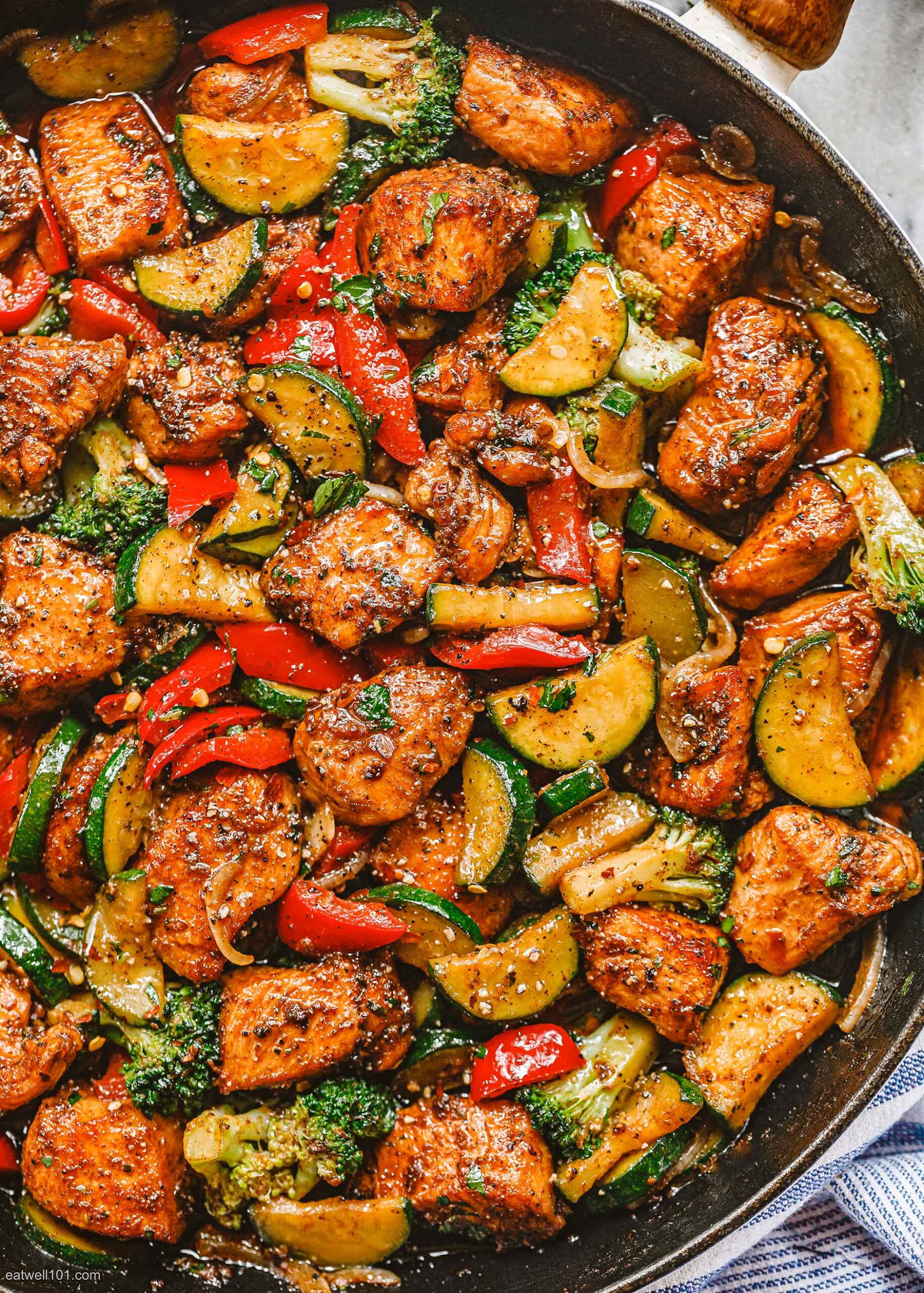
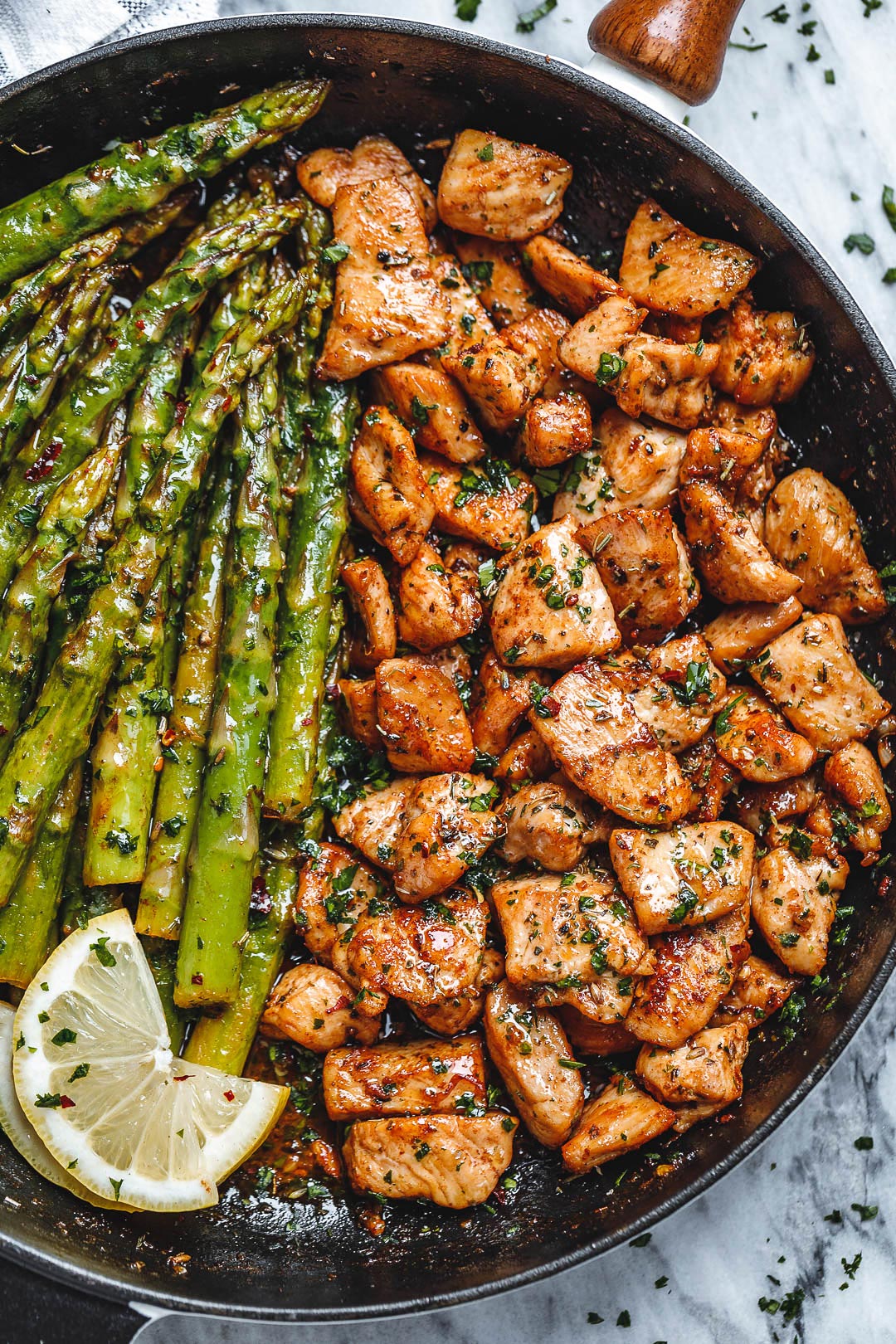
A good recipe for dinner should be easy to make, taste great, and use simple ingredients. This chicken and vegetable skillet brings tender chicken, crisp vegetables, garlic, and a light seasoning blend together in one pan. Serve it with rice, potatoes, or bread for a filling meal that works well on busy American weeknights.
After a long day at work, school, or home, making dinner can feel like one more job. Many American families need a meal that does not call for a long shopping list or hours in the kitchen. A chicken skillet fits that need. It uses common grocery store ingredients, cooks in one pan, and leaves less mess to clean up.
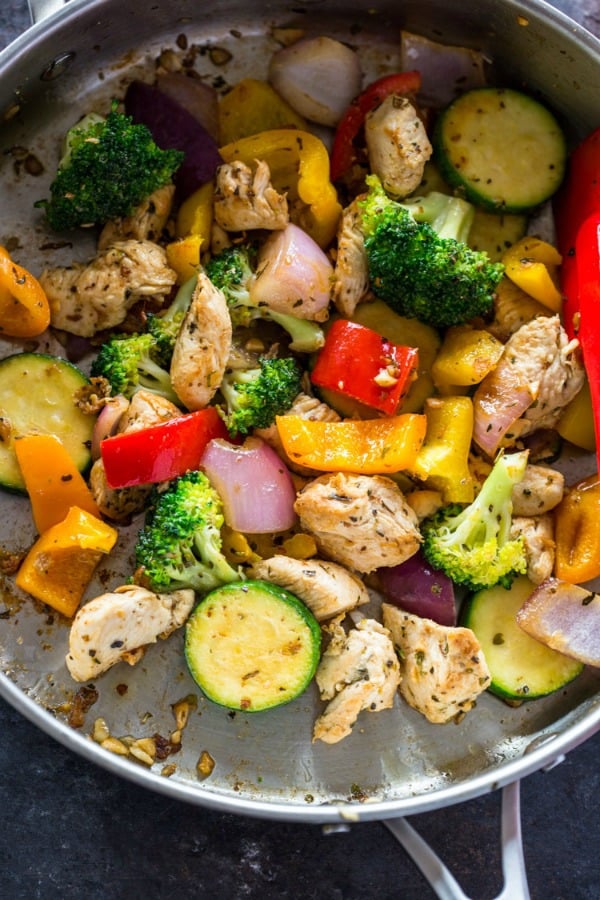
This guide shows you how to make a simple chicken and vegetable skillet at home. You will learn what to buy, how to prep the food, when to add each ingredient, and how to tell when the chicken is safe to eat. You will also find easy swaps, side dish ideas, storage tips, and ways to fix common cooking problems. The recipe serves four people and takes about 35 minutes from start to finish, depending on your prep speed and stove.
A useful dinner recipe does not need rare ingredients or complex cooking steps. It needs a clear method, a good balance of flavors, and enough food to satisfy the people at the table. This chicken skillet meets those goals with lean protein, vegetables, oil, garlic, and a few everyday seasonings.
The recipe is also flexible. Use bell peppers, broccoli, asparagus, zucchini, or green beans based on what looks fresh at the store. Frozen vegetables can work too, although they may release more water and soften faster than fresh ones.
Another benefit is that the meal can fit several budgets. Buy chicken when it is on sale, choose vegetables that are in season, and use a grain or starch you already have in the pantry. You can adjust the ingredients without changing the basic cooking method.
Source: eatwell101.com
Simple ingredients
Most items are easy to find at a regular American supermarket, and you can replace several vegetables with what you have at home.
One main pan
Cooking the chicken and vegetables in one skillet can reduce the number of dishes you need to wash.
Flexible serving options
Pair the meal with rice, pasta, roasted potatoes, or crusty bread to suit your appetite.
Easy to adjust
Change the herbs, vegetables, and side dish to make the meal fit your taste and pantry.
Ingredients for an Easy Chicken and Vegetable Skillet
The amounts below make about four servings. Use a large skillet so the chicken has room to brown. If your pan is small, cook the chicken in batches instead of piling the pieces on top of each other.
Boneless, skinless chicken breasts are easy to cut and cook, but chicken thighs are another good option. Thigh meat often stays juicy when cooked a little longer. The exact cooking time will depend on the size of the pieces and how much food is in the pan.
Source: eatwell101.com
1½ pounds boneless, skinless chicken breast
Cut into bite-sized pieces of similar size. Chicken thighs can be used in the same amount.
2 tablespoons olive oil
Use one tablespoon for the chicken and the rest as needed for the vegetables.
1 medium bell pepper
Remove the seeds and cut the pepper into strips or small pieces.
1 medium zucchini
Slice into half-moons or bite-sized pieces so it cooks at a similar rate to the pepper.
1 cup broccoli florets
Cut large florets into smaller pieces for more even cooking.
3 garlic cloves
Mince the garlic shortly before cooking for a fresh, savory flavor.
1 teaspoon paprika
Use sweet paprika for a mild flavor or smoked paprika for a deeper taste.
1 teaspoon dried Italian seasoning
This blend often contains herbs such as oregano, basil, and thyme.
½ teaspoon salt and ¼ teaspoon black pepper
Adjust these amounts to taste and consider the salt level of any broth or sauce you add.
1 tablespoon lemon juice
Stir it in near the end to add a fresh, bright note.
Optional fresh parsley or grated Parmesan
Use a small amount as a finishing touch if you enjoy the flavor.
Easy Ingredient Swaps
You do not need every vegetable listed above. Use what you have, but keep in mind that thick or firm vegetables need more time than thin, soft ones. Carrots, for example, should be sliced thinly or cooked before adding softer vegetables.
For a lower-cost version, use chicken thighs and one or two vegetables on sale. Frozen broccoli or a mixed vegetable blend can also help reduce food waste. If you use frozen vegetables, thawing and draining them first can help limit excess water in the pan.
For a mild flavor
Use paprika, garlic, Italian seasoning, and lemon juice.
Add a small pinch of red pepper flakes or a little cayenne.
For a richer finish
Stir in a small amount of grated Parmesan after turning off the heat.
For a dairy-free meal
Skip the cheese and use olive oil, lemon, and herbs for flavor.
How to Make This Good Dinner Recipe Step by Step
Plan on about 10 minutes for preparation and 20 to 25 minutes for cooking. Your timing may vary with the pan, stove, and size of the chicken pieces. Read through the steps before you start, then prepare the vegetables so you can add them without rushing.
Source: eatwell101.com
Step 1: Prepare the ingredients
Cut the chicken into evenly sized pieces. Slice the bell pepper and zucchini, separate the broccoli into small florets, and mince the garlic. Wash your hands after handling raw chicken, and use a clean board and knife for ready-to-eat foods.
Step 2: Season the chicken
Place the chicken in a bowl and add paprika, Italian seasoning, salt, and black pepper. Toss until the pieces are coated. Do not rinse raw chicken, because splashing water can spread germs around the sink and nearby surfaces.
Step 3: Heat the skillet
Set a large skillet over medium-high heat and add about one tablespoon of olive oil. Wait until the oil is hot and moves easily across the pan. It should not smoke heavily.
Step 4: Brown the chicken
Place the chicken in a single layer if possible. Let the pieces cook for a few minutes before turning them, then cook the other sides. Work in batches if the pan becomes crowded. Browning adds flavor, but the chicken does not need to be fully cooked before you remove it temporarily from the pan.
Step 5: Cook the firm vegetables
Transfer the browned chicken to a clean plate. Add a little more oil if the pan looks dry, then add the broccoli and bell pepper. Stir for several minutes until the broccoli begins to soften and the pepper starts to turn tender.
Step 6: Add the zucchini and garlic
Add the zucchini and cook for a few minutes, stirring now and then. Add the minced garlic near the end of this stage. Garlic can burn quickly, so stir it often and do not leave it over high heat for long.
Step 7: Return the chicken to the pan
Put the chicken and any juices from the plate back into the skillet. Stir everything together and cook until the chicken reaches an internal temperature of 165°F. Check several of the largest pieces with a food thermometer.
Step 8: Finish and serve
Turn off the heat and stir in the lemon juice. Taste a cooked vegetable and adjust the seasoning if needed. Add parsley or Parmesan if desired, then serve while the food is hot.
How to Tell When the Dinner Is Ready
The vegetables should be tender but not falling apart. Broccoli can still have a slight bite, while zucchini should feel soft enough to pierce with a fork. If the vegetables are done before the chicken, move them to a clean serving dish while the chicken finishes cooking.
Color alone cannot confirm that chicken is safe to eat. Use a food thermometer to check the thickest pieces. The center must reach 165°F. If a piece has not reached that temperature, keep cooking and check it again.
Chicken looks browned but is below 165°F
Continue cooking and check the thickest pieces again with a thermometer.
Vegetables are soft too soon
Remove them from the pan and return them at the end, just long enough to warm through.
The pan is dry
Add a small splash of water or broth and lower the heat if the garlic or browned bits begin to burn.
What to Serve With Your Chicken Skillet
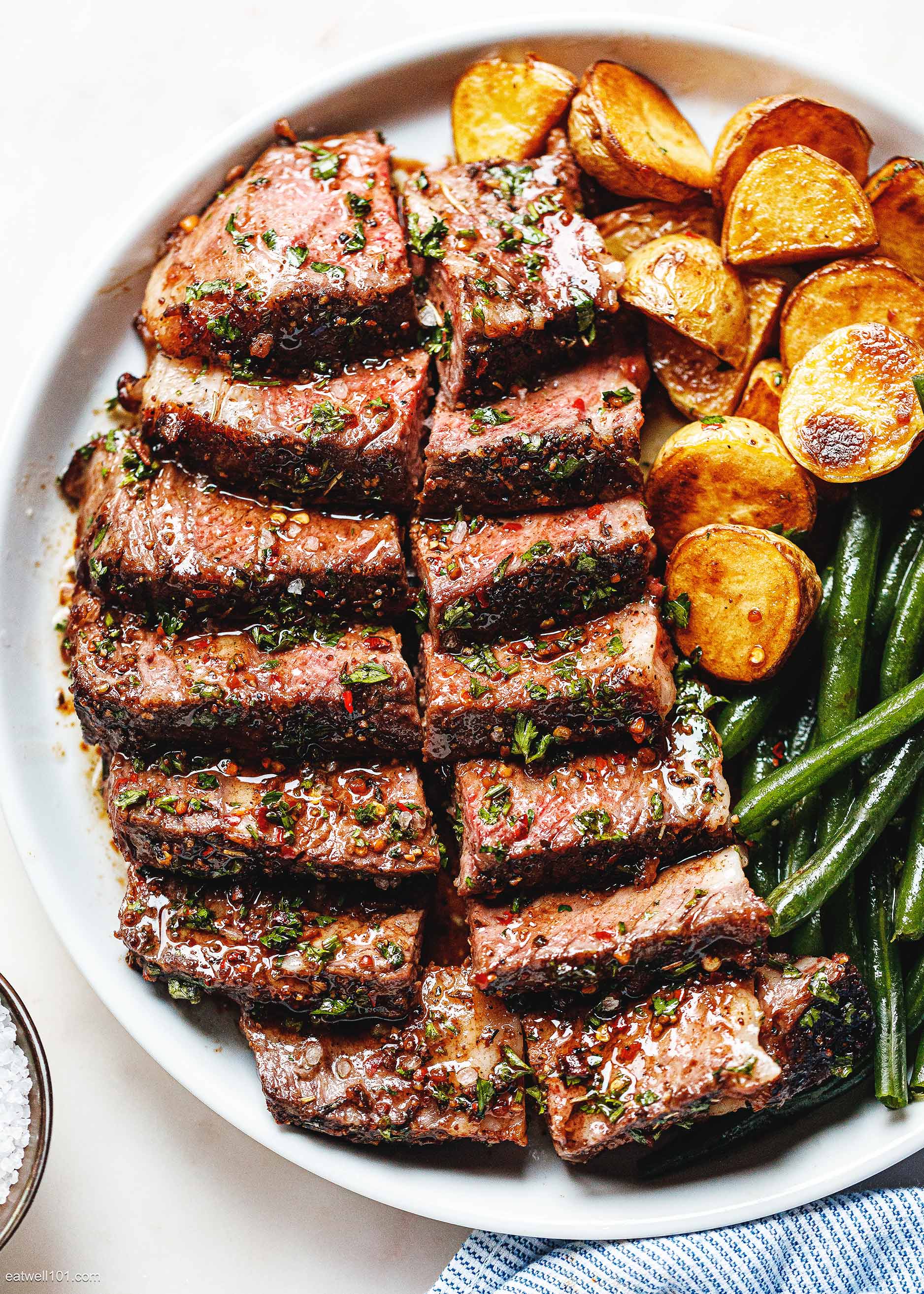
A side dish can turn this skillet into a fuller meal without adding much work. Rice is a simple choice because it can cook while you prepare the chicken. Potatoes, pasta, and bread also work well with the garlic and herb flavors.
Choose a side based on your time, appetite, and what is already in your kitchen. If the skillet contains plenty of vegetables and chicken, a small serving of rice or bread may be enough. For a larger family meal, make a bigger batch of the side dish.
Source: recipessymphony.com
White or brown rice
Rice gives the meal a mild base that absorbs the juices from the chicken and vegetables. Start it before you heat the skillet so both parts finish around the same time.
Roasted or boiled potatoes
Potatoes add a hearty texture. Cut them into small pieces if roasting so they cook in a reasonable amount of time.
Pasta
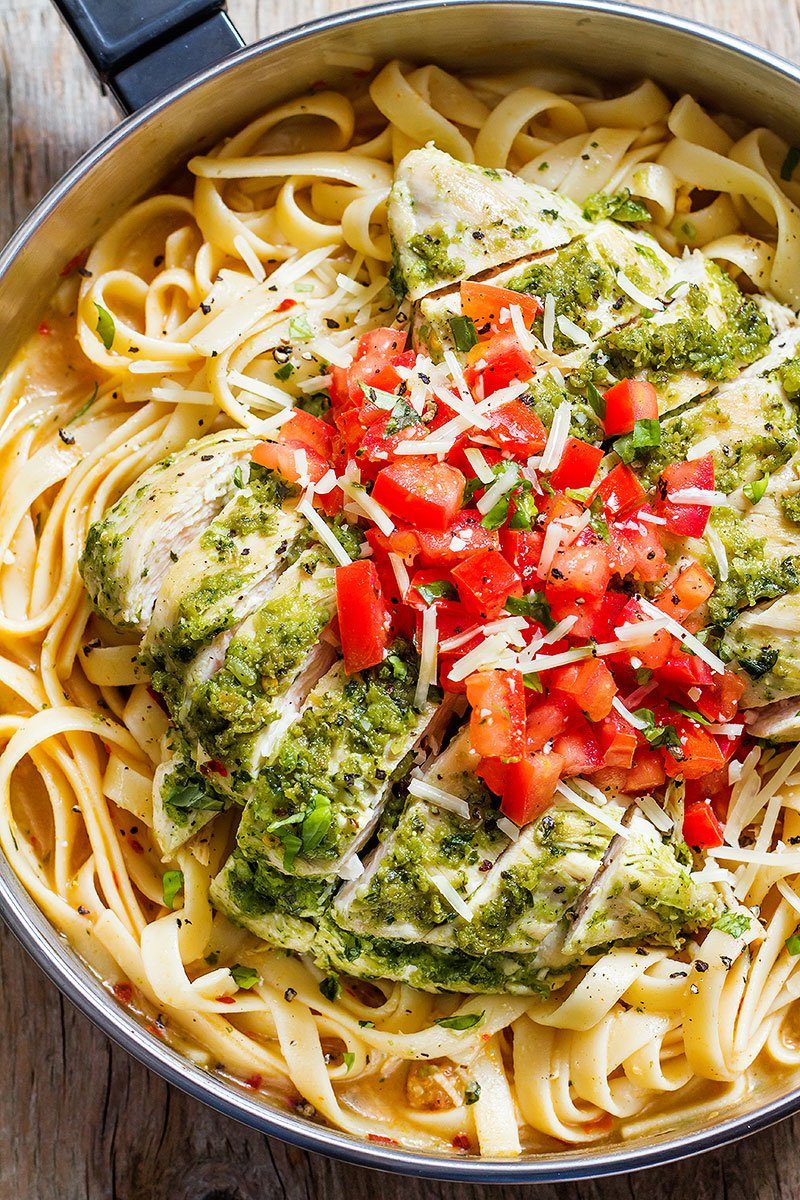
Short pasta shapes work well with the skillet. Toss the cooked pasta with a little olive oil or a spoonful of pasta water before serving.
Crusty bread
Bread is useful when you want a quick side without cooking another dish. Warm it briefly in the oven if you like a crisp crust.
Simple green salad
Lettuce, cucumber, tomatoes, and a light dressing add a cool contrast to the warm skillet.
A Simple Dinner Plan for Four
For an easy weeknight meal, start the rice first. While it cooks, cut the vegetables and chicken. Cook the skillet next, then toss a quick salad while the chicken reaches its safe temperature. This order keeps the work moving without asking you to cook several complicated dishes at once.
If dinner is for two, save the extra servings for lunch. If you are feeding more than four people, avoid doubling everything in one small pan. Cook the chicken in batches or use two skillets so the food can brown instead of steaming.
Before cooking
Set out the ingredients, a clean cutting board, a skillet, a serving plate, and a food thermometer.
While the rice cooks
Prepare the chicken and vegetables, then clean the work area used for raw chicken.
As the skillet finishes
Check the chicken temperature, season the vegetables, and set out the side dishes.
How to Change the Recipe to Fit Your Needs
You can change the flavor of this dinner without learning a new cooking method. Keep the basic pattern of browning the chicken, cooking the vegetables, and finishing the meal with a little acid or seasoning. Small changes can make the same core recipe feel different from one week to the next.
The best changes are the ones that match your taste and the food you have. Start with one or two swaps rather than changing every ingredient at once. That makes it easier to see which flavors you enjoy.
Source: justthewoods.com
For a lemon herb skillet
Use extra lemon juice, black pepper, parsley, and thyme. Add the lemon near the end so the fresh flavor stays clear.
For a smoky skillet
Use smoked paprika and a small amount of ground cumin. Keep the heat moderate so the spices do not scorch.
For a mild creamy finish
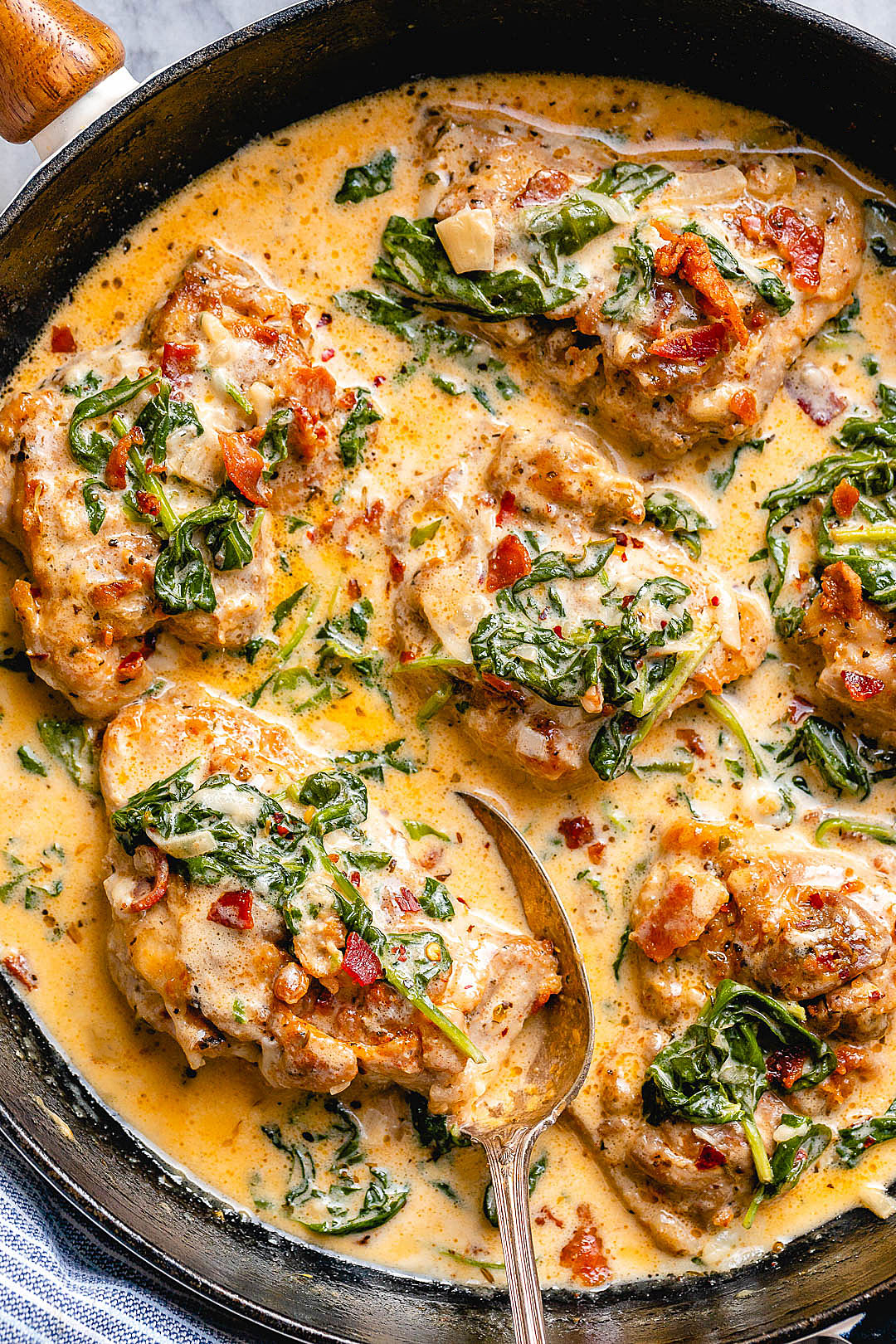
After the chicken is fully cooked, lower the heat and stir in a small amount of cream or plain cooking cream. Do not let the sauce boil hard.
For a tomato-based version
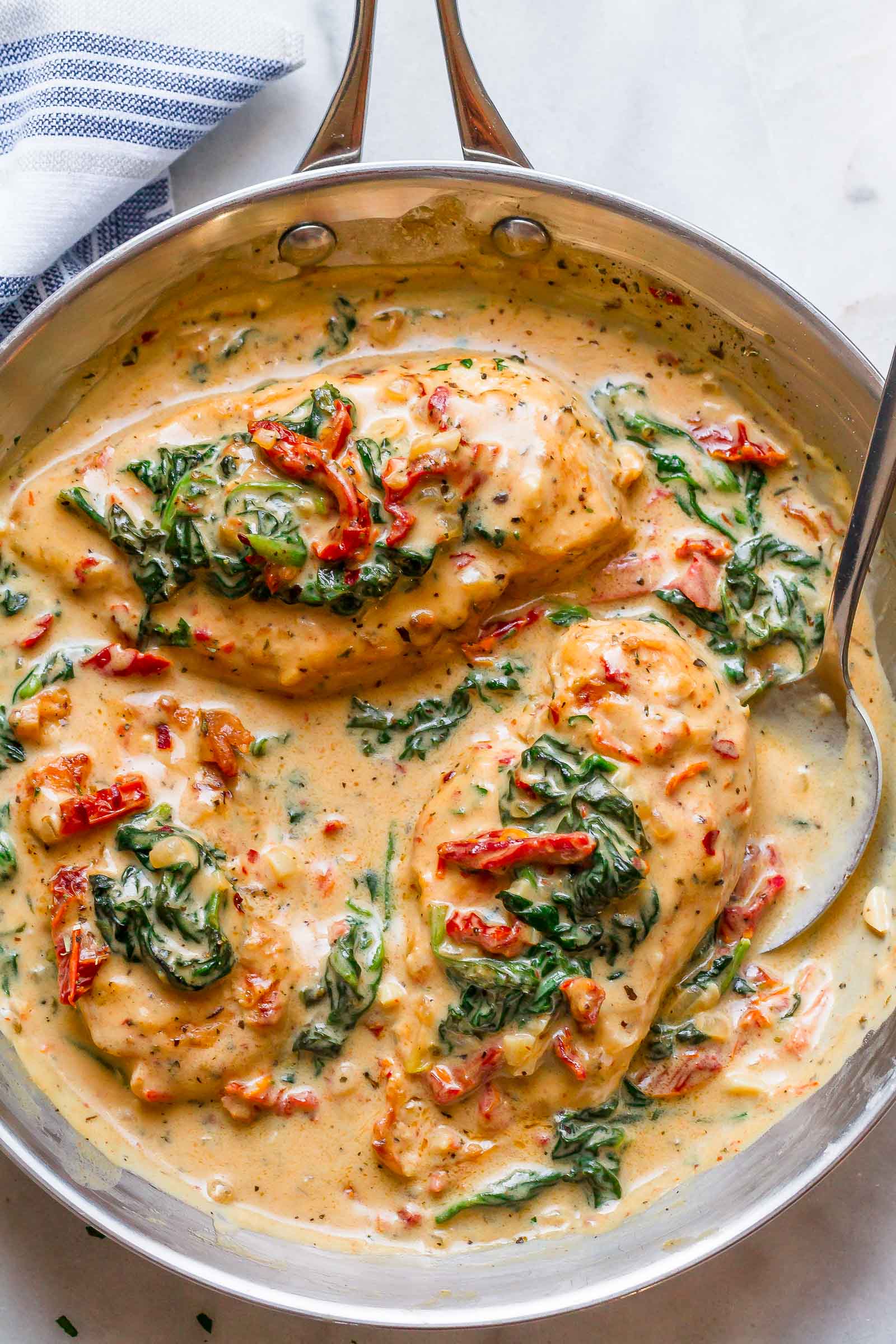
Add a few spoonfuls of canned diced tomatoes after cooking the firm vegetables. Let the liquid reduce a little before returning the chicken to the pan.
For a meat-free dinner
Replace the chicken with drained canned chickpeas or firm tofu. Cook them until heated through and lightly browned, then combine with the vegetables.
For a low-effort dinner
Use a bag of pre-cut vegetables and serve the skillet with microwaveable rice. Check the package instructions and keep raw chicken separate from ready-to-eat food.
Can You Use Frozen Chicken or Vegetables?
Frozen vegetables can be useful when fresh produce is costly or hard to use before it spoils. They may need less cooking time after thawing, and they can release water into the skillet. Add them in small batches and allow excess moisture to cook off before adding the chicken back.
Do not thaw chicken on the counter. Thaw it in the refrigerator, in cold water changed every 30 minutes, or in the microwave. If you use cold water or microwave thawing, cook the chicken right away. You can also cook chicken from frozen using a suitable method, but frozen pieces are not ideal for this skillet because they are harder to cut evenly and brown well.
Best result with fresh chicken
Thawed chicken is easier to cut evenly and brown in the skillet.
Best result with frozen vegetables
Drain thawed vegetables and add them in stages to control excess moisture.
Common Cooking Problems and How to Fix Them
A simple recipe can still go wrong if the pan is too crowded, the heat is too high, or the ingredients cook at different speeds. Most problems are easy to fix once you know what to look for. Make one adjustment at a time so you do not overcook the chicken while trying to save the vegetables.
Source: eatwell101.com
The chicken is dry
Large pieces may have cooked too long, or the pan may have been too hot. Cut the chicken evenly, use a thermometer, and remove each piece once it reaches 165°F. Add a little broth or lemon juice to the finished dish if it needs moisture.
The chicken will not brown
Too much food in the pan can trap steam. Cook smaller batches, let the skillet heat before adding the chicken, and avoid moving the pieces every few seconds.
The vegetables are watery
Frozen vegetables, wet produce, and a crowded pan can all release excess water. Drain thawed vegetables, dry washed produce, and cook in batches when needed.
The garlic tastes bitter
Garlic can burn when added too early or cooked over very high heat. Add it near the end of the vegetable stage and stir it often.
The dish tastes bland
Taste the cooked food before serving. A small amount of salt, black pepper, lemon juice, or fresh herbs can improve the flavor. Add salt gradually rather than adding a large amount at once.
The meal is ready at different times
Start the side dish first and prepare all ingredients before cooking. If the vegetables finish early, remove them temporarily and return them when the chicken is ready.
How to Keep the Cooking Process Safe
Raw chicken can carry harmful germs, so safe handling matters as much as flavor. Keep raw chicken and its juices away from salad ingredients, cooked food, and clean utensils. Wash your hands with soap and water after handling raw meat, and clean the cutting board and counter before using them for other foods.
Use a food thermometer rather than judging doneness by color or texture alone. Poultry should reach an internal temperature of 165°F. Insert the thermometer into the thickest part of the meat without touching the pan.
Do not place cooked chicken back on a plate that held raw chicken unless the plate has been washed first. These small steps help reduce the risk of cross-contamination while you cook.
Check the temperature
Confirm that the chicken reaches 165°F before serving.
Clean as you go
Wash hands, tools, and surfaces that touch raw chicken.
Keep food at safe temperatures
Refrigerate perishable food promptly instead of leaving it out for the evening.
How to Store and Reheat Leftovers
Leftover chicken and vegetables can make a useful lunch or a second dinner. Place the food in shallow, covered containers and refrigerate it within two hours of cooking. If the room or outdoor temperature is above 90°F, refrigerate it within one hour.
Keep cooked leftovers in the refrigerator for three to four days. For longer storage, freeze them in airtight containers or freezer-safe bags. Label the container with the date so you can keep track of how long the food has been stored.
Source: eatwell101.com
Reheat in a skillet
Add the leftovers to a pan with a small splash of water or broth. Cover and heat over medium-low heat, stirring as needed until the food reaches 165°F.
Reheat in the microwave
Place the food in a microwave-safe dish, cover loosely, and heat in short intervals. Stir the food and check several spots with a thermometer.
Freeze extra portions
Divide the food into meal-sized portions before freezing. This makes it easier to thaw only what you plan to eat.
Avoid repeated reheating
Reheat only the portion you plan to serve. Return unused refrigerated food to the refrigerator promptly.
Will the Vegetables Stay Crisp?
Cooked vegetables usually soften during storage and reheating, especially zucchini. The meal can still taste good, but it may not have the same texture as a freshly cooked skillet. To help preserve texture, avoid overcooking the vegetables in the first place.
If you expect leftovers, cook the vegetables until just tender and keep the sauce light. Reheat gently and stop once the food is hot throughout. Freezing may soften the vegetables further, so frozen leftovers are often best used in rice bowls or mixed dishes rather than served as a crisp skillet meal.
For the best texture
Store the meal in small portions and reheat only what you need.
For a quick lunch
Serve reheated chicken and vegetables over fresh rice or toss them with cooked pasta.
How to Plan More Easy Dinners for the Week
One good dinner recipe can serve as the starting point for a simple weekly meal plan. Reuse ingredients in different ways so you do not need to buy a separate set of groceries for every meal. A bell pepper, for example, can go into a skillet one night and an omelet or wrap the next day.
Choose two or three meals before you shop. Check the fridge, freezer, and pantry first, then write down only what you need. This habit can cut waste and make the question of what to cook less stressful.
Source: cdn.shortpixel.ai
Monday: Chicken and vegetable skillet
Serve with rice and save extra portions for lunch.
Tuesday: Egg and vegetable fried rice
Use leftover cooked rice and any vegetables that need to be used soon.
Wednesday: Pasta with tomato sauce
Make a quick sauce with canned tomatoes, garlic, herbs, and a little olive oil.
Thursday: Baked potatoes with beans
Top cooked potatoes with beans, cheese, or leftover vegetables.
Friday: Chicken or chickpea wraps
Use leftover protein with lettuce, tomato, and a simple yogurt or lemon dressing.
A Short Grocery List for Easy Dinners
Keep a few basic foods on hand so you can make a meal even when the fridge looks nearly empty. The exact list depends on your household and budget, but a small collection of versatile ingredients can support several different dinners.
Choose foods that you will realistically use. Buying large packs of fresh produce is not always cheaper if some of it ends up in the trash. Frozen vegetables, canned beans, rice, pasta, eggs, and canned tomatoes can help fill gaps between shopping trips.
Proteins
Chicken, eggs, canned beans, chickpeas, tofu, or other foods your household enjoys.
Vegetables
Bell peppers, broccoli, carrots, zucchini, onions, leafy greens, or frozen mixed vegetables.
Pantry staples
Rice, pasta, canned tomatoes, cooking oil, dried herbs, black pepper, and salt.
Finishing ingredients
Lemons, fresh herbs, plain yogurt, or a small amount of cheese for extra flavor.
Frequently Asked Questions
Q
What Is a Good Recipe for Dinner When You Have Little Time?
A chicken and vegetable skillet is a useful option when you have about 30 to 35 minutes. Cut the chicken into small, even pieces, use vegetables that cook quickly, and serve the meal with rice or bread. For an even faster option, use pre-cut vegetables and a simple side that needs little preparation.
Q
What Is the Easiest Dinner to Make for Beginners?
A one-pan meal with chicken, vegetables, oil, and dried herbs is a good place to start. The steps are simple, and you can see how the ingredients change as they cook. Prepare everything before heating the pan, avoid crowding it, and use a thermometer to check the chicken.
Q
How Do I Make Dinner Taste Better Without Extra Work?
Season the food in stages instead of adding everything at the end. Brown the chicken, let the vegetables cook until tender, and finish with lemon juice or fresh herbs. Taste the dish before serving and add salt or pepper in small amounts as needed.
Q
What Can I Cook for Dinner With Chicken and Vegetables?
You can make a skillet, a sheet-pan meal, soup, stir-fry, or pasta. For the skillet method, brown bite-sized chicken pieces, cook the vegetables in the same pan, and combine them once the chicken reaches 165°F. The same basic ingredients can create several different meals when you change the herbs, sauce, or side dish.
Q
Can I Prepare This Dinner Ahead of Time?
Yes. You can wash and cut the vegetables ahead of time and keep them in covered containers in the refrigerator. Keep raw chicken separate from ready-to-eat food and cook it within a safe storage period. You can also cook the full meal in advance, refrigerate it within two hours, and reheat leftovers to 165°F.
Q
How Long Can Cooked Chicken and Vegetables Stay in the Fridge?
Refrigerated leftovers can generally be kept for three to four days when stored promptly in a refrigerator set at 40°F or below. Place them in shallow containers and refrigerate within two hours of cooking, or within one hour when the temperature is above 90°F. Freeze portions you do not expect to eat within that time.
✦ Wrapping Up
Conclusion
A good recipe for dinner should make cooking feel manageable, not turn the evening into a long chore. This chicken and vegetable skillet uses common ingredients, a clear cooking method, and one main pan. It also gives you room to change the vegetables, seasonings, and side dishes based on your taste and budget.
Start with the basic recipe the first time. Prepare the ingredients before cooking, brown the chicken in batches if needed, add the vegetables in stages, and check that the chicken reaches 165°F. Serve the meal with rice, potatoes, pasta, or bread, then save any leftovers safely for another day.
💡 Key Takeaway
Gather 1½ pounds of chicken, a few vegetables, olive oil, garlic, and dried herbs. Prepare the ingredients, cook them in stages in a large skillet, and use a food thermometer to confirm that the chicken reaches 165°F. Serve with your favorite side for a simple homemade dinner.