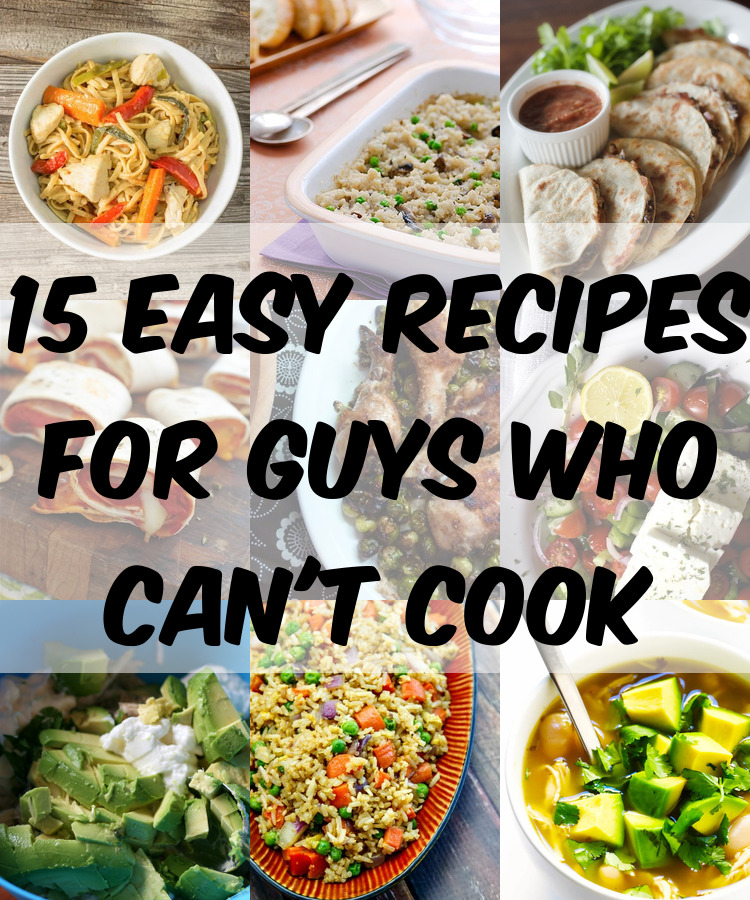
The easiest recipes for guys who can’t cook include scrambled eggs, grilled cheese, sheet pan chicken, simple pasta, fried rice, baked potatoes, and tacos. Most use common grocery items and basic kitchen tools. Start with one-pan meals, follow each step in order, and learn a few safe ways to cook meat, eggs, and vegetables.
Cooking at home does not have to mean making fancy meals or spending an hour over a hot stove. In the United States, a first trip to the grocery store can be as simple as buying eggs, bread, pasta, canned beans, frozen vegetables, and a few basic seasonings. Those items can form the base of many easy breakfasts, lunches, and dinners.
This guide is for men who want to eat well but have little cooking experience. You do not need a long list of tools, costly ingredients, or a pile of recipes to get started. A skillet, a pot, a baking sheet, and a few clear steps will take you a long way.
The goal is to make meals that taste good, fill you up, and do not leave the kitchen in a mess. Each recipe uses familiar foods and simple methods. Start with the dish that sounds easiest, then repeat it until the steps feel natural. Once you know a few basic meals, cooking becomes less of a chore and more of a useful daily skill.
Scrambled eggs are one of the best first meals to learn. They need little prep, cook in minutes, and work for breakfast, lunch, or a quick dinner. Pair them with toast and fruit for a meal that takes very little effort.
You need two or three eggs, a small amount of butter or oil, salt, pepper, and two slices of bread. A nonstick skillet helps, but a well-kept regular skillet can work too. Keep the heat low to medium so the eggs cook without turning dry or rubbery.
Source: thediabetescouncil.com
Ingredients
Use two or three eggs, one teaspoon of butter or oil, salt, pepper, and bread for toast. Add shredded cheese or chopped spinach if you like.
Cooking time
Allow about 5 to 10 minutes, depending on how quickly you prepare the ingredients and toast the bread.
How to Make Scrambled Eggs
Crack the eggs into a bowl. Check for shell pieces, add a pinch of salt and pepper, and beat with a fork until the yolks and whites are mixed. Place a skillet over low to medium heat and add the butter.
Pour in the eggs once the butter melts. Wait a few seconds, then gently push the eggs from the edge toward the center with a spatula. Keep moving them slowly until no liquid egg remains. Take the pan off the heat and let the eggs finish setting from the leftover warmth.
Toast the bread while the eggs cook. Serve both while warm. If the eggs turn brown or feel dry, the heat was likely too high or they stayed in the pan too long.
Easy upgrade
Add a little shredded cheddar during the final moments of cooking, or serve the eggs with sliced tomato and avocado.
2. Grilled Cheese Sandwich
A grilled cheese sandwich is a simple way to learn how to control heat in a skillet. The outside should turn golden and crisp while the cheese melts inside. Serve it with tomato soup, a side salad, or fresh fruit.
The basic recipe needs bread, sliced cheese, and butter. American cheese melts easily, while cheddar gives the sandwich a stronger flavor. Use medium-low heat so the bread has time to brown before it burns.
Source: thediabetescouncil.com
Ingredients
Gather two slices of bread, one or two slices of cheese, and about one teaspoon of softened butter.
Cooking time
Plan for about 8 minutes, including a few minutes on each side of the sandwich.
Steps for a Crisp Sandwich
Spread a thin layer of butter on one side of each bread slice. Put the cheese between the slices with the buttered sides facing outward. Heat a skillet over medium-low heat and place the sandwich in the pan.
Cook for about three to four minutes, then lift an edge to check the color. Flip when the first side is golden brown. Cook the other side until it is crisp and the cheese has melted. Lower the heat if the bread darkens too quickly.
Let the sandwich rest for a minute before cutting it. Add a bowl of tomato soup if you want a fuller meal. You can also add thin tomato slices, but avoid adding so much filling that the bread becomes wet.
Common mistake
Do not use high heat to speed things up. The bread can burn before the cheese has time to melt.
3. Easy Spaghetti With Tomato Sauce
Spaghetti with tomato sauce is a useful first dinner because the ingredients are easy to find and the method is simple. A jar of pasta sauce cuts down on prep, while dried pasta keeps well in the pantry. You can make a basic version with just two main ingredients and add vegetables or beans when you want more variety.
You will need spaghetti, a jar of tomato pasta sauce, water, and salt. Parmesan cheese, dried oregano, garlic powder, or red pepper flakes are optional. Check the sauce label for serving size and heating instructions.
Source: thediabetescouncil.com
Ingredients
Use about 2 ounces of dry spaghetti per person, tomato pasta sauce, water, and a little salt. Add cheese or seasonings if desired.
Cooking time
Most basic versions take around 15 to 25 minutes, depending on the pasta and sauce instructions.
How to Cook Pasta Without Making a Mess
Fill a large pot with enough water to cover the pasta well and leave room for bubbling. Bring the water to a boil, add a small amount of salt, and put in the spaghetti. Stir during the first minute so the strands do not stick together.
Cook the pasta for the time shown on the package. Start checking near the lower end of the suggested range. The noodles should be tender but still have a slight bite. Before draining, scoop out a small cup of pasta water in case the sauce needs thinning.
Drain the pasta carefully in a colander. Warm the sauce in a separate pan or microwave-safe bowl according to its label. Mix the noodles with the sauce and add a splash of reserved pasta water if the dish feels too dry. Serve with grated cheese if you like.
Make it more filling
Stir in drained canned white beans or chickpeas, or serve the pasta with a side of cooked vegetables.
4. Sheet Pan Chicken and Vegetables
Sheet pan chicken is a good option when you want a full meal without watching several pots. The chicken and vegetables cook on one baking sheet, so cleanup is simple. Use boneless chicken breast or thighs, potatoes or carrots, and a little oil with basic seasonings.
This recipe does require an oven and a food thermometer. Chicken can look cooked on the outside before the center reaches a safe temperature. A thermometer takes the guesswork out of checking doneness.
Source: i.pinimg.com
Ingredients
Use one boneless chicken breast per serving, chopped potatoes or carrots, a little olive oil, salt, pepper, and garlic powder.
Cooking time
Allow about 30 to 45 minutes, depending on the size of the chicken pieces and the vegetables.
How to Make an Easy Sheet Pan Dinner
Heat the oven to 400 degrees Fahrenheit. Line a rimmed baking sheet with foil if desired, while keeping the pan suitable for oven use. Cut the vegetables into similar-sized pieces so they cook at roughly the same rate.
Toss the vegetables with a little oil, salt, pepper, and garlic powder. Place them on the baking sheet with space between the pieces. Coat the chicken lightly with oil and season it. Keep raw chicken and its juices away from ready-to-eat foods, and wash your hands after handling it.
Bake until the vegetables are tender and the thickest part of each chicken piece reaches 165 degrees Fahrenheit. Check the temperature with a food thermometer, avoiding bone if using bone-in chicken. If the chicken is ready before the vegetables, remove it to a clean plate and continue cooking the vegetables until tender.
Let the chicken rest briefly before serving. Store any leftovers in shallow containers and refrigerate them within two hours, or within one hour when the surrounding temperature is above 90 degrees Fahrenheit.
Avoid uneven cooking
Cut potatoes and carrots into small, even pieces. Very large chunks may need more time than the chicken.
5. Simple Chicken or Beef Tacos
Tacos are easy to adjust to your taste and work well for a quick weeknight dinner. Ground beef is a familiar choice, but ground chicken or turkey can also work. Use tortillas, a protein, taco seasoning, and a few toppings to keep the shopping list short.
For a basic version, buy a small package of ground meat, tortillas, a seasoning packet, and shredded lettuce or cheese. Follow the seasoning instructions for the amount of water to add. Beans can also provide a simple filling without the need to cook meat.
Source: i.pinimg.com
Ingredients
Gather about one-quarter pound of ground meat per person, tortillas, taco seasoning, and toppings such as salsa, lettuce, or cheese.
Cooking time
Most simple ground-meat tacos take about 15 to 20 minutes from prep to serving.
How to Cook Taco Filling
Place a skillet over medium heat and add the ground meat. Break it into small pieces with a spatula as it cooks. Stir from time to time so the meat cooks evenly and does not form one large clump.
Cook ground beef until it reaches 160 degrees Fahrenheit. Ground chicken and ground turkey should reach 165 degrees Fahrenheit. Check the thickest portions with a food thermometer. Do not rely only on the meat’s color to decide whether it is safe.
Drain excess fat carefully if needed, following the seasoning packet directions. Add the seasoning and any stated amount of water, then simmer until the liquid reduces. Warm the tortillas as directed on the package and fill them with the meat and toppings.
Set out toppings in small bowls if you are serving more than one person. Everyone can build their own tacos, and you avoid the need for extra cooking steps.
Meat-free option
Warm drained black beans with taco seasoning and a splash of water. Mash a few beans to create a thicker filling.
6. Easy Fried Rice With Eggs and Vegetables
Fried rice is a practical way to use leftover rice and frozen vegetables. It needs only a skillet, a little oil, eggs, rice, and a few seasonings. The recipe is flexible, so you can add cooked chicken or tofu if you have some ready to use.
Cold rice separates more easily than freshly cooked, moist rice. Leftover rice must also be handled with care because cooked rice can support the growth of harmful bacteria if left at room temperature for too long. Refrigerate it promptly and use it within three to four days.
Use about 2 cups of cooked rice, two eggs, one cup of frozen mixed vegetables, one tablespoon of oil, and a small amount of soy sauce.
Cooking time
Allow about 10 to 15 minutes when the rice is already cooked and chilled.
How to Make Basic Fried Rice
Heat the oil in a large skillet over medium heat. Add the frozen vegetables and cook until hot and tender, stirring often. If the package calls for a different cooking method, follow its directions where relevant.
Push the vegetables to one side of the skillet. Crack the eggs into the open space and stir them until fully cooked. Break the cooked eggs into small pieces, then add the chilled rice.
Stir the rice, vegetables, and eggs together. Break up large clumps with the spatula and cook until the rice is steaming hot throughout. Add a little soy sauce, taste, and adjust the seasoning. Soy sauce is salty, so start with a small amount.
Use freshly cooked rice only if you can cool it quickly and handle it safely. Do not leave cooked rice sitting on the counter for hours or use rice that has been left at room temperature overnight.
Easy flavor boost
Add sliced green onions, garlic, or a small amount of sesame oil at the end. These ingredients are optional, not required.
7. Loaded Baked Potatoes
A baked potato is an easy meal base that needs very little hands-on work. Potatoes are widely available in American grocery stores, and toppings can turn one into a filling lunch or dinner. Try shredded cheese, canned beans, cooked broccoli, salsa, or plain yogurt.
A medium russet potato works well because its skin becomes firm while the inside turns soft. Baking takes longer than microwaving, but the oven method gives the skin more time to dry and crisp.
Source: thediabetescouncil.com
Ingredients
Choose one russet potato per person, a little oil if desired, salt, and toppings of your choice.
Cooking time
A large oven-baked potato may take about 45 to 60 minutes at 425 degrees Fahrenheit. Microwave times vary with size and appliance power.
How to Bake a Potato
Heat the oven to 425 degrees Fahrenheit. Scrub the potato under running water and dry it. Pierce it several times with a fork so steam can escape during cooking.
Rub the skin with a little oil and salt if you want a crisp outside. Place the potato on a baking sheet and bake until a fork slides into the center with little resistance. A large potato may need extra time, so use tenderness rather than the clock alone.
Cut the potato open carefully because hot steam can escape. Fluff the inside with a fork, then add cheese, beans, broccoli, or salsa. If you use a microwave, follow your appliance’s instructions, pierce the potato first, and turn it as directed for even cooking.
Make it a full meal
Add black beans and cheese, or serve the potato with cooked vegetables and a source of protein.
8. Five-Ingredient Chicken Quesadillas
Quesadillas are a good choice when you want something warm and crisp without a long recipe. They use tortillas and cheese as the base, with cooked chicken and vegetables for extra substance. Leftover cooked chicken works well, as long as it has been stored safely and reheated properly.
This is also a useful way to avoid wasting small amounts of food. A little cooked chicken, some shredded cheese, and half a bell pepper can become a quick meal instead of sitting unused in the refrigerator.
Source: haleysdailyblog.com
Ingredients
Use two flour tortillas, shredded cheese, about one cup of cooked chicken, chopped bell pepper, and salsa for serving.
Cooking time
Plan for about 10 to 15 minutes when the chicken is already cooked.
How to Cook a Quesadilla
Spread the cooked chicken and chopped pepper over one half of a tortilla. Add shredded cheese, then fold the tortilla over the filling. Do not overfill it, because the ingredients can spill out when you flip it.
Place the quesadilla in a dry skillet over medium-low heat. Cook for about two to four minutes, checking the underside for a golden color. Flip with a wide spatula and cook the other side until crisp and the cheese melts.
If you are using refrigerated cooked chicken, reheat it to 165 degrees Fahrenheit before serving. Cut the quesadilla into wedges and serve with salsa. Clean the knife and board used for any raw ingredients before using them with ready-to-eat food.
Vegetarian version
Replace the chicken with drained black beans and add corn or chopped peppers.
9. Easy Sausage and Vegetable Skillet
A sausage and vegetable skillet is useful when you want a warm dinner with little chopping. Fully cooked sausage can save time, while sliced peppers, onions, and potatoes add flavor and texture. Read the package carefully because some sausages are raw and need more cooking than others.
Use a large skillet and cut the ingredients into similar-sized pieces. Potatoes take longer than many vegetables, so microwave them briefly before adding them to the pan or use cooked potatoes to shorten the cooking time.
Source: thediabetescouncil.com
Ingredients
Gather fully cooked sausage, one bell pepper, half an onion, cooked or par-cooked potatoes, a little oil, and black pepper.
Cooking time
Expect about 15 to 25 minutes when using fully cooked sausage and partly cooked potatoes.
How to Make the Skillet Meal
Slice the sausage and vegetables into bite-sized pieces. Heat a little oil in a large skillet over medium heat. Add the potatoes first and cook until they begin to brown, stirring so they do not stick.
Add the sausage, pepper, and onion. Stir now and then until the vegetables are tender and the sausage is heated through. If the skillet gets dry, add a small splash of water and cover it briefly to help the vegetables soften.
If the sausage package identifies the product as raw, cook it to the safe internal temperature listed for that meat type. For pork or beef sausage, that is generally 160 degrees Fahrenheit; poultry sausage needs 165 degrees Fahrenheit. Use a thermometer rather than relying on browning alone.
Reduce prep time
Frozen pepper and onion mixes can replace fresh vegetables. Add them according to the package directions and cook until hot and tender.
10. Quick Bean and Cheese Rice Bowl
A bean and cheese rice bowl is one of the simplest meals to assemble when you do not want to cook much. It combines microwave rice, canned beans, salsa, and cheese in one bowl. It can also be made without meat, which makes it useful for days when you want a break from chicken or beef.
Choose plain microwave rice or use leftover rice that has been refrigerated promptly. Canned black beans or pinto beans work well. Drain and rinse the beans if you want to remove some of the salty canning liquid.
Source: i.etsystatic.com
Ingredients
Use one serving of cooked rice, half a can of beans divided between servings, salsa, shredded cheese, and optional corn or avocado.
Cooking time
The bowl can be ready in about 5 to 10 minutes when the rice is already cooked or microwavable.
How to Build the Rice Bowl
Prepare the rice according to the package directions. Drain and rinse the beans, then place them in a microwave-safe bowl. Add a spoonful of salsa and heat until steaming hot, stirring halfway through.
Put the rice in a serving bowl and spoon the hot beans over it. Add shredded cheese and let it melt from the heat. Top with more salsa, corn, or sliced avocado if desired.
For more flavor, add taco seasoning or a squeeze of lime. Taste before adding salt because canned beans, cheese, salsa, and seasoning mixes can already contain plenty.
Save money
Buy rice and beans in larger packages when you can use them before they spoil. Store opened canned beans in a covered container in the refrigerator rather than leaving them in an open can.
11. How to Choose the Best Beginner Recipe
The best first recipe is the one you can make with the tools and ingredients you already have. A meal with fewer steps is often easier than one with fewer ingredients, because the timing and cooking method matter too. Start with a dish that uses one cooking method and gives you a clear sign that it is ready.
Use the table below to choose a meal based on the time you have, the equipment available, and how much effort you want to spend. Times are estimates and can change with portion size, appliance power, and ingredient preparation.
Source: thediabetescouncil.com
Choose one familiar ingredient
Eggs, bread, pasta, rice, potatoes, and canned beans are easy starting points because you can use them in several different dishes.
Keep the first attempt simple
Skip optional sauces and extra toppings until you can make the basic recipe without stress.
Repeat meals you enjoy
Making the same meal again helps you learn the heat level, timing, and texture without having to learn a new method each night.
Beginner Meal Comparison
Use this quick comparison to match a recipe to your schedule. A meal with a short hands-on time may still need extra time in the oven or on the stove.
Scrambled eggs
Estimated time: 5 to 10 minutes. Best for breakfast or a quick light meal. Main tool: skillet.
Grilled cheese
Estimated time: about 8 minutes. Best for a quick lunch or simple dinner. Main tool: skillet.
Spaghetti with tomato sauce
Estimated time: 15 to 25 minutes. Best for a familiar, filling meal. Main tool: pot.
Sheet pan chicken
Estimated time: 30 to 45 minutes. Best for cooking a full meal at once. Main tool: oven and baking sheet.
Fried rice
Estimated time: 10 to 15 minutes with prepared rice. Best for using safe leftovers. Main tool: skillet.
Loaded baked potato
Estimated time: 45 to 60 minutes in the oven, or less in the microwave. Best for a hands-off meal base. Main tool: oven or microwave.
12. Basic Kitchen Tools Every Beginner Needs
You can cook many beginner meals with a small set of kitchen tools. There is no need to buy a full knife set, several pans, or specialty gadgets before you know what you like to cook. Focus on tools that work for several recipes and are easy to clean.
A few good basics can make cooking safer and more predictable. A food thermometer is especially useful for meat and poultry because it checks the internal temperature directly. A cutting board, sharp kitchen knife, spatula, and measuring spoon set also cover many common tasks.
Source: thediabetescouncil.com
Skillet
Use a medium or large skillet for eggs, grilled cheese, quesadillas, fried rice, and ground meat. A nonstick pan can make some foods easier to handle.
Medium pot
Choose a pot large enough for pasta and boiling potatoes. A lid helps when heating water and cooking some vegetables.
Baking sheet
A rimmed baking sheet works for chicken and vegetables. The rim helps contain juices and small pieces of food.
Food thermometer
Use a digital food thermometer to check whether meat, poultry, and reheated leftovers have reached a safe internal temperature.
Knife and cutting board
Use a stable cutting board and a sharp kitchen knife. Keep fingertips curled away from the blade and clean the board after it touches raw meat.
Spatula and colander
A heat-safe spatula helps stir and flip food. A colander makes draining pasta easier and safer.
Keep Your First Grocery List Short
A useful starter list includes eggs, bread, pasta, jarred tomato sauce, rice, canned beans, frozen vegetables, potatoes, tortillas, shredded cheese, and one or two proteins. Add oil, salt, black pepper, and garlic powder if you do not already have them.
Check your pantry before shopping so you do not buy the same item twice. Pick ingredients that work across several meals. For example, shredded cheese can go in eggs, quesadillas, grilled cheese, and baked potatoes.
Buy versatile food
Choose ingredients that work in at least two or three meals to reduce waste and make planning easier.
Use frozen produce
Frozen vegetables save chopping time and can be stored until needed. Cook them according to the package directions.
13. Common Cooking Mistakes and How to Fix Them
Most beginner cooking problems come from heat that is too high, poor timing, or ingredients that are not ready when needed. You do not have to get every meal right on the first try. Learn to spot the cause, make a small adjustment, and keep the next attempt simple.
The most useful habit is to stay near the stove when food is cooking. A timer can remind you to check the pan, but it cannot tell you whether food is browning too quickly or whether meat has reached a safe temperature.
Source: thediabetescouncil.com
Food burns on the outside
Lower the heat and use a thicker pan if you have one. Give the food more time to cook through rather than turning the heat up.
Pasta is too soft
Check the package time and taste a noodle before draining. Next time, begin checking a minute or two earlier.
The meal tastes bland
Add a small amount of salt, pepper, garlic, lemon juice, or another suitable seasoning. Taste as you go instead of adding a large amount at once.
Vegetables stay hard
Cut them into smaller, even pieces and allow more cooking time. A splash of water and a lid can help soften vegetables in a skillet.
Food sticks to the pan
Preheat the pan as the recipe directs, use an appropriate amount of oil, and allow food to brown before trying to flip it.
Meat looks done but the center is uncertain
Check the internal temperature with a food thermometer. Color and cooking time alone cannot reliably confirm safe doneness.
What to Do When a Recipe Goes Wrong
If the food is slightly dry, a suitable sauce or a little broth may help. If a sauce is too thick, add a small splash of water and stir. If a dish is too salty, adding more unsalted ingredients may help, but the best fix depends on the recipe.
Never try to rescue food that has been left out too long or has signs of spoilage. Smell and appearance cannot reliably show whether food is safe. When storage conditions are uncertain, throwing the food away is safer than tasting it.
Use a timer
Set a timer when food goes into the pan or oven. Check the food before the timer ends if the heat seems high or the pieces are small.
Clean as you go
Put away ingredients, wipe safe surfaces, and wash used tools while the meal cooks. Keep raw meat tools separate from cooked food and ready-to-eat ingredients.
14. Make Cooking Easier With a Simple Weekly Plan
A short meal plan helps you avoid the daily question of what to eat. You do not need a different recipe every night. Choose a few meals, reuse ingredients, and leave room for leftovers or a meal that takes almost no prep.
For one person, planning can also reduce food waste. Buy a small amount of fresh produce, use frozen vegetables where practical, and choose ingredients that fit several meals. If you cook extra portions, refrigerate them promptly in shallow containers.
Source: haleysdailyblog.com
Monday
Make spaghetti with tomato sauce and keep an extra portion for lunch if you can store it safely.
Tuesday
Prepare chicken and vegetables on one baking sheet. Use leftover cooked chicken in a quesadilla the next day.
Wednesday
Make a chicken quesadilla with stored chicken, cheese, and tortillas.
Thursday
Cook fried rice with chilled rice and frozen vegetables. Prepare rice in advance only if you can cool and refrigerate it promptly.
Friday
Make tacos with ground meat or beans, using leftover lettuce, cheese, and salsa where suitable.
Store Leftovers the Safe Way
Refrigerate perishable food within two hours of cooking, or within one hour when the air temperature is above 90 degrees Fahrenheit. Keep the refrigerator at 40 degrees Fahrenheit or below. Use shallow containers so food cools faster.
Most cooked leftovers should be used within three to four days when kept in the refrigerator. Reheat leftovers to 165 degrees Fahrenheit. Freeze portions you will not use in time and label them with the date so you know how long they have been stored.
Cooked rice deserves special care. Cool it quickly, refrigerate it promptly, and avoid leaving it at room temperature. Reheating does not make food safe if it was handled or stored improperly in the first place.
Make portions easy to use
Store single-meal portions in separate containers. That makes it easier to reheat only what you need.
Frequently Asked Questions
Q
What Is the Easiest Meal for a Guy Who Cannot Cook?
Scrambled eggs with toast, grilled cheese, and a bean and cheese rice bowl are all easy starting points. They use common ingredients and need little prep. If you want a full dinner, try spaghetti with jarred tomato sauce or a simple quesadilla made with cooked chicken and cheese.
Q
What Can I Cook With Only Five Ingredients?
Try grilled cheese with bread, cheese, butter, tomato soup, and black pepper. Another option is a rice bowl made with cooked rice, canned beans, salsa, shredded cheese, and frozen corn. Count cooking oil and seasonings separately if your recipe list treats them as pantry basics.
Q
What Are Cheap Meals for a Single Man?
Eggs and toast, pasta with tomato sauce, baked potatoes, bean bowls, and fried rice can be affordable choices. The actual cost depends on local prices, package sizes, and portion amounts. Buy ingredients that can be used in several meals, and freeze suitable portions before they spoil.
Q
What Should a Beginner Learn to Cook First?
Start with scrambled eggs, then learn to boil pasta, cook rice, and make a grilled cheese sandwich. These dishes teach basic heat control, timing, and safe food handling. After that, try ground-meat tacos or sheet pan chicken with a food thermometer.
Q
Can I Make Easy Meals Without an Oven?
Yes. Use a skillet for eggs, grilled cheese, tacos, fried rice, and quesadillas. A pot works for pasta, and a microwave can heat rice, vegetables, and suitable leftovers. Follow package directions and use microwave-safe containers.
Q
How Do I Know When Chicken Is Fully Cooked?
Use a food thermometer to check that chicken reaches an internal temperature of 165 degrees Fahrenheit. Insert the thermometer into the thickest part without touching bone. The outside can look browned before the center is safe, so color alone is not a reliable test.
Q
How Can I Avoid Wasting Food When Cooking for One?
Plan two or three meals around the same ingredients, buy small amounts of fresh food, and use frozen vegetables when practical. Refrigerate leftovers promptly and use them within three to four days. Freeze portions you will not eat in that time, and label the containers with the date.
✦ Wrapping Up
Conclusion
Learning to cook does not require special talent. It starts with a few simple meals, common ingredients, and the habit of following each step in order. Scrambled eggs, grilled cheese, pasta, tacos, rice bowls, and baked potatoes can help you build the skills you need for daily meals.
Keep your first recipes short and use tools that make the work easier. Pay attention to heat, taste the food as you cook, and use a thermometer when meat needs a safe internal temperature. If one meal goes wrong, make a small change the next time instead of giving up.
Cooking at home can also help you plan your week, use groceries before they spoil, and rely less on takeout. Once you have a few meals you can make without checking every step, add new foods and methods at your own pace.
💡 Key Takeaway
Choose one recipe from this guide, buy only the ingredients you need, and cook it once this week. Start with scrambled eggs or grilled cheese if you want the simplest option. Repeat the same meal until it feels easy, then move on to your next recipe.