Presto electric frying pan recipes include pancakes, French toast, fried potatoes, chicken, burgers, fish, stir-fry, one-pan pasta, and simple desserts. The best results come from using the right temperature, adding ingredients in the right order, and checking food for doneness.
Across American homes, an electric frying pan can make breakfast, lunch, and dinner easier without taking up a stove burner. It is handy in small apartments, dorm-style kitchens where permitted, RV kitchens, and homes where extra cooking space helps. A Presto electric skillet can fry, brown, simmer, and bake certain dishes, depending on the model and its instructions.
The recipes in this guide use common US grocery items and simple cooking steps. They include breakfast favorites, family dinners, vegetable sides, and a sweet finish. Cooking times are starting points, not guarantees, because food thickness, ingredient temperature, pan size, and the exact Presto model can change the result. Use your model’s instruction booklet when its guidance differs.
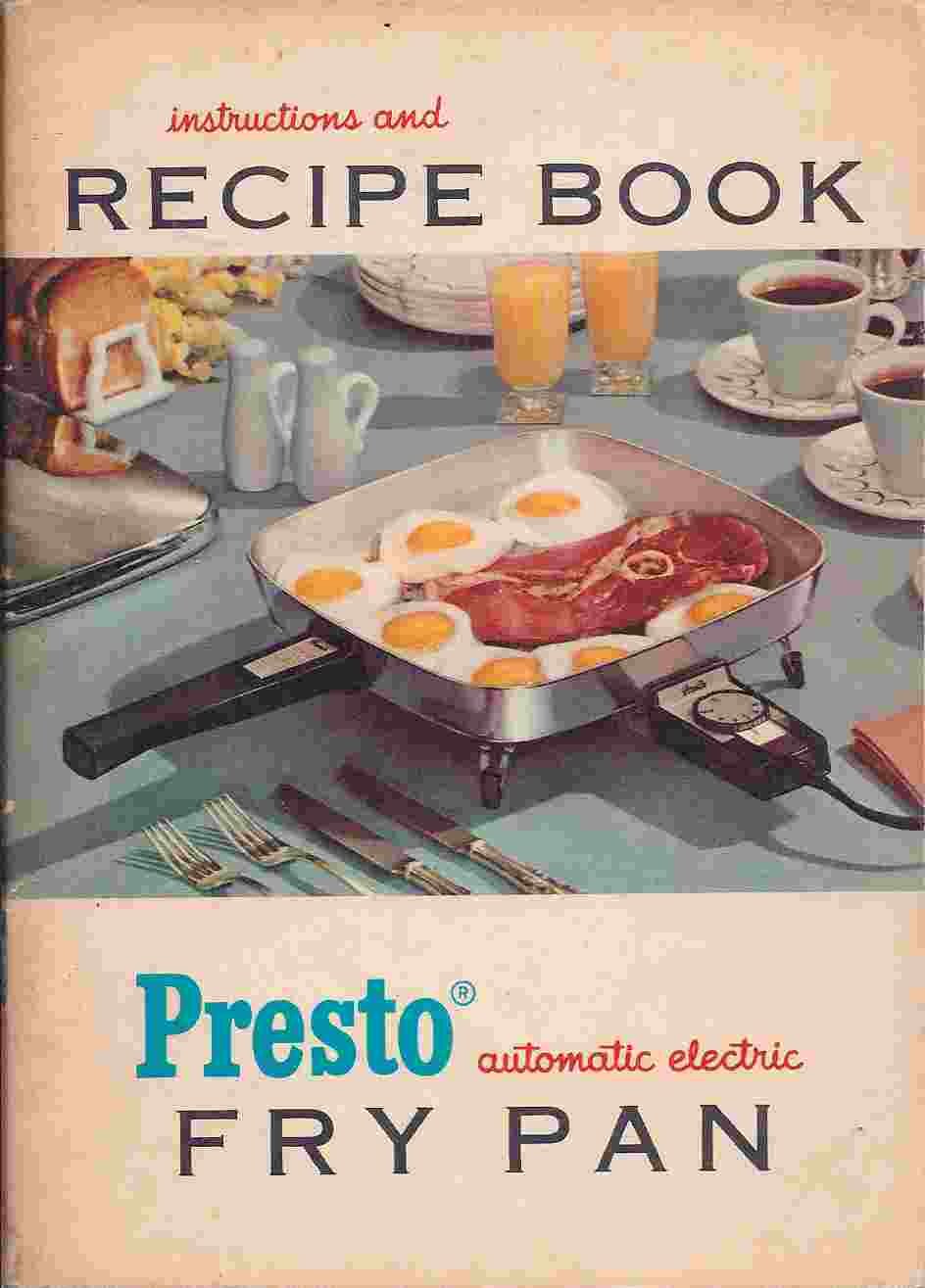
Source: animalia-life.club
How to Get the Best Results From a Presto Electric Frying Pan
A Presto electric frying pan works much like a regular skillet, but its heating element and temperature control are built into the appliance. This gives you a way to cook on a counter instead of using a stove burner. Many models also have a lid, which helps hold heat and moisture during covered cooking.
Start by placing the skillet on a dry, level, heat-safe surface with room around it for airflow. Attach the temperature control as directed by the manual. Set the desired temperature, allow the pan to heat, and then add the food. Some models have specific instructions for preheating, oil use, and the correct position of the lid.
The temperature ranges in this guide are based on common Presto electric skillet instructions. They are not exact settings for every model or every recipe. A temperature control may cycle on and off as it maintains heat, so the indicator light alone does not tell you whether the center of a thick piece of meat is cooked.
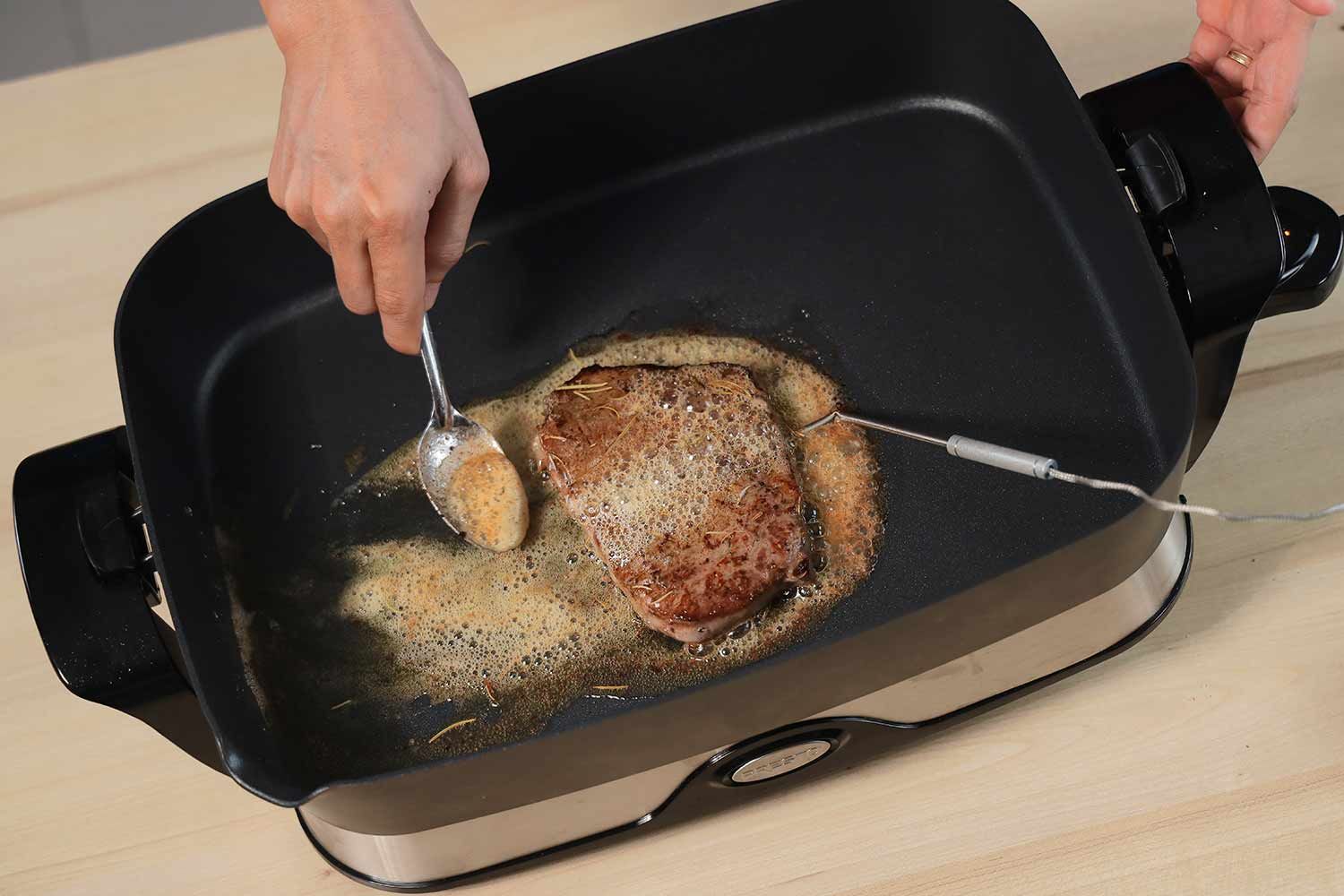
Source: www.pinterest.com
Use a little oil when needed
A thin layer of cooking oil can help prevent sticking and support browning. Follow the recipe and the care instructions for your skillet’s cooking surface.
Keep the lid nearby
The lid helps cook foods that need trapped heat or moisture. Leave it off when you want surface browning or need to let excess moisture escape.
Give food room
Cook in batches when needed. Crowded food releases moisture and can brown slowly.
Check the food, not just the clock
Cooking times depend on thickness, starting temperature, and the amount of food in the pan. Use visual checks and a food thermometer where appropriate.
Presto Electric Skillet Temperature Guide
Presto instruction tables give approximate temperature ranges for common foods. The following table offers a useful starting point for many electric skillets. Check the manual for your exact model and adjust as the food cooks.
Eggs
About 250 to 275 degrees Fahrenheit for fried or scrambled eggs in models with a temperature dial.
Bacon
About 300 to 325 degrees Fahrenheit. Turn the strips as needed and adjust the heat if they brown too fast.
French toast
About 300 to 325 degrees Fahrenheit. Cook until the outside is golden and the center is set.
Pancakes
About 350 to 400 degrees Fahrenheit. Lower the heat if the outside darkens before the center cooks.
Chicken
Some Presto guides list about 325 to 350 degrees Fahrenheit for pan-frying chicken. Always check the thickest part for safe doneness.
Fish
About 325 to 375 degrees Fahrenheit in many model guides. Thin fillets cook faster than thick pieces.
Hamburgers
About 325 to 375 degrees Fahrenheit for patties around one-half inch thick, with time adjusted for thickness and the desired safe internal temperature.
Easy Presto Electric Frying Pan Breakfast Recipes
Breakfast is a good place to start because many breakfast foods cook quickly in an electric skillet. Pancakes, eggs, potatoes, and French toast need only a few basic ingredients. Make the items in stages if your pan is not large enough to hold everything at once.
For a simple breakfast, cook the potatoes first and keep them warm while you prepare the eggs. This order gives the potatoes time to develop a golden crust without leaving the eggs in the pan too long.
Source: ar.inspiredpencil.com
Best for a quick meal
Scrambled eggs and toast, pancakes, French toast, and skillet breakfast potatoes.
Best for a weekend breakfast
A vegetable and cheese frittata or a larger batch of pancakes served with fruit.
1. Fluffy Electric Skillet Pancakes
These pancakes use everyday pantry ingredients and work well for a relaxed weekend breakfast. The batter should be thick enough to hold its shape but loose enough to spread gently when poured.
Ingredients
Use 1 cup all-purpose flour, 1 tablespoon sugar, 2 teaspoons baking powder, one-quarter teaspoon salt, 1 egg, three-quarters cup milk, 2 tablespoons melted butter, and a little extra butter or oil for the pan.
Step 1
Mix the flour, sugar, baking powder, and salt in a bowl. In another bowl, whisk the egg, milk, and melted butter.
Step 2
Pour the wet mixture into the dry ingredients. Stir just until combined. A few small lumps are fine, and overmixing can make the pancakes tough.
Step 3
Preheat the skillet to about 350 degrees Fahrenheit, if that setting suits your model. Lightly grease the surface and pour small rounds of batter into the pan.
Step 4
Cook for about 2 to 3 minutes on the first side, or until bubbles form and the edges look set. Flip and cook the other side until golden and cooked through.
Serving tip
Serve with maple syrup, sliced strawberries, blueberries, or banana. If the first pancake browns too fast, lower the heat before cooking the next batch.
2. Golden French Toast
French toast is a simple way to use bread that is a day or two old. Slightly firm bread can soak up the egg mixture without falling apart. Thick slices may need a little more cooking time than thin sandwich bread.
Ingredients
Use 4 slices of bread, 2 eggs, one-half cup milk, one-half teaspoon cinnamon, one-half teaspoon vanilla extract, and butter for the skillet.
Step 1
Whisk the eggs, milk, cinnamon, and vanilla in a shallow bowl. Dip each bread slice into the mixture and let the excess drip off.
Step 2
Heat the skillet to about 300 to 325 degrees Fahrenheit. Add a small amount of butter, then place the soaked bread in a single layer.
Step 3
Cook for about 2 to 3 minutes per side as a starting point, adjusting for the bread’s thickness. The surface should be golden, and the egg mixture should be fully cooked.
Serving tip
Add fresh fruit, plain yogurt, or a light dusting of cinnamon. Keep finished slices warm while the next batch cooks.
3. Crispy Breakfast Potatoes
Breakfast potatoes need enough time to soften inside and brown outside. Cut them into small, even cubes so they cook at a similar rate. A crowded skillet can trap steam and leave the potatoes soft.
Ingredients
Use 2 medium potatoes, 1 tablespoon oil, one-half small onion, one-half teaspoon paprika, salt, black pepper, and chopped parsley if desired.
Step 1
Wash the potatoes and cut them into small cubes. For a shorter cooking time, microwave the cubes until partly tender, then pat them dry.
Step 2
Heat the skillet to about 300 to 350 degrees Fahrenheit. Add the oil and potatoes, spreading them into one layer.
Step 3
Cook for around 10 to 15 minutes if the potatoes were partly cooked first, turning now and then. Raw cubes may take longer, depending on size and heat.
Step 4
Add the onion and seasonings when the potatoes begin to soften. Continue cooking until the potatoes are tender inside and browned outside.
Serving tip
Pair the potatoes with eggs, cooked sausage, or sliced avocado. Add herbs at the end to keep their flavor fresh.
Simple Presto Electric Frying Pan Dinner Recipes
An electric skillet can handle many weeknight dinners, from burgers to chicken and vegetables. The key is to match the heat to the food and avoid guessing when meat is done. Thick pieces often need more time than a recipe’s suggested range.
For most dinners, prepare the ingredients before switching on the skillet. Cut vegetables to similar sizes, measure seasonings, and keep raw meat separate from ready-to-eat foods. This makes it easier to cook in the right order and reduces the chance of cross-contamination.
Source: ar.inspiredpencil.com
For busy evenings
Try burgers, chicken and vegetables, or a simple beef and pepper stir-fry.
For a comfort-food meal
Choose a covered chicken dish or a beef and vegetable skillet with a small amount of broth.
4. Juicy Electric Skillet Burgers
Burgers are easy to shape and cook in a Presto electric frying pan. Use ground beef that has been kept cold, and wash your hands and tools after handling raw meat. The cooking surface should be hot enough to brown the patties without burning the outside.
Ingredients
Use 1 pound ground beef, one-half teaspoon salt, one-quarter teaspoon black pepper, one-half teaspoon garlic powder, and burger buns with your preferred toppings.
Step 1
Divide the beef into four equal patties. Shape them gently and season both sides. Avoid pressing them hard, which can make the texture dense.
Step 2
Heat the skillet to about 325 to 375 degrees Fahrenheit. Add a small amount of oil if needed for your pan, then place the patties in a single layer.
Step 3
Cook for about 4 to 6 minutes per side as a starting point, depending on patty thickness and skillet performance. Use a food thermometer rather than color alone.
Step 4
Cook ground beef to an internal temperature of 160 degrees Fahrenheit. Add cheese near the end and allow it to melt. Transfer the cooked patties to clean plates.
Serving tip
Serve on toasted buns with lettuce, tomato, onion, pickles, or mustard. Cook in batches if the patties crowd the pan.
5. Garlic Chicken and Vegetables
Chicken and vegetables make a flexible skillet dinner. Boneless chicken cooks more evenly when cut into similar-sized pieces, while firm vegetables need a little more time than tender ones. This version uses a lid to help the chicken cook through without drying out.
Ingredients
Use 1 pound boneless chicken breast or thighs, 1 tablespoon oil, 2 cups broccoli florets, 1 sliced bell pepper, 2 minced garlic cloves, one-half cup low-sodium chicken broth, one-half teaspoon paprika, salt, and black pepper.
Step 1
Cut the chicken into even pieces. Pat dry and season with paprika, salt, and pepper. Keep the cutting board and knife used for raw chicken away from cooked food.
Step 2
Heat the skillet to about 325 to 350 degrees Fahrenheit. Add the oil and brown the chicken in batches if needed. Browning adds flavor but does not mean the chicken is fully cooked.
Step 3
Add the bell pepper and broccoli. Stir for a few minutes, then add the garlic and broth. Scrape up any browned bits with a suitable utensil.
Step 4
Cover the skillet if the model’s instructions allow it. Lower the heat as needed and cook until the chicken reaches 165 degrees Fahrenheit in its thickest pieces.
Serving tip
Serve over rice, couscous, or noodles. If the pan looks dry before the chicken is done, add a small amount of broth and keep cooking.
6. Lemon Pepper Fish Fillets
Fish cooks quickly, which makes it a useful choice for an easy skillet meal. Tilapia, cod, and other mild white fish work well with lemon and pepper. Choose fillets of similar thickness so they finish at about the same time.
Ingredients
Use 2 fish fillets, 1 tablespoon oil or butter, one-half teaspoon lemon pepper seasoning, a pinch of salt if needed, and lemon wedges.
Step 1
Pat the fish dry and season both sides. Handle raw fish with clean utensils and keep it away from ready-to-eat foods.
Step 2
Preheat the skillet to about 325 to 350 degrees Fahrenheit, following your model’s guide. Add the oil or butter and place the fish in the pan.
Step 3
Cook for roughly 3 to 5 minutes per side for many thin fillets, adjusting for thickness. Turn carefully with a wide spatula so the fish does not break apart.
Step 4
Check that the fish reaches 145 degrees Fahrenheit at its thickest point, or that it is opaque and separates easily with a fork. A thermometer provides a more reliable check.
Serving tip
Add fresh lemon juice and serve with green beans, roasted-style skillet potatoes, or rice.
7. Beef and Pepper Stir-Fry
A stir-fry is a good way to use a small amount of beef with plenty of vegetables. Thin slices cook quickly, so cut the beef across the grain and prepare everything before heating the pan. For the best browning, cook in batches rather than piling all the ingredients together.
Ingredients
Use 12 ounces thinly sliced beef, 1 sliced bell pepper, 1 small sliced onion, 1 cup broccoli florets, 2 tablespoons low-sodium soy sauce, 1 teaspoon minced garlic, 1 teaspoon grated ginger, and 1 tablespoon oil.
Step 1
Mix the soy sauce, garlic, and ginger in a small bowl. Keep the raw beef separate from cooked food and wash any tools that touch it.
Step 2
Heat the skillet to around 375 degrees Fahrenheit if that setting is appropriate for your model. Add a little oil and brown the beef in a single layer.
Step 3
Move the beef to a clean plate. Add the broccoli, pepper, and onion, cooking until crisp-tender. Add a small splash of water if the vegetables need help softening.
Step 4
Return the beef to the skillet, add the sauce, and stir until hot. For whole cuts of beef, follow safe-temperature guidance and account for the cut and thickness; thin stir-fry strips can be difficult to check accurately without a suitable thermometer.
Serving tip
Serve over rice or noodles. Add more soy sauce only after tasting, since the sauce already contains salt.
Vegetable Sides and One-Pan Comfort Food
Vegetables can be cooked in an electric skillet as a side dish or added to a larger meal. The trick is to start with ingredients that take longer to soften, then add tender vegetables near the end. A small amount of liquid can help vegetables cook, while leaving the lid off can help excess moisture escape.
These recipes are easy to adapt to what is in the refrigerator. Keep the cuts similar in size, taste as you go, and add delicate herbs at the end rather than at the start.
Source: animalia-life.club
For a simple side
Cook green beans, carrots, mushrooms, or mixed vegetables with a little oil and seasoning.
For a filling meal
Try a covered rice and vegetable dish or serve sautéed vegetables with chicken, fish, or beans.
8. Garlic Green Beans and Mushrooms
This side dish pairs well with burgers, chicken, fish, or a meat-free dinner. Fresh green beans give the dish a firm bite, while mushrooms add a savory flavor. Frozen green beans can also work, but they may release more water.
Ingredients
Use 12 ounces trimmed green beans, 8 ounces sliced mushrooms, 1 tablespoon olive oil, 2 minced garlic cloves, salt, black pepper, and a squeeze of lemon.
Step 1
Heat the skillet to about 300 to 325 degrees Fahrenheit and add the oil. Cook the mushrooms until they begin to soften and release moisture.
Step 2
Add the green beans and a tablespoon or two of water. Cover if the manual permits, and cook until the beans reach the texture you like.
Step 3
Remove the lid and allow excess moisture to cook off. Add the garlic near the end so it does not burn.
Step 4
Season with salt, pepper, and lemon juice. If the beans remain too firm, add a little more water and continue cooking.
9. Easy Skillet Sausage and Peppers
Sausage and peppers make a filling meal with very little prep. The right cooking method depends on whether the sausage is raw or fully cooked. Check the package first, since cooking times and safe temperatures differ.
Ingredients
Use 12 to 16 ounces sausage, 2 bell peppers, 1 sliced onion, 1 tablespoon oil if needed, and Italian seasoning. Choose raw or fully cooked sausage and follow its package directions.
Step 1
Slice the peppers and onion. If the sausage is raw, keep it separate from the vegetables until you are ready to cook it.
Step 2
Heat the skillet to a moderate setting suited to the sausage. Brown the sausage, turning it so the sides color evenly.
Step 3
Add the peppers and onion. Reduce the heat if the vegetables brown too quickly, and add a small splash of water if they need help softening.
Step 4
Cook until the vegetables are tender and the sausage reaches its safe internal temperature. Raw pork sausage should reach 160 degrees Fahrenheit; poultry sausage should reach 165 degrees Fahrenheit.
Serving tip
Serve in rolls, over rice, or alongside a green salad. Keep any cooked leftovers separate from utensils used with raw sausage.
10. Simple Skillet Macaroni and Cheese
Macaroni and cheese can be made in a covered electric skillet when the model allows the use of liquid in the pan. Check the instruction manual first. If your model is not suited to boiling pasta or cooking this type of dish, boil the pasta in a separate pot and use the skillet only for the sauce.
Ingredients
Use 2 cups cooked elbow macaroni, 1 tablespoon butter, 1 tablespoon flour, 1 cup milk, 1 cup shredded cheddar cheese, and a pinch of salt and black pepper.
Step 1
Melt the butter over low heat. Stir in the flour and cook briefly, without letting it darken.
Step 2
Slowly whisk in the milk. Stir until the sauce begins to thicken, keeping the heat low enough to prevent scorching.
Step 3
Add the shredded cheese a little at a time, stirring until melted. Mix in the cooked macaroni and season to taste.
Step 4
Heat until the dish is hot throughout, stirring often. If the sauce becomes too thick, add a small amount of milk.
Sweet Treats You Can Make in an Electric Skillet
A Presto electric frying pan can do more than fry meat and vegetables. Some models support baking-style recipes, such as upside-down cake, when used according to the manual. Gentle heat and a covered pan can help some desserts cook evenly, but the results depend on the pan’s depth, lid, and temperature control.
Start with a recipe that does not need intense direct heat. Keep the batter depth within the pan’s capacity, and check for doneness before serving. Do not assume every skillet can bake every cake or handle every type of bakeware.
Source: animalia-life.club
A quick dessert
Make cinnamon apples with butter and a little brown sugar.
A special weekend treat
Try an upside-down cake only when the model’s manual supports the method and pan setup.
11. Cinnamon Skillet Apples
Warm cinnamon apples make an easy dessert or a topping for pancakes and oatmeal. Use apples that hold their shape when cooked, such as Granny Smith, Honeycrisp, or Braeburn. Slice them evenly so they soften at about the same rate.
Ingredients
Use 3 apples, 1 tablespoon butter, 1 tablespoon brown sugar, one-half teaspoon cinnamon, and 2 tablespoons water.
Step 1
Wash, core, and slice the apples. Melt the butter in the skillet over a low to moderate setting.
Step 2
Add the apples, brown sugar, cinnamon, and water. Stir to coat the slices.
Step 3
Cook for about 8 to 12 minutes, stirring now and then. Add a little water if the pan becomes dry before the apples soften.
Step 4
Remove from the heat when the apples are tender but still hold their shape. Serve warm with oatmeal, pancakes, or vanilla ice cream.
12. Electric Skillet Upside-Down Cake
Upside-down cake is a classic electric skillet baking idea, but it needs the right pan and heat settings. Some Presto temperature tables list upside-down cake cooking at about 225 to 300 degrees Fahrenheit. Treat that range as model-specific guidance rather than a guarantee for every cake mix or skillet.
Ingredients
Use 2 tablespoons butter, one-third cup brown sugar, 1 can pineapple rings drained well, a few maraschino cherries if desired, and a cake batter prepared according to a suitable recipe.
Step 1
Check the manual to confirm that your skillet supports this baking method. Prepare the pan as directed and avoid any cookware or liner that the manufacturer does not approve.
Step 2
Melt the butter and spread the brown sugar over the base. Arrange the pineapple rings and cherries in a single layer.
Step 3
Add the prepared batter, spreading it gently without filling the pan beyond its safe capacity. Cover the skillet if required by the recipe and manual.
Step 4
Cook at the temperature recommended for your model and recipe. Begin checking near the recipe’s expected finish time, since pan depth and batter amount affect baking.
Step 5
Check the center for doneness with a suitable tester. Let the cake rest as the recipe directs before turning it out, taking care with the hot pan and lid.
Presto Electric Frying Pan Cooking Times and Food Safety
A recipe’s cooking time is only a guide. The thickness of the food, the amount in the pan, the starting temperature, and the condition of the skillet all affect how quickly a meal cooks. Use the following table to plan your meal, then check the food itself before serving.
Safe internal temperatures are more useful than appearance alone for meat and poultry. A browned burger can still be undercooked inside, and chicken may look done before it reaches a safe temperature. Use a clean food thermometer in the thickest part of the food.
Source: animalia-life.club
Poultry
Cook chicken and turkey to 165 degrees Fahrenheit.
Ground meat
Cook ground beef, pork, lamb, and veal to 160 degrees Fahrenheit. Ground poultry needs 165 degrees Fahrenheit.
Whole cuts of beef and pork
Cook steaks, chops, and roasts to at least 145 degrees Fahrenheit, then allow a rest of at least 3 minutes.
Fish
Cook fish to 145 degrees Fahrenheit or until the flesh is opaque and separates easily with a fork. A thermometer is the clearest check.
Egg dishes and leftovers
Cook egg dishes to 160 degrees Fahrenheit and reheat leftovers to 165 degrees Fahrenheit.
Approximate Time Guide
These times are broad planning estimates for common portions. The time listed on a recipe or a model’s manual may differ, and food safety always takes priority over the clock.
Pancakes
About 2 to 3 minutes on the first side, then less time on the second side in many skillets.
French toast
About 4 to 6 minutes total for many slices, depending on thickness and heat.
Bacon
About 8 to 10 minutes in some Presto temperature tables, with extra time if you prefer crisp strips.
Half-inch hamburger patties
About 8 to 12 minutes is listed in some model guides, but use the safe internal temperature rather than relying on this range.
Fish fillets
About 5 to 10 minutes in many model tables, with thin pieces cooking faster than thick ones.
Chicken
Some model guides list about 25 to 40 minutes for pan-fried chicken pieces. Size, bone-in or boneless cuts, and cooking method can change the time greatly.
Pork chops
Some Presto guides list about 15 to 25 minutes for chops of different thicknesses. Check the exact cut and its internal temperature.
Safe Handling Tips for Everyday Cooking
Keep raw meat, poultry, fish, and their juices away from cooked food. Wash hands, knives, boards, and work surfaces after handling raw ingredients. Use clean plates and utensils for cooked food, not the ones that held it while raw.
Refrigerate perishable leftovers promptly in shallow containers. Do not leave cooked food at room temperature for long periods. When reheating a stored meal, heat it to 165 degrees Fahrenheit and check the center.
Never rely on color alone
A safe internal temperature is a more dependable check than browning, clear juices, or a set cooking time.
Do not add water to hot oil
Water can cause hot oil to splatter. For covered simmering recipes, add liquid carefully and only as the recipe and appliance instructions allow.
Use the proper utensils
Choose utensils that suit the cooking surface and follow the manual to avoid scratches or damage.
Common Presto Electric Skillet Problems and How to Fix Them
Most cooking problems come from heat, moisture, pan crowding, or food thickness. Make one adjustment at a time so you can see what changes the result. If the appliance behaves oddly, unplug it and consult the manual instead of trying to repair electrical parts yourself.
Source: gopresto.com
Food browns too fast
Lower the temperature and check whether the pan was preheated too long. Thick foods need enough time for the center to cook without burning the surface.
Food looks pale and wet
The pan may be crowded or the ingredients may contain too much moisture. Cook in smaller batches and let excess moisture escape when the recipe allows.
Chicken is brown outside but raw inside
Lower the heat if needed, cover only when appropriate, and continue cooking until the thickest part reaches 165 degrees Fahrenheit. Do not serve it based on surface color.
Pancakes stick to the surface
Check the cooking surface’s condition, use a suitable light coating of fat if permitted, and wait until the edges set before flipping.
Vegetables are still hard
Cut them into smaller pieces, add a small amount of water, and cover if the manual permits. Continue cooking until they reach the texture you want.
The temperature seems inconsistent
A control light may cycle as the appliance regulates heat. If the skillet does not heat as expected, unplug it, allow it to cool, and check the manual and approved service guidance.
How to Clean and Store the Skillet
Unplug the skillet and let it cool before cleaning. Remove the temperature control only as directed by the manufacturer, and keep electrical parts away from water. Clean the cooking surface with methods and tools approved for your model.
Avoid harsh scrubbing tools if the cooking surface has a coating. Dry the skillet and any removable parts thoroughly before storage. Check the cord, plug, handles, and temperature control for visible damage before the next use. Do not use the appliance if an electrical part is damaged.
Clean after each use
Remove grease and food residue once the pan is cool enough to handle safely.
Protect the cooking surface
Use only approved cleaning tools and avoid cutting food directly in the pan.
Store it dry
Keep the appliance in a dry place and store the temperature control as directed in the manual.
How to Choose the Right Recipe for Your Presto Model
The best recipe depends on the size and features of your electric skillet. A small pan works well for eggs, pancakes, and side dishes, while a larger model gives you more room for family meals. A lid can help with covered cooking, but the manual determines which methods are suitable for your specific appliance.
Presto has published recipe ideas for electric skillets, including breakfast dishes, vegetables, beef, chicken, seafood, and desserts. Its recipe collection and instruction books are useful starting points when you want a recipe that matches the type of appliance you own. Older pans may have different controls or care instructions from newer models.
Source: amazon.com
For a small household
Start with pancakes, eggs, fish fillets, and small vegetable sides. These dishes are easy to prepare in modest batches.
For family dinners
Look for recipes that fit in a single layer or can be cooked in batches, such as burgers, chicken and vegetables, or sausage and peppers.
For slow, covered dishes
Check whether your model supports simmering and how its manual directs you to use the lid and temperature control.
For baking-style recipes
Use recipes that are designed for an electric skillet and follow the model’s instructions for temperature, cover use, and safe capacity.
Where to Find More Presto Electric Skillet Recipes
The official Presto website has a skillet recipe index with dishes such as frittatas, French toast, beef stew, chili, chicken stir-fry, vegetables, and desserts. The manufacturer also offers an electric skillet cookbook with recipes developed for an 11-inch skillet, many of which can be adapted to larger pans.
Use the recipe’s intended pan size as a guide. If you scale the ingredients up, do not fill the skillet past its safe capacity. A larger amount of food can take longer to heat, and an adjustment to ingredient amounts may change the texture or cooking time.
Read the manual first
Find the instructions for your exact model before using a new cooking method.
Keep a simple recipe log
Write down the temperature, food size, and cooking time that worked in your kitchen. This is a practical way to improve repeat results without treating one timing as universal.
Adapt one thing at a time
Change the heat, batch size, or ingredient cut separately so you can tell which adjustment helped.
Frequently Asked Questions
Q
What can I cook in a Presto electric frying pan?
You can cook eggs, pancakes, French toast, bacon, breakfast potatoes, burgers, chicken, fish, pork chops, vegetables, stir-fry, and some desserts. The available methods depend on your model and its instructions. Start with simple recipes that suit the skillet’s size and temperature range.
Q
What temperature should I use for most electric skillet recipes?
There is no single temperature for every recipe. Many Presto guides list about 250 to 275 degrees Fahrenheit for eggs, 300 to 325 degrees for French toast and bacon, and 350 to 400 degrees for pancakes. Meat and vegetables need different settings based on their cut, size, and cooking method. Check your model’s manual.
Q
Can I cook chicken in a Presto electric frying pan?
Yes, if you follow the appliance instructions and use a suitable method. Brown the chicken, then continue cooking with appropriate heat. Covered cooking may help retain moisture when the manual permits it. Use a food thermometer to make sure every piece reaches 165 degrees Fahrenheit at its thickest point.
Q
Can I bake a cake in a Presto electric skillet?
Some electric skillet models and recipes support baking-style dishes, including upside-down cake. Check the manual for your exact model before trying it. Use a recipe made for an electric skillet, follow the stated temperature and cover instructions, and check the center for doneness.
Q
Why do my electric skillet pancakes burn outside but stay raw inside?
The temperature may be too high, the batter may be too thick, or the pancakes may be too large. Lower the heat, make smaller pancakes, and allow the center time to cook. Flip when bubbles form and the edges look set rather than turning them too soon.
Q
Can I use my Presto electric skillet to deep-fry food?
Do not assume every electric skillet is designed for deep-frying. Check the manual for your exact model and never fill the pan with oil beyond the stated limit. If the manual does not approve deep-frying, use an appliance designed for that method instead. Hot oil can cause severe burns and fires.
Q
How do I stop food from sticking to my Presto electric skillet?
Use a suitable amount of oil or butter when the recipe calls for it, preheat according to the manual, and let food set before turning it. Avoid overcrowding the pan. If food keeps sticking, check the condition of the cooking surface and follow the manufacturer’s cleaning guidance.
✦ Wrapping Up
Conclusion
Presto electric frying pan recipes can cover much of the daily menu, from pancakes and French toast to chicken dinners, vegetables, burgers, and simple desserts. The skillet is most useful when you match the temperature to the food, prepare ingredients before cooking, and give each item enough room in the pan.
Cooking times and temperatures vary with the model, food thickness, and amount in the skillet. Use the manual for your appliance and a food thermometer for safe doneness. With a few simple recipes, you can build a set of meals that fit your routine and make better use of the electric frying pan you already own.
💡 Key Takeaway
Start with the pancake or breakfast potato recipe, note the temperature and time that work for your skillet, and then try one dinner recipe. Keep your model’s manual nearby and use safe internal temperatures whenever cooking meat, poultry, fish, or egg dishes.