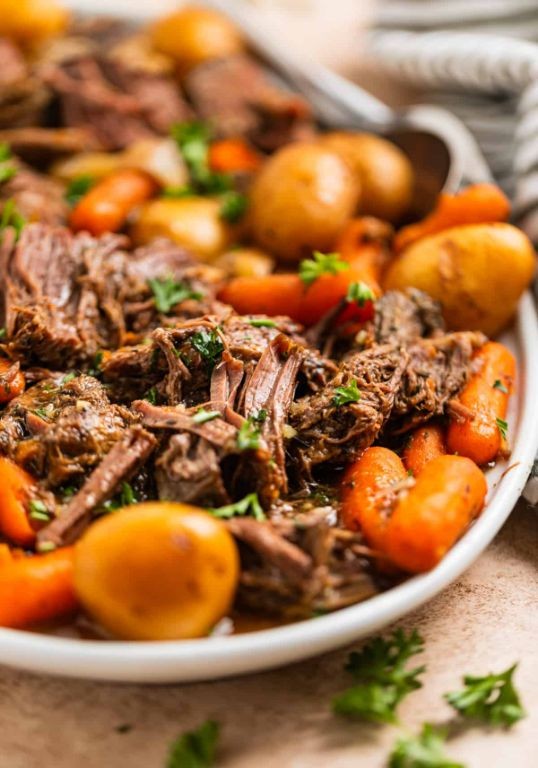
You can make pot roast, beef stew, shredded beef tacos, French dip sandwiches, beef chili, barbecue beef, and many other meals with chuck roast meat. This cut works best with slow cooking, moist heat, and enough time to become tender.
In American home kitchens, chuck roast is a classic choice for Sunday dinner, cold-weather meals, and easy family suppers. It comes from the shoulder area of a cow, where the muscles do plenty of work. That gives the meat rich beef flavor, connective tissue, and a good amount of fat.
The best recipe depends on how you want to serve the beef. Cook it with potatoes and carrots for a classic pot roast, or shred it for tacos, sandwiches, and rice bowls. A slow cooker, Dutch oven, pressure cooker, or covered roasting pan can all work well when you use the right method.
Chuck roast is not usually the best cut for a quick steak dinner. It can be firm when cooked for a short time over high heat. Give it time to soften, keep enough liquid in the pot, and check the meat for tenderness before serving.
Chuck roast can do much more than make a traditional pot roast. Its deep beef flavor works with herbs, spices, tomato sauce, broth, and many types of vegetables. The main trick is to match the cooking method to the dish.
The following ideas cover classic American comfort food, Tex-Mex meals, sandwiches, and a few dishes inspired by other cuisines. Most work best with a whole roast cooked until tender, then sliced or shredded as needed.
Source: sundaysuppermovement.com
1. Classic beef pot roast
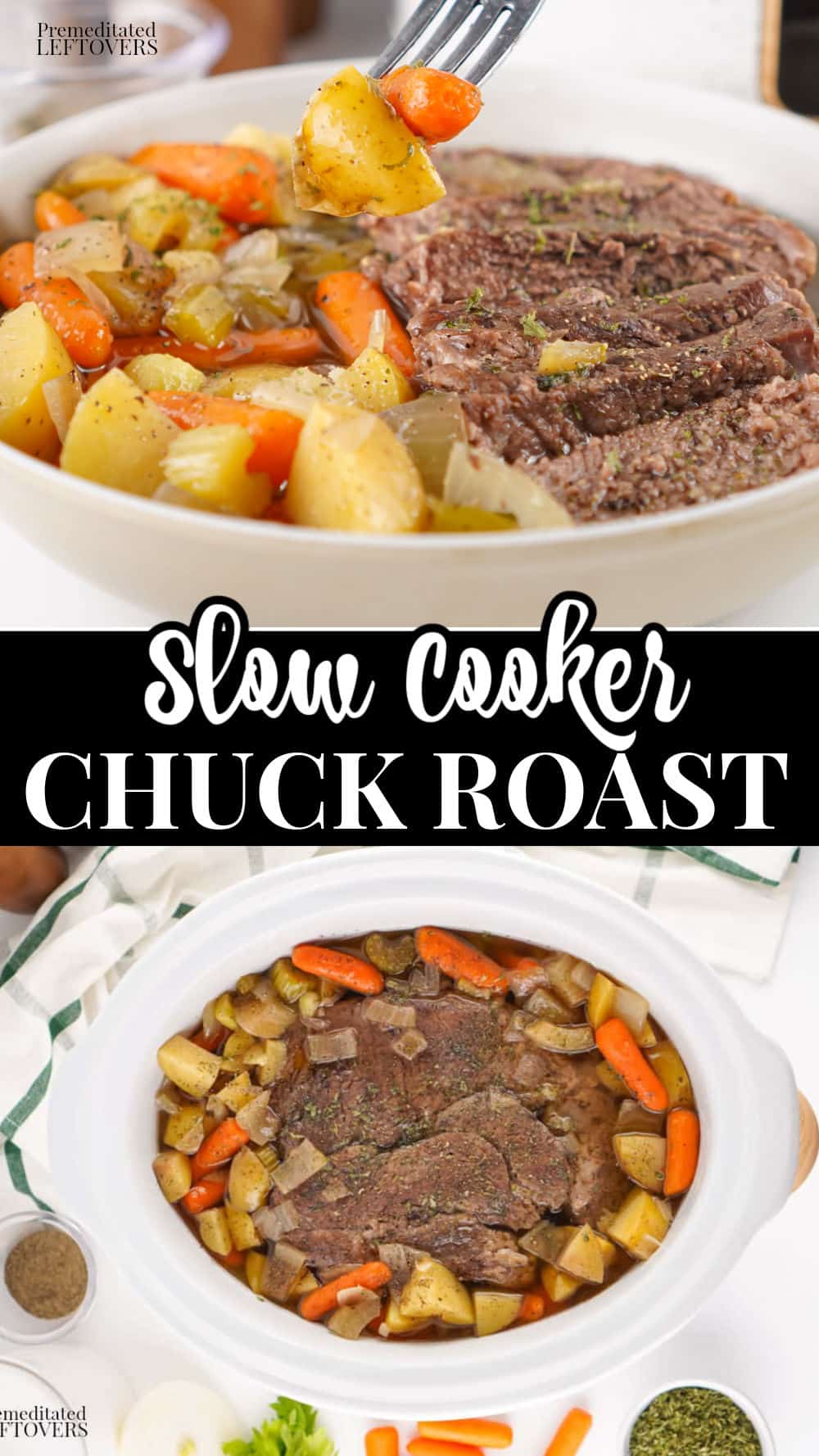
Cook chuck roast with onions, carrots, potatoes, beef broth, garlic, and herbs. Use a covered Dutch oven or slow cooker until the beef is fork-tender. Serve the meat with the vegetables and cooking juices.
2. Slow cooker shredded beef
Cook the roast with broth, onion, garlic, and seasonings until it pulls apart easily. Shred it with two forks and spoon some cooking liquid over the meat. Use it in sandwiches, bowls, tacos, or baked potatoes.
3. Homemade beef stew
Cut the raw chuck roast into large cubes and simmer them with carrots, potatoes, celery, onions, broth, and herbs. The long cooking time helps the beef soften and gives the broth a rich flavor.
4. Shredded beef tacos
Season the roast with cumin, chili powder, garlic, onion, and a little oregano. Braise it in broth with tomatoes or mild green chiles, then shred it. Serve in warm corn or flour tortillas with salsa, lime, and your favorite toppings.
5. French dip sandwiches
Slow-cook the beef with onions, beef broth, garlic, and a splash of Worcestershire sauce. Slice or shred the tender meat, pile it onto rolls, and serve warm cooking juices on the side for dipping.
6. Barbecue beef sandwiches
Cook the roast with a small amount of broth until tender, shred it, and mix in barbecue sauce. Serve on soft buns with coleslaw or pickles. Add the sauce near the end if you want more control over its sweetness.
7. Beef chili
Brown chuck roast cubes, then cook them with tomatoes, beans, onions, chili powder, cumin, and broth. Allow enough time for the beef to become tender. This version has larger, meatier bites than chili made with ground beef.
8. Beef and vegetable soup
Combine chuck roast cubes with broth, carrots, celery, onions, tomatoes, and potatoes or barley. Simmer until the beef is tender. Add quick-cooking vegetables later so they do not turn mushy.
9. Beef enchiladas
Use cooked, shredded chuck roast as the filling for tortillas. Add enchilada sauce, cheese, and a little onion, then bake until hot and bubbling. This is a useful way to turn leftover roast into a new meal.
10. Beef and gravy over mashed potatoes
Cook the roast until tender, then use the cooking liquid to make a savory gravy. Slice or shred the beef and spoon the gravy over mashed potatoes. Green beans or peas make an easy side.
11. Beef quesadillas
Mix shredded chuck roast with cooked onions, peppers, and a little taco seasoning. Add the filling and shredded cheese to tortillas, then cook in a skillet until the outside is crisp and the cheese melts.
12. Italian-style beef sandwiches
Braise the roast with beef broth, garlic, Italian herbs, and sliced peppers. Shred the beef and serve it on rolls with some of the cooking juices. Add provolone if you want a cheesy sandwich.
13. Beef curry
Brown chuck roast cubes and simmer them in a curry sauce with onions, garlic, ginger, spices, and broth or coconut milk. Cook until tender and serve with rice. Keep the heat low enough to avoid scorching the sauce.
14. Beef and mushroom stroganoff
Braise chuck roast until tender, then slice or shred it. Combine it with sautéed mushrooms, onions, broth, and sour cream added near the end. Serve over egg noodles. Do not boil the sauce hard after adding sour cream.
15. Beef rice bowls
Shred the cooked beef and serve it over rice with roasted vegetables, beans, corn, or sautéed peppers. Use the roast’s cooking juices or a simple sauce to keep the meal moist.
Which Chuck Roast Meal Should You Choose First?
Pot roast is the easiest starting point if you want a full meal from one pot. Tacos and sandwiches are better when you want shredded beef that can serve several purposes. Soup and stew are useful when you want the beef to stretch with broth and vegetables.
For a classic family dinner
Choose pot roast with potatoes and carrots.
For several meals from one roast
Make plain shredded beef and season portions differently.
Make quesadillas, tacos, sandwiches, or rice bowls.
Why Chuck Roast Works So Well for Slow Cooking
Chuck roast comes from the shoulder area of the cow. This area contains muscles and connective tissue that can make the meat firm if you cook it too quickly. The same cut becomes tender when cooked slowly with enough moisture.
During long cooking, collagen in the connective tissue gradually breaks down into gelatin. This helps give the meat a softer texture and gives the cooking liquid a fuller feel. Fat also adds flavor, although the amount varies from one roast to another.
Chuck roast is often sold boneless, but bone-in versions may also be available. Both can work for braising and pot roast. Choose a roast with a fresh appearance and keep it cold until you are ready to cook.
Source: 365daysofcrockpot.com
Best for moist, slow cooking
Braising, slow cooking, and pressure cooking are common ways to prepare chuck roast.
Good for slicing or shredding
The finished texture depends on cooking time, moisture, and the structure of the roast.
Flexible flavor options
Beef broth, onions, garlic, herbs, tomatoes, chiles, and spice blends all work in different recipes.
Can You Cook Chuck Roast Like a Steak?
A typical chuck roast is not a good choice for a quick steak cooked for only a few minutes. Its connective tissue needs more time to soften, and a thick roast may stay tough in the center when cooked rapidly.
Some individual chuck muscles can be cut into steaks and prepared with suitable methods, but that is different from cooking a whole chuck roast. For a standard roast, slow cooking is usually the more reliable choice.
How to Cook Chuck Roast in a Slow Cooker
A slow cooker is a practical choice when you want tender beef without watching a pot on the stove. It works well for pot roast, shredded beef, sandwiches, and taco filling. Follow your appliance’s instructions and allow enough time for the meat to become tender.
For a basic roast, use about 3 to 4 pounds of chuck roast, one sliced onion, several carrots, potatoes if desired, garlic, broth, salt, pepper, and dried herbs. These amounts are a starting point rather than a fixed recipe, so adjust the vegetables and seasoning to fit your roast and cooker.
Source: flavorsmade.com
Step 1: Prepare the beef
Pat the roast dry with paper towels. Trim large, hard pieces of excess fat if needed, but do not remove every bit of fat.
Step 2: Brown the roast if desired
Heat a little oil in a skillet and brown the meat on several sides. This adds a deeper roasted flavor, but you can skip this step when time is short.
Step 3: Add the vegetables and liquid
Place the onion and firm vegetables in the cooker, then add the beef. Pour in enough broth to create a moist cooking environment without assuming the roast must be fully submerged.
Step 4: Cook until tender
Use the low or high setting according to the recipe and appliance directions. A large roast may need several hours, and low heat often allows a longer, gentler cook.
Step 5: Check the texture
Test the thickest part with a fork. The meat should pull apart with little effort when it is ready to shred. If it remains firm, continue cooking and check again.
Step 6: Rest and serve
Let the meat rest briefly before slicing or shredding. Remove any large pieces of fat, then add a little cooking liquid to keep the beef moist.
How Much Liquid Should You Add?
Chuck roast releases some moisture as it cooks, so a slow cooker often needs less added liquid than a soup pot. The exact amount depends on the recipe, cooker size, vegetables, and desired sauce. Start with the recipe’s stated amount rather than filling the cooker with broth.
Too little liquid may leave the finished sauce concentrated or make the edges dry. Too much can dilute the beef flavor. The goal is a moist cooking environment, not necessarily a pot full of broth.
Dutch Oven, Oven, or Pressure Cooker: Which Is Better?
The best cooking method depends on the time you have, the texture you want, and the equipment in your kitchen. All three methods can make chuck roast tender when used correctly. The main differences are hands-on work, cooking time, and how much control you have over browning and the sauce.
Source: spendwithpennies.com
Dutch oven
Best for browning the beef, adding vegetables, and slowly braising everything in one pot. Keep the lid on and use a low oven temperature.
Covered roasting pan
Useful when you do not have a Dutch oven. Add liquid, cover the pan tightly, and check that the meat stays moist during cooking.
Slow cooker
Convenient for a long cooking day with little hands-on work. It is especially useful for shredded beef and simple family dinners.
Electric pressure cooker
Can shorten the cooking time compared with traditional braising. Use a tested recipe for the roast’s weight, liquid amount, pressure setting, and release method.
How to Braise Chuck Roast in the Oven
Heat the oven to about 300°F. Pat the beef dry, season it, and brown it in an oven-safe pot with a small amount of oil. Add sliced onions, garlic, herbs, and broth, then cover the pot with a tight-fitting lid.
Place the pot in the oven and cook until the beef is tender. The time can vary with the roast’s size, shape, and starting temperature, so use tenderness as your practical guide rather than relying on the clock alone. Add vegetables at a point that lets them cook through without falling apart.
Signs the roast is ready
A fork enters easily, the meat separates with gentle pressure, and the thickest part is no longer firm.
If the roast is still tough
Cover it again and continue cooking. A roast that is safe to eat may still need more time to reach a tender texture.
What Seasonings and Ingredients Go Best With Chuck Roast?
Chuck roast has a rich beef flavor, so it works with both simple herbs and bold spice blends. Salt and black pepper form a useful base. Garlic, onion, thyme, rosemary, bay leaf, paprika, and Worcestershire sauce can add depth without making the dish complicated.
Choose seasonings based on the meal you plan to make. Classic herbs suit pot roast, while cumin and chili powder work well for tacos and chili. Tomato, vinegar, citrus, and other acidic ingredients can add balance, but they do not replace the long cooking time needed to soften the meat.
Source: usa.taipi.org
For classic pot roast
Use salt, pepper, garlic, onion, thyme, rosemary, and beef broth.
For Mexican-inspired beef
Use cumin, chili powder, oregano, garlic, onion, and lime after cooking.
For barbecue beef
Use onion, garlic, smoked paprika, black pepper, and barbecue sauce.
For Italian-style beef
Use garlic, oregano, basil, black pepper, broth, and sliced peppers.
For stew or soup
Use bay leaf, thyme, black pepper, onions, carrots, celery, and broth.
Should You Add Vegetables at the Beginning?
Firm vegetables such as carrots and potatoes can go into a long braise, but their cooking time matters. Large pieces hold their shape better than small cubes. Add delicate vegetables later if you want them to stay distinct.
Onions can be added early because they soften and flavor the cooking liquid. Fresh herbs with delicate leaves may taste brighter when added near the end. Taste the sauce before serving and adjust salt only after the liquid has reduced or the meat has finished cooking.
How to Make Chuck Roast Tender Instead of Tough
Tough chuck roast usually needs more cooking time, better moisture control, or both. The meat may feel firm before the connective tissue has softened. Avoid assuming that every tough bite means the roast has been overcooked.
Check the meat with a fork in more than one spot. If it resists pulling apart, cover it and continue cooking. If the liquid is running low, add a little hot broth or water so the pot does not dry out.
Source: premeditatedleftovers.com
Keep the cooking temperature moderate
A gentle braise helps the meat soften without rapidly drying the outer layers. Avoid a hard boil for long periods.
Keep the pot covered
A lid traps steam and helps maintain moisture. Check the seal if liquid evaporates too quickly.
Allow enough time
The exact time varies with the size and shape of the roast and the cooking method. Tenderness is a better finishing test than a single fixed cooking time.
Slice against the grain
Look for the direction of the muscle fibers and cut across them. Shorter fibers are easier to chew.
Do not discard the cooking juices
Strain and skim the liquid if needed, then spoon some over sliced or shredded beef. This helps the meat stay moist when served.
Can Chuck Roast Be Too Tender?
Yes. If you want neat slices, cooking until the meat falls apart may make it difficult to cut cleanly. For sandwiches, tacos, and bowls, that soft texture is often useful.
For slices, check the roast before it begins to break apart. For shredded beef, continue until the meat pulls apart easily. Either texture can be right for the dish.
What to Serve With Chuck Roast
Chuck roast pairs well with foods that soak up its juices or add a fresh contrast. Potatoes, rice, noodles, bread, and cooked grains make filling sides. Green vegetables, salads, and pickled foods can balance the rich flavor of the beef.
You do not need a long side-dish list to make dinner feel complete. One starch and one vegetable are often enough, especially when the roast already includes carrots, potatoes, or onions.
Source: i.pinimg.com
Potato sides
Serve mashed potatoes, roasted potatoes, or boiled potatoes with the beef and gravy.
Grain and pasta sides
Try white rice, brown rice, egg noodles, or buttered pasta with shredded beef and sauce.
Vegetable sides
Green beans, broccoli, peas, cabbage, and roasted Brussels sprouts can add color and texture.
Bread and rolls
Use crusty bread to soak up pot roast juices or soft rolls for French dip and barbecue sandwiches.
Fresh and tangy sides
Coleslaw, a green salad, pickled onions, or cucumber salad can help balance a rich meal.
How Much Chuck Roast Should You Buy?
The amount depends on the number of people, the roast’s fat and bone content, and the sides you plan to serve. A boneless roast loses some weight during cooking, and trimming can reduce the amount of meat available to eat.
For a meal with hearty sides, a rough planning range is about one-half pound of raw boneless chuck roast per adult. People with larger appetites or meals built mainly around beef may need more. Treat this as a shopping estimate, not a serving rule.
How to Store and Reuse Leftover Chuck Roast
Leftover chuck roast can become another meal with little work. Store the beef with some of its cooking liquid to help prevent it from drying out. Divide large amounts into shallow containers so they cool more quickly.
Refrigerate cooked beef within two hours of cooking, or within one hour when the surrounding temperature is above 90°F. Keep the refrigerator at 40°F or below, and use refrigerated leftovers within three to four days. Freeze portions you will not use in that period.
Source: spendwithpennies.com
Taco night
Warm shredded beef with a splash of broth and taco seasoning, then serve in tortillas.
Quick beef hash
Chop the cooked meat and sauté it with diced potatoes, onion, and pepper until hot.
Beef noodle soup
Add leftover beef to broth with vegetables and noodles. Add the meat near the end so it does not cook longer than needed.
Loaded baked potatoes
Top a hot baked potato with shredded beef, a little gravy, and cheese or green onions.
Freeze meal-sized portions
Pack the cooled beef and a small amount of sauce in freezer-safe containers. Label them with the date and use them within a reasonable period for best quality.
What Is the Safest Way to Reheat Cooked Chuck Roast?
Reheat leftovers until they reach 165°F throughout. On the stove, place the beef in a covered pan with a little broth or cooking liquid and heat gently, stirring or turning the meat as needed. A microwave also works when you cover the food, rotate or stir it, and check the temperature in several spots.
Thaw frozen leftovers in the refrigerator, in cold water with proper food-safe handling, or in the microwave if you will reheat them right away. Do not thaw meat on the counter. Avoid repeatedly cooling and reheating the same large batch; warm only the portion you plan to eat.
Common Chuck Roast Cooking Mistakes to Avoid
A few small choices can make the difference between tender beef and a disappointing meal. Most problems come from using a method that is too fast, removing too much moisture, or stopping before the meat is ready.
Source: spendwithpennies.com
Cooking the roast for too little time
The beef may reach a safe temperature before its connective tissue has softened. Continue cooking until the texture suits the dish.
Using too much heat
A hard boil can make the outer meat dry and cause the liquid to evaporate quickly. Use a gentle simmer for braising.
Adding too much salt early
Broth, canned tomatoes, sauces, and seasoning blends may already contain salt. Taste the finished cooking liquid before adding more.
Cutting the meat in the wrong direction
Slices that follow the muscle fibers can feel chewy. Find the grain and cut across it.
Using very lean cooking liquid for shredded beef
Beef can seem dry after shredding if it sits without sauce. Mix in enough strained cooking liquid to coat the meat without making it watery.
Leaving cooked beef at room temperature too long
Refrigerate leftovers promptly. Smell and appearance cannot reliably tell you whether food has been held at an unsafe temperature.
Frequently Asked Questions
Q
What is the easiest thing to make with chuck roast?
Classic slow cooker pot roast is one of the easiest options. Add the roast, onion, carrots, potatoes, broth, and seasonings to the cooker, then cook according to a reliable recipe until the meat is fork-tender. You can also leave out the potatoes and use the cooked beef for sandwiches or tacos.
Q
Can I make shredded beef with chuck roast?
Yes. Chuck roast is well suited to shredded beef because its connective tissue softens during long, moist cooking. Cook it with broth and seasonings until a fork pulls the meat apart easily, then remove large pieces of fat and mix the shredded beef with some of its cooking liquid.
Q
How long does chuck roast take to cook?
Cooking time depends on the roast’s weight, shape, thickness, cooking temperature, and appliance. A roast may take several hours in a slow cooker or covered oven, while a pressure cooker can shorten the process. Follow a reliable recipe for the method you use and check for tenderness before serving.
Q
Should I add water or beef broth to chuck roast?
Beef broth adds more flavor, while water can work when the dish includes enough herbs, vegetables, and other seasonings. Use the amount called for by your recipe. The roast usually does not need to be fully submerged when braising or cooking in a slow cooker.
Q
Can I cook chuck roast from frozen?
Do not place a frozen roast directly into a slow cooker. The meat may spend too long at a temperature that allows harmful bacteria to grow. Thaw it safely in the refrigerator before using a slow cooker, or follow the frozen-food instructions for a pressure cooker recipe designed for that purpose.
Q
What is the difference between chuck roast and beef stew meat?
Chuck roast is usually sold as a larger cut, while stew meat is sold in smaller pieces that may come from different parts of the cow. Cutting your own stew cubes from chuck roast lets you choose their size and keep the pieces more consistent. Both can work in stew, but the cooking time depends on the size and type of meat.
Q
Can I use chuck roast for beef stroganoff?
Yes. The most reliable approach is to braise the chuck roast until tender before adding it to the mushroom sauce. Slice or shred the cooked beef, then stir it into the sauce near the end. Add sour cream over low heat and avoid a hard boil to help keep the sauce smooth.
✦ Wrapping Up
Conclusion
Chuck roast is a flexible cut that can turn into far more than a Sunday pot roast. You can use it for beef stew, chili, shredded tacos, French dip sandwiches, barbecue beef, enchiladas, and filling rice bowls. The best choice depends on the flavor you want and how much time you have.
For a simple first meal, cook the roast with onions, carrots, potatoes, broth, and herbs. If you want more than one dinner from the same cut, cook plain shredded beef and divide it into portions. Season each portion for a different meal, and save the cooking liquid to keep the meat moist.
💡 Key Takeaway
Choose one chuck roast recipe based on your available time. Use a slow cooker or covered Dutch oven for tender beef, check that it pulls apart easily, and save leftovers in meal-sized portions for tacos, sandwiches, soup, or rice bowls.