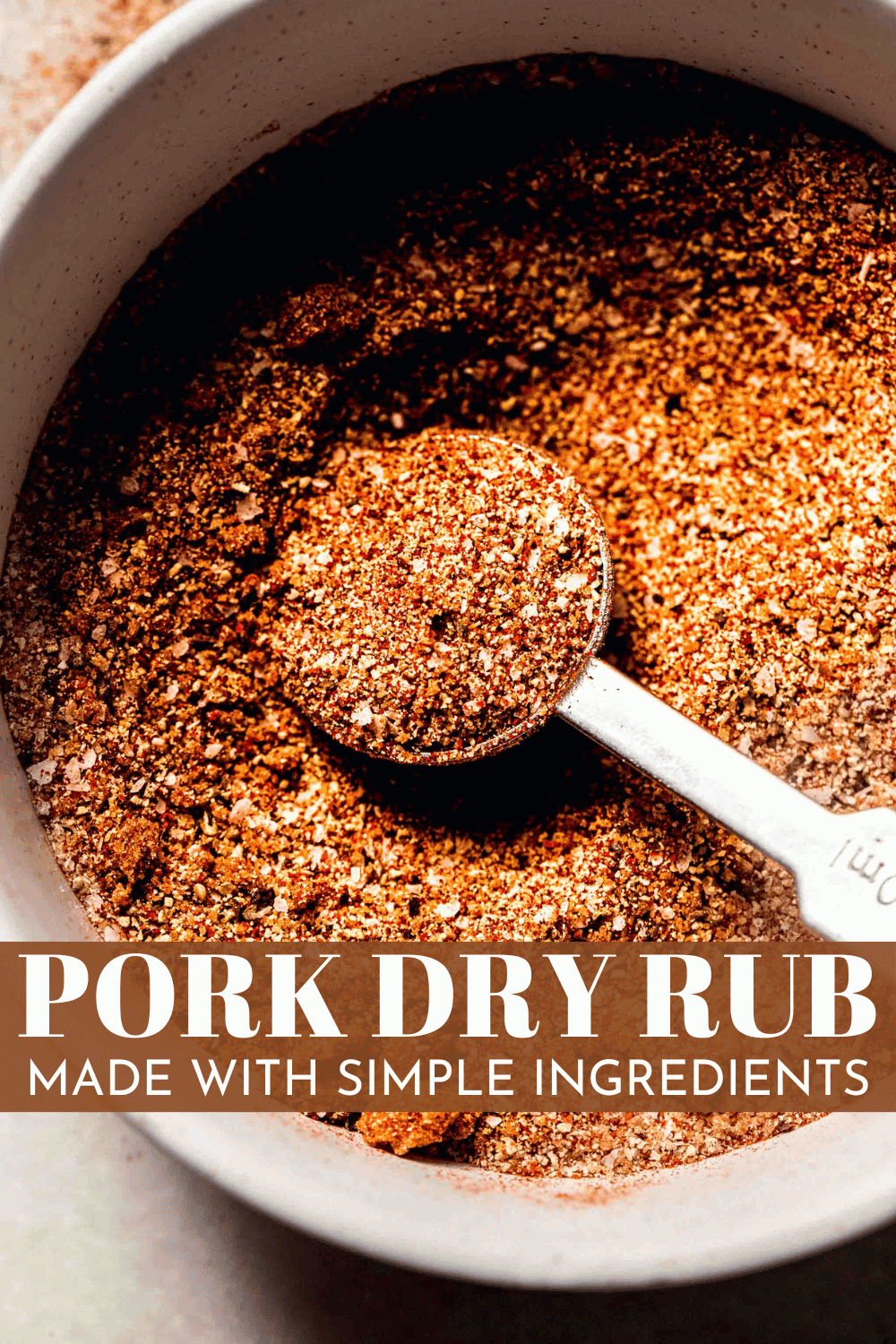
The best dry rubs for pork tenderloin combine brown sugar, paprika, garlic powder, onion powder, salt, and black pepper. Add chili powder, cumin, or dried herbs to change the flavor. Coat the meat evenly, then roast, grill, or smoke it until the center reaches 145°F, followed by a three-minute rest.
Across American home kitchens, pork tenderloin is a handy pick for weeknight dinners, backyard cookouts, and holiday meals. It cooks fairly fast and works well with pantry spices. A good dry rub adds flavor to each bite and helps form a tasty outer crust. You do not need a long list of rare spices to make it work.
The key is to balance sweet, savory, smoky, and warm flavors. Pork has a mild taste, so garlic, pepper, paprika, and herbs can stand out without hiding the meat. Brown sugar adds a hint of sweetness and helps with browning, but too much sugar can burn over high heat. This guide covers a basic pork tenderloin rub, several flavor options, cooking methods, and common mistakes to avoid.
A good pork tenderloin dry rub adds flavor without covering up the meat’s mild taste. It combines salt, spices, herbs, and, if desired, a small amount of sugar. Each ingredient has a role. Salt seasons the pork, while garlic, onion, and pepper build a savory base. Paprika adds color and a gentle earthy taste.
A dry rub is a blend of dry seasonings applied directly to meat. Unlike a marinade, it does not need a liquid base. You can apply it just before cooking or let it sit on the pork for several hours in the refrigerator. As the meat cooks, the spices form a flavorful outer layer.
Pork tenderloin is a lean cut from the muscle along the pig’s backbone. It is not the same as pork loin, which is larger and often needs a different cooking time. Since tenderloin can dry out if overcooked, the rub should support the meat rather than distract from careful temperature control.
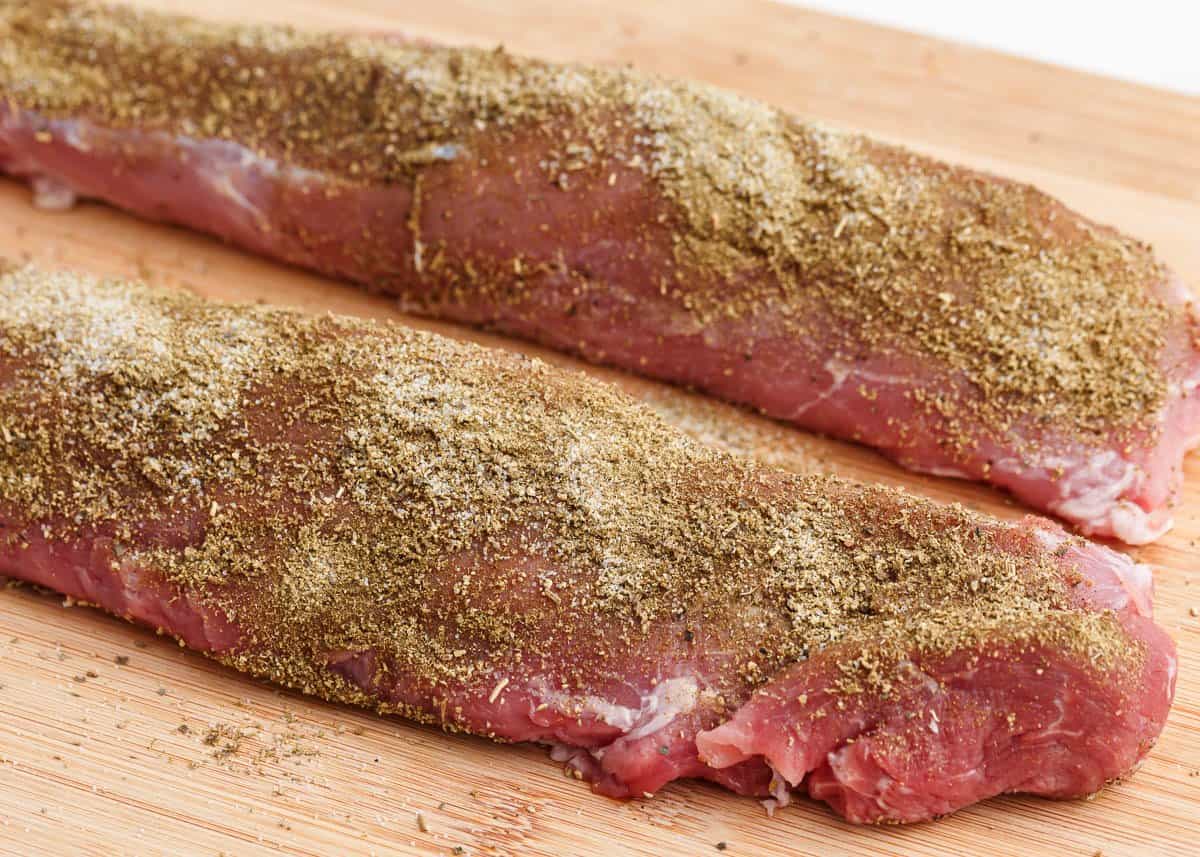
Source: smalltownwoman.com
Salt
Salt boosts flavor throughout the seasoned surface. Adjust the amount to match the type of salt and the amount of pork you are cooking.
Paprika
Sweet paprika gives the rub a mild pepper flavor and a warm red color. Smoked paprika adds a wood-smoke note without requiring a smoker.
Garlic and onion powder
These pantry staples provide a savory base that pairs well with sweet, spicy, and herbal flavors.
Brown sugar
Brown sugar adds sweetness and helps the surface brown. Use less when cooking over very high heat.
Black pepper and herbs
Black pepper adds mild heat, while thyme, rosemary, or oregano can give the rub a fresh, earthy taste.
Dry Rub Versus Marinade
A dry rub is best when you want a simple prep routine and a seasoned outer crust. A marinade uses a liquid, often with oil, acid, herbs, or other flavorings. Both can add flavor, but neither guarantees juicy meat. The final texture depends heavily on the cooking method and internal temperature.
You can use a dry rub alone or add a little oil to help it spread. Oil is optional. If you use a marinade first, avoid applying a wet mixture over the rub unless you want a paste-like coating.
Choose a dry rub
Use it for a quick prep, a distinct spice crust, or a simple blend made from pantry ingredients.
Choose a marinade
Use it when you prefer a liquid-based flavor mix or want to combine herbs and spices with oil or an acidic ingredient.
The Best Basic Dry Rub for Pork Tenderloin
This basic homemade rub is a useful starting point for oven-roasted, grilled, or air-fried pork tenderloin. It balances sweet and savory notes with a little warmth from paprika and black pepper. The recipe makes enough for about one pound of pork, depending on how thickly you coat the meat.
Mix the ingredients in a small bowl before they touch the raw pork. This spreads the salt and spices evenly and helps prevent patches that taste too salty or too bland. Store any unused mixture that has not touched raw meat in a clean, dry, airtight container.
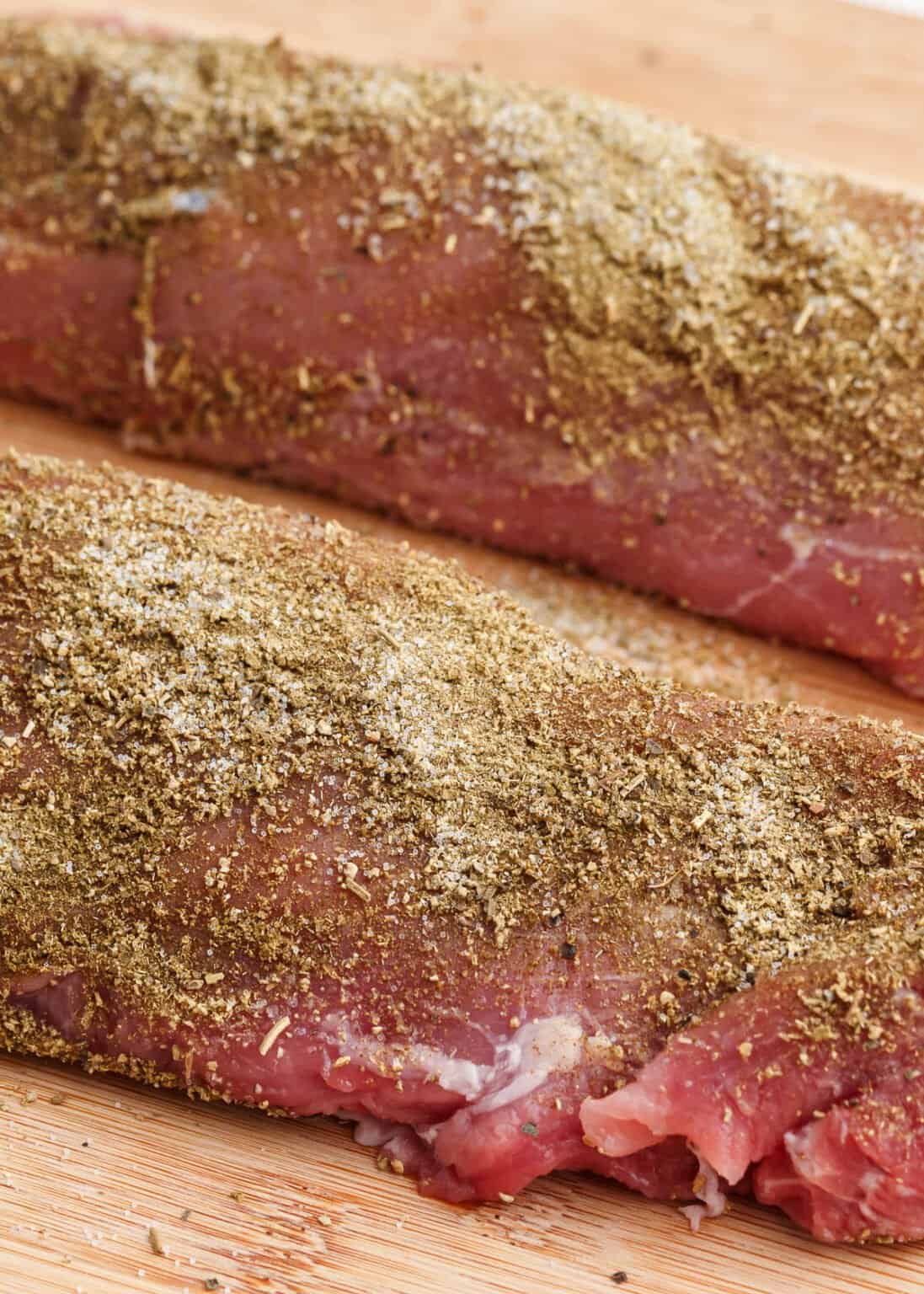
Source: andiemitchell.com
Ingredients
Use 1 tablespoon brown sugar, 1 teaspoon paprika, 1 teaspoon garlic powder, 1 teaspoon onion powder, 1/2 teaspoon kosher salt, 1/2 teaspoon ground black pepper, and 1/2 teaspoon dried thyme.
Optional flavor boost
Add 1/4 teaspoon ground cumin for earthy warmth or a pinch of cayenne pepper for extra heat.
Equipment
You only need a small bowl, measuring spoons, a clean spoon, and a food thermometer for checking doneness.
How to Mix and Apply the Rub
First, stir all the dry ingredients until the mixture looks even. Remove the pork tenderloin from its package and pat the surface dry with paper towels. Check for any silver skin, the tough, shiny membrane on part of the meat, and carefully trim it away with a sharp knife if needed.
Sprinkle the rub over every side of the tenderloin. Use clean hands to press the spices onto the surface without crushing or squeezing the meat. A thin, even coating is better than a thick pile of seasoning in one spot.
Cook the pork right away or place it in a covered container in the refrigerator. If you prepare it ahead, keep the raw meat chilled until cooking time. Do not leave seasoned pork at room temperature for an extended period.
For a mild flavor
Apply a light, even coating and leave out the cayenne pepper.
For a stronger crust
Press the seasoning onto all sides and use a cooking method that allows the surface to brown without burning.
Five Flavorful Dry Rub Variations to Try
The basic recipe is easy to change to suit your meal. A smoky blend fits a backyard barbecue, while herbs and lemon zest work well for a lighter dinner. A spicy rub can add heat without a sauce, and a warm spice blend pairs nicely with roasted vegetables.
The amounts below are starting points for roughly one pound of pork tenderloin. You can scale them up for a larger meal. Keep salt in mind when using spice blends that already contain salt, and taste only the dry mixture before it comes into contact with raw meat.
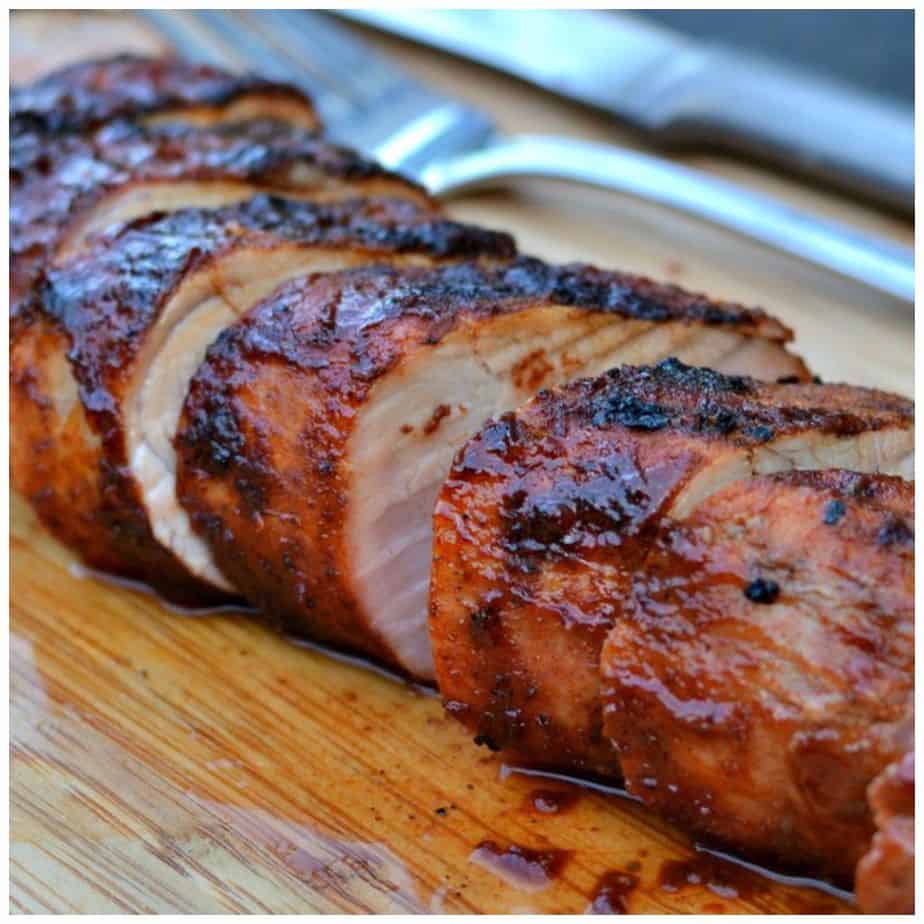
Source: fedandfit.com
1. Sweet BBQ Rub
Mix 1 tablespoon brown sugar, 1 teaspoon paprika, 1 teaspoon garlic powder, 1/2 teaspoon onion powder, 1/2 teaspoon black pepper, and 1/2 teaspoon salt. This blend gives pork a sweet, savory flavor that works well with barbecue sauce.
2. Smoky Paprika Rub
Combine 1 teaspoon smoked paprika, 1 teaspoon garlic powder, 1/2 teaspoon onion powder, 1/2 teaspoon black pepper, 1/2 teaspoon salt, and 1/4 teaspoon cumin. Use this blend when you want a smoky note without using a smoker.
Stir together 1 teaspoon garlic powder, 1/2 teaspoon dried rosemary, 1/2 teaspoon dried thyme, 1/2 teaspoon black pepper, and 1/2 teaspoon salt. This savory blend pairs well with potatoes, carrots, and green beans.
4. Spicy Chili Rub
Mix 1 teaspoon chili powder, 1 teaspoon paprika, 1/2 teaspoon cumin, 1/2 teaspoon garlic powder, 1/2 teaspoon black pepper, and 1/2 teaspoon salt. Add cayenne in small amounts if you want more heat.
5. Maple-Inspired Spice Rub
Combine 1 teaspoon brown sugar, 1 teaspoon paprika, 1/2 teaspoon mustard powder, 1/2 teaspoon garlic powder, 1/2 teaspoon black pepper, and 1/2 teaspoon salt. Serve the cooked pork with a small drizzle of maple syrup if you want a sweeter finish.
Which Rub Should You Choose?
Pick the rub based on the flavor of the full meal. Sweet BBQ seasoning suits corn, baked beans, or coleslaw. Garlic herb seasoning works with roasted potatoes and green vegetables. Smoky paprika is a good fit for grilled food, while chili seasoning adds a warm kick to rice bowls and tacos.
If you are cooking for a group, keep the main rub mild and serve hot sauce or a spicy sauce on the side. This gives each person more control over the heat level without making a second batch of pork.
For children or spice-sensitive guests
Use the basic rub without cayenne and keep black pepper modest.
For barbecue meals
Use the sweet BBQ blend, but watch the surface closely over high heat because sugar can darken quickly.
For a fresh, savory dinner
Choose the garlic herb blend and serve the pork with lemon wedges or a light pan sauce.
How to Cook Pork Tenderloin With Dry Rub
You can cook rubbed pork tenderloin in an oven, on a grill, in an air fryer, or in a smoker. The best method depends on your equipment and the flavor you want. No matter which method you choose, use the thermometer reading rather than color or cooking time alone to decide when the pork is done.
Pork tenderloin varies in size and thickness, so cooking times are estimates. If you sear the meat first, brown each side in a hot skillet, then finish cooking with your chosen method. Keep the heat controlled so the spices brown without turning black.
Heat the oven to 400°F. Place the seasoned tenderloin in a suitable roasting pan or on a rimmed baking sheet. Roast until the thickest part reaches 145°F, checking early because smaller tenderloins may cook faster.
Grilling
Preheat a clean grill and set up a moderate cooking zone. Turn the pork as needed to brown the outside while allowing the center to cook through. Move it away from direct high heat if the sugar or spices begin to burn.
Air frying
Preheat the air fryer according to its instructions, often around 375°F for this type of cut. Place the tenderloin in a single layer with space around it. Check the internal temperature before the expected finish time.
Smoking
Use a smoker set to a suitable cooking temperature, such as 225°F to 250°F, and monitor the pork with a thermometer. Cooking time will depend on the tenderloin’s size, the smoker, and outdoor conditions.
How to Know When the Pork Is Done
Insert a food thermometer into the thickest part of the tenderloin without touching the pan or grill. According to USDA guidance for whole cuts of pork, the safe minimum internal temperature is 145°F, followed by a three-minute rest. The rest is part of the recommended safety guidance, not just a way to improve texture.
Pork can remain slightly pink in the center at 145°F and still meet the recommended temperature when measured correctly. Do not rely on a fully white or gray center as your only sign of doneness. If the temperature is below 145°F, continue cooking and check again.
Use a thermometer
Check the thickest section because the thin ends can cook sooner than the center.
Rest before slicing
Move the pork to a clean plate and let it rest for at least three minutes before cutting.
Avoid overcooking
Begin checking early and use temperature readings instead of following a fixed time alone.
How Long Should Dry Rub Stay on Pork Tenderloin?
You can cook pork tenderloin as soon as you apply the rub. If time allows, refrigerating the seasoned meat for about 30 minutes to several hours can make meal prep easier and give the surface time to absorb the seasoning. Keep the pork covered and cold while it rests.
Salt draws moisture to the surface at first, and some of that moisture can later mix with the spices. Given enough time, the salty liquid may be drawn back into the meat’s outer layers. However, a longer rest does not guarantee a better result for every blend, and the texture will still depend on cooking.
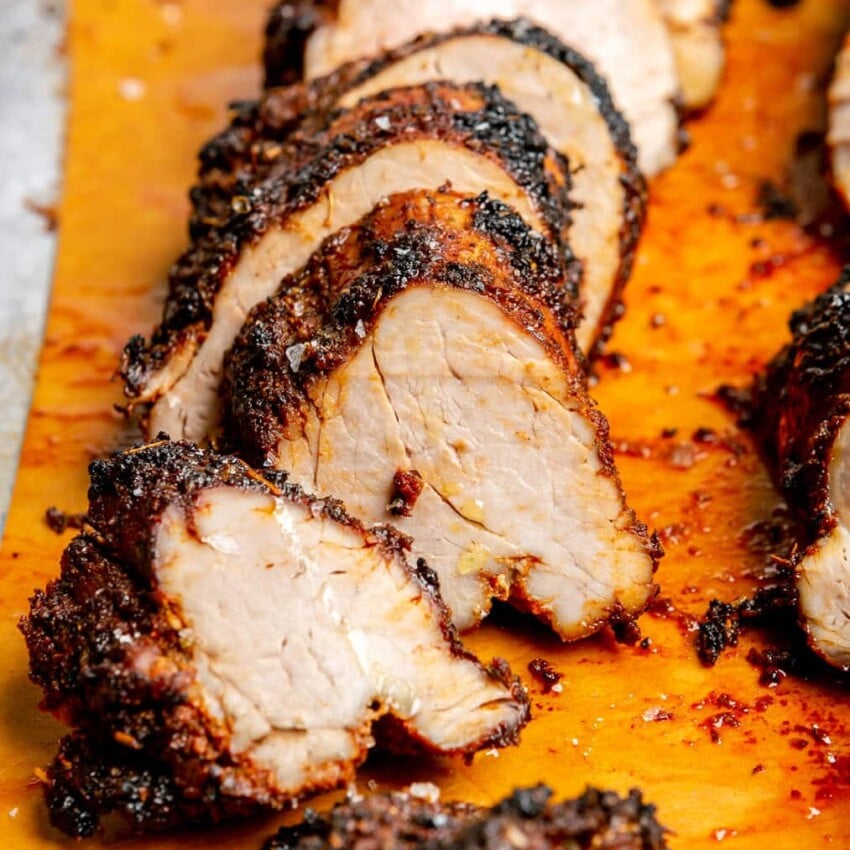
Source: i.pinimg.com
Short prep
Apply the rub just before cooking when dinner needs to be ready quickly.
One to four hours
Refrigerate the seasoned pork in a covered container if you want to prepare it ahead.
Overnight preparation
An overnight rest may suit a salt-balanced rub. Keep the pork refrigerated at 40°F or below and cook it within the safe storage period.
Can You Apply the Rub the Night Before?
Yes. Applying a dry rub the night before can save time on a busy cooking day. Place the seasoned tenderloin in a covered container or on a tray protected from drips, then refrigerate it. Do not leave raw pork on the counter overnight.
If the rub contains a lot of salt, the surface may taste too salty after a long rest. For an overnight blend, measure the salt rather than adding it by eye. If you are unsure how salty the mixture is, start with a modest amount and adjust the seasoning of the finished meal with a sauce or side dish.
Keep it chilled
Maintain refrigerator storage at 40°F or below and keep raw pork away from foods that will be eaten without cooking.
Prevent cross-contamination
Wash hands, utensils, and surfaces after they touch raw pork. Never reuse a plate that held uncooked meat unless it has been washed.
Common Dry Rub Mistakes and How to Fix Them
Most dry rub problems come from poor seasoning balance, a wet meat surface, or heat that is too high. The good news is that small changes can make the next batch much better. Start by checking the ingredient amounts and cooking temperature before changing the whole recipe.
A dry rub will not lock in every drop of moisture or fix overcooked pork. It mainly adds flavor to the outside. To get a tender result, combine an even coating with careful heat control, a thermometer, and a short rest after cooking.
Source: i.pinimg.com
The seasoning falls off
Pat the pork dry before applying the rub. Press the mixture gently onto the surface and use a little oil only if needed to help it adhere.
The crust tastes burnt
Reduce direct heat or choose a blend with less sugar. Move the pork away from intense heat when the outside browns too quickly.
The meat tastes bland
Check whether the rub contains enough salt for the amount of pork. Apply it evenly to all sides instead of seasoning only the top.
The pork is dry
Use a thermometer and stop cooking when the thickest part reaches the recommended 145°F, then rest the meat for three minutes.
The flavor is too sweet
Reduce the brown sugar and add more garlic, black pepper, paprika, or herbs. A sugar-free blend is also suitable for high-heat cooking.
How to Stop Sugar From Burning
Brown sugar is useful for a sweet crust, but it can scorch over intense direct heat. For grilling, sear the tenderloin briefly, then finish it over moderate or indirect heat. Turn the meat as needed and watch the surface rather than leaving it unattended.
If you plan to cook at very high heat, use a rub with little or no sugar. You can add a sweet glaze near the end of cooking if the recipe calls for one, provided you keep a close eye on it. Do not add a glaze so early that it burns before the center reaches a safe temperature.
Choose less sugar
Use smoked paprika, garlic, onion, pepper, and herbs as the main flavor base.
Control the heat
Use indirect heat to finish thicker sections without burning the outside.
What to Serve With Seasoned Pork Tenderloin
Pork tenderloin pairs well with sides that balance its savory flavor. Roasted potatoes, green beans, corn, rice, and a crisp salad are easy choices for an American family dinner. The best match depends on the seasoning blend and whether the meat is roasted, grilled, or smoked.
A sweet BBQ rub works well with tangy coleslaw or roasted corn. Garlic herb pork suits mashed potatoes and green beans, while spicy pork can be served with rice, black beans, or warm tortillas. Keep the sides simple so the pork remains the main part of the meal.
Source: i.pinimg.com
Roasted vegetables
Carrots, broccoli, Brussels sprouts, and potatoes provide a hearty side. Season them separately so the salt level stays balanced.
Fresh salads
A green salad with a lemon dressing can balance a sweet or smoky rub without adding another heavy flavor.
Sauces and finishing touches
Try a light pan sauce, mustard sauce, or barbecue sauce. Serve sauces on the side so diners can choose how much they want.
How to Store Leftover Pork Tenderloin
Slice or portion leftover pork and place it in a clean, shallow container. Refrigerate it within two hours of cooking, or within one hour when the surrounding temperature is above 90°F. Use refrigerated leftovers within three to four days, or freeze them for longer storage.
Reheat leftovers to 165°F for food safety. Add a splash of broth or water when reheating sliced pork to help reduce dryness. Avoid heating the same portion over and over; warm only what you plan to eat.
Refrigerator
Store cooked pork at 40°F or below in a covered container and eat it within three to four days.
Freezer
Freeze portions in airtight, freezer-safe packaging. Label each package with the date to make storage easier to track.
Frequently Asked Questions About Pork Tenderloin Rubs
These answers cover common seasoning and cooking questions that come up when making pork tenderloin at home.
What spices go best with pork tenderloin?
Paprika, garlic powder, onion powder, black pepper, thyme, rosemary, cumin, and mustard powder all pair well with pork tenderloin. Brown sugar can add a sweet note, while chili powder or cayenne brings heat. Choose a blend based on the sides and sauces you plan to serve.
Should I put oil on pork tenderloin before the dry rub?
Oil is optional. Pat the pork dry, then apply the rub directly, or use a thin coating of oil to help the spices stick. Too much oil is not needed and may cause extra smoke during searing.
Can I use the same rub for pork chops and pork loin?
Yes. Most pork tenderloin rubs also work on pork chops and pork loin because the seasonings pair well with pork in general. Adjust the quantity to the size and surface area of the cut, and check each cut’s internal temperature because thickness affects cooking time.
Can I make pork tenderloin dry rub without sugar?
Yes. Combine paprika, garlic powder, onion powder, black pepper, salt, and dried herbs for a savory blend. Add cumin or chili powder for extra warmth. A sugar-free rub is useful when cooking over high heat because it reduces the risk of sugar scorching.
How much dry rub do I need for one pork tenderloin?
For a tenderloin weighing about one pound, start with the basic recipe in this guide and adjust the amount to coat all sides evenly. A larger tenderloin may need more seasoning, but increase salt carefully. Many packages contain two tenderloins, so check the total weight before mixing the rub.
Frequently Asked Questions
Q
What is the best dry rub for pork tenderloin?
A balanced blend of brown sugar, paprika, garlic powder, onion powder, salt, black pepper, and thyme is a versatile starting point. For less sweetness, reduce or omit the sugar and add more herbs or smoked paprika.
Q
How long should I leave dry rub on pork tenderloin?
You can cook the pork right after seasoning. For meal prep, leave it covered in the refrigerator for about 30 minutes to several hours, or overnight if the salt level is suitable. Keep raw pork refrigerated rather than leaving it on the counter.
Q
Do I need to sear pork tenderloin before roasting?
No. Searing is optional. It can add a browned surface and roasted flavor, but you can roast the tenderloin directly after seasoning. Either way, use a thermometer to check that the center reaches 145°F and rest the pork for three minutes.
Q
Why is my pork tenderloin dry even with a dry rub?
A dry rub mainly adds surface flavor; it cannot prevent all moisture loss. Overcooking is a common reason for dry pork. Check the center with a food thermometer, avoid cooking longer than needed, and allow the meat to rest before slicing.
Q
Can I use store-bought pork seasoning instead?
Yes. Store-bought pork seasoning can save time and provide a consistent flavor. Read the ingredient list and check the sodium content, especially if the blend already contains salt. Apply it according to the package directions and avoid adding extra salt until you know how seasoned the pork is.
✦ Wrapping Up
Conclusion
Dry rubs for pork tenderloin are easy to make with common pantry spices. A mix of brown sugar, paprika, garlic powder, onion powder, salt, and pepper gives you a flexible base for many meals. Change the herbs, add smoke with smoked paprika, or bring in chili powder when you want more heat.
The best results come from an even coating, suitable cooking heat, and careful temperature checks. Choose a rub that matches your meal, keep the raw pork chilled during prep, and avoid relying on cooking time alone. With a few simple ingredients, you can make a flavorful pork tenderloin for a weeknight dinner or a backyard cookout.
💡 Key Takeaway
Mix the basic dry rub, coat one pork tenderloin evenly, and cook it until the thickest part reaches 145°F. Let it rest for three minutes, slice across the grain, and serve with your favorite vegetables or potatoes.