Use about 1 to 2 tablespoons of cooking oil for 2 cups of cooked rice. Start with 1 tablespoon in a good nonstick pan, then add a little more if the rice looks dry or begins to stick. The right amount depends on your pan, heat, rice, and other ingredients.
Making fried rice at home is a handy way to use leftover rice, eggs, vegetables, and cooked meat. Across American home kitchens, this dish can be a quick lunch or an easy weeknight dinner. A small amount of oil helps coat the rice, cook the add-ins, and keep the grains from sticking to the pan.
Too much oil can leave a heavy film on the rice and mask the taste of garlic, scallions, and other seasonings. Too little may cause sticking, especially in a stainless steel skillet or a pan that is not fully heated. The goal is to coat the food lightly, not leave a pool of oil at the bottom.
This guide explains how much oil to use for different batch sizes, which cooking oils work well, and when to add more. It also covers common mistakes, the role of sesame oil, and ways to make fried rice that tastes rich without feeling greasy.
For most home recipes, 1 to 2 tablespoons of oil for 2 cups of cooked rice is a useful starting range. Use the lower end when cooking in a nonstick skillet, and consider the higher end when using a larger stainless steel pan or cooking more add-ins. These amounts are practical estimates, not a fixed rule for every stove or recipe.
The amount of rice matters, but it is not the only factor. Eggs, meat, vegetables, and sauces all affect how the food cooks and how much oil seems necessary. A pan that is too crowded may also make the rice feel wet, even when you have used very little oil.
Start with less oil than you think you need. You can add another teaspoon during cooking, but removing excess oil from finished rice is much harder.
Source: milkwoodrestaurant.com
For 1 cup of cooked rice
Start with 1 to 2 teaspoons of oil. Use a little more if you are cooking eggs or several vegetables in the same pan.
For 2 cups of cooked rice
Start with 1 tablespoon and increase toward 2 tablespoons if the pan or ingredients need it.
For 4 cups of cooked rice
Use roughly 2 to 4 tablespoons across the batch, depending on the pan and cooking method. Divide the rice into smaller batches if needed.
For 6 cups of cooked rice
Plan on about 3 to 6 tablespoons in total, but do not pour it all in at once. Cook in batches and judge the texture as you go.
Oil Measurement Table for Fried Rice
Use this table as a starting guide for plain cooked rice before you account for oil already used to cook the other ingredients. The ranges are estimates for home cooking and can be adjusted to match your pan and desired texture.
1 cup cooked rice
Use 1 to 2 teaspoons of oil for a small portion.
2 cups cooked rice
Use 1 to 2 tablespoons of oil for a typical home serving size.
3 cups cooked rice
Use about 1 1/2 to 3 tablespoons of oil, adding it in stages.
4 cups cooked rice
Use about 2 to 4 tablespoons, or cook two smaller batches for better browning.
6 cups cooked rice
Use about 3 to 6 tablespoons in total, with the amount split between batches.
Should You Measure Oil Before or During Cooking?
Measure the first amount before cooking, then keep a teaspoon nearby for adjustments. The oil should form a thin, even film across the cooking surface. If the rice is dry and sticking despite a hot pan, add a small amount around the edge and toss the grains through it.
Do not add another tablespoon just because the rice looks pale. Color comes from heat, browning, seasonings, and the type of rice. More oil alone will not create the dry, separate grains found in well-made fried rice.
What Changes the Amount of Oil You Need?
The best oil amount depends on how you cook, what you add, and how much space the rice has in the pan. Two recipes with the same amount of rice may need different amounts of oil. The following factors help explain why.
Source: 1.bp.blogspot.com
Pan type
A nonstick pan often needs less oil than stainless steel. A well-seasoned wok may also need less than an unseasoned pan, though its surface and condition matter.
Batch size
A larger batch needs more total oil, but a larger quantity does not always mean a higher oil-to-rice ratio. Cook in batches if the rice fills the pan.
Rice moisture
Cold rice with separated grains is easier to fry than wet, freshly cooked rice. Wet rice may steam and clump instead of browning.
Added ingredients
Eggs, meat, and vegetables may need a little oil of their own. Fat from cooked meat can also reduce the amount of extra oil required.
Heat level
A properly heated pan helps fry the grains. Low heat and a crowded pan can leave the rice damp, and adding more oil will not solve the main problem.
How Your Pan Affects Oil Use
A nonstick skillet is a useful option for home cooks who want to use less oil. Begin with a teaspoon or two for a small serving, then increase the amount only if the rice starts to stick. Avoid heating an empty nonstick pan for a long time or using heat beyond the pan maker’s instructions.
A stainless steel skillet can need more care because rice may cling to the surface. Preheat the pan, add oil, and let the oil spread before adding the rice. Do not force the grains to release with a hard scrape if they have just touched the pan; give them a moment to heat and loosen.
A wok has sloped sides that make tossing easier. The flat cooking area may be smaller than it looks, so a large batch can still crowd it. A thin layer of oil in the hot cooking area is more useful than pouring oil high up the sides.
Nonstick skillet
Begin with less oil and add only when needed.
Stainless steel skillet
Preheat it, add oil, then spread the rice across the hot surface.
Wok
Use a thin coating and cook in batches when the rice cannot move freely.
Why Wet Rice Can Seem Greasy
Wet rice may release steam and clump in the pan. When the grains do not fry well, the oil can coat the clumps instead of helping the grains separate. The finished dish may feel heavy even though the total amount of oil was not especially high.
For better results, use rice that has been cooked, cooled, and stored safely. Break up large clumps before cooking, and let excess surface moisture escape. If you need to use fresh rice, spread it out to release steam and avoid overcrowding the pan.
Which Oil Is Best for Fried Rice?
A neutral oil that can handle your cooking temperature is a good choice for most fried rice recipes. Canola oil, ordinary vegetable oil, peanut oil, and avocado oil can all work. The best option is one that suits your heat level, flavor preference, food allergies, and budget.
You do not need a special bottle labeled for fried rice. Plain cooking oil is often enough because garlic, scallions, soy sauce, eggs, and other ingredients supply much of the dish’s flavor. Choose an oil that does not overpower those ingredients unless you want a distinct taste.
Source: mashed.com
Canola oil
A neutral choice for everyday fried rice. Its mild flavor lets the rice and seasonings stand out.
Vegetable oil
A practical option for home kitchens. Check the label because vegetable oil may be a blend of different plant oils.
Peanut oil
Often used for high-heat cooking and has a mild nutty note. Avoid it if peanut allergy is a concern, and prevent cross-contact.
Avocado oil
A versatile option when the product is suitable for your cooking temperature. Flavor and smoke point vary by processing.
Olive oil
Can work for lower to moderate heat and gives the rice its own flavor. Avoid letting it smoke, and choose a type that suits the recipe.
Can You Use Sesame Oil for Fried Rice?
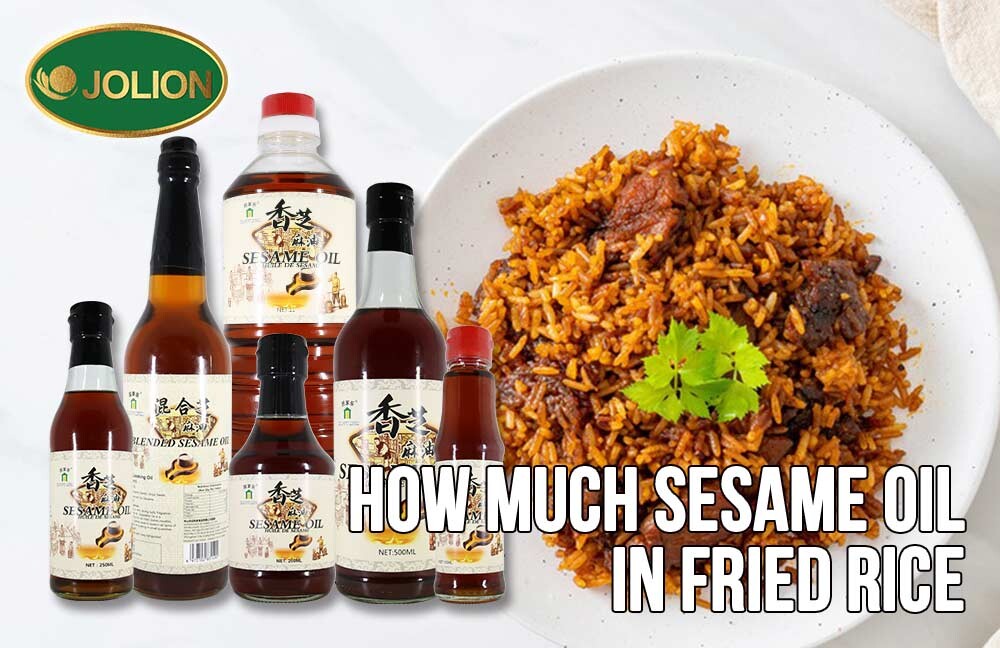
Yes, sesame oil can add a warm, nutty flavor to fried rice. Toasted sesame oil is especially strong, so a small amount can go a long way. For a 2-cup batch, start with about 1/2 teaspoon near the end and taste before adding more.
Sesame oil is often more useful as a finishing flavor than as the only cooking oil. You can fry the rice with a neutral oil, then stir in a little sesame oil just before serving. This approach keeps the sesame taste clear without making it dominate the dish.
The exact amount depends on the product. Toasted sesame oil has a stronger flavor than many light sesame oils, so read the label and adjust to taste.
For a mild sesame flavor
Start with 1/4 to 1/2 teaspoon for 2 cups of cooked rice.
For a stronger sesame flavor
Add another small splash after tasting, rather than pouring in a large amount at once.
Can You Mix Two Oils?
Yes. A common approach is to use a neutral oil for frying and a small amount of sesame oil for flavor. This lets you control the cooking fat and the final aroma separately.
For example, use 1 tablespoon of canola oil to fry 2 cups of cooked rice, then stir in 1/2 teaspoon of toasted sesame oil near the end. Treat this as a starting recipe, not a fixed formula. If you already used oil to cook the eggs and vegetables, you may need less.
How to Add Oil When Making Fried Rice
Add oil in stages instead of pouring the full amount into the pan at once. This makes it easier to control the texture and keeps the rice from sitting in excess fat. For a simple 2-cup batch, one tablespoon may be enough when your pan is hot and the ingredients are prepared.
Source: thespruceeats.com
Step 1: Prepare the rice
Use cooked rice with separate grains. Break up clumps and remove excess moisture before you start.
Step 2: Heat the pan
Warm the pan over medium-high heat, or the heat level suited to your cookware. Do not leave oil unattended or let it smoke heavily.
Step 3: Add the first portion of oil
Pour in enough oil to form a thin coating. Swirl it around the cooking surface rather than letting it collect in one spot.
Step 4: Cook eggs and firm ingredients
If your recipe uses egg, meat, or firm vegetables, cook them as needed. Remove them temporarily if the pan becomes crowded.
Step 5: Add the rice
Spread the rice across the pan and toss it to distribute the oil. Let some grains rest against the hot surface so they can brown.
Step 6: Adjust only if needed
If the rice sticks or looks dry, add about 1 teaspoon of oil at a time. Toss well after each addition.
Step 7: Season and finish
Add sauces in small amounts and keep the rice moving. Finish with scallions or a little sesame oil if desired.
Signs You Have Used Enough Oil
The rice should look lightly coated rather than shiny with grease. The grains should move around the pan without forming large oily clumps, and a spatula should be able to toss them with little effort. A small amount of browning is a good sign when the heat and rice moisture are right.
There should not be a deep pool of oil at the bottom of the pan. If the rice looks greasy, stop adding oil and check whether your heat is too low or the pan is too crowded. You can also transfer the rice to a clean bowl and let excess oil remain in the pan.
Good texture
The grains stay mostly separate and have a light coating.
Good movement
The rice can be tossed without sticking in thick layers.
Too much oil
The rice looks slick, leaves a heavy film, or sits in visible pools of fat.
When Should You Add More Oil?
Add more oil only when there is a clear need. If a few grains stick to the pan, first check the heat and try loosening them with a spatula. If a large amount sticks, the pan may not be hot enough, the surface may not suit the method, or the batch may be too large.
A teaspoon is a useful adjustment for a 2-cup batch. Toss the rice well, wait briefly, and check again before adding another. Small changes make it easier to find the right amount for your kitchen.
How Much Oil for Different Types of Fried Rice?
The base amount can change when you add eggs, vegetables, chicken, shrimp, or rich sauces. Use the cooked rice quantity as your starting point, then account for fat already present in the other ingredients. The amounts below are general estimates for a 2-cup batch.
Source: usimg.bjyyb.net
Vegetable fried rice
Start with 1 to 2 tablespoons of neutral oil. Watery vegetables may release moisture, so cook them enough to reduce excess liquid before adding the rice.
Egg fried rice
Start with about 1 tablespoon total if the pan is suitable. You may need a little extra to cook the egg separately, but count that toward the batch total.
Chicken fried rice
Use roughly 1 to 2 tablespoons, depending on whether the chicken is lean or releases fat. Cook raw chicken fully before combining it with the rice.
Shrimp fried rice
Begin with 1 tablespoon and add more if needed. Shrimp cooks quickly, so avoid leaving it in the pan too long while the rice fries.
Pork fried rice
Use less added oil if the cooked pork already contains a fair amount of fat. Drain excess rendered fat if the pan becomes greasy.
Takeout-style fried rice
Start with a light coating and adjust for your pan and batch size. Restaurant methods and equipment vary, so a single oil ratio does not apply to every takeout dish.
How Much Oil for Egg Fried Rice?
For 2 cups of cooked rice and one or two eggs, begin with about 1 tablespoon of oil in total. If you cook the eggs first, use a small portion of the oil for them and reserve the rest for the rice. Add another teaspoon only if the rice needs it.
Eggs can make the finished dish feel rich even with a modest amount of oil. Keep the heat steady and avoid adding too much sauce at once, since extra moisture can make the rice clump.
How Much Oil for Vegetable Fried Rice?
For 2 cups of cooked rice with chopped carrots, peas, scallions, and similar vegetables, start with 1 to 2 tablespoons of oil. The lower amount may work in a nonstick pan, while the higher amount may suit a larger batch or a pan that needs more coating.
Frozen vegetables can release water as they heat. Let that moisture cook off before adding the rice, and avoid piling too many cold ingredients into a small pan. More oil will not make wet vegetables brown faster.
How Much Oil for Chicken or Shrimp Fried Rice?
Chicken and shrimp can both work with the same basic oil range, but the cooking order matters. Cook raw meat and seafood safely before combining them with the rice, or cook them separately and return them to the pan near the end. Keep raw ingredients and ready-to-eat food separate during preparation.
Lean chicken may need some oil to prevent sticking, while fattier pork can release enough fat to reduce the need for extra oil. Shrimp often needs only a short cooking time. Remove it when done, fry the rice, then return it to the pan to avoid overcooking.
How to Make Fried Rice Without Too Much Oil
You can make flavorful fried rice without using a heavy amount of oil. The key is to manage moisture, pan heat, and batch size. These steps often improve texture more than adding another spoonful of fat.
Source: mashed.com
Use chilled rice when possible
Cold, safely stored rice often has firmer grains that are easier to separate and fry. Break up clumps before cooking.
Dry wet ingredients
Drain vegetables and blot excess moisture from ingredients when appropriate. Wet food can lower the pan temperature and create steam.
Preheat the cooking surface
A hot pan helps the rice fry instead of sitting in oil and liquid. Adjust the heat to suit your cookware and avoid overheating oil.
Cook in small batches
Give the grains room to move. If the pan is crowded, split the rice into two batches rather than adding more oil.
Use sauces with care
Soy sauce and other liquid seasonings add moisture. Add small amounts around the edge of the pan and toss well.
Use flavor-rich aromatics
Garlic, ginger, scallions, and pepper can add depth without needing a large amount of oil.
Can You Make Fried Rice With One Teaspoon of Oil?
Yes, a small serving can sometimes be cooked with just 1 teaspoon of oil, especially in a good nonstick pan. This is more practical for a small portion than for a large family batch. You may need to cook the egg or vegetables separately with a little additional oil, depending on the recipe.
For a 2-cup batch, one teaspoon may be too little if you are using a pan that sticks or adding several ingredients. Start with the amount that helps the rice cook evenly, then adjust as needed. Do not let food burn just to keep the oil amount low.
How to Fix Fried Rice That Is Too Greasy
If the rice is already greasy, stop adding oil and transfer the rice to a clean bowl. If you see a pool of oil in the pan, leave it behind rather than scraping it into the rice. You can then toss the rice with a fresh portion of cooked rice or vegetables that have not been coated in oil.
Avoid trying to fix greasy rice by adding large amounts of soy sauce or water. Those additions can make the rice wet and salty without removing the excess fat. For the next batch, reduce the starting amount of oil and cook the ingredients in stages.
Visible oil in the pan
Transfer the rice without pouring the remaining oil over it.
Heavy, slick grains
Mix in a little plain cooked rice or additional cooked vegetables, if available.
Rice looks wet and greasy
Check for excess sauce or vegetable moisture as well as oil. A short return to the hot pan may help evaporate moisture, but avoid burning the rice.
Common Oil Mistakes When Cooking Fried Rice
Most fried rice problems come from a mix of moisture, heat, timing, and oil. Adding more fat is not always the right fix. Check the signs in the pan before changing the recipe.
Source: thescranline.com
Pouring in all the oil at once
The pan may not need the full amount. Start with part of the oil and add more only when the rice shows signs of sticking or dryness.
Using oil that is smoking heavily
Smoke signals that the oil or food is too hot for the current conditions. Lower the heat and ventilate the area. Never leave hot oil unattended.
Adding wet rice straight from the pot
Fresh, wet rice can steam and form clumps. Cool and store rice safely, then break up the grains before frying.
Filling the pan to the top
A crowded pan traps steam and limits browning. Use a smaller batch to improve texture.
Treating sesame oil as the only cooking fat
Toasted sesame oil has a strong taste. Use a neutral oil for most frying and a small amount of sesame oil for flavor if desired.
Adding oil to fix every sticking problem
The pan may be too cool, the rice may be too wet, or the surface may need better preheating. Fix the cause before adding more oil.
Is More Oil Better for Crispy Fried Rice?
No. More oil does not automatically make fried rice crispier. Crisp edges and light browning depend on heat, moisture, contact with the pan, and the ability of the rice to move without steaming in a crowded pile.
A thin layer of oil helps transfer heat and reduces sticking, but too much can leave the grains slick. If you want more browning, spread the rice in a thinner layer for short periods and toss it as needed. Keep the pan under control so the garlic and other small ingredients do not burn.
Does Soy Sauce Replace Cooking Oil?
No. Soy sauce adds salt, color, and moisture, but it does not replace the role of cooking oil. Adding more soy sauce will not provide the same lubrication as a thin layer of oil and may make the rice too salty or wet.
Use oil for the cooking surface and soy sauce for seasoning. Add sauce in small amounts, taste the rice, and adjust the salt level before serving.
Food Safety Tips for Fried Rice
Cooked rice needs careful handling because harmful bacteria can grow when it sits at room temperature for too long. Oil does not make old rice safe, and frying is not a reliable way to fix rice that has been stored poorly. Follow safe storage practices even when you plan to reheat the rice in a hot pan.
Cool leftover rice promptly, store it in a covered container in the refrigerator, and use it within a safe period. A conservative home practice is to refrigerate cooked rice within 2 hours, sooner in very hot conditions, and use refrigerated leftovers within 3 to 4 days. Reheat leftovers thoroughly until steaming hot throughout.
Do not leave cooked rice on the counter overnight. If rice has been held at room temperature for an unsafe period, discard it rather than trying to rescue it with oil or high heat. When in doubt about how it was stored, the safer choice is to throw it away.
Source: joyfoodsunshine.com
Refrigerate promptly
Place leftover rice in shallow containers so it cools more quickly, and refrigerate it within 2 hours.
Keep raw and cooked foods apart
Use clean utensils and separate surfaces for raw meat or seafood and ready-to-eat ingredients.
Reheat thoroughly
Heat the rice throughout until steaming hot. Stir it during reheating so cold spots do not remain.
Discard rice stored unsafely
Do not rely on smell, appearance, or extra frying to prove that rice is safe.
Can You Fry Rice That Was Left Out Overnight?
No. Rice left at room temperature overnight should be discarded. Some bacteria can produce toxins that may remain even after the rice is reheated, so a hot pan does not make unsafe rice safe again.
For future batches, divide leftover rice into shallow containers and chill it promptly. Keep it cold until you are ready to cook, then add it directly to the hot pan after you have prepared the other ingredients.
Do not taste-test it
A small taste cannot tell you whether rice is safe.
Do not add extra oil
Oil has no role in making improperly stored rice safe.
A Simple Fried Rice Oil Formula for Home Cooks
A repeatable starting formula can make weeknight fried rice easier. Begin with about 1 tablespoon of neutral oil for 2 cups of cooked rice, then account for the pan, the add-ins, and any oil already used to cook them. This keeps the first attempt simple without locking you into one amount.
For a basic batch, heat the pan, add the oil, and cook the aromatics briefly. Add the egg or vegetables as needed, then stir in the rice and toss until the grains are hot and separate. Finish with seasonings and a small amount of sesame oil if you want that flavor.
If the rice sticks, first check whether the pan is hot enough and whether the batch is too large. Add a teaspoon of oil only when the rice truly needs it. If the rice looks greasy, stop adding fat and reduce the amount next time.
Source: milkwoodrestaurant.com
2 cups cooked rice
Start with 1 tablespoon neutral oil.
1 egg
Cook it in part of the measured oil, or use a separate nonstick pan if needed.
1 cup chopped vegetables
Drain excess water and cook them until the surface moisture has reduced.
Seasonings
Add soy sauce gradually and use sesame oil sparingly for aroma.
Final adjustment
Add up to another teaspoon at a time if the rice sticks or looks dry.
How to Scale the Formula for a Family Meal
For 4 cups of cooked rice, start with about 2 tablespoons of neutral oil as a simple proportional estimate. That amount may be enough in a nonstick pan, especially if the eggs and vegetables were cooked with some of the measured oil. Increase it only if the rice needs more coating.
For 6 cups, a single pan may become crowded even if it is large. Split the rice into two batches and use part of the oil for each one. The total amount will depend on your cookware and ingredients, so treat the calculation as a starting point rather than a rule.
Keep notes on the amount that works for your own pan. A small adjustment to the oil, rice moisture, or heat can improve the next batch without changing the whole recipe.
Frequently Asked Questions
Q
How much oil should I use for 2 cups of fried rice?
Start with about 1 tablespoon of neutral cooking oil for 2 cups of cooked rice. Increase toward 2 tablespoons if your pan needs more coating or your ingredients require additional oil. Count the oil used to cook eggs and vegetables as part of the total.
Q
Can I make fried rice with no oil?
You can make a low-fat rice dish in a suitable nonstick pan, but it may not have the same fried texture. Use a small amount of water or broth to prevent sticking if needed, adding only a little at a time. The result will be closer to steamed or stir-cooked rice than classic oil-fried rice.
Q
Is vegetable oil or olive oil better for fried rice?
Vegetable oil is a common choice because it usually has a neutral flavor. Olive oil can also work, especially when its flavor suits the dish, but its heat tolerance varies by type and product. Use either oil at a temperature appropriate for the label and your cooking method.
Q
Should I put sesame oil in fried rice before or after cooking?
For a strong toasted aroma, add a small amount near the end of cooking. You can also stir it in just before serving. Start with about 1/4 to 1/2 teaspoon for 2 cups of rice, then taste and adjust.
Q
Why is my fried rice greasy even when I use little oil?
Wet rice, excess sauce, low heat, and a crowded pan can all create a heavy texture. The oil may coat clumped grains instead of helping them fry separately. Use chilled, safely stored rice, dry the vegetables, heat the pan properly, and cook smaller batches.
Q
Can I use butter instead of oil for fried rice?
Yes, butter can add a rich taste, but it browns and burns more easily than many neutral cooking oils. Use moderate heat and consider combining a small amount of butter with a neutral oil. The amount depends on the butter’s fat and water content and the other ingredients.
Q
How much oil do restaurants use for fried rice?
There is no single amount for all restaurants. Portions, wok size, cooking temperature, ingredients, and house recipes vary. A home cook can begin with 1 to 2 tablespoons for 2 cups of cooked rice and adjust based on the result.
✦ Wrapping Up
Conclusion
The right amount of oil for fried rice is usually about 1 to 2 tablespoons for 2 cups of cooked rice. Start with the lower amount, especially in a nonstick pan, and add more only if the grains stick or need a light coating. Canola, vegetable, and peanut oil are useful choices when their flavor and allergy considerations suit your meal.
Good fried rice depends on more than oil. Chilled, safely stored rice, a properly heated pan, dry ingredients, and enough room to toss the grains all help create a better texture. If the rice turns greasy, stop adding oil and check the heat, moisture, and batch size.
💡 Key Takeaway
For your next batch, measure 1 tablespoon of neutral oil for 2 cups of cooked rice. Cook in a hot pan without crowding it, then add oil by the teaspoon only if needed. Finish with a small splash of sesame oil if you enjoy its toasted flavor.