Creative sweet potato recipes turn this naturally sweet root vegetable into tasty meals, snacks, and side dishes. Try loaded baked potatoes, crispy fries, stuffed potato boats, breakfast hash, tacos, and even sweet potato brownies. Use herbs, spices, beans, cheese, eggs, or fresh fruit to build flavors that suit your taste.
Across the United States, sweet potatoes show up on holiday tables, at summer cookouts, and in weeknight dinners. Their soft flesh and mild sweetness make them easy to pair with both savory and sweet foods. You can bake them, roast them, mash them, or turn them into crisp fries. A few pantry staples can change the same basic vegetable into several very different meals.
The best creative sweet potato recipes do more than add butter and brown sugar. They use texture, spice, and fresh toppings to make each dish feel new. Black beans and salsa give baked sweet potatoes a Tex-Mex twist, while garlic and rosemary bring out their savory side. Apples, cinnamon, and oats can turn them into a cozy breakfast or dessert. This guide shares practical ideas, clear cooking steps, and simple ways to adjust each dish with ingredients you already have.
Source: i.pinimg.com
1. Loaded Baked Sweet Potatoes With Fresh Toppings
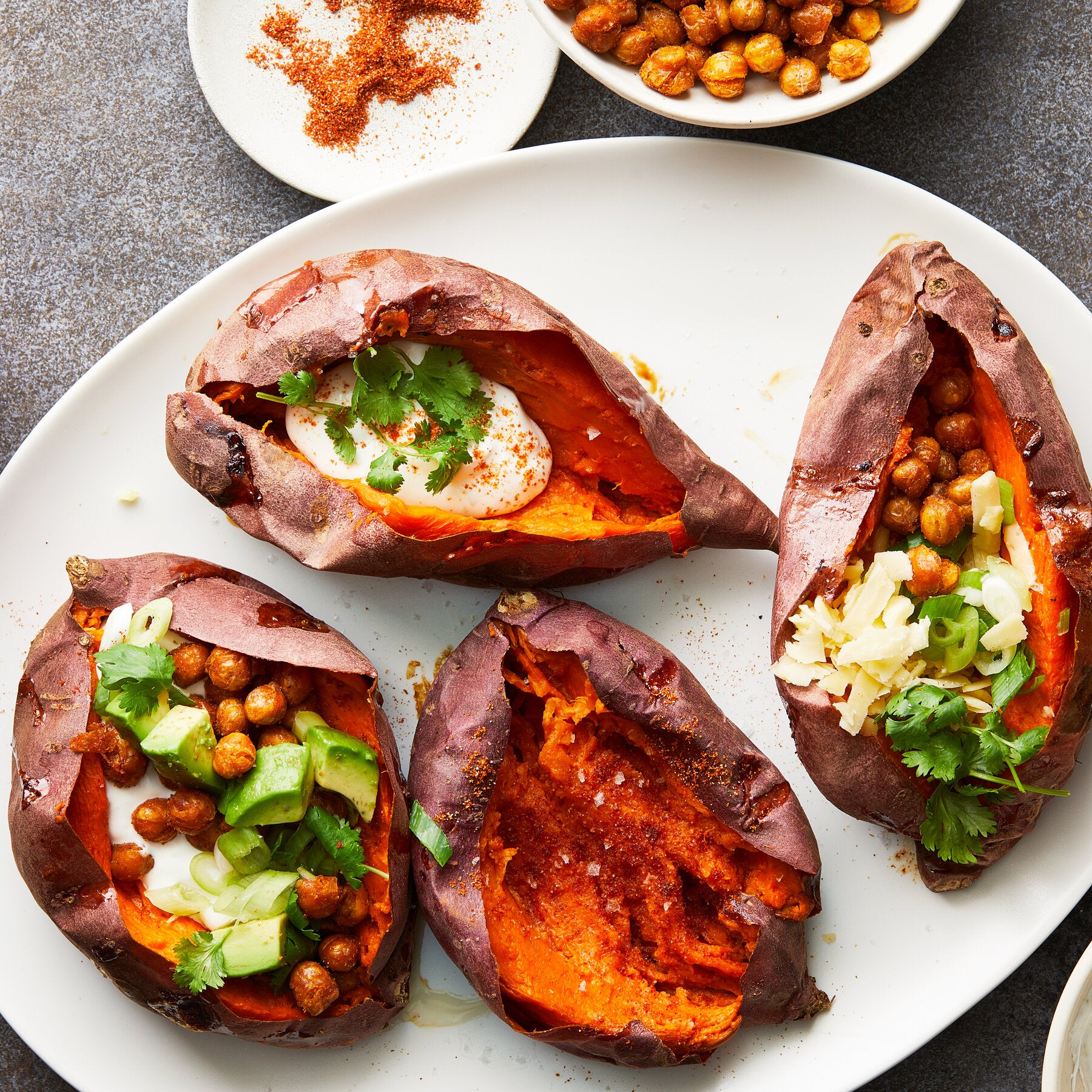
Loaded baked sweet potatoes make a filling meal with little hands-on work. The potato acts like an edible bowl, so you can add toppings based on what is in your fridge. Choose black beans and salsa for a bold meal, or use broccoli and cheese for a simple family dinner.
For four servings, use four medium sweet potatoes, one cup of cooked black beans, one cup of salsa, half a cup of shredded cheese, and plain Greek yogurt or sour cream if desired. Scrub the potatoes, pat them dry, and pierce each one several times with a fork. Bake at 400°F until a knife slides into the center with little resistance, usually 45 to 65 minutes depending on size.
Source: aboutamom.com
Tex-Mex style
Add black beans, salsa, corn, avocado, lime juice, and a pinch of chili powder.
Broccoli and cheese
Top with steamed broccoli and shredded cheddar. Return the potatoes to the oven briefly to melt the cheese.
Mediterranean style
Add chickpeas, chopped cucumber, tomato, crumbled feta, and a spoonful of lemon yogurt sauce.
How to Keep Loaded Potatoes From Getting Soggy
Bake the potatoes until tender before cutting them open. Split the skins and gently fluff the flesh with a fork to release steam. Add wet toppings just before serving, especially salsa, yogurt sauce, or chopped tomatoes. If you prepare the toppings ahead, keep them in separate containers until dinner.
For crisp skin
Rub the dry skins with a little oil and salt before baking.
For a fuller meal
Add a source of protein, such as beans, lentils, tofu, eggs, or cooked chicken.
2. Crispy Oven-Roasted Sweet Potato Cubes
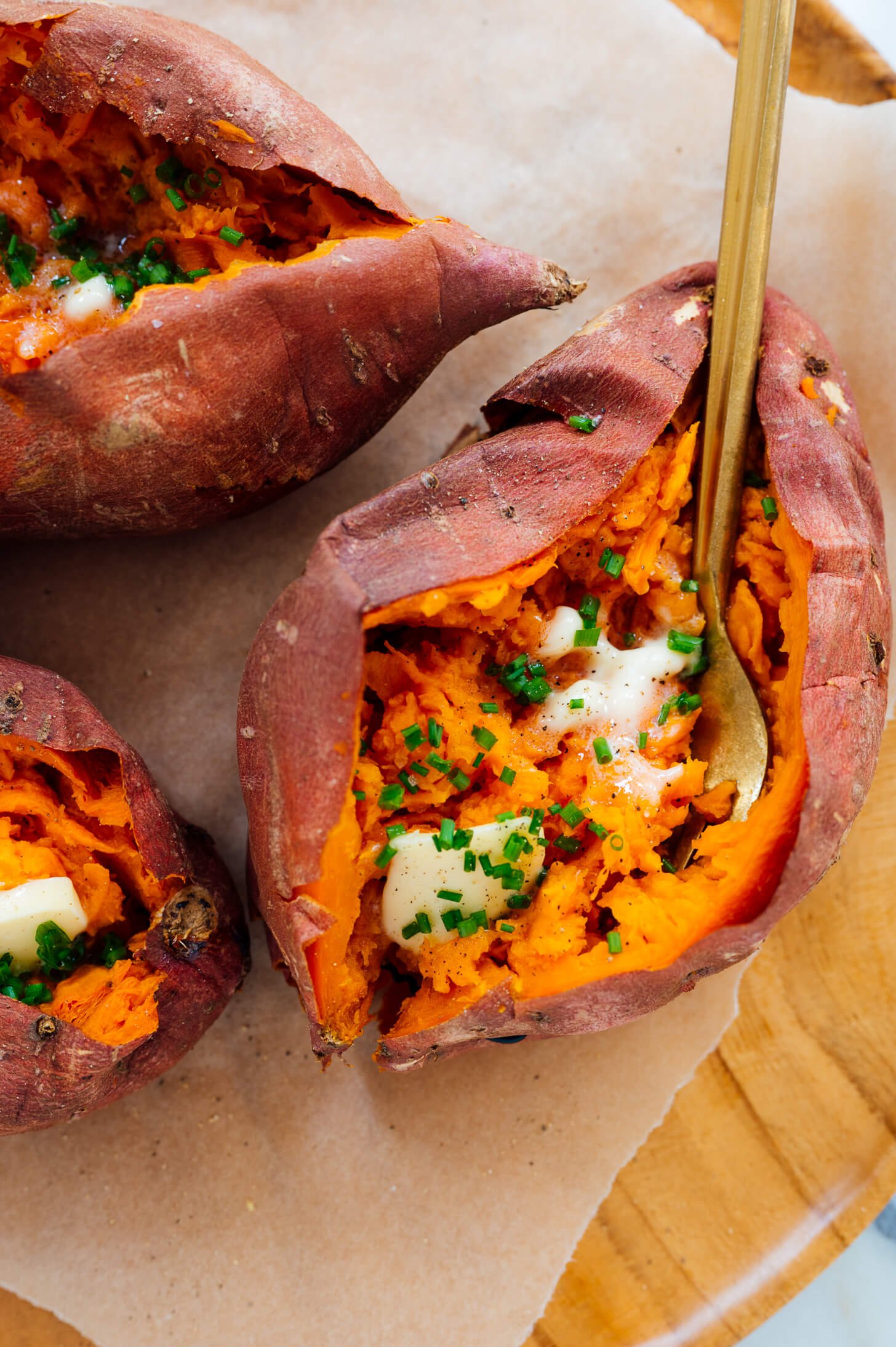
Roasted sweet potato cubes are a simple way to add color and flavor to a meal. Their edges can turn brown and crisp while the centers stay soft. Serve them beside roast chicken, grilled fish, burgers, or a bowl of rice and vegetables.
For four servings, cut two large sweet potatoes into cubes about three-quarters of an inch wide. Toss them with one to two tablespoons of olive oil, half a teaspoon of salt, black pepper, and your choice of seasonings. Spread the cubes in a single layer on a large baking sheet. Roast at 425°F for about 25 to 35 minutes, turning them once, until browned and tender.
Source: ohsweetbasil.com
Garlic and rosemary
Mix minced garlic and chopped rosemary with the oil. Add the garlic during the final part of cooking if it starts to brown too fast.
Smoky paprika
Use smoked paprika, cumin, and black pepper for a deep, savory taste.
Maple and chili
Toss cooked cubes with a small drizzle of maple syrup and a pinch of chili flakes for a sweet and spicy finish.
The Key to Crisp Roasted Sweet Potatoes
Moisture and crowding are the main problems to watch. Dry the cut potatoes before adding oil, and use two baking sheets if the cubes are packed too tightly. Leave space around each piece so hot air can move across the surface. Avoid adding too much oil, since excess oil can make the pieces greasy rather than crisp.
Cut evenly
Similar-sized cubes cook at a more even pace.
Preheat the oven
A hot oven helps the outside brown before the center becomes too soft.
3. Homemade Sweet Potato Fries With Bold Seasoning
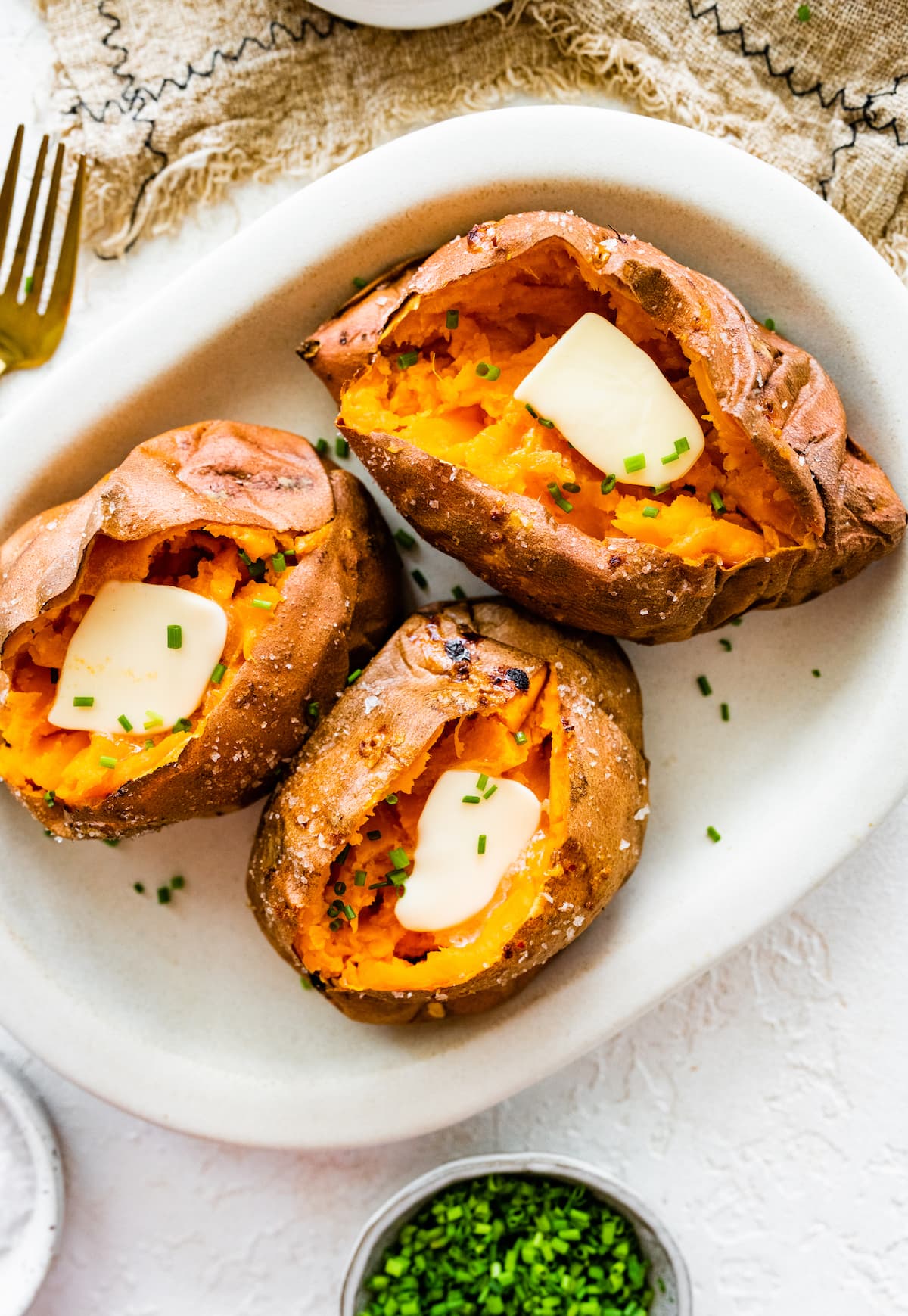
Sweet potato fries are a fun side dish for burgers, sandwiches, and casual family meals. They have a sweet center that works well with salty seasonings and tangy dips. Oven-baked fries are easy to make at home, although they may not become as crisp as deep-fried versions.
Peel the potatoes if you prefer, or leave the skins on after washing them well. Cut two medium sweet potatoes into evenly sized sticks. Toss with a tablespoon of oil, salt, black pepper, and a little smoked paprika. Arrange the sticks in one layer and bake at 425°F for about 25 to 35 minutes, turning them halfway through. Check early if the sticks are thin, since small pieces can brown quickly.
Source: onceuponachef.com
Ranch-style fries
Season with garlic powder, onion powder, dried dill, and black pepper. Serve with a ranch dip.
Cajun-inspired fries
Use paprika, garlic powder, cayenne, and dried thyme for a spicy, savory taste.
Cinnamon fries
Add a light dusting of cinnamon after baking and serve with plain yogurt or an apple dip.
Why Sweet Potato Fries Sometimes Turn Soft
Sweet potatoes contain moisture and natural sugars, so they can soften or brown before they develop a firm crust. Cutting the sticks evenly, drying them well, and leaving space on the pan can help. A coating of cornstarch is sometimes used to improve surface crispness, but it is optional. Toss the sticks with a small amount of cornstarch before adding the oil, and avoid using so much that a dry layer remains.
Best dip pairings
Try garlic yogurt, chipotle mayo, honey mustard, or a simple ketchup dip.
For even browning
Use a wide baking sheet and avoid stacking the fries.
4. Sweet Potato Tacos With Black Beans and Avocado
Sweet potato tacos offer a meatless dinner with a mix of soft filling, creamy avocado, and fresh toppings. The mild sweetness of the potatoes pairs well with earthy beans, bright lime, and warm spices. They also work well for a build-your-own taco night because everyone can add their favorite toppings.
Peel and cube one large sweet potato, then toss it with olive oil, cumin, chili powder, garlic powder, and salt. Roast at 425°F until tender and browned, about 25 to 30 minutes depending on the size of the cubes. Warm a can of drained black beans in a small pan with a splash of water and a pinch of cumin. Fill warm corn or flour tortillas with the potatoes and beans.
Source: feastingathome.com
Fresh topping mix
Use diced avocado, shredded cabbage, chopped cilantro, red onion, and fresh lime juice.
Creamy sauce
Stir lime juice into plain Greek yogurt with a pinch of salt and chili powder.
Extra crunch
Add shredded cabbage or toasted pumpkin seeds just before serving.
Make the Taco Filling Ahead
Roast the potatoes and cook the beans a day ahead if needed. Store them in separate covered containers in the refrigerator. Reheat the filling in a skillet or microwave until hot, then assemble the tacos with fresh toppings. Keeping the tortillas and crisp vegetables separate helps prevent a soggy meal.
For more protein
Add grilled chicken, crumbled tofu, or extra beans.
For a mild version
Skip the chili powder and use a little cumin, lime, and salt instead.
5. Sweet Potato Breakfast Hash With Eggs
Sweet potato breakfast hash turns a few basic ingredients into a hearty start to the day. Small potato cubes cook with onion, bell pepper, and seasonings in one skillet. Eggs add protein and make the dish feel like a full breakfast rather than a side.
Cut one large sweet potato into small cubes so it cooks quickly. Heat a tablespoon of oil in a wide skillet over medium heat. Add the potato, a chopped small onion, and half a bell pepper. Cook for about 12 to 18 minutes, stirring now and then, until the potatoes are tender and browned. If the pan gets dry before the centers soften, add a small splash of water and cover it briefly.
Source: cookieandkate.com
Classic breakfast
Season with black pepper, paprika, and a little garlic powder. Top with fried or poached eggs.
Southwest hash
Stir in black beans and corn, then add salsa and chopped cilantro.
Greens and mushrooms
Add sliced mushrooms early and stir in spinach near the end, just until wilted.
How to Cook the Potatoes and Eggs Together
Once the potato cubes are tender, make small spaces in the hash and crack an egg into each space. Cover the skillet and cook over low heat until the egg whites are set and the yolks reach your preferred doneness. For anyone who needs fully cooked eggs, continue cooking until both the whites and yolks are firm. You can also cook the eggs separately and place them on top.
Use leftover roasted potatoes
Add cooked potato cubes near the end of cooking, giving them time to heat and brown without becoming too soft.
Add flavor at the end
Finish with scallions, parsley, hot sauce, or a squeeze of lemon.
6. Creamy Sweet Potato Soup With Ginger
Sweet potato soup is a good choice for a cool evening or a make-ahead lunch. The potatoes give the soup body, so you can blend them with broth for a smooth texture. Ginger adds a fresh, warm note, while coconut milk makes the soup rich and creamy without dairy.
To make about four servings, peel and cube two medium sweet potatoes. Cook one chopped onion in a pot with a little oil until soft, then add two teaspoons of grated fresh ginger and one minced garlic clove. Stir for about 30 seconds. Add the sweet potatoes and four cups of low-sodium vegetable broth. Simmer until the potatoes are tender, usually 15 to 20 minutes after the broth begins to simmer.
Source: easyweeknightrecipes.com
Blend until smooth
Use an immersion blender in the pot or blend in batches with a countertop blender. Follow the blender maker’s safety directions for hot liquids.
Add creaminess
Stir in coconut milk, regular milk, or a small amount of cream after blending.
Finish with contrast
Top with pumpkin seeds, chopped scallions, black pepper, or a spoonful of plain yogurt.
How to Adjust Soup Thickness
If the soup is too thick, add broth or water a little at a time. If it is too thin, simmer it uncovered for a few minutes or blend in another cooked sweet potato. Taste before adding more salt, especially when using store-bought broth. A squeeze of lime or lemon can brighten the flavor if the soup tastes too rich.
For a spicy soup
Add a pinch of cayenne or red pepper flakes with the ginger.
For meal prep
Cool the soup promptly, store it in shallow covered containers, and reheat only the portion you need.
7. Sweet Potato and Chickpea Grain Bowls
A sweet potato grain bowl is an easy way to combine vegetables, grains, and plant-based protein in one meal. It works with brown rice, quinoa, farro, or another cooked grain. Chickpeas add a hearty bite, while a tangy sauce brings all the parts together.
Roast one cubed sweet potato at 425°F with olive oil, salt, and cumin until tender. Drain and rinse a can of chickpeas, then warm them in a skillet with garlic and smoked paprika. Divide cooked grains among four bowls and add the potatoes, chickpeas, and fresh vegetables. Use cucumber, tomato, shredded cabbage, or baby spinach, depending on what you have.
Source: eatingbirdfood.com
Lemon tahini sauce
Whisk tahini, lemon juice, a small grated garlic clove, and water until smooth. Add water slowly to reach a pourable texture.
Peanut-lime sauce
Mix peanut butter, lime juice, a little soy sauce, and warm water. Add chili sauce if you like heat.
Herb yogurt sauce
Mix plain yogurt with chopped parsley, lemon juice, black pepper, and a pinch of salt.
Build a Better Bowl With Contrasting Textures
A good grain bowl has more than soft ingredients. Pair tender potatoes and grains with crunchy cabbage, toasted seeds, or fresh cucumber. Add sauce just before eating if you want the vegetables to stay crisp. For packed lunches, keep the sauce in a separate small container until mealtime.
Add more protein
Use chickpeas, black beans, tofu, chicken, or a cooked egg.
Make it filling
Use enough grains and protein to balance the vegetables and sauce.
8. Sweet Potato Pancakes for a Cozy Breakfast
Sweet potato pancakes are a useful way to use leftover baked or mashed sweet potatoes. They have a soft texture and a mild sweetness that pairs well with cinnamon, nutmeg, and maple syrup. The potato also adds moisture, so the batter may need less liquid than a standard pancake recipe.
For a small batch, mash one cup of cooked sweet potato until smooth. Whisk in two eggs, three-quarters of a cup of milk, and one tablespoon of melted butter or oil. In another bowl, mix one cup of all-purpose flour, two teaspoons of baking powder, half a teaspoon of cinnamon, and a pinch of salt. Stir the dry ingredients into the wet mixture just until combined. Add a little more milk if the batter is too thick to spread.
Source: wellplated.com
Apple cinnamon
Fold in a small amount of finely diced apple and serve with warm cinnamon apples.
Pecan crunch
Sprinkle chopped pecans over each pancake while the first side cooks.
Chocolate chip
Add a small handful of chocolate chips for a sweeter breakfast or weekend treat.
Cook Pancakes Without Burning Them
Heat a lightly greased skillet over medium-low to medium heat. Add small portions of batter and cook until bubbles appear and the edges begin to look set. Flip gently and cook the second side until the center is done. Keep the heat moderate because the natural sugars in sweet potatoes can cause the outside to brown before the inside cooks through.
For a gluten-free version
Use a suitable gluten-free flour blend and check that the baking powder and other ingredients meet your needs.
For meal prep
Cool extra pancakes, refrigerate them in a covered container, and reheat until hot.
9. Sweet Potato Brownies for a Different Dessert
Sweet potato brownies offer a different way to use cooked sweet potatoes. Mashed potato adds moisture and a soft texture, while cocoa powder provides the main chocolate flavor. The result depends on the full recipe, so do not assume that every sweet potato brownie is lower in sugar, calories, or fat than a regular brownie.
For a simple starting point, mash half a cup of cooked sweet potato until smooth. Mix it with one egg, one-quarter cup of nut butter, one-quarter cup of cocoa powder, one-third cup of sugar or another suitable sweetener, and half a teaspoon of vanilla. Add a small pinch of salt. The batter should be thick but easy to spread. Transfer it to a greased or parchment-lined small baking pan and bake at 350°F until the center is set, often around 20 to 25 minutes. Timing will vary with pan size and the exact ingredients.
Source: static01.nyt.com
More chocolate flavor
Fold in a small handful of chocolate chips before baking.
Nut-free option
Use a suitable seed butter if it fits your dietary needs, and check all ingredient labels.
Serve in small pieces
Let the brownies cool before cutting so they hold together better.
How to Avoid Wet or Gummy Brownies
Cooked sweet potatoes can hold different amounts of water. If the mash is very wet, let excess steam escape and measure the potato after mashing. Avoid adding extra liquid unless the batter is too stiff to spread. Bake until the center is set, then allow the brownies to cool fully before judging the texture.
Check the texture
The center should be set rather than liquid, though a moist brownie may remain soft.
Keep expectations realistic
This style of brownie can be denser and less cake-like than a traditional flour-based version.
10. Sweet Potato Mash With Savory or Sweet Add-Ins
Mashed sweet potatoes are easy to adapt because their soft texture works with both savory seasonings and sweet flavors. Serve them beside roasted meat, baked fish, or a plant-based main dish. You can also use leftover mash in pancakes, soup, or a simple casserole.
Peel and cut two large sweet potatoes into similar-sized chunks. Place them in a pot and cover with water. Bring to a boil, then lower the heat and simmer until the chunks are fork-tender, usually 12 to 20 minutes. Drain well and let excess steam escape. Mash with a little butter or olive oil, then add salt and pepper to taste.
Source: onceuponachef.com
Garlic herb mash
Add roasted garlic, olive oil, chopped parsley, and black pepper.
Maple pecan mash
Stir in a small drizzle of maple syrup and top with chopped toasted pecans.
Coconut ginger mash
Mix in a little coconut milk and freshly grated ginger for a warm, fragrant side.
What to Do if the Mash Is Too Wet
Return the drained potatoes to the warm pot over low heat for a short time, stirring gently so extra moisture can evaporate. Mash again after the steam lessens. Add butter, milk, or coconut milk in small amounts instead of pouring in a large quantity at once. A potato masher gives a rustic texture, while a ricer can make the mash more even.
For a smooth finish
Mash while the potatoes are warm and add liquid gradually.
For more texture
Leave some small chunks and finish with toasted seeds or herbs.
11. How to Choose the Right Cooking Method
The cooking method changes the texture of sweet potatoes more than the seasoning does. Baking whole potatoes gives you a soft center with a tender skin. Roasting cubes creates more browned edges, while boiling makes potatoes easy to mash. A skillet works well for quick meals, and blending cooked potatoes into soup creates a smooth result.
Choose the method based on how you plan to serve the dish. Whole potatoes need more time but little prep, while small cubes cook faster. Fries need room on a baking sheet, and mashed potatoes need good draining. The best method is the one that fits your time, equipment, and desired texture.
Bake whole
Best for stuffed potatoes and toppings. Allow roughly 45 to 65 minutes at 400°F for medium potatoes, checking tenderness rather than relying only on time.
Roast cubes
Best for bowls, tacos, and side dishes. Use 425°F and cut the cubes evenly.
Boil and mash
Best for creamy mash, soups, and recipes that use cooked sweet potato as an ingredient.
Cook in a skillet
Best for breakfast hash and small batches. Smaller pieces cook faster, but they need occasional stirring to brown evenly.
Can You Cook Sweet Potatoes in Advance?
Yes. Cooked sweet potatoes can save time during a busy week. Bake several whole potatoes or roast a batch of cubes, then cool and refrigerate them promptly in covered containers. Use the cooked potatoes in meals over the next few days, and reheat the portions you plan to eat until steaming hot.
Plan more than one meal
Use roasted cubes in tacos one night, grain bowls the next day, and breakfast hash later.
Keep fresh toppings separate
Store salsa, avocado, yogurt sauce, and crisp vegetables apart from the cooked potatoes.
12. Common Sweet Potato Cooking Mistakes
Most sweet potato problems come from uneven cuts, excess moisture, or heat that is too high or too low for the dish. A few small changes can improve the texture without adding extra ingredients. Check the size of the pieces, the amount of room on the pan, and the tenderness of the center before changing the recipe.
Sweet potatoes also vary in size and moisture, so cooking times are estimates rather than guarantees. Use a fork or thin knife to check the center. If the outside browns too fast, lower the heat slightly or cover the dish when appropriate. If the potatoes are still firm, continue cooking and check again after a few minutes.
Crowding the baking sheet
Too many pieces on one pan trap steam. Use a larger pan or divide the batch.
Adding too much liquid
Milk, broth, and sauces can thin mashed potatoes or soup. Add them gradually and adjust near the end.
Using uneven cuts
Large and small cubes finish at different times. Aim for pieces of a similar size.
Seasoning only at the end
Some seasonings work best before cooking, while fresh herbs and citrus often taste brighter when added at the end. Use both stages when the recipe benefits from them.
How to Tell When a Sweet Potato Is Done
A whole baked sweet potato is ready when a fork or thin knife passes through the center with little resistance. Roasted cubes should have browned edges and a tender center. For fries, check that the thickest pieces are cooked through, even if some thinner pieces brown sooner. For mashed potatoes, the chunks should be soft enough to mash without hard pieces remaining.
If the center is firm
Continue cooking and test again in a few minutes.
If the outside is too dark
Reduce the heat slightly and continue until the inside is tender.
13. Storage, Reheating, and Food Safety
Store cooked sweet potatoes safely by cooling them promptly and placing them in the refrigerator within two hours of cooking. Use shallow, covered containers so the food cools more quickly. Keep the refrigerator at 40°F or below, and use refrigerated leftovers within three to four days for best food safety practice.
Reheat leftovers until they reach 165°F throughout, checking with a food thermometer when needed. A microwave works well for a whole baked potato or mash, while a skillet or oven can help roasted cubes regain some texture. Add a small splash of water or broth when reheating mash or soup if it has thickened in the fridge.
Refrigerator storage
Keep cooked sweet potatoes covered and use them within three to four days.
Freezer storage
Freeze cooked sweet potato mash, cubes, or soup in suitable airtight containers. Texture may change after thawing, especially for whole cooked potatoes.
Safe thawing
Thaw frozen portions in the refrigerator or use a safe microwave thaw setting before reheating.
Avoid long periods at room temperature
Refrigerate cooked food within two hours, or within one hour when the surrounding temperature is above 90°F.
How to Freeze Sweet Potatoes for Later Meals
Let cooked sweet potatoes cool enough to handle, then divide them into meal-sized portions. Pack them in freezer-safe containers or bags, remove excess air where possible, and label them with the date. For the best texture, mashed sweet potatoes and soup are often easier to use after freezing than whole baked potatoes. Thaw and reheat only the amount you need.
For soup
Freeze in individual portions so you can thaw a single meal.
For roasted cubes
Expect the texture to soften after thawing. Reheat in a hot oven or skillet to dry the surface.
Frequently Asked Questions
Q
What are some creative ways to eat sweet potatoes?
Try loaded baked sweet potatoes, sweet potato tacos, breakfast hash, grain bowls, crispy fries, ginger soup, or sweet potato pancakes. For dessert, you can use cooked sweet potato in brownies or other baked treats. Choose seasonings and toppings based on whether you want a savory meal, a snack, or something sweet.
Q
What flavors go best with sweet potatoes?
Sweet potatoes pair well with garlic, black pepper, smoked paprika, cumin, rosemary, ginger, cinnamon, and chili powder. Black beans, chickpeas, eggs, cheese, yogurt, nuts, and fresh herbs also work well. Citrus juice or vinegar can balance their natural sweetness, while a small amount of maple syrup can bring it out.
Q
Should I peel sweet potatoes before cooking?
Peeling is optional for many dishes. Wash and scrub the skins well if you plan to leave them on. The skin can add texture to baked potatoes and roasted wedges, while peeled potatoes may give you a smoother finish for mash, soup, or some desserts.
Q
How do I make sweet potatoes crispy in the oven?
Cut the potatoes into even pieces, dry them well, use a modest amount of oil, and spread them across a hot baking sheet without crowding. Roast at about 425°F and turn the pieces partway through cooking. Sweet potatoes contain more moisture and natural sugars than some other potatoes, so the result may be browned and crisp at the edges rather than uniformly crunchy.
Q
Can I use leftover sweet potatoes in new recipes?
Yes. Use leftover cooked sweet potatoes in breakfast hash, tacos, grain bowls, soup, pancakes, or brownies. Keep them refrigerated in a covered container and use them within three to four days. Reheat leftovers until they reach 165°F, and add fresh toppings after reheating for better texture.
Q
Are sweet potatoes only good for savory dishes?
No. Sweet potatoes work in both savory and sweet recipes. Add them to pancakes, muffins, brownies, or oatmeal, or mash them with cinnamon and a little maple syrup. Their natural sweetness can reduce the amount of added sweetener a recipe needs, but the final sugar content depends on the full ingredient list.
✦ Wrapping Up
Conclusion
Creative sweet potato recipes can make everyday meals more varied without requiring a long list of ingredients. Start with a batch of baked potatoes or roasted cubes, then change the toppings and seasonings to create tacos, grain bowls, breakfast hash, or a simple side dish. For a sweet option, use mashed sweet potato in pancakes or brownies.
The easiest approach is to cook a little more than you need and use the leftovers in a new way. Keep the cuts even, give roasted pieces enough space, and add sauces near serving time. With a few simple methods, one bag of sweet potatoes can help cover several meals throughout the week.
💡 Key Takeaway
Start with two sweet potatoes, roast them in even cubes at 425°F until tender and browned, and serve them in tacos or grain bowls. Save any extra in the refrigerator for breakfast hash or soup within the next few days.