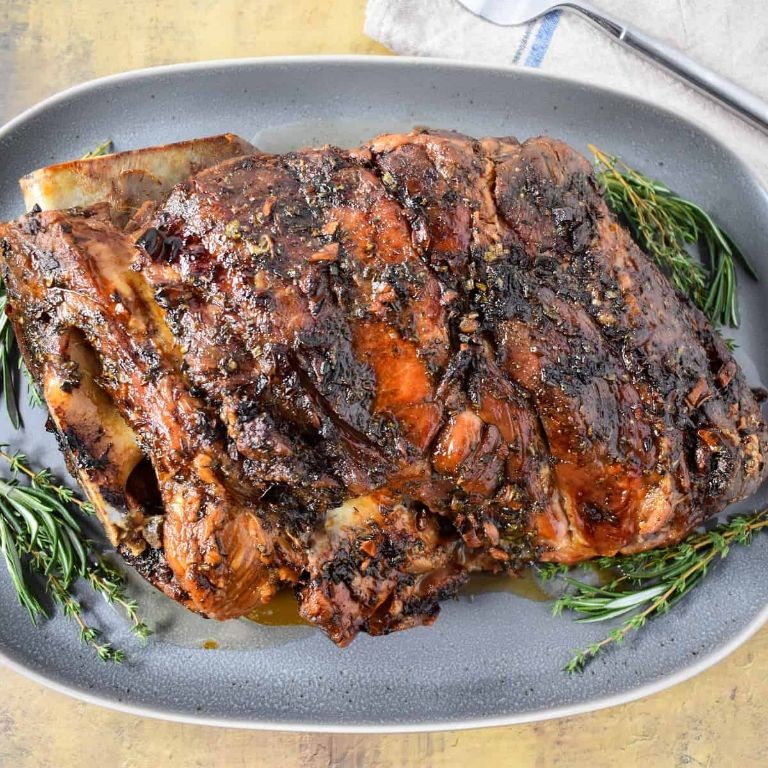
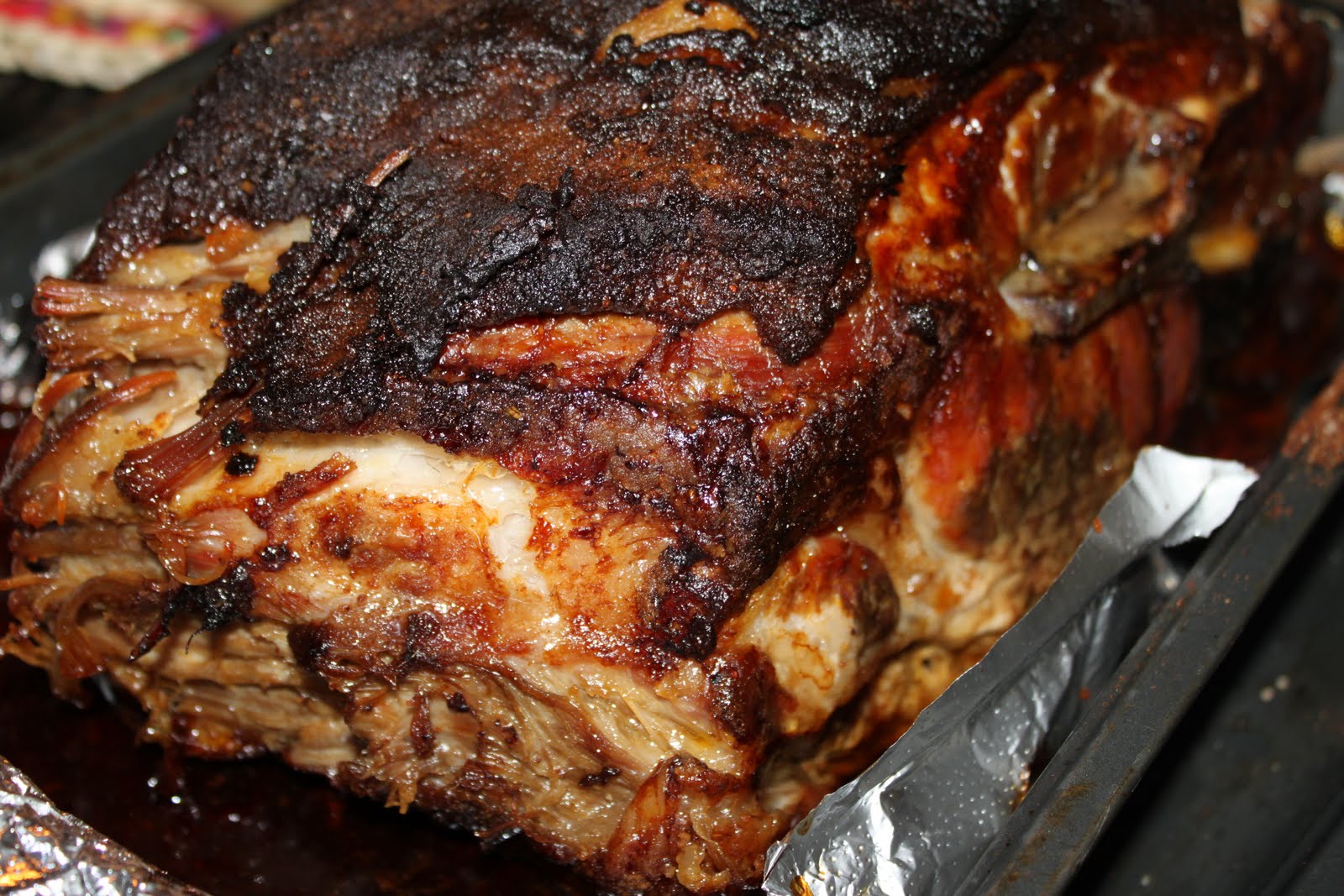
The best recipes with Boston butt include oven-roasted pork, slow cooker pulled pork, smoked barbecue, garlic herb roast, and sweet glazed pork. This cut comes from the upper shoulder of a pig. It has enough fat and connective tissue to become tender when cooked slowly.
Across the United States, Boston butt is a popular cut for barbecue, Sunday dinners, game-day meals, and family cookouts. Despite its name, Boston butt is pork shoulder, not pork from the rear of the animal. You can buy it bone-in or boneless, with the bone-in cut often taking longer to cook.
The best cooking method depends on the meal you want. A slow cooker makes soft pork that pulls apart with a fork. An oven roast gives you rich browned edges, while a smoker adds a deep wood-fired flavor. Each method can work well when you give the meat enough time to soften.
This guide covers several practical ways to cook Boston butt at home. You will find seasoning ideas, cooking steps, temperature guidance, serving suggestions, and ways to use leftovers. The goal is simple: choose a method that fits your kitchen, then cook the pork until it reaches the texture you want.
Source: artofit.org
What Is Boston Butt, and Why Does It Work in So Many Recipes?
Boston butt is a cut of pork from the upper part of the shoulder. It contains muscle, fat, and connective tissue. These features make it well suited to long cooking methods that soften the meat and build flavor.
The name can cause confusion. Boston butt is not a cut from the pig’s rear. The lower shoulder is often sold as picnic shoulder, while Boston butt usually comes from the upper shoulder. Both cuts can make pulled pork, though their shape, skin, and fat distribution may differ.
You can use Boston butt for far more than barbecue. Roast it with garlic and herbs for a hearty dinner, braise it with onions for tender slices, or cook it with a spice rub for pork that shreds easily. Its rich flavor also pairs well with sharp sauces, fresh herbs, pickled vegetables, and crisp slaw.
Source: nummyrecipes.com
Bone-in Boston butt
This cut contains a shoulder bone and may take longer to cook. It works well for slow roasting, smoking, and pulled pork.
Boneless Boston butt
This option is easier to cut into smaller pieces and may fit better in some slow cookers. Cooking time depends on its weight, shape, and thickness.
Fat cap
A layer of fat can help protect the meat during cooking. Trim thick excess fat if desired, but avoid removing all the fat from a long-cooked roast.
How to Choose a Boston Butt at the Store
Look for pork with a fresh appearance and a good balance of meat and fat. The package should be cold, sealed, and within its use-by guidance. Choose a size that fits your cooking vessel and the number of people you plan to feed.
For pulled pork
Choose a shoulder roast with enough fat and connective tissue to support long, moist cooking.
For a smaller household
A smaller roast may be easier to handle, but confirm that it fits safely in your slow cooker or roasting pan.
1. Classic Oven-Roasted Boston Butt With Garlic and Herbs
Oven-roasted Boston butt is a good place to start if you want a simple family meal. Garlic, rosemary, thyme, and black pepper give the pork a savory taste without hiding its natural richness. The oven also creates browned edges that add flavor to each serving.
This method takes time, but most of the work happens in the oven. Serve the pork in slices when it is cooked for that texture, or continue cooking until it becomes tender enough to shred. The final texture depends on the internal temperature and the time allowed for the connective tissue to soften.
Source: nummyrecipes.com
Ingredients
Use one Boston butt, olive oil, minced garlic, chopped rosemary, thyme, kosher salt, black pepper, and a small amount of broth or water if needed.
Prepare the pork
Pat the roast dry with paper towels. Rub it with olive oil, garlic, herbs, salt, and pepper. Let the seasoning sit while the oven heats.
Roast slowly
Heat the oven to 300°F. Place the pork in a roasting pan, fat side up if the roast has a fat cap. Cook until the meat reaches the desired temperature and texture.
Rest before serving
For sliceable pork, follow the safe minimum temperature guidance and rest the roast for at least three minutes. For pulled pork, cook longer until a fork twists through the meat with little resistance.
How to Keep Oven-Roasted Pork Moist
Use a roasting pan that catches the juices. Add a little broth if the pan becomes dry, but do not submerge the roast unless you want a braised texture. If the outside browns too quickly, loosely cover the meat with foil while the center continues to cook.
A large roast can take several hours, and a smaller roast may finish sooner. Begin checking the internal temperature before you expect it to be done. A probe thermometer helps you track the meat without repeatedly opening the oven.
For crisp edges
Uncover the roast near the end if the surface needs more color. Watch it closely to avoid burning the garlic and herbs.
For pulled pork
Continue cooking until the meat is very tender, often around 195°F to 205°F, while checking that the thermometer probe slides in easily.
2. Slow Cooker Boston Butt for Easy Pulled Pork
Slow cooker Boston butt is a practical choice for busy weekdays, family gatherings, and casual meals. The low, steady heat gives the connective tissue time to soften. The result can be juicy pork that shreds easily and works in sandwiches, tacos, baked potatoes, or rice bowls.
You do not need a long list of ingredients. A pork shoulder, onion, garlic, broth, and a simple spice blend can provide a good base. Barbecue sauce is optional because you can add it after cooking and adjust the amount to taste.
Source: kindkitchenrecipes.com
Ingredients
Prepare Boston butt, sliced onion, minced garlic, salt, black pepper, smoked paprika, a small amount of broth, and optional barbecue sauce.
Season the roast
Pat the pork dry and rub the spices over every side. Place sliced onions in the slow cooker, then set the pork on top.
Add liquid
Pour a modest amount of broth around the meat. Pork releases its own juices, so you usually do not need to cover the roast with liquid.
Cook until tender
Use the slow cooker’s recommended setting and capacity. Cooking time varies with the roast’s weight, shape, starting temperature, and appliance. Confirm tenderness with a fork and check the internal temperature.
Shred and season
Transfer the pork to a clean dish, remove the bone and excess fat, and shred the meat with two forks. Mix in some strained cooking juices, then add barbecue sauce if desired.
Can You Put Raw Boston Butt in a Slow Cooker?
Yes, a whole raw Boston butt can go directly into a slow cooker when you follow the appliance’s instructions and use an appropriate setting and load size. Browning the meat first is optional. It can add deeper roasted flavor, but it is not required for the slow cooker to cook the pork.
Avoid placing a frozen roast in a slow cooker. Frozen meat can spend too long warming through, which may increase food safety risks. Thaw the pork in the refrigerator before cooking.
For better flavor
Brown the seasoned pork in a hot skillet before transferring it to the cooker, if you have time.
For better texture
Do not rush the cooking process. If the meat resists a fork, it likely needs more time.
3. Smoked Boston Butt With a Classic BBQ Rub
Smoked Boston butt brings the flavor of American barbecue to your backyard. Wood smoke, a dry spice rub, and a long cook create a dark outer crust known as bark. Inside, the pork can become soft enough to pull apart by hand or with forks.
This method suits cookouts, holiday weekends, and game-day meals. It takes more attention than a slow cooker because you need to manage the smoker’s heat and fuel. Allow extra time for the roast to cook and rest before serving.
Source: pickapeckkitchens.com
Build the rub
Mix brown sugar, paprika, kosher salt, black pepper, garlic powder, onion powder, and a small amount of cayenne if you like heat.
Season the pork
Coat the roast with the spice mix. You can season it shortly before cooking or refrigerate it with the rub in place.
Set up the smoker
Preheat the smoker according to its instructions, commonly in the 225°F to 275°F range. Use a suitable hardwood and maintain steady heat.
Cook and monitor
Place the pork in the smoker and monitor the internal temperature. The meat may stall, meaning its temperature rises slowly for a period. Continue cooking until it reaches the tenderness needed for pulled pork.
Rest and pull
Rest the finished roast before shredding. Mix in some collected juices to keep the meat moist, and serve barbecue sauce on the side.
What Wood Works Well for Boston Butt?
Hickory provides a strong smoke flavor, while apple and cherry wood offer milder, fruity notes. Oak is another useful option for a steady, balanced smoke. Choose clean wood intended for cooking, and follow the smoker manufacturer’s instructions.
Hickory
Choose it when you want a bold, traditional barbecue flavor.
Apple or cherry
Use these woods when you prefer a gentler smoke note and a flavor that pairs well with sweet rubs.
Oak
Use oak for a steady, versatile smoke flavor that does not need a sweet glaze.
4. Honey Mustard Boston Butt
Honey mustard Boston butt offers a balance of sweet, tangy, and savory flavors. The honey helps the surface brown, while mustard adds a sharp note that cuts through the richness of the pork. This recipe works well for a roast dinner with potatoes and green vegetables.
A glaze can burn if it stays exposed to high heat for too long. Cook the pork until it is nearly done, then brush on the glaze during the final stage. If the recipe calls for a long cooking time, reserve most of the sweet glaze until the surface has already browned.
Source: kindkitchenrecipes.com
Make the glaze
Stir together Dijon mustard, honey, a little apple cider vinegar, minced garlic, black pepper, and a small amount of oil.
Roast the pork
Season the Boston butt with salt and pepper. Roast it in an oven set to 300°F until it is approaching the desired doneness.
Brush on the glaze
Spread the honey mustard mixture over the surface near the end of cooking. Return the pork to the oven until the glaze looks glossy and lightly browned.
Rest before carving
Check the internal temperature, allow the required rest, and slice or pull the pork according to its final texture.
Easy Ways to Change the Flavor
Add a pinch of cayenne for heat, or use whole-grain mustard for a more textured glaze. A little lemon juice can replace some of the vinegar if you want a brighter taste. Keep the sweet ingredients modest so they do not overpower the pork.
Sweeter finish
Add a small amount of brown sugar if you prefer a deeper caramel note.
Sharper finish
Increase the mustard slightly or add a little more vinegar.
5. Balsamic Glazed Boston Butt
Balsamic glazed Boston butt has a tangy, lightly sweet finish that pairs well with the rich pork. The glaze can be made with balsamic vinegar, garlic, a little honey, and broth. As it cooks down, the mixture becomes more concentrated and coats the meat.
For the best result, roast the pork slowly and add the glaze toward the end. Balsamic vinegar can turn dark and bitter if it reduces too far over intense heat. Keep some glaze aside to spoon over the finished meat.
Source: maeskitchen.blogspot.com.au
Ingredients
Use Boston butt, balsamic vinegar, minced garlic, honey, black pepper, olive oil, and a little broth.
Season and roast
Rub the pork with oil, garlic, salt, and pepper. Place it in a roasting pan and cook at 300°F until the roast is close to the desired texture.
Prepare the glaze
Warm the vinegar, honey, garlic, and broth in a small saucepan. Simmer gently until the mixture thickens slightly.
Finish the roast
Brush a thin layer of glaze over the pork near the end of cooking. Let the meat finish cooking, then rest it before slicing or pulling.
What to Serve With Balsamic Pork
Roasted carrots, green beans, mashed potatoes, and sautéed greens all work well with this dish. The sweet and sour glaze also pairs nicely with roasted apples or a crisp cabbage salad. Choose sides with mild flavors so the balsamic note remains clear.
For a hearty dinner
Serve sliced pork with mashed potatoes and pan juices.
For a lighter plate
Add green beans, a fresh salad, or roasted seasonal vegetables.
6. Spicy Oven-Barbecued Boston Butt
Oven-barbecued Boston butt is useful when you want barbecue-style pork without a smoker. A dry rub made with paprika, black pepper, garlic, onion, and cayenne gives the surface a warm, smoky taste. Barbecue sauce can be added near the end for a sticky finish.
The oven will not create exactly the same smoke flavor as a smoker, but the seasoning and browned crust still make a satisfying meal. A little smoked paprika can add a smoky note without the need for wood smoke.
Source: acedarspoon.com
Mix a spicy rub
Combine paprika, garlic powder, onion powder, black pepper, salt, and cayenne. Add brown sugar if you want a slightly sweet crust.
Season the meat
Rub the spices over the entire roast. For more flavor, refrigerate the seasoned pork for several hours in a covered container.
Roast at low heat
Cook the pork in a covered roasting pan at 300°F until it is nearly tender. Add a small amount of broth if the pan needs moisture.
Add barbecue sauce
Brush sauce over the surface during the final part of cooking. Keep a close eye on it because many sauces contain sugar that can burn.
How to Adjust the Heat
For mild pork, leave out the cayenne and use a little more paprika. For medium heat, add a small pinch of cayenne. For a hotter roast, increase the amount gradually and taste the rub before applying it to the meat.
Mild
Use garlic, onion, black pepper, and paprika without added hot pepper.
Medium
Add a modest pinch of cayenne or chili powder.
Hot
Use more cayenne, but keep the salt balanced and serve a cooling side such as coleslaw.
7. Simple Braised Boston Butt With Onions and Broth
Braised Boston butt cooks in a covered pot with a small amount of liquid. This method is useful when you want tender meat and a savory cooking sauce. Onions, garlic, broth, and herbs create a simple base that can be served over sliced pork or mixed into shredded meat.
Braising differs from boiling. The meat is partly surrounded by liquid rather than fully submerged, and the covered pot traps steam. Gentle heat gives the pork time to soften without rapidly boiling away the juices.
Source: kindkitchenrecipes.com
Brown the roast
Heat a little oil in a heavy oven-safe pot. Brown the seasoned pork on several sides, working in batches if needed to avoid crowding.
Cook the aromatics
Add sliced onions and garlic to the pot. Stir briefly, scraping up browned bits from the bottom.
Add broth
Pour in enough broth to create a shallow layer around the roast. Add thyme, bay leaf, or rosemary if desired.
Braise slowly
Cover the pot and cook in an oven at about 300°F until the meat is tender. Check the liquid during cooking and add more if the pot becomes dry.
Turn the Braising Liquid Into Sauce
When the pork is tender, transfer it to a clean dish and remove any loose bones or excess fat. Skim excess fat from the liquid, then simmer the remaining juices until they reach the thickness you like. Taste before adding more salt because broth may already contain plenty.
For a light sauce
Strain the cooking liquid and spoon it over sliced pork.
For a thicker sauce
Simmer the liquid to reduce it, or use a small cornstarch slurry if needed.
How Long Does Boston Butt Take to Cook?
Boston butt cooking time depends on the roast’s weight, thickness, bone, cooking temperature, and appliance. A single time estimate cannot guarantee that every roast will finish at the same moment. Use cooking times as planning guides, then check the temperature and texture of the meat.
For pulled pork, the standard food safety minimum for an intact pork roast is not the same as the temperature usually needed for easy shredding. Whole pork cuts should reach at least 145°F and rest for at least three minutes for basic safety. Pulled pork generally needs much more cooking, often finishing around 195°F to 205°F, until the connective tissue has softened.
Oven at 300°F
A large Boston butt may need several hours. Start checking early and allow extra time if you want the meat to shred.
Slow cooker
The low setting often takes much of the day, while the high setting may finish sooner. Follow the appliance manual and verify the pork is fully cooked and tender.
Smoker at 225°F to 275°F
Smoking can take many hours, especially for a large roast. Weather, airflow, and the meat’s shape can affect the total time.
Covered braise
A covered pot at moderate oven heat can make the meat tender over several hours. The amount of liquid and the size of the roast affect the timing.
Why Does Boston Butt Sometimes Stall?
During smoking or roasting, the internal temperature may stop rising for a while. Moisture evaporating from the surface can cool the meat and slow the temperature increase. This stall is common during long barbecue cooks and does not automatically mean the roast has stopped cooking safely.
Keep the cooking temperature steady and avoid repeatedly opening the smoker or oven. You can wrap the meat during a long cook if your method allows it, but wrapping may soften the outer bark. Continue until the pork reaches the texture you want.
Use a probe thermometer
Track the temperature without opening the cooking chamber over and over.
Check several spots
Avoid touching the bone with the thermometer probe, and check the thickest parts of the meat.
How to Keep Boston Butt Tender and Full of Flavor
Tender pork begins with the right cut, steady heat, and enough cooking time. Boston butt has connective tissue that takes time to soften. If the roast feels tough when you try to shred it, it often needs more time rather than a higher cooking temperature.
Seasoning also matters. Salt adds flavor throughout the meat when given time to work, while garlic, herbs, pepper, and spices build flavor on the surface. A glaze should usually go on late in the cook because sweet ingredients can darken too quickly.
Dry the surface
Pat the pork dry before seasoning to help the outside brown more effectively.
Avoid excessive heat
A very hot oven can overbrown the outside before the inside becomes tender. Use moderate heat for long cooks.
Keep the meat covered when needed
A lid or loose foil can reduce moisture loss during roasting and braising, though uncovered cooking may create a firmer crust.
Rest the roast
Resting gives the juices time to settle. For pulled pork, the resting period can also make the meat easier to handle.
Season after shredding
Taste the meat once it is pulled. Add a little salt, pepper, cooking juice, vinegar, or barbecue sauce as needed.
Should You Remove the Fat Before Cooking?
You can trim thick, loose pieces of fat, but leaving some fat helps protect the meat during a long cook. A thick fat cap may not fully melt, so trim it to suit your preference. Remove large pieces of fat from the cooked meat before serving or shredding.
For pulled pork
Leave some fat during cooking, then remove large fatty pieces when you shred the meat.
For sliced roast
Trim excess fat before cooking if you want a leaner serving, but avoid cutting away all visible fat.
What to Serve With Boston Butt
Boston butt pairs well with side dishes that balance its rich flavor. Fresh vegetables, crisp salads, tangy slaw, and mildly seasoned starches can keep the meal from feeling too heavy. The best side also depends on how you season the pork.
Classic American barbecue meals often include coleslaw, baked beans, cornbread, potato salad, or corn on the cob. For a roast dinner, consider mashed potatoes, roasted carrots, green beans, or a simple salad. Tangy pickles and vinegar-based sauces can cut through the richness of pulled pork.
For barbecue
Serve pulled pork with coleslaw, baked beans, cornbread, pickles, and barbecue sauce.
For a Sunday roast
Pair sliced pork with mashed potatoes, roasted vegetables, and pan juices.
For a summer cookout
Add corn on the cob, potato salad, green salad, and fresh fruit.
For a lighter meal
Serve a smaller portion of pork with steamed vegetables, cabbage slaw, or a crisp green salad.
Sauces That Work Well With Pork Shoulder
Barbecue sauce is a natural match for smoked or slow-cooked pork. Apple cider vinegar sauce gives pulled pork a sharp finish, while mustard sauce works well with smoky meat. Garlic pan juices are better suited to herb-roasted or braised pork.
Sweet barbecue sauce
Choose it for a sticky, familiar barbecue flavor.
Vinegar sauce
Use it when you want a tangy finish that balances fatty pork.
Mustard sauce
Pair it with spicy rubs or roasted pork for a sharp, savory taste.
Easy Ways to Use Leftover Boston Butt
Leftover Boston butt can become several new meals with very little work. Shredded pork can be reheated with a little broth or reserved cooking juice, then added to tacos, sandwiches, rice bowls, or soups. Sliced roast also works well in a warm grain bowl or alongside eggs for breakfast.
Cool leftovers promptly and store them in shallow containers. Refrigerate cooked pork within two hours of cooking, or within one hour if the surrounding temperature is above 90°F. Use refrigerated leftovers within three to four days, or freeze them for longer storage.
Pulled pork sandwiches
Pile warm pork onto toasted buns with barbecue sauce and coleslaw.
Pork tacos
Warm shredded pork in a skillet, then serve in tortillas with onion, cilantro, lime, and salsa.
Pork rice bowls
Add pork to cooked rice with vegetables, beans, and a sauce of your choice.
Pork soup
Stir leftover meat into bean soup, vegetable soup, or a broth-based noodle dish.
Loaded baked potatoes
Top baked potatoes with warm pork, a small amount of cheese, and sliced green onions.
How to Reheat Leftover Pork Without Drying It Out
Place the pork in a covered oven-safe dish with a splash of broth or reserved cooking juice. Heat it in a 325°F oven until the center reaches 165°F. For a small portion, a microwave can work well if you cover the dish and stir or turn the meat during heating.
Reheat only the amount you plan to eat. Repeated heating and cooling can lower quality and increase handling risks. If frozen pork has been thawed in the refrigerator, use it within the recommended refrigerated storage period.
For shredded pork
Add liquid in small amounts and stir as the meat warms.
For sliced pork
Arrange the slices in a shallow layer with a little broth and cover the dish.
Common Boston Butt Cooking Mistakes to Avoid
The most common problem is stopping the cook too early. Pork can reach a safe temperature before the connective tissue has softened enough for pulled pork. If it is still firm and difficult to shred, continue cooking and check again later.
Other problems come from too much heat, too much sauce, or poor temperature control. A roast that browns too quickly may need to be covered, while a sugary glaze may need to wait until the final stage. A thermometer gives you better information than color alone.
Cutting too soon
Let the roast rest before carving or pulling so it is easier to handle and less likely to lose its juices.
Using too much liquid
A roast does not need to sit under a deep layer of broth unless you intend to cook it as a stew. Too much liquid can dilute the flavor and change the texture.
Trusting the clock alone
Cooking times vary. Check the thickest part of the meat with a food thermometer and test tenderness.
Adding sweet sauce too early
Honey, sugar, and many barbecue sauces can burn during a long cook. Brush them on near the end.
Leaving cooked pork out too long
Refrigerate leftovers promptly. Do not leave cooked pork at room temperature for long periods.
What If the Pork Is Dry?
Shred or slice the pork and mix in a little warm broth, pan juice, or a suitable sauce. This can improve its texture, although it cannot fully reverse meat that has lost too much moisture. Serve it with a moist side or use it in tacos, soup, or sandwiches.
Use small amounts of liquid
Add a spoonful at a time so the pork stays moist without becoming watery.
Change the dish
Turn dry slices into a sauced sandwich or add shredded pork to soup.
Food Safety Tips for Cooking Pork Shoulder
Handle raw Boston butt as you would other raw pork. Keep it separate from ready-to-eat food, wash your hands after handling it, and clean any surfaces or utensils that touch the raw meat. Thaw frozen pork in the refrigerator, in cold water with proper precautions, or in a microwave if you cook it right away.
For an intact pork roast, the USDA safe minimum internal temperature is 145°F, followed by a rest of at least three minutes. That temperature guidance does not mean the roast will be tender enough to shred. Pulled pork usually needs more time and a much higher finishing temperature so the connective tissue can soften.
For reheated leftovers, heat the pork to 165°F. Keep hot food hot and cold food cold, and use a clean plate for cooked meat rather than one that held raw pork. When in doubt about how long meat has been stored, discard it instead of tasting it to check whether it is safe.
Use a food thermometer
Insert it into the thickest part of the meat and avoid contact with the bone.
Keep raw pork separate
Use clean utensils and cutting boards for cooked meat and ready-to-eat foods.
Store leftovers promptly
Refrigerate pork within two hours, or within one hour above 90°F, in shallow containers.
Freeze for longer storage
Pack leftovers in airtight containers or freezer-safe bags, label them, and thaw safely before reheating.
Frequently Asked Questions
Q
What is the best way to cook Boston butt?
The best method depends on your desired result. Use a slow cooker for easy pulled pork, a smoker for a deep wood-fired flavor, or an oven for a roast with browned edges. For pulled pork, cook until the meat is very tender and shreds with little effort.
Q
Can I cook Boston butt at 350°F?
Yes, Boston butt can be cooked in a 350°F oven, but the higher heat may brown the surface faster and leave less room for a very long, gentle cook. Cover the roast if it becomes too dark, monitor the internal temperature, and allow enough time for the meat to soften if you want pulled pork.
Q
Should Boston butt be cooked covered or uncovered?
Both methods can work. A covered roast retains more moisture and is useful for braising or cooking pork until tender. Uncovered roasting promotes browning and a firmer outer crust. You can also start uncovered and cover the roast later if the surface browns too quickly.
Q
Is Boston butt the same as pork shoulder?
Boston butt is a cut from the upper portion of the pork shoulder. The term pork shoulder can also refer to the lower shoulder or picnic cut. Both can be used for slow-cooked pork, but their shape, skin, bone, and cooking time may differ.
Q
How much Boston butt should I buy per person?
For bone-in Boston butt served as pulled pork, about one-half pound of raw meat per person is a practical starting estimate for a meal with sides. You may need more for large appetites or fewer sides. Boneless cuts produce more edible meat per pound, and leftovers can change how much you need.
Q
Why is my Boston butt tough after cooking?
The meat may need more time for its connective tissue to soften. This is common when making pulled pork, even after the meat has reached a safe temperature. Continue cooking at a steady heat and test it again until a fork slides in easily and the meat pulls apart without much effort.
Q
Can I prepare Boston butt the day before serving?
Yes. Cook the pork fully, cool it promptly in shallow containers, and refrigerate it within two hours. Reheat the meat to 165°F before serving. Keeping some cooking juices with the pork can help maintain moisture during storage and reheating.
Q
Can I freeze cooked Boston butt?
Yes. Divide the cooked pork into meal-size portions and store it in airtight freezer-safe containers or bags. Label each portion with the date and thaw it safely in the refrigerator before reheating. For best quality, use frozen leftovers within a few months.
✦ Wrapping Up
Conclusion
Recipes with Boston butt give you plenty of ways to make a filling pork dinner. Oven roasting works well with garlic and herbs, slow cooking makes tender pulled pork, and smoking creates a dark, flavorful crust. Honey mustard, balsamic glaze, spicy barbecue rubs, and onion braising liquid each bring a different taste to the same cut.
Start with the method that best fits your schedule and kitchen. Season the pork well, cook it at a steady temperature, and use a thermometer rather than relying on time alone. If you want pulled pork, keep cooking until the meat is soft enough to shred easily.
Plan for leftovers, too. Cooked Boston butt can make tacos, sandwiches, rice bowls, soups, and quick weekday meals. Store it safely and add a little broth or cooking juice when reheating to help keep the meat moist.
💡 Key Takeaway
For an easy first recipe, season Boston butt with salt, pepper, garlic, and paprika, then roast it at 300°F until it reaches the texture you want. For pulled pork, continue cooking until it is very tender, often around 195°F to 205°F. Rest the meat, shred it, and serve with your favorite sides.