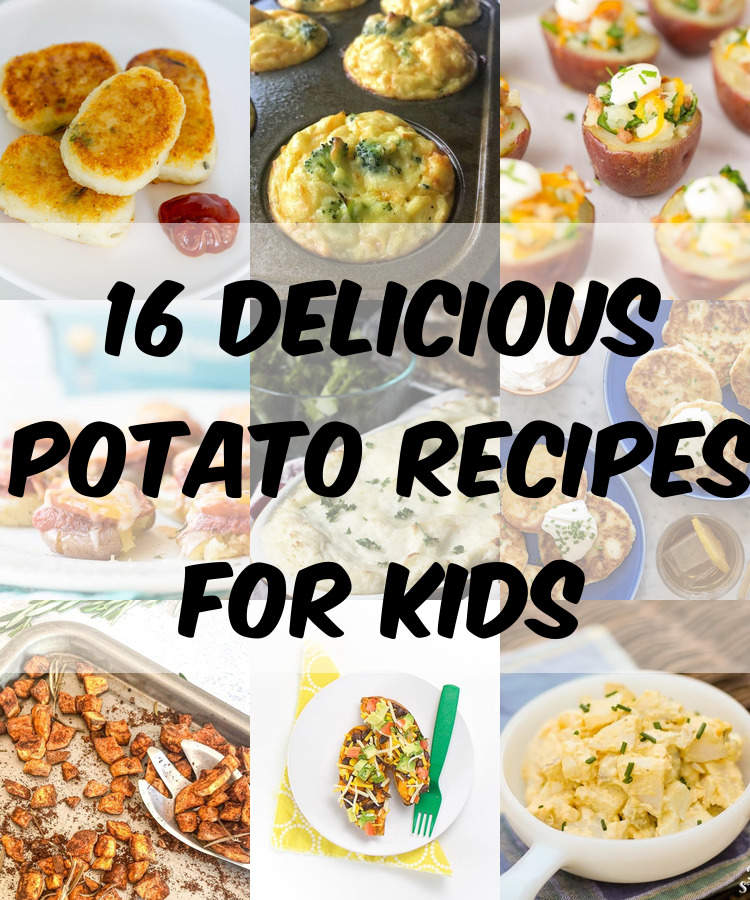
The best potato recipes for kids include cheesy potato bites, baked potato wedges, mashed potato cakes, mini potato pancakes, potato soup, and loaded baked potatoes. These dishes use simple ingredients, offer different textures, and can fit breakfast, lunch, dinner, or snacks. Bake, boil, or roast the potatoes, then add cheese, vegetables, herbs, or mild seasonings to suit your child’s age and taste.
Potatoes are a familiar food in many American homes. You may serve them with burgers, roast chicken, eggs, or a weeknight meal. They can also become the main dish when you add cheese, beans, eggs, or other foods that help make a balanced meal.
The best potato recipes for kids do not need fancy tools or costly ingredients. A few potatoes, a little oil, and some cheese can make a meal that feels fun without much work. Parents can also change the shape, texture, and seasoning to suit each child’s needs.
This guide shares ten easy potato recipes for American families, along with cooking tips, serving ideas, and ways to reduce food waste. It also covers age-appropriate textures, kitchen safety, and simple swaps for picky eaters. Adult help is needed for hot pans, sharp knives, and other risky steps.
Potatoes are mild in flavor and easy to prepare in many ways. Some children enjoy crisp edges, while others prefer soft mashed potatoes. This range makes potatoes useful for families with different food preferences.
Potatoes provide carbohydrates, which give the body energy. They also contain potassium, vitamin C, and vitamin B6. The exact nutrient amounts depend on the potato type, portion size, and cooking method.
A plain potato is not a complete meal on its own. Add a protein source and a fruit or vegetable when practical. For example, serve baked potato wedges with baked chicken and peas, or pair potato pancakes with eggs and fruit.
Source: ar.inspiredpencil.com
Easy to adapt
Use mild seasonings, smooth textures, or crisp edges based on what your child likes.
Budget-friendly
Regular potatoes are widely sold in American grocery stores and can stretch across several family meals.
Useful for meal prep
Cook extra potatoes for soup, potato cakes, or breakfast hash, provided leftovers are cooled and stored safely.
10 Easy Potato Recipes for Kids
These potato recipes use common ingredients and simple cooking methods. Cooking times are estimates and may change with the size of the potato pieces, oven temperature, and amount of food in the pan. Check that the potatoes are tender before serving.
Baked potato wedges are a simple choice for children who like a crisp outside and a soft center. They can take the place of frozen fries alongside sandwiches, chicken, or veggie burgers.
For four servings, use four medium potatoes, one tablespoon of olive oil, and a small pinch of salt. Add mild paprika or dried parsley if your child enjoys those flavors. Scrub the potatoes, cut them into even wedges, and dry them well.
Toss the wedges with oil and seasoning. Spread them in one layer on a baking sheet, leaving space between pieces. Bake at 425 degrees Fahrenheit for about 30 to 40 minutes, turning them once, until tender inside and browned at the edges.
An adult should handle the knife and hot tray. Let the wedges cool before serving, and cut them into suitable pieces for younger children. Serve with plain yogurt dip, ketchup, or a mild bean dip.
Helpful tip
Evenly sized wedges cook at a similar rate, so you are less likely to get burnt tips and hard centers.
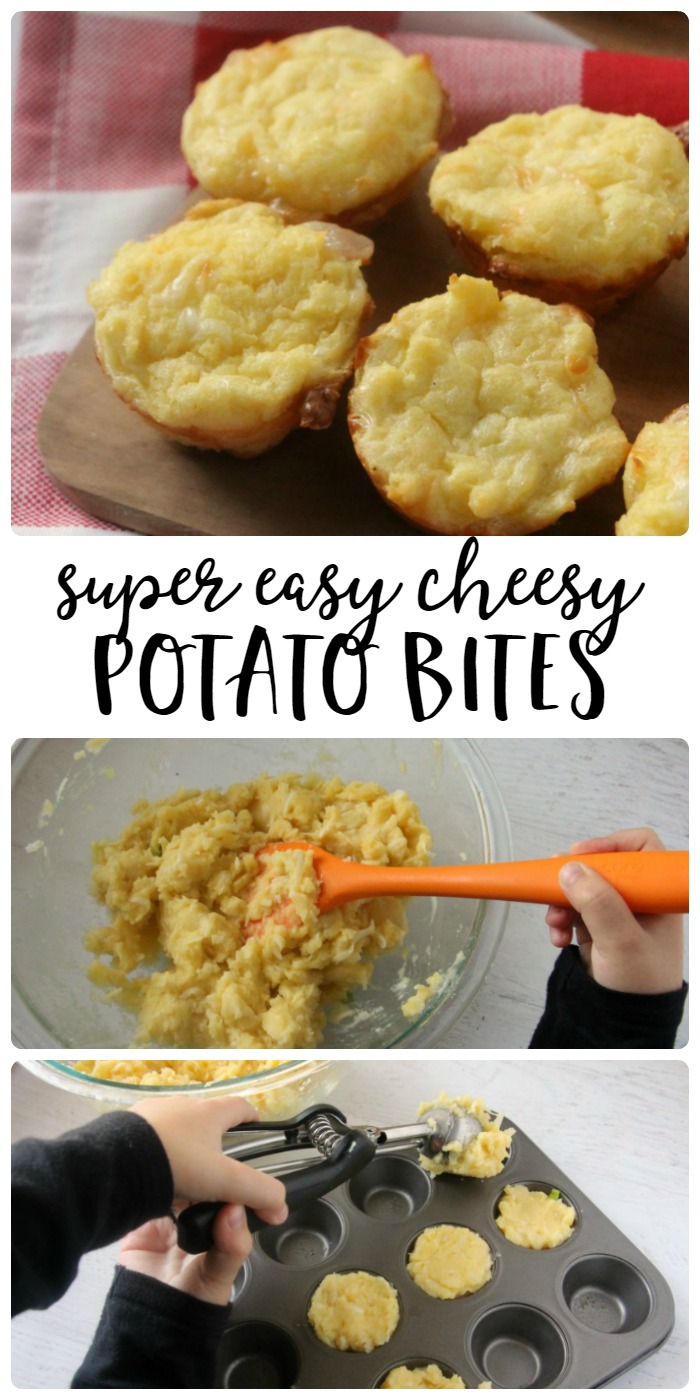
2. Cheesy Potato Bites
Cheesy potato bites turn cooked potatoes into small, soft-centered snacks. They work well as a side dish or a lunchbox addition when packed and stored safely.
Boil two large peeled potatoes until tender, then drain and mash them. Mix in half a cup of shredded cheddar cheese, one beaten egg, and two tablespoons of breadcrumbs. Add a little chopped cooked broccoli if your child accepts green foods.
Shape the mixture into small patties or balls. Place them on a lightly greased baking sheet and bake at 400 degrees Fahrenheit for about 20 to 25 minutes, turning once if needed. Make sure the egg mixture is fully cooked before serving.
The cheese gives the bites a savory flavor, while the potato keeps the center soft. Allow them to cool before children eat them. For younger children, avoid firm, round pieces that could be hard to chew safely.
Simple variation
Replace some of the cheddar with grated mozzarella or add finely chopped cooked carrots.
3. Easy Mashed Potatoes
Mashed potatoes suit children who prefer soft foods and mild flavors. They are also one of the easiest ways to use potatoes as a side dish.
Peel and cube four medium potatoes. Boil them in water until a fork slides through the pieces with little effort, usually about 15 to 20 minutes. Drain well, then mash with two tablespoons of butter and a quarter cup of warm milk, adding more milk a little at a time if needed.
Use plain yogurt for part of the milk or butter if you want a tangy taste. Avoid adding too much salt, especially when the meal already includes salty cheese, gravy, or processed meat.
For extra color and flavor, stir in mashed cooked carrots or finely chopped steamed broccoli. Keep the mixture smooth for children who need a softer texture, and follow any feeding advice given by your child’s health care professional.
Best result
Drain the potatoes well before mashing to help prevent a watery texture.
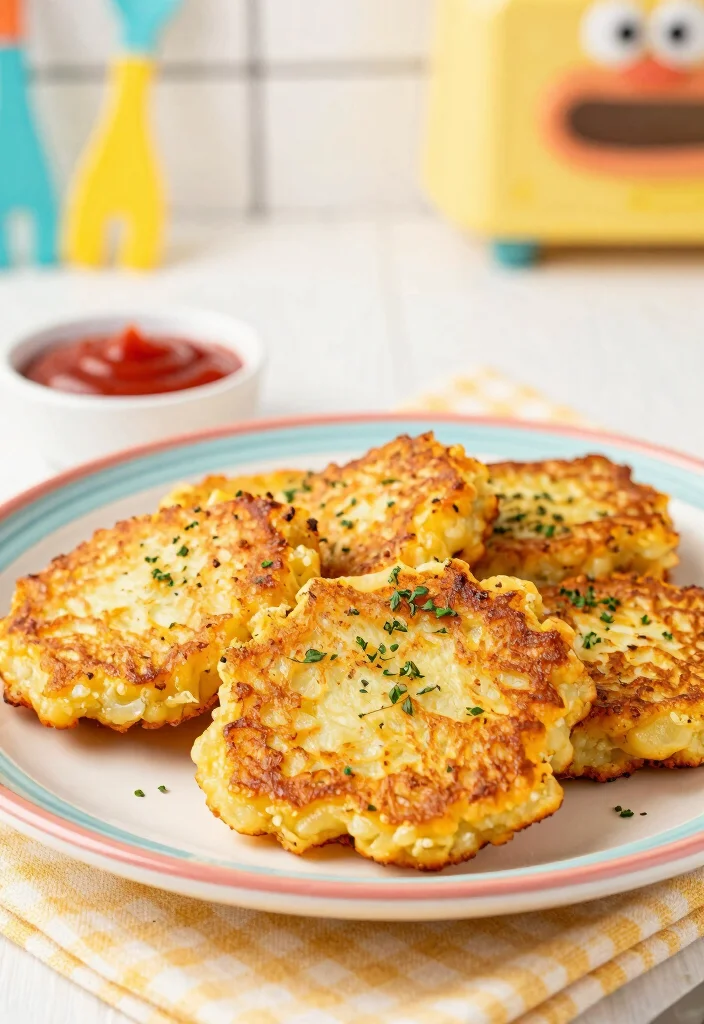
4. Mini Potato Pancakes
Mini potato pancakes are a useful way to serve potatoes at breakfast or lunch. Their small size can make them easy for older children to hold, while the center stays tender.
Grate two medium potatoes and squeeze out excess water with a clean towel. Mix with one egg, two tablespoons of flour, and a little finely chopped green onion if your child likes it. Use plain flour or a suitable alternative based on dietary needs.
An adult should heat a thin layer of oil in a skillet over medium heat. Spoon in small portions and flatten them gently. Cook for about three to four minutes per side, adjusting the heat so the pancakes brown without burning before the centers cook.
Serve with plain yogurt, applesauce, or scrambled eggs. Let the pancakes cool before serving. If the pancakes brown too fast, lower the heat and cook them for longer.
For picky eaters
Start with plain pancakes, then offer cheese or herbs on the side instead of mixing in several new flavors.
5. Loaded Baked Potatoes
Loaded baked potatoes let children choose their own toppings. This can make dinner feel more fun without requiring a separate meal for each family member.
Scrub four medium baking potatoes and pierce each several times with a fork. Bake at 400 degrees Fahrenheit for about 45 to 60 minutes, depending on their size, until the centers are soft. An adult should remove them from the oven and open them after they cool enough to handle.
Set out small bowls of shredded cheese, plain Greek yogurt, cooked beans, steamed broccoli, and finely chopped cooked chicken. Children can choose a few toppings that suit their taste. Keep toppings simple for children who dislike mixed textures.
For younger children, scoop out the soft potato flesh and mash it as needed. Avoid serving very hot filling, and do not let children handle the whole baked potato straight from the oven.
Balanced meal idea
Pair potato with beans or chicken and a vegetable to add protein and other nutrients.
6. Creamy Potato and Corn Soup
Potato and corn soup is a warm option for cool evenings or quick family lunches. The potatoes help thicken the soup without the need for a large amount of cream.
Peel and cube three medium potatoes. Add them to a saucepan with one cup of corn, three cups of low-sodium broth, and half a cup of finely chopped onion if desired. Bring the mixture to a boil, then lower the heat and simmer for about 20 minutes, until the potatoes are soft.
Mash some of the potatoes against the side of the pan to thicken the soup. Stir in half a cup of milk and warm gently. Do not let the milk mixture boil hard, and check the temperature carefully before serving.
For a smoother soup, an adult can blend part of the mixture with an immersion blender, following the tool’s safety instructions. Keep children away from the hot pot and blender. Serve with soft bread and a side of fruit or vegetables.
Texture tip
Mash the soup for a chunky texture or blend it for children who prefer a smooth meal.
7. Potato and Egg Breakfast Hash
Potato and egg hash combines tender potatoes with eggs for a filling breakfast. It can also work for brunch or a quick dinner when served with fruit.
Cut two medium potatoes into small, even cubes. An adult should heat one tablespoon of oil in a skillet and cook the potatoes over medium heat, stirring now and then, until tender and lightly browned. Add a splash of water and cover the pan briefly if the cubes need help softening.
Add half a chopped bell pepper or a handful of finely chopped spinach if desired. Pour in four beaten eggs and stir until the eggs are fully set. Keep the heat moderate so the potatoes do not burn while the eggs cook.
Let the hash cool slightly before serving. Cut or mash the pieces as needed for the child’s age and chewing skills. Refrigerate any leftovers promptly rather than leaving the skillet on the counter.
Easy swap
Use leftover cooked potatoes to shorten the cooking time, but heat them fully before adding the eggs.
8. Sweet Potato Fries
Sweet potato fries offer a naturally sweet taste and a bright orange color. They are a good option for children who enjoy a hint of sweetness with their meal.
Scrub two large sweet potatoes and cut them into evenly sized sticks. Toss with one tablespoon of oil and a small pinch of cinnamon or mild paprika. Spread the sticks on a baking sheet without crowding them.
Bake at 425 degrees Fahrenheit for about 25 to 35 minutes, turning once. Sweet potato fries may soften before they become crisp, so check their texture instead of relying on color alone. Remove them when the centers are tender and the edges are lightly browned.
Serve with plain yogurt dip or alongside baked fish, chicken, or beans. Sweet potatoes are different from regular white potatoes, but both can fit into a varied diet. Let the fries cool and cut them appropriately for younger children.
For better texture
Leave space between the sticks so moisture can escape during baking.
9. Potato and Cheese Quesadillas
Potato and cheese quesadillas give a familiar tortilla meal a soft potato filling. They can help use leftover mashed potatoes and take little effort to assemble.
Spread a thin layer of mashed potato over half of a flour tortilla. Add shredded cheddar or Monterey Jack cheese, then fold the tortilla over. Repeat with more tortillas as needed.
An adult should cook the quesadillas in a lightly greased skillet over medium-low heat for about two to three minutes per side, until the tortilla is golden and the cheese has melted. Avoid high heat, which can burn the tortilla before the filling warms.
Cool briefly, then cut into strips or small pieces appropriate for the child’s age. Serve with mashed avocado, soft cooked vegetables, or a small bowl of mild salsa for older children who can manage the texture.
Make it more filling
Add mashed black beans or finely chopped cooked chicken to provide extra protein.
10. Leftover Mashed Potato Cakes
Mashed potato cakes turn leftover potatoes into a new meal instead of letting them go to waste. They work for breakfast, lunch, or a simple side dish.
Mix two cups of cold mashed potatoes with one beaten egg, a quarter cup of shredded cheese, and two to four tablespoons of flour, adding enough flour to help the mixture hold together. If the potatoes already contain plenty of butter or milk, the amount needed may vary.
Shape the mixture into small, flat cakes. An adult should cook them in a lightly oiled skillet over medium heat for about three to four minutes per side. Turn them gently and cook until the centers are hot and the egg is fully cooked.
Serve with plain yogurt or cooked vegetables. If the mixture feels too wet, add a little more flour. If it is too dry, mix in a small amount of milk or another spoonful of mashed potato.
Food safety reminder
Use mashed potatoes that were chilled promptly and stored in the refrigerator, not potatoes left out overnight.
How to Choose the Best Potato for Each Recipe
Different potatoes behave differently when cooked. The right type can help your recipe turn out as planned, though you can still make many dishes with the potatoes already in your pantry.
Source: momjunction.com
Russet potatoes
Their starchy flesh works well for baked potatoes, fluffy mashed potatoes, and oven-baked wedges.
Yukon Gold potatoes
Their creamy texture makes them useful for mashed potatoes, potato soup, and potato cakes.
Red potatoes
Their firmer flesh holds its shape in breakfast hash, potato salads, and diced skillet dishes.
Sweet potatoes
Their sweet flavor and orange flesh work well for baked sticks, mash, and soft side dishes.
Fresh Potatoes or Frozen Potatoes?
Fresh potatoes offer more control over shape, seasoning, and texture. Frozen fries or diced potatoes can save time on busy days, but check the package for cooking directions and added salt or seasoning.
There is no need to avoid all convenience foods. A practical approach is to choose the option that fits your schedule, then round out the meal with a protein food and a vegetable or fruit.
How to Make Potato Meals More Nutritious
Potatoes can be part of a balanced meal when paired with other food groups. The goal is not to turn every dish into a health project. Small changes can add variety while keeping familiar flavors.
Source: imthecheftoo.com
Add protein
Serve potatoes with eggs, beans, lentils, plain yogurt, fish, chicken, or another suitable protein food.
Include vegetables
Mix in soft cooked carrots, peas, corn, spinach, or broccoli. Offer vegetables on the side if your child dislikes mixed dishes.
Use fats with care
A little olive oil or butter can add flavor, but heavy amounts of cheese, cream, and oil can make a meal much richer.
Watch added salt
Taste the dish before adding salt, especially when using cheese, broth, bacon, or packaged seasonings.
Keep portions flexible
Children’s appetites vary by age, activity, and the rest of the meal. Offer a suitable amount and allow the child to respond to hunger and fullness.
Can Kids Eat Potato Skins?
Potato skins can be eaten when the potatoes are washed well and cooked properly. The skin adds fiber, but its texture may not suit every child.
For young children or those who have trouble chewing, remove tough skin and serve soft potato flesh in an age-appropriate form. Do not assume that a food is safe simply because it is soft inside; the size and shape of each bite also matter.
Potato Cooking Safety for Children
Potatoes are common foods, but the cooking process can involve hot water, steam, sharp tools, and hot oil. Adults should handle these steps and decide which kitchen tasks are suitable for each child’s age and skill.
Source: www.pinterest.com
Wash before cutting
Rinse and scrub potatoes under running water before peeling or slicing. Remove damaged areas and discard potatoes that are badly spoiled.
Keep knives with adults
A grown-up should cut raw potatoes unless an older child has suitable training and close supervision.
Avoid burns
Keep children away from boiling water, oven doors, hot baking sheets, and frying pans. Steam from a freshly cooked potato can burn skin.
Prevent choking
Serve food in shapes and textures that match the child’s development. Round, firm, or large pieces may pose a choking risk for young children.
Check for green areas
Avoid eating potatoes that are green, bitter, badly sprouted, or heavily damaged. Cooking does not reliably remove the natural toxins that may build up in green or sprouted potatoes.
Are Potato Recipes Suitable for Toddlers?
Many potato dishes can be adapted for toddlers, but texture and serving size matter. Plain mashed potatoes, soft potato cubes that can be safely squashed, and soft cooked potato mixed with vegetables may be easier to manage than hard wedges or crisp crusts.
Avoid excess salt and consider common allergens in the recipe, such as milk, cheese, and eggs. Introduce foods in a way that follows your child’s feeding needs, and seek guidance from a pediatric health professional if you have concerns about swallowing, allergies, or growth.
Always supervise young children while they eat. Keep them seated and calm during meals, and learn the choking response recommended for your child’s age.
How to Store and Reheat Cooked Potatoes
Cooked potatoes and potato dishes need prompt cooling and safe storage. Refrigerate leftovers within two hours of cooking, or within one hour when the surrounding temperature is above 90 degrees Fahrenheit.
Place leftovers in shallow containers so they cool faster. Keep the refrigerator at 40 degrees Fahrenheit or below, and use refrigerated cooked leftovers within three to four days. Discard food that has been left out too long rather than relying on smell alone.
Reheat leftovers to 165 degrees Fahrenheit, checking the center with a food thermometer when possible. Stir soups and mashed potatoes during reheating so heat spreads more evenly. Let food cool to a safe eating temperature before giving it to a child.
For meal prep, cook plain potatoes and use them in more than one dish. For example, serve baked potatoes at dinner, use chilled leftovers in breakfast hash the next morning, and turn extra mashed potatoes into cakes. Plan the meals around safe storage times rather than keeping cooked potatoes for an open-ended period.
Source: realadvicegal.com
Best storage method
Use covered, shallow containers and label leftovers with the date so you know when to use them.
Avoid unsafe storage
Do not leave cooked potatoes wrapped in foil at room temperature for long periods. Cool and refrigerate them promptly.
How to Get Picky Eaters to Try Potato Dishes
A child may like mashed potatoes but reject baked wedges, or enjoy fries but avoid a potato with cheese. This is common, and it does not mean you need to make a brand-new meal every night.
Start with one familiar version and change only one feature at a time. A child who likes plain mashed potatoes may accept a small amount of cheese first, then try finely mashed vegetables another day. Keep the familiar food available while offering the new food without pressure.
Source: freshdecor.blog
Offer a choice
Ask whether your child wants wedges or mashed potatoes, rather than asking them to choose from a long list.
Serve dips on the side
Try plain yogurt, hummus, or a mild dip separately so children can control how much they use.
Let kids help
Children can wash whole potatoes, stir a cool mixture, sprinkle cheese, or place toppings in bowls with adult guidance.
Keep portions small
A small taste can feel less daunting than a full serving of an unfamiliar dish.
Avoid food battles
Offer regular meals and snacks, model eating a range of foods, and let children decide whether and how much to eat from the foods provided.
What If a Recipe Does Not Turn Out Well?
Hard potato centers usually mean the pieces were too large or the cooking time was too short. Cut the pieces smaller next time, or keep cooking until they are tender. If the outside browns too fast, lower the oven or pan heat.
Watery mashed potatoes often result from excess water after boiling. Drain them well and let them sit briefly in the warm pot before mashing. If potato cakes fall apart, add a little flour or another binding ingredient and make the cakes smaller.
Soft oven fries may be crowded on the tray or cut too thick. Spread them out and use even pieces. A crisp result is not always possible with sweet potatoes, so judge them by tenderness and color rather than expecting the same texture as deep-fried fries.
A Simple Five-Day Potato Meal Plan
A short meal plan can help you use one bag of potatoes in several ways without serving the same dish every day. Pair each meal with suitable vegetables, fruit, and protein foods based on what your family already eats.
Source: www.pinterest.com
Monday
Serve baked potato wedges with roasted chicken and steamed peas.
Tuesday
Make potato and egg hash with fruit for breakfast or a light dinner.
Wednesday
Prepare potato and corn soup with soft bread and a side of fruit.
Thursday
Set up a loaded baked potato meal with beans, broccoli, and cheese.
Friday
Use safely stored leftover mashed potatoes to make potato cakes with cooked vegetables.
How to Shop for These Recipes
A basic shopping list can cover most of these meals. Choose a few ingredients your family already likes, then add one or two new items rather than buying every possible topping.
Produce
Buy regular potatoes, sweet potatoes, onions, bell peppers, broccoli, peas, and fruit.
Dairy and eggs
Choose milk or a suitable alternative, shredded cheese, plain yogurt, and eggs if they fit your family’s diet.
Pantry foods
Keep olive oil, flour, breadcrumbs, low-sodium broth, tortillas, and mild seasonings on hand.
Protein options
Use beans, lentils, eggs, chicken, fish, or other foods your family enjoys and can safely eat.
Frequently Asked Questions
Q
What is the easiest potato recipe for kids?
Baked potato wedges and mashed potatoes are among the easiest options. Wedges need only potatoes, oil, and mild seasoning, while mashed potatoes need boiled potatoes and a little milk or butter. Adults should handle sharp tools and hot cookware.
Q
Are potatoes healthy for children?
Potatoes provide carbohydrates, potassium, vitamin C, and vitamin B6. They can fit into a balanced diet when served with other foods, such as vegetables and protein sources. The overall nutritional value of a meal depends on the ingredients, cooking method, and portion size.
Q
Can I make potato recipes ahead of time?
Yes. You can cook potatoes ahead for soup, hash, or potato cakes. Refrigerate cooked potatoes within two hours, store them in covered shallow containers, and use them within three to four days. Reheat leftovers to 165 degrees Fahrenheit before serving.
Q
Which potatoes are best for mashed potatoes?
Russet and Yukon Gold potatoes are both useful choices. Russets tend to make fluffy mash, while Yukon Gold potatoes give a creamier texture. Drain the cooked potatoes well and add warm milk a little at a time.
Q
How can I make potato dishes safe for toddlers?
Cook potatoes until tender and serve them in a texture and shape that suits the child’s development. Avoid hard, round, or large pieces that may pose a choking risk, supervise meals closely, and keep food at a safe temperature. Ask a pediatric health professional for advice if your child has swallowing or feeding concerns.
Q
Can I freeze homemade potato recipes?
Some potato dishes freeze better than others. Potato soup, mashed potatoes, and certain potato cakes may be frozen, although their texture can change after thawing. Cool food promptly, freeze it in suitable containers, and thaw it safely in the refrigerator before reheating.
✦ Wrapping Up
Conclusion
Potatoes can do much more than fill a plate of fries. Baked wedges, cheesy bites, mashed potatoes, mini pancakes, soup, and loaded baked potatoes give families several ways to serve this familiar food. Each recipe can be adjusted to suit different tastes, schedules, and cooking skills.
Start with one recipe your child is likely to enjoy. Keep the seasoning mild, add a protein food and a vegetable when practical, and let children help with safe tasks. Store leftovers promptly and use age-appropriate serving sizes to make family meals easier to manage.
💡 Key Takeaway
Try baked potato wedges first. Use four medium potatoes, one tablespoon of oil, and a little mild seasoning. Roast at 425 degrees Fahrenheit until tender, then serve with a protein food and a vegetable your child enjoys.