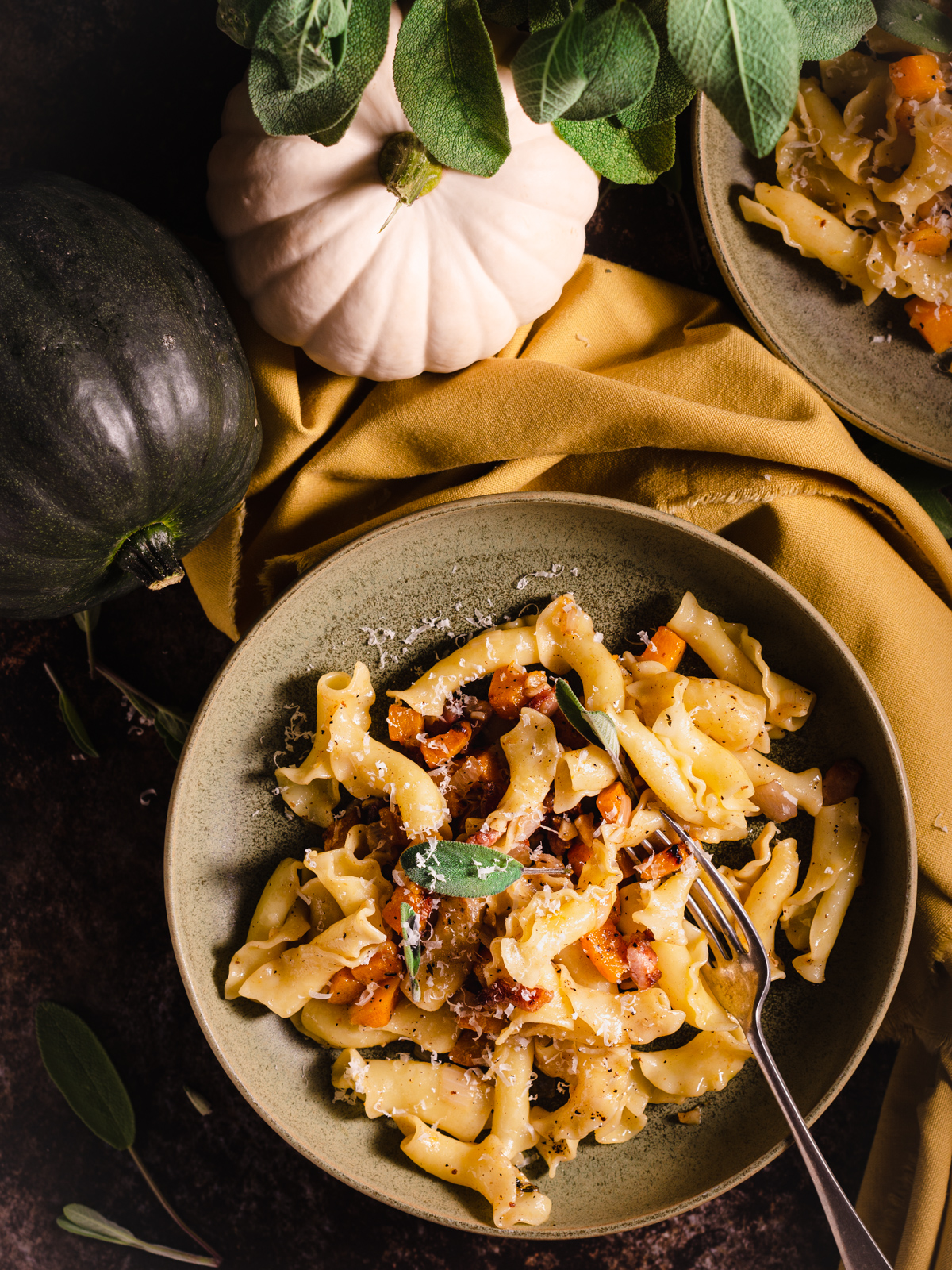
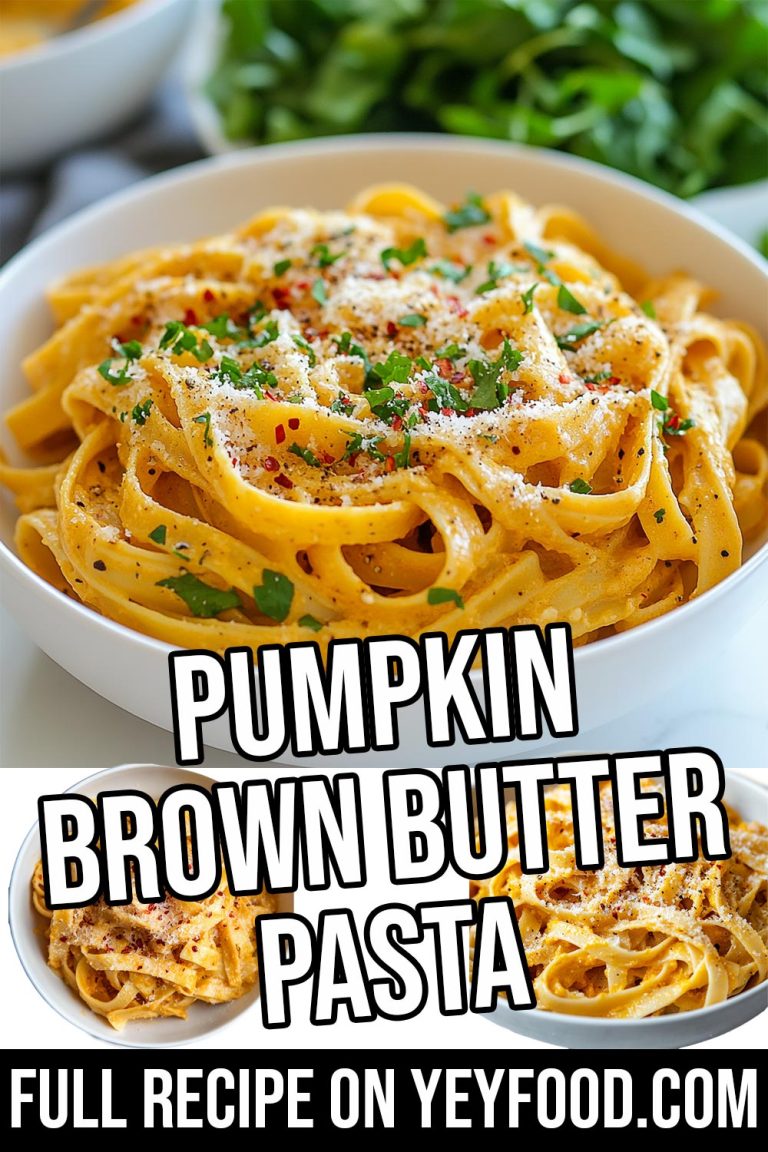
Brown butter pumpkin pasta is a cozy dish made with pasta, browned butter, pumpkin puree, Parmesan cheese, and warm herbs such as sage. It has a rich, nutty taste and a smooth sauce that comes together in about 30 minutes. Use canned pumpkin puree, reserved pasta water, and freshly grated cheese for an easy meal at home.
When fall arrives across the United States, pumpkin often finds its way into pies, soups, muffins, and warm drinks. It also works well in savory meals. Brown butter pumpkin pasta brings together the comfort of a bowl of pasta and the earthy taste of pumpkin without making the dish sweet.
The key is to let the butter turn golden and smell nutty before adding the pumpkin. A little garlic, sage, black pepper, and Parmesan help balance the sauce. The result is creamy and full of flavor, even though you do not need a long list of ingredients or heavy cream.
This recipe works well for a weeknight dinner, a meat-free meal, or a simple fall lunch. You can use penne, fettuccine, rigatoni, or another pasta shape you have on hand. The guide below explains how to make the sauce, how to fix common problems, and how to change the recipe to fit your needs.
Brown butter pumpkin pasta is a savory pasta dish made with browned butter and pumpkin puree. Parmesan adds a salty, savory note, while garlic and sage bring depth to the sauce. Pasta water helps the ingredients blend into a coating that clings to each piece of pasta.
Brown butter is regular butter that has been heated until its milk solids turn golden brown. As the butter heats, water evaporates and the milk solids develop a toasted, nut-like aroma. This gives the sauce a deeper flavor than melted butter alone.
Pumpkin puree adds body, color, and a mild earthy taste. It can make a sauce feel creamy without relying on a large amount of cream. The pumpkin should support the butter and herbs rather than overpower them.
The finished dish should taste savory, slightly nutty, and gently earthy. It should not taste like pumpkin pie. Salt, black pepper, Parmesan, and a small splash of lemon juice can help keep the flavor balanced.
Source: simpleplat.com
Best for
A quick fall dinner, a meat-free main dish, or a comforting meal on a cool evening.
Main flavor
Nutty browned butter, mild pumpkin, salty Parmesan, and fragrant herbs.
Texture
Smooth and creamy, with enough body to coat the pasta without forming a thick paste.
Skill level
Beginner-friendly, although the butter needs close attention because it can burn quickly near the end.
Ingredients for Brown Butter Pumpkin Pasta
You need only a handful of common ingredients to make this dish. The recipe below serves four as a main course, depending on portion size and side dishes. Use unsalted butter if possible, since Parmesan adds salt and different brands vary in saltiness.
For the smoothest sauce, choose plain canned pumpkin puree and grate the Parmesan yourself. Pre-grated cheese may contain anti-caking agents that can make it harder to melt evenly. Fresh sage is lovely, but dried sage can work when fresh herbs are not available.
Source: yeyfood.com
12 ounces dried pasta
Choose fettuccine, rigatoni, penne, or shells. Short shapes catch the sauce in their ridges and hollows.
6 tablespoons unsalted butter
This is the base of the browned butter sauce. Salted butter can also work if you season carefully at the end.
1 cup plain pumpkin puree
Use canned or homemade puree with no added sugar or pie spices.
2 garlic cloves, minced
Garlic adds savory flavor. Add it after browning the butter so it does not burn during the longer heating step.
6 to 8 fresh sage leaves
Sage has a warm, earthy taste that pairs well with pumpkin and browned butter. Use about half a teaspoon of dried sage if needed.
Half a cup finely grated Parmesan
Parmesan brings salt and savory depth. Keep extra nearby for serving.
Half a teaspoon kosher salt, plus more as needed
The amount needed depends on the butter, cheese, pasta water, and personal taste.
Freshly ground black pepper
Pepper cuts through the richness and adds a gentle bite.
1 to 2 tablespoons olive oil, optional
A small amount can help soften the garlic if the pan looks too dry, although the butter usually provides enough fat.
About 1 cup reserved pasta water
You may not need all of it. The starchy water helps loosen and bind the sauce.
1 teaspoon lemon juice, optional
A small splash adds brightness if the sauce tastes too rich or flat.
Choose the Right Pumpkin
Plain canned pumpkin puree is the easiest choice for a smooth sauce. Check the label to make sure the can contains pumpkin rather than pumpkin pie filling. Pie filling often includes sugar and spices that can make a savory pasta dish taste too sweet.
Homemade pumpkin puree also works. Roast or steam pumpkin until tender, then blend it until smooth. If the puree looks watery, drain off some excess liquid before adding it to the pan.
Plain puree
Best for a predictable taste and a quick dinner.
Homemade puree
Useful when you have cooked pumpkin to use up, but its moisture level may vary.
Pumpkin pie filling
Avoid it for this savory recipe because it may contain sweeteners and added spices.
Which Pasta Shape Works Best?
Fettuccine gives the dish a classic creamy pasta feel. Rigatoni and penne are easier to toss in a skillet, while shells hold small pockets of pumpkin sauce. There is no need to buy a special shape for this recipe.
Whole-wheat pasta can add a deeper grain flavor and a firmer bite. Gluten-free pasta also works, but follow the package instructions and save its cooking water before draining. Some gluten-free pasta water is less starchy than water from wheat pasta, so you may need to adjust the sauce slowly.
Long pasta
Fettuccine and linguine give the sauce a smooth, even coating.
Short pasta
Penne, rigatoni, and shells make a hearty dish that is easy to serve.
How to Make Brown Butter Pumpkin Pasta
The best method is to cook the pasta first, brown the butter with care, and then build the pumpkin sauce in the same pan. Keep a cup of pasta water nearby before you drain the pasta. This gives you a simple way to control the sauce instead of adding too much liquid at once.
Allow about 25 to 35 minutes from start to finish, depending on the pasta shape and your cooking speed. Have the pumpkin, garlic, sage, and cheese ready before you start browning the butter. The butter can move from golden to burnt quickly, so it helps to avoid rushing around for ingredients at that stage.
Source: butterbeready.com
Step 1: Boil the Pasta
Bring a large pot of water to a boil and salt it. Add the pasta and cook it until just shy of the texture you want, following the package timing as a guide. The pasta will finish cooking briefly in the sauce.
Before draining, scoop out about one cup of pasta water. Drain the pasta, but do not rinse it. The starch left on the surface helps the sauce cling to the noodles.
Look for
Pasta that is tender but still has a little firmness in the center.
Avoid
Overcooking the pasta in the pot, since it may turn too soft when tossed in the hot sauce.
Step 2: Brown the Butter
Place the butter in a light-colored skillet or saucepan over medium-low to medium heat. A light pan makes it easier to see the milk solids change color. Let the butter melt, foam, and then settle into a gentle sizzle.
Swirl the pan from time to time. Small golden-brown specks will form at the bottom, and the butter will smell nutty, much like toasted nuts. Once the solids are golden brown and the aroma is pleasant, remove the pan from the heat briefly.
Do not wait for the butter to turn dark brown or black. Burnt butter smells sharp and bitter rather than warm and nutty. If the solids turn black or the butter smells acrid, it is better to start again than to hide the burnt taste with pumpkin.
Good sign
Golden-brown specks, a warm nutty aroma, and butter that remains golden to amber.
Warning sign
Black specks, smoke, or a harsh burnt smell.
Step 3: Add Sage and Garlic
Add the sage leaves to the browned butter while the pan is still warm. They may sizzle and release their aroma. Cook them briefly until fragrant, then stir in the minced garlic for about 30 seconds, taking care not to let it brown too much.
If the butter is very hot, move the pan off the burner before adding the garlic. Garlic burns much faster than butter browns, and burnt garlic can make the whole sauce taste bitter. If the pan has cooled too much, return it to low heat for a short time.
Fresh sage
Adds a clear herbal note and works well with the toasted butter.
Dried sage
Add a small amount to the pumpkin sauce rather than frying it for long in the butter.
Step 4: Stir in the Pumpkin Puree
Add the pumpkin puree to the skillet and stir until it blends with the butter. Keep the heat low and let the mixture warm gently for two to three minutes. It should look smooth and thick, with the brown butter specks spread throughout.
Add a small splash of pasta water if the pumpkin looks stiff or starts to cling heavily to the pan. Stir until the mixture loosens. The sauce should flow slowly from a spoon rather than sit in a dense mound.
If the sauce is too thick
Add pasta water one tablespoon at a time and stir well before adding more.
If the sauce is too thin
Let it simmer gently for a short time, then reassess before adding cheese.
Step 5: Toss in the Pasta and Parmesan
Add the drained pasta to the skillet and toss until each piece is coated. Sprinkle in the Parmesan gradually while tossing. Keep the heat very low or turn it off before adding most of the cheese, since strong heat can cause cheese to clump.
Add more pasta water in small splashes until the sauce looks glossy and clings to the pasta. Taste a bite before adding extra salt. Parmesan and salted pasta water can already provide plenty of seasoning.
Good texture
The sauce coats the pasta evenly without pooling like soup or forming a dry paste.
Good flavor
You can taste the pumpkin, butter, and herbs, but none of them overwhelms the others.
Step 6: Taste and Serve
Finish with black pepper and a little lemon juice if the sauce needs a brighter edge. Add more Parmesan or a few crisp sage leaves on top. Serve the pasta while it is hot, since the sauce thickens as it stands.
A simple green salad, steamed green beans, or roasted broccoli makes a useful side. These add fresh flavor and contrast with the rich sauce without competing with the pumpkin.
For extra crunch
Sprinkle toasted walnuts or pumpkin seeds over each serving, checking for nut allergies before serving guests.
For a fuller meal
Add cooked white beans, chickpeas, or sliced cooked chicken if you want more protein.
How to Get a Smooth, Creamy Pumpkin Sauce
A smooth pumpkin pasta sauce depends on moisture, heat, and the way you add the cheese. Pumpkin puree is naturally thick, while browned butter contains fat and toasted milk solids. Pasta water helps bring those parts together into a sauce that coats the pasta instead of separating into an oily layer.
The most useful trick is to add pasta water in small amounts while tossing the pasta. Start with a tablespoon or two, mix well, and then judge the texture. You can always add more, but a sauce that becomes too thin may need extra time to reduce or a little more pumpkin.
Cheese needs special care. Very hot sauce can make Parmesan clump or turn stringy, especially if the cheese is added all at once. Lower the heat, add finely grated cheese in stages, and keep the mixture moving.
Source: midwestfoodieblog.com
Use warm pasta water
Water that has just been taken from the pot blends readily into the hot sauce. Add it slowly to avoid making the sauce watery.
Grate the cheese finely
Small pieces melt more evenly than large shreds or chunks.
Keep the heat gentle
A low temperature helps the butter and pumpkin blend while reducing the risk of scorching.
Finish in the pan
Tossing the pasta with the sauce helps distribute the pumpkin and starch evenly.
Why Pasta Water Matters
As pasta cooks, some starch moves into the water. A small amount of this starchy water can help the sauce cling to the pasta and spread more evenly. It also makes it easier to adjust the texture without adding more butter.
Pasta water is not a magic fix for every sauce problem. If the sauce tastes burnt or has large lumps of cheese, adding water will not remove those flaws. It works best when the sauce is already well mixed and simply needs a little more moisture.
Should You Add Cream or Milk?
You do not need cream to make this recipe creamy. Pumpkin puree, butter, Parmesan, and pasta water can create a rich texture on their own. This version lets the nutty butter and pumpkin remain the main flavors.
If you prefer a softer, richer sauce, stir in two to four tablespoons of heavy cream or whole milk after the pumpkin warms. Add a small amount first and check the texture. Milk is thinner than cream, so it may require more careful adjustment with pasta water.
No dairy cream
Keep the base recipe as written and use the pumpkin and pasta water to form the sauce.
Extra richness
Add a little heavy cream, then taste before adding more Parmesan.
Lighter dairy option
A small splash of whole milk can soften the sauce, but it will not provide the same richness as cream.
Flavor Variations and Ingredient Swaps
Brown butter pumpkin pasta is easy to change without losing its main character. The best additions bring contrast to the sweet, earthy pumpkin and rich butter. Choose one or two changes at a time so the sauce does not become crowded with competing flavors.
You can make the dish more savory with extra garlic and black pepper, brighter with lemon, or heartier with beans or cooked meat. If you change the amount of pumpkin or cheese, adjust the pasta water as needed to keep the sauce loose enough to coat the pasta.
Source: yeyfood.com
Brown Butter Pumpkin Pasta with Sage
Sage is one of the most natural partners for browned butter and pumpkin. Its earthy, slightly peppery taste balances the soft sweetness of the pumpkin. Fresh leaves can be cooked briefly in the butter, then used as a garnish.
If you do not enjoy sage, try a small amount of fresh thyme. Thyme has a different herbal flavor, so start with a few leaves and taste before adding more. Rosemary can also work, but its strong scent may take over if used too freely.
Fresh sage
Use several leaves for a clear herbal flavor and an attractive garnish.
Thyme
Choose it for a gentler herbal note.
Rosemary
Use sparingly because its flavor can dominate the sauce.
Add Cheese for More Savory Flavor
Parmesan adds salt and a deep savory taste. Pecorino Romano is another option, although it is often sharper and saltier. When using Pecorino, start with less and taste before adding extra salt.
For a milder result, use a mix of Parmesan and a little shredded mozzarella. Mozzarella adds a stretchy texture but less savory depth, so it is best as a small addition rather than a full replacement for Parmesan.
Parmesan
A balanced choice for the classic version.
Pecorino Romano
A sharper option that may need less added salt.
Nutritional yeast
Can add a savory note in a dairy-free variation, although it will not melt like cheese.
Make It Vegan or Dairy-Free
For a vegan version, use a plant-based butter that browns well and a dairy-free Parmesan-style topping. Check the product label, since plant-based butters vary in water content and browning behavior. Some may brown less like dairy butter, so use aroma and color as guides rather than expecting identical results.
Skip dairy cream and use reserved pasta water to adjust the sauce. Nutritional yeast, black pepper, garlic, and a little lemon can add depth. Make sure the pasta itself contains no egg if you need the whole dish to be vegan.
Plant-based butter
Choose a product intended for cooking and follow its package directions.
Dairy-free topping
Use a suitable Parmesan-style alternative or a small amount of nutritional yeast.
Check labels
Review pasta and topping ingredients if avoiding milk, eggs, or other allergens.
Add Vegetables or Protein
Cooked mushrooms, spinach, kale, and roasted broccoli all pair well with pumpkin sauce. Mushrooms add a savory taste, while leafy greens bring a fresher note. Cook vegetables before mixing them into the sauce so they do not release too much water into the finished dish.
For more protein, stir in white beans or chickpeas. Cooked chicken or crumbled cooked sausage can also work if you eat meat. Brown the meat separately and drain excess fat before adding it, since too much grease can make the pumpkin sauce feel heavy.
Mushrooms
Brown them in a separate pan for a deeper, savory flavor.
Spinach
Fold it in near the end and cook just until wilted.
White beans
Rinse and drain canned beans, then warm them in the sauce.
Cooked chicken
Add bite-size pieces near the end so they warm without drying out.
Common Mistakes and How to Fix Them
Most problems with pumpkin pasta come from burnt butter, a sauce that is too thick, or cheese that does not melt smoothly. Small adjustments can often fix the texture, but a burnt flavor is much harder to remove. Pay attention to the pan as the butter browns and lower the heat before adding the other ingredients.
Taste the sauce before serving. Pumpkin can vary in sweetness and moisture, while Parmesan and pasta water can vary in salt level. A final adjustment with pepper, salt, lemon juice, or pasta water is often all the dish needs.
Source: underatinroof.com
The Butter Tastes Burnt
Black milk solids and a harsh smell usually mean the butter has gone too far. Adding pumpkin or cream may soften the flavor slightly, but it will not fully remove a burnt taste. Discard the burnt butter, clean the pan, and start again over lower heat.
Keep the pan moving and remove it from the burner as soon as the solids turn golden brown. The residual heat will continue to cook the butter for a short time, so do not wait for a very dark color.
The Sauce Is Too Thick
Pumpkin puree can make the sauce dense, especially if it has little water. Add reserved pasta water one tablespoon at a time, tossing after each addition. Stop once the sauce coats the pasta without forming a heavy layer.
If the pasta has already cooled, warm it gently while adding the water. Avoid boiling the sauce hard, since that can cause the fat to separate or the cheese to clump.
The Sauce Looks Oily or Separated
An oily surface may mean the sauce needs more water or that the heat is too high. Remove the pan from the burner, add a small splash of warm pasta water, and toss firmly until the mixture looks more even. Repeat only if needed.
Add cheese slowly and keep stirring. A sudden addition of cold cheese to very hot fat can make it clump rather than blend. If the sauce remains separated, a little more pasta water and gentle tossing may help, although the texture may not return fully to its original state.
The Pasta Tastes Bland
Pumpkin has a mild taste, so the sauce needs enough salt and savory flavor. Add a little salt, black pepper, and Parmesan, then taste again. A small amount of lemon juice can brighten the dish if the flavors still seem dull.
Do not add large amounts of salt all at once. Parmesan is salty, and the sauce may become more concentrated as it sits. Make small changes until the flavor feels balanced.
The Sauce Tastes Too Sweet
First check whether you used pumpkin pie filling instead of plain puree. If the puree is plain but the sauce still tastes sweet, add black pepper, Parmesan, or a little lemon juice. More garlic or sage can also help bring the savory flavors forward.
Avoid adding strong amounts of vinegar or lemon at once. A little acidity can balance richness, but too much may make the sauce sharp.
What to Serve with Pumpkin Brown Butter Pasta
The best sides are fresh, crisp, or lightly seasoned. The pasta already has a rich sauce, so a side with a clean taste helps keep the meal from feeling too heavy. You do not need an elaborate menu to make it feel complete.
A green salad with a light vinaigrette is a simple choice. Roasted vegetables, steamed green beans, or sautéed greens also work well. If you are serving the pasta for a fall dinner, toasted bread can help round out the meal.
Source: lostinfood.co.uk
Green salad
Use crisp lettuce, cucumber, and a light lemon or vinegar dressing.
Roasted broccoli
Its browned edges and mild bitterness balance the rich sauce.
Green beans
Steam or sauté them until tender but still crisp.
Garlic bread
Serve a small amount if you want a more filling comfort meal.
Roasted squash
Choose a modest portion and season it with herbs rather than sweet glaze.
Storage, Reheating, and Make-Ahead Tips
Pumpkin pasta is best soon after cooking, when the sauce is glossy and the pasta is still firm. You can store leftovers in a covered container in the refrigerator and reheat them later. For food safety, refrigerate leftovers within two hours of cooking, or within one hour if the surrounding temperature is above 90°F.
Keep leftovers at 40°F or below and use them within three to four days. If you will not eat them within that time, freeze them promptly. The texture may change after freezing because pasta and cheese sauces can soften or separate when thawed.
For the best texture, store the sauce separately from the pasta when practical. If the two are already mixed, add a splash of water or milk during reheating to loosen the sauce. Warm leftovers on the stove over low heat, stirring often, or use a microwave in short bursts while stirring between each interval.
Source: midwestfoodieblog.com
Refrigeration
Place leftovers in a shallow, covered container and refrigerate promptly.
Reheating
Heat until steaming hot throughout. For leftovers, the USDA recommends reaching 165°F.
Freezing
Freezing is possible, but the sauce may lose some smoothness after thawing.
Make ahead
Measure the ingredients, grate the cheese, and mince the garlic in advance. Brown the butter close to serving time for the best flavor.
Can You Make the Sauce Ahead?
You can prepare the pumpkin portion of the sauce ahead and chill it in a covered container. For the best result, make the browned butter and sage close to serving time, then combine them with the pumpkin and finish the sauce with pasta water and cheese.
If you make the full sauce in advance, cool and refrigerate it promptly. Reheat it gently and stir in a little water to restore the texture. Add the cheese at the end if you want more control over how smoothly it melts.
Nutrition and Dietary Notes
The nutrition in this dish depends on the pasta, butter, cheese, portion size, and any extras you add. Pumpkin contributes fiber and nutrients, while pasta provides carbohydrates. Butter and Parmesan supply much of the fat and some of the dish’s saturated fat and sodium.
For a lighter version, use a little less butter and cheese, then rely on pasta water and pumpkin puree to build the sauce. The flavor may be less rich, but the herbs, garlic, pepper, and lemon can help keep it satisfying. For a more filling meal, add beans or vegetables rather than simply increasing the sauce.
This recipe contains wheat and dairy when made with standard pasta, butter, and Parmesan. Check all labels if cooking for someone with a food allergy or dietary restriction. Parmesan is a dairy product, and not every cheese or plant-based substitute is suitable for every dietary need.
Source: amindfullmom.com
For more fiber
Try whole-wheat pasta or add vegetables such as spinach and broccoli.
For more protein
Add beans, chickpeas, chicken, or another protein that fits your diet.
For less richness
Reduce the butter modestly and use pasta water to help coat the pasta.
Can I use canned pumpkin for brown butter pumpkin pasta?
Yes. Plain canned pumpkin puree is one of the easiest options for this recipe. It has a consistent texture and saves you the work of roasting and blending fresh pumpkin. Make sure the label says pumpkin puree, not pumpkin pie filling, which may contain sugar and spices.
Q
Can I make brown butter pumpkin pasta without cream?
Yes. The base recipe does not need cream. Pumpkin puree, browned butter, Parmesan, and starchy pasta water can make a smooth sauce. Add the water in small amounts until the sauce coats the pasta. You can add a little cream if you prefer a richer finish, but it is optional.
Q
What herbs go best with pumpkin and brown butter?
Sage is a classic choice because its earthy flavor pairs well with toasted butter and pumpkin. Thyme is a milder alternative, while rosemary can work in small amounts. Fresh herbs tend to give a brighter aroma, but dried herbs are useful when fresh ones are not available.
Q
How do I keep Parmesan from clumping in the sauce?
Turn off the heat or keep it very low before adding the Parmesan. Grate the cheese finely and stir it in gradually while tossing the pasta. Add a little warm pasta water if the sauce looks too thick. Very high heat and large pieces of cheese make smooth melting harder.
Q
Can I make brown butter pumpkin pasta gluten-free?
Yes. Use your preferred gluten-free pasta and cook it according to the package instructions. Reserve some cooking water before draining, since it may help loosen the sauce. The amount of starch in gluten-free pasta water can vary, so add it gradually and judge the texture as you toss.
Q
Can I freeze leftover pumpkin pasta?
You can freeze it, but the texture may change after thawing. Pasta may soften, and the butter and cheese sauce may separate. For better results, freeze the sauce separately when possible and cook fresh pasta when you plan to serve it. Refrigerated leftovers should generally be used within three to four days.
Q
What should I do if my pumpkin pasta tastes too rich?
Add a small splash of lemon juice, a little black pepper, or more pasta water. A crisp green salad or lightly cooked green vegetable also balances the meal. Make changes gradually, since too much lemon can make the sauce sharp and too much water can weaken its flavor.
✦ Wrapping Up
Conclusion
Brown butter pumpkin pasta is a simple way to make a warm, savory meal with a short list of ingredients. Pumpkin gives the sauce body, browned butter adds a nutty taste, and Parmesan and sage bring the flavors together. You can make the dish without cream and adjust its texture with reserved pasta water.
The main step to watch is browning the butter. Take it off the heat when the milk solids turn golden and smell toasted, then add the garlic and pumpkin with care. Finish the pasta over low heat, add the cheese slowly, and taste before serving.
Keep the recipe as written for a classic fall meal, or add greens, beans, mushrooms, or cooked chicken to suit your table. Once you know how to balance the butter, pumpkin, and pasta water, it is easy to make the sauce your own.
💡 Key Takeaway
Cook 12 ounces of pasta, save one cup of pasta water, and brown six tablespoons of butter until golden and nutty. Stir in sage, garlic, and one cup of pumpkin puree, then toss with the pasta and half a cup of Parmesan. Add pasta water a little at a time until the sauce is smooth, season to taste, and serve hot.