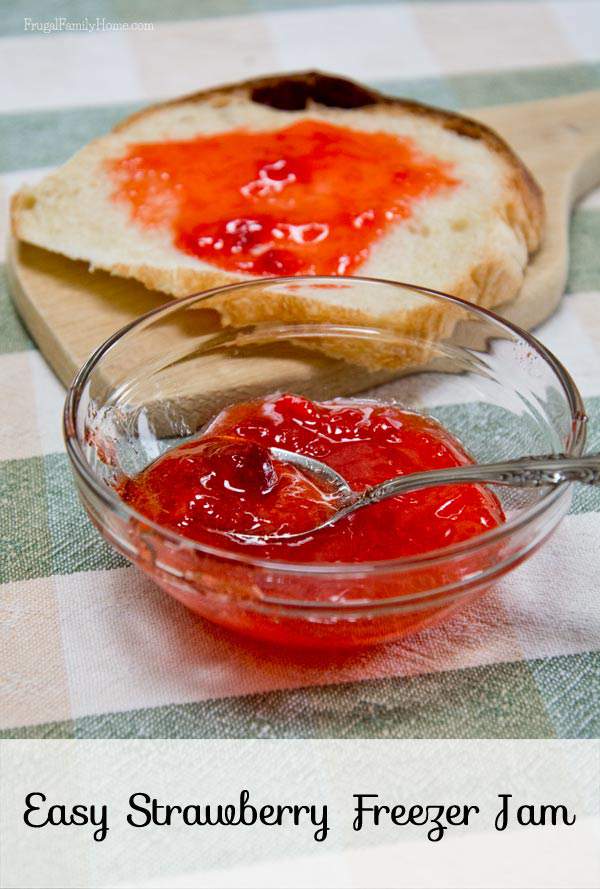
MCP pectin cooked jam recipes use prepared fruit, sugar, and powdered fruit pectin to make homemade jam with a firm, spreadable texture. For a cooked version, combine the measured fruit and MCP pectin as directed on the package, bring the mixture to a full rolling boil, add the specified sugar, and boil for the exact time in the recipe. Use a tested recipe for each fruit, and process jars in a boiling-water canner if you want shelf-stable jam.
Homemade jam is a familiar treat in many American kitchens. A batch made with fresh strawberries from a summer farmers market, raspberries from a backyard patch, or peaches bought at a roadside stand can turn ripe fruit into a sweet spread for toast, biscuits, and peanut butter sandwiches. MCP pectin can help make that process more predictable, provided you follow the directions for the exact product and fruit you use.
The main thing to understand is that cooked jam and freezer jam are different recipes. Cooked jam uses heat to dissolve the sugar and activate the pectin, then may be processed in a boiling-water canner for safe room-temperature storage. Freezer jam follows a different method and needs cold storage. The two methods are not interchangeable, so this guide focuses on cooked jam and explains how to choose a suitable fruit recipe, avoid common setting problems, and store the finished jars safely.
MCP pectin cooked jam recipes are fruit-preserve recipes that use MCP powdered fruit pectin and heat to help create a gel. Pectin is a natural substance found in many fruits. When the right amount of pectin works with the recipe’s sugar, acidity, and cooking process, the fruit mixture thickens as it cools.
MCP is associated with packaged fruit pectin and recipes for homemade jams and jellies. The precise directions matter because fruit types differ in their natural pectin and acidity, while commercial pectin products may have different formulas and instructions. A recipe written for one brand or product type should not automatically be used with another.
Cooked jam generally contains crushed or chopped fruit, while jelly is made from fruit juice. Jam usually has a thicker, more textured feel because small pieces of fruit remain in the spread. Both can be made with added pectin, but each needs a suitable recipe.
This distinction matters when shopping for ingredients. Look for the MCP product that matches the recipe, then read the current package directions before starting. Do not assume that every MCP recipe uses the same amount of sugar, fruit, water, or pectin.
Source: blogger.googleusercontent.com
MCP powdered pectin
The ingredient that helps the fruit mixture form a gel. Use the quantity specified in the matching recipe.
Prepared fruit
Fruit that has been washed, trimmed, pitted, peeled when needed, and crushed or chopped as the recipe requires.
Granulated sugar
Sugar adds sweetness and helps the jam set and keep its expected texture. Do not reduce it unless the product has a tested reduced-sugar recipe.
Canning equipment
For shelf-stable cooked jam, use suitable canning jars, two-piece lids, and a boiling-water canner with the processing directions for the recipe.
Cooked Jam Versus Freezer Jam
Cooked jam is heated according to its recipe. Some cooked jams are packed into jars and processed for room-temperature storage; others are made for refrigeration and are not shelf-stable. Freezer jam uses a separate method and is stored in the refrigerator or freezer instead of being treated as canned jam.
Do not use a freezer-jam recipe as a substitute for a cooked-jam recipe. Even when both recipes use the same fruit, the ingredient order, cooking steps, and storage rules can differ.
Choose cooked jam
Use this method when you want the texture and flavor of heated fruit preserves and intend to follow a tested cooked recipe.
Choose freezer jam
Use a matching freezer-jam recipe when you prefer its preparation method and have room in your refrigerator or freezer.
Ingredients and Equipment for Homemade Cooked Jam
Gather everything before heating the fruit. Jam recipes move quickly once the mixture reaches a full boil, so it helps to have the sugar measured, the jars ready, and the work area clear. Use the exact amounts in the chosen recipe rather than estimating by eye.
Fresh, sound fruit is a good starting point. Choose ripe fruit with normal color and aroma, and remove damaged or spoiled portions. Wash fruit under clean running water before trimming or crushing it. Do not use moldy or spoiled fruit to make jam.
A large, heavy saucepan helps reduce the risk of scorching and gives the mixture room to bubble. Use a pan that can hold the ingredients without coming close to overflowing. A long-handled spoon, measuring cups, a ladle, and a timer are useful for the cooking stage.
If you plan to can the jam, prepare the jars and lids according to the current tested recipe and the lid manufacturer’s directions. A clean kitchen jar with a reused lid is not a substitute for suitable home-canning equipment. Keep the correct jar size and headspace in mind before filling.
Source: i.pinimg.com
Fruit
Use the type and measured quantity called for by the recipe. Strawberries, raspberries, blueberries, and peaches all need suitable preparation.
MCP pectin
Check the package label and recipe to confirm the correct product and quantity.
Sugar
Measure it in advance and keep it separate until the recipe tells you to add it.
Large saucepan
Choose a sturdy pan with enough space for the mixture to boil without spilling over.
Canning tools
If preserving jars for pantry storage, have the correct jars, new compatible lids, jar lifter, and boiling-water canner ready.
Why Exact Measurements Matter
Pectin does not work in isolation. Fruit, sugar, acidity, and heat all affect the final gel. Adding extra fruit can dilute the recipe’s balance, while cutting the sugar can prevent a standard full-sugar recipe from setting as intended.
Measure crushed fruit after preparing it, unless the recipe explicitly says to measure whole fruit first. A recipe that calls for a set number of cups of crushed strawberries is not asking for the same number of cups of whole berries. That small difference can change the result.
Measure after preparation
Crush or chop the fruit as directed, then measure the amount specified in the recipe.
Avoid scaling up
Prepare one batch at a time unless the manufacturer provides a tested larger-batch method.
How to Make MCP Pectin Cooked Jam Step by Step
The best way to make cooked jam is to follow a tested recipe from start to finish. The steps below explain the usual process for a full-sugar cooked jam made with powdered pectin. Your MCP package and the selected fruit recipe take priority if they give different instructions.
Before you begin, decide whether the finished jam will be refrigerated, frozen, or canned for pantry storage. That decision affects the preparation of the jars and the final storage steps. A hot jar and a tight lid alone do not prove that jam is safe for room-temperature storage.
Source: frugalfamilyhome.com
Step 1: Prepare the fruit
Wash the fruit, remove stems or pits, peel it when required, and crush or chop it to the recipe’s directions. Remove spoiled fruit and measure the prepared amount accurately.
Step 2: Prepare the sugar and jars
Measure the full amount of sugar into a separate bowl. Prepare canning jars and lids according to the tested recipe if you intend to make shelf-stable preserves.
Step 3: Combine the fruit and pectin
Add the MCP pectin in the order specified by the matching recipe. Stir well so the pectin mixes evenly with the fruit and does not form dry lumps.
Step 4: Bring the mixture to a full rolling boil
Heat the mixture while stirring as directed. A full rolling boil continues bubbling across the surface even while you stir it. Watch the pan closely because fruit mixtures can foam and rise.
Step 5: Add the sugar
Add the premeasured sugar at the stage specified in the recipe. Stir until it dissolves, then bring the mixture back to the required full rolling boil.
Step 6: Boil for the stated time
Start the timer only when the mixture reaches the required boiling stage. Stir constantly when directed, and do not extend or shorten the boil without a tested reason.
Step 7: Fill and process the jars
Remove the pan from the heat, handle foam as directed, and fill the prepared jars using the headspace specified in the recipe. If the recipe is for shelf-stable jam, process the filled jars in a boiling-water canner for the required time.
Step 8: Cool and check the seals
Remove processed jars safely and leave them upright, undisturbed, while they cool. Check the seals after cooling. Refrigerate unsealed jars and use them promptly; follow tested guidance for any reprocessing.
How to Tell When the Jam Is Ready
During cooking, the jam should reach the boiling stage required by the recipe. Once the stated cooking time is complete, remove it from the heat and finish the recipe’s filling steps without unnecessary delay.
Do not judge the final set while the jam is still hot. Jam often looks loose in the saucepan because it thickens as it cools. Allow the jars to cool fully and follow the recipe’s recommended setting period before deciding whether the result is too soft.
During cooking
Look for the full rolling boil described in the recipe, not just small bubbles around the edge of the pan.
After cooling
Check the texture only after the recommended setting period. A warm sample may appear thinner than the finished jam.
MCP Pectin Strawberry Cooked Jam
Strawberry jam is a familiar starting point because ripe berries bring a sweet, bright flavor and a soft fruit texture. For a cooked MCP strawberry jam, use a tested strawberry recipe that specifies powdered pectin, the amount of prepared berries, sugar, and any added lemon juice. Do not treat a freezer-jam recipe as the cooking formula.
The National Center for Home Food Preservation provides a strawberry jam recipe using powdered pectin. Its version calls for 5 1/2 cups of crushed strawberries, one package of powdered pectin, and 8 cups of sugar, with an approximate yield of 9 to 10 half-pint jars. Those quantities describe that particular tested recipe, not a universal formula for every pectin product. Check the MCP package directions before using those amounts with MCP pectin.
To prepare the berries, remove the green caps and crush the fruit thoroughly. Measure the prepared amount, then follow the selected recipe’s ingredient order and boiling time. Strawberry pieces should be evenly crushed so the finished jam spreads easily instead of containing large, uneven chunks.
Strawberry jam works well on toast, warm biscuits, pancakes, and peanut butter sandwiches. It can also be spooned over plain yogurt or used as a filling for simple thumbprint cookies after cooling. Let the finished jam set before judging its texture.
Source: 1.bp.blogspot.com
Best fruit choice
Use ripe, sound strawberries with a fresh smell and normal color.
Main preparation tip
Crush the berries in manageable portions, then measure the crushed fruit accurately.
Common mistake
Do not add extra strawberries just because the mixture looks thin while hot.
Can You Add Vanilla or Other Flavors?
Vanilla, herbs, spices, and other flavorings can change the taste of strawberry jam, but additions should not interfere with a tested canning recipe. For shelf-stable jam, use a recipe that specifically allows the added ingredient and gives safe processing directions.
For a small amount intended for immediate refrigeration, a little flavoring can be stirred into a cooled portion if it suits your taste. Keep that portion refrigerated and do not assume that the change is suitable for pantry storage.
For a simple variation
Serve the finished jam with fresh mint or a small amount of vanilla added to an individual refrigerated serving.
For canned jars
Keep the ingredient list and amounts within a tested recipe intended for shelf-stable storage.
MCP Pectin Raspberry Jam
Raspberry jam has a rich berry taste and can be made with red raspberries or other raspberry varieties when a suitable tested recipe is available. The berries soften quickly, which makes them easy to crush. Their small seeds remain in ordinary jam unless the recipe includes a straining step.
Start with clean, sound raspberries and remove any leaves or stems. Measure the fruit in the form required by the recipe. Follow the listed quantities of pectin, sugar, and lemon juice, if included. The order matters, so do not add every ingredient to the pot at once unless the recipe directs you to do so.
Raspberry jam can foam during boiling. Stir in the manner specified by the recipe, watch the pan, and lower the heat only if needed to prevent a spill without interrupting the required boiling stage. Some recipes allow a small amount of butter or margarine to reduce foam, but use this only when the recipe permits it.
Once the cooking stage is complete, fill the jars promptly. For pantry storage, process the jars using the tested recipe’s instructions and the correct adjustment for elevation. For a batch that is not canned for shelf stability, cool it safely and store it in the refrigerator or freezer as appropriate.
Source: blogger.googleusercontent.com
For a smoother spread
Choose a tested raspberry jelly recipe that uses strained juice rather than a jam recipe that retains the seeds.
For a fruitier texture
Use a raspberry jam recipe that keeps the crushed berries and their seeds.
For consistent results
Measure the prepared fruit and use the exact cooking time stated in the recipe.
What If Raspberry Jam Looks Foamy?
A layer of foam can form as the fruit mixture boils. Follow the recipe’s directions for skimming it from the surface before filling jars. Skimming can improve the appearance of the finished spread, although some recipes handle foam differently.
Do not leave a boiling pan unattended. Berry mixtures can rise quickly, and spilled hot sugar syrup can cause burns. Use a stable pan with enough room for the boil and keep children away from the cooking area.
Use a large pan
Leave enough room for bubbling and foam so the mixture does not spill over.
Skim as directed
Use a clean utensil and remove foam at the stage specified by the recipe.
MCP Pectin Peach Jam
Peach jam offers a mellow, sweet fruit flavor that works well on biscuits, toast, and simple desserts. Peaches need a little more preparation than soft berries because their skins and pits must be removed for many jam recipes. Cut the fruit into manageable pieces and crush it as directed.
A tested peach jam recipe from the National Center for Home Food Preservation uses 3 3/4 cups of crushed peaches, 1/4 cup of lemon juice, one package of powdered pectin, and 5 cups of sugar. Its stated yield is about six half-pint jars. These are the quantities for that published recipe, so confirm that your MCP product’s directions support the same method before following it.
Lemon juice is part of that peach recipe, not an optional ingredient to remove at will. Acidity can affect both the quality and safety of a canned fruit product. Use the type and amount specified by the tested recipe, and do not replace bottled lemon juice with fresh juice when a recipe specifically calls for bottled juice.
Peaches can vary in sweetness and moisture. That is one reason to use a measured recipe rather than cooking the fruit until it looks thick. Follow the specified pectin and sugar quantities and the full boiling time, then allow the jam to cool and set.
Source: i.pinimg.com
Prepare the fruit
Wash, peel, pit, and crush the peaches as the recipe directs.
Measure lemon juice
Use the amount and type specified by the tested recipe.
Avoid guesswork
Do not change the sugar or pectin amounts to compensate for peaches that taste sweeter or less sweet.
How to Get a Smooth Peach Jam Texture
Crush the peeled peaches evenly if you want a smooth, easy-to-spread jam. Small pieces can remain if that is the texture you prefer and the tested recipe permits them. Avoid blending or changing the fruit preparation in a way that conflicts with the recipe.
If you want a spiced flavor, look for a tested peach jam recipe that includes the spice. For a refrigerated portion intended for near-term use, you can also add a small amount of spice after cooking, then keep the portion chilled.
For a smooth result
Crush the fruit evenly and follow the specified preparation method.
For a spiced version
Use a tested recipe for canned jam or add flavor to a small refrigerated serving.
MCP Pectin Blueberry Jam
Blueberry jam has a deep color and a mild, sweet-tart taste. It is a useful option when fresh blueberries are in season or when you have a suitable quantity of frozen fruit. Use a tested blueberry jam recipe that names the correct pectin type and specifies whether the berries should be fresh or thawed.
Rinse fresh berries under running water and remove stems or damaged fruit. If using frozen blueberries, follow the recipe’s instructions for thawing and measuring. Do not drain, add, or discard liquid unless the recipe tells you to do so, because the amount of liquid can affect the final texture.
Crush the blueberries to the consistency called for in the recipe. Some cooks prefer a jam with small berry pieces, while others prefer a smoother spread. The chosen preparation method should match the tested recipe, not just the texture you hope to achieve.
Blueberries can release a lot of juice as they heat. That does not mean you should keep boiling the mixture longer than directed. Follow the prescribed pectin and sugar amounts, use the stated cooking time, and let the finished jam cool before judging its thickness.
Source: frugalfamilyhome.com
Fresh or frozen
Use whichever form is allowed by the chosen tested recipe, and measure it as instructed.
Keep the texture consistent
Crush the fruit to the specified size before measuring and cooking.
Do not overcook
Extra boiling can affect flavor and gel formation rather than fixing every soft set.
Can You Mix Blueberries With Other Berries?
A mixed-berry jam can taste appealing, but combining fruits changes the balance of juice, natural pectin, and acidity. Use a tested recipe made for the exact fruit combination rather than adding an unmeasured handful of another berry to a standard blueberry recipe.
For a small refrigerated batch, you have more flexibility in flavor because the product is not being prepared for pantry storage. Even then, use sound fruit, keep the jam chilled, and do not assume that a modified recipe will have the same setting time as a tested one.
For shelf-stable jam
Use a tested mixed-fruit recipe with a defined ingredient ratio and processing method.
For a small chilled batch
You can experiment with flavor, but refrigerate it and do not treat it as shelf-stable canned food.
How to Store Cooked Jam Safely
Storage depends on how the jam was prepared. Jam that has been cooked but not processed using a tested canning method should not automatically be stored in a pantry. A lid that seems tight does not establish that the jar is safe for room-temperature storage.
For shelf-stable jam, use a tested recipe intended for boiling-water canning. The National Center for Home Food Preservation recommends suitable Mason jars, self-sealing two-piece lids, correct headspace, and processing times adjusted for elevation. Its general guidance for jams with added pectin lists five minutes for hot-filled half-pint or pint jars at elevations from 0 to 1,000 feet, ten minutes from 1,001 to 6,000 feet, and fifteen minutes above 6,000 feet. The specific recipe and current guidance must still be checked before canning.
Follow the recipe’s directions for preparing jars, filling them, removing air bubbles if required, wiping rims, fitting lids, and processing. Keep the jars upright during cooling and avoid tightening bands or pressing lids while the jars cool. After cooling, check each seal according to the canning guidance.
Refrigerate any jar that does not seal correctly. For jam made only for refrigeration, use clean, suitable containers and follow the recipe’s storage limits. Freeze extra jam only in containers that can tolerate freezing and leave the headspace recommended by the container or recipe.
Discard jam that shows mold, an unusual odor, bubbling that suggests fermentation, or other signs of spoilage. Do not scrape mold from the surface and eat the rest. Mold can extend beyond the part that is visible, and affected jam should be discarded.
Source: 1.bp.blogspot.com
Shelf-stable canned jam
Use a tested recipe, suitable canning jars and lids, the correct headspace, and the required boiling-water processing time.
Refrigerator jam
Keep it chilled and follow the recipe’s stated storage period.
Frozen jam
Use freezer-safe containers and thaw the jam in the refrigerator.
Spoiled jam
Discard moldy or suspicious jam rather than tasting it or scraping off the affected surface.
Why a Sealed Lid Is Not the Whole Safety Test
A sealed lid shows that a vacuum seal has formed. It does not prove that the recipe was suitable for canning or that the jar received the correct heat treatment. Ingredient ratios, jar size, headspace, processing time, and elevation all matter.
Do not rely on an open-kettle method, an inverted jar, wax, or a lid that merely feels tight to preserve jam at room temperature. Use a tested home-canning method and follow its directions from preparation through storage.
Check the recipe first
Confirm that the recipe is intended for shelf-stable storage and matches the fruit and pectin you use.
Adjust for elevation
Use the required processing time for the altitude where the jars are being canned.
Common MCP Pectin Cooked Jam Problems and Fixes
A batch that does not set can be frustrating, but the cause is not always obvious while the jam is hot. Before trying to fix it, let the jam cool for the setting period recommended by the recipe. Then review the measurements, pectin type, ingredient order, and cooking time.
Pectin recipes depend on balance. Too much fruit, too little sugar, an incorrect pectin product, or a missed boiling stage can change the result. Adding more pectin or boiling for a long time without checking the recipe can make the texture worse.
Source: i.pinimg.com
Problem: Jam is too soft
Possible causes include inaccurate measurements, the wrong pectin type, an incomplete boil, or a recipe that was changed. Check the recipe and allow the full setting period before deciding what to do.
Problem: Jam is too firm
Too much pectin, too little measured fruit, or excessive cooking may contribute. Avoid further cooking and check the recipe before attempting any correction.
Problem: Sugar crystals remain
The sugar may not have dissolved fully. Follow the recipe’s stirring directions and do not alter the ingredient ratio to hide a grainy texture.
Problem: Jam has too much foam
Foam may develop during boiling. Use the recipe’s permitted method to reduce or skim it, and keep the pan large enough to contain the bubbling mixture.
Problem: A jar did not seal
Refrigerate the jar and use it promptly, or follow a tested reprocessing procedure if the recipe and timing allow it. Do not store an unsealed jar in the pantry.
Can You Fix Jam That Did Not Set?
Some soft jams can be remade, but the correction depends on the pectin product and the recipe. The National Center for Home Food Preservation provides specific directions for remaking certain soft jellies with powdered pectin, liquid pectin, or no added pectin. Those directions are not a universal MCP repair formula, so check that the procedure applies to your exact product and jam.
Do not add dry pectin directly to a finished batch without a suitable procedure. Uneven mixing can leave lumps, and an improvised amount may not correct the gel. When a tested remake method is available, begin with the stated trial batch and follow the instructions precisely.
Start with the likely cause
Review the measured fruit, sugar, pectin type, boiling stage, and setting time.
Use a tested remake method
Choose a procedure that applies to the pectin and fruit product you made.
Do not guess at shelf stability
If the recipe or storage safety is uncertain, keep the jam refrigerated or frozen rather than assuming it is safe for the pantry.
Choosing the Right Fruit Recipe
The best recipe depends on the fruit you have, the texture you want, and how you plan to store the jam. Strawberry and raspberry jam suit cooks who like a classic berry spread. Peach jam offers a softer, mellow flavor, while blueberry jam brings a deeper color and a mild berry taste.
Use the following table as a planning aid, not as a replacement for a tested recipe. The quantities and boiling times should come from the instructions for the specific fruit and MCP product you select.
Source: frugalfamilyhome.com
Strawberry
A familiar sweet berry spread. Remove the green caps, crush the fruit, and measure it as the recipe requires.
Raspberry
A bright berry spread with seeds unless the chosen recipe strains the fruit or juice.
Peach
A mellow fruit spread that often requires peeling and pitting. Follow the specified lemon juice amount.
Blueberry
A dark, sweet-tart jam. Prepare and measure fresh or frozen fruit as the tested recipe directs.
A Simple Recipe Selection Checklist
Before buying ingredients, confirm that the recipe names the same pectin product you plan to use. Check that it gives a clear quantity of prepared fruit, sugar, cooking time, yield, jar size, and storage method. A recipe with missing canning instructions should not be treated as a shelf-stable preserving recipe.
If you want less sugar, choose a tested recipe designed for a low-sugar pectin product. Do not simply cut the sugar in a regular full-sugar MCP recipe. If the fruit you want is not covered by a reliable recipe, look for guidance from a recognized home food preservation source rather than inventing a ratio.
Confirm the pectin
Match the recipe to the package label and product directions.
Confirm the measurements
Look for exact amounts of prepared fruit, sugar, pectin, and any added acid.
Confirm storage instructions
Determine whether the recipe makes refrigerator jam, freezer jam, or jam intended for shelf-stable canning.
Frequently Asked Questions
Q
Can I use MCP pectin for cooked jam?
Yes, when the MCP product and recipe are intended for cooked jam. Check the package directions for the fruit, sugar, preparation method, and boiling time. Do not assume that a freezer-jam recipe using MCP pectin can be cooked in the same way.
Q
How much sugar do I need for MCP cooked jam?
The amount depends on the fruit and the exact recipe. A tested strawberry recipe using powdered pectin may call for a different quantity from a peach or raspberry recipe. Measure the sugar exactly and do not reduce it in a standard full-sugar recipe unless the pectin instructions provide a tested variation.
Q
Why is my cooked jam still runny after cooling?
First, make sure the jam has had the full setting time recommended by the recipe. If it is still runny, review the fruit and sugar measurements, pectin type, ingredient order, and boiling time. A suitable tested remake procedure may help, but the correct method depends on the pectin and recipe.
Q
Can I make MCP jam without a canner?
You can make jam for refrigerator or freezer storage when you use a suitable recipe, but you should not treat an unprocessed jar as shelf-stable. If you want to keep cooked jam in the pantry, follow a tested canning recipe with the correct jars, lids, headspace, boiling-water processing time, and elevation adjustment.
Q
Can I use less sugar in an MCP cooked jam recipe?
Do not reduce the sugar in a standard full-sugar recipe unless the manufacturer provides a tested version that allows it. Sugar affects the set and the quality of the finished jam. For a lower-sugar spread, choose a product and recipe specifically designed for reduced-sugar preserves.
Q
Can I double an MCP cooked jam recipe?
It is better to make one batch at a time unless the manufacturer provides a tested method for a larger batch. Doubling the ingredients can change how quickly the mixture heats and how evenly it cooks, which can affect the final texture.
Q
How long does homemade cooked jam last?
Storage life depends on whether the jam was canned correctly, refrigerated, or frozen. Follow the storage period in the tested recipe and the guidance for the method you used. Refrigerate unsealed jars, and discard jam that shows mold or other signs of spoilage.
✦ Wrapping Up
Conclusion
MCP pectin cooked jam recipes offer a practical way to turn ripe fruit into a sweet spread for toast, biscuits, desserts, and more. Strawberry, raspberry, peach, and blueberry are useful flavors to consider, but each fruit needs a recipe with the right measurements and preparation steps.
The most reliable results come from using the correct pectin product, measuring the prepared fruit and sugar carefully, and following the specified boiling time. Let the jam cool before judging the set, and use a tested canning process if you want to store sealed jars at room temperature.
💡 Key Takeaway
Choose one tested cooked-jam recipe that matches your MCP pectin product and fruit. Measure every ingredient before heating, follow the cooking steps exactly, and decide on safe refrigerator, freezer, or canning storage before you begin.