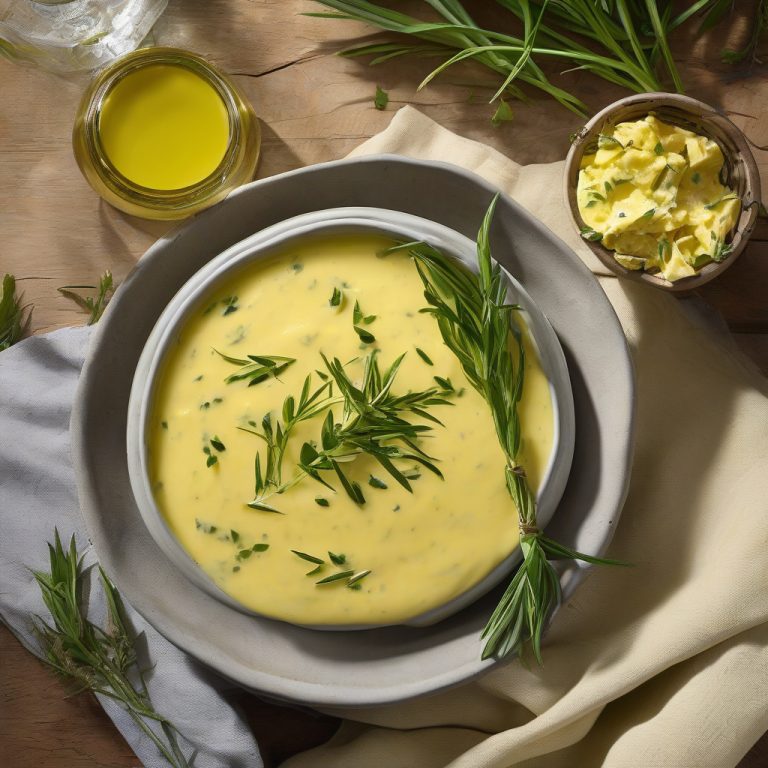
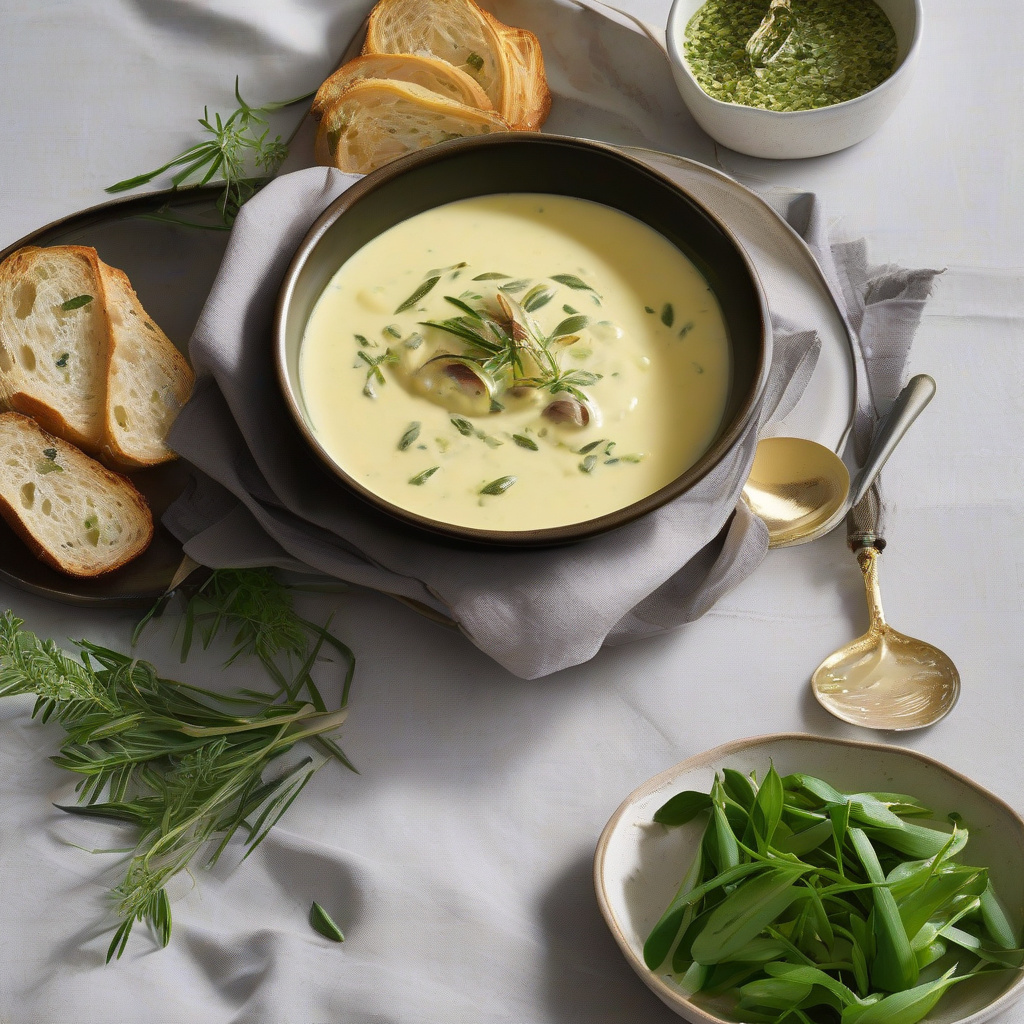
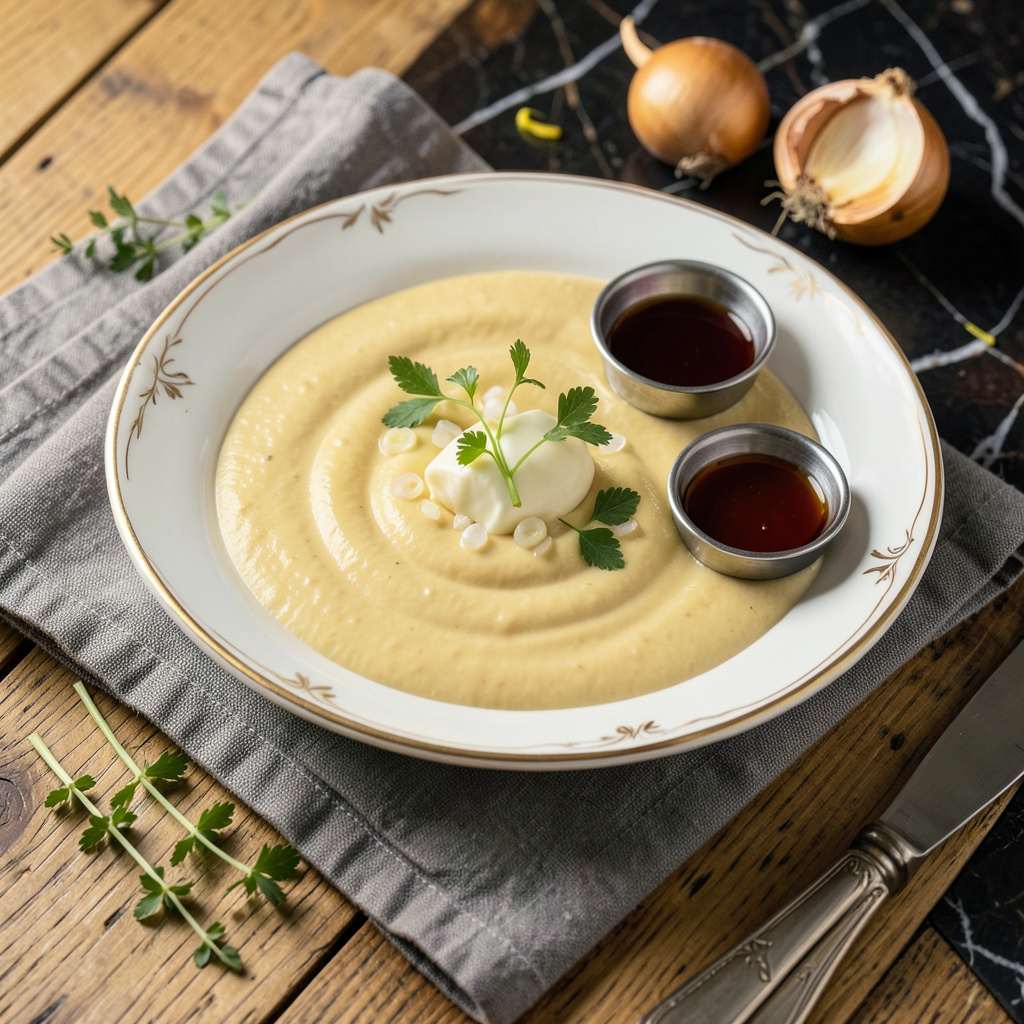
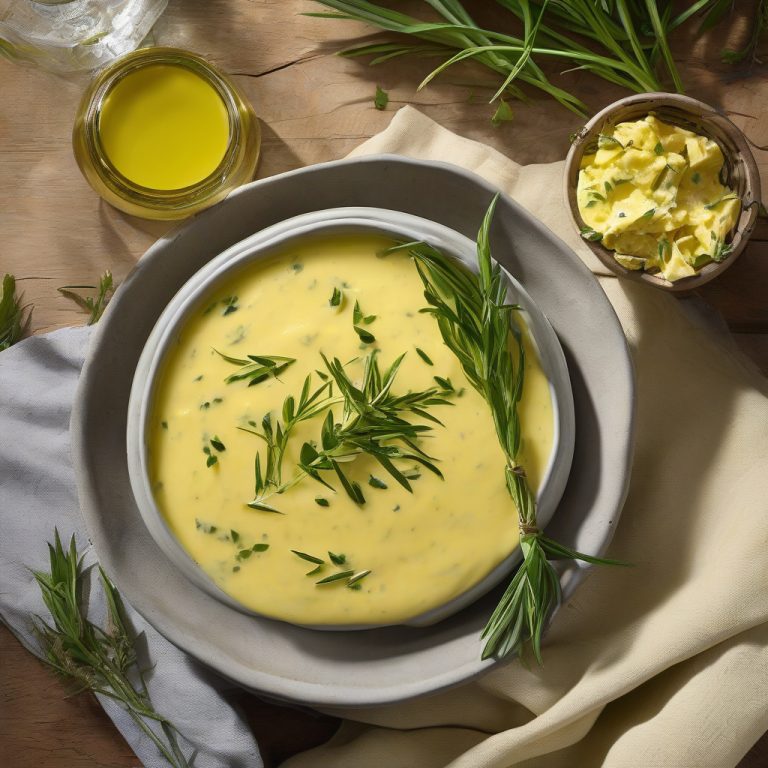
A Knorr Bearnaise sauce recipe starts with the sauce mix and the liquid and fat listed on its package. Prepare it over gentle heat, stir until smooth, and serve it with steak, chicken, fish, eggs, or vegetables. You can add fresh herbs or a small squeeze of lemon to adjust the taste.
A good steak dinner at home does not need a long list of fancy ingredients. In many American kitchens, a packet of sauce mix offers a quick way to add rich flavor to grilled steak, roast chicken, or baked potatoes. Knorr Bearnaise sauce mix is one option for cooks who want a buttery sauce without making every part from scratch.
Béarnaise is a classic French sauce known for its butter-rich texture and tarragon flavor. A packet version offers a convenient shortcut, but the exact preparation can depend on the package sold in your area. Use the instructions on your own packet as the main guide, then use the tips in this article to improve the texture, balance the flavor, and serve the sauce well.
This guide explains how to prepare Knorr Bearnaise sauce, what ingredients you may need, how to prevent lumps, and how to fix common problems. It also covers easy ways to serve the sauce with familiar American meals. The goal is simple: a smooth, flavorful sauce that complements the food rather than covering it up.
Knorr Bearnaise sauce is a convenient sauce-mix option inspired by classic French Béarnaise. Traditional Béarnaise is an emulsion, which means fat and liquid are blended into a stable sauce. It commonly combines butter, egg yolks, vinegar, shallots, and tarragon. The result is rich, tangy, and aromatic.
A packaged mix simplifies the process by supplying a prepared blend of seasonings and other ingredients. Depending on the product version, you may need to add butter, water, milk, or another liquid listed on the package. Do not assume every Knorr product uses the same recipe or cooking method.
For a home cook in the United States, the main appeal is convenience. You can prepare a sauce for a weeknight steak or a holiday meal without making a traditional reduction and carefully emulsifying egg yolks. The flavor and texture will differ from a fully homemade Béarnaise, but the packet can still provide a useful finishing sauce.
Source: spectralrecords.com
Flavor
Expect a savory, buttery sauce with a tangy note and herb character. The exact balance depends on the packet formulation and the ingredients you add.
Texture
A properly prepared sauce should coat the back of a spoon. It should not look watery, grainy, or oily.
Best use
Pair the sauce with foods that benefit from a rich, savory finish, especially grilled meats, fish, eggs, and plain vegetables.
Bearnaise and Hollandaise Are Not the Same
Béarnaise and Hollandaise are related butter-based sauces, but their flavor profiles differ. Hollandaise is known for its buttery richness and lemony tang. Béarnaise usually has a stronger herb flavor from tarragon and often includes a vinegar and shallot reduction in its traditional form.
That difference helps explain why Béarnaise works so well with steak. Its sharp, herbal notes can balance the richness of beef. It can also pair well with chicken, salmon, asparagus, and roasted potatoes.
Ingredients for a Knorr Bearnaise Sauce Recipe
The ingredient list begins with your Knorr Bearnaise sauce mix. Check the packet for the required amount of liquid and fat before you start. Some versions and regional products can have different directions, so the package is more reliable than a generic recipe that assumes one fixed ratio.
Gather the listed ingredients and a small saucepan. Measure everything before turning on the stove. Having the liquid ready makes it easier to stir the mixture smoothly and avoid scorching the sauce while you search for another ingredient.
Source: 90recipes.com
Knorr Bearnaise sauce mix
Use one packet, or the quantity specified by the package instructions, for the intended serving amount.
Liquid
Use the exact type and amount stated on the packet. Do not swap water for milk or another liquid without checking whether the product directions allow it.
Butter or other specified fat
Add the amount required by your package. Measuring carefully helps the finished sauce reach the intended consistency.
Optional fresh herbs
A small amount of chopped tarragon or parsley can add a fresh aroma. Add herbs only after the sauce has thickened, and start with a little.
Optional lemon juice
A few drops can brighten a sauce that tastes too rich. Add it gradually and taste after each addition.
Helpful Kitchen Tools
A small, heavy-bottomed saucepan helps spread heat more evenly than a thin pan. A wire whisk is useful for breaking up dry pockets, while a heat-safe spatula can help scrape sauce from the sides and base.
A measuring cup and measuring spoons also help. Too much liquid can leave the sauce thin, while too much butter can make it greasy or overly rich. Accurate measuring is the easiest place to start when you want consistent results.
Small saucepan
Choose a pan large enough to whisk comfortably but small enough to keep the sauce from spreading into a very thin layer.
Whisk
Use it to blend the mix into the liquid and keep the sauce moving as it heats.
Measuring tools
Measure the ingredients before cooking so you can focus on the heat and texture.
How to Make Knorr Bearnaise Sauce
The key to making a smooth Knorr Bearnaise sauce is to follow the packet directions, mix well, and avoid excessive heat. The general method below explains how to manage the process, but the order of ingredients, cooking time, and temperature should match your specific package.
Keep the sauce on the stove until it reaches the thickness described in the instructions. Do not rush the process by turning the heat to high. A few extra moments of gentle cooking and steady stirring can help the mixture heat evenly.
Source: saucerecipeslab.com
Step 1: Read the packet
Check the required liquid, fat, preparation order, cooking time, and serving size. Make sure the packet is intended for the sauce you want to prepare.
Step 2: Measure the ingredients
Measure each ingredient according to the label. Keep optional herbs and lemon juice aside until the sauce is ready.
Step 3: Combine as directed
Add the sauce mix and the specified liquid or fat in the order shown on the package. Whisk well to help the dry mix disperse.
Step 4: Heat gently
Set the burner to the heat level stated on the packet. Stir often, paying attention to the bottom and corners of the pan.
Step 5: Check the texture
When the sauce has thickened as directed, remove it from the heat if the instructions call for that. It should look cohesive rather than oily or separated.
Step 6: Adjust and serve
Taste the sauce before adding extra seasoning. Stir in a small amount of optional herb or lemon juice if it suits the dish.
How to Tell When the Sauce Is Ready
A finished sauce should have an even color and a smooth appearance. When you lift the whisk, the sauce should flow off it in a steady ribbon rather than fall like thin water. It should coat food lightly without forming a stiff paste.
Keep in mind that the sauce may thicken a little more as it stands. If it already looks very thick in the pan, do not keep cooking it just to reach a darker color. Follow the package timing and remove it from the heat when appropriate.
Good sign
The sauce is smooth, warm, and thick enough to coat a spoon.
Needs attention
The sauce has dry lumps, a watery layer, visible pools of oil, or a scorched smell.
Should You Add Milk or Cream?
Use milk or cream only when the package instructions call for it or when you are making a deliberate variation that suits the product. A dairy addition can change both the thickness and flavor, so it should not be treated as a universal replacement for water.
If you want a richer sauce, first prepare the packet as directed and taste it. A small splash of warm cream may work with some preparations, but too much can mute the herb flavor and make the sauce heavy. Add any optional ingredient in small amounts.
Tips for a Smooth, Flavorful Sauce
A packet makes preparation simpler, but heat and ingredient ratios still affect the result. Small changes can make the difference between a smooth sauce and one that is too thick, too thin, or oily. Start with the package method before trying to change the recipe.
Taste the finished sauce alongside the food you plan to serve. A sauce that seems strong on its own may work well with plain steak or potatoes, while a milder dish may need a lighter touch.
Source: justporkrecipes.com
Keep the heat under control
High heat can cause sticking, scorching, or separation. Use the heat level specified by the package and lower it if the sauce thickens too quickly.
Whisk from the start
Mix the powder thoroughly with the required liquid as directed. Early stirring helps prevent clumps from forming before the sauce heats.
Do not add extra butter by guesswork
Too much fat can make the sauce greasy and may alter its texture. Follow the stated amount first.
Taste before salting
The mix may already contain salt and seasoning. Extra salt can make the sauce overpower the meat or vegetables.
Add fresh herbs at the end
A small amount of fresh tarragon or parsley can lift the aroma. Too much herb can overwhelm the sauce, so add a little at a time.
How to Fix Lumpy Bearnaise Sauce
Lumps often form when the dry mix does not blend evenly with the liquid or when the mixture thickens before it has been stirred well. If the sauce is still safe to eat and has not scorched, remove the pan from the heat and whisk firmly.
If the sauce remains too thick, add a small amount of warm liquid that is compatible with the packet instructions. Whisk after each addition. Avoid pouring in a large amount at once because the sauce can quickly become too thin.
First fix
Take the pan off the heat and whisk until the mixture looks more even.
If it is still thick
Add warm liquid in small increments, provided the product directions allow it.
If it has burned
Do not scrape scorched material from the bottom into the sauce. Transfer only the unburned portion to a clean pan if it still smells and tastes normal.
How to Fix a Sauce That Is Too Thin
A thin sauce may need more cooking time, but only if the package method allows additional heating. Keep the heat low and stir continuously while checking the consistency. Some sauces also thicken slightly as they cool for a short time.
Do not add dry powder straight into a finished sauce unless the instructions support that method. Unmixed powder can create new lumps. If the sauce remains thin after the prescribed cooking time, check whether the ingredient amounts were measured correctly.
How to Handle a Greasy or Separated Sauce
A greasy surface can mean that too much fat was added or that the mixture became too hot. Remove the pan from the heat and whisk gently. If the product instructions permit it, a small amount of warm liquid may help bring the sauce together again.
A packet-based sauce may not recover fully after severe separation. If the mixture smells burned or has been left at an unsafe temperature for too long, do not try to rescue it simply by adding more ingredients.
Easy Ways to Customize Knorr Bearnaise Sauce
You can adjust the finished sauce to suit the meal, but make one change at a time. The original mix provides the base flavor, so extra ingredients should complement it rather than bury the tarragon and butter notes.
Prepare the sauce according to its label before adding optional extras. This gives you a clear starting point and makes it easier to judge whether the added ingredient improves the flavor.
Source: tastingtable.com
Fresh tarragon
Add a small pinch of finely chopped tarragon for a fresh herbal note that suits steak and fish.
Lemon juice
Add a few drops for brightness when the sauce tastes too rich. Avoid adding too much, which can make it sharply sour.
Black pepper
A light grind can add warmth, especially when the sauce is served with steak or roasted potatoes.
Chopped parsley
Parsley adds a fresh green note and a little color without strongly changing the sauce’s core flavor.
Warm cream
A small splash can create a softer, richer variation if it suits the product and the dish. It may also make the sauce heavier.
A Quick Garlic Variation
For a gentle garlic note, cook a very small amount of finely minced garlic separately in a little fat until fragrant, without letting it brown. Prepare the Knorr sauce according to its packet and stir in the garlic in a small amount.
Keep the garlic subtle. A strong garlic flavor can hide the tarragon and make the sauce less suited to delicate fish or eggs. This variation works best when you want a more savory finish for steak, chicken, or roasted vegetables.
A Lighter-Tasting Serving
If the sauce feels too rich, do not start by adding more liquid at random. First serve a smaller amount with the main dish. A few drops of lemon juice or a little fresh herb may help balance the flavor without changing the whole batch.
The sauce can also be served beside the food rather than poured over it. That lets each person choose how much to use and keeps the surface of crisp foods from becoming soggy.
What to Serve With Knorr Bearnaise Sauce
Knorr Bearnaise sauce pairs well with plain or lightly seasoned foods because its buttery, tangy, herbal flavor has room to stand out. Steak is a natural match, but there is no need to save the sauce for a special occasion. Chicken, salmon, eggs, potatoes, and green vegetables can all work.
For a balanced plate, pair the rich sauce with foods that have a crisp, fresh, or mildly earthy quality. Use a small spoonful first, then add more if the flavor complements the meal.
Source: chickensaucerecipes.com
Steak
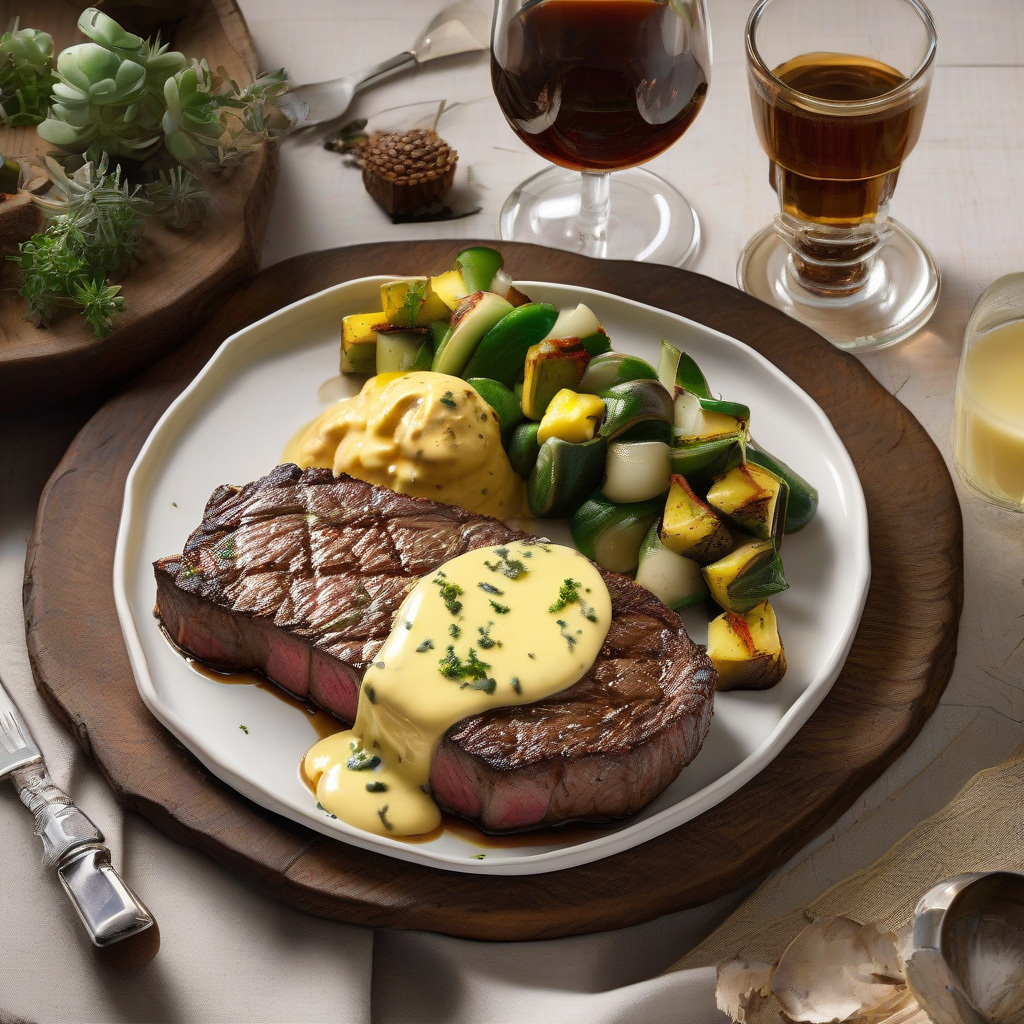
Serve a spoonful alongside grilled or pan-seared steak. Let the meat rest before cutting so the juices do not wash the sauce off the plate.
Chicken breast
Pair the sauce with roasted or pan-cooked chicken seasoned with black pepper and herbs. A side of green beans can balance the rich finish.
Salmon
Use a modest amount with baked or grilled salmon. Lemon and green vegetables can complement the buttery sauce.
Asparagus and broccoli
Spoon a little sauce over steamed, roasted, or grilled vegetables. Keep the vegetables firm enough to provide contrast.
Potatoes
Try the sauce with baked potatoes, boiled new potatoes, or oven-roasted wedges. Use less added salt if the sauce is already well seasoned.
Eggs
Serve a small amount with poached eggs, an omelet, or scrambled eggs. The sauce adds richness, so a little often goes a long way.
A Simple Steak Dinner Plan
For a straightforward American-style dinner, serve steak with roasted potatoes, green beans, and Knorr Bearnaise sauce on the side. Season the steak with salt and pepper as needed, and cook it to the appropriate safe internal temperature for your preferred cut and doneness.
Prepare the sauce while the meat rests, provided the timing allows you to follow the packet instructions. Keep the sauce warm as directed and avoid leaving it at room temperature for an extended period. Serve it in a small bowl so diners can add the amount they want.
A modest spoonful of Bearnaise sauce, plus fresh herbs if desired.
Storage, Reheating, and Food Safety
Treat prepared Knorr Bearnaise sauce as a perishable food, especially when it contains butter, milk, cream, or other dairy ingredients. Refrigerate leftovers promptly in a clean, covered container. As a general food-safety rule, refrigerate perishable cooked food within two hours, or within one hour when the surrounding temperature is above 90 degrees Fahrenheit.
For best quality, make only the amount you expect to use. Butter-based sauces can change texture during storage, and reheating may not restore the original smoothness. Follow any storage instructions on the packet and use sound food-safety practices for the ingredients you added.
Source: nommyrecipes.com
Cool and refrigerate
Transfer leftovers to a clean, shallow container when practical and refrigerate promptly. Do not leave the sauce on the counter for hours.
Use leftovers promptly
Keep refrigerated sauce for no more than three to four days as a general guideline for cooked leftovers, unless the product label gives a shorter limit.
Reheat gently
Warm only the amount needed, using low heat and frequent stirring. Avoid boiling, which may cause the sauce to separate.
Discard when in doubt
Throw away sauce that has an unusual smell, visible mold, or a history of unsafe storage. Do not taste food to determine whether it is safe.
Can You Make the Sauce Ahead?
You can measure the dry ingredients and prepare your cooking area ahead of time. For the best texture, however, it is often easier to prepare the sauce close to serving time. The finished sauce may thicken or separate as it cools.
If you need to prepare it in advance, follow the packet’s storage advice and refrigerate it promptly. Reheat gently and stir as needed. Do not keep it warm for long periods unless you can maintain safe food temperatures.
Can You Freeze Bearnaise Sauce?
Freezing is not the best option when smooth texture matters. Butter-based and emulsified sauces can separate after freezing and thawing. A packet sauce may also change in consistency depending on its ingredients.
For a small batch, refrigeration and prompt use are usually more practical than freezing. Check the product’s package for any specific storage guidance, and discard any leftovers that have been handled unsafely.
Common Mistakes to Avoid
Most problems with packet sauce come from changing the ingredient ratios, heating it too hard, or adding flavorings before checking the finished taste. The easiest fix is to start with the printed instructions and make small adjustments only after the sauce is ready.
Bearnaise has a distinct flavor, so a larger amount of butter, garlic, salt, or lemon does not always make it better. Aim for a sauce that supports the main food instead of becoming the strongest flavor on the plate.
Source: recipeomnibus.com
Guessing the ingredient amounts
Too much liquid can thin the sauce, while too much fat can make it oily. Measure according to the packet.
Using high heat
Strong heat can cause the mixture to stick or separate. Follow the specified heat level and stir often.
Adding salt too early
The mix may already contain salt. Taste the finished sauce before seasoning further.
Adding too many extras
Large amounts of garlic, herbs, cream, or lemon can overpower the base flavor and change the texture.
Leaving the sauce out too long
Prepared sauce can spoil when held at room temperature for too long. Serve promptly and refrigerate leftovers safely.
When to Start Over
A few small lumps or a slightly thick texture may be fixable with careful whisking and a compatible warm liquid. A burnt smell, blackened bits mixed through the sauce, or severe separation is harder to correct.
If the sauce has scorched badly, smells wrong, or may have been held at an unsafe temperature, make a fresh batch rather than trying to hide the problem with herbs or cream. The cost of another packet is usually less than the risk of serving questionable food.
Frequently Asked Questions
Q
What do you add to Knorr Bearnaise sauce mix?
Add the liquid and fat specified on your packet. The required ingredients can vary by product version and market, so check the label rather than relying on a general recipe. Optional herbs or a few drops of lemon juice can be added after preparation if desired.
Q
Can I make Knorr Bearnaise sauce without butter?
That depends on the instructions for your particular mix. If butter is required, leaving it out may change the taste and consistency. Check the label for an approved substitute before changing the recipe.
Q
How do I make Knorr Bearnaise sauce thicker?
First, check that you measured the ingredients correctly. If the packet allows further cooking, heat the sauce gently while stirring and watch for the intended thickness. Avoid adding dry powder directly to the finished sauce unless the package gives that method.
Q
Can I use Knorr Bearnaise sauce with chicken?
Yes. The rich, tangy sauce pairs well with roasted, grilled, or pan-cooked chicken. Serve a modest amount alongside the chicken, with vegetables or potatoes to balance the meal.
Q
How long does prepared Bearnaise sauce last in the refrigerator?
As a general guideline, use refrigerated cooked leftovers within three to four days, provided they were cooled and stored safely. Follow any shorter storage limit on the product label. Discard sauce left at room temperature for too long or showing signs of spoilage.
Q
Can I reheat Knorr Bearnaise sauce in the microwave?
Check the product instructions first. If reheating in a microwave is suitable, use a microwave-safe container and short heating intervals, stirring between them. Gentle heating helps reduce the chance of uneven hot spots and separation. Heat only the portion you plan to serve.
Q
What is the difference between Knorr Bearnaise sauce and homemade Bearnaise?
Traditional homemade Béarnaise is usually made by blending butter with egg yolks and a flavored vinegar reduction that includes ingredients such as shallots and tarragon. A Knorr packet uses a prepared mix and its specified additions to simplify the process. The packet version is convenient, but the flavor and texture may differ from a traditional sauce made from scratch.
✦ Wrapping Up
Conclusion
A Knorr Bearnaise sauce recipe can be a simple way to add a buttery, herb-rich finish to steak, chicken, fish, eggs, or vegetables. The best starting point is the preparation method on your own packet. Measure the ingredients, stir well, and use gentle heat to help the sauce develop a smooth texture.
Small changes can help tailor the sauce to your meal. Fresh tarragon can strengthen the herbal note, while a few drops of lemon juice may balance the richness. Make each change gradually, and avoid adding extra salt or fat before tasting the finished sauce.
Serve the sauce soon after preparation, and handle leftovers with care. With the correct packet directions and a little attention to heat and texture, you can make a useful finishing sauce for an easy weeknight meal or a special dinner at home.
💡 Key Takeaway
Check your Knorr Bearnaise packet, measure the listed ingredients, and prepare the sauce over the recommended heat. Taste before adding extras, then serve a small amount with your favorite main dish.